Support

Belo Horizonte

About

Welcome to Belo Horizonte, the vibrant capital of the state of Minas Gerais. Known locally as "Beagá," this metropolis offers a unique blend of urban sophistication and traditional hospitality. Nestled in southeastern Brazil, the city is framed by the beautiful Serra do Curral mountains, providing a stunning natural backdrop to its skyline. With a metropolitan population of over 5 million people, it serves as a major cultural and economic hub for the region, celebrated for its panoramic views and mild tropical savanna climate.

As you wander through its wide avenues and organized squares, you will encounter the intriguing history of Belo Horizonte. It stands out as the country's first planned modern city, designed and constructed at the end of the 19th century to succeed Ouro Preto as the state capital. This careful planning is evident in its grid-like layout, landscaped parks, and the harmonious integration of green spaces within the urban environment.
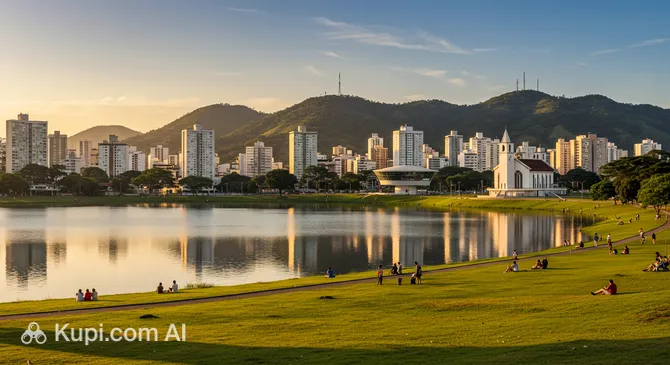
Belo Horizonte. Source: Kupi.Binoculars

Travelers are drawn to the city's remarkable architecture and world-renowned gastronomy. The Pampulha Modern Ensemble, a UNESCO World Heritage site designed by the legendary architect Oscar Niemeyer, is a masterpiece of modernism surrounding a scenic artificial lake. For food enthusiasts, the Mercado Central is an absolute must-visit, offering a sensory explosion of local cheeses, sweets, and handicrafts. Additionally, the city is famously known as the "bar capital" of the nation, boasting an incredible density of botecos where visitors can enjoy lively conversation and delicious local snacks.

Whether you are exploring its modernist landmarks, hiking in the nearby mountains, or simply enjoying the friendly atmosphere, this destination promises an unforgettable experience. We invite you to discover the warmth, culture, and charm of this dynamic city.
Weather Overview

The city enjoys a pleasant high-altitude tropical climate, making it a welcoming destination for most of the year. To help plan your trip effectively, it is helpful to review the current weather in Belo Horizonte. Generally, the region experiences a distinct wet season during the summer months and a dry, cooler season during the winter.

From December to March, you can expect warm temperatures with frequent rainfall. During this period, average temperatures hover around 23°C, with highs reaching approximately 27.7°C, and rain occurs often, with up to 21 wet days in December. Conversely, the winter months of June through August bring drier conditions and clear skies. Precipitation drops significantly, often to 0mm, and while daytime highs remain agreeable around 24°C, nights can be crisp with minimum temperatures dipping to 12°C.

Interesting Facts

Beyond the main attractions, Belo Horizonte holds many fascinating secrets that reveal the city's unique character and innovative spirit.

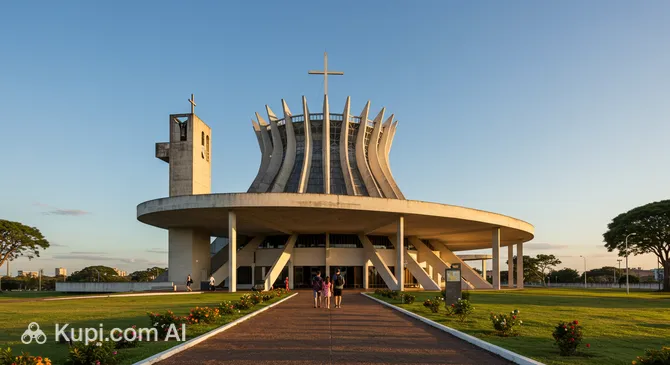
  • The Laboratory of Modernism: Before the futuristic capital of Brasília was built, the famous architect Oscar Niemeyer experimented with his signature curves around the Pampulha Lagoon. The São Francisco de Assis Archdiocesan Sanctuary located here was considered so radical in its design that it remained unconsecrated by the church for 16 years after its completion.

  • A Holy Compliment: The scenic Pope's Square (Praça do Papa) received its popular nickname after a visit by Pope John Paul II in 1980. Upon seeing the view from this high point, he famously exclaimed, "May our eyes contemplate beautiful horizons," a poetic nod to the city's name.

  • Solar-Powered Football: The legendary Mineirão Stadium is a pioneer in sustainability. It was the first stadium in Brazil to install a massive solar power plant on its roof, generating enough clean energy to power roughly 1,200 homes.

  • The Capital of Botecos: The city is widely renowned as the "Bar Capital of Brazil." It boasts an exceptionally high number of bars per capita, a cultural trait that gave rise to the Comida di Buteco festival, a major culinary competition that celebrates traditional bar snacks.

São Francisco de Assis Archdiocesan Sanctuary. Source: Kupi.Binoculars

How to Get There

Reaching the capital of Minas Gerais is straightforward, with air travel being the most convenient option for visitors coming from afar. Whether you are arriving from within Brazil or from an international destination, planning your arrival is the first step toward enjoying the city's rich culture. You can find detailed information on all ways to reach the city to help organize your trip efficiently.

The primary gateway for most travelers is Tancredo Neves International Airport (CNF), also widely known as Confins. It is a major hub handling a significant volume of passenger traffic, connecting the region to numerous domestic and international destinations. Located approximately 32 km from the city center, the journey by taxi or executive bus typically takes around 70 minutes, depending on traffic conditions. The airport is modern and well-equipped, ensuring a comfortable arrival experience.

Other airports in the state serve different municipalities and are generally not practical for direct access to the capital due to the considerable distance. For example, Zona da Mata Regional Airport (IZA) is located in the city of Juiz de Fora, about 194 km away. A ground transfer from there would be a long journey, taking over 5 hours. Similarly, Governador Valadares Airport (GVR) is situated in Governador Valadares, roughly 235 km from Belo Horizonte, making it suitable only for those visiting that specific part of the state.

For clarity, here is a summary of the main airports:

Airport Name City Passenger Traffic Km from City
Tancredo Neves International Airport Belo Horizonte Large 31.7
Zona da Mata Regional Airport Juiz de Fora Medium 193.6
Governador Valadares Airport Governador Valadares Small 234.7

Main Attractions

The capital of Minas Gerais is a treasure trove of culture, history, and nature, offering visitors a diverse range of experiences. From bustling markets filled with local flavors to serene parks and interactive museums, the city's highlights reflect its dynamic spirit and rich heritage.

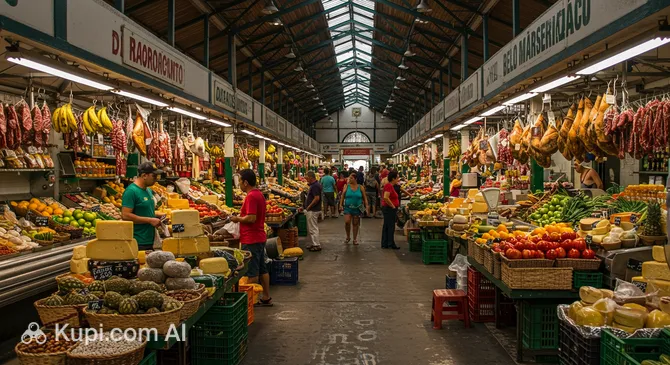
A visit to the city would be incomplete without exploring the Belo Horizonte Central Market. This lively hub is the beating heart of the local gastronomy, housing over 400 stalls. It is the perfect place to immerse yourself in the region's traditions by tasting the famous Minas cheese, sampling artisanal cachaça, or buying colorful handicrafts. The vibrant atmosphere and the aroma of fresh coffee and spices make it a sensory delight for every traveler.

Belo Horizonte Central Market. Source: Kupi.Binoculars

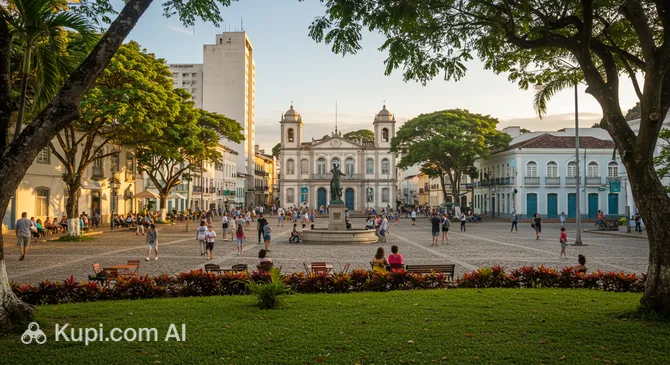
For a blend of history and architecture, Liberty Square is an essential stop. This elegant public space features beautifully landscaped gardens inspired by the Palace of Versailles, framed by a mix of neoclassical and postmodern buildings. It serves as the center of the "Liberty Circuit," one of the largest integrated cultural circuits in Brazil, where historic government buildings have been transformed into world-class museums and cultural centers.

Liberty Square. Source: Kupi.Binoculars

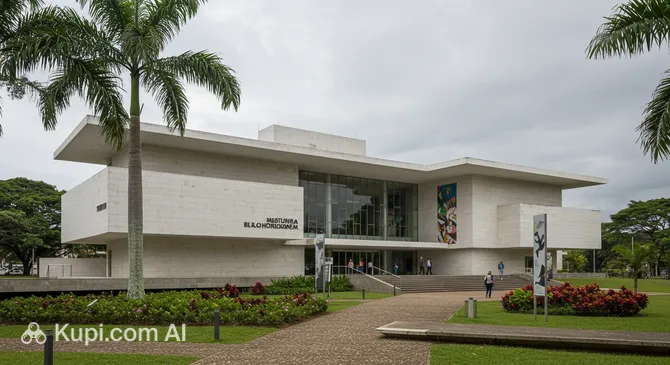
Located within one of the historic buildings on Liberty Square, the Museum of Mines and Metal offers a fascinating look into the state's geological wealth. Known as the "Pink Building," it uses cutting-edge technology and interactive exhibits to tell the story of mining in Minas Gerais. It is an engaging experience for visitors of all ages, playfully demystifying the world of minerals and metals that shaped the region's identity.

Nature lovers should head to the Mangabeiras Municipal Park, located at the foot of the Serra do Curral. As one of the largest urban parks in Latin America, it preserves a significant area of native forest and offers stunning views of the city. With its ecological trails, sports courts, and peaceful green spaces, it provides a refreshing escape from the urban hustle and a chance to encounter local wildlife such as marmosets and exotic birds.

Local Cuisine

Minas Gerais is widely regarded as the culinary heart of Brazil, and its capital serves as the perfect table to experience this reputation. The local cuisine, known as comida mineira, is deeply rooted in farmhouse traditions, emphasizing comfort, rich flavors, and ingredients like pork, corn, beans, and artisanal cheeses. A visit here is not complete without indulging in the iconic pão de queijo (cheese bread). While popular across the country, the local version is prepared with the region's specific cured cheese, giving it an authentic flavor and texture you won't find elsewhere.

For a hearty meal, you must try feijão tropeiro. This robust dish combines beans with cassava flour, sausage, cracklings, eggs, and collard greens. It is a local obsession, famously served even inside football stadiums. Another staple of Sunday lunches is frango com quiabo, a stew of chicken and okra cooked with aromatic spices and usually served over a bed of polenta (angu) or rice, representing the true soul of the city's food culture.

Belo Horizonte is affectionately known as the "National Capital of Bars." The social life of the city revolves around the boteco—casual, open-air bars where friends gather for hours to talk and share appetizers called tira-gostos. To experience this vibrant atmosphere, you can visit Tatu Bola Bar, which offers a lively setting to enjoy live music and traditional snacks. The city even hosts an annual festival, "Comida di Buteco," which turns these bar appetizers into a serious culinary competition.

Savassi Square. Source: Kupi.Binoculars

For those looking for a diverse dining scene, the area surrounding Savassi Square is packed with charming bistros, cafes, and restaurants catering to all tastes. However, for the most authentic experience, a return to the Belo Horizonte Central Market is essential. Here, adventurous foodies can taste the classic local pairing of liver with jiló (a bitter scarlet eggplant), ideally accompanied by a cold beer standing at one of the many counters.

When it comes to drinks, the region is the premier producer of cachaça, Brazil's famous sugarcane spirit. You will find an incredible variety of aged artisanal cachaças to sip slowly or enjoy in a refreshing caipirinha. Finally, as a major coffee-producing state, the city offers exceptional specialty coffees, often served in the afternoon with a slice of fresh Minas cheese and doce de leite.

Travel Tips

Exploring the capital of Minas Gerais requires a bit of local know-how to fully enjoy its hilly geography and warm culture. Here are some essential practical tips to help you navigate Belo Horizonte smoothly and experience the city like a true mineiro.

  1. Clothing and Gear: The city is built on steep hills, so comfortable walking shoes are absolutely non-negotiable; save your formal footwear for venues where you can arrive by car. Pack lightweight, breathable clothing for the day, but bring a light jacket for the evenings, as temperatures can drop pleasantly at night, especially from May to August. The standard voltage is 127V with Type N sockets (three-pin), so a universal adapter is essential for your electronics.

  2. Transportation: While the city has a metro, it consists of a single line that serves commuter routes rather than tourist areas. The most convenient way to get around is by using ride-hailing apps like Uber or 99, which are safe, abundant, and affordable. Renting a car is generally not recommended for short visits due to the confusing, hilly layout and heavy traffic during rush hours.

  3. Finances: The official currency is the Brazilian Real (BRL). Credit and debit cards are universally accepted, even by small street vendors and at the Central Market. However, keeping some small cash bills is useful for minor purchases. In restaurants, a 10% service charge is usually included in the bill, so additional tipping is optional but appreciated for excellent service.

  4. Health and Safety: Belo Horizonte is a major urban center, so standard precautions apply: avoid flashing expensive jewelry or phones in crowded areas and stick to well-lit streets at night, particularly downtown. If you need medical supplies, look for Drogaria Araujo; this pharmacy chain is a local institution with branches on nearly every corner, many of which are open 24/7.

  5. Communication: Portuguese is the primary language, and English is not widely spoken outside of major hotels and business hubs. Locals appreciate it when you try to speak a few words, so learning basic phrases like bom dia (good morning) and obrigado (thank you) helps. It is highly advisable to buy a local SIM card (Claro, Vivo, or TIM) at a shopping mall to have reliable access to maps and translation apps.

  6. Local Etiquette: Mineiros are known for being some of the friendliest people in Brazil. Greetings are warm and often include a handshake or a kiss on the cheek. Do not be surprised if a simple question turns into a long, friendly conversation; patience and politeness are key social values here.

  7. What to Avoid: Avoid drinking tap water; always opt for bottled or filtered mineral water. Also, try not to refuse offers of food or coffee (cafezinho) too abruptly if visiting a local's home or a traditional shop, as sharing food is a deeply important gesture of hospitality in this region.

  8. Sunday Tradition: If your trip includes a Sunday, plan to visit the Feira Hippie on Afonso Pena Avenue. It is one of the largest open-air arts and crafts markets in Latin America. The market starts early in the morning and is the perfect place to buy leather goods, jewelry, and souvenirs, but be prepared for large crowds.

With these tips in mind, you are well-prepared to embrace the unique rhythm of this welcoming metropolis. Enjoy the delicious food, the stunning views, and the genuine hospitality that make a visit to Belo Horizonte truly unforgettable.

Entertainment & Nightlife

Belo Horizonte is famously known as the "National Capital of Bars," and its nightlife reflects this title with a vibrant, social atmosphere that spills out onto the sidewalks. The city does not just go to sleep after dark; it transitions into a lively scene where locals, known as mineiros, gather to enjoy cold beer, live music, and animated conversation. Unlike cities dominated by exclusive nightclubs, the soul of the night here is found in the open-air botecos and pubs that line the streets, creating a welcoming environment for visitors.

The most iconic district for nightlife is undoubtedly Savassi. This neighborhood is the beating heart of the city's after-hours scene, densely packed with bars, pubs, and nightspots catering to a diverse crowd. The streets radiating from Savassi Square are often closed to traffic on weekends, filling up with tables and partygoers. For a more bohemian and artistic vibe, the Santa Tereza neighborhood offers traditional samba houses and a nostalgic atmosphere, while the upscale Lourdes district provides sophisticated wine bars and high-end dining options.

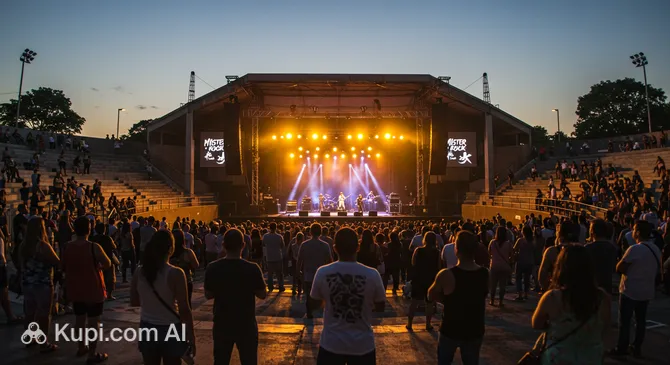
If you are looking for live music and a high-energy environment, the city has excellent specific venues. Rock and heavy metal fans will feel right at home at Mister Rock, a well-known venue that hosts tribute bands and original acts in a spacious setting. It is a staple for those who want to enjoy a concert atmosphere with great acoustics.

Mister Rock. Source: Kupi.Binoculars

For a different style, Why American Pub offers a classic pub experience with a wide selection of beers, themed decor, and rock-oriented playlists. It is a popular spot to start the night or hang out with friends in a relaxed yet lively setting. Most bars and pubs in the city have a casual dress code, so jeans and a nice shirt are perfectly acceptable. Venues typically start filling up around 7:00 PM, but the real buzz in clubs and music venues often begins after 10:00 PM.

Regarding safety, while the main nightlife districts like Savassi are generally well-policed and busy, it is important to stay alert. Avoid walking alone in deserted streets downtown late at night. The best way to get around is by using ride-hailing apps like Uber or 99, which are reliable and safe. Taxis are also available, but apps provide the convenience of tracking your ride and upfront pricing.

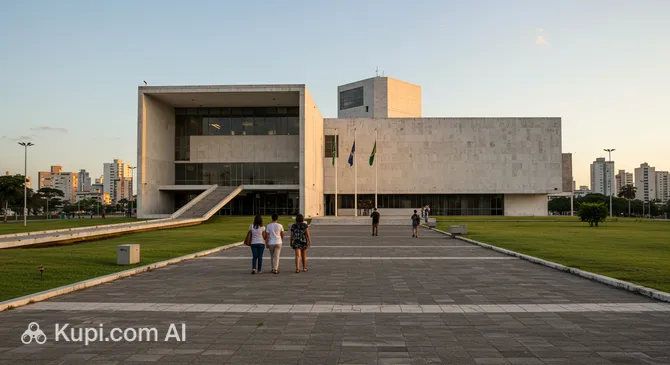
Beyond the bars, the city offers rich cultural and daytime entertainment. The Palace of Arts is a premier cultural complex located in the Municipal Park, hosting operas, theater plays, and concerts, making it a perfect destination for a sophisticated evening. For families or those seeking active fun during the day, Vila Trampolim provides an exciting indoor amusement park experience with wall-to-wall trampolines, ensuring entertainment for all ages.

Palace of Arts. Source: Kupi.Binoculars

Parks & Museums

Belo Horizonte is a city that prides itself on its harmonious mix of culture and nature, offering residents and visitors alike a wealth of green spaces and educational institutions. The city's famous "Liberty Circuit" continues to be a highlight, transforming historic government buildings into a corridor of knowledge. Among these, the Minas Gerais Vale Memorial stands out for its immersive approach. Located in a historic building, it uses technology and art to narrate the traditions and history of the Minas Gerais people, offering a deeply emotional and interactive journey through the state's soul.

Minas Gerais Vale Memorial. Source: Kupi.Binoculars

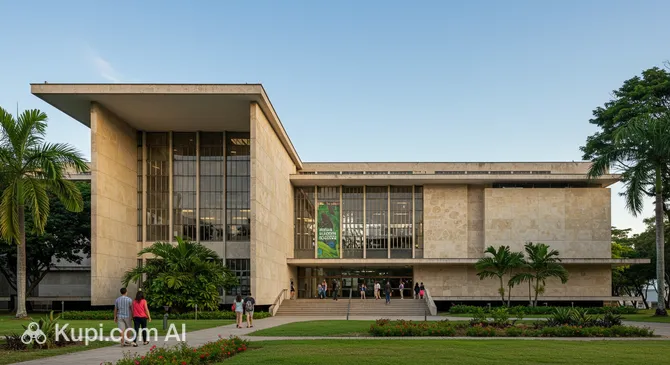
For those interested in prehistoric life, the Natural Sciences Museum is a fascinating destination. Run by the Catholic University of Minas Gerais, it houses one of the most significant paleontological collections in South America. Visitors can marvel at complete skeletons of dinosaurs found in Brazil and explore exhibits dedicated to the contemporary fauna of Brazilian ecosystems. It is an educational experience that captivates both adults and children, providing insight into the region's ancient past.

Natural Sciences Museum. Source: Kupi.Binoculars

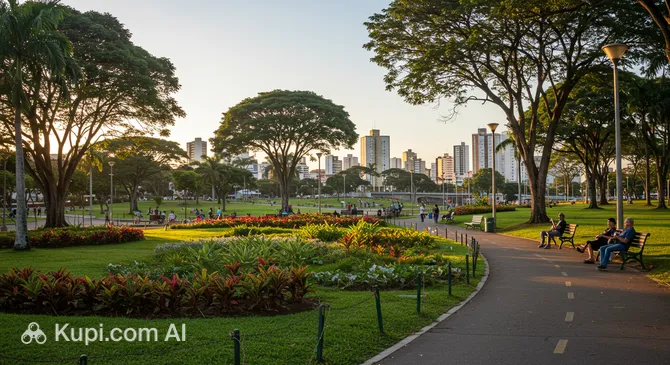
In the heart of the downtown area lies the Américo Renné Giannetti Municipal Park. As the city's oldest environmental heritage site, it serves as a lush green oasis amidst the concrete skyline. Inspired by the romantic parks of the Belle Époque, it features century-old trees, serene lakes with rowing boats, and diverse exotic plants. It is a favorite spot for locals to take a peaceful stroll, enjoy a picnic, or simply escape the urban bustle without leaving the city center.

Américo Renné Giannetti Municipal Park. Source: Kupi.Binoculars

Expanding the green horizon, the Pampulha Ecological Park offers a vast area for outdoor recreation located on an island in the Pampulha Lagoon. It is a sanctuary for capybaras and birds, making it perfect for cycling, walking, and kite flying. Nearby, the Belo Horizonte Zoo and Botanical Garden provides a comprehensive look at global biodiversity. The complex includes a beautiful Japanese Garden, which offers a tranquil setting with traditional architecture, bridges, and koi ponds, celebrating the cultural connection between Brazil and Japan.

Getting Around

Public Transport:

Navigating Belo Horizonte is primarily done through its extensive bus network, known as BHBUS, which serves as the backbone of the city's transit. The system is organized by color to help passengers identify the route type: blue buses connect different regions via the city center, red buses operate on the rapid MOVE (BRT) corridors with dedicated lanes, and yellow minibuses typically run circular routes within neighborhoods. The city also has a metro system, but it consists of a single line that stretches from the industrial city of Contagem to the northern Vilarinho region. While efficient for long-distance commuting, the metro's coverage of key tourist areas in the central and southern zones is limited.

For payment, the most convenient option is the BHBUS Cartão (smart card). While some conventional buses still have conductors who accept cash, the system is increasingly favoring electronic payment, and the MOVE stations are card-only. Using the card is not only faster but also allows for fare integration, enabling you to transfer between buses or from bus to metro within a certain time window for a reduced total cost. You can purchase and top up these cards at metro stations, MOVE terminals, and authorized newsstands scattered throughout the city.

To navigate the network smoothly, tourists are strongly advised to download apps like Moovit or the local SIU Mobile, which provide real-time tracking and route planning, as physical bus stops often lack detailed schedules. The transport system generally operates from around 4:00 AM to midnight, with the metro running specifically from 5:15 AM to 11:00 PM. When boarding buses, enter through the front door and exit through the rear; if paying with cash, you will settle the fare with the conductor seated near the entrance turnstile. Avoid using public transport during peak rush hours (7:00–9:00 AM and 5:00–7:00 PM) when vehicles can become extremely crowded.

Given the city's steep hills and the complexity of bus routes for first-time visitors, ride-hailing apps such as Uber and 99 are highly recommended alternatives. They are widely available, safe, and offer very competitive prices, making them a stress-free way to reach specific attractions or restaurants at night. Traditional white taxis are also plentiful and reliable; they use taximeters and can be found at designated stands or hailed on the street. While bike rentals exist, they are best enjoyed in flat recreational areas like the Pampulha region, as the city's undulating topography makes cycling a challenge elsewhere.

A special feature worth noting for travelers is the Conexão Aeroporto bus service. Since the main international airport is located over 30 km away, this dedicated executive bus provides a vital link to the downtown terminal on Álvares Cabral Avenue. Inside the city, the modern air-conditioned MOVE buses are the closest equivalent to a "special" transit experience, offering a swift and comfortable bypass to the heavy traffic on major avenues, functioning almost like a surface subway.

Accommodation

Belo Horizonte offers a diverse array of accommodation options suited to every type of traveler, from business professionals to backpackers. The city is renowned for its hospitality, and this is reflected in the quality of service found across the board. Visitors can choose from sophisticated luxury hotels, reliable international chains, charming local inns known as pousadas, and budget-friendly hostels. The cost of lodging is generally more affordable compared to other major Brazilian capitals like Rio de Janeiro or São Paulo, providing excellent value for money.

Choosing the right neighborhood is key to enjoying your stay. Savassi is arguably the most popular area for tourists; it is safe, walkable, and packed with the city's best bars, restaurants, and shops. Just next door, Lourdes offers a more upscale experience with high-end hotels and a sophisticated dining scene. For those prioritizing budget and easy access to public transport, the Centro (City Center) is a practical choice, placing you within walking distance of the Central Market and main museums. Alternatively, staying in the Pampulha region offers a scenic, resort-like atmosphere near the famous lagoon and architectural landmarks, though it is further from the downtown hustle.

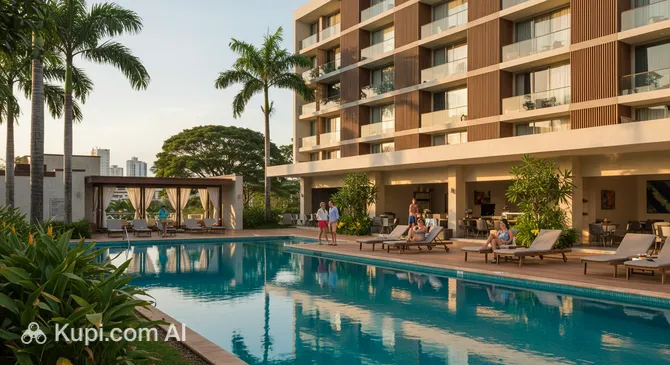
The city has a strong infrastructure for business and leisure tourism. A notable example of the comfort available is the Executive Hotel Belo Horizonte. Located strategically to serve visitors, it represents the type of modern, well-equipped lodging you can expect to find in the city's prime areas. Many such hotels offer amenities like rooftop pools and breakfast buffets featuring local delicacies like pão de queijo and fresh fruits.

Executive Hotel Belo Horizonte. Source: Kupi.Binoculars

Booking Tips: While it is often possible to find a room on short notice, it is highly recommended to book in advance, especially if you plan to visit during major events like Carnival or significant football matches at the Mineirão Stadium. Most accommodations can be easily booked through major online platforms, which often offer flexible cancellation policies. Prices vary by season, but generally, travelers can find excellent mid-range options that provide a comfortable and authentic mineiro experience without breaking the bank.

Nearby Cities

For those looking to explore the surroundings, Belo Horizonte serves as an excellent base for day trips to several interesting nearby locations:

One of the most celebrated attractions in the vicinity is the Inhotim Institute, located in Brumadinho. This sprawling open-air museum is internationally renowned for combining a world-class contemporary art collection with a meticulously designed botanical garden. Visitors can wander through lush landscapes while discovering large-scale sculptures and galleries, making it a unique fusion of art and nature.

Another destination that captures the essence of the region is Ouro Preto, a UNESCO World Heritage site famous for its magnificent Baroque architecture. Although it requires a slightly longer drive, this historic town offers a journey back to the 18th-century Gold Rush era, featuring steep cobblestone streets, ornate churches, and museums that preserve the rich colonial heritage of Minas Gerais.

City Population Distance (km)
Contagem 648766 12
Betim 378089 28
Ribeirao das Neves 331045 23
Ibirite 158954 17
Sabara 126269 13

These nearby destinations offer a glimpse into the diverse culture and landscapes of the region.

Shopping & Souvenirs

Shopping in Belo Horizonte offers a perfect balance between sophisticated modern centers and vibrant traditional markets. Whether you are looking for high-end international brands, local fashion, or the region's famous artisanal products, the city provides a diverse array of options to satisfy every taste and budget.

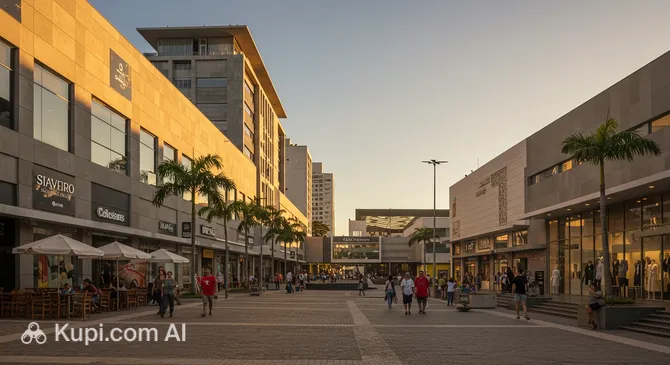
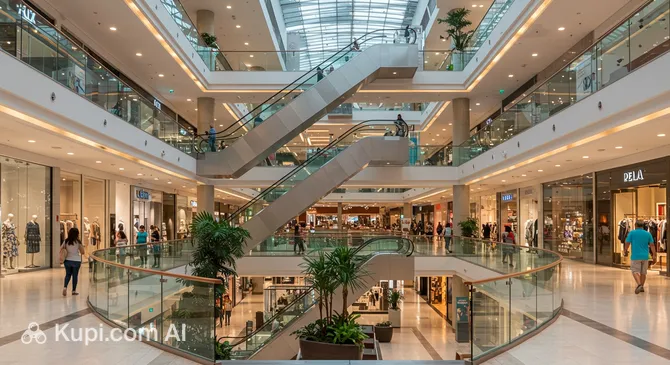
For a complete retail experience, BH Shopping is the city's oldest and most prestigious mall. Located in the Belvedere neighborhood, it features a wide selection of luxury boutiques, department stores, and entertainment facilities. It is a favorite among locals for its upscale atmosphere. Another excellent option is Boulevard Shopping Belo Horizonte, which is conveniently situated closer to the city center and offers a great mix of shops and a large cinema complex.

BH Shopping. Source: Kupi.Binoculars

If you are searching for authentic local flavors and souvenirs, a visit to the Belo Horizonte Central Market is mandatory. This is the best place to purchase the iconic Queijo Minas (Minas cheese), artisanal cachaça, and jars of doce de leite. The market is also packed with stalls selling handicrafts, including baskets, embroidery, and traditional kitchenware made from soapstone and copper.

On Sundays, the city hosts one of the largest open-air markets in Latin America, the Feira Hippie (Hippie Fair), which takes over a long stretch of Afonso Pena Avenue. With thousands of exhibitors, it is a treasure trove for finding leather goods, footwear, jewelry, and unique arts and crafts. It is the perfect spot to find a special gift while enjoying the bustling street energy.

For fashion enthusiasts, the streets surrounding Savassi Square function as an open-air mall. This charming neighborhood is dotted with independent boutiques, bookstores, and design shops, offering a more relaxed shopping environment interspersed with stylish cafes and restaurants.

Reached the end of the page?

That means the route is fully explored