Support

Cabo Frio

About

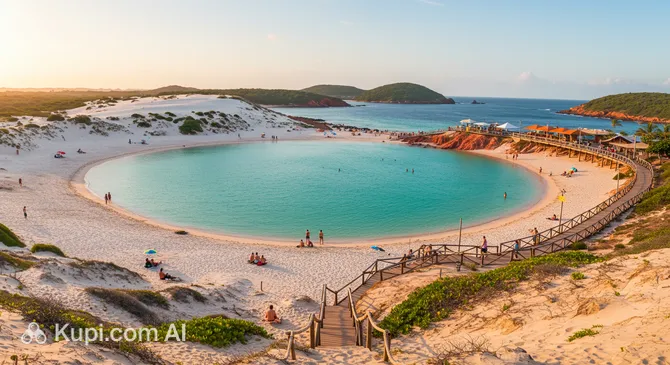
Cabo Frio is one of the most beloved tourist destinations in the renowned Lakes Region of the state of Rio de Janeiro, Brazil. Famous for its dazzling white sand dunes and crystal-clear turquoise waters, this coastal city offers a perfect blend of natural beauty and urban convenience. It attracts travelers from all over the world who come to enjoy its vibrant atmosphere, excellent infrastructure, and the unique phenomenon of upwelling, which keeps the ocean waters refreshing and rich in marine life.

Geographically, the city is situated on a peninsula that juts out into the Atlantic Ocean, creating a variety of beaches with different characteristics, from calm bays to surf-ready shores. With a population of approximately 186,000 inhabitants, it serves as a major hub for the region. The climate is generally tropical and warm, though the constant sea breeze provides a pleasant respite from the heat, making it an ideal year-round destination for sun-seekers.

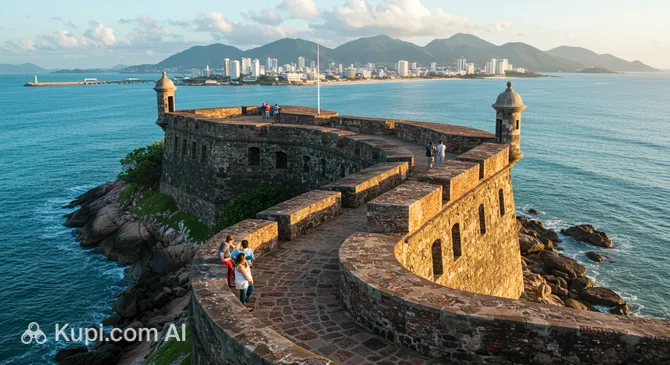
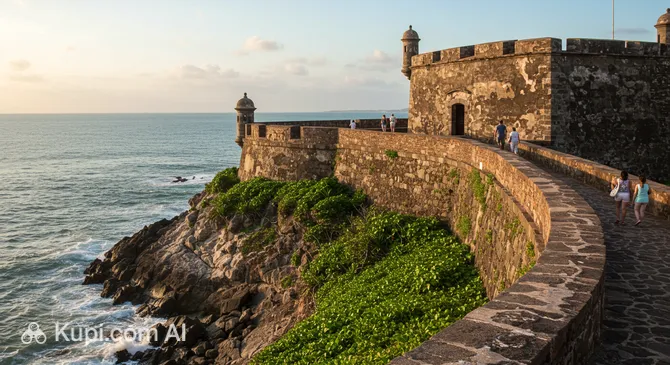
Beyond its scenic landscapes, the city holds significant cultural value. Visitors can explore the rich history of Cabo Frio by visiting landmarks that date back to the colonial era. One of the oldest settlements in the country, it was discovered by the Portuguese in the early 16th century. The iconic Fort São Mateus, built in the 17th century to defend the coast against pirates and invaders, stands proudly at the end of the main beach, offering panoramic views and a glimpse into the past.
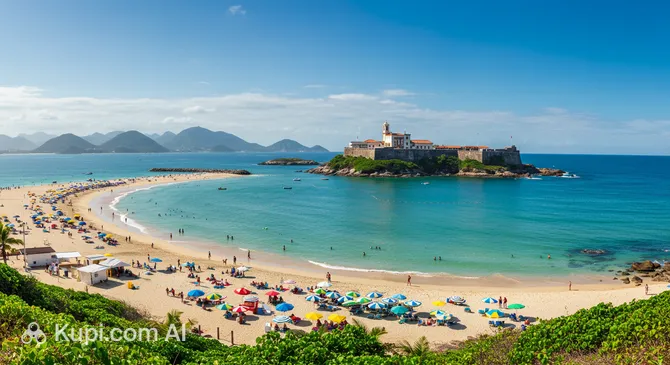
Cabo Frio. Source: Kupi.Binoculars

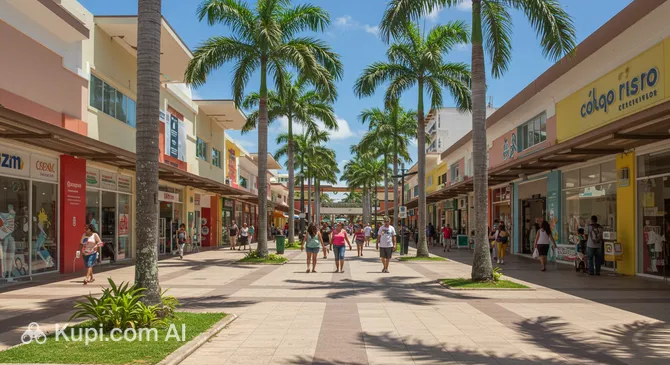
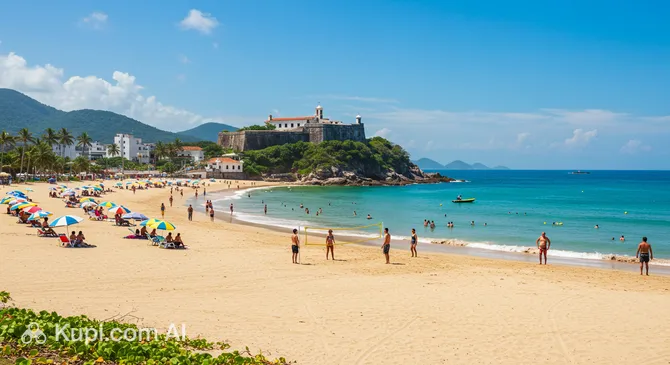
For those looking to explore local attractions, Praia do Forte is the city's postcard-perfect highlight, featuring a long stretch of sand and the historic fort. Another unique feature is the famous Rua dos Biquínis (Bikini Street), an open-air mall dedicated to swimwear and beach fashion, which is considered one of the largest centers of its kind in the world. Nature lovers will also appreciate the stunning sand dunes that frame the coastline, creating a dramatic and unforgettable backdrop for photos.

Whether you are looking to relax on pristine beaches, dive into local culture, or enjoy fresh seafood by the waterfront, Cabo Frio has something for everyone. Its welcoming spirit and breathtaking scenery make it a must-visit stop on any Brazilian itinerary.
Weather Overview

The climate in this coastal city is characterized by comfortable temperatures year-round, influenced by its location and refreshing sea breezes. Generally, travelers can expect warm summers with more frequent rain and milder, drier winters. For a comprehensive forecast and seasonal breakdown, reviewing the weather in Cabo Frio is recommended before booking your travel dates.

During the summer months of December through March, the weather is warmest, with average temperatures remaining steady at 25.9°C and daily highs reaching approximately 28.3°C. This season corresponds with the region's higher precipitation frequency, seeing between 13 and 17 wet days per month. Despite the rain, the warm atmosphere keeps the beaches popular among visitors.

The winter period, spanning June to August, offers a refreshing change with average temperatures dipping to around 21.2°C. Nights can be cooler, with minimums reaching 18.3°C in July. Rainfall volume decreases significantly during this time, often recorded at just 1mm to 2mm, and the number of wet days drops to between 7 and 9 days per month, making it a pleasant time for outdoor exploration.

Interesting Facts

Beyond the main attractions and popular beaches, Cabo Frio holds many fascinating secrets and historical curiosities that often go unnoticed by casual visitors. Here are some unique details that make this coastal city in Rio de Janeiro truly special.
São Mateus Fort. Source: Kupi.Binoculars
  • The historic São Mateus Fort was constructed using a unique colonial mortar recipe. Builders in the 17th century used a mixture of stone, lime derived from crushed seashells, and whale oil to bind the structure together, ensuring it could withstand centuries of harsh sea winds.

  • Cabo Frio is home to one of the few beaches in Brazil that has been awarded the prestigious Blue Flag certification. Peró Beach earned this international eco-label due to its pristine water quality, environmental management, and safety standards, making it a standout spot for eco-conscious travelers.

  • The city is widely known as the "Bikini Capital" of Brazil. The famous Rua dos Biquínis Shopping Street is considered the largest open-air mall in Latin America dedicated exclusively to swimwear and beach accessories, housing over 150 specialized stores.

  • The scenic Itajuru Canal plays a vital ecological role by connecting the massive Araruama Lagoon to the Atlantic Ocean. This 6-kilometer waterway is responsible for renewing the lagoon's waters and is where the city's colonization originally began in the early 1600s.

How to Get There

Reaching this coastal paradise is relatively straightforward, with options ranging from direct flights to scenic drives from nearby major cities. For a complete breakdown of routes and transportation methods, you can read more about how to get to Cabo Frio in our detailed guide. The city is well-connected to the rest of the state, making it accessible for both domestic and international travelers.

The most convenient entry point is the city's own Cabo Frio International Airport (CFB). Located just 6.2 km from the center, it offers the quickest access to the beaches, with a transfer time of approximately 30 minutes by taxi or shuttle. Although it handles a smaller volume of passengers compared to capital hubs, it receives regular seasonal and domestic flights, making it an excellent choice for those wishing to avoid longer road trips.

For international visitors or those arriving from destinations without direct connections to the local airport, the primary gateway is Galeão Antonio Carlos Jobim International Airport (GIG) in the city of Rio de Janeiro. Situated about 124 km away, this major hub handles millions of passengers annually and offers a wide range of flight options. The journey from Galeão to Cabo Frio typically takes around 3.5 hours by bus or taxi. Another viable option in Rio de Janeiro is Santos Dumont Airport (SDU), located roughly 116 km away, which is ideal for travelers connecting from other major Brazilian cities.

For clarity, here is a summary of the main airports:

Airport Name City Passenger Traffic Km from City
Galeão Antonio Carlos Jobim International Airport Rio de Janeiro Large 124.0
Santos Dumont Airport Rio de Janeiro Medium 116.6
Zona da Mata Regional Airport Juiz de Fora Small 192.6
Marica Municipal Airport Maricá Small 82.5
Cabo Frio International Airport Cabo Frio Small 6.2

Main Attractions

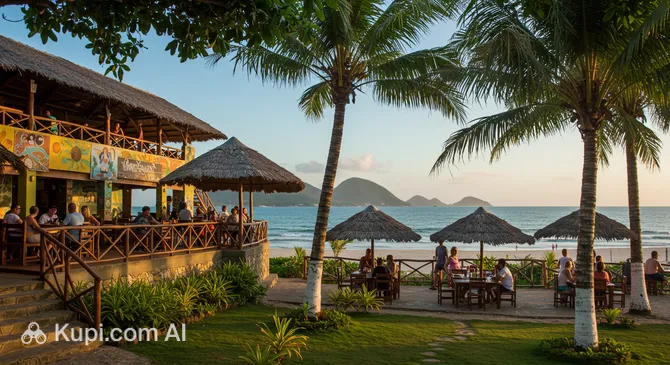
The city's coastline is dominated by the stunning Praia do Forte, which serves as the central hub of tourism in the region. This massive stretch of white sand is renowned for its crystal-clear, cool waters and excellent infrastructure. It is interesting to tourists not only for sunbathing and swimming but also for its vibrant boardwalk filled with kiosks and restaurants. At one end, the waters are calm for families, while the other attracts surfers seeking waves.

Praia do Forte. Source: Kupi.Binoculars

For a more tranquil experience immersed in nature, the Japanese Island is a must-visit eco-tourism spot. Located within the Itajuru Canal, this area is famous for its shallow, warm, and transparent waters, making it perfect for kayaking and stand-up paddleboarding. Hikers can cross to the island on foot during low tide or take small boats, enjoying the lush vegetation and peaceful atmosphere away from the city center's bustle.

Japanese Island. Source: Kupi.Binoculars

Travelers seeking panoramic views should head to Morro da Guia. This hill offers one of the best vantage points in the region, providing a 360-degree view of the city, the canal, and the ocean. At the summit stands the historic Chapel of Our Lady of the Guide, adding a touch of heritage to the scenic beauty. It is an especially popular location for watching the sunset.

Near the main beach, the Square of Waters offers a delightful urban space for relaxation. This large, landscaped plaza features an artificial lake with illuminated fountains, creating a beautiful spectacle at night. It is a favorite gathering spot for families and couples, surrounded by shops and leisure options, making it a pleasant place for an evening stroll after a day at the beach.

Local Cuisine

The local cuisine in Cabo Frio is a delightful reflection of its coastal geography and history. Unsurprisingly, seafood takes center stage, with dishes prepared from the freshest catches of the day. A true gastronomic symbol of the city is the traditional salted fish (peixe salgado), a heritage from the region's salt-producing past. This preserved fish is often rehydrated and served in savory stews or accompanied by bananas and potatoes, offering a unique flavor profile that distinguishes the local table from other seaside towns.

For a quintessential dining experience, visitors often flock to the lively Itajuru Canal area. This waterfront promenade is lined with a variety of restaurants and bars, making it the perfect spot to enjoy a meal while watching boats drift by. Another charming location is the historic Passagem neighborhood, where cobblestone streets host cozy bistros and eateries set in colonial-style buildings, creating a romantic and relaxed atmosphere for dinner.

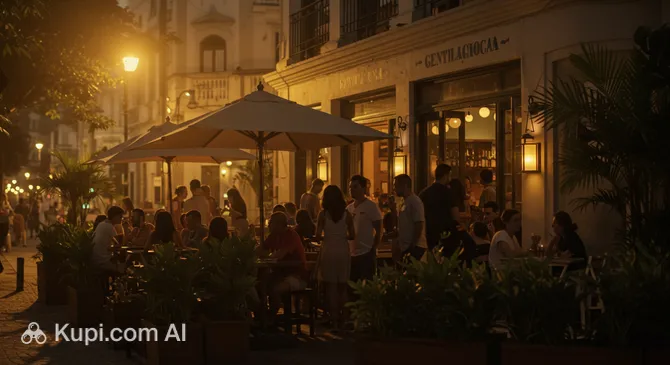
Travelers looking for a friendly place to enjoy appetizers and local vibes might visit Gentileza Carioca Cabo Frio. It is an excellent example of the city's welcoming bar culture, perfect for unwinding after a day in the sun. If you are in the mood for something more familiar yet delicious, Oliver's Pizza offers hearty meals that appeal to families and groups.

Gentileza Carioca Cabo Frio. Source: Kupi.Binoculars

No culinary tour of the city would be complete without tasting the local beverages. The classic Brazilian caipirinha, made with lime, sugar, and cachaça, is a staple at beach kiosks and bars alike. For a non-alcoholic refresher, nothing beats an ice-cold coconut water drank straight from the shell while sitting on the sands of the Atlantic coast. The combination of salty sea air, fresh seafood, and refreshing drinks makes dining here a memorable part of any trip.

Travel Tips

Welcome to Cabo Frio! To ensure your trip to this dazzling gem of the "Região dos Lagos" (Lakes Region) is as smooth as the white sands of Praia do Forte, we have compiled a set of essential practical advice. These tips will help you navigate the local customs, climate, and logistics with ease.

  1. Pack for the Sun and the Breeze. The climate is tropical, so bring light, breathable fabrics like cotton and linen, along with plenty of swimwear. However, the city is known for its constant coastal winds, which can make evenings feel cooler; a light jacket or hoodie is highly recommended. Also, pack comfortable walking shoes if you plan to explore the cobblestone streets of the historic Passagem neighborhood.

  2. Getting Around. Ride-hailing apps like Uber and 99 are widely available, safe, and often cheaper than traditional taxis. If you plan to visit neighboring towns like Búzios or Arraial do Cabo, the local "Salineira" buses are a reliable and affordable option. Renting a car provides freedom to explore remote beaches, but be aware that parking in the city center can be difficult and expensive during the high season (December to March).

  3. Money Matters. The local currency is the Brazilian Real (BRL). Credit and debit cards are accepted almost everywhere, including most beach kiosks and restaurants. However, it is wise to carry some cash for small purchases, street vendors, or bus fares. ATMs are readily available in the city center and shopping areas.

  4. Health and Water Safety. The sun in Cabo Frio is very strong, even on cloudy days, so high-SPF sunscreen is non-negotiable. Avoid drinking tap water; stick to bottled mineral water to prevent stomach issues. Pharmacies are plentiful, with major chains like Drogaria Raia or Pacheco generally open late to assist with minor health concerns.

  5. Language and Connection. Portuguese is the official language, and English is not widely spoken outside of major hotels and tourist agencies. It is very helpful to download a translation app and learn a few basic phrases like "Bom dia" (Good morning) and "Obrigado" (Thank you). Buying a local SIM card (from providers like Vivo, Claro, or TIM) is recommended for reliable navigation and communication.

  6. Beach Etiquette. The beach is a social hub in Brazil. It is customary to rent chairs and umbrellas from tent operators (barracas) and order food and drinks directly from them. When greeting locals, a handshake or a kiss on both cheeks is the standard friendly greeting. Brazilians are generally warm and informal, so don't be shy to strike up a conversation.

  7. What to Avoid. Do not sunbath topless; unlike in some European destinations, it is not culturally accepted and is technically illegal on public beaches in Brazil. Additionally, avoid walking in deserted areas or unlit streets late at night, and keep an eye on your belongings when on crowded beaches.

  8. Prepare for the "Ice" Water. A unique tip for Cabo Frio: be mentally prepared for the water temperature. Due to a natural phenomenon called upwelling, the ocean here is crystal clear but significantly colder than in other parts of Brazil. It is refreshing on a hot day, but it can be a shock if you are expecting a warm bath!

With these practical tips in mind, you are all set to relax and enjoy the breathtaking scenery and vibrant atmosphere of Cabo Frio. Have a safe, comfortable, and unforgettable Brazilian vacation!

Entertainment & Nightlife

When the sun sets over the dunes, the energy in Cabo Frio shifts from beach relaxation to a vibrant and inviting nightlife scene. While it may not have the frenetic pace of a massive metropolis, the city offers a lively variety of entertainment options that cater to families, couples, and groups of friends. The atmosphere is generally laid-back and welcoming, with a strong focus on open-air socializing, live music, and gastronomy.

The epicenter of the city's evening activity is undoubtedly the Boulevard Canal (Canal do Itajuru). This waterfront promenade is lined with a dense concentration of bars, pubs, and restaurants that often feature live bands playing everything from Brazilian samba and MPB (Popular Brazilian Music) to pop and rock. It is the perfect place to stroll, choose a table with a view of the boats, and enjoy the cool night breeze. Among the popular spots in the city to grab a drink and soak in the local vibe is Gentileza Carioca Cabo Frio, known for its friendly service and relaxed setting.

For those seeking a more charming and historical ambiance, the Passagem neighborhood (Bairro da Passagem) is a must-visit. As the oldest part of the city, its cobblestone streets and colonial architecture are beautifully illuminated at night, creating a romantic and sophisticated atmosphere. Here, you will find upscale gastropubs and bistros that attract a slightly more mature crowd. The dress code in Cabo Frio is generally "beach casual"—shorts and sandals are acceptable in most places—though people tend to dress up a bit more when dining in the Passagem district.

If you are looking for a unique, themed experience that stands out from the traditional bar scene, Varinha Quebrada is an excellent choice for an evening out. This establishment is famous for its magical, wizard-themed decor, making it a fun destination for both adults and families looking for an immersive dinner setting. It is a great example of the creative entertainment options available in the city beyond the beach.

Varinha Quebrada. Source: Kupi.Binoculars

Regarding safety and logistics, the main tourist areas like the Canal and Passagem are well-policed and generally safe for walking in the evening. However, it is always advisable to stay in well-lit areas and avoid deserted streets late at night. For transportation, ride-sharing apps like Uber are the most convenient and safe way to get between districts, especially if you plan on drinking. Prices for food and drinks are reasonable compared to Rio de Janeiro, with happy hour specials being common in the early evening.

While nightlife is a major draw, the city also offers entertainment that bridges the gap between day and night. Visitors can head to Lagos Shopping Park, the city's main mall, which offers a climate-controlled environment with a modern cinema complex, food court, and various retail stores. It serves as a great alternative for entertainment on rainy evenings or for a relaxing afternoon before hitting the bars.

Lagos Shopping Park. Source: Kupi.Binoculars

Parks & Museums

While the coastline steals the spotlight, Cabo Frio offers serene green spaces and historical treasures that provide a deeper understanding of the region. Nature lovers should venture beyond the surf to explore the unique ecosystems found in the city's lagoons. The Foguete Beach Lagoon is a prime example, separating the urban area from the wilder coastal stretches. It is a tranquil spot frequented by local birdlife, offering a quiet atmosphere for walking and observation away from the crowds.

Another fascinating natural site is the Red Lagoon (Lagoa Vermelha). Located near the border with Arraial do Cabo, this hypersaline body of water is famous for its distinct coloration caused by specific minerals and microorganisms. It sits amidst preserved restinga vegetation, making it an ideal destination for eco-tourism and hiking enthusiasts seeking untouched landscapes.

Red Lagoon. Source: Kupi.Binoculars

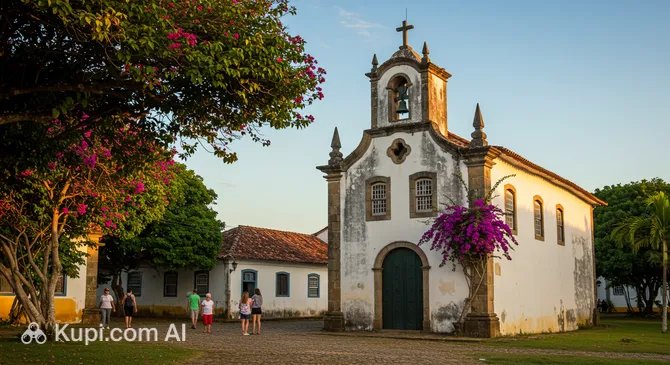
Immersing yourself in the local culture involves tracing the city's colonial roots. One of the most picturesque historical sites is the Our Lady of the Guide Chapel. Perched atop the Morro da Guia hill, this 18th-century shrine is not only a place of worship but also a monument to the area's religious heritage. The site provides a peaceful retreat and commands spectacular views of the waterways below, blending spiritual history with scenic beauty.

Our Lady of the Guide Chapel. Source: Kupi.Binoculars

For a broader cultural experience, visitors can seek out the Casa de Cultura Charitas (Charitas Cultural House). Although it functions as a dynamic cultural center rather than a static museum, this beautifully restored colonial building hosts rotating art exhibitions, history lectures, and workshops. It stands as a testament to the city's commitment to preserving its artistic soul and is a key stop for anyone interested in the local arts scene.

Finally, to appreciate the landscape that has shaped the city's history, the Fort Viewpoint offers an unparalleled perspective. From here, you can observe the strategic position of the historic defenses and the vast expanse of the Atlantic Ocean. It is a perfect location to reflect on the maritime history of the region while enjoying the fresh ocean breeze.

Fort Viewpoint. Source: Kupi.Binoculars

Getting Around

Public transport in Cabo Frio is primarily based on a bus network that serves the city center, residential neighborhoods, and neighboring tourist destinations like Arraial do Cabo and Búzios. There is no metro or tram system, so the bus remains the most common way for locals to get around. The main operator is Auto Viação Salineira, easily recognizable by their white buses with blue and green stripes. These buses connect the main beaches, the shopping districts, and the bus terminal.

For payment, the system is relatively traditional. While locals often use the RioCard electronic pass, tourists will find it most convenient to pay with cash directly on board. You enter through the front door and pay the fare to the conductor or the driver before passing through the turnstile. Fares are affordable, typically costing around 5 BRL for municipal and intermunicipal trips within the immediate region. It is highly advisable to carry small bills and coins, as breaking large notes can sometimes be difficult for the staff.

A unique and scenic form of transport in the city is the water taxi service crossing the Itajuru Canal. Small boats ferry passengers between the historic Passagem neighborhood or the city center and the Gamboa district on the opposite side. This is not only a practical shortcut to avoid traffic on the bridges but also a charming way to see the city from the water. The crossing is quick, inexpensive, and offers a refreshing breeze on hot days.

For those who prefer more comfort or direct routes, ride-hailing apps like Uber and 99 are extremely popular and reliable. They are often cheaper than traditional street taxis and overcome any language barriers regarding directions. Traditional taxis are also available at designated stands (pontos de táxi), particularly near the bus station and major squares, but they tend to be more expensive. If you choose a regular taxi, ensure the meter is running or agree on a fixed price beforehand.

Practical advice for using the bus system includes downloading the "Salineira" app or checking their website for real-time schedules, as frequency can drop significantly on weekends and holidays. Bus stops are not always clearly marked with timetables, so asking a local or using a GPS app to track the bus is helpful. While the city is flat and bike-friendly, with some rental options available near the waterfront, buses and ride-shares remain the primary motorized options for tourists.

Accommodation

Accommodation

Finding the perfect place to stay in Cabo Frio is relatively easy, as the city offers a diverse range of options to suit various budgets and travel styles. The accommodation landscape is dominated by pousadas (Brazilian guesthouses), which are known for their cozy, family-friendly atmosphere and often include a hearty breakfast. In addition to these charming inns, travelers will find a good selection of mid-range hotels and a vast market for vacation rentals. Renting an apartment is a particularly popular choice here, especially for families and large groups visiting during the summer holidays.

The most sought-after location for tourists is undoubtedly the area surrounding Praia do Forte. Staying here places you right in the heart of the action, with immediate access to the city's most famous beach, the main commercial center, and a plethora of restaurants and shops. It is the most convenient choice for those without a car, as most attractions are within walking distance.

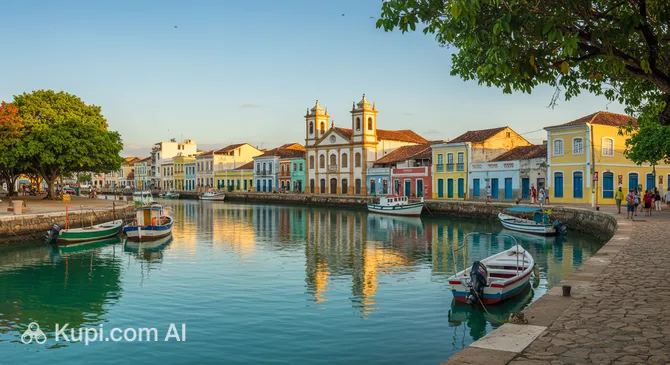
For travelers seeking a more picturesque and sophisticated environment, the historic Passagem neighborhood is an excellent alternative. Located along the scenic Itajuru Canal, this area is home to boutique hotels and upscale pousadas housed in restored colonial buildings. It offers a romantic setting with easy access to the city's best gastronomic spots and nightlife, while still being close to the center.

Itajuru Canal. Source: Kupi.Binoculars

If your goal is tranquility and a connection with nature, consider staying near Peró Beach. Situated across the canal, this neighborhood is quieter and more residential, making it ideal for those who want to escape the summer crowds. It has its own small commercial center and offers a more relaxed pace of life, though having a car is recommended for easy movement between this area and the city center.

Booking Tip: Cabo Frio is an extremely popular destination for domestic tourists, especially during the Brazilian summer (December to March) and major holidays like Carnival and New Year's Eve. During these peak times, the city fills up quickly, and prices can rise significantly. It is highly advisable to book your accommodation at least three to four months in advance to secure the best rates and availability.

In terms of pricing, the city is generally more affordable than its upscale neighbor, Búzios. Budget travelers can find economical hostels and simple guesthouses, while those willing to spend more can enjoy comfortable hotels with pools and sea views. Most bookings can be easily made through major online travel platforms, though contacting smaller pousadas directly can sometimes yield better personalized deals.

Nearby Cities

For those looking to explore the surroundings, Cabo Frio serves as an excellent base for day trips to several interesting nearby locations. The region is rich in diversity, offering everything from other coastal gems to mountain retreats.

One popular option is Rio das Ostras, located just a short drive along the coast. It is famous for its beautiful shoreline, particularly Costa Azul Beach, and hosts a renowned international jazz and blues festival. For travelers seeking a complete change of scenery, a trip to Nova Friburgo in the mountains is highly recommended. Known for its Swiss heritage and cooler climate, it offers lush nature trails, waterfalls, and a chance to experience the Atlantic Forest away from the heat of the beach.

City Population Distance (km)
Macaé 234,628 61
Itaborai 218,008 87
Nova Friburgo 182,082 84
Rio das Ostras 141,117 41
Maricá 127,461 81

These nearby destinations offer a glimpse into the diverse culture and landscapes of the region, making them perfect for adding variety to your vacation itinerary.

Shopping & Souvenirs

Shopping in Cabo Frio is an experience deeply connected to the city's sunny lifestyle and coastal identity. While you can find standard retail options, the city is most famous across Brazil as a major hub for beachwear production. Visitors will find a delightful mix of specialized open-air commercial areas, modern shopping centers, and lively street markets, making it easy to find everything from high-quality swimwear to unique local handicrafts.

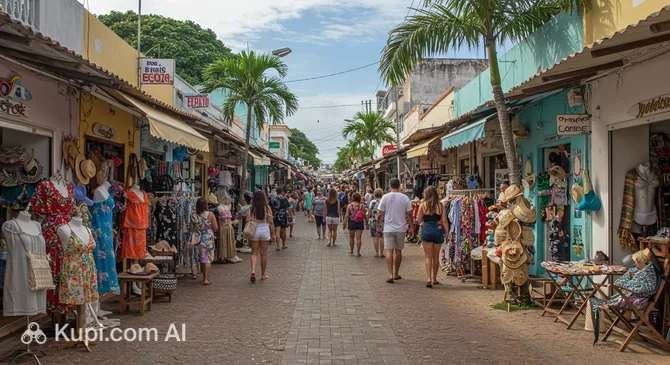
The undisputed highlight of the local shopping scene is the famous Rua dos Biquínis Shopping Street, located in the Gamboa neighborhood just across the canal. Known officially as the "Gamboa Shopping Mall," this open-air complex is widely regarded as the "Bikini Capital" of the country. It features over 150 stores dedicated almost exclusively to beach fashion, including swimsuits, fitness gear, and accessories. It is the perfect place to pick up the latest Brazilian trends at factory prices.

Rua dos Biquínis Shopping Street. Source: Kupi.Binoculars

For a more traditional retail experience, the city center (Centro) offers a variety of high-street shops selling clothing, shoes, and electronics. However, those looking for a comprehensive indoor experience should visit Lagos Shopping Park. As the largest mall in the region, it houses major national and international brands, a large food court, and entertainment facilities. It provides a cool, air-conditioned retreat from the midday sun and is a convenient stop for fashion, electronics, and department store goods.

Travelers interested in artisanal goods and local culture should not miss the handicrafts fair, often referred to as the Feirinha do Forte. Located near the beachfront of Praia do Forte and the Square of Waters, this bustling market comes alive in the late afternoon and evening. Here, local artisans sell handmade jewelry, wood carvings, paintings, and embroidered clothing. It is a vibrant spot to browse for unique gifts while enjoying the ocean breeze.

When it comes to souvenirs, the best items to bring back from Cabo Frio are undoubtedly related to the beach. High-quality bikinis and swim trunks are sold here at a fraction of the price found in major cities like Rio de Janeiro. Additionally, artisanal items made from seashells, local embroidery, and cachaça (Brazilian sugarcane spirit) from the state of Rio de Janeiro make for excellent keepsakes or gifts for friends back home.

Most stores in the city operate from Monday to Saturday, typically opening around 9:00 AM and closing by 7:00 PM. The Rua dos Biquínis and shopping malls usually stay open later, often until 10:00 PM, especially during the high summer season (December to March). Credit and debit cards are widely accepted in almost all establishments, including market stalls. However, carrying some cash (Brazilian Reals) is advisable for small purchases from street vendors.

Regarding tax-free shopping, Brazil does not have a widely implemented VAT refund system for international tourists comparable to those in Europe or parts of Asia. Visitors should expect the price on the tag to be the final price, with no option to claim taxes back at the airport. However, the relatively low cost of locally produced goods, particularly textiles and beachwear, often makes shopping here very good value regardless.

Reached the end of the page?

That means the route is fully explored