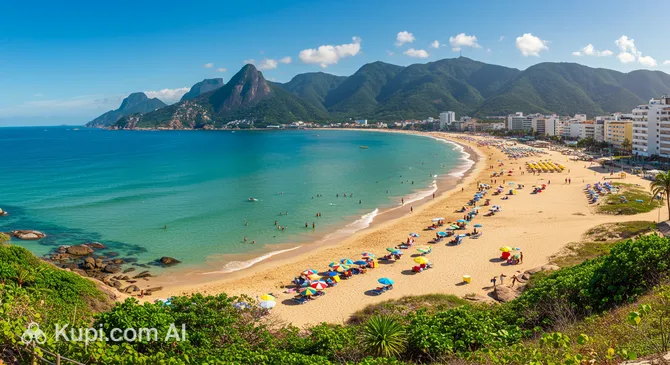
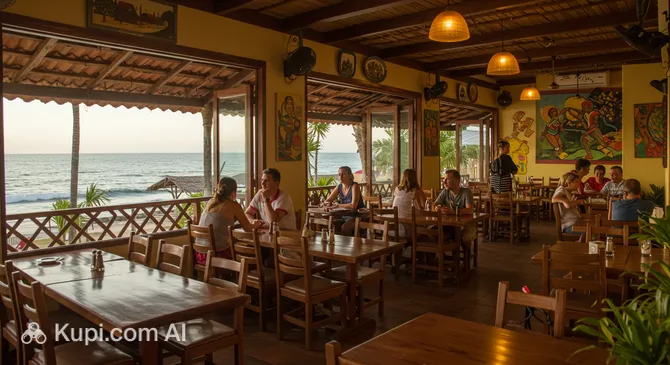
Maricá is a captivating coastal city located in the state of Rio de Janeiro, offering a perfect blend of beach life and rural tranquility. As a rapidly growing destination in Brazil, it attracts visitors with its stunning system of lagoons, pristine shorelines, and lush Atlantic Forest vegetation. The city serves as a peaceful retreat for those looking to escape the bustle of the nearby state capital while enjoying a warm, tropical climate and a welcoming local atmosphere.
Maricá. Illustration.
Source: Kupi.com AI
Nature lovers will find plenty to explore here, as the landscape is defined by water and mountains. The city is renowned for its vast lagoon complex, which includes the picturesque Lagoa de Araçatiba, a favorite spot for sunset walks and recreational activities. For those interested in the past, the history of Maricá offers fascinating insights, including the fact that the famous naturalist Charles Darwin once stayed in the region during his expedition, marveling at the local biodiversity.
Beyond its waters, the area features striking rock formations such as the Pedra do Elefante (Elephant Rock) in the Serra da Tiririca State Park, which provides breathtaking panoramic views for hikers. Whether you are looking to relax on the sands of Ponta Negra beach or explore ecological trails, Maricá invites every traveler to experience its natural beauty and serene charm.
Weather Overview
Maricá enjoys a warm tropical climate year-round, making it a delightful destination for outdoor activities and beach relaxation. To help you pack appropriately, it is helpful to check the weather in Maricá before your trip, as conditions can vary between the seasons. Generally, the city experiences hot, humid summers and mild, drier winters.
The summer months, particularly from December to March, are the warmest, with average temperatures ranging from 25.6°C to 26.9°C and daily highs frequently reaching 30°C. This season also brings the most rainfall, with precipitation occurring on approximately 18 to 22 days each month. Conversely, the winter period from June to August is cooler and significantly drier. During this time, average temperatures dip to around 21°C, with comfortable lows near 17°C and fewer rainy days, typically ranging from 7 to 10 days per month.
Average monthly temperature
Average monthly precipitation
Interesting Facts
Beyond the main attractions, Maricá holds many fascinating secrets and innovative features that make it unique among Brazilian cities. From pioneering social programs to historical landmarks frequented by famous figures, there is much to discover beneath the surface.
Maricá is widely known in Brazil for its "Tarifa Zero" program, which provides completely free public transportation throughout the city. The municipal buses, affectionately called "Vermelhinhos" (Little Red Ones), allow residents and tourists to travel anywhere within the municipality without paying a fare.
The city has its own digital social currency known as the "Mumbuca," named after a local river. It was the first digital social currency in Brazil, designed to stimulate the local economy and support social welfare programs, circulating alongside the national currency.
The region has been a refuge for prominent intellectuals and artists, including the renowned anthropologist Darcy Ribeiro. He lived in the Cordeirinho neighborhood in a house he called "Oca," which was designed by the legendary architect Oscar Niemeyer and served as the place where he wrote some of his most important works.
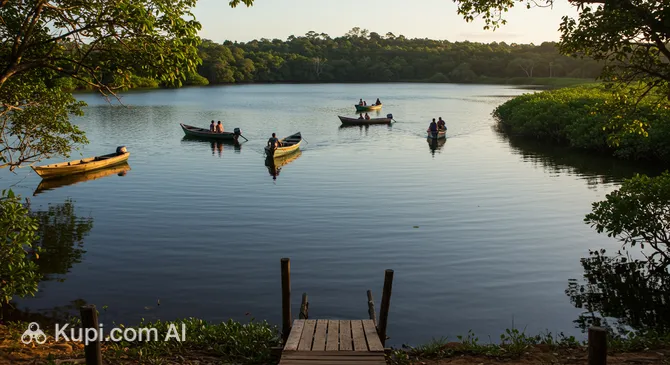
The Araçatiba Lagoon acts as the city's cultural heart, especially during the holiday season. It traditionally hosts a spectacular floating Christmas tree, which is one of the largest in the state and creates a mesmerizing reflection on the water at night.
Araçatiba Lagoon. Illustration.
Source: Kupi.com AI
Traveler photos:
How to Get There
Reaching this coastal destination is relatively straightforward, thanks to its proximity to major transportation hubs in the state of Rio de Janeiro. Visitors planning their trip can find detailed information and all ways to reach the city in our dedicated guide. While the city has its own local airfield, most tourists choose to fly into the larger international airports nearby and continue their journey by road.
The city is served by its own Marica Municipal Airport (IATA: JMR), conveniently located just 1.2 km from the center. However, for a wider range of flight options, travelers often arrive at Santos Dumont Airport (SDU) in the city of Rio de Janeiro, which is approximately 35.3 km away. The transfer from there by taxi or bus takes about 75 minutes. Another major option is the Galeão Antonio Carlos Jobim International Airport (GIG), also in Rio de Janeiro, situated roughly 44.2 km from Maricá. This large international hub is a common entry point, with a travel time to Maricá of approximately 1 hour and 30 minutes.
For clarity, here is a summary of the main airports:
Maricá is a city defined by its relationship with water, offering residents and visitors beautifully revitalized public spaces that highlight its natural scenery. The city's main allure lies in its lagoon system and the leisure areas developed around it, which serve as the social heart of the municipality.
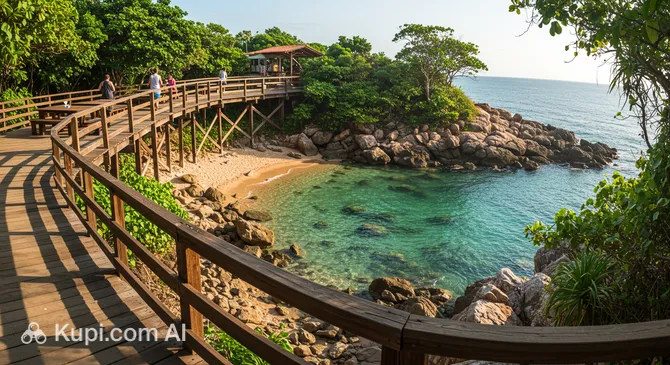
One of the most popular spots for locals and tourists alike is the Araçatiba Deck. Located along the edge of the lagoon, this area has been transformed into a vibrant promenade. It is the perfect place for a late afternoon stroll, offering spectacular views of the sunset over the water. The space is often bustling with families and friends enjoying the open air, and it frequently hosts cultural events and live music performances.
Araçatiba Deck. Illustration.
Source: Kupi.com AI
Traveler photos:
Connecting to the deck and serving as the central feature of the region is the expansive Araçatiba Lagoon. This body of water is not just scenic but also a hub for recreational activities. Visitors can engage in stand-up paddleboarding, kayaking, or simply relax on the banks. The lagoon's calm waters reflect the surrounding mountains, creating a tranquil atmosphere that contrasts with the busy city life.
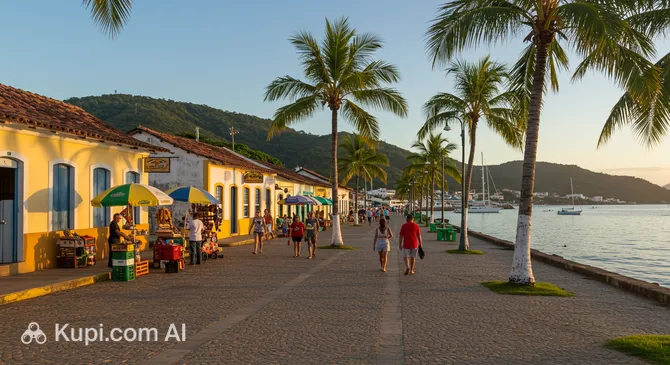
For those who enjoy outdoor exercise and scenic walks, the Itapeba Waterfront is another must-visit location. This linear park stretches along the lagoon's edge and is equipped with walking and cycling paths, playgrounds, and fitness stations. It provides a peaceful environment for jogging or a leisurely bike ride, allowing visitors to appreciate the local biodiversity and the refreshing breeze coming off the water.
Itapeba Waterfront. Illustration.
Source: Kupi.com AI
Traveler photos:
If you are looking for a change of pace and some modern conveniences, Boulevard Maricá offers a different kind of attraction. As a central commercial hub, it features a variety of shops, services, and dining options. It is an excellent place to enjoy a meal, do some shopping, or simply experience the daily rhythm of the city's commercial life after a day spent exploring the natural surroundings.
Local Cuisine
Maricá offers a vibrant gastronomic experience that is deeply rooted in its coastal location and relaxed lifestyle. The city's cuisine is heavily influenced by the sea, meaning that fresh seafood is a staple on many menus. Visitors can expect to find generous portions of fried fish, often served with rice, salad, and pirão—a savory porridge made from fish broth and cassava flour. Shrimp stews and crab cakes are also popular delicacies that highlight the freshness of the local catch.
Beyond seafood, the city embraces traditional Brazilian comfort food. On weekends, it is common to find restaurants serving Feijoada, a rich black bean stew with pork, which is considered the national dish of Brazil. For meat lovers, local steakhouses offer a variety of grilled cuts. If you are looking for a place to enjoy a hearty meal, Alexandre Restaurant is a notable option where you can experience the local hospitality and diverse menu choices.
Alexandre Restaurant. Illustration.
Source: Kupi.com AI
Traveler photos:
No culinary journey in Maricá is complete without tasting the local beverages. The quintessential Brazilian cocktail, the Caipirinha, made with lime, sugar, ice, and cachaça (sugarcane spirit), is a must-try, especially when enjoyed by the lagoon or the beach. For non-alcoholic options, the abundance of tropical fruits ensures that fresh juices, such as passion fruit, pineapple with mint, and acerola, are readily available and incredibly refreshing.
The food culture here is casual and welcoming, ranging from beachfront kiosks to cozy city-center establishments. While traditional flavors dominate, there is also room for international cuisine. For instance, those craving Asian flavors can visit Tanakara Natural Japanese Cuisine, which offers a fresh take on sushi and other Japanese dishes. For a more laid-back evening atmosphere, the Praça Maricá Pub is a great spot to unwind with a cold drink and mingle with locals.
Travel Tips
Welcome to Maricá! To ensure your visit to this beautiful coastal city is as relaxing and enjoyable as possible, we have compiled a set of practical tips covering everything from local transport to cultural nuances.
Clothing and Gear: Given the tropical climate, lightweight and breathable clothing is essential year-round. Pack swimwear and sandals for the beaches and lagoons, but also bring sturdy hiking shoes if you plan to trek up Pedra do Elefante. A light jacket is recommended for evenings, especially if you are visiting during the cooler winter months (June to August). Don't forget a universal power adapter; the standard voltage is typically 110V/127V with type N sockets.
Transportation: One of the best perks of visiting Maricá is the "Vermelhinhos" (Little Red Ones) bus system, which offers free public transportation throughout the city. This is a fantastic way to get around without spending money. For more direct routes or late-night travel, ride-hailing apps like Uber and 99 are active and reliable. Renting a car is also a good option if you want to explore the more secluded beaches at your own pace.
Finances: The official currency is the Brazilian Real (BRL). While credit and debit cards are widely accepted in shops, restaurants, and supermarkets, it is wise to carry some cash for small purchases at beach kiosks or local markets. ATMs are readily available in the city center and at Boulevard Maricá. Tipping around 10% is customary in restaurants if the service charge isn't already included.
Health and Safety: Maricá is generally safer than the nearby metropolis of Rio de Janeiro, but standard precautions apply. Avoid walking alone in unlit areas at night and keep an eye on your belongings in crowded places. Pharmacies (farmácias) are easy to find, and some major chains stay open late. Be sure to pack strong insect repellent, as mosquitoes can be active near the lagoons and nature trails.
Communication: The primary language is Portuguese. English is not widely spoken outside of major hotels or tourist-specific agencies, so learning a few basic phrases like "Bom dia" (Good morning) and "Obrigado/a" (Thank you) will go a long way. It is highly recommended to download a translation app and offline maps before you arrive. Pre-paid SIM cards from carriers like Vivo, TIM, or Claro can be purchased at newsstands or pharmacies.
Local Etiquette: Brazilians are known for their warmth. Greetings often involve a firm handshake or, among women or mixed company, a kiss on the cheek. The "thumbs up" gesture is universally used to say "yes," "okay," or "thank you." It is polite to greet shopkeepers and drivers when entering a venue or vehicle.
What to Avoid: Do not drink tap water; always opt for bottled or filtered water to avoid stomach issues. Also, avoid swimming in the lagoons or ocean immediately after heavy rains, as water quality can temporarily decrease.
Sun Protection: The sun in Rio de Janeiro state can be very strong, even on cloudy days. Always wear high-SPF sunscreen, sunglasses, and a hat, especially between 10:00 AM and 3:00 PM. Hydration is key, so take advantage of the fresh coconut water sold by vendors along the Itapeba Waterfront.
By keeping these practical tips in mind, you will be well-prepared to embrace the laid-back lifestyle of Maricá. Whether you are hopping on a free bus to the beach or enjoying a sunset by the lagoon, this charming city is ready to welcome you with open arms.
Entertainment & Nightlife
While Maricá is often celebrated for its tranquility, the city comes alive after sunset with a vibrant and laid-back nightlife scene. Unlike the high-energy clubbing atmosphere of nearby Rio de Janeiro, the evening entertainment here is characterized by open-air socializing, live music, and a welcoming community spirit. The nightlife is decentralized, spread across different neighborhoods, with the most popular spots located around the city center, the lagoon edges, and the district of Itaipuaçu.
One of the main hubs for evening activity is the area surrounding the Araçatiba Lagoon. As the sun goes down, the waterfront promenade fills with locals enjoying the cool breeze. The nearby kiosks and bars often feature live performances ranging from Brazilian popular music (MPB) and samba to rock and pop. It is a family-friendly environment where people gather to eat, drink, and chat late into the night, making it the perfect place to experience the authentic social culture of the city.
For those seeking a more traditional pub atmosphere, the city center offers excellent options. A standout venue is the Praça Maricá Pub. Known for its cozy setting and wide selection of drinks, it is a favorite meeting point for friends looking to unwind. The venue often hosts local bands and offers a lively yet comfortable environment that captures the essence of Maricá's hospitality.
Praça Maricá Pub. Illustration.
Source: Kupi.com AI
Traveler photos:
If you prefer a more modern and contained evening experience, Boulevard Maricá is the place to go. This commercial center is not just for shopping; in the evenings, it becomes a social hotspot with a variety of dining options and a cinema. It provides a safe and convenient location for a night out, especially for families or those who want to combine dinner with a movie.
Practical advice for enjoying Maricá at night is simple: keep it casual. The dress code almost everywhere is relaxed, with shorts and sandals being perfectly acceptable in most bars and restaurants. Prices are generally very affordable compared to the state capital. Regarding transportation, while the free "Vermelhinhos" buses run extensively, their frequency decreases late at night. For safe and reliable transport back to your accommodation after midnight, it is best to use ride-hailing apps or call a local taxi service. As with any city, stick to well-lit and populated areas to ensure a safe experience.
Beyond the nightlife, Maricá offers charming daytime entertainment options for culture enthusiasts. The city is home to the Casa de Cultura, a cultural center that hosts art exhibitions, workshops, and theatrical performances, preserving the local heritage. Additionally, various public squares frequently host craft fairs and open-air events, providing plenty of amusement before the sun goes down.
Parks & Museums
While Maricá is most famous for its coastline and lagoons, the city also boasts a rich tapestry of green spaces and cultural heritage sites. Visitors looking to look beyond the beaches will find protected natural reserves perfect for hiking and historical buildings that tell the story of the region's colonial past and artistic evolution.
For nature enthusiasts, the Serra da Tiririca State Park is an unmissable destination. Shared with the neighboring city of Niterói, this expansive Atlantic Forest reserve is a UNESCO Biosphere Reserve. It is home to the iconic Pedra do Elefante (Elephant Rock), which offers one of the best hiking trails in the region. The climb is moderately challenging but rewards adventurers with a spectacular panoramic view of the coastline and the lagoon system below. It is a prime spot for birdwatching and experiencing the lush biodiversity of the Brazilian coast.
Another significant natural area is the Espraiado region, a rural district that serves as a sanctuary for eco-tourism. Far removed from the urban center, this area is characterized by its waterfalls, such as the Cachoeira do Espraiado, and scenic trails. It is a fantastic place to disconnect and enjoy the "Rural Maricá" circuit, where visitors can explore local farms, enjoy rustic cuisine, and swim in fresh mountain waters surrounded by dense vegetation.
In terms of culture and history, the Casa de Cultura de Maricá stands as the city's primary guardian of heritage. Housed in a beautifully preserved 19th-century building that once served as the Town Hall and public jail, the museum now hosts art exhibitions, historical artifacts, and cultural workshops. It provides a deep dive into the local identity, showcasing works by regional artists and preserving documents that trace the city's development from a colonial settlement to a modern municipality.
Architectural history buffs should visit the Igreja Matriz de Nossa Senhora do Amparo. Located in the heart of the city, this church dates back to the 18th century and is a striking example of colonial religious architecture. Its preservation allows tourists to appreciate the traditional design and the peaceful square that surrounds it, which has been a community gathering point for centuries. The interior features sacred art that reflects the deep-rooted faith and traditions of the local population.
For a truly authentic experience, consider following the footsteps of Charles Darwin. The famous naturalist stayed at the historic Fazenda Itaocaia in 1832. Today, visitors can explore the "Caminhos de Darwin" (Darwin's Paths), a trail that highlights the landscapes described in his journals, offering a unique blend of scientific history and outdoor exploration that few other destinations can match.
Getting Around
Navigating Maricá is a unique experience compared to many other destinations, primarily due to its innovative and celebrated public transport policy. The city relies heavily on a comprehensive bus network that connects the central districts with the coastal neighborhoods, rural areas, and lagoon edges. These buses are easily recognizable by their bright red color and are affectionately known by locals as "Vermelhinhos" (Little Red Ones).
The most remarkable feature of the local transport system is the "Tarifa Zero" program. Public buses operated by the Empresa Pública de Transportes (EPT) are completely free of charge for everyone, including visitors. There are no ticket booths, travel cards, or turnstiles requiring payment. You simply wait at a designated stop, board the bus, and enjoy the ride to your destination without worrying about fares or currency exchange.
For tourists, this system makes exploring the city incredibly convenient and budget-friendly. To plan your journeys, it is highly recommended to download the official "EPT Maricá" app, which provides real-time updates on routes, stops, and schedules. While the service is efficient, buses can get crowded during peak commuting hours in the early morning and late afternoon, so try to travel during off-peak times for a more comfortable experience.
In addition to buses, the city offers a free bike-sharing initiative known as "Vermelhinhas." These red bicycles are stationed at various points throughout the city, particularly near the lagoons and the center. To use them, you typically need to register via a dedicated mobile app. This is an excellent, eco-friendly way to see the sights at your own pace, especially along the flat, scenic waterfront paths.
If you prefer a more private mode of transport or need to travel late at night when bus frequencies decrease, alternatives are readily available. Ride-hailing apps like Uber and 99 operate extensively within the city and offer a reliable way to get around. Traditional taxis can also be found at designated stands, usually near the main squares and the bus terminal. These options are particularly useful for reaching specific accommodations or secluded beaches that might be further from the main bus routes.
Accommodation
Maricá offers a diverse range of accommodation options that cater primarily to travelers seeking relaxation and simplicity. Unlike the large resort-heavy zones of neighboring cities, the hospitality scene here is characterized by charming guest houses (known locally as pousadas), practical mid-range hotels, and a growing market of vacation rentals. Visitors will find that most establishments focus on providing a cozy, family-friendly atmosphere rather than high-end luxury, making the city an affordable destination for families and couples.
When choosing where to stay, location is key depending on your itinerary. The city center is a strategic choice for those who want easy access to banks, supermarkets, and the free bus terminal, allowing for convenient travel throughout the municipality. For a more scenic experience, the area around the Araçatiba Lagoon is highly recommended. Staying here puts you within walking distance of the waterfront promenade, vibrant nightlife, and excellent dining spots. Alternatively, beach lovers often prefer the districts of Barra de Maricá or Ponta Negra, where accommodations are situated close to the ocean, offering refreshing sea breezes and quick access to the sand.
Booking in advance is strongly advised, especially if you plan to visit during the Brazilian summer (December to March) or major holidays like Carnival and New Year's Eve, when the city receives a high influx of tourists. In terms of pricing, Maricá is generally more budget-friendly than Rio de Janeiro. While major online booking platforms are widely used, many smaller pousadas also accept direct reservations via social media or messaging apps. Whether you choose a beachfront rental or a central hotel, you can expect a warm welcome and a comfortable base for your adventures.
Nearby Cities
For those looking to explore the surroundings, Maricá serves as an excellent base for day trips to several interesting nearby locations:
One of the most accessible and culturally rich destinations nearby is Niterói. Just a short drive away, it is home to the iconic Niterói Contemporary Art Museum (MAC), designed by the legendary architect Oscar Niemeyer. The city offers spectacular views of Rio de Janeiro across the Guanabara Bay and boasts its own stunning beaches, such as Itacoatiara, which is a favorite among surfers and nature lovers.
Naturally, the world-famous city of Rio de Janeiro is a top choice for a day trip. Known as the "Marvelous City," it offers an endless array of attractions, from the towering statue of Christ the Redeemer to the cable cars of Sugarloaf Mountain. Visitors can spend the day soaking up the sun on Copacabana Beach or exploring the historic city center before returning to the tranquility of Maricá in the evening.
For those seeking a cooler climate and historical charm, Petrópolis is a fantastic option located in the mountains. Known as the Imperial City, it served as the summer residence for the Brazilian Emperor in the 19th century. Tourists can visit the Imperial Museum, stroll through charming colonial streets, and enjoy the lush mountain scenery, making it a delightful contrast to the coastal atmosphere.
These nearby destinations offer a glimpse into the diverse culture and landscapes of the region.
Shopping & Souvenirs
Shopping in Maricá offers a relaxed and authentic experience, characterized by local commerce rather than massive luxury complexes. As a developing coastal city, the retail scene is primarily focused on meeting the needs of residents and summer visitors. While you will not find high-end international designer boutiques here, the city provides a pleasant mix of street shops, modern commercial centers, and vibrant local fairs where you can find everything from beachwear to unique handicrafts.
The heart of the city's commercial activity is located in the downtown area, known as the Centro. The main thoroughfare, Rua Ribeiro de Almeida, along with its surrounding streets, serves as an open-air shopping district. Here, tourists can stroll past a variety of stores selling clothing, footwear, accessories, and electronics. It is a bustling area during the day, perfect for picking up summer essentials like flip-flops and swimwear or simply observing the daily life of the locals.
For a more modern and climate-controlled environment, Boulevard Maricá is the premier destination. As the city's main shopping mall, it offers a convenient collection of retail chains, boutiques, and service providers under one roof. Beyond shopping, it serves as a leisure hub with a food court and a cinema, making it a popular spot for families to spend an afternoon or evening.
Boulevard Maricá. Illustration.
Source: Kupi.com AI
Traveler photos:
Travelers interested in local culture should look out for the city's street markets and fairs. The Feira de Artesanato (Craft Fair) often takes place in the central squares, such as Praça Orlando de Barros Pimentel, particularly on weekends. These markets are excellent places to find handmade goods, including crochet items, wood carvings, and artisanal jewelry. Additionally, local farmers' markets offer a taste of the region's agriculture, selling fresh tropical fruits, honey, and homemade sweets like cocada (coconut candy).
When it comes to souvenirs, the best items to bring back from Maricá are those that reflect its coastal and artistic spirit. Handcrafted decor pieces made from local materials, colorful sarongs (cangas), and artisanal food products are top choices. Since the city is famous for its "Mumbuca" social currency and "Vermelhinhos" buses, you might also find local merchandise or t-shirts celebrating these unique community symbols in small gift shops.
Standard store hours in the street districts typically run from 9:00 AM to 7:00 PM on weekdays, with shorter hours on Saturdays and most shops closing on Sundays. However, the shopping mall operates daily, usually staying open until 10:00 PM. Credit and debit cards are widely accepted throughout the city, even in smaller stalls, but it is always useful to carry some cash (Brazilian Reals) for small purchases at street fairs or beach kiosks.
Regarding tax refunds, Brazil does not have a widely accessible tax-free shopping scheme for international tourists comparable to those in Europe. The price you see on the tag is the final price you pay, inclusive of all taxes. Visitors should not expect to claim VAT refunds at the airport upon departure.