Support

Cuiabá

About

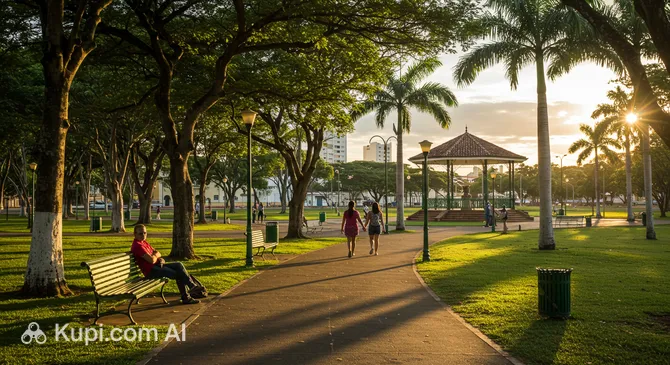
Welcome to Cuiabá, a captivating destination located in the exact geographical center of the South American continent. As the vibrant capital of the state of Mato Grosso in Brazil, this city serves as a bustling urban hub that seamlessly blends modern development with deep-rooted traditions. Known affectionately as the "Green City" due to its abundance of trees, Cuiabá offers a unique atmosphere where urban life meets the raw beauty of nature.

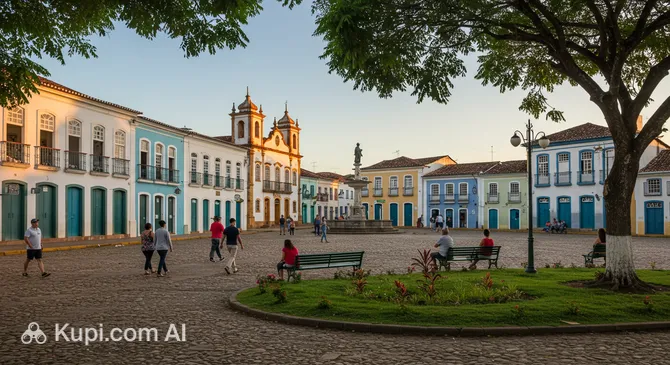
The city is home to approximately 585,000 residents and is famous for its tropical climate, which remains warm throughout the year. Its strategic location makes it a vital commercial center and a cultural melting pot in the region. The history of Cuiabá dates back to the 18th-century gold rush, a period that significantly shaped its architectural heritage and local identity. Visitors can still find echoes of this colonial past in the city's historic center, with its charming old buildings and narrow streets.
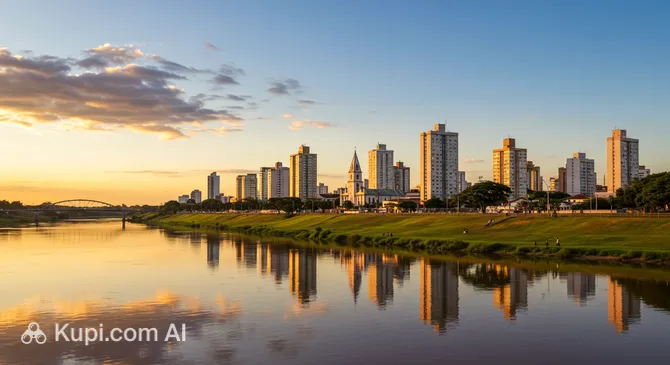
Cuiabá. Source: Kupi.Binoculars

For tourists, Cuiabá is primarily known as the gateway to two of Brazil's most spectacular natural wonders: the Northern Pantanal and the Chapada dos Guimarães National Park. The Pantanal is the world's largest tropical wetland, offering unparalleled opportunities for wildlife viewing, including jaguars and diverse bird species. Within the city itself, you can visit the marker for the Geodesic Centre of South America, a unique spot that designates the exact midpoint of the continent.

Whether you are stopping by to savor the delicious local cuisine featuring fresh river fish like pacu or preparing for an adventure into the wild wetlands, Cuiabá provides a warm and energetic starting point for your journey. We invite you to explore the heat, culture, and natural splendor of this remarkable Brazilian city.
Weather Overview

Travelers planning a trip to this region should be prepared for a tropical semi-humid climate characterized by high temperatures year-round and two well-defined seasons. When checking the weather in Cuiabá, you will generally find it to be quite hot, particularly during the transition months of September and October when the average maximum temperatures peak at around 36.3°C.

The city experiences a distinct rainy season from November to March, where precipitation is frequent; January and February, for example, typically record about 23 wet days each with average temperatures hovering around 28°C. In contrast, the winter months from June to August are significantly drier, often seeing zero wet days in July. During this dry spell, the climate is more comfortable, with daily averages around 25°C and minimum temperatures occasionally dipping to a pleasant 18.4°C.

Interesting Facts

Beyond the main attractions, Cuiabá holds many fascinating secrets that reveal its unique character and history. From its strategic geographic location to its surprising architectural evolution, there is much more to this city than meets the eye.
Cathedral Basilica of the Good Lord Jesus. Source: Kupi.Binoculars
  • Heart of the Continent: Cuiabá is officially recognized as the Geodesic Center of South America. A specific monument in the city marks the exact equidistant point between the Atlantic and Pacific Oceans, confirming its status as the geographic heart of the continent.

  • The City of Mango Trees: Locals often joke that the best refuge from the tropical heat is under a mango tree. The city is densely planted with these fruit trees to provide natural shade, and during the harvest season, the streets are so full of falling fruit that mangoes become a free and abundant snack for everyone.

  • A Military Heritage: The vibrant Arsenal Cultural Center was not always a place for art and leisure. It was originally constructed in 1818 as a military facility to manufacture and repair weaponry, playing a critical strategic role during the Paraguayan War in the 19th century.

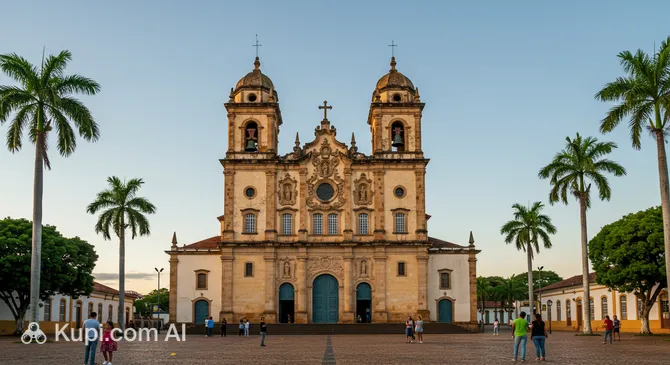
  • Architectural Contrast: Unlike the colonial baroque churches found in many historic Brazilian cities, the Cathedral Basilica of the Good Lord Jesus features a striking modern design. The original mud-brick church from the gold rush era was demolished in 1968 to make way for the current structure, a decision that remains a topic of historical debate.

How to Get There

Reaching the capital of Mato Grosso is quite straightforward, with air travel being the most convenient option for the majority of visitors. As a major gateway to the Pantanal and the Amazon, the city is well-connected to other parts of Brazil. For a comprehensive guide on all transport options, you can read more about how to get to Cuiabá on our detailed page.

The primary entry point for travelers is Marechal Rondon International Airport (IATA: CGB). This facility is the main aviation hub for the state and handles a significant volume of passengers annually. It is located approximately 6.9 km from the center of Cuiabá. The journey to the downtown area is relatively quick; a taxi or ride-share trip typically takes around 30 minutes, depending on traffic conditions.

For clarity, here is a summary of the main airport serving the city:

Airport Name City Passenger Traffic Km from City
Marechal Rondon International Airport Cuiabá High 6.9

While there are no passenger railway services connecting Cuiabá to other major Brazilian cities, the city is accessible by road. Long-distance buses arrive frequently at the main bus terminal, the Terminal Rodoviário Eng. Cássio Veiga de Sá, connecting the city to destinations like Brasília, Campo Grande, and São Paulo. For those driving, federal highways such as BR-163 and BR-364 provide direct access to the region.

Main Attractions

Cuiabá offers a fascinating mix of colonial history, modern architecture, and lush urban nature. As the gateway to the Pantanal, the city itself boasts several standout locations where visitors can immerse themselves in local culture and leisure. Here are some of the main attractions to explore during your stay.

One of the most beloved green spaces in the city is the Mae Bonifacia Park. Covering a vast area of preserved native forest, this park is a sanctuary for local wildlife and a favorite spot for residents. Tourists will find it incredibly interesting for its accessible trails where you can often spot small monkeys, such as marmosets, and various bird species roaming freely. It is the perfect place to experience the region's flora without leaving the urban center.

Mae Bonifacia Park. Source: Kupi.Binoculars

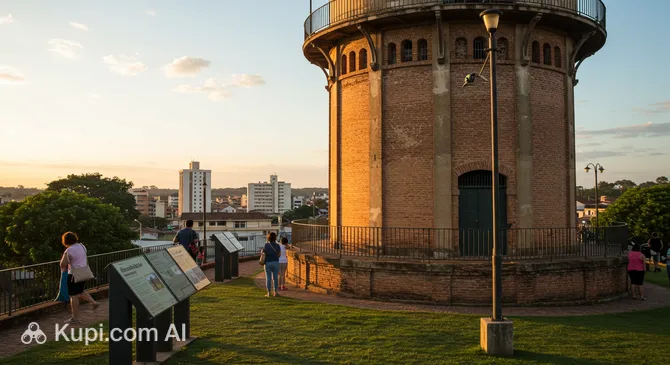
For history enthusiasts, the Morro da Caixa D’Água Velha Museum is a unique architectural gem. Housed in what was once the city's main water reservoir, dating back to the 19th century, the structure has been beautifully restored into a cultural space. The museum is fascinating not only for its exhibitions of local art and history but also for its subterranean galleries, which offer a cool respite from the heat and a glimpse into the city's hydraulic engineering past.

Morro da Caixa D’Água Velha Museum. Source: Kupi.Binoculars

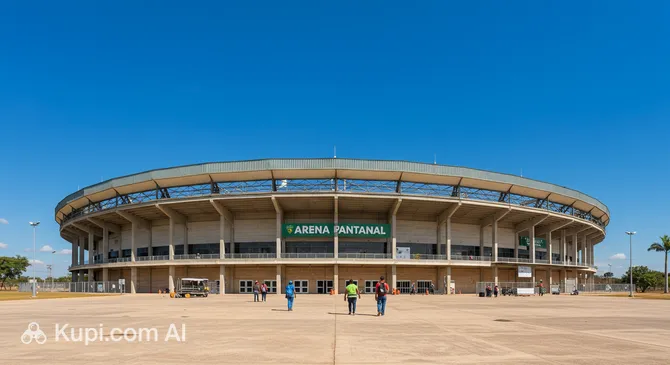
Sports fans and admirers of modern architecture should not miss the Arena Pantanal. Built specifically for the 2014 FIFA World Cup, this multi-purpose stadium is celebrated for its sustainable design, which incorporates wood and plants to blend with the local environment. Even when there are no matches, the area surrounding the arena is a lively gathering spot for locals, offering a great atmosphere for an evening walk or to witness the scale of this contemporary landmark.

Arena Pantanal. Source: Kupi.Binoculars

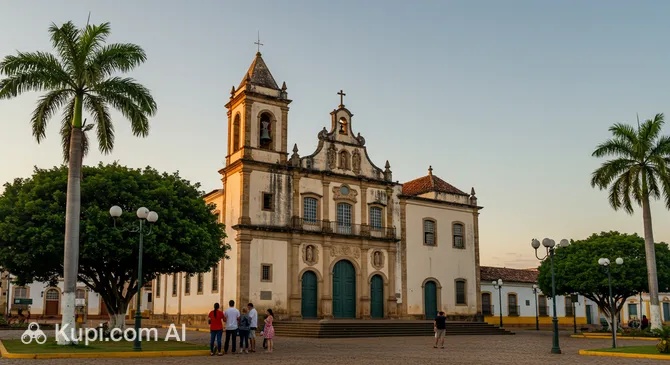
To touch the deep religious roots of the region, visit the Parish of Our Lady of the Rosary and Saint Benedict. This church is one of the oldest in Cuiabá and stands as a testament to the colonial baroque style. It is particularly interesting to tourists during the festival of Saint Benedict, but year-round it offers a serene look at the simple yet profound faith that has shaped the community for centuries. Its traditional architecture provides a stark and beautiful contrast to the modern buildings nearby.

Parish of Our Lady of the Rosary and Saint Benedict. Source: Kupi.Binoculars

Finally, for a relaxing afternoon by the water, Tia Nair Park is another excellent choice. Known for its beautiful lake and illuminated night trails, it offers a picturesque setting for sunsets. It is a popular destination for families and couples looking to enjoy paddle boating or simply to watch the capybaras that frequently inhabit the lake's edges, making it a delightful spot for nature photography.

Local Cuisine

The culinary scene in Cuiabá is a vibrant reflection of its geography and history, blending indigenous roots with Portuguese and African influences. The city's location near the Pantanal means that freshwater fish plays a starring role on many menus. A must-try signature dish is Mojica de Pintado, a hearty stew made with cubes of painted catfish (pintado) and cassava, simmered in a flavorful broth with fresh herbs. Another local favorite is Ventrecha de Pacu, which consists of deep-fried ribs of the pacu fish, typically served with a squeeze of lime to cut through the richness.

Meat lovers will appreciate Maria Isabel, perhaps the most iconic dish of the region. It is a simple yet delicious combination of sun-dried meat (carne de sol) cooked together with rice, often accompanied by farofa de banana—a sweet and savory side dish made with manioc flour and ripe plantains. For a sweet finish, look for Furrundu, a traditional dessert made from green papaya or the trunk of the papaya tree, slow-cooked with rapadura (unrefined cane sugar), ginger, cloves, and cinnamon.

When it comes to drinks, the people of Cuiabá have a unique tradition involving Guaraná Ralado. Unlike the fizzy soda found elsewhere, this is an energy-boosting beverage prepared by grating a stick of dried guaraná and mixing the powder with water and sugar. It is a daily ritual for many locals, cherished for its refreshing and stimulating properties in the tropical heat. Of course, a cold beer is also a standard companion to the city's salty, fried fish dishes.

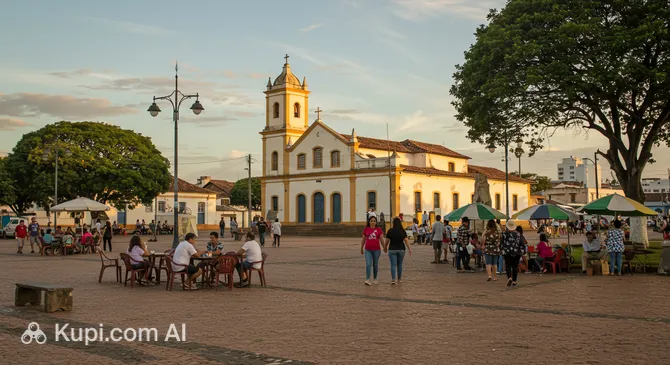
The dining culture here ranges from casual riverbank eateries, known as peixarias, to lively public squares. For a true taste of local nightlife and street food, you can visit Praça da Mandioca. This historic square comes alive in the evenings with music and bars, making it a perfect spot to mingle with residents. If you prefer a more contemporary dining experience, Coco Bambu Cuiabá offers a vast menu specializing in seafood. Meanwhile, for those looking to enjoy a relaxed breakfast or a quick snack like the traditional bolo de arroz (rice cake), the Moinho Bakery is a popular stop.

Praça da Mandioca. Source: Kupi.Binoculars

Travel Tips

To help you make the most of your adventure in the "Green City," we have compiled a set of essential guidelines that will ensure your trip is as smooth and enjoyable as possible. From navigating the legendary tropical heat to understanding local customs, these practical insights will help you travel through Cuiabá with confidence.

  1. Clothing and Gear: The most important factor to consider is the intense heat; Cuiabá is one of the hottest cities in Brazil. Pack lightweight, breathable fabrics like cotton or linen, and bring a high-quality hat and sunglasses. Since you will likely be visiting parks or heading to the Pantanal, sturdy and comfortable walking shoes are a must. Don't forget a universal power adapter (Brazil uses types N and C) and, crucially, a strong insect repellent for the evenings.
  2. Transportation: While there is a public bus system, it can be crowded and difficult to navigate without knowing Portuguese. The most convenient and safe option for tourists is to use ride-hailing apps like Uber or 99, which are widely available and affordable. If you plan to explore the nearby Chapada dos Guimarães or the Pantanal on your own, renting a car is highly recommended, but ensure it has functioning air conditioning.
  3. Finances: The local currency is the Brazilian Real (BRL). Credit and debit cards are widely accepted in hotels, restaurants, and supermarkets. However, it is wise to carry some cash for small purchases at street markets or for tipping, which is typically 10% in restaurants (often included as a service charge). ATMs are easy to find, but try to use those located inside banks or shopping malls for security.
  4. Health and Safety: Due to the extreme temperatures, staying hydrated is non-negotiable; always carry a bottle of water and avoid prolonged sun exposure during midday. Tap water is generally not suitable for drinking, so stick to filtered or bottled water. Pharmacies are abundant and well-stocked; look for major chains like Drogasil or Pague Menos, many of which operate 24/7. regarding safety, stick to well-lit, populated areas at night and avoid displaying expensive jewelry or electronics on the street.
  5. Communication: Portuguese is the official language, and English is not widely spoken outside of high-end hotels and tour agencies. It is highly beneficial to learn a few basic phrases like "Bom dia" (Good morning) and "Obrigado" (Thank you). We recommend downloading an offline translation app and offline maps before you arrive. You can easily purchase a prepaid SIM card from providers like Vivo, Claro, or TIM at the airport or local shopping centers to stay connected.
  6. Local Etiquette: The people of Cuiabá, known as cuiabanos, are generally warm and hospitable. A handshake is a standard greeting, though friends often greet with a hug or a kiss on the cheek. It is polite to say hello when entering a shop or elevator. If you are invited to a local's home, it is customary to take off your shoes at the door if the host does so, though this varies by household.
  7. What to Avoid: Do not underestimate the sun; walking long distances between 11:00 AM and 3:00 PM can lead to heat exhaustion very quickly. Also, avoid venturing into the river waters within the city limits for swimming, as they may not be clean; save your swimming gear for the waterfalls in Chapada dos Guimarães or authorized pools.
  8. Life Hack: Embrace the local love for mangoes. As mentioned in the interesting facts, the city is full of mango trees. If you are visiting during the season (typically end of the year), watch your step on the sidewalks to avoid slipping on fallen fruit, but also feel free to enjoy the shade they provide—it is the best natural respite from the sweltering afternoon sun.

By keeping these tips in mind, you will be well-prepared to embrace the vibrant culture and stunning nature that define this unique region. We hope your stay in Cuiabá is filled with unforgettable experiences, delicious flavors, and safe travels!

Entertainment & Nightlife

When the sun sets and the intense tropical heat begins to subside, Cuiabá transforms into a vibrant hub of music, dance, and socialization. The city's nightlife is heavily influenced by its warm climate, encouraging open-air gatherings and lively street scenes. Locals, known as cuiabanos, love to go out, making the atmosphere welcoming and energetic. The nightlife here caters to diverse tastes, ranging from upscale lounges in the Praça Popular district to the bohemian, historic vibes of the city center.

For those seeking a lively mixture of history and revelry, the area around the previously mentioned Praça da Mandioca is the place to be. By night, the narrow colonial streets fill with people enjoying cold beer and samba beats. However, if you are looking for a more dedicated music venue, Malcom Pub is a standout favorite. Famous for its unique architecture made of shipping containers, this venue offers multiple environments, including a rock bar and an electronic club floor. It attracts a stylish young crowd and is perfect for those who want to experience the city's modern pulse.

Malcom Pub. Source: Kupi.Binoculars

If your preference leans towards large-scale concerts and high-energy parties, Musiva is the premier destination in town. This spacious nightclub and concert hall frequently hosts Brazil's top artists, ranging from sertanejo (Brazilian country music) stars to electronic DJs. The venue is known for its excellent sound system and premium service, making it the go-to spot for a big night out. Dress codes here can be slightly more upscale compared to the casual bars, so it is worth dressing up a bit if you plan to attend a show.

Musiva. Source: Kupi.Binoculars

For a more relaxed and thematic evening, visitors can check out the Nerd Armchair Bar. As the name suggests, this venue caters to geek culture enthusiasts, offering board games, themed burgers, and a cozy atmosphere that differs from the loud thumping of nightclubs. It is an excellent spot to start the evening or for those who prefer conversation over dancing.

Regarding practicalities, nightlife in Cuiabá typically starts late. Bars get busy around 8:00 PM, but nightclubs often do not fill up until after midnight. Prices are generally affordable compared to Rio or São Paulo, though high-end clubs charge cover fees. For safety, it is highly recommended to use ride-hailing apps like Uber or 99 to move between venues, especially late at night. While the main nightlife districts are safe and populated, walking between them through deserted streets is not effortless or advisable.

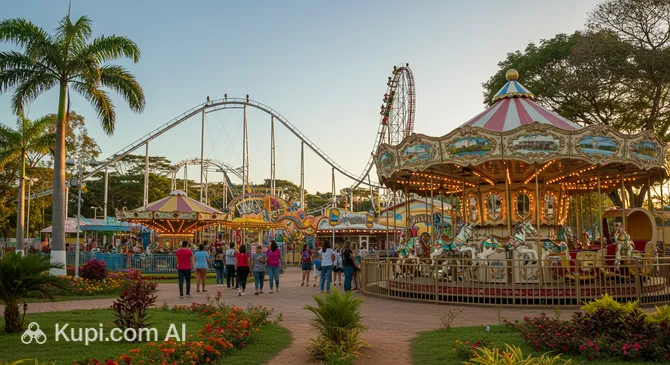
Before the night begins, there are plenty of daytime entertainment options to fill your schedule. Beyond the museums and parks, families or thrill-seekers might enjoy a visit to Planet Park, an amusement park that offers fun rides and a festive atmosphere. Whether you spend your day on a rollercoaster or exploring history, saving energy for Cuiabá’s electric nightlife is always a good idea.

Planet Park. Source: Kupi.Binoculars

Parks & Museums

As the "Green City," Cuiabá lives up to its nickname by offering a variety of leafy retreats and cultural institutions that celebrate the region's rich heritage and biodiversity. Beyond the most famous tourist spots, the city is dotted with fascinating museums and recreational areas where visitors can deepen their understanding of Mato Grosso or simply relax in the shade.

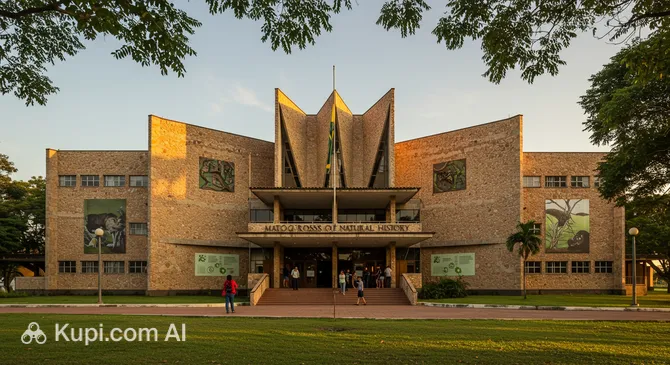
A highlight for culture enthusiasts is the Mato Grosso Museum of Natural History. Located in the historic Casa Dom Aquino, one of the oldest colonial houses in the city, this institution offers a journey through time. Its collection includes archaeological finds, indigenous artifacts, and paleontological fossils, providing a comprehensive look at the pre-history and anthropological roots of the region. It is an essential stop for anyone wanting to understand the diverse layers of local history.

Mato Grosso Museum of Natural History. Source: Kupi.Binoculars

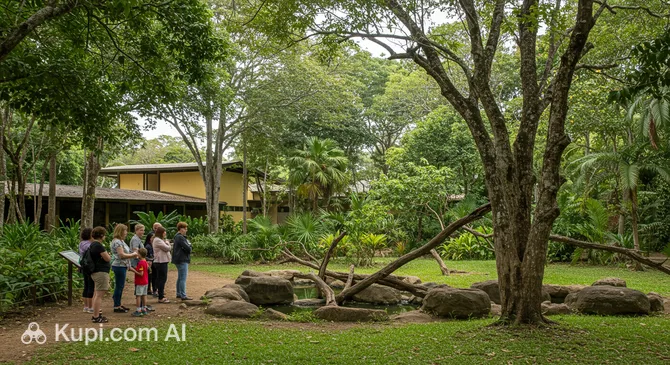
For those eager to encounter the local fauna without traveling deep into the wild, the Federal University of Mato Grosso Zoo is a wonderful educational destination. Situated within the university campus, it serves as a sanctuary for animals native to the Pantanal and the Amazon. Visitors can observe various bird species, mammals, and reptiles in an environment that prioritizes conservation and environmental education.

Federal University of Mato Grosso Zoo. Source: Kupi.Binoculars

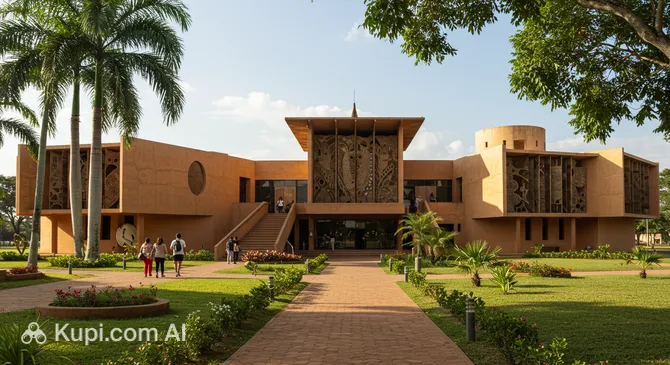
The city also boasts vibrant spaces for leisure and events. Sesi Papa is a well-known cultural complex that frequently hosts concerts, exhibitions, and community gatherings, making it a dynamic hub for local arts. For a quieter experience, the Mahatma Gandhi Family Park offers a peaceful setting for walks and family picnics, providing a green escape from the urban hustle.

Sesi Papa. Source: Kupi.Binoculars

In the heart of the downtown area, historical squares serve as important landmarks. Alencastro Square, located near the City Hall, is a traditional meeting point surrounded by century-old trees and important government buildings. Similarly, Ipiranga Square offers a glimpse into the city's past with its classic design. Finally, for those looking to beat the tropical heat with some aquatic fun, the Water Park of Cuiabá provides refreshing pools and slides, perfect for a family day out.

Getting Around

Public transport in Cuiabá consists primarily of a comprehensive bus network that connects the city's various neighborhoods and the neighboring city of Várzea Grande. There is no metro or subway system in the city. The bus fleet has been modernized in recent years, with many vehicles now equipped with air conditioning—a vital feature given the region's intense heat—though travelers should be aware that some older models without climate control may still be in circulation.

To use the bus system efficiently, passengers typically need a rechargeable transport card known as the "Cartão TEM" (Transporte do Estado de Mato Grosso). While paying with cash on board was common in the past, the system has shifted towards electronic payment to improve speed and safety. You can purchase and top up this card at main bus terminals, such as the Terminal do Bispo in the city center, or at authorized sales points. The fare is a flat rate, currently costing around 4.95 BRL, and the system allows for integration, meaning you can often switch buses at terminals without paying a second full fare within a certain time limit.

For tourists, navigating the bus routes can be slightly challenging without local knowledge. It is highly recommended to use navigation apps like Moovit or Google Maps to check schedules and locate the nearest stops, as physical signage at bus stops can sometimes be sparse. Boarding takes place at the front of the vehicle, where you tap your card at the electronic turnstile, and you exit through the rear doors. Buses generally operate from approximately 5:00 AM to midnight, with reduced frequency on weekends and holidays.

Given the high temperatures and the convenience factor, many visitors prefer alternatives to public transit. Ride-hailing apps like Uber and 99 are extremely popular, safe, and relatively inexpensive in Cuiabá. They offer the distinct advantage of door-to-door service in an air-conditioned vehicle, which provides much-needed relief from the sun. Traditional taxis are also widely available, particularly at stands near shopping malls, hotels, and the airport, though they are generally more expensive than app-based rides.

If you plan to explore the surrounding natural attractions, such as the Chapada dos Guimarães, renting a car is a practical choice that offers the most freedom. Within the city, however, be aware that traffic can be heavy during peak hours. It is also worth noting that while you may see infrastructure or references to a Light Rail Vehicle (VLT) project in older guides, this system was never completed and is not operational; the bus remains the sole form of mass public transit.

Accommodation

Accommodation:

Finding a place to stay in Cuiabá is generally a straightforward task, as the city offers a wide range of options to suit various budgets and travel styles. Whether you are a backpacker looking for a simple hostel, a business traveler requiring modern amenities, or a tourist seeking comfort before heading to the Pantanal, the local hospitality sector is well-equipped. The accommodation landscape is dominated by mid-range and business-oriented hotels, reflecting the city's status as an agricultural and commercial hub, but there are also plenty of budget-friendly pousadas (guesthouses) and functional flats available.

For those who want to be close to the city's historical roots and main administrative buildings, the City Center (Centro) is a convenient choice. Staying here places you within walking distance of colonial landmarks, museums, and busy commerce. This area is often more affordable and offers easy access to public transport. It is home to lively spots like Alencastro Square, which serves as a central reference point for exploring the downtown region.

Alencastro Square. Source: Kupi.Binoculars

Travelers seeking a more modern and upscale atmosphere often prefer the neighborhoods of Goiabeiras, Jardim das Américas, and Duque de Caxias. These districts are known for their leafy streets, excellent dining options, and proximity to major shopping centers like the Estação Cuiabá Shopping Mall. Hotels in these areas tend to be newer, offering amenities such as swimming pools and gyms, which are highly appreciated in the local heat.

Estação Cuiabá Shopping Mall. Source: Kupi.Binoculars

Another strategic option, especially for those on a quick layover or planning an early morning departure to the wilderness, is to stay in the neighboring municipality of Várzea Grande, near the Marechal Rondon International Airport. While it is technically a separate city, it functions as an extension of Cuiabá and offers several practical hotel chains just minutes from the terminal.

Booking Tips and Prices:
Accommodation prices in Cuiabá are generally reasonable compared to Brazil's coastal tourist capitals. You can typically find comfortable mid-range suites for a fair price, while budget options are plentiful. However, demand can spike during the dry season (July to October), which is the prime time for jaguar spotting in the Pantanal, and during major agricultural fairs. It is highly recommended to book your room in advance during these months. Most hotels are listed on major online booking platforms, making it easy to compare rates and secure your stay before arrival.

Nearby Cities

For those looking to explore the surroundings, Cuiabá serves as an excellent base for day trips to several interesting nearby locations:

City Population Distance (km)
Varzea Grande 287526 8
Rondonopolis 228857 183
Tangara da Serra 117000 185
Caceres 91271 178
Barra do Bugres 33644 132

Among these destinations, Cáceres stands out for its historical significance and natural beauty. Located on the banks of the Paraguay River, the city features charming colonial architecture and is known as a major gateway to the Pantanal. It hosts the renowned International Fishing Festival, attracting anglers and tourists from all over the world to experience the rich biodiversity of the wetlands.

For travelers interested in ecotourism and dramatic landscapes, Tangará da Serra is a fantastic choice. The region is famous for its abundance of waterfalls, including the spectacular Salto das Nuvens and Salto Maciel. It offers excellent opportunities for hiking, swimming, and enjoying the lush vegetation of the transition zone between the Cerrado and the Amazon rainforest.

Just a stone's throw away from the capital is Várzea Grande, which is separated from Cuiabá only by the Cuiabá River. Often visited for its traditional culture, the city is celebrated for its handcrafted pottery made by local artisans in the São Gonçalo Beira Rio community. It is also home to the famous "Rota do Peixe," a gastronomic route where visitors can sample the freshest river fish dishes in a rustic setting.

These nearby destinations offer a glimpse into the diverse culture and landscapes of the region.

Shopping & Souvenirs

Shopping in Cuiabá offers a delightful mix of modern convenience and deep-rooted regional tradition. While the city may not be a global fashion capital, it boasts a robust commercial infrastructure that caters to both locals and tourists. Visitors can expect to find everything from high-end international brands in air-conditioned malls to authentic local handicrafts and culinary treasures in bustling street markets. Whether you are looking to update your wardrobe or find a unique keepsake from the Mato Grosso wetlands, the city provides ample opportunities to browse and buy.

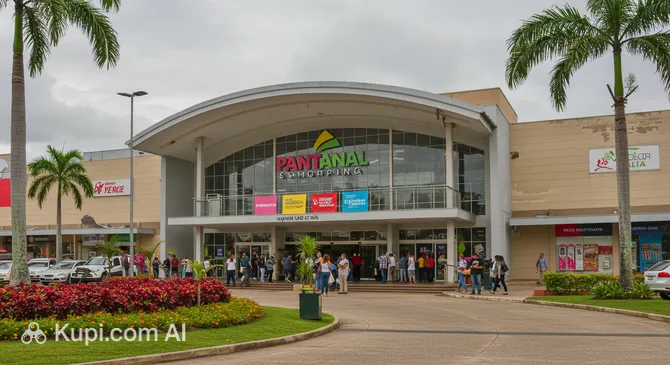
For a contemporary shopping experience, the city's shopping malls are the go-to destinations, serving not only as retail hubs but also as cool sanctuaries from the tropical heat. One of the most popular spots is Pantanal Shopping. Located strategically to serve various neighborhoods, it features a wide array of stores, a cinema complex, and a diverse food court. It is a lively place where families gather, offering a comprehensive mix of fashion, electronics, and entertainment.

Pantanal Shopping. Source: Kupi.Binoculars

Another premier destination is the Estação Cuiabá Shopping Mall. Known for its modern architecture and upscale atmosphere, this mall hosts a variety of well-known Brazilian and international labels. Beyond the retail therapy, it is celebrated for its "Taste Lab," a gastronomic space that brings together different cuisines and craft beers, making it a perfect spot to combine shopping with a high-quality dining experience.

If you prefer a more traditional atmosphere, the historic city center offers a different vibe. Streets like Rua 13 de Junho and the surrounding areas are lined with smaller shops selling clothes, fabrics, and household goods at competitive prices. For a truly authentic experience, a visit to the Mercado do Porto (Port Market) is essential. Although primarily a food market known for its fresh river fish and exotic spices, it is a fascinating place to observe local life and purchase regional ingredients like pequi and medicinal herbs.

When it comes to souvenirs, Cuiabá shines with its rich artisanal heritage. The best items to bring back include indigenous handicrafts, ceramics, and the famous woven hammocks (redes) that are a staple in local homes. Culinary souvenirs are also highly recommended; look for jars of furrundu (a sweet made from papaya and brown sugar) or traditional banana sweets. You can find these delicacies at specialty shops or even at places like the Moinho Bakery, which offers a selection of local treats perfect for gifting.

Standard opening hours for street shops are typically from 8:00 AM to 6:00 PM on weekdays, closing around noon on Saturdays. Shopping malls generally operate from 10:00 AM to 10:00 PM, Monday through Saturday, with reduced hours on Sundays (usually opening in the afternoon). Credit and debit cards are widely accepted almost everywhere, including most market stalls, though carrying a small amount of cash is advisable for very small purchases. Tourists should note that Brazil does not have a tax-free refund system for international visitors, so the price you see on the tag is the final price.

Nearby cities

Reached the end of the page?

That means the route is fully explored