Support

Rondonopolis

About

Rondonopolis. Source: Kupi.Binoculars

Welcome to Rondonópolis, a dynamic and rapidly growing city located in the state of Mato Grosso. Often referred to as the "Capital of Agribusiness," this bustling municipality serves as a vital economic hub for the region, blending modern urban development with the warm hospitality typical of the Brazilian interior.

Geographically, the city is strategically situated in the central-western part of Brazil, acting as a major crossroads between the agricultural north and the industrial south. With a population of approximately 228,000 residents, it is the third-largest city in the state. The climate here is tropical, characterized by distinct dry and wet seasons, which supports the lush landscapes surrounding the urban area.

While the city is famous for its agricultural prowess, it also possesses a rich cultural background. Visitors interested in the origins of this settlement can explore the history of Rondonópolis to see how it evolved from a strategic telegraph outpost into a thriving commercial center. The city's growth has been fueled by its location at the junction of major highways and the Vermelho River.

For tourists, Rondonópolis offers several interesting spots to unwind and explore. The Cais (Casario) is a popular historical and cultural complex located on the banks of the Vermelho River, offering a glimpse into the past with its preserved architecture, alongside bars and live music. Nature lovers will appreciate the Horto Florestal, a green sanctuary perfect for walking and enjoying the local flora. Additionally, the Rosa Bororo Museum provides fascinating insights into the indigenous history and local heritage of the region.

Whether you are passing through on business or exploring the vast landscapes of Mato Grosso, Rondonópolis offers a welcoming atmosphere and a unique look at the agricultural heartland of the country. It is a destination that promises a comfortable stay with a distinct local flavor.
Weather Overview

Rondonopolis experiences a tropical climate defined by two distinct seasons: a hot, humid period and a drier, milder season. Visitors can generally expect warm temperatures year-round, with significant variations in rainfall depending on the month of travel.

The wet season typically spans from October through April, bringing frequent precipitation and high humidity. January is particularly rainy, with precipitation recorded on approximately 25 days of the month. During this time, average temperatures stay around 27°C, often reaching highs of over 31°C. For a more comprehensive breakdown of what to expect during your visit, you can consult the guide to weather in Rondonopolis.

Conversely, the months from May to September are characterized by much drier conditions. July is the driest month, with virtually 0 wet days on average. This period also brings slightly cooler weather; in June, the average temperature drops to 24.1°C, with overnight lows around 18°C. However, the heat intensifies again in September, where average maximum temperatures can soar to 36.2°C.

Interesting Facts

Beyond its reputation as an agricultural powerhouse, Rondonopolis holds several fascinating secrets and historical curiosities that reveal a different side of the city.

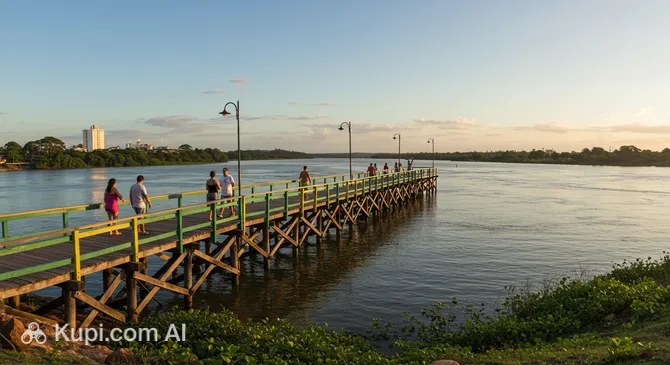
Rio Vermelho Pier. Source: Kupi.Binoculars
  • The city's existence is deeply tied to the famous Rondon Commission. It was originally established as a strategic telegraph outpost by Marshal Cândido Rondon, a legendary Brazilian explorer, which is why the city bears his name today rather than its original settlement name.

  • One of the city's most cherished historical landmarks is the Rio Vermelho Pier, locally known as "Casario." This area was once the bustling commercial heart where river traders docked, and it has now been revitalized into a cultural hub with preserved architecture that defies the modern skyline.

  • Rondonopolis is frequently cited as having one of the largest heavy-duty truck fleets in Brazil relative to its population. This logistical intensity has shaped the city's layout and culture, creating a unique urban dynamic centered around the transport of "white gold" (cotton) and soy.

  • Despite the heavy focus on industry and farming, the city maintains a significant ecological sanctuary known as the Rondonópolis Forest Garden. This protected area offers a surprising burst of dense native vegetation and tranquility right in the middle of the urban sprawl.

How to Get There

Planning a trip to Mato Grosso involves choosing the best route to reach its agricultural heart. For a detailed overview of all transport options, you can read more about how to get to Rondonopolis.

The city of Rondonopolis is primarily served by transport hubs in the wider region. Visitors often fly into Marechal Rondon International Airport (CGB), located in the city of Cuiabá, which is about 182 km from Rondonopolis. This major facility handles a significant volume of passengers annually, connecting the state to the rest of Brazil. From the airport, the journey to Rondonopolis by taxi or bus takes approximately 5 hours.

For clarity, here is a summary of the main airports:

Airport Name City Passenger Traffic Km from City
Marechal Rondon International Airport Cuiabá High 181.9

Main Attractions

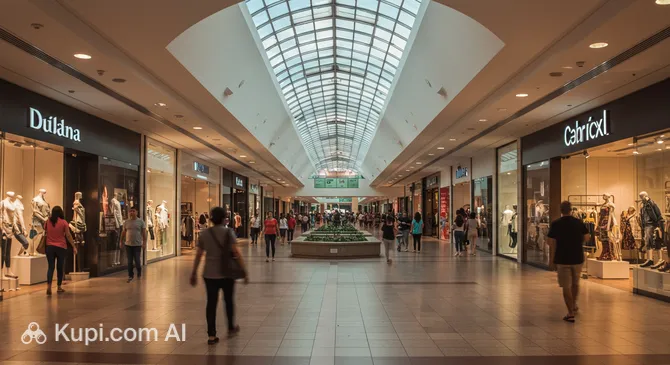
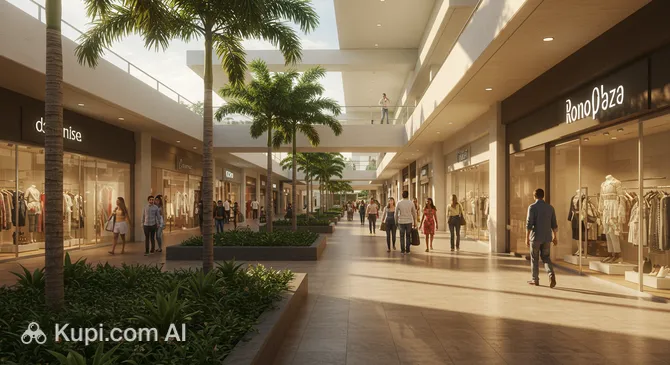
Beyond its historical landmarks and natural beauty, the city offers a variety of modern amenities and leisure options. For those looking to indulge in retail therapy or escape the midday heat, Rondon Plaza Shopping is the premier destination. As the largest commercial hub in the region, it features a wide array of stores, a cinema for entertainment, and a diverse food court, making it a convenient stop for families and travelers alike. Visitors can also explore Popular Cais Shopping, another well-known spot that adds to the city's commercial landscape.

Rondon Plaza Shopping. Source: Kupi.Binoculars

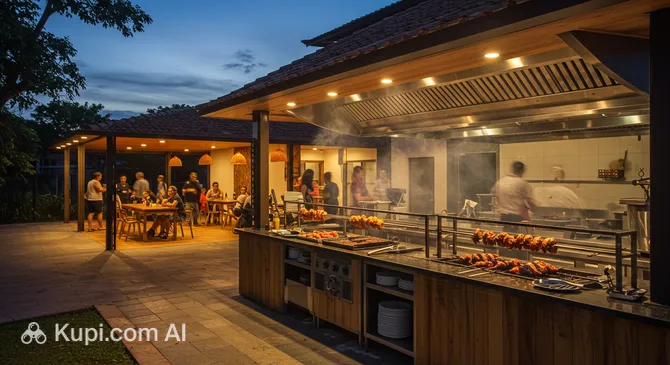
The local dining and nightlife scene provides excellent opportunities to experience the city's social atmosphere. Espeto Mania is a popular choice for those wanting to try traditional Brazilian skewers in a lively setting. It serves as a great meeting point to enjoy local flavors and cold drinks after a day of sightseeing.

Espeto Mania. Source: Kupi.Binoculars

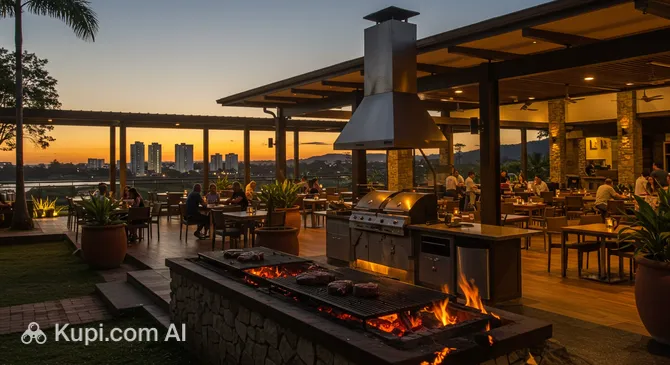
For a more relaxed evening, La Casona offers a welcoming environment perfect for gathering with friends. The city also boasts other notable eateries, such as the Horto Restaurant Rondonópolis, which is known for its pleasant ambiance, and X Calota, a go-to spot for hearty snacks and meals.

La Casona. Source: Kupi.Binoculars

Local Cuisine

The culinary scene in Rondonópolis is a flavorful reflection of Mato Grosso's cultural diversity, blending indigenous traditions with the hearty influence of cattle ranching. As a major agribusiness hub, the city is renowned for the quality of its beef, making churrasco (barbecue) a staple dining experience. However, the local diet is also heavily defined by the abundance of freshwater fish from the region's rivers, offering a unique taste of the Brazilian interior.

Visitors should not leave without trying Maria Isabel, a signature dish of the region. This savory meal consists of rice cooked with sun-dried meat (carne de sol), often seasoned with garlic, onions, and local spices. Another must-try is Mojica de Pintado, a rich stew made with cubes of Pintado fish and cassava, which perfectly captures the river-to-table philosophy of local cooking. For a lighter snack, farofa de banana—toasted cassava flour mixed with sweet plantains—is a common and delicious side dish served in many establishments.

Horto Restaurant Rondonópolis. Source: Kupi.Binoculars

When it comes to drinks, the heat of the Central-West makes cold beverages essential. The most iconic drink is Tereré, an ice-cold infusion of yerba mate herbs, traditionally shared among friends in a social circle. It is refreshing and deeply embedded in the daily life of the locals. For evening relaxation, cold beers and the classic Caipirinha are widely available, often enjoyed at open-air bars where the breeze from the river helps cool down the night.

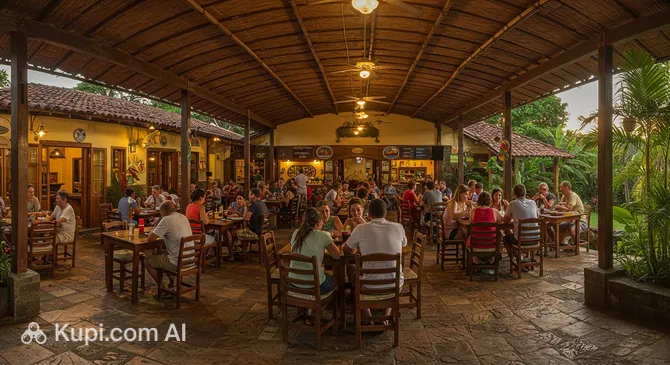
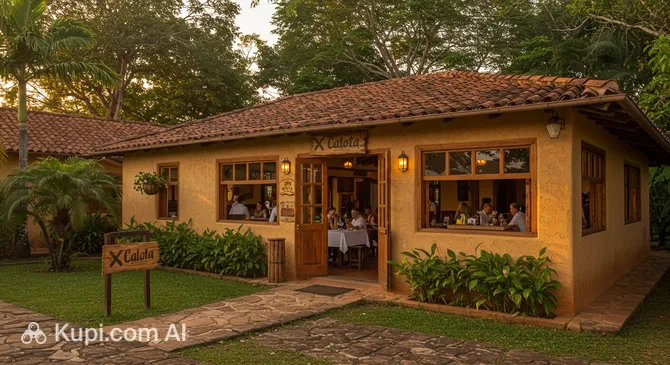
Dining out in Rondonópolis ranges from casual street food to comfortable family restaurants. For a pleasant meal in a welcoming atmosphere, Horto Restaurant Rondonópolis is a notable choice, offering a menu that caters to diverse tastes. Those looking for a more laid-back vibe to enjoy quick bites and local snacks might prefer visiting X Calota, a popular spot for satisfying hunger after a day of exploring. The city's food culture is best experienced slowly, enjoying the hospitality and the robust flavors that define this part of Brazil.

Travel Tips

Visiting Rondonópolis offers a unique glimpse into the agricultural heart of the region, and a few practical preparations will ensure your stay is comfortable and hassle-free. These essential tips are designed to help you navigate the local customs and climate like a pro.

  1. Clothing and Gear: Given the tropical climate, lightweight and breathable fabrics like cotton or linen are essential to cope with the heat. Pack a hat, sunglasses, and high-SPF sunscreen, especially if you plan to visit outdoor spots like the Horto Florestal. Comfortable walking shoes are a must, and since air conditioning can be strong in malls and offices, carrying a light jacket is useful for indoors.
  2. Transportation: While there is a public bus system, it can be challenging for visitors to navigate efficiently. The most convenient way to get around is by using ride-hailing apps, which are reliable and widely used in the city. If you plan to explore the wider landscapes of Mato Grosso, renting a car is highly recommended for flexibility.
  3. Finances: The official currency is the Brazilian Real (BRL). Credit and debit cards are widely accepted in most hotels, restaurants, and shops. However, it is wise to carry some cash for small purchases at street stalls or local markets. ATMs are readily available, and a standard service tip of 10% is usually included in restaurant bills, though checking is always good practice.
  4. Health and Safety: Pharmacies are plentiful, with major chains often open late or 24/7 to assist with minor ailments. It is advisable to drink only bottled or filtered water to avoid stomach issues. While the city is generally welcoming, exercise standard safety precautions: avoid walking in poorly lit areas at night and keep expensive electronics or jewelry out of sight.
  5. Communication: Portuguese is the primary language, and English proficiency among locals may be limited outside of major business centers. Learning basic phrases like "Bom dia" (Good morning) and "Obrigado" (Thank you) goes a long way. Buying a local SIM card from major providers is easy at newsstands or official stores, ensuring you have data for maps and translation apps.
  6. Local Etiquette: Locals are known for their warmth and informality. Greetings often involve a firm handshake or a kiss on the cheek (usually one) for women. It is polite to make eye contact and smile when interacting. When entering a shop or elevator, a general greeting to those present is considered good manners.
  7. What to Avoid: Avoid making the "OK" hand sign (forming a circle with thumb and index finger), as it can be considered an offensive gesture in Brazil. Also, do not rely solely on tap water for drinking, and avoid leaving your belongings unattended in public spaces, even for a moment.
  8. Local Insight: Embrace the local Tereré culture. You will likely see residents sipping this ice-cold herbal tea from a shared horn or cup to beat the heat. It is a social ritual, and if you are invited to join in, accepting is seen as a sign of friendship and respect.

By keeping these practicalities in mind, you can focus on enjoying the vibrant atmosphere and warm hospitality that Rondonópolis has to offer. Have a safe and memorable journey through this dynamic city!

Entertainment & Nightlife

Nightlife in Rondonópolis is a vibrant reflection of its warm climate and welcoming spirit. As the sun sets and the temperatures become more pleasant, the city's social scene shifts to open-air venues, bustling bars, and lively gathering spots. The atmosphere is generally casual and relaxed, heavily influenced by the local university crowd and the agribusiness community, meaning you are just as likely to see people in jeans and boots as you are in trendy urban wear.

The heart of the city's evening entertainment is undoubtedly the Casario, officially known as the Rio Vermelho Pier. This historical district on the banks of the Vermelho River has been transformed into a cultural and gastronomic hub. At night, the old warehouses light up, hosting various bars and restaurants that feature live music, ranging from Brazilian pop and rock to the ever-popular sertanejo (Brazilian country music). It is the perfect place to start the evening with a cold drink while soaking in the local history.

For those seeking a classic Brazilian social experience, local bars are the main attraction. Venues like Espeto Mania are favorites among locals for a laid-back night out. Here, the focus is on espetinhos (meat skewers) accompanied by "stupidly cold" beer—a necessity in the Mato Grosso heat. It is a great spot to mingle with residents and experience the city's unpretentious hospitality.

If you prefer a venue with a bit more character and a pub-like atmosphere, La Casona is another excellent option mentioned by visitors. The nightlife in Rondonópolis typically kicks off around 9:00 PM, but many places stay open well into the early morning hours, especially on weekends. After a night of partying, it is a local tradition to grab a hearty snack. X Calota is a legendary spot for this, serving massive burgers and sandwiches that are a challenge to finish alone.

X Calota. Source: Kupi.Binoculars

While the city is famous for its nocturnal energy, daytime entertainment also offers pleasant diversions. For a break from the outdoor heat, visitors often head to the shopping centers. Popular Cais Shopping provides a cool environment for browsing stores or catching a movie at the cinema. Cultural enthusiasts can also look out for occasional plays or exhibitions at local cultural centers, though these events are more sporadic.

Popular Cais Shopping. Source: Kupi.Binoculars

Practical Nightlife Tips:

  • Safety: Rondonópolis is a growing city, and like many urban centers in Brazil, it is best to stay vigilant. The main nightlife districts like the Casario and Avenida Lions Internacional are generally safe due to the crowds, but avoid walking alone in quiet or poorly lit streets late at night.
  • Getting Around: Public transport is not very convenient for nightlife. The safest and most reliable way to get around at night is by using ride-hailing apps (like Uber or 99) or calling a radio taxi.
  • Prices: Entertainment here is reasonably priced compared to larger capitals like São Paulo or Rio de Janeiro. Most bars do not have a cover charge unless there is a special live band performing.

Parks & Museums

Rondonópolis offers a refreshing balance between its bustling agricultural industry and serene recreational areas, providing visitors with inviting green spaces and venues that celebrate the region's heritage. While the city is modernizing rapidly, it has preserved pockets of nature and history that allow travelers to connect with the local culture and the unique environment of Mato Grosso.

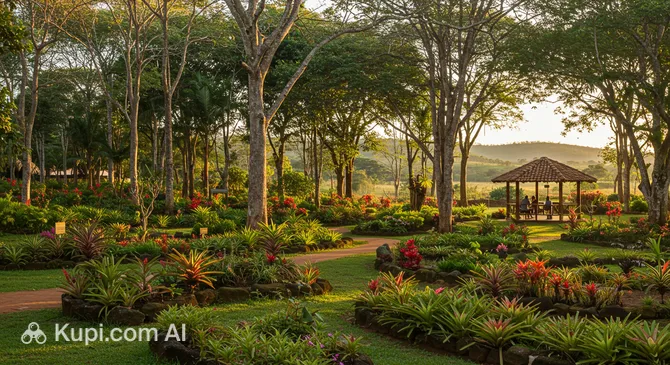
For nature enthusiasts, the Rondonópolis Forest Garden (Horto Florestal) is the city's premier green sanctuary. Located within the urban area, this park serves as a vital lung for the city, offering shaded trails and a chance to observe native flora typical of the Cerrado biome. It is a favorite spot for families and joggers seeking a peaceful escape from the city noise, providing a cool retreat during the hotter parts of the day.

Rondonópolis Forest Garden. Source: Kupi.Binoculars

Another significant outdoor space is the Parque das Águas (Water Park), a popular leisure destination for residents. With its expansive walking paths, sports courts, and scenic lake, it comes alive in the late afternoon as locals gather to exercise and watch the sunset. The park's well-maintained grounds make it an excellent location for a relaxing picnic or a casual stroll to experience the local lifestyle.

In terms of culture and history, the Rosa Bororo Museum stands out as a key institution. Dedicated to preserving the memory of the region, the museum houses a collection of artifacts, photographs, and documents that tell the story of the city's development and the indigenous Bororo people who originally inhabited the land. It provides a fascinating educational experience for those wishing to understand the deeper historical context of this part of Brazil.

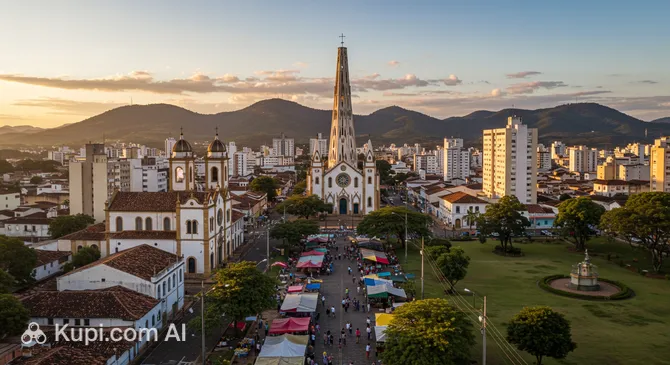
History buffs should not miss the Rio Vermelho Pier, locally known as "Casario." While it functions as a vibrant nightlife hub, it is historically significant as the city's original commercial center. The preserved architecture of the old warehouses acts as an open-air gallery, reflecting the early days of trade along the Vermelho River. Nearby, the Church of the Sacred Heart of Jesus (Matriz Church) offers a glimpse into the city's religious architecture and serves as a central landmark for the community.

For a truly authentic experience, try visiting the parks shortly after rainfall. The scent of the wet earth and the vibrant green of the vegetation create a unique sensory experience known locally as "cheiro de chuva," which perfectly captures the spirit of the Brazilian interior.

Getting Around

The public transport system in Rondonópolis is primarily reliant on a comprehensive network of municipal buses. Unlike larger metropolitan areas, the city does not have a metro, tram, or passenger train service. The bus network serves as the backbone of urban mobility, connecting the city center with residential neighborhoods, the industrial district, and major commercial areas like the shopping malls. In recent years, the city has invested in modernizing its fleet, meaning many vehicles are now equipped with air conditioning—a crucial feature given the region's tropical climate.

For payment, the system is designed to be relatively simple for visitors. While local residents typically use electronic transport cards for their daily commute, cash is generally accepted on board for single trips. Fares are known for being quite affordable, often lower than the national average due to municipal subsidies. If you choose to pay with cash, it is highly recommended to carry small bills and coins, as drivers or conductors often have limited change.

Navigating the bus system can require a bit of planning. Service typically operates from the early hours of the morning, around 5:00 AM, until approximately 11:00 PM or midnight. However, the frequency of buses drops significantly on weekends and public holidays. Bus stops are not always clearly marked with timetables, so tourists are advised to use GPS-based navigation apps on their smartphones to check routes and estimated arrival times in real-time.

Given the city's spread-out layout and the intense daytime heat, many tourists prefer alternative modes of transport. Ride-hailing apps such as Uber and 99 are extremely popular in Rondonópolis. They offer a safe, comfortable, and cost-effective way to get around without the hassle of waiting at bus stops. Traditional taxis are also available and can be found at designated stands (ponto de táxi) near major squares and the bus terminal, though they are generally more expensive than app-based rides.

A distinctive feature of transport in this region is the prevalence of "mototaxis" (motorcycle taxis). You will frequently see them zipping through traffic, offering a fast and inexpensive service for solo passengers. While this is a very common local way to travel, visitors should prioritize safety and may prefer the comfort of a car. For those planning to explore attractions outside the city limits, renting a car is a practical option, as it provides the freedom to travel at your own pace.

Accommodation

Accommodation in Rondonópolis primarily caters to the needs of business travelers and those passing through the region's major transport corridors. As a bustling hub of agribusiness, the city offers a solid infrastructure of hotels that prioritize functionality and comfort. Visitors will mostly find mid-range business hotels and budget-friendly options, rather than extensive luxury resorts or vacation-style rentals.

The most convenient area to stay is the City Center (Centro). Choosing a hotel here places you within walking distance of essential services, banks, and dining options. It also offers easy access to local landmarks and the vibrant evening atmosphere near the river. Alternatively, for travelers on a road trip across Mato Grosso, there are several reliable hotels located along the highway margins (BR-163 and BR-364). These locations are ideal for quick stopovers, offering easy parking and rapid access to the road network without navigating the city's internal traffic.

When planning your stay, it is important to consider the local event calendar. Rondonópolis hosts significant agricultural fairs and business expos throughout the year, during which occupancy rates soar and rooms can become scarce. A helpful booking tip is to reserve your accommodation well in advance if your visit coincides with these major agribusiness events to secure the best rates and availability.

In terms of pricing, the city is generally affordable compared to major state capitals. You can expect mid-range prices for clean, modern rooms with air conditioning—a must-have amenity in this tropical climate. Booking is straightforward, with most established hotels listed on major online travel platforms, though contacting smaller establishments directly can sometimes yield better deals.

Nearby Cities

For those looking to explore the surroundings, Rondonopolis serves as an excellent base for day trips to several interesting nearby locations:

One of the most prominent destinations for a short visit is Cuiabá, the state capital of Mato Grosso. Located approximately 183 km away, it offers a rich blend of colonial history, modern amenities, and vibrant culture. Visitors can explore the historic city center, enjoy the local cuisine which features delicious river fish, or use the city as a gateway to the stunning Chapada dos Guimarães National Park. Its proximity makes it a feasible, albeit long, day trip for those wanting to experience the urban heartbeat of the region.

For travelers seeking nature and relaxation, Barra do Garças is a compelling option, though it requires a bit more travel time. Situated at the confluence of the Araguaia and Garças rivers, this town is famous for its thermal water parks and beautiful river beaches. It lies at the foot of the Serra Azul State Park, offering hiking trails that lead to waterfalls and panoramic views, making it an ideal spot for eco-tourism enthusiasts looking to escape into nature.

Another interesting stop is Coxim, located in the neighboring state of Mato Grosso do Sul. Known as the "Capital of the Fish," it is a paradise for anglers and serves as a northern gateway to the Pantanal wetlands. The region is characterized by its scenic rivers and opportunities for boat tours, attracting those who appreciate aquatic biodiversity and serene landscapes.

City Population Distance (km)
Cuiabá 585367 183
Varzea Grande 287526 184
Barra do Garças 58974 262
Mineiros 52935 253
Coxim 33231 226

These nearby destinations offer a glimpse into the diverse culture and landscapes of the region, ranging from bustling state capitals to serene natural retreats.

Shopping & Souvenirs

Shopping in Rondonópolis serves as a reflection of its status as a major commercial hub for the southern region of Mato Grosso. The city offers a practical blend of modern retail experiences and traditional street commerce, catering to both the local residents and the many business travelers who pass through. While it is not primarily known as a luxury fashion destination, visitors can easily find a wide variety of goods ranging from national clothing brands to specialized regional products.

The heartbeat of the city's retail activity is found in the City Center (Centro). The bustling streets in this district, particularly around the main avenues, are lined with an array of independent boutiques, shoe stores, and electronics shops. Wandering through this area offers a lively atmosphere where you can observe the daily rhythm of the locals and find affordable items. It is the best place to go for everyday necessities and to see the vibrant street commerce in action.

For a more comfortable shopping experience, especially when seeking refuge from the tropical heat, the city's malls are the preferred choice. The most prominent destination is Rondon Plaza Shopping, which stands as the largest commercial complex in the region. It features a comprehensive selection of stores, a cinema, and a large food court, making it a central meeting point for the community. Another convenient option is Popular Cais Shopping, which offers a variety of shops and services in a more compact setting, ideal for quick purchases or browsing.

To experience the authentic flavors and culture of the region, visitors should explore the local street markets, known as feiras livres. One of the most popular is the Feira da Vila Aurora, typically held on designated days of the week. These markets are excellent places to purchase fresh tropical fruits, artisanal cheeses, and homemade sweets. They are also the perfect spot to sample traditional street snacks like fresh pastel (fried pastry) accompanied by sugarcane juice.

When looking for souvenirs, the city's identity as the "Capital of Agribusiness" provides great inspiration. The most distinct local goods are related to "moda country" (country-style fashion). High-quality leather boots, belts with ornate buckles, and cowboy hats are widely available and represent the strong rural culture of the interior. Additionally, food items such as preserves made from local fruits like pequi or artisanal liqueurs make for unique and tasty gifts to take home.

Standard opening hours for street shops are generally from 8:00 AM to 6:00 PM on weekdays, with many closing around 12:00 PM or 1:00 PM on Saturdays. Shopping malls typically operate from 10:00 AM to 10:00 PM from Monday to Saturday, with reduced hours on Sundays and holidays. Credit and debit cards are widely accepted throughout the city, but it is advisable to carry some cash (Brazilian Reais) when visiting open-air markets or smaller vendors.

Tourists should be aware that Brazil does not generally offer a tax-free refund system (VAT refund) for international visitors on standard retail purchases. The price you see on the tag is the final price, inclusive of all applicable taxes.

Reached the end of the page?

That means the route is fully explored