Support

Caninde

About

Canindé is a picturesque and cozy city located in the northeast of the state of Ceará. Stretching across a valley amidst green hills and savannas, it offers travelers a unique opportunity to witness the authentic life of the region. This is a place where Brazil reveals a new, soulful side, far from the noisy coastal resorts and the bustle of megacities.

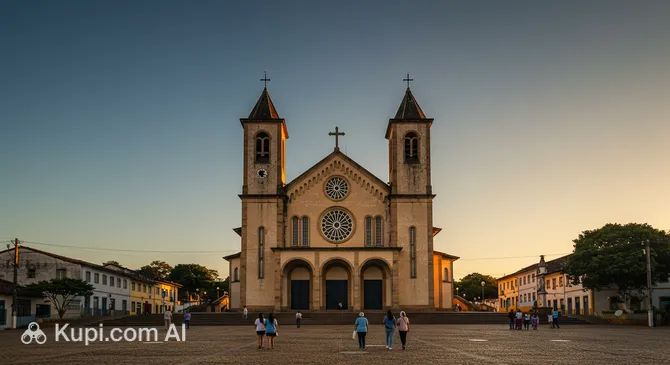
Caninde. Illustration.
Source: Kupi.com AI

With a population of about 74,000, Canindé maintains the charm of a provincial town while possessing all the necessary infrastructure for a comfortable stay. A calm rhythm of life prevails here, and the locals are famous for their exceptional warmth and hospitality, creating a homey atmosphere for every guest.

The city is widely known as an important center of religious tourism. The fascinating history of Canindé is closely intertwined with spiritual traditions and pilgrimage. Every year, travelers flock here to take part in large-scale and colorful festivals, visit majestic temples, and get acquainted with the unique cultural heritage of the region.

A stroll through the lively streets, especially on local market days, will allow you to immerse yourself in the true flavor of the Brazilian hinterland. Canindé is an ideal destination for those seeking not only new impressions but also sincere emotions, wishing to feel the true spirit of this amazing country.

Weather Overview

The climate of Canindé is characterized by consistently high temperatures and a clear division into wet and dry seasons. Hot weather prevails throughout the year: average thermometer readings vary from 26°C to 29°C. Even during the night, the air rarely cools below 22°C, making warm clothes practically unnecessary in a traveler's wardrobe.

When planning a visit, consider the distribution of precipitation. The rainy season lasts from January to May, peaking in March (up to 26 rainy days). During this time, the region fills with moisture and nature flourishes. In contrast, the period from August to November is a time of drought and maximum sun. In October, the highest temperatures are recorded, reaching 34.5°C during the day, with a complete absence of rain.

Expect hot weather year-round with frequent downpours in the first half of the year and dry, sultry days in the second half. To choose the perfect time for your trip and prepare for the whims of nature, be sure to check the current weather in Canindé before packing.

Average monthly temperature

Average monthly precipitation

Interesting Facts

Beyond its majestic temples and atmosphere of spirituality, Canindé holds many fascinating details that make it unique even for seasoned travelers. Here are a few facts that reveal the true soul of this place:

  • Epicenter of Pilgrimage. Canindé is one of the most significant centers of religious tourism in all of Brazil. During the annual festival in honor of Saint Francis of Assisi, the city undergoes an amazing metamorphosis: its population increases many times over due to tens of thousands of pilgrims, turning quiet streets into a lively stage for grand processions.

  • A Muse City. The unique flavor of Canindé has been a source of inspiration for many Brazilian artists. Writers, musicians, and painters have often turned to the image of this city to convey the authentic, untouched spirit of northeastern Brazil and its hinterland in their works.

  • Living Craft Traditions. In local markets, you can touch history through handmade products. Traditions of making items from leather and clay are carefully preserved here. These objects are not just souvenirs, but a reflection of the daily life of the first settlers and the region's culture, with the craftsmanship passed down from generation to generation.

  • Theater of Legends. Local folklore goes far beyond songs and dances. The residents of Canindé are famous for their open-air theatrical performances, where ancient legends about the miracles of saints and the 18th-century events related to the city's founding come to life.

How to Get There

When planning a pilgrimage or a tourist trip, it is important to know in advance how to get to Canindé. Since the city is located in the interior of the state of Ceará, direct air access is not possible, and the main route for travelers lies through major transport hubs in neighboring cities followed by a road transfer.

There is no airport in Canindé itself, but you can fly into Pinto Martins Airport (IATA: FOR) in the city of Fortaleza, which is about 108 km from Canindé. This is the region's main international airport with high passenger traffic, receiving many flights. The journey from there to the city by taxi or bus will take approximately 3 hours.

Another option is the regional airport Jericoacoara (IATA: JJD), located in the resort town of Jericoacoara. It is significantly further away—198 km from Canindé. You should choose this route only if you plan to combine the trip with a coastal vacation, as the road trip will take about 5 hours and 20 minutes.

For clarity, here is a summary of the main airports:

AirportPassenger trafficDistance
Pinto Martins Airport5.6 mln108 km
Sao Benedito (Walfrido Salmito de Almeida)1 644179 km
Jericoacoara312 353198 km
Dix-sept Rosado30 000236 km

Intercity buses and cars remain the primary way to get directly to the center of Canindé from the airports. Comfortable buses depart regularly from Fortaleza, and the highway leading to the city is in good condition, making the trip pleasant and allowing you to enjoy the views of the Brazilian caatinga (savanna).

Main Attractions

Canindé is rightfully considered the spiritual capital of the state of Ceará, and most of its iconic landmarks are inextricably linked with the history and cult of Saint Francis. However, even travelers far from religion will find impressive architectural monuments and unique cultural sites here that allow for a deeper understanding of the traditions of the Brazilian interior.

The Statue of Saint Francis is undoubtedly the city's most recognizable symbol. This colossal monument, over 30 meters high, stands atop the Alto do Moinho hill, seemingly guarding the residents. Tourists should climb up here not only to appreciate the scale of the structure—which, by the way, is taller than the famous Christ the Redeemer in Rio—but also for the breathtaking panorama. From the observation deck at the foot of the statue, there is a magnificent view of the city and the surrounding caatinga landscapes, especially beautiful at sunset.

In the city center is the majestic Basilica of São Francisco das Chagas. It is the architectural centerpiece of Canindé and a magnet for thousands of people from all over the country. The building impresses with its monumentality, elegant stained-glass windows, and rich interior decoration. A visit to the basilica allows you to feel the special atmosphere of peace and tranquility reigning within these walls, as well as to admire the craftsmanship of early 20th-century architects.

To get acquainted with local culture and folklore, be sure to stop by the House of Miracles (Casa dos Milagres). This unique ethnographic space collects thousands of "ex-votos"—items left by pilgrims as tokens of gratitude for answered prayers. Here you can see wooden figurines, photographs, and other artifacts that tell the living stories of people from all over Brazil, creating an incredibly emotional and authentic experience for the visitor.

Nature lovers should visit the São Francisco Zoo. It is one of the few zoos in the region managed by a religious community, paying tribute to the saint's love for animals. Here you can see representatives of the local fauna, including jaguars, monkeys, and vibrant macaws, in conditions close to their natural habitat. It is a great place for a peaceful walk in the shade of trees after exploring the historical monuments.

Local Cuisine

The gastronomic scene in Canindé is a true mirror of the soul of northeastern Brazil: simple, hearty, and incredibly tasty food. There is no chasing of high-fashion trends here; instead, people prefer centuries-old recipes based on meat, beans, corn, and cassava. For a tourist, it is an excellent chance to get acquainted with the authentic flavors of the Ceará region without unnecessary pretense.

The main culinary treasure of the city is carne-de-sol (sun-dried meat)—meat cured under the hot sun, which acquires a special salty taste and texture. In local establishments, it is traditionally served with slices of fried cheese, fluffy rice, and thick cassava puree. Equally popular is galinha caipira—free-range chicken stewed for a long time with vegetables and aromatic spices until the meat melts in your mouth. For those who prefer heartier dishes, try feijoada—a rich black bean stew with various smoked meats.

Street food in Canindé deserves special attention. While walking through the markets, be sure to try pastel—crispy fried pastries with a generous filling of meat or cheese. It’s the perfect snack between sightseeing stops. Those with a sweet tooth will enjoy the local desserts: delicate coconut cakes, fruit jellies, and the famous doce de leite (caramelized milk), which is prepared here with special love and often sold as homemade preserves.

As for drinks, the heat is best quenched by freshly squeezed juices from exotic fruits sold on literally every corner—from cashew to acerola. If you want to try something typically regional and non-alcoholic, look for cajuína—a golden, refreshing drink made from cashew apple, very popular in this state. Among alcoholic drinks, the queen of the table remains the traditional caipirinha, which is made here with excellent local cachaça, lime, and sugar.

The food culture in the city is closely linked to socialization and openness. The tastiest and most inexpensive lunches can often be found not in expensive restaurants, but at bustling farmers' markets and small family cafes. Markets here are the center of life, where you can buy fresh produce, spices, and homemade delicacies. Additionally, the city is famous for its gastronomic festivals, where food becomes a reason for celebration, and tourists can observe local culinary masters at work.

Travel Tips

A trip to Canindé is an opportunity to touch the spiritual traditions of northeastern Brazil. To make your trip to this sunny city comfortable and safe, we have gathered the most important practical recommendations to help you plan the perfect itinerary.

  1. Clothing and Essentials. Given the hot climate of the state of Ceará, prioritize light clothing made of natural fabrics such as cotton or linen. However, remember that Canindé is a religious center: for visiting the Basilica and other shrines, shoulders and knees should be covered. Be sure to bring comfortable shoes for the climb to the statue of Saint Francis and a hat for protection from the strong sun.
  2. Transport. The city is quite compact, and it's convenient to move around the historical center on foot. For longer distances, such as to the hill with the statue, it's best to use official mototaxis (a very popular mode of transport here) or a regular taxi. Ride-hailing apps may be unstable, so it's more reliable to have the contact details of local taxi services.
  3. Finance. The local currency is the Real. While hotels and large restaurants accept cards, you will definitely need cash for buying souvenirs at markets, paying for mototaxis, and other small expenses. ATMs are available in the city center, but tourists are advised to withdraw the necessary amount in advance in larger cities (like Fortaleza) to avoid potential technical issues.
  4. Health and Safety. The main health threat here is the scorching sun and the risk of dehydration. Use sunscreen with high SPF and drink only bottled water. Canindé is a peaceful city, but basic precautions should be observed: don't show off expensive gadgets in dense crowds of pilgrims and watch your pockets in markets. Pharmacies are concentrated in the center, but few are open 24/7.
  5. Communication. The main language is Portuguese. English is practically not understood here, so download an offline translator and learn a couple of polite phrases. It's better to purchase a local SIM card immediately upon arrival at Fortaleza airport, as the registration process for a foreigner in Canindé itself can take longer. Wi-Fi is usually available in hotels and cafes.
  6. Local Etiquette. The city's residents are very religious and hospitable. It is customary to greet sellers and staff when entering. Treat pilgrims and religious processions with deep respect: do not disturb those praying with loud conversations and do not block pathways during services. You can take photos of people, but it's better to ask for permission with a smile first.
  7. What to Avoid. It is strictly not recommended to enter active temples in beachwear, short shorts, or revealing tops—this may be perceived as a lack of respect for the shrine and the feelings of believers. Also, avoid drinking tap water and drinks with ice from street stalls if you are not sure of their origin.
  8. Expert Tip. To enjoy the panoramic view from the observation deck at the statue of Saint Francis without the crowds and the exhausting heat, plan your climb for the early morning (around 7–8 AM) or for sunset. During the day, the sun here can be merciless, and the hot stones make the walk tiring.

By following these simple tips, you can avoid minor troubles and focus entirely on the amazing atmosphere of Canindé, enjoying its history, architecture, and the warmth of the local residents.

Entertainment & Nightlife

Nightlife in Canindé differs significantly from the loud parties in major metropolises or coastal resorts. Here you won't find the neon signs of massive nightclubs or raves that last until dawn. Evening leisure in this city is imbued with an atmosphere of coziness, heartfelt conversations, and gastronomic pleasures. This is the time when the heat subsides, and locals along with pilgrims take to the streets to enjoy the cool air, live music, and a delicious dinner.

The epicenter of evening activity is traditionally the central squares, especially the area around the Basilica and Dr. Aramis Square (Praça Dr. Aramis). Life here bustles until late evening: small snack kiosks are open, children play by the fountains, and adults relax at the tables of outdoor cafes. These are the best places to feel the city's true rhythm, observe the local crowd, and make new acquaintances.

The main format of entertainment is sitting in bars and restaurants that often offer live music. The repertoire of local musicians is dominated by the infectious rhythms of forró and the soulful melodies of sertanejo—the most popular genres in northeastern Brazil. The dress code in these establishments is highly casual: comfortable everyday clothes are appropriate everywhere. Among the popular places to have a tasty dinner and relax, traditional churrascarias (steakhouse restaurants) and pizzerias, which fill to capacity in the evenings, are worth noting.

If you are looking for specific places for dinner or meeting friends, pay attention to the establishments loved by locals. For example, Jardineira Park is famous for its cozy atmosphere and often becomes a meeting place for large groups. For those who want to appreciate the region's meat delicacies, Churrascaria O Dotinha is an excellent choice—an establishment known for its quality service and delicious food. Small "botecos" (bars) serving ice-cold beer and excellent snacks are also popular.

Practical tips for evening strolls:

  • Opening Hours: Most establishments close fairly early by Brazilian standards—around midnight or 1:00 AM. Plan your dinner for 7:00–8:00 PM to catch the peak of the activity.
  • Safety: Central areas of the city, especially the well-lit squares near the temples, are considered safe for walking. However, tourists are advised not to wander into dark alleys on the outskirts. Keep an eye on your belongings in crowded places.
  • Transport: The most convenient way to get to your hotel at night is via mototaxis, which are ubiquitous here and inexpensive. Make sure the driver provides you with a helmet. Regular taxis are also available, but it is better to call one by phone or through the restaurant reception.

During the day, the city offers more relaxed leisure activities that perfectly complement your cultural itinerary. In addition to visiting religious shrines, you can stop by local museums telling the history of the pilgrimage, or stroll along the shady alleys of the city park and zoo to rest before the evening sets in.

Parks & Museums

Although Canindé is primarily known as a center of religious pilgrimage, the city offers its guests cozy green zones and a rich cultural program. Here, nature harmoniously intertwines with spirituality, and museum collections carefully preserve the history of the development of these lands and the traditions of faith, allowing for a deeper understanding of the soul of the northeast of the country that Brazil reveals to travelers.

Green Zones and Parks

The city's main oasis is the São Francisco Zoo (Zoológico de São Francisco). This is not just a place for animal exhibition, but a real ecological reserve maintained by the Franciscan community. The park is steeped in greenery, creating saving shade on hot days. It houses animals characteristic of Brazilian fauna, including pumas, toucans, and monkeys. For tourists, this is a wonderful opportunity to relax from the city bustle and see the nature of the Caatinga region in miniature.

For peaceful walks, Dr. Aramis Square (Praça Dr. Aramis), located in the very heart of the city, is excellent. This is a traditional Brazilian square with well-kept flowerbeds, benches, and spreading trees. In the evenings, it becomes the center of social life, where locals meet with their families. It is an ideal place to feel the slow rhythm of provincial life and enjoy the cool air after sunset.

Museums and Galleries

The key cultural institution of the city is the Museum of Saint Francis (Museu de São Francisco), located in the building of an ancient monastery. Its collection includes more than 5,000 exhibits and is considered one of the most significant in the state of Ceará. Here you can see rare sacred paintings, antique furniture, coins, and household items telling the three-century history of the city and the Franciscan order. The museum will be of interest to everyone fond of history and art, offering immersion into the atmosphere of past centuries.

A unique cultural phenomenon is the House of Miracles (Casa dos Milagres). Although it is not a museum in the classical sense, this space functions as a folk gallery of faith. The walls and halls are filled with thousands of "ex-votos"—wooden sculptures, photographs, and letters from pilgrims. This place possesses powerful energy and demonstrates the living culture of the region, where art serves as a way of expressing gratitude.

Historical Architecture

The architectural appearance of Canindé was formed around religion. The Basilica of Saint Francis is a monumental example of eclectic architecture from the early 20th century with elements of the Neo-Romanesque style. Tourists' attention is drawn to the high vaults, intricate stained-glass windows, and the majestic dome. The building dominates the landscape and is the visual symbol of the city.

No less interesting is the Church of Our Lady of Sorrows (Igreja de Nossa Senhora das Dores). This is the city's oldest temple, preserving features of colonial architecture. Unlike the huge Basilica, this church is characterized by its intimacy and simplicity of forms, reminding one of the times when Canindé was just a small settlement.

Insider Tip

If you want to see the city from an unusual perspective and love privacy, head to the old monastery of Saint Anthony. The monastery's inner courtyard with its arcades and garden is a hidden architectural gem rarely visited by mass tourists. Absolute silence reigns here, allowing for atmospheric photos and a rest in the coolness of the stone walls.
Getting Around

The transport system of Canindé is simple and intuitive, which is characteristic of small Brazilian cities with a population of about 75,000. You won't find a metro, trams, or a complex network of high-speed trains here. The city is quite compact, and many attractions in the historical center are within walking distance of each other; however, the hot climate and the terrain often encourage tourists to use transportation.

The most popular, fast, and accessible means of transportation in the city is the mototaxi (mototáxi). It is the true "circulatory system" of Canindé. Official drivers wear special vests (usually bright-colored with a number) and are required to provide the passenger with a helmet. Mototaxi rides are inexpensive and allow you to quickly reach any point, including the foot of the famous statue of Saint Francis. The cost of the ride is fixed for certain zones or negotiated before boarding.

For those who prefer the comfort of a car, classic taxi services operate in the city. Their stands (ponto de táxi) are usually located near the bus station (Rodoviária), the central square, and the Basilica. Ride-hailing apps popular in large cities (Uber or 99) may work in Canindé, but the number of cars on the line is often limited, and waiting times can be long. Therefore, it is more reliable to have the number of a local taxi service handy or to negotiate with a driver at a stand.

City buses in Canindé are oriented mainly toward locals living in remote areas. For a tourist, their routes may seem confusing, and the schedule is not always convenient. Buses run infrequently, and relying on them as the primary means of transport for sightseeing is not recommended. An exception is the intercity buses connecting the city with Fortaleza and other towns; they arrive at the city's bus station.

The fare payment system in Canindé is conservative: cash reigns here. In mototaxis and city buses, cards are not accepted, and there are no validators or electronic passes. Tourists are strongly recommended to always have small bills and coins, as drivers often do not have change for large banknotes. In official taxis, it is sometimes possible to arrange payment via the local Pix transfer system, but for a foreigner, it is easier to use cash.

During major religious holidays and festivals, the transport situation in the city changes. On the streets, you can see trucks traditional to the region converted for transporting passengers, called "pau-de-arara". Although it looks colorful and is part of the pilgrimage history, for the average tourist, such a way of moving can be uncomfortable and unsafe. During these periods, it is better to move on foot, as the city center is often closed to car traffic.

If you plan to visit the statue of Saint Francis, keep in mind that climbing on foot under the scorching sun can be exhausting. The optimal option is to take a taxi or mototaxi to the upper platform and descend on foot, enjoying the views. Bicycle rental and car sharing are currently not developed in the city, so rely on traditional types of transport or your own strength.

Accommodation

Accommodation options in Canindé fully reflect the spirit of the city: they are simple, hospitable, and oriented primarily toward pilgrims and travelers seeking spiritual retreat. Here you won't find luxury five-star resorts or international hotel giants. The backbone of the housing stock consists of cozy family-run inns (pousadas), budget hotels, and guest houses offering a comfortable night's rest after a busy day.

The most convenient and popular area to stay is the Center (Centro) and the streets adjacent to the Basilica of Saint Francis. Choosing a hotel in this location is strategically important: you will be within walking distance of the main shrines, museums, and evening life in the central square. This will allow you to easily return to your room for a rest during the hottest hours of the day and eliminate the need for constant taxi use.

Booking Tip: Canindé lives by the rhythm of the religious calendar. If your trip falls during major holidays, especially the massive festival in honor of Saint Francis (late September to early October), it is necessary to book accommodation several months in advance. During these days, the city is overcrowded, and finding a free room upon arrival is almost impossible. In the low season, conversely, there are usually no problems with check-in.

The price range in the city can be described as budget and mid-range. The cost of living here is significantly lower than in touristy Fortaleza or the state's beach resorts. Most accommodation options offer basic comfort: clean rooms, air conditioning (be sure to check for its presence due to the heat), and a traditional Brazilian breakfast. Larger hotels are available for booking through popular online aggregators, but many small authentic pousadas operate the old-fashioned way—via direct calls or messaging apps.

Nearby Cities

For those who want to explore the surrounding area, Canindé serves as an excellent starting point for day trips to several interesting nearby locations:

Just an hour's drive away is Quixadá—a city famous for its bizarre rock monoliths rising above the plain. The most famous of these is the "Galinha Choca" (Brooding Hen) rock. This place attracts lovers of ecotourism, hiking, and hang gliding, and is also famous for incredible landscapes reminiscent of sets for science fiction films.

Those who prefer a cooler climate and history should visit Baturité, located in a picturesque mountain range. This city charms with colonial architecture, an ancient Jesuit monastery, and rich traditions of coffee cultivation. A trip here is a great way to trade the dry heat of the savanna for the freshness of the green Atlantic forest.

CityPopulationDistance
Caridade20 02019 km
Esperanca32 78523 km
Paramoti11 30830 km
Aratuba11 35830 km
Itatira18 89439 km

These nearby destinations provide an insight into the diverse culture and landscapes of the region.

Shopping & Souvenirs

Shopping in Canindé has its own unique specifics that distinguish it from the usual shopping trips in large tourist centers. Since the city is one of the main pilgrimage sites, local commerce is largely oriented toward religious themes and regional crafts. You won't find boutiques of world brands here, but you can purchase authentic items imbued with the spirit of the Brazilian hinterland and the faith of the locals.

Main Shopping Districts and Streets

The heart of commerce beats in the historical city center (Centro), especially on the streets adjacent to the Basilica of Saint Francis. This area is like one big open-air market. Strolling along the trading rows, you will see hundreds of shops selling everything from clothing and shoes to church supplies. This is the most vibrant place in the city, where you can feel the true color of local life and chat with the sellers.

Shopping Centers

There are no huge malls in Canindé typical of megacities. Instead, small shopping galleries, called galerias here, are popular. They usually house shops selling clothes, electronics, and cosmetics. These are convenient places to buy travel essentials in a cooler and quieter setting than the noisy central streets.

Markets

A must-visit for lovers of local flavor is the Public Market (Mercado Público). This is the place to buy the freshest local fruits, vegetables, cheeses, and meat. Besides food, the market widely represents folk crafts. Here you should look for leather goods—hats, sandals, and bags for which the artisans of the state of Ceará are famous. The market is also a great opportunity to try inexpensive and delicious street food.

Souvenirs

The choice of souvenirs in Canindé is vast and peculiar. Here is what's worth bringing home as a keepsake:

  • Religious Attributes: Statuettes of Saint Francis in all sizes (from miniature to life-size), rosaries, icons, and the famous brown ribbons that pilgrims tie around their wrists "for luck."
  • Leather Goods: Traditional chapéu de couro hats, durable sandals, and handmade belts.
  • Local Sweets: Rapadura (a hard sweet made from sugarcane), local fruit jams, and cashew nuts.
  • Hammocks: Ceará is famous for its high-quality and beautiful hammocks, which will be a great decoration for a home or garden.

Opening Hours and Payment

Shops in the city usually operate from Monday to Friday from 08:00 AM to 6:00 PM, often with a lunch break during the hottest time of the day (approximately from 12:00 PM to 2:00 PM). On Saturdays, trade goes until 12:00 PM or 1:00 PM. Sunday is a day off for most shops, though souvenir stands around the Basilica are often open for pilgrims. Brazilian Reais are accepted for payment. In permanent shops, you can pay by card, but at markets and street kiosks, cash is preferred. The Pix instant payment system is also very popular.

Tax Free

The tax refund system (Tax Free) does not operate in Canindé, as in most small cities in the country. Tourists should not count on VAT refunds for purchases, so simply enjoy the affordable prices and the uniqueness of the goods.

Nearby cities

Reached the end of the page?

That means the route is fully explored