Support

Olimpia

About

Olimpia is a charming and sunny city located in the state of São Paulo in southeastern Brazil, approximately 430 kilometers from the bustling metropolis of São Paulo. The city is nestled among picturesque agricultural lands, where warm tropical sun shines almost year-round, creating ideal conditions for relaxation and attracting travelers looking to discover new horizons beyond the usual tourist routes.
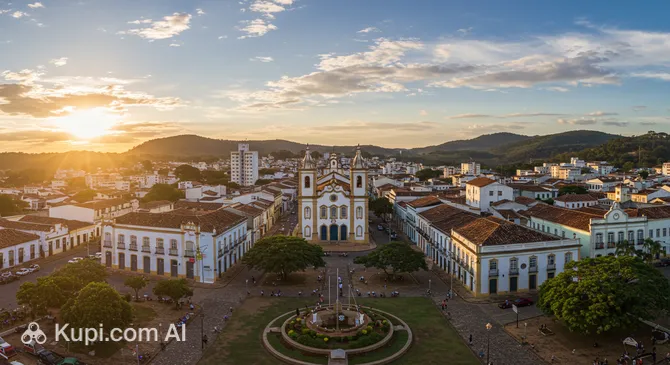
Olimpia. Illustration.
Source: Kupi.com AI

With a population of about 53,000 people, Olimpia maintains the atmosphere of a welcoming small town where everyone feels at home. Despite its size, the city has long established itself as one of the region's leading tourist centers. This was made possible by its unique resorts, developed tourism infrastructure, and, of course, its famous thermal springs. Life here moves at a relaxed pace, and the smiles of locals combined with the vibrant colors of nature create a sense of eternal summer.

The main draw of Olimpia is its atmosphere of endless celebration and carefree relaxation. The city is particularly famous for its magnificent water parks, which offer entertainment for all tastes and ages. Additionally, guests can enjoy the healing hot springs, stroll through well-kept parks, and experience authentic Brazilian culture through the local cuisine and traditions.

Olimpia is perfect for family trips, romantic weekends, or a fun time with friends. This city truly knows how to surprise and bring joy to every guest, turning an ordinary vacation into a real adventure. Come to Olimpia to enjoy the sun, the water, and unforgettable experiences!

You can find more interesting facts on the history of Olimpia page.
Weather Overview

In Olimpia, a warm climate prevails throughout the year. Expect hot weather, especially from September to March, when average temperatures hover around 26-27°C, and maximums can exceed 30-33°C. These months are also characterized by a high amount of rainfall, especially from December to February. From April to August, the weather becomes noticeably drier, with minimum rainfall in June and July, while daytime temperatures remain comfortably warm, averaging 22-25°C. You can learn more about Olimpia's climate on the dedicated page.

Average monthly temperature

Average monthly precipitation

Interesting Facts

Beyond its famous thermal springs and water parks, Olimpia hides many fascinating stories and features that make it a truly unique place to visit.

Thermas dos Laranjais. Illustration.
Source: Kupi.com AI

Traveler photos:

  • Olimpia proudly bears the title of the "Brazilian Capital of Thermal Waters." The city is home to two of the country's largest water parks: Thermas dos Laranjais, which regularly ranks among the top three most visited water parks in the world, and Hot Beach Olimpia, attracting hundreds of thousands of tourists annually.

  • The city owes its name to Ancient Olympia—a symbol of peace, sports, and unity. Founded in the late 19th century as an agricultural settlement, modern Olimpia still maintains this symbolic connection to antiquity, which is reflected in some aspects of the city's culture and symbols.

  • Every year, Olimpia becomes a center of Brazilian folk culture by hosting one of the country's largest folklore festivals—Festival do Folclore de Olímpia. This vibrant event attracts groups from all over Brazil to showcase traditional dances, music, costumes, and crafts, turning the city into a living stage for folk art.

How to Get There

When planning a trip to this sunny resort city, keep in mind that Olimpia does not have its own airport. However, the developed transport network of the state of São Paulo allows for a comfortable journey through neighboring major cities. To plan your route in detail and learn about all the nuances, we recommend checking the more about how to get to Olimpia page.

The most convenient option for tourists is São José do Rio Preto Airport (IATA: SJP). It is located in the city of the same name, just 52 km from Olimpia. This is a major regional hub that receives regular flights from state capitals and other important Brazilian cities. A trip from the airport to the center of Olimpia by taxi or transfer usually takes about 50 minutes, making this the fastest route.

A popular alternative is Dr. Leite Lopes Airport (IATA: RAO) in the city of Ribeirão Preto. It is located further away, at a distance of approximately 126 km, so the drive will take about 2 hours. Nevertheless, this airport serves a large number of flights and may offer more favorable fares or a more convenient schedule for travelers from more distant regions.

For your convenience, here is the information for the nearest airports:

AirportPassenger trafficDistance
Sao Jose do Rio Preto Airport768 00052 km
Dr. Leite Lopes State Airport628 000126 km
Araraquara153 300144 km
Uberaba Airport101 568146 km
Bauru-Arealva Airport137 000159 km

Regarding other types of transport, passenger rail service in this region is practically non-existent, so reaching Olimpia by train is not possible. The main land-based alternative remains the road network. The city is connected to its neighbors by high-quality highways, and many tourists prefer to rent a car directly at their arrival airport or use intercity buses, which run regularly from the bus stations in São Paulo and nearby cities.

Main Attractions

Olimpia, located in the state of São Paulo, is famous for its thermal springs and is a popular destination for family vacations. The city offers many attractions, especially water-based ones, but also cultural sites that attract tourists from all over Brazil and abroad.

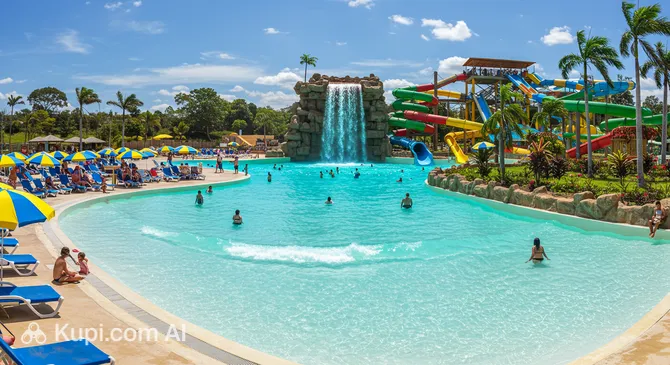
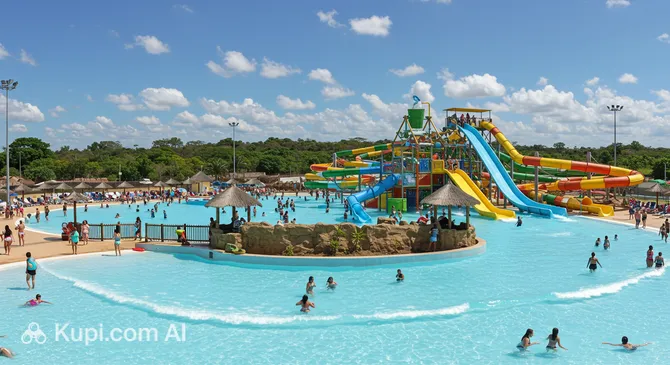
One of the city's main gems is Thermas dos Laranjais. This is one of the largest water parks in Latin America, offering more than 55 attractions for all ages, including thermal pools, artificial waves, extreme slides, and relaxation zones. Thanks to the natural hot springs, the water in the pools is always warm, making the park attractive year-round. It is an ideal place for those seeking fun and water adventures.

Thermas dos Laranjais. Illustration.
Source: Kupi.com AI

Traveler photos:

Another popular spot is Hot Beach Olimpia. This complex offers a unique beach experience far from the coast. It features an artificial wave pool, a sandy beach, palm trees, and various water activities. Hot Beach attracts visitors with its relaxing atmosphere and the opportunity to enjoy a "seaside" vacation in the heart of the continent.

Hot Beach Olímpia. Illustration.
Source: Kupi.com AI

Traveler photos:

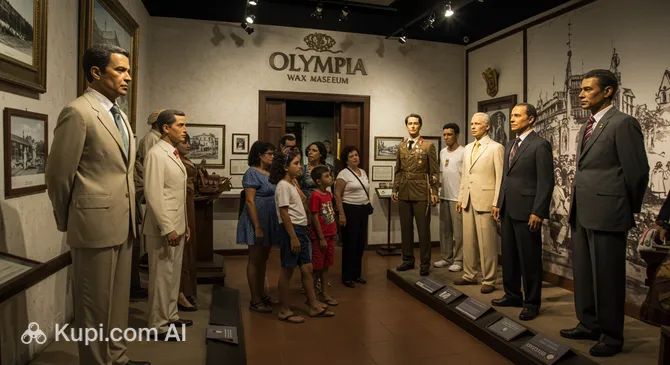
For those interested in more than just water fun, Olimpia offers a visit to the Olimpia Wax Museum. Here, you can see realistic figures of celebrities, historical figures, and pop culture characters. It’s a great place for a family visit where you can take fun photos and learn something new in an interactive way.

Olympia Wax Museum. Illustration.
Source: Kupi.com AI

Traveler photos:

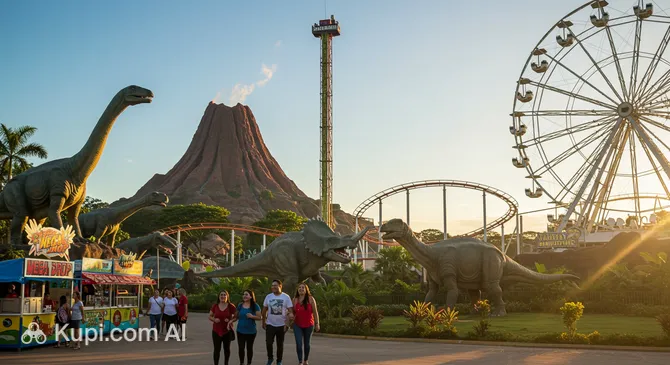
Thrill-seekers and theme park fans should check out Orionverso. This amusement park offers attractions inspired by space and science fiction. Visitors can expect roller coasters, simulators, and other exciting entertainment that will provide unforgettable impressions for both children and adults.

Orionverso. Illustration.
Source: Kupi.com AI

Traveler photos:

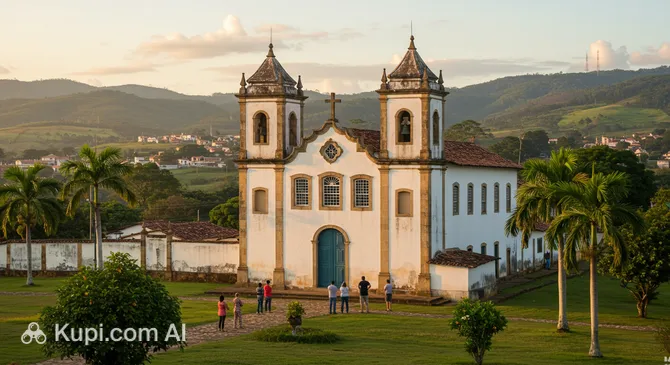
The Church of St. John the Baptist is also worth a visit. This is the city's main Catholic church, distinguished by its beautiful architecture and serving as an important spiritual and cultural center for Olimpia. A visit to the church allows you to get acquainted with local traditions and enjoy a peaceful atmosphere.

Church of Saint John the Baptist. Illustration.
Source: Kupi.com AI

Traveler photos:

Local Cuisine

The gastronomy of Olimpia is an appetizing journey through the culinary traditions of the state of São Paulo with vibrant local accents. The city offers a variety of flavors capable of surprising even the most seasoned gourmet, combining hearty country recipes with exotic tropical ingredients.

Be sure to try the region's signature dishes. Among them, feijão tropeiro stands out—a hearty bean dish with pieces of meat, bacon, and eggs, which was once the staple food of cattle drivers. Another popular treat is arroz carreteiro, a flavorful rice with dried beef. For dessert or a snack, the pamonha—a delicate sweet corn mash steamed in corn husks—is perfect, as is the bolinho de chuva—small fried doughnuts sprinkled with sugar and cinnamon, especially loved on rainy days.

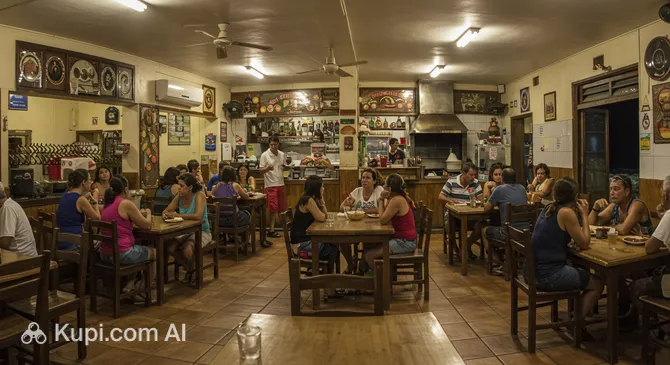
The food culture in Olimpia is diverse. There are many cozy restaurants and cafes serving dishes made from the freshest farm products. One such place where you can enjoy local cuisine is Marildo Grill and Restaurant. Don't pass by the street food: be sure to try the crispy pastel with various fillings (meat, cheese, heart of palm)—it's a true symbol of Brazilian street food. Local markets will delight you with an abundance of juicy tropical fruits, homemade cheeses, and sweets.

Marildo's Grill and Restaurant. Illustration.
Source: Kupi.com AI

Traveler photos:

Regarding drinks, in Olimpia, as in all of Brazil, the day is unimaginable without a cup of aromatic coffee. In hot weather, natural juices from exotic fruits like guava, passion fruit, acerola, or cashew are perfectly refreshing. Among alcoholic beverages, the famous cachaça—Brazilian sugarcane rum—is noteworthy, enjoyed either neat or in cocktails, the most famous being the caipirinha.

Olimpia's gastronomic scene attracts visitors with its authenticity and use of fresh local products. The city is also known for its gastronomic fairs and festivals, where you can get to know the region's culinary heritage more deeply and taste many delicacies. A visit to Olimpia is a great opportunity to discover the rich and diverse cuisine of the heart of Brazil.

Travel Tips

Welcome to sunny Olimpia! To make your trip to this wonderful corner of Brazil as comfortable and filled with pleasant experiences as possible, we have prepared some practical tips for you.

  1. Clothing and Essentials:

    A warm climate prevails in Olimpia. Bring light, breathable clothing made of natural fabrics: t-shirts, shorts, sundresses, and, of course, several swimsuits for visiting the famous thermal parks. In the evening or during the winter months (June-August), a light sweater or windbreaker may be useful. Don't forget sunscreen with high SPF, a hat, sunglasses, and comfortable walking shoes. An outlet adapter (Type N is used in Brazil, voltage 127/220V) and mosquito repellent will also be useful.

  2. City Transport:

    Olimpia is a small city, and getting around is quite simple. Public transport consists mainly of buses, but for tourists, taxis or ride-hailing apps (such as Uber or 99Taxis), which are common here, may be more convenient. If you plan to explore the surroundings or your hotel is far from the main entertainment, you can consider renting a car. Check in advance if you need an International Driving Permit.

  3. Finances: All About Money:

    The local currency is the Brazilian Real (BRL). You can exchange money at banks or exchange offices (câmbios), but there may not be as many as in large cities, so it's better to have some cash on arrival. Credit and debit cards (Visa, Mastercard) are accepted in most hotels, restaurants, and large shops. Check with your bank about the conditions for using cards abroad and possible fees. ATMs (caixas eletrônicos) are available but may also charge withdrawal fees. Tips in restaurants are often already included in the bill (about 10% as "serviço"); if not, it is customary to leave roughly the same amount.

  4. Health and Safety:

    There are pharmacies (farmácias) in Olimpia, and some may be open 24 hours (look for the "plantão" sign). Be sure to take out medical insurance before your trip. In emergencies, you can go to public hospitals, but be prepared for queues. Private clinics offer faster service. Olimpia is considered a relatively safe city, especially compared to Brazil's metropolises, but basic precautions should be followed: do not leave valuables unattended, avoid poorly lit and deserted places at night, and drink only bottled water.

  5. Communication and Connectivity:

    The official language is Portuguese. English is common in the tourism sector (hotels, large theme parks), but in general, locals speak mainly Portuguese. Learn a few basic phrases: "Olá" (Hello), "Obrigado/Obrigada" (Thank you - masc./fem.), "Por favor" (Please), "Quanto custa?" (How much does it cost?). Wi-Fi is available in most hotels and many cafes. For mobile connectivity, you can purchase a local SIM card (operators Claro, Vivo, TIM), but this may require a CPF (Brazilian tax number), which complicates the process for tourists. Consider roaming or an eSIM.

  6. Local Etiquette and Communication:

    Brazilians are very friendly, open, and expressive. A handshake is customary when meeting; between women or a man and a woman who know each other better, a light kiss on the cheek is common (usually one in the state of São Paulo). Don't be surprised by loud conversations and active gesturing—it's part of the local culture. Punctuality is not always a strict rule, so take small delays in stride.

  7. What to Avoid:

    In Brazil, there are a few gestures and topics to avoid. For example, do not show the "OK" gesture (the ring made with thumb and index finger), as it is considered offensive. Also, try not to criticize the country or local ways in the presence of Brazilians; they are very patriotic and proud of their culture.

  8. Olimpia's Specialty: Thermal Parks:

    Olimpia is famous throughout Brazil for its magnificent thermal parks, such as Thermas dos Laranjais and Hot Beach. Be sure to set aside at least one full day, and preferably two, to visit them! It is highly recommended to purchase tickets online in advance, especially during peak season (December-February, July) and on weekends, to avoid long queues and possibly get a discount.

We hope these tips help you plan an unforgettable trip to Olimpia. We wish you vivid emotions, warm sun, and a wonderful vacation in this hospitable Brazilian city!

Entertainment & Nightlife

The evening and nightlife in Olimpia offers pleasant opportunities for relaxation after a busy day spent in the famous thermal parks. While the city isn't known for wild, 24-hour parties like major metropolises, you can find cozy places to relax, have a delicious dinner, and enjoy a nice atmosphere.

Most evening activity is concentrated around the main tourist zones and central streets where restaurants and bars are located. The atmosphere here is generally relaxed and family-oriented. Many establishments offer live music, especially on weekends. The dress code is usually casual; formal wear is not required. Most bars and restaurants stay open until late evening, though classic nightclubs are less common here.

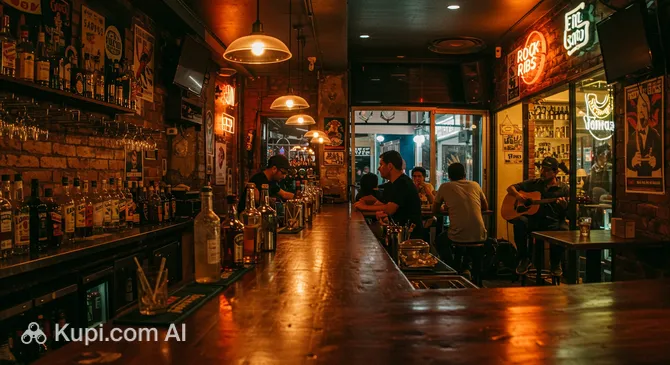
Among the popular spots for an evening out, several establishments stand out. For example, Rock & Ribs Olimpia offers a combination of good music, American and Brazilian cuisine, and, of course, a variety of drinks. It's a great place to spend an evening with friends. Another worthy option is Marildo Grill and Restaurant, known for its meat dishes and pleasant environment. If you're looking for dinner with a focus on seafood, check out Tropicalia Terra e Mar.

Rock & Ribs Olímpia. Illustration.
Source: Kupi.com AI

Traveler photos:

Practical Tips: The best time to visit bars and restaurants is after 8:00 PM. Prices in Olimpia's establishments are generally moderate. For getting around at night, it is recommended to use taxis or ride-hailing apps; this is the safest and most convenient way to get to your hotel. The main tourist areas are considered safe for evening walks, but you should always follow standard precautions.

Marildo's Grill and Restaurant. Illustration.
Source: Kupi.com AI

Traveler photos:

As for daytime entertainment, Olimpia offers many more options. The main points of attraction are undoubtedly the thermal complexes, such as Thermas dos Laranjais and Hot Beach Olimpia. Additionally, you can visit the Olimpia Wax Museum, which is interesting for both adults and children, or the Orionverso amusement park for extra activities.

Parks & Museums

Olimpia, known as the capital of folklore and thermal waters, offers its guests not only exciting water parks but also interesting cultural sites. This city in the state of São Paulo harmoniously combines water-based entertainment with the opportunity to touch local history and culture.

While Olimpia is primarily famous for its thermal resorts, these water parks are essentially the city's main recreational zones. Thermas dos Laranjais is one of the largest water parks in Latin America, offering dozens of attractions for all ages, from extreme slides to relaxing thermal pools. This is a place where you can spend the whole day enjoying the sun and water. Another popular water complex is Hot Beach Olimpia, which recreates the atmosphere of a real beach with white sand, palm trees, and a wave pool. There are also many water activities and relaxation zones here.

Hot Beach Olímpia. Illustration.
Source: Kupi.com AI

Traveler photos:

Among cultural attractions, the Olimpia Wax Museum stands out. Here, visitors can see realistic figures of celebrities, historical figures, and pop culture characters. It’s an excellent spot for family leisure and fun photos.

For those interested in history and architecture, the Church of St. John the Baptist is worth a visit. It is the city's main church, serving not only as an important religious center but also as a beautiful architectural structure reflecting Olimpia's history.

In addition to the large water parks and museum, other interesting spots can be found in Olimpia. For instance, the Orionverso amusement park offers virtual reality attractions and other modern entertainment. For an authentic experience, take a walk through the city's central streets, stop by local souvenir shops or cafes to feel the rhythm of life in Olimpia outside of the tourist complexes.

Orionverso. Illustration.
Source: Kupi.com AI

Traveler photos:

Getting Around

Public transport in Olimpia, given the city's size, is represented mainly by bus routes that connect various districts. You should not expect an extensive subway or tram network, as the city is relatively small. Buses are the main way for local residents to get around and are an economical option for tourists who wish to explore the city.

The fare payment system in Olimpia is generally quite simple. Most often, tickets can be purchased directly from the driver or conductor when entering the bus. In some cases, there may be refillable transport cards, but for a short visit, buying single tickets is usually the most convenient option. The fare is typically low, making buses an affordable means of transport. It's best to check exact prices on-site as they may change.

Tourists planning to use public transport in Olimpia are advised to carry small change for fares. Buses usually run on a schedule, which may be less frequent in the evenings and on weekends. You can try to find information about routes and current schedules at stops or ask local residents or your hotel staff. Ticket validation usually occurs upon entry.

In addition to buses, alternative ways of getting around are available in Olimpia. Taxis are a more comfortable, though more expensive, option, particularly convenient for trips at night or with luggage. Also, ride-hailing apps are popular in Brazilian cities and can be an affordable alternative to traditional taxis. For short distances, especially in the central part of the city, it is perfectly feasible to get around on foot. The availability of bicycle or scooter rentals is best checked on-site, as this is a less common service in smaller towns.

There are no unique or historical types of transport, such as cable cars or historic subways, in Olimpia. The transport system is oriented toward the daily needs of residents. For the most complete and comfortable exploration of the city and its surroundings, especially if you plan to visit remote attractions, it may be advisable to consider renting a car or using taxi services.

Accommodation

The city of Olimpia offers a wide range of accommodation options capable of satisfying the needs of various types of tourists. You can find everything from budget guest houses (pousadas) and apartments for self-catering to comfortable mid-range hotels and large resort complexes, especially those associated with the famous thermal parks.

The most popular areas for tourists are those located in the immediate vicinity of the main attractions, such as the Thermas dos Laranjais and Hot Beach Olimpia water parks. Staying here provides easy access to entertainment, which is particularly convenient for families with children. The central part of the city also offers a good choice of accommodation and proximity to restaurants, shops, and other urban amenities.

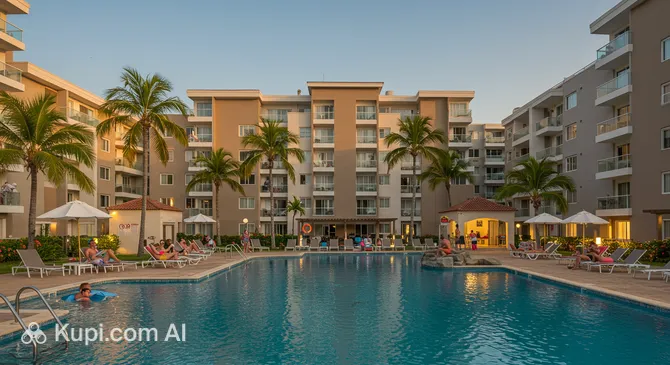
Hot Beach Suites. Illustration.
Source: Kupi.com AI

Traveler photos:

Among the well-known accommodation options are resort hotels such as Hot Beach Suites and Carpe Diem Eco-Resort Olimpia. These hotels often offer special packages that include water park access and a high level of service for a comfortable stay.

Booking Tip: Olimpia is a popular destination, especially during school holidays, public holidays, and on weekends. Therefore, it is strongly recommended to book accommodation well in advance, especially if your trip coincides with the peak season. This will help you secure the best options at the most favorable prices.

The price range for accommodation in Olimpia varies from budget options to luxury offers in large resorts. You can book accommodation through popular online platforms, directly on hotel websites, or, in some cases, through local travel agencies.

Nearby Cities

For those who want to explore the surroundings, Olimpia serves as an excellent starting point for day trips to several interesting nearby locations:

CityPopulationDistance
Severinia16 80614 km
Cajobi10 59619 km
Guaraci10 77826 km
Tabapua12 10328 km
Guapiacu20 03733 km

Among the nearby cities worth visiting are:

  • Barretos (about 40 km away): This city is world-famous for its annual Festa do Peão de Barretos, the largest rodeo event in Latin America. Even outside the festival season, you can feel the spirit of Brazilian sertanejo and visit the Parque do Peão theme park.
  • Catanduva (about 45 km away): A pleasant city that offers a glimpse into typical life in the Brazilian provinces. Here you can stroll through the central streets, visit local shops and cafes, and experience the calm atmosphere of the region.
  • São José do Rio Preto (about 49 km away): One of the largest cities in the region, offering a wider range of entertainment, including large shopping malls, a variety of restaurants, theaters, and cultural events. It's a good option for those looking for a more active urban experience.

These nearby destinations provide insight into the diverse culture and landscapes of the region, complementing the experience of visiting Olimpia.

Shopping & Souvenirs

Olimpia, known primarily for its magnificent thermal resorts like Thermas dos Laranjais, offers tourists shopping opportunities focused mainly on resort wear and souvenirs. The city is not famous for specific types of goods or huge shopping centers, but you can find everything necessary for a comfortable stay and pleasant keepsakes.

Thermas dos Laranjais. Illustration.
Source: Kupi.com AI

Traveler photos:

The main shopping spots in Olimpia are generally concentrated in the central part of the city, as well as in the immediate vicinity of major tourist complexes and water parks. Here you will find shops with beachwear, swimming accessories, sunscreen, and other useful items for vacationers.

Olimpia does not have large shopping malls in the conventional sense typical of big cities. However, some resort hotels and complexes may have small shops or shopping galleries on their grounds where you can buy souvenirs, clothing, or essential goods. The city's main focus is on relaxation and entertainment rather than large-scale shopping.

While Olimpia cannot boast large and famous markets, you can occasionally find small fairs featuring local artisans or food stalls offering fresh fruit and local delicacies. Such places are a great opportunity to experience the local flavor and purchase something authentic.

From Olimpia, it's worth bringing back souvenirs that remind you of a sunny vacation in Brazil and its famous thermal springs. Local handicrafts, beach towels, and bags with resort logos, magnets, and traditional Brazilian products like coffee or cachaça (if you find them in local shops) are popular choices. Don't forget vibrant beachwear and accessories that will remind you of days spent by the water.

Shops in Olimpia usually operate on a standard schedule for Brazil, generally from morning to evening on weekdays, and on a reduced schedule on Saturdays. Some shops, especially those oriented toward tourists, may be open on Sundays. Most places accept cash (Brazilian reals) as well as bank cards. It is recommended to have some cash for small purchases, especially at small markets or with street vendors.

In Brazil, there is a tax refund system (Tax Free) for foreign tourists on certain types of goods, but its application is usually characteristic of major international airports and specialized stores in large cities. In Olimpia, the ability to process Tax Free on purchases may be limited. If you plan to make major purchases, it’s worth checking this in advance at the specific store.

Reached the end of the page?

That means the route is fully explored