Support

Palmas

About

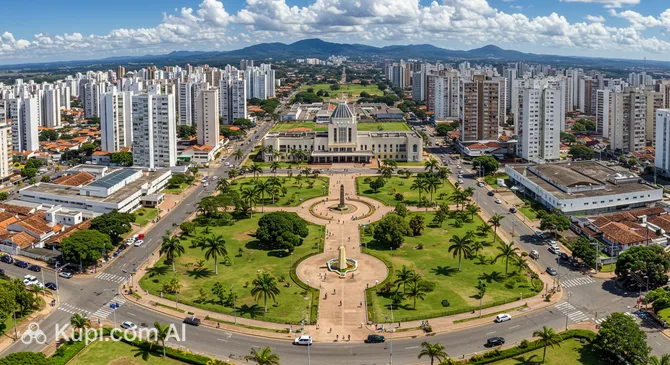
Welcome to Palmas, the vibrant capital of the state of Tocantins and the youngest state capital in Brazil. Known for its meticulous urban planning and wide avenues, this city offers a distinctively modern experience in the heart of the country. Unlike many other destinations with centuries of heritage, the history of Palmas began quite recently, as it was founded in 1989 specifically to serve as the administrative center of the newly created state.

Palmas. Source: Kupi.Binoculars

Geographically, Palmas is situated in the central region of the country, surrounded by the rich biodiversity of the Cerrado biome. The climate here is tropical and known for being quite warm, making it a sun-soaked destination throughout the year. With a population of approximately 300,000 residents, the city balances the amenities of a growing urban center with significant green spaces and a laid-back atmosphere.

One of the city's most striking features is the massive Praça dos Girassóis (Sunflower Square), which stands as one of the largest public squares in Latin America and hosts important government buildings and monuments. For leisure, locals and tourists alike flock to Praia da Graciosa, a charming river beach along the Tocantins River that offers refreshing waters and spectacular sunsets. Whether you are exploring its architectural landmarks or using it as a gateway to the nearby natural wonders, Palmas is a fascinating stop on any Brazilian itinerary.

Weather Overview

The climate in this region is typically tropical, characterized by distinct wet and dry seasons. Travelers planning a visit should check the detailed weather in Palmas to pack appropriately, as the city experiences consistently high temperatures throughout the year. The average monthly temperatures generally hover between 26°C and 30°C, creating a warm atmosphere regardless of when you arrive.

The year is divided into two main periods regarding rainfall. The wet season, spanning roughly from November to April, sees frequent precipitation, with January and March experiencing rain on up to 27 days of the month. In contrast, the dry season from May to September is extremely arid; months like June and July often record 0 wet days, making them ideal for outdoor activities if you prefer clear skies.

Temperature-wise, the heat peaks around September, where the average temperature rises to 30.1°C and maximums can reach 36.0°C. Even during the "cooler" months of June and July, the weather remains pleasant with average temperatures around 27°C and minimums rarely dropping below 20.6°C. Expect warm, sunny days during the dry season and humid conditions with regular showers during the beginning and end of the year.

Interesting Facts

Beyond the main attractions, Palmas holds many fascinating secrets and architectural curiosities that set it apart from other Brazilian cities.

  • The city features the impressive Avenida Teotônio Segurado, which is widely recognized as one of the longest straight avenues in Brazil. This extensive thoroughfare runs for over ten kilometers, serving as the main urban artery that connects the northern and southern regions of the capital in a nearly continuous line.

  • Palmas was designed with a unique traffic system that relies heavily on huge roundabouts (known locally as rotatórias) rather than traditional traffic lights. This urban planning feature was intended to facilitate continuous traffic flow and gives the driving experience here a distinct rhythm compared to other major capitals.

  • Due to the consistently high temperatures, a popular local joke suggests there is "one sun for each inhabitant" in Palmas. To help mitigate this tropical climate, the city's master plan included designated "green vents" or expansive park areas running north to south to encourage air circulation and cool the urban environment.

How to Get There

Reaching the capital of Tocantins is relatively straightforward, with air travel being the most efficient method for visitors coming from distant parts of the country. Whether you are arriving for business or leisure, planning your journey is essential. You can find more about how to get to Palmas and the various transport options available on our detailed page.

The primary gateway to the city is Palmas Airport (PMW). Conveniently located within the city limits, it sits just about 6 km from the center. This proximity makes transfers quick and easy; a taxi or ride-share trip to the main hotels and government buildings typically takes around 30 minutes, depending on traffic. The airport handles a moderate volume of travelers annually, serving as a key regional hub that connects Palmas with major Brazilian cities like Brasília, São Paulo, and Goiânia.

For clarity, here is a summary of the main airport:

Airport Name City Passenger Traffic Km from City
Palmas Airport Palmas Medium 5.9

Regarding rail transport, Palmas does not currently have a passenger railway station servicing tourists. The city is, however, well-connected by road. Long-distance buses are a very popular alternative, arriving at the main bus terminal (Rodoviária de Palmas), which links the state capital to numerous destinations across Brazil. For those driving, the city is accessible via several federal and state highways, offering a scenic route through the heart of the country.

Main Attractions

Palmas offers a unique blend of modern urban planning and natural beauty, providing visitors with a variety of interesting places to explore. As the city was built recently, its attractions are often spacious, well-organized, and designed to integrate with the surrounding environment. From massive public squares to river beaches and cozy local spots, there is plenty to see and do.

One of the most essential stops is the monumental Praça dos Girassóis. As the second-largest public square in the world, it is the heart of the state's administrative power and a cultural hub. Tourists are drawn here not just for the government buildings but for the impressive monuments scattered throughout the area, such as the Memorial Coluna Prestes, designed by Oscar Niemeyer, and the Cruzeiro monument. It is a perfect place for a late afternoon walk to appreciate the architecture and learn about the history of Tocantins.

For nature lovers, Parque Cesamar is a must-visit urban refuge. This extensive green area serves as the city's main park, featuring jogging tracks, a lake, and dense vegetation that offers a welcome respite from the heat. It is a favorite spot for families and fitness enthusiasts, providing a safe and scenic environment to observe local flora and even some small wildlife native to the Cerrado region.

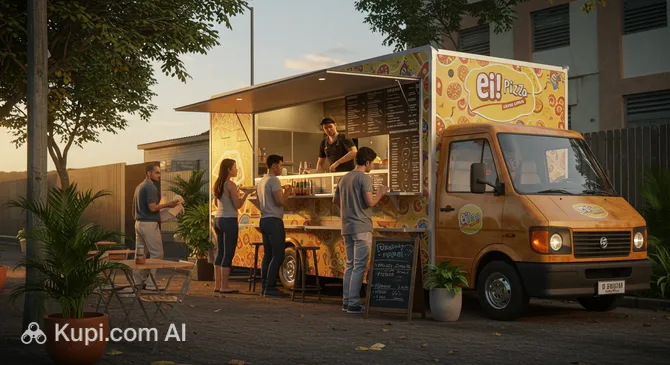
Ei! Pizza. Source: Kupi.Binoculars

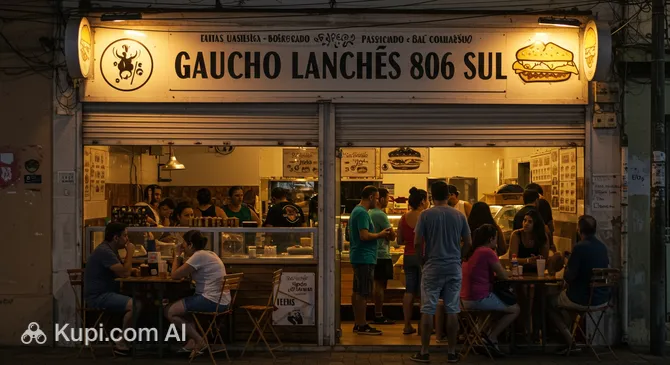
After exploring the parks and squares, visitors can experience the local culinary scene, which is an attraction in itself. For a relaxed evening with delicious food, Ei! Pizza is a popular choice. This restaurant is known for its inviting atmosphere and variety of flavors, making it a great spot to unwind and enjoy a meal with friends or family after a day of sightseeing.

Another excellent option for getting a taste of the local vibe is Gaucho Lanches 806 Sul. Categorized as a bar and snack spot, it offers a more casual setting where tourists can mingle with locals. It is an ideal place to grab a quick bite or a refreshing drink, reflecting the laid-back and friendly culture that defines the capital of Tocantins.

Local Cuisine

The culinary scene in Palmas is a flavorful reflection of the Tocantins region, blending indigenous traditions with influences from central and northeastern Brazil. The city's location within the Cerrado biome and its proximity to the Tocantins River provide an abundance of fresh ingredients, resulting in dishes that are both rustic and delicious. For visitors, exploring the local food is an essential part of the experience, offering a taste of the authentic culture that defines this young capital.

River fish plays a starring role on many menus, with the Tucunaré (Peacock Bass) being the most iconic. Whether served fried, grilled, or in a rich stew known as Peixada, it is a staple that seafood lovers must try. Another gastronomic symbol of the city is Chambari, a hearty stew made from beef shank (ossobuco) cooked with spices and served with rice. It is a beloved comfort food, traditionally eaten by locals to start the day or for a heavy lunch, and can be found in various eateries throughout the city.

No culinary tour of Palmas is complete without encountering Pequi, a yellow fruit native to the savannah. It has a unique, intense aroma and is commonly cooked with rice or chicken. While its strong flavor can be polarizing for first-timers, it is a quintessential taste of the region. For a quick and savory snack, look for Paçoca de Carne de Sol, a mixture of sun-dried meat pounded with cassava flour, often enjoyed on its own or as a side dish.

Gaucho Lanches 806 Sul. Source: Kupi.Binoculars

The dining culture in Palmas is heavily centered around open-air markets known as feiras. These vibrant gathering spots, such as the popular Feira do Bosque, are where the community comes together to enjoy street food like pamonha (corn paste) and pastel. Beyond the markets, the city offers a relaxed atmosphere for socializing. Places like Gaucho Lanches 806 Sul exemplify this casual vibe, providing a spot where visitors can grab a drink and a bite while soaking in the local evening energy.

To quench your thirst in the tropical heat, try juices made from exotic local fruits like Buriti, Murici, or Caju. These beverages are refreshing and packed with nutrients. For those preferring something stronger, an "estupidamente gelada" (stupidly cold) beer is the local standard, serving as the perfect accompaniment to a meal of fried fish by the river or a night out with friends.

Travel Tips

Planning a trip to Palmas requires a bit of specific preparation, especially considering its unique tropical climate and spacious urban layout. To help you make the most of your visit to this sunny destination in the heart of Brazil, here are some essential practical tips to ensure a smooth and enjoyable experience.

  1. Clothing and Gear: Due to the intense heat and abundant sunshine, lightweight and breathable clothing (cotton or linen) is essential year-round. A high-SPF sunscreen, sunglasses, and a wide-brimmed hat are non-negotiable items to protect against UV rays. If you plan to visit waterfalls or river beaches, bring swimwear and water shoes. Comfortable walking shoes are a must for exploring the large squares and parks.

  2. Transportation: The city was designed with wide avenues and long distances between sectors, making walking impractical for getting from point A to point B. While public buses are available, they can be crowded and hot. The most convenient options for tourists are ride-hailing apps (like Uber or 99) or renting a car, which allows you to navigate the city's famous roundabouts and reach nearby natural attractions with ease.

  3. Finances: The local currency is the Brazilian Real (BRL). Credit and debit cards are widely accepted in hotels, restaurants, and shopping malls. However, it is highly recommended to carry some cash, particularly small bills, for purchasing street food at local feiras (markets) or buying crafts from artisans. ATMs are readily available at banks and large supermarkets.

  4. Health and Safety: Palmas is generally safer than Brazil's larger metropolitan areas, but standard precautions apply: avoid displaying expensive valuables and stay in well-lit areas at night. The biggest health risk here is dehydration due to the dry heat; always carry a water bottle and drink frequently. Pharmacies are easy to find, and tap water should generally be avoided for drinking—stick to filtered or bottled water.

  5. Communication: The primary language is Portuguese, and English is not widely spoken outside of major hotels or tourist agencies. Downloading a translation app or learning a few basic phrases like "Bom dia" (Good morning) and "Obrigado" (Thank you) will go a long way. You can easily purchase a local SIM card with a data plan at the airport or shopping centers to stay connected.

  6. Local Etiquette: Brazilians are warm and welcoming. Greetings often involve a handshake or, in more informal settings, a kiss on the cheek (usually one or two). It is polite to greet shopkeepers and drivers when entering. The "thumbs up" gesture is commonly used to say "yes," "okay," or "thank you" and is seen as very friendly.

  7. What to Avoid: Avoid strenuous outdoor activities or long walks during the peak heat of the day, typically between 12:00 PM and 3:00 PM. The sun can be unforgiving, and heat exhaustion is a real possibility for those not acclimatized. Plan your outdoor sightseeing for the early morning or late afternoon.

  8. Additional Tip: Embrace the local rhythm by visiting the river beaches, such as Praia da Graciosa, in the late afternoon. This is when the locals come out to cool off, exercise, and watch the spectacular sunset over the lake, offering a perfect opportunity to experience the true lifestyle of the city.

By keeping these tips in mind, you will be well-equipped to navigate the heat and distances of Palmas while enjoying its modern charm and natural beauty. Prepare for warm weather and even warmer hospitality as you explore the youngest state capital in the country.

Entertainment & Nightlife

The nightlife in Palmas is a direct reflection of its climate: warm, inviting, and predominantly outdoors. After the intense heat of the day subsides, the city comes alive with a relaxed energy that centers around open-air bars, lively squares, and riverfront promenades. Unlike the frenetic pace of larger Brazilian metropolises, the evening scene here is characterized by long conversations at sidewalk tables, cold drinks, and the sounds of Sertanejo (Brazilian country music) drifting through the air.

One of the most iconic spots to experience the local evening culture is Praia da Graciosa. Located along the banks of the Tocantins River, this area transforms at sunset into a bustling hub of activity. It is lined with bars and kiosks where locals gather to enjoy "happy hour" with a view of the water and the illuminated bridge, Ponte da Amizade. The atmosphere is casual and breezy, making it the perfect place to start your night before heading into the city center.

In the heart of the city, the commercial blocks (known as Quadras) are teeming with options for dining and drinking. A popular way to enjoy the night is to settle in for a hearty meal or snacks with friends. For a relaxed environment suitable for groups, Ei! Pizza offers a welcoming setting to enjoy dinner before the night progresses. If you are looking for a more traditional bar vibe where you can grab a drink and late-night bites, Gaucho Lanches 806 Sul is a well-known spot that captures the unpretentious and friendly spirit of the city's nightlife.

A unique aspect of entertainment in Palmas is the tradition of night markets, or feiras. These are not just for shopping but are major social events. The Feira da 304 Sul (Espaço Popular), typically held on Friday evenings, is a must-visit. It functions as a massive open-air food court where residents congregate to eat regional dishes, listen to live music, and socialize. The crowd is diverse, ranging from families to young adults, and the dress code is almost universally casual—shorts and flip-flops are standard attire.

For those interested in daytime culture before the sun sets, the city offers several modern venues. The Theatro Fernanda Montenegro often hosts plays, concerts, and dance performances. Additionally, the major shopping centers, such as Capim Dourado Shopping, feature multiplex cinemas that screen the latest international and Brazilian films, providing a cool, air-conditioned escape from the midday sun.

When planning a night out, keep in mind that the action usually starts later, often after 8:00 PM, due to the daytime temperatures. Prices in Palmas are generally reasonable compared to Rio de Janeiro or São Paulo. In terms of safety, the city is considered one of the safer capitals in Brazil, but it is still advisable to stick to busy areas and avoid walking alone in unlit streets late at night. The best way to get around is by using ride-sharing apps, which are reliable and widely used by locals to navigate between the widely spaced districts.

Parks & Museums

As a planned city designed to coexist with the surrounding nature, Palmas boasts an impressive array of green spaces and cultural institutions. The capital's urban layout integrates extensive parklands that function as "thermal vents" to mitigate the tropical heat, while its museums offer a deep dive into the relatively young but fascinating history of the state of Tocantins. For visitors, these spaces provide a perfect blend of relaxation, outdoor activity, and educational enrichment.

The city's premier green space is Parque Cesamar, a sprawling urban refuge that serves as a favorite gathering spot for locals. Centered around a picturesque lake, the park is home to native vegetation from the Cerrado biome and offers a habitat for small wildlife, including friendly capybaras. It features well-maintained walking and jogging trails, outdoor gym equipment, and picnic areas, making it an ideal location for a morning workout or a peaceful afternoon escape from the city's bustling avenues.

On the cultural front, the monumental Praça dos Girassóis is not just a government center but an open-air museum in its own right. Here, visitors can find the Memorial Coluna Prestes, a striking architectural work designed by the legendary Oscar Niemeyer. The memorial honors the historic Prestes Column march and houses a museum with photographs, documents, and artifacts that narrate this significant chapter in Brazilian history. The building's distinctive curves and red ramp make it a standout landmark against the skyline.

Another essential stop for history enthusiasts is the Museu Histórico do Tocantins, affectionately known as "Palacinho." This charming wooden structure was the first building constructed in Palmas and served as the initial seat of the state government. Today, it has been preserved as a museum, displaying objects and exhibits that tell the story of the city's construction and the creation of the state. Surrounded by tall trees and gardens, it offers a rustic contrast to the modern concrete architecture found elsewhere in the capital.

For those interested in the arts, the Espaço Cultural José Gomes Sobrinho is a vibrant hub that brings together various artistic expressions. This large complex includes an art gallery, a library, and a cinema, frequently hosting exhibitions, workshops, and performances. It serves as the beating heart of the local artistic scene, providing a space where the community and tourists can engage with the contemporary culture of Tocantins.

Getting Around

The public transport system in Palmas is exclusively road-based, relying entirely on a network of urban buses. There is no metro, tram, or passenger railway service available in the city. The bus network, known as the Integrated Transport System (Sistema Integrado de Transporte), is designed to cover the extensive distances between the city's residential and commercial districts, connecting the northern and southern regions through a series of main avenues.

The backbone of this system consists of six main integration terminals (stations) located at strategic points across the city. The most central and important for visitors is the Estação Apinajé. The key feature of these terminals is the integration concept: once you enter a terminal or pay your fare on a bus, you can transfer to other lines within the terminal without paying an additional fee, provided you do not exit the turnstiles. This allows for efficient travel across the city using a single fare.

Regarding payment, the system has increasingly moved towards electronic ticketing. While policies can change, access is generally managed through a rechargeable transport card. Tourists can acquire these cards at ticket booths located within the main integration stations. It is advisable to carry small amounts of cash to purchase credits, as not all booths may accept credit cards. Travelers should also check the current fare status upon arrival, as the municipality has periodically implemented fare-free programs or subsidized travel policies, though having a card is often still required to pass through the turnstiles.

For most tourists, however, the most practical and popular alternative to public buses is the use of ride-hailing apps such as Uber and 99. Given the city's layout—characterized by very long blocks and intense tropical heat—walking to bus stops can be exhausting. Ride-sharing services are widely available, reliable, and relatively inexpensive compared to other major cities. They offer the comfort of air conditioning, which is a significant relief during the midday sun.

Taxis are also available and can be found at designated stands near the airport, major hotels, and shopping centers, though they are generally more expensive than app-based rides. If you choose to use the bus, operations typically run from early morning, around 5:30 AM, until shortly after midnight. Be aware that frequency decreases significantly on weekends and late at night, so planning your return trip in advance or relying on a car service for evening outings is recommended.

Accommodation

Accommodation in Palmas caters primarily to business travelers and tourists seeking a comfortable base to explore the region's natural attractions. The city offers a solid selection of lodging options, ranging from efficient mid-range hotels and functional budget inns (pousadas) to flat-style apartments. While you will not find many ultra-luxury resorts within the city limits, the hospitality standards are generally high, with a strong focus on cleanliness and modern amenities.

The most convenient area for visitors to stay is the city center, particularly the blocks (Quadras) surrounding the Praça dos Girassóis and along the main artery, Avenida Teotônio Segurado. Staying in this central zone places you within walking distance of government buildings, major landmarks, and shopping centers. It also provides easy access to the main transport routes, making it simpler to reach the airport or the river beaches. For those preferring a quieter experience, there are some charming guesthouses located slightly further from the commercial hub, offering a more residential feel.

In terms of pricing, accommodation in Palmas is generally quite affordable compared to Brazil's coastal tourist hotspots. Most travelers will find excellent value in the mid-range category, where rooms are spacious and well-equipped. Booking is typically done through major online travel platforms, which is recommended to compare prices and read reviews. Direct booking with smaller establishments is also common and can sometimes yield better rates.

A crucial tip for booking your stay is to ensure your chosen accommodation offers air conditioning. Given the city's consistently high temperatures, a room with effective climate control is not just a luxury but a necessity for a good night's sleep. Additionally, if you plan to visit during major local events or the peak of the dry season (July), it is wise to book your room a few weeks in advance to secure the best locations.

Nearby Cities

For those looking to explore the surroundings, Palmas serves as an excellent base for day trips to several interesting nearby locations. While the capital itself is modern and planned, the surrounding region offers a mix of historic towns and natural retreats that provide a deeper understanding of Tocantins.

One of the most recommended stops is Porto Nacional, located roughly an hour's drive south of the capital. In stark contrast to the youthful modernity of Palmas, this city is steeped in history, boasting well-preserved colonial architecture and narrow streets that date back to the 19th century. The city's landmark is the majestic Cathedral of Nossa Senhora das Mercês, a must-see for architecture enthusiasts. It offers a cultural journey into the past of the Brazilian interior.

For nature lovers, the district of Taquaruçu is an unmissable destination situated just 30 kilometers from the city center. Nestled in the hills, it offers a refreshing escape with a cooler microclimate and a relaxed village atmosphere. It is famous for its ecotourism circuit, featuring dozens of stunning waterfalls (cachoeiras) and hiking trails. It is the perfect spot for a day of swimming in natural pools and enjoying local crafts and gastronomy.

Another interesting option, though further afield, is Gurupi. Known as the "Capital of Friendship," it serves as a major hub in the southern part of the state. While it requires a longer drive, it offers a glimpse into the agricultural and commercial pulse of the region, acting as a vital crossroads for those traveling through central Brazil.

City Population Distance (km)
Alvorada 195,673 262
Gurupi 76,755 182
Santana do Araguaia 60,000 243
Porto Nacional 49,146 52
Conceição do Araguaia 46,485 243

These nearby destinations offer a glimpse into the diverse culture and landscapes of the region, ranging from colonial history to the lush natural beauty of the Cerrado hills.

Shopping & Souvenirs

Shopping in Palmas offers a delightful mix of modern convenience and rich local culture. While the city features contemporary malls with familiar national and international brands, the true highlight for many visitors is the opportunity to purchase unique regional handicrafts. The commercial scene is well-organized, reflecting the city's planned layout, making it easy to navigate between large shopping centers and bustling street markets.

For those who prefer street shopping, the most prominent area is Avenida JK (Juscelino Kubitschek). This major avenue serves as the commercial heart of the city, lined with a wide variety of stores selling clothing, electronics, shoes, and everyday essentials. It is a lively district where locals go for their daily needs, offering a more authentic urban atmosphere compared to the air-conditioned malls.

The city is home to a few key shopping malls that provide a cool escape from the tropical heat. The largest and most popular is Capim Dourado Shopping. It houses a comprehensive selection of retail stores, a food court, and a cinema, serving as a primary leisure destination for residents. Another central option is Palmas Shopping, which is smaller but conveniently located in the city center, making it easily accessible for a quick shopping trip.

A visit to Palmas would be incomplete without exploring its vibrant open-air markets, known as feiras. The most famous for shopping is the Feira do Bosque, held on Sunday evenings. While it is known for its street food, it is also the best place to find local artisans selling paintings, woodwork, and traditional crafts. It is a cultural gathering spot where you can browse unique handmade items directly from the creators.

When it comes to souvenirs, the absolute must-buy item in Tocantins is Capim Dourado (Golden Grass). This metallic-gold fiber is unique to the region (specifically the Jalapão area) and is woven into stunning jewelry, bags, hats, and decorative bowls. Because the harvest is strictly regulated to ensure sustainability, buying these items supports local communities. You can find high-quality Golden Grass pieces at the airport, shopping malls, and especially at the Feira do Bosque.

Standard opening hours for street shops are typically from 8:00 AM to 6:00 PM on weekdays and until noon on Saturdays, with most closing on Sundays. Shopping malls operate on a different schedule, usually remaining open from 10:00 AM to 10:00 PM Monday through Saturday, and from afternoon to evening on Sundays. Credit and debit cards are widely accepted throughout the city, even by smaller vendors at the markets, though carrying some cash is always useful for small purchases.

Tourists should be aware that Brazil does not currently operate a Value Added Tax (VAT) refund system for international visitors. The price you see on the tag is the final price, and tax-free shopping is not a standard service available in the city.
Reached the end of the page?

That means the route is fully explored