Support

Santa Cruz do Sul

About

Santa Cruz do Sul is a charming and cozy city located in the state of Rio Grande do Sul, often referred to as the "German heart" of the region. It attracts travelers with its peaceful atmosphere, clean streets, and unique cultural flavor, where European traditions are harmoniously interwoven with South American hospitality. The city is nestled in the picturesque Rio Pardo river valley, surrounded by green hills, which creates magnificent landscapes all around.

Geographically, the city is situated approximately 150 kilometers from Porto Alegre, the state capital. It is home to about 118,000 people, which allows it to maintain a calm and measured pace of life, free from the bustle of major metropolises. The climate and nature of these parts are typical for the south of a country as diverse as Brazil, offering tourists comfortable conditions for walking and exploring the surroundings almost year-round.
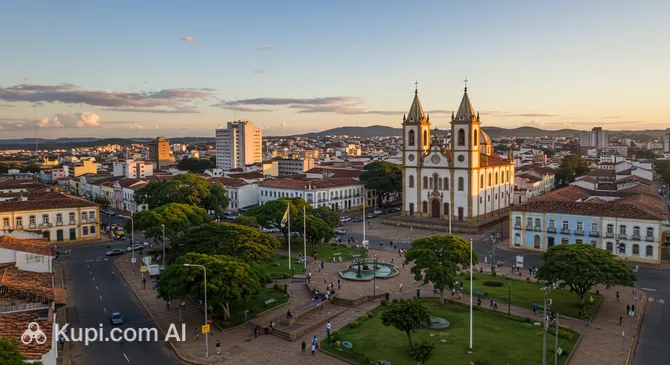
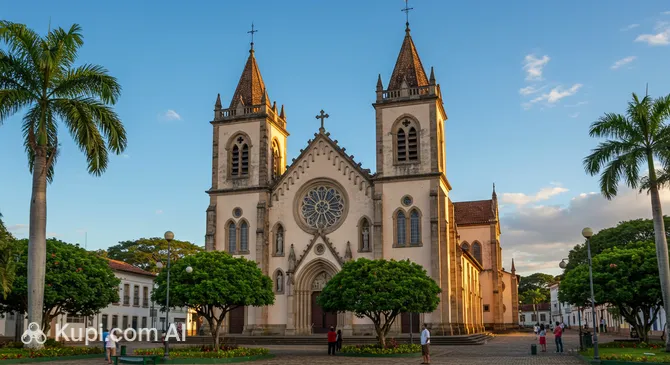
Santa Cruz do Sul. Illustration.
Source: Kupi.com AI

The key feature of the city is its origin. It was founded by German immigrants in the 19th century, and this heritage is carefully preserved by local residents to this day. The fascinating history of Santa Cruz do Sul is reflected in the architecture of the buildings, the names of the streets, and even in the local cuisine. Walking through the center, you feel as if you have entered a small European town with neat houses and blooming gardens.

Among the main points of attraction, the majestic Cathedral of Saint John the Baptist stands out—a true neo-Gothic masterpiece whose towers are visible from afar. In addition, the city is famous for its vibrant events, the most prominent of which is Oktoberfest, one of the largest festivals of German culture in Latin America. This makes Santa Cruz do Sul not just a beautiful spot on the map, but a center of cultural life in the region.

A visit to Santa Cruz do Sul is an excellent choice for those who want to see a different side of Brazilian life and enjoy tranquility, history, and picturesque nature. This hospitable city is always happy to open its doors to new travelers.
Weather Overview

The weather in Santa Cruz do Sul is characterized by a humid subtropical climate, typical for the south of Brazil. There is a clear change of seasons, which makes the city interesting to visit at any time of year, though it is important to choose your wardrobe correctly. In general, the climatic conditions are conducive to both walking in parks and getting to know architectural landmarks.

Summer, lasting from December to March, is truly warm and even hot here. The warmest month is usually January, with an average temperature of about 24.7°C and daily maximums reaching 29.7°C. This period also sees the highest number of days with precipitation—up to 16 days a month, so short-term rains are not uncommon.

Winter (June–August) brings noticeable coolness. In July, the coldest month, the average temperature drops to 14.3°C, and at night the air can cool down to 9.6°C. This time of year is drier compared to summer, but rainy days still occur (about 10 days a month). For a comfortable trip in winter, warm clothing will definitely be required.

Spring and autumn offer the mildest conditions with pleasant temperatures in the range of 18–21°C. To plan your trip as accurately as possible, we recommend studying the detailed information about the climate of Santa Cruz do Sul and the current forecast. Summing up the weather conditions: expect a hot summer with frequent rains and a cool, relatively dry winter.

Average monthly temperature

Average monthly precipitation

Interesting Facts

In addition to its main attractions, Santa Cruz do Sul holds many fascinating secrets that make it a truly unique destination for travelers. This city surprisingly combines South American flavor with ancient European traditions.

  • The city is often called the "German capital of Brazil," and this is not just a figure of speech. More than half of the local residents have German roots, and many still communicate in a German dialect. It is here that large-scale festivals dedicated to immigrant traditions are regularly held, including one of the largest Oktoberfest festivals in Latin America.

  • Speed and drive enthusiasts know this place thanks to the modern Santa Cruz do Sul International Speedway. The track hosts prestigious regional and national auto racing competitions and championships, becoming a point of attraction for thousands of motorsport fans.

  • The real architectural gem of the city is the Cathedral of Saint John the Baptist. This majestic neo-Gothic temple with two tall towers is rightfully considered one of the most impressive churches in the state and the city's main landmark.

  • Santa Cruz do Sul is the birthplace of many famous Brazilian athletes and artists. A creative atmosphere reigns in the city: musical and dance groups actively develop here, harmoniously mixing European classics with fiery Brazilian rhythms in their performances.

Santa Cruz Park. Illustration.
Source: Kupi.com AI

Traveler photos:

How to Get There

When planning a trip to this colorful corner of Rio Grande do Sul, it is important to think about logistics in advance, as there are no direct flights to the city itself. The journey usually involves a flight to one of the major regional hubs followed by a trip by land transport. You can find out more on how to get to Santa Cruz do Sul on a separate page, and below we will look at the most convenient options.

Santa Cruz do Sul does not have an airport that accepts regular passenger flights. The main gateway for tourists is Salgado Filho Airport (IATA: POA), located in the state capital, Porto Alegre. It is approximately 126 km from Santa Cruz do Sul. This is the largest international airport in the region, receiving flights from all over Brazil and abroad. The drive from there by rental car or intercity bus takes about 2 hours.

An alternative option is the Hugo Cantergiani Regional Airport (IATA: CXJ) in the city of Caxias do Sul. It is located slightly further away, at a distance of about 134 km. This airport is smaller but may be convenient if you plan to visit the mountainous regions of the state before your visit to Santa Cruz do Sul. The travel time from here is about 2–2.5 hours by car.

For convenience, here is a summary of the main airports through which you can reach the city:

AirportPassenger trafficDistance
Santa Maria Airport46 300121 km
Salgado Filho International Airport7.5 mln126 km
Hugo Cantergiani Regional Airport449 388134 km
Passo Fundo Airport284 551164 km
Pelotas Airport100 000221 km

Since passenger rail service is not developed in this region of Brazil, the main way to reach Santa Cruz do Sul after arrival is by road. Comfortable intercity buses regularly depart from Porto Alegre Airport and arrive at the bus station (Rodoviária) in the center of Santa Cruz do Sul. Renting a car is also a popular option, providing freedom of movement and allowing you to enjoy the scenic views along the BR-471 highway.

Main Attractions

Santa Cruz do Sul is a city where architectural grandeur meets picturesque nature, and German traditions are felt at every step. Exploring the main attractions will allow you not only to take beautiful photos but also to soak in the unique spirit of this "German" corner of Brazil.

The main symbol and hallmark of the city is rightfully considered the Cathedral of Saint John the Baptist. This majestic neo-Gothic structure impresses with its scale and beauty. The cathedral's tall spires are visible from almost anywhere in the city, and its interior, with stained glass windows and vaulted ceilings, creates an atmosphere of solemnity and peace. It is one of the largest neo-Gothic temples in South America and is a must-visit for all guests of the city.

St. John the Baptist Cathedral. Illustration.
Source: Kupi.com AI

Traveler photos:

For those who want to enjoy a panoramic view of the city and relax in the fresh air, Santa Cruz Park is the perfect place. It is located on a hill, offering breathtaking views of the city skyline and the surrounding hills. Here you can walk along well-kept alleys, have a picnic, or simply enjoy the silence surrounded by greenery. The park is a popular leisure spot for both tourists and locals.

It is impossible to imagine a walk through the center without visiting the famous "Green Tunnel" (Túnel Verde) on Rua Marechal Floriano. Huge Tipuana trees planted along the road intertwine their crowns, forming a living green vault. This is not only a escape from the summer heat but also one of the most photogenic places in the city, creating a fairytale-like feeling amidst the urban bustle.

Since the city is famous for its beer traditions, the attractions also include places that preserve the brewing culture. For example, Heilige Brew Pub is not just a bar, but a place where you can get acquainted with local craft production, which is the pride of the region. Visiting such establishments helps to better understand the local way of life and the gastronomic history of German immigrants.

Local Cuisine

The gastronomy of Santa Cruz do Sul is a wonderful culinary journey where the Brazilian passion for meat meets hearty German traditions. The local cuisine vividly reflects the history of immigration, creating a unique mix of flavors hard to find in other regions of the country. Here, tropical fruits and sauerkraut can sit side-by-side on the same table, and the aroma of fresh churrasco mixes with the scent of freshly baked strudel.

The menus of many restaurants are based on dishes brought by German settlers. Be sure to try traditional pork sausages, schnitzels, and hearty side dishes. A particularly popular dish is what locals call Eisbein—tender pork knuckle served with potatoes and vegetables. For those with a sweet tooth, the city offers magnificent pastries: from the famous "cuca" fruit cakes to crispy strudels and Brötchen rolls, with recipes passed down through generations.

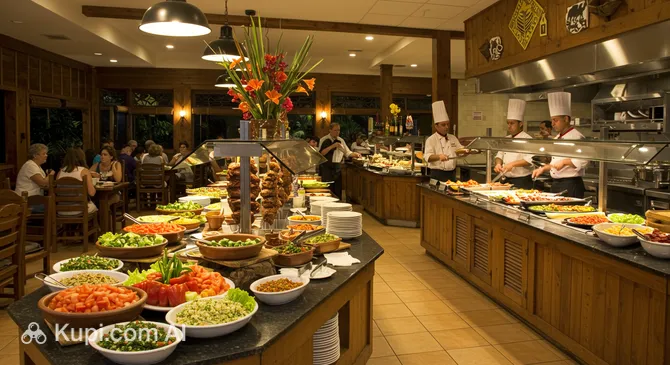
However, being a Brazilian city, Santa Cruz do Sul cannot do without meat classics. A true gastronomic experience is impossible without visiting traditional steakhouses. For example, Churrascaria Centenário offers guests authentic churrasco—juicy meat cooked over an open fire and served with tangy chimichurri sauce and fresh salads. This is the perfect place to understand how locals value the culture of shared dining.

Centenário Churrascaria. Illustration.
Source: Kupi.com AI

Traveler photos:

Regarding drinks, the cult of beer reigns supreme here. The city is famous for its breweries, which preserve ancient German technologies. Local craft beer is distinguished by its high quality and variety of styles. To personally appreciate the skill of local brewers, stop by Heilige Brew Pub, where you can taste exclusive varieties in an atmospheric setting. Among non-alcoholic drinks, the traditional southern herbal tea mate (chimarrão) is popular, as are fresh juices from exotic fruits.

The food culture in the city is diverse: from cozy family cafes to lively street markets where farmers sell homemade cheeses and sausages. For a family lunch or a casual snack, the Mundo Animal Theme Diner is a great choice, offering a wide selection of dishes in an original interior. In autumn, gastronomic life reaches its peak during Oktoberfest, when the streets fill with the aromas of street food and fun.

Travel Tips

Preparing for a trip to Santa Cruz do Sul will help you fully enjoy the unique combination of Brazilian hospitality and German traditions that this region is famous for. To ensure your trip goes as smoothly as possible and without surprises, we have gathered a list of current recommendations for city guests.

  1. Clothing and Climate. The weather in the state of Rio Grande do Sul can be changeable. If you are going in summer (December–March), prepare for heat and high humidity: take light clothing made of natural fabrics, sunglasses, and definitely mosquito repellent, as there is a lot of greenery in the city. In winter (June–August), it can get truly cold, especially at night, so a warm jacket, scarf, and closed shoes will be necessary. Choose the most comfortable shoes for walking on the cobblestones of the historic center.
  2. Transport and Navigation. The city center is compact, and many attractions, including the famous "Green Tunnel," are best explored on foot. For longer distances, it is more convenient and safer to use mobile ride-hailing apps such as Uber or 99—they work reliably and are inexpensive. City buses run on schedule, but it may be difficult for a tourist to navigate the routes without knowing Portuguese.
  3. Finance and Tipping. The official currency is the Brazilian Real (BRL). International cards are accepted almost everywhere: in hotels, restaurants, and supermarkets. However, it is recommended to have a small amount of cash for small purchases at artisan fairs or for street food. In restaurants, a service charge (10%) is usually already included in the bill; additional tipping is at your discretion.
  4. Health and Safety. Santa Cruz do Sul is considered one of the calmest cities in the region, but basic precautions are still recommended. Do not leave your belongings unattended and avoid unlit streets on the outskirts at night. Pharmacies (Farmácias) are common, and large chains stay open late, but there are not many 24-hour locations, so it is better to pack a personal first-aid kit in advance.
  5. Language Barrier. The main language of communication is Portuguese. Despite the city's German roots, not all locals speak German (and if they do, it is a specific dialect called Riograndenser Hunsrückisch). English is mostly understood in large hotels and travel agencies. We recommend downloading an offline translator and a city map in advance. SIM cards from local operators (Vivo, Claro, TIM) can be purchased at mobile stores in the center or at the Santa Cruz Shopping mall.
  6. Local Etiquette. The city's residents are very friendly and welcoming. When meeting, it is customary to exchange handshakes, and among acquaintances, light kisses on the cheek (even at a first meeting in an informal setting). If you are invited for a chimarrão (traditional mate tea), remember: the straw (bombilla) should not be touched with your hands or adjusted—this is considered bad manners.
  7. What to Avoid. Do not try to compare the local dialect or traditions with modern Germany in a critical tone—residents are very proud of their heritage and identity. Also, do not drink tap water; buy bottled water at supermarkets.
  8. Sunday Rhythm. Keep in mind that life in the city slows down on Sundays. Most shops are closed, and shopping centers and food courts only open in the afternoon. This is an ideal time to head to a park or visit local cafes to try the famous "cuca" cake (Cuca), which is expertly prepared here.

Following these simple rules will help you adapt quickly and feel like a local in this cozy "German" corner of Brazil. Santa Cruz do Sul is a city that reveals itself to those ready to stroll slowly through its streets and treat its rich culture with respect.

Entertainment & Nightlife

The nightlife in Santa Cruz do Sul, as befits a regional student and tourist center, is quite lively while maintaining a cozy and friendly atmosphere. The main focus here is not so much on noisy mega-clubs as on colorful bars, pubs with live music, and gastronomic venues where you can spend a great evening with friends. Thanks to the strong German influence, the drinking culture here is top-notch: local craft beer is considered among the best in Brazil.

The epicenter of evening entertainment is rightfully Avenida do Imigrante and its adjacent streets in the city center. This area, along with Rua Marechal Floriano, is where most popular establishments are concentrated. In the evening, these blocks fill with young people and tourists, creating a festive mood. The dress code in most places is casual and appropriate almost everywhere.

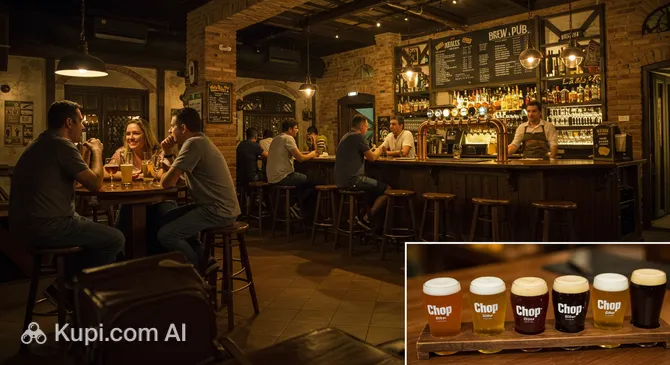
A mandatory stop for beer lovers is Heilige Brew Pub. This is a cult spot where you can try the freshest beer from one of the country's most decorated craft breweries. The atmosphere here resembles traditional European pubs: wooden furniture, dim lighting, and lively conversations. Local bands often play here, performing rock or pop hits.

Heilige Brew Pub. Illustration.
Source: Kupi.com AI

Traveler photos:

If you want to start the evening with a hearty dinner in the best traditions of the region, you should stop by Churrascaria Centenário. This establishment stays open late and offers a great start to a long night—the famous assorted meats will provide plenty of energy. For those looking for a more relaxed setting or traveling with a group with diverse tastes, the Mundo Animal Theme Diner is an interesting option. This vibrant place with an original interior is perfect for a fun snack of burgers and appetizers.

Regarding prices, an evening in Santa Cruz do Sul will be cheaper than in major metropolises. The average bill in a bar for a couple of drinks and a snack is quite affordable. The most active times are Friday and Saturday, when the fun starts around 9:00 PM and lasts until 2:00 or 3:00 AM. On weekdays, life quiets down earlier, around midnight.

In terms of safety, the central districts where the nightlife is concentrated are considered calm and well-lit. Nevertheless, to return to your hotel at night, it is highly recommended to use a taxi or popular ride-hailing apps (Uber, 99) rather than walking through empty streets. During the day, before diving into the nightlife, guests can visit local cultural centers, which often host exhibitions and performances, adding to the city's entertainment palette.

Parks & Museums

Santa Cruz do Sul offers its guests a harmonious combination of natural beauty and rich cultural heritage. The city carefully preserves its history, which is reflected not only in the architecture but also in the well-kept green areas and museum collections that tell the story of German immigrants' lives in this region of Brazil.

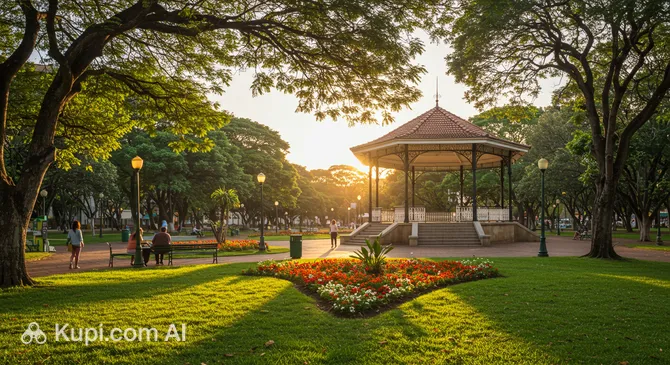
The main natural oasis within the city is Santa Cruz Park. This is a vast area of about 12 hectares where a portion of the Atlantic Forest has been preserved. The park is perfect for those seeking solitude with nature: there are walking trails, picnic areas, and playgrounds. The observation deck is particularly popular, offering perhaps the best panoramic view of the city and the surrounding valleys, which is especially impressive at sunset.

Santa Cruz Park. Illustration.
Source: Kupi.com AI

Traveler photos:

Another important green area is the Cave Park (Parque da Gruta). This place attracts lovers of small adventures: here you can see small caves and waterfalls, and walk along forest paths, enjoying the fresh air and birdsong just a few minutes' drive from the center. It is also worth mentioning the Oktoberfest Park, which, although known primarily as a festival venue, serves as a pleasant place for walks among trees and historical buildings on ordinary days.

To immerse yourself in the region's history, a visit to the Mauá College Museum (Museu do Colégio Mauá) is a must. This is one of the most significant museums in the city, possessing a rich collection of artifacts. The exhibition covers various periods: from archaeological finds of indigenous peoples to household items, clothing, and tools of the first German colonists. This place allows for a deep understanding of how the city's unique culture was formed.

Art and history lovers will find the Cultural Center, located in the old railway station (Estação Férrea) building, quite interesting. The building itself, constructed at the beginning of the 20th century, is a historical monument. Today, it hosts art exhibitions, workshops, and cultural events, preserving the memory of the times when the railway played a key role in the region's development.

Speaking of architecture, it is impossible not to mention the Cathedral of Saint John the Baptist. This neo-Gothic giant is not only a spiritual center but also an essential architectural landmark. Its stained glass and vaults inspire admiration even in experienced travelers. Also noteworthy are the historical mansions along Rua Marechal Floriano, many of which have preserved the original German half-timbered (Fachwerk) style.

A tip from locals: if you want to see something special, find time to visit the "Gruta dos Índios." This is not just a natural site but a place with a special energy where you can take great photos against the backdrop of rock formations and lush vegetation, away from the main tourist routes.

Getting Around

The public transport system in Santa Cruz do Sul is organized simply and logically, making getting around the city comfortable even for first-time visitors. Since the city is relatively small, there is no metro or tram system. The main and only form of municipal public transport is buses. The route network covers the entire city, connecting the center with residential neighborhoods, the university, and industrial zones.

Buses in the city are generally in good condition and follow a schedule. Entry to the cabin is through the front door, and exit is through the back door. To plan routes and track transport arrival times, it is recommended to use popular navigation apps such as Moovit or Google Maps, which support up-to-date bus movement data in the region.

Fare payment for tourists is as simple as possible: cash (Brazilian Reais) is accepted on buses. You can pay for the ride directly to the conductor or driver upon entry. The ticket price is fixed for all city routes and is equivalent to about 1 US dollar. Local electronic transport cards exist, but obtaining one only makes sense for long-term stays, as they typically do not offer discounts on single trips.

As a convenient alternative to public transport, ride-hailing services are widely used in Santa Cruz do Sul. The Uber and 99 apps work very reliably here; cars arrive quickly, and the cost of trips around the city remains very affordable. This is especially convenient in the evening or on weekends when bus service intervals increase.

Given the compactness of the historical center and the presence of picturesque streets like the famous "Green Tunnel," many distances are easily covered on foot. For active lifestyle enthusiasts, bicycle infrastructure is being developed in the city. At some points, such as near parks or the university, bike rental stations can be found, allowing you to combine travel with sightseeing.

Accommodation

Santa Cruz do Sul offers travelers a decent choice of accommodation options that combine comfort, cleanliness, and the famous local hospitality. The city's hotel infrastructure is mainly represented by mid-range hotels oriented toward relaxing stays and business trips. There aren't many luxury chain resorts here, but you can find charming family-run hotels and modern apartments where the influence of German culture is felt through neatness and attention to detail. For budget travelers, inexpensive hostels and guesthouses are available.

The most convenient and popular area to stay is the City Center (Centro). By staying here, you will be within walking distance of the main attractions, including the majestic cathedral and the picturesque "Green Tunnel," as well as in the heart of the gastronomic life with the best restaurants and cafes. Another strategically important location is the area around the Oktoberfest Park. Staying here is particularly relevant for those visiting for event tourism, as it allows you to be in the epicenter of the festivities without the need for long commutes.

The price range for accommodation in Santa Cruz do Sul varies from budget to mid-range, making a trip here affordable for most travelers. Prices are generally lower than in state capitals or on the coast. It is most convenient to book rooms through popular international online platforms widely used by local hoteliers. However, there is an important nuance to consider: if your trip is planned for October, during the famous Oktoberfest, it is necessary to find and pay for accommodation several months in advance, as the city is overcrowded with tourists during this period, and prices can increase significantly.

Nearby Cities

For those who want to explore the surroundings, Santa Cruz do Sul serves as an excellent starting point for day trips to several interesting nearby locations:

Just 30 kilometers from the city is Rio Pardo—one of the oldest settlements in the state, often called an open-air museum. This city attracts history buffs with its magnificently preserved colonial architecture. Here you can walk along cobbled streets, see old mansions, and visit historical churches, immersing yourself in the atmosphere of the 18th century.

Very close by, less than a half-hour drive away, is Venâncio Aires. This city holds the honorary title of "National Capital of Chimarrão"—the traditional gaucho drink (mate). It is an ideal place to get acquainted with the region's tea culture and enjoy cozy parks and the German flavor, which is very strong here, as in neighboring cities.

For a change of scenery, you can head to Lajeado, located on the banks of the Taquari River. This is a dynamic university city with a beautiful botanical garden and interesting half-timbered architecture. A trip here allows you to combine cultural relaxation with shopping and walks along picturesque embankments.

CityPopulationDistance
Sinimbu10 06822 km
Venancio Aires65 94627 km
Rio Pardo37 59129 km
Candelaria30 17135 km
Bom Retiro do Sul11 47251 km

These nearby destinations provide an insight into the diverse culture and landscapes of the region, making your journey through the state of Rio Grande do Sul even richer.

Shopping & Souvenirs

Shopping in Santa Cruz do Sul is a pleasant addition to getting to know the city's culture. While there are no giant commercial megapolises here, you will find a cozy and calm atmosphere for your purchases. The range varies from modern brands to unique local goods reflecting the region's German traditions. It is an excellent place to purchase quality clothing, Brazilian-made shoes, and, of course, gastronomic souvenirs.

The heart of the city's commercial life is the central street, Rua Marechal Floriano. Walking under the shade of the famous "Green Tunnel," tourists can browse numerous boutiques, accessory stores, and souvenir shops. This street is an ideal place for a leisurely promenade where shopping can be combined with viewing historical architecture and relaxing in sidewalk cafes. The center also features many small galleries offering home goods and gifts.

For those who prefer comfort and variety under one roof, the main point of attraction is Santa Cruz Shopping. This shopping mall is located right in the city center and offers a wide selection of clothing, electronics, and cosmetics stores. There is also a food court and a cinema, making it a popular spot for family leisure, especially on hot or rainy days.

Santa Cruz Shopping. Illustration.
Source: Kupi.com AI

Traveler photos:

Local markets and weekend fairs are of particular interest. At Praça da Bandeira and other open spaces, artisan fairs (Feira de Artesanato) are often held, where you can find handmade items: from knitwear and embroidery to wooden toys. This is a great opportunity to buy something authentic and support local craftsmen.

When choosing souvenirs from Santa Cruz do Sul, pay attention to gastronomy. The city is famous for its German roots, so a traditional "cuca" cake (Cuca) or local craft beer, brewed here with love, makes a great gift. Sets for preparing chimarrão (Brazilian mate)—calabashes and bombillas—are also popular and are an integral part of the culture of Rio Grande do Sul. Tourists also frequently purchase natural leather products, for which Southern Brazil is famous.

Shops in the city usually operate from Monday to Friday from 09:00 AM to 6:00 PM or 7:00 PM, and on Saturdays until noon or 5:00 PM. Shopping centers are open longer, usually until 10:00 PM, including Sundays (though stores may open in the afternoon on Sundays). Cash in Reais and bank cards, including international payment systems, are widely accepted.

As for the Tax Free system (VAT refund), it is not as widespread in Brazil as it is in Europe. Tourists should not expect tax refunds for purchases in regular city shops in Santa Cruz do Sul, so the prices on display are final.

Reached the end of the page?

That means the route is fully explored