Support

Hanga Roa

About

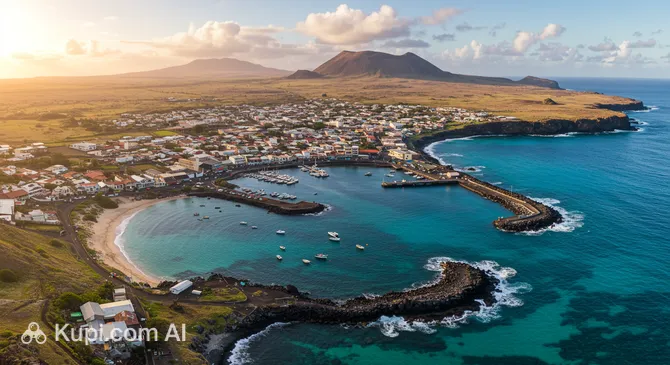
Hanga Roa serves as the vibrant capital and sole harbor of Easter Island, a remote territory known globally for its enigmatic stone statues. As the main entry point for travelers, this charming town offers a unique blend of Polynesian culture and modern amenities. It is politically part of Chile, yet it maintains a distinct identity deeply rooted in the Rapa Nui heritage.

Located in the southeastern Pacific Ocean, the town is home to approximately 8,000 residents, comprising the vast majority of the island's population. Visitors can expect a subtropical climate with warm temperatures year-round, making it a pleasant destination for exploration. The town's layout is pedestrian-friendly, allowing tourists to easily navigate between local shops, restaurants, and the waterfront.

Hanga Roa. Source: Kupi.Binoculars

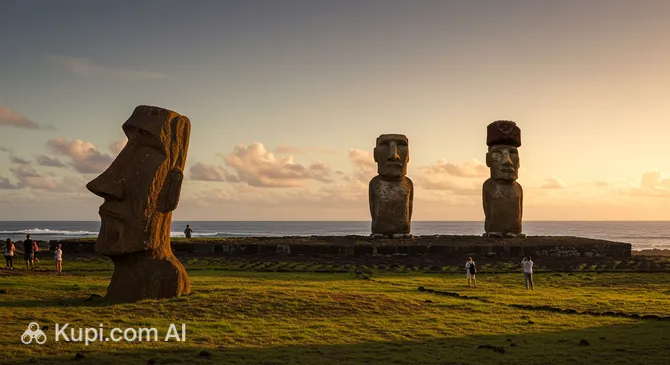
To truly understand the island's significance, one should explore the history of Hanga Roa and its surrounding areas. The town is not just a logistical base but a cultural hub where ancient traditions are preserved. Key attractions within the town limits include the Father Sebastian Englert Anthropological Museum, which houses rare artifacts, and the nearby Ahu Tahai ceremonial complex, a perfect spot to watch the sunset behind the iconic Moai figures.

Whether you are strolling along the coast to watch the fishing boats or sampling local tuna empanadas, Hanga Roa provides an unforgettable atmosphere. It is the perfect starting point for uncovering the mysteries of this isolated paradise.

Weather Overview

Hanga Roa benefits from a marine subtropical climate, ensuring pleasant and moderate conditions throughout the year. The weather is heavily influenced by the ocean, keeping temperatures stable and preventing extreme heat or cold. This consistency makes the town an inviting destination for outdoor activities and exploring the archaeological sites at any time.

The warmest months generally occur from January to March, with February seeing average highs around 23.7°C. The cooler season typically lasts from July to September, where the average temperature dips to approximately 19.1°C. Due to this gentle variation, the weather in Hanga Roa remains comfortable, although the humidity can make it feel slightly warmer than the thermometer suggests.

Rainfall is a characteristic feature of this lush island environment, occurring frequently rather than in concentrated heavy downpours. January is often the wettest month in terms of frequency, experiencing up to 15 wet days, while drier months like June, November, and December see fewer rainy days, averaging around 8 per month. Showers are often brief and passing, typical of a subtropical climate, so packing a light rain jacket is advisable regardless of when you visit.

Interesting Facts

Beyond the main attractions, Hanga Roa holds many fascinating secrets that offer a deeper look into the island's unique culture. While most visitors focus on the massive stone giants, the town itself is full of distinct details worth discovering.

  • The town's Catholic church, the Church of the Holy Cross, is a remarkable example of religious syncretism. Its interior features intricate wooden carvings where Christian saints are depicted with traditional Rapa Nui physical traits and symbols, such as the Birdman motif.

  • Just a short stroll from the center is Tahai, a ceremonial complex that hosts the only moai on the island restored with its white coral eyes, giving visitors a rare perspective on how these statues appeared centuries ago.

  • The Rapa Nui Museum preserves an incredible treasure: the original white coral eye discovered at Anakena beach, a find that revolutionized the archaeological understanding of the moai's spiritual significance.

  • While the famous statues were carved from volcanic tuff, their distinctive red stone topknots, or pukao, were exclusively quarried at Puna Pau, a small volcanic crater located just inland from the town.

Tahai. Source: Kupi.Binoculars

How to Get There

Reaching Hanga Roa is an adventure in itself, as it involves traveling to one of the most remote inhabited places on Earth. Since the island is isolated in the Pacific Ocean, air travel is the only practical method for visitors. Most travelers arrive via mainland Chile, and you can find more about how to get to Hanga Roa to help plan this unique journey.

The primary gateway to the island is Mataveri International Airport (IATA: IPC). It is located directly in Hanga Roa, just 2.0 km from the town center, which makes arrival very convenient. As the most remote airport in the world, it serves as a vital link for locals and tourists alike. Getting to your accommodation is quick; a taxi or transfer typically takes approximately 23 minutes, including waiting and loading time.

For clarity, here is a summary of the main airport:

Airport Name City Passenger Traffic Km from City
Mataveri International Airport Hanga Roa Medium 2.0

There are no railway services on Easter Island due to its small size and geography. Once you land, the primary modes of transport are rental cars, bicycles, and taxis, which allow you to explore the island's roads at your own pace.

Main Attractions

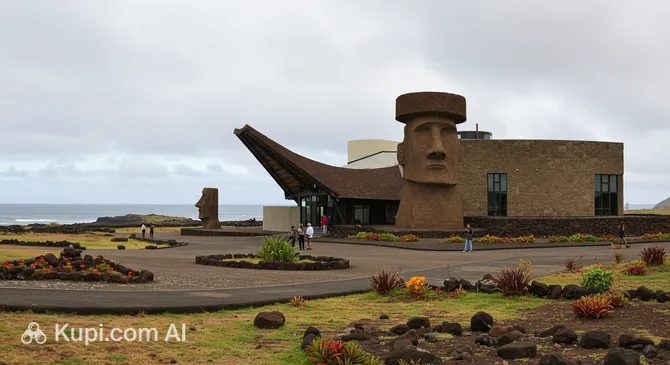
While Hanga Roa is often seen as the gateway to the wider wonders of Easter Island, the town itself boasts several fascinating sites that offer deep insight into the local culture and history. A visit to the Rapa Nui Museum, also known as the Father Sebastian Englert Anthropological Museum, is an essential starting point for any traveler. This institution houses a remarkable collection of artifacts, including ancient obsidian tools, fishhooks, and the only female moai found on the island. It provides crucial context to understanding the enigmatic statues and the resilience of the Rapa Nui people.

Rapa Nui Museum. Source: Kupi.Binoculars

Just a short walk from the town center lies the magnificent ceremonial complex of Tahai. This archaeological site is unique because it features three restored ahu (platforms) standing against the backdrop of the Pacific Ocean. It is particularly famous for Ko Te Riku, the only moai restored with its eyes, offering a glimpse into how these giants looked in their prime. Tourists flock here in the evenings, as it is widely considered the best spot on the island to watch the sunset.

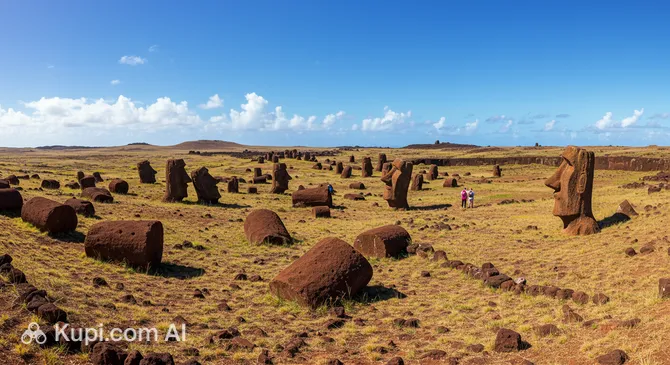
For those interested in the engineering feats of the ancients, a trip to Puna Pau is incredibly rewarding. This small volcanic crater served as the quarry for the pukao, the massive cylindrical topknots made of red scoria that adorn the heads of some moai. Visitors can wander among the abandoned red stones that never made it to their final destinations and enjoy panoramic views of Hanga Roa and the rolling green hills.

Puna Pau. Source: Kupi.Binoculars

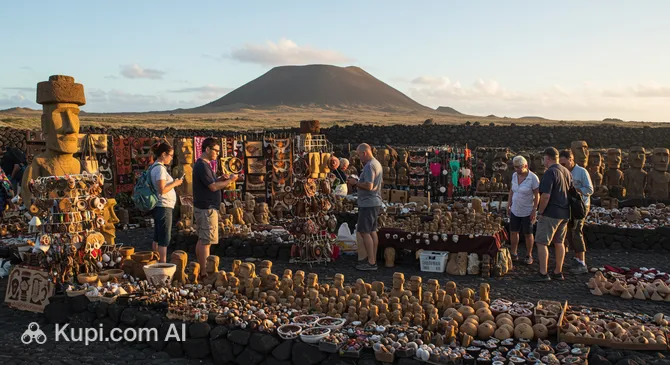
To take a piece of the island's spirit home, the Artisan Market is the perfect place to explore. Located near the church, this bustling market showcases the artistic talents of the local community. Here, you can find intricate wood and stone carvings, traditional jewelry made from shells and obsidian, and colorful textiles. It is a vibrant spot to interact with local craftspeople and find authentic souvenirs that support the island's economy.

Artisan Market. Source: Kupi.Binoculars

Local Cuisine

The culinary scene in Hanga Roa is a delightful reflection of its isolated geography and deep Polynesian roots. As one might expect from an island in the middle of the Pacific, fresh seafood is the undeniable star of the menu. The local waters provide an abundance of yellowfin tuna, mahi-mahi, and the prized local lobster known as rape rape. These ingredients are often caught daily and served within hours of leaving the ocean, offering a true "ocean-to-table" experience that defines the town's gastronomy.

One dish that every visitor must try is the Tuna Empanada. Unlike the meat-filled versions found on mainland Chile, these golden, fried turnovers are stuffed with generous chunks of fresh tuna, often mixed with cheese and tomato, creating a savory and unique flavor profile. Another highlight is the Rapa Nui ceviche, which frequently incorporates coconut milk, giving it a sweeter, tropical twist compared to the acidic, lime-heavy versions found elsewhere. For a truly traditional experience, look for the Umu Rapa Nui, a slow-cooked meal prepared in an earth oven using hot stones and banana leaves to steam meat, fish, and vegetables like taro and sweet potato.

To accompany your meal, the island offers refreshing beverage options. The Pisco Sour, Chile’s national cocktail, is widely available and serves as a perfect aperitif. For a taste of something locally produced, you might try Mahina, the island's own craft beer. Non-alcoholic options are equally enticing, with fresh juices made from locally grown guavas, pineapples, and mangoes providing a sweet way to cool down after a day of sightseeing.

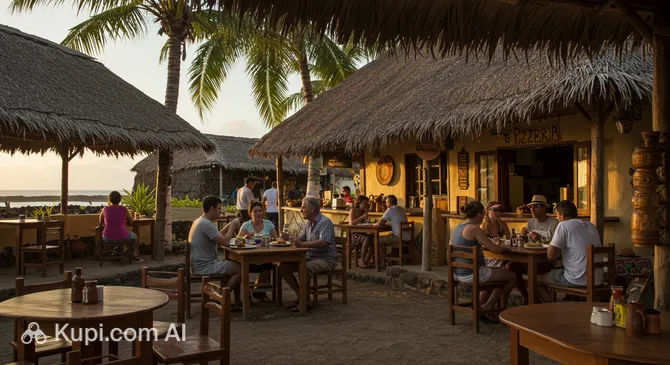
La Pizzeria. Source: Kupi.Binoculars

The dining atmosphere in Hanga Roa is relaxed and unpretentious, with most establishments located along the main street, Atamu Tekena, and the coastal road, Policarpo Toro. Travelers can find everything from open-air restaurants with ocean views to small, family-run eateries. For a change of pace from traditional seafood, La Pizzeria offers a cozy environment where visitors can enjoy familiar comfort foods prepared with an island touch. Whether you are grabbing a quick bite at a street stall or enjoying a sunset dinner, the food culture here is warm and inviting.

Travel Tips

Welcome to Hanga Roa, the gateway to the mysteries of Rapa Nui, where preparation is key to fully enjoying this remote paradise. These practical tips will help you navigate the unique logistics of the island and ensure a respectful and smooth adventure.

  1. Clothing and Gear: The weather can be unpredictable, so packing layers is essential. Bring a lightweight, waterproof jacket for sudden showers and comfortable, sturdy walking shoes or hiking boots for exploring the volcanic terrain. A hat and high-SPF sunscreen are crucial due to the intense UV radiation. While the dress code is generally casual, modest attire is appreciated if you plan to attend Sunday mass at the local church.

  2. Transportation: There is no public bus system or metro in Hanga Roa. The town itself is compact and walkable, but to explore the archaeological sites across the island, you will need wheels. Renting a car (SUVs are recommended for unpaved roads), a scooter, or a mountain bike is the best way to get around. Taxis are available for short trips within town, but ride-hailing apps like Uber do not operate here.

  3. Finances: The official currency is the Chilean Peso (CLP). While US dollars are sometimes accepted, the exchange rate is often unfavorable. Credit cards work in hotels and larger restaurants, but cash is king for small shops, artisan markets, and taxis. ATMs are available (mainly Santander and Banco Estado), but they can occasionally run out of money or have connection issues, so arriving with sufficient cash is wise.

  4. Health and Safety: Hanga Roa is a very safe destination with low crime rates. The main medical facility is the Hospital Hanga Roa, which can handle basic emergencies. Pharmacies are available in the town center but may have limited stock, so bring any essential prescription medications with you. Tap water is chlorinated and safe to drink, though some visitors prefer bottled water to avoid taste differences.

  5. Communication: Spanish is the primary language, though the indigenous Rapa Nui language is widely spoken among locals. English is generally understood in hotels and tour agencies but less so in small shops. Learning a few words like "Iorana" (Hello/Goodbye) and "Maururu" (Thank you) will go a long way. Wi-Fi is available in accommodations but can be slow and unstable; for mobile data, Entel is the most reliable provider on the island.

  6. Local Etiquette: The island culture is warm and relaxed. It is polite to greet people when entering a shop or passing on the street. Life moves at a slower pace here, known as "island time," so patience is a virtue in restaurants and service areas. Always ask for permission before taking close-up photographs of local people.

  7. What to Avoid: The most critical rule is to never touch the Moai statues or walk on the stone platforms (ahu). These are sacred heritage sites, and physical contact causes damage; doing so is considered a serious offense and carries heavy fines. Also, avoid taking rocks, sand, or coral from the beaches as souvenirs.

  8. National Park Ticket: To visit the major archaeological sites located outside the town, you must purchase a Rapa Nui National Park ticket. It is highly recommended to buy this online before your trip or immediately upon arrival at the airport, as it is required for entry to key sites like Rano Raraku and Orongo and is valid for 10 days.

By keeping these tips in mind, you will be well-equipped to embrace the magic of Hanga Roa without the stress of logistical surprises. Enjoy the laid-back island rhythm and the incredible history that surrounds you at every turn.

Entertainment & Nightlife

Nightlife in Hanga Roa offers a unique blend of relaxed island vibes and vibrant Polynesian culture. Unlike the bustling metropolises of the mainland, the evening scene here is intimate and welcoming, characterized by open-air venues, live music, and the rhythmic beat of traditional drums. The atmosphere is distinctively casual, with locals and tourists mingling freely to enjoy the warm Pacific breeze and incredibly starry skies.

The heart of the action is concentrated along two main thoroughfares: Atamu Tekena, the town's principal avenue, and Policarpo Toro, the scenic coastal road. These streets come alive after sunset, hosting a variety of restobars, pubs, and cultural centers. Visitors can easily walk between venues, although the street lighting can be dim in some areas, adding to the rustic and remote charm of the island.

A quintessential evening in Hanga Roa often begins with nature's own spectacle. Crowds gather at the ceremonial complex of Tahai to witness the breathtaking sunset behind the silhouette of the moai, a peaceful ritual that marks the transition from day to night. Following this, many travelers head to one of the traditional Rapa Nui dance shows. These energetic performances, featuring feathered costumes and ancestral legends, are the highlight of the island's entertainment and are often accompanied by a traditional dinner.

For a more laid-back night out, the local bars and restaurants offer excellent settings to unwind. You can enjoy a refreshing Pisco Sour or a local Mahina beer while listening to live acoustic bands playing ukulele and guitar. Places like La Pizzeria provide a cozy and friendly environment where you can enjoy a hearty meal and drinks with friends before heading out to explore the smaller pubs where dancing often continues until the early morning hours.

When planning your night out, keep in mind that "island time" applies; venues often stay open late, especially on weekends, but the pace of service is unhurried. The dress code is almost universally casual—shorts and sandals are acceptable everywhere. Hanga Roa is generally very safe for night walks, but it is advisable to carry a flashlight or use your phone's light, as sidewalks can be uneven and streetlights sparse. Taxis are the best way to return to your accommodation late at night; they are inexpensive, safe, and can be easily hailed or called via local "Radio Taxi" services.

Before the sun goes down, the town offers plenty of daytime entertainment to fill your schedule. Beyond the archaeological sites, you can explore the Artisan Market to shop for unique handicrafts and souvenirs made by local craftspeople. The town also serves as a lively base for diving centers, surf schools, and small art galleries, ensuring that your days are just as engaging as your nights.

Parks & Museums

Hanga Roa is often described as an open-air museum where history and nature are seamlessly intertwined. While the entire island serves as a testament to the Rapa Nui culture, the town itself offers dedicated spaces that preserve its heritage and provide lush, green environments for relaxation. Visitors will find that the distinction between a park and an archaeological site here is often blurred, creating a unique landscape for exploration.

The cultural centerpiece of the town is the Rapa Nui Museum, officially known as the Father Sebastian Englert Anthropological Museum. Situated just outside the main town area, this institution is the guardian of the island's history. It showcases a vital collection of ancient tools, obsidian spearheads (mata’a), and coral eyes that once animated the moai. It serves as an essential educational stop, offering detailed explanations of the island's geological formation and the rise and fall of its ancestral society.

For a different kind of cultural immersion, the Artisan Market functions as a living gallery. Located in the town center, it displays the contemporary artistic expression of the islanders. Unlike a static museum, this space allows visitors to see the evolution of Rapa Nui craftsmanship, featuring intricate wood carvings and stone sculptures that continue the artistic lineage of the ancestors. It is a vibrant venue where culture is practiced daily rather than just exhibited.

In terms of green spaces, Tahai is the town's premier coastal park. This sprawling grassy area on the waterfront is not only an archaeological complex but also a beloved community gathering spot. Locals and tourists alike come here to sit on the grass, watch the waves crash against the volcanic rocks, and enjoy the spectacular sunsets. It offers a peaceful, park-like atmosphere where the presence of the restored moai adds a profound sense of serenity.

Another significant natural area is the sector around Playa Pea. This small beach in the heart of Hanga Roa serves as a natural recreational park. It features a natural saltwater pool protected by stone walls, making it safe for swimming, and is a popular spot for spotting sea turtles that frequently come close to the shore. The surrounding green areas are perfect for a casual stroll while observing local surfers riding the waves.

Architecturally, the Church of the Holy Cross stands out as a landmark that marries spiritual function with local identity. The building is surrounded by well-kept gardens that feature native flora. Its design is a fascinating example of cultural syncretism, evident in the facade and the surrounding statues that interpret Christian themes through Rapa Nui aesthetics.

For an authentic and quieter experience, take a walk to the Hanga Roa Cemetery near the coast. Far from being a gloomy place, it is colorful and beautifully maintained, with tombstones often incorporating moai designs and Christian crosses. It offers a poignant look at how the islanders honor their lineage, set against the backdrop of the endless Pacific Ocean.

Getting Around

Navigating Hanga Roa is a unique experience compared to most tourist destinations, primarily because the town does not possess a conventional public transport system. Visitors will not find subways, trams, public buses, or extensive rail networks here. Instead, the "system" relies entirely on a combination of taxi services, private rentals, and walking, reflecting the small size and relaxed pace of the community.

The primary form of public transportation available to tourists is the taxi. These are standard vehicles, often unmarked or identified simply by a "Taxi" sign on the roof. They function as the town's main shuttle service and are incredibly reliable for getting from the airport to your hotel or moving between restaurants and the town center. Taxis here operate somewhat like a collective service; it is not uncommon for drivers to pick up other passengers along the way if they are heading in the same direction, although private rides are the norm for tourists.

Regarding payment, simplicity is key. There are no electronic travel cards, transport apps, or ticket machines. The entire system operates on cash, specifically the local currency. You pay the driver directly at the end of the trip. Fares within the urban limits of Hanga Roa are generally fixed at a standard flat rate regardless of the distance, making it very predictable. However, if you plan to take a taxi to locations outside the town, such as the beach at Anakena or the sunrise spot at Tongariki, you must negotiate and agree upon the fare in advance, as these trips are significantly more expensive and are treated more like private tours.

For practical advice, always carry small denominations of cash, as drivers may not always have change for large bills. Taxis can be hailed on the street, but it is often more efficient to have your hotel or restaurant call a "Radio Taxi" for you, especially in the evenings. Ride-sharing apps and digital platforms popular in other parts of the world do not operate here, so do not rely on your smartphone to book a ride. Service is generally available 24 hours a day, but availability decreases significantly late at night.

Alternatives to taxis are extremely popular and often preferred by visitors who want more freedom. Renting a vehicle is the standard way to see the area; options range from SUVs and jeeps, which are recommended for the unpaved roads outside town, to scooters and quad bikes. Bicycles are also a fantastic eco-friendly alternative for getting around Hanga Roa itself, given its compact size. For a truly local experience, some visitors even opt for horseback riding to reach more secluded areas.

A special feature of transport in Hanga Roa is the sheer proximity of the main transit hub to the town. The international airport is located practically within the urban area, meaning that for some travelers, it is possible to simply walk from the terminal to their accommodation. This accessibility creates a stress-free environment where the lack of complex infrastructure is not a hindrance but rather a part of the island's charm.

Accommodation

Accommodation in Hanga Roa caters to a wide spectrum of travelers, ranging from adventurous backpackers to those seeking luxury and seclusion. The options generally reflect the island's laid-back character, with a strong emphasis on small, locally owned establishments rather than massive international hotel chains. Visitors can choose from budget-friendly hostels with shared facilities, comfortable mid-range hotels, and private cabañas (cabins), which are a very popular choice for families and groups. For a more exclusive experience, there are also high-end eco-lodges that offer premium amenities and spectacular ocean views.

Because Hanga Roa is a compact town, location is rarely a major issue, but there are distinct advantages to different areas. Staying near the main street, Atamu Tekena, places you in the heart of the action, with immediate access to supermarkets, restaurants, and the artisan market. Alternatively, accommodations located along the coastal road or slightly on the outskirts of town provide a quieter atmosphere and often feature stunning views of the Pacific sunset, all while remaining just a short taxi ride or walk from the town center.

A unique aspect of staying in Hanga Roa is the personal touch found in many "residenciales" and guest houses. These are typically family-run businesses where the owners are deeply involved in the daily operations, often providing airport transfers and sharing local tips with their guests. While you won't find high-rise resorts here, the hospitality is warm and authentic, offering a closer connection to the Rapa Nui culture than a standard hotel experience might provide.

Booking Tip: Due to the island's remote location and limited capacity, it is highly recommended to book your accommodation well in advance. This is critically important if you plan to visit during the peak summer months (January and February) or during the annual Tapati Rapa Nui festival, when the town fills up completely and finding a last-minute room is nearly impossible.

Regarding costs, prices in Hanga Roa tend to be higher than on mainland Chile due to the logistics of importing goods and energy. Budget travelers can still find reasonable rates in hostels and campsites, while mid-range and luxury options command prices comparable to major international tourist destinations. Booking can be done easily through major online travel platforms, though some smaller family-run cabins may prefer direct contact via email or their own websites to secure a reservation.

Nearby Cities

For those looking to explore the surroundings, Hanga Roa serves as an excellent base for day trips to several interesting nearby locations:

One of the most popular short excursions is to Anakena, located approximately 18 kilometers from the town. This stunning white coral sand beach is not only a perfect spot for swimming and relaxing under palm trees but also holds significant historical value as the legendary landing site of the first Polynesian settlers. Visitors can admire the majestic Ahu Nau Nau, a platform featuring seven well-preserved moai, some of which still bear their red scoria topknots.

Another fascinating destination for a day trip is the ceremonial village of Orongo, perched precariously on the rim of the Rano Kau volcanic crater. This site offers breathtaking views of the ocean and the crater lake below. It is famous for its stone houses and its connection to the Birdman Cult (Tangata Manu), with numerous petroglyphs carved into the rocks that tell the story of the island's post-moai era traditions.

City Population Distance (km)
Concepción 719944 3578
Talcahuano 147831 3570
Coronel 116262 3572
Chiguayante 85863 3581
Penco 47367 3582

These nearby destinations offer a glimpse into the diverse culture and landscapes of the region.

Shopping & Souvenirs

Shopping in Hanga Roa offers a refreshing departure from the commercialized experience found in major cities. You will not find sprawling shopping malls, international chain stores, or luxury fashion boutiques here. Instead, the town focuses on authentic, locally produced goods that reflect the rich Rapa Nui culture. The shopping scene is intimate and artisanal, making it the perfect place to find unique treasures that carry the spirit of the island.

The commercial life of the town is concentrated primarily along the main avenue, Atamu Tekena. This bustling street is lined with small shops, supermarkets, pharmacies, and souvenir boutiques. It is the best place to stock up on essentials or browse for gifts. Another key area is Te Pito o Te Henua, the street leading down to the coast, which features several galleries and shops selling higher-end art and clothing. These areas are walkable and offer a relaxed atmosphere where you can browse at your own pace.

Travelers should be aware that there are no standard shopping malls in Hanga Roa. The retail concept here is based on small, family-owned businesses and open-air stalls rather than large department stores. While this limits the variety of consumer electronics or branded clothing available, it ensures that your purchases directly support the local economy and families living on the island.

For the most authentic shopping experience, a visit to the Artisan Market is essential. Located near the church, this market is the hub of local craftsmanship. Here, you can watch artists at work and buy directly from the creators. Additionally, the Feria Agrícola (Agricultural Market) on Atamu Tekena is worth a visit to see the local produce, including small sweet pineapples, bananas, and seasonal vegetables, offering a colorful glimpse into the island's daily life.

When it comes to souvenirs, Hanga Roa offers items you cannot find anywhere else on Earth. The most popular keepsakes are replicas of the Moai statues, carved from wood or volcanic stone. Look for intricate jewelry made from obsidian (volcanic glass) or shells, as well as the traditional Rongo Rongo tablets featuring the island's undeciphered script. Colorful sarongs (pareos) and Polynesian-style shirts are also excellent choices for bringing a piece of the tropical vibe home.

Store hours in Hanga Roa often follow a relaxed "island time" schedule. Most shops open around 9:00 AM or 10:00 AM, close for a long lunch break (siesta) between 1:00 PM and 5:00 PM, and then reopen until roughly 8:00 PM. On Sundays, many businesses are closed, so plan your shopping for weekdays or Saturday mornings. Regarding payment, Cash (Chilean Pesos) is the most reliable method. While some larger souvenir shops and supermarkets accept credit cards, connection issues can occur, and many smaller artisans only deal in cash.

It is worth noting that Easter Island is a special territory within Chile and is exempt from the standard Value Added Tax (IVA). However, do not expect bargain prices; the cost of goods is generally higher than on the mainland due to the expense of air and sea freight. The "tax-free" status mostly offsets the high transport costs rather than providing a discount shopping environment for tourists.
Reached the end of the page?

That means the route is fully explored