Support

Concepción

About

Concepción is a dynamic metropolis and a vital cultural and economic center in southern Chile. Often referred to as the "Pearl of the Biobío," this bustling city serves as the capital of the Biobío Region and sits gracefully near the mouth of the majestic Biobío River. With a population of approximately 720,000 inhabitants in its greater metropolitan area, it offers a perfect blend of urban energy and scenic surroundings, acting as a gateway to the south of the country.

The city possesses a resilient spirit and a rich heritage that has shaped its modern identity. To truly appreciate its transformation over the centuries, visitors are encouraged to explore the fascinating history of Concepción. Today, it is widely recognized as a university city with a youthful vibe, largely thanks to the prestigious University of Concepción, and is often celebrated as the "Cradle of Chilean Rock" due to its thriving artistic and music scene.

Concepción. Source: Kupi.Binoculars

Travelers will find plenty to admire, starting with the sprawling university campus, which features the iconic Campanile clock tower and extensive green spaces ideal for a leisurely stroll. Parque Ecuador is another highlight, offering lush walking trails and panoramic views of the urban landscape. The city's strategic location also provides easy access to charming coastal towns and excellent seafood restaurants, adding a culinary delight to any visit.

Whether you are interested in vibrant cultural events, architectural landmarks, or simply soaking up the local atmosphere, Concepción welcomes travelers with open arms. It is a destination that promises a memorable and authentic experience for anyone venturing through this captivating region.
Weather Overview

The climate in this part of the Biobío Region is generally mild and temperate, characterized by distinct seasonal changes that influence the best times for outdoor activities. To help plan your packing list and itinerary, it is helpful to review the current weather in Concepción before your trip. Generally, the city enjoys a Mediterranean-style climate with comfortable summers and cooler, wetter winters.

During the summer months of December through February, the weather is particularly inviting. Average temperatures range from 16.5°C to 17.8°C, with daily highs often reaching nearly 22°C in February. Rainfall is virtually non-existent during this period, with data showing almost 0mm of precipitation and only one or two wet days per month, creating perfect conditions for exploring the city's parks and nearby coastal areas.

In contrast, the winter season from June to August brings cooler temperatures and more frequent rain. July is typically the coldest month, with average temperatures around 9.3°C and lows dipping to 6.5°C. This is also the wettest time of year; June, for instance, sees up to 14 wet days, so visitors arriving mid-year should certainly pack a waterproof jacket and warm layers.

Expect warm, dry summers ideal for sightseeing and cool, damp winters where rainfall is frequent but keeps the region's vegetation lush and green.

Interesting Facts

Beyond the main attractions, Concepción holds many fascinating secrets that reveal its deep historical roots and cultural significance. Here are a few unique aspects of the city that often surprise visitors.

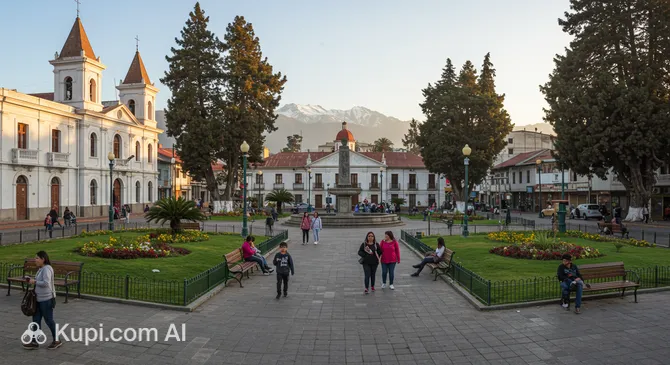
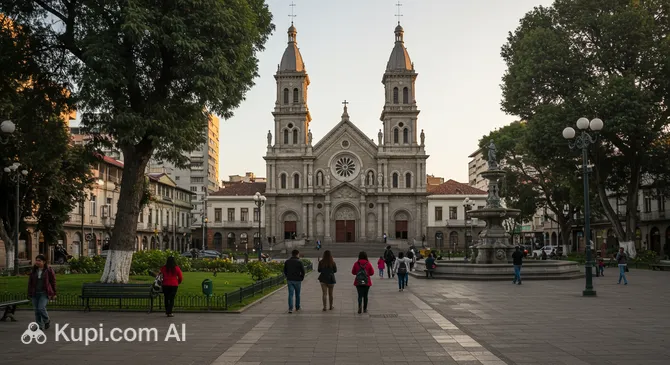
Independence Square. Source: Kupi.Binoculars
  • Concepción is the true birthplace of Chilean independence. The official proclamation was signed here in 1818, which is why the city's main square is uniquely named Independence Square, distinguishing it from the "Plaza de Armas" found in almost every other Chilean town.

  • The city houses one of the most impressive artistic treasures in the country. The Casa del Arte José Clemente Orozco features the breathtaking mural "Presencia de América Latina," a vibrant masterpiece that rivals the famous muralist works of Mexico and narrates the history of the continent.

  • Locals take pride in the city's incredible resilience. Due to major earthquakes and tsunamis over the centuries, Concepción has been destroyed and rebuilt multiple times; in fact, its original location was in the nearby town of Penco before it was moved to its current site in the Valle de la Mocha in 1751.

  • The university district is designed as an open urban park without fences. Centered around the iconic UdeC Clock Tower, the campus grounds are completely open to the public, symbolizing the integration of knowledge with the community and serving as a favorite green space for residents.

How to Get There

Planning a trip to the Biobío Region is quite convenient, as the area is well-connected to the rest of the country. Whether you are arriving from Santiago or international destinations, you can find various options to suit your itinerary. For a detailed breakdown of routes and transport modes, you can read more about how to get to Concepción.

The most direct way to arrive is by flying into Carriel Sur Airport (IATA: CCP). This is the primary air hub for the area and is conveniently located within the city of Concepción itself, just 5.5 km from the downtown area. As a major regional terminal, it handles a significant volume of passengers annually. Once you land, the transfer to the city center is very quick; a taxi or bus ride generally takes around 30 minutes, making it an incredibly efficient option for travelers.

Alternatively, some visitors might consider Temuco Airport (IATA: ZCO), although it serves as a much more distant entry point. Situated in the city of Temuco, this airport is approximately 236 km away from Concepción. While it processes a moderate amount of traffic, it is not the most practical choice for a direct visit to Concepción unless you are planning a road trip through southern Chile. The ground transfer from Temuco typically takes around 3 to 4 hours by car or bus.

For clarity, here is a summary of the main airports:

Airport Name City Passenger Traffic Km from City
Carriel Sur Airport Concepción Large 5.5
Temuco Airport Temuco Medium 236.2

Main Attractions

Concepción offers a fascinating mix of natural landscapes, historical landmarks, and vibrant cultural spaces. From panoramic viewpoints to open-air museums, the city provides a variety of experiences that allow visitors to connect with its rich heritage and lively atmosphere. Here are some of the main places you should not miss.

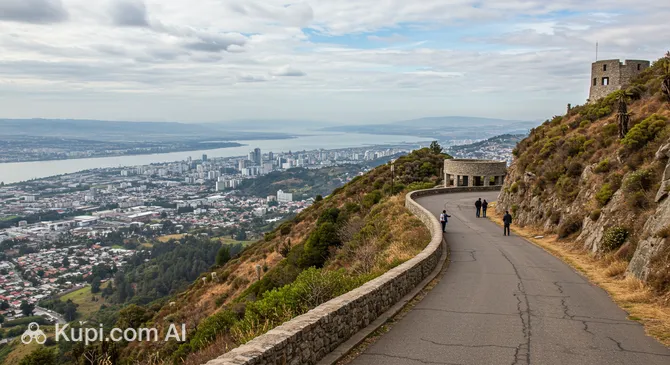
One of the most prominent natural landmarks is the Cerro Caracol Metropolitan Park. Often described as the "green lung" of the city, this hill dominates the skyline and offers lush paths for walking, running, or cycling. At the summit, visitors are rewarded with breathtaking panoramic views of the city and the Biobío River. The park is also home to the historic German Lookout, a stone tower built in 1914 that serves as a picturesque vantage point and a reminder of the area's history.

Cerro Caracol Metropolitan Park. Source: Kupi.Binoculars

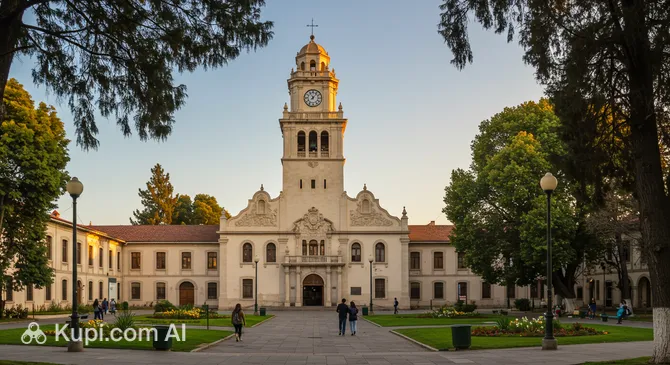
The university district is another must-visit area, centered around the iconic UdeC Clock Tower. This structure is the undisputed symbol of the University of Concepción and stands at the heart of a campus that functions as a large, open public park. Tourists and locals alike flock here to enjoy the expansive green lawns, admire the modern architecture, and soak up the youthful, intellectual energy that defines the city.

UdeC Clock Tower. Source: Kupi.Binoculars

For a deep dive into local culture, the Gallery of the History of Concepción is an excellent stop. Located within the scenic Ecuador Park, this museum uses detailed dioramas to narrate the region's evolution, from its indigenous inhabitants to contemporary times. The location itself is perfect for a relaxing stroll, as the park stretches along the foot of Cerro Caracol, offering a peaceful escape from the urban bustle.

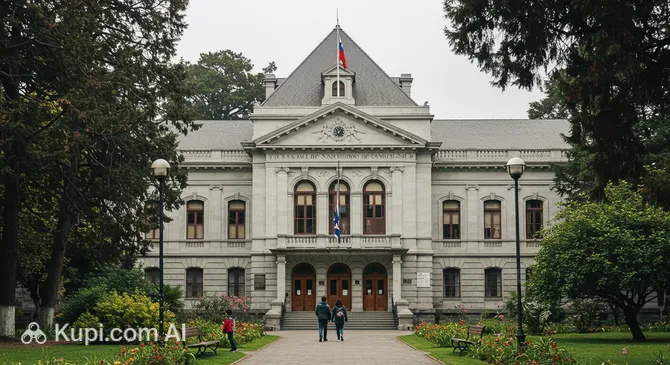
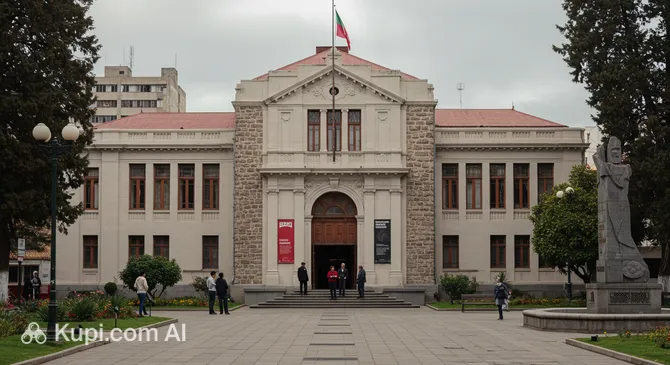
Those interested in science and archaeology should visit the Museum of Natural History of Concepción. This institution houses extensive collections that preserve the cultural and natural heritage of the Biobío Region. Exhibits cover a wide range of topics, including paleontology and ethnography, making it an educational and engaging destination for travelers of all ages.

Museum of Natural History of Concepción. Source: Kupi.Binoculars

Local Cuisine

Concepción's culinary scene is a delightful reflection of its geography, blending the bounty of the nearby Pacific Ocean with the rich traditions of the Chilean countryside. Being so close to the coast, the city is a paradise for seafood lovers. Visitors simply must try the mariscal, a fresh dish made with a variety of raw shellfish, lemon, and spices, or the warming paila marina, a hearty seafood stew perfect for cooler days. Pastel de jaiba (crab pie) is another local favorite that showcases the region's marine richness.

When it comes to beverages, Concepción has earned a reputation for its burgeoning craft beer culture. The region produces excellent ales and lagers, and you can sample some of the best brews at places like the Kunstmann Craft Bar. For those preferring traditional Chilean flavors, a refreshing mote con huesillo (a non-alcoholic peach and husked wheat drink) is a sweet treat often found in street stalls, while a classic Pisco Sour remains the perfect aperitif to start any meal.

To experience the authentic flavors of the city, a visit to the Vega Monumental is essential. This bustling market is not just a place to buy fresh produce; it is a gastronomic hub where locals gather to enjoy traditional home-style cooking in small, lively eateries known as cocinerías. Here, you can taste generous portions of Chilean comfort food at affordable prices while soaking in the vibrant, noisy, and colorful atmosphere of daily life.

Vega Monumental. Source: Kupi.Binoculars

For a more modern dining experience, the area around Plaza Perú is the city's undisputed social heart. Located directly across from the university, this square is surrounded by a high concentration of restaurants, cafes, and pubs. It is the perfect spot to enjoy an evening out, offering everything from international cuisine to local snacks. Whether you are looking for a quick bite or a sit-down dinner at a venue like Quijote Restaurant, this district buzzes with energy and offers options for every palate.

Travel Tips

To ensure a smooth and enjoyable visit to Concepción, it is helpful to know a few local logistics and cultural nuances before you arrive. These practical tips will help you navigate the city like a local, allowing you to focus on exploring the vibrant streets and scenic landscapes of this southern metropolis.

  1. Clothing and Gear: The weather in the Biobío Region can be changeable, so dressing in layers is the best strategy. In summer (December to February), bring light clothing, sunglasses, and sunscreen, as the sun can be strong. If visiting in winter (June to August), a sturdy waterproof jacket and water-resistant shoes are essential due to frequent rainfall. Comfortable walking shoes are a must year-round, especially for exploring the sprawling university campus or hiking up Cerro Caracol.
  2. Transportation: Getting around is relatively easy with a mix of options. The suburban train, known as the Biotrén, is excellent for crossing the river to San Pedro or reaching nearby coastal areas. Within the city, colored buses called micros are the most common public transport; note that you usually pay the driver in cash (coins are preferred) upon entering. Shared taxis known as colectivos run fixed routes and are a faster, slightly more expensive alternative to buses. Ride-hailing apps like Uber are also widely available and safe.
  3. Finances: The local currency is the Chilean Peso (CLP). While credit and debit cards are widely accepted in hotels, restaurants, and shopping malls, you will need cash for smaller shops, street food, micros, and the Vega Monumental market. ATMs are plentiful in the city center and near the university. In restaurants, it is customary to leave a 10% tip, often referred to as propina, which is usually suggested on the bill.
  4. Health and Safety: Concepción is generally safe for tourists, but standard precautions apply. Keep your belongings secure in crowded places like the city center or markets to avoid pickpocketing. Pharmacies (farmacias) are easy to find, and major chains often have branches open 24/7 on a rotating shift basis (known as de turno). Tap water is generally safe to drink in Chile, though visitors with sensitive stomachs might prefer bottled water.
  5. Communication: Spanish is the primary language, and English proficiency varies; while hotel staff and younger students at the university may speak English, it is less common among bus drivers or shopkeepers. Learning basic phrases like hola (hello), gracias (thank you), and ¿cuánto vale? (how much?) will be very helpful. Buying a local SIM card from providers like Entel, Movistar, or WOM is easy at kiosks and malls to stay connected.
  6. Local Etiquette: Chileans are warm and polite. The standard greeting, even between casual acquaintances, is a single kiss on the right cheek (between women, or a man and a woman); men typically shake hands with other men. When entering a shop or elevator, it is polite to say buenos días or buenas tardes.
  7. What to Avoid: Avoid trying to pay for public transport (buses) with large bills (like 10,000 or 20,000 pesos). Drivers act as cashiers while driving and often do not have change for high-denomination notes, which can cause delays and frustration. Always carry small change or 1,000 peso notes for fares.
  8. Additional Tip: Embrace the local tradition of once. Instead of a heavy dinner, locals often enjoy a late afternoon meal (usually between 6:00 PM and 9:00 PM) consisting of tea, bread, avocado, cheese, and pastries. Many cafes around Plaza Perú offer excellent menus for this "tea time," which is a great way to relax after a day of sightseeing.

By keeping these practicalities in mind, you will be well-prepared to experience the authentic charm of Concepción. Whether you are navigating the lively streets or enjoying a classic Chilean tea time, these insights will help you travel with confidence and ease.

Entertainment & Nightlife

As a vibrant university city, Concepción boasts one of the most energetic and youthful nightlife scenes in Chile. Often hailed as the "Cradle of Chilean Rock," the city pulses with music and activity once the sun goes down. The atmosphere is generally casual and bohemian, driven by the large student population, though you can easily find sophisticated spots for a quiet cocktail or a romantic dinner.

The epicenter of evening entertainment is undoubtedly the area surrounding Plaza Perú. Located directly across from the university, this district is packed with pubs, bars, and restaurants that spill out onto the sidewalks. It is the perfect place to start the night with a "previa" (pre-party drinks) and mingle with locals. The vibe here is lively and safe, with venues catering to everything from craft beer enthusiasts to those looking for live music.

Plaza Perú. Source: Kupi.Binoculars

For those seeking to dance the night away, the city offers several popular nightclubs. Maldita Sea is a well-known venue that attracts a trendy crowd, offering a mix of electronic hits and Latin pop in a high-energy setting. If you prefer an alternative scene with indie music and a more artistic ambiance, La Fabrika is a favorite among the local youth and creatives. For a more relaxed evening with excellent drinks and conversation, La Pinta Bar provides a cozy atmosphere and a great selection of beverages.

Nightlife in Concepción typically kicks off late. Bars start filling up around 10:00 PM, while clubs often don't get busy until after 1:00 AM. Thursdays, Fridays, and Saturdays are the peak nights. Dress codes are generally relaxed, leaning towards smart-casual, although some upscale clubs might prefer a neater appearance. Prices are quite reasonable compared to Santiago, thanks to the student-oriented economy.

Regarding safety, the main nightlife districts like Plaza Perú and Barrio Brasil are generally safe due to the high foot traffic. However, it is always advisable to stay in groups and avoid walking alone on poorly lit streets late at night. The best way to get around after dark is by using ride-hailing apps or calling a "radio taxi," which are reliable and widely available throughout the city.

While the nights are for partying, daytime entertainment in Concepción offers its own variety. Families and shoppers can head to El Trebol Mall, a massive complex featuring a cinema, food court, and extensive retail options. For a more nature-oriented outing, the Concepción Zoo provides a fun experience for visitors of all ages, while culture lovers can explore the city's theaters and art galleries before the evening festivities begin.

Parks & Museums

Concepción is a city that seamlessly integrates urban life with nature, offering residents and visitors a wealth of green sanctuaries and cultural institutions. Beyond its bustling streets, you will find serene lagoons, expansive riverfront promenades, and artistic venues that preserve the region's intellectual and spiritual heritage.

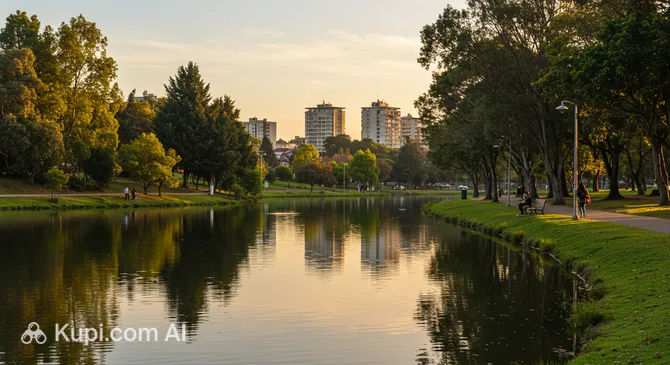
For a refreshing escape within the city limits, Laguna Redonda Park is a favorite among locals. This urban wetland is not only a picturesque spot for a picnic or a leisurely walk but also holds a place in local folklore, with legends describing it as an "eye of the sea" due to its unknown depth. Today, it serves as a vital habitat for various bird species, making it a peaceful retreat for nature lovers who want to observe local wildlife without leaving the metropolitan area.

Laguna Redonda Park. Source: Kupi.Binoculars

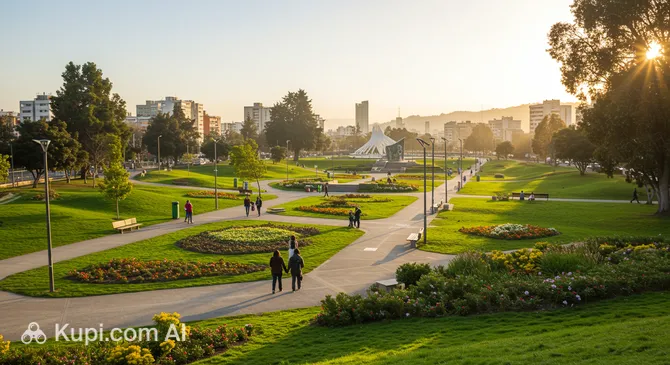
Another significant green space is the Bicentennial Park, located along the banks of the Biobío River. This modern, open area was developed to reconnect the city with its majestic river and serves as a major venue for public events, concerts, and festivals. Its vast esplanades offer unobstructed views of the water and the bridges connecting Concepción to San Pedro, making it an excellent location for kite flying, cycling, or simply watching the sunset over the river.

Bicentennial Park. Source: Kupi.Binoculars

In terms of culture and art, the Casa del Arte José Clemente Orozco, located on the university campus, is an essential stop. Known locally as "La Pinacoteca," it houses one of the most complete collections of Chilean painting in the country, featuring works from the colonial era to contemporary times. While it is famous for its entrance mural, the galleries inside offer a profound journey through Chile's artistic evolution, making it a must-visit for art enthusiasts.

Casa del Arte José Clemente Orozco. Source: Kupi.Binoculars

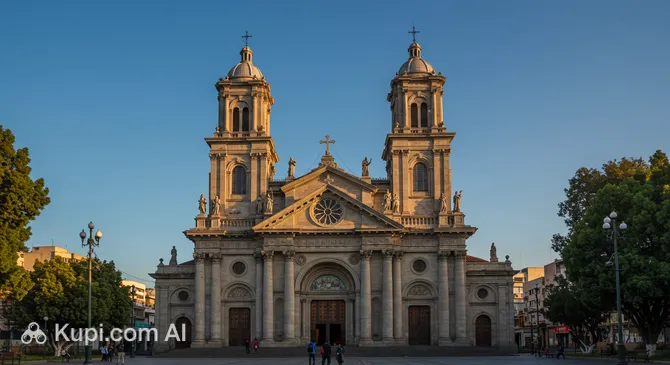
Architectural landmarks also play a key role in the city's cultural landscape. The Metropolitan Cathedral of the Holy Conception stands as a testament to the city's resilience. Unlike traditional colonial cathedrals, this structure features a distinct Romanesque and modern style, rebuilt after the devastating 1939 earthquake. Its austere yet imposing interior and the beautiful museum of sacred art housed within provide a quiet space for reflection amidst the city center's activity.

For those interested in historical religious sites, the San Agustin Church offers another glimpse into the city's past. As an insider tip, take a moment to explore the sculptures scattered throughout the university grounds near the Casa del Arte; it feels like an open-air museum where art and nature coexist perfectly.

Getting Around

Navigating the public transport system in Concepción is an authentic experience that blends modern infrastructure with traditional local methods. Unlike the capital's integrated network, the system here operates with distinct services, primarily relying on a vast network of buses, a suburban train line, and the uniquely Chilean shared taxis known as colectivos. Understanding how these different modes work will help you move efficiently between the city center, the university district, and the surrounding coastal towns.

The Biotrén is the most modern and comfortable way to travel, especially if you need to cross the Biobío River to reach San Pedro de la Paz or visit nearby areas like Talcahuano and Coronel. This suburban train system is clean, reliable, and offers scenic views as it crosses the railway bridges. To use it, you must purchase a rechargeable Tarjeta Biotrén card at any station. Fares are calculated based on the distance traveled, and you simply tap your card at the turnstiles when entering and exiting the station. It is particularly useful during rush hour, as it bypasses the heavy traffic on the bridges.

For getting around the city streets, the blue and gray buses, locally called micros, are the most common option. These buses cover almost every corner of the metropolitan area. A crucial detail for tourists is the payment method: unlike the Biotrén, most micros in Concepción do not use travel cards. You pay the driver directly in cash upon boarding. It is essential to carry coins or small bills (1,000 peso notes), as drivers often struggle to make change for larger denominations. The fare is generally displayed on the windshield, and you receive a small paper ticket in return.

A faster and slightly more personalized alternative to the bus is the colectivo. These are black sedan cars that function as shared taxis running fixed routes, which are displayed on a sign on the roof. They are more agile than buses and offer a seated ride for a slightly higher fixed price. Like the buses, payment is strictly in cash. You can hail them from the curb by waving your hand, and they will drop you off anywhere along their designated path. They are an excellent choice for intermediate distances where you want to save time.

For those who prefer door-to-door service, traditional taxis (painted black with yellow roofs) are available, but mobile apps have become increasingly popular. Services like Uber and Cabify operate widely throughout the city and are often preferred by tourists for their convenience, safety, and the ability to pay via credit card through the app, avoiding the need for cash transactions.

Travelers should be aware of operating hours. While the Biotrén follows a strict schedule, usually running until the evening, bus and colectivo frequencies drop significantly after 9:00 PM or 10:00 PM. If you are planning a late night out in the Plaza Perú area, it is advisable to rely on ride-sharing apps or radio taxis to return to your accommodation safely. Additionally, always hold on tight in the micros, as local drivers are known for their spirited driving style!

Accommodation

Finding the perfect place to stay in Concepción is relatively straightforward, as the city offers a wide range of accommodation options to suit various budgets and travel styles. Visitors can choose from modern business hotels with full amenities, charming mid-range options, and budget-friendly hostels or guesthouses. Recently, the availability of furnished apartments and vacation rentals has also increased, providing excellent choices for families or those planning a longer stay.

The most popular and convenient area for tourists is the city center, often referred to as El Centro. Staying here places you within walking distance of major shops, banks, and transport hubs, making it an ideal base for exploring the region. Many of the established hotels are clustered around the main plaza and the historic Metropolitan Cathedral of the Holy Conception. This central location ensures you are never far from the bustle of daily life and the city's primary historical landmarks.

Metropolitan Cathedral of the Holy Conception. Source: Kupi.Binoculars

For travelers seeking a more youthful or bohemian vibe, the neighborhoods surrounding the university district and Ecuador Park are excellent alternatives. These areas are slightly quieter during the day but come alive in the evenings, offering easy access to the trendy cafes and nightlife of Plaza Perú. Accommodation here tends to be smaller and more intimate, including boutique hotels and bed-and-breakfasts that cater to visitors looking for a more local experience.

In terms of pricing, Concepción is generally more affordable than Santiago. Budget travelers can find comfortable hostel beds or simple rooms at reasonable rates, while mid-range and luxury hotels offer competitive prices for the quality of service provided. It is highly recommended to book your accommodation in advance, especially if you plan to visit during the summer months (January and February) or during major business conferences, when the best spots tend to fill up quickly. Most properties are listed on major online booking platforms, making it easy to secure your reservation before arrival.

Nearby Cities

For those looking to explore the surroundings, Concepción serves as an excellent base for day trips to several interesting nearby locations. The Biobío Region is rich in history and coastal charm, offering travelers the chance to experience diverse landscapes just a short drive from the city center.

One of the most popular destinations is Talcahuano, a bustling port city located just minutes away. It is famous for hosting the historic Huáscar monitor, a 19th-century ship that now serves as a floating museum, allowing visitors to walk its decks and learn about naval history. The city's waterfront, known as "La Poza," is also a great spot to observe sea lions and enjoy fresh seafood at local markets.

Further south lies the town of Lota, a place deeply rooted in Chile's industrial heritage. It is renowned for the Chiflón del Diablo, one of the only coal mines in the world ventilated naturally where tourists can take a guided tour deep beneath the ocean floor. Above ground, the magnificent Parque Isidora Cousiño offers romantic English-style gardens and stunning views of the Gulf of Arauco, providing a stark but beautiful contrast to the mining history.

Another interesting stop is Penco, which holds significant historical value as the original site where Concepción was founded before being moved to its current location. Today, it is a relaxed coastal town known for its beaches and calm waters, making it a pleasant spot for a quiet afternoon by the sea.

City Population Distance (km)
Talcahuano 147,831 12
Coronel 116,262 25
Chiguayante 85,863 13
Penco 47,367 11
Lota 43,272 32

These nearby destinations offer a glimpse into the diverse culture and landscapes of the region, making them perfect additions to your itinerary.

Shopping & Souvenirs

Shopping:

As the commercial capital of southern Chile, Concepción offers a diverse and vibrant shopping scene that caters to all tastes and budgets. From modern, sprawling shopping centers to bustling traditional markets and pedestrian-friendly downtown streets, the city serves as a major retail hub for the entire Biobío Region. Whether you are looking for international fashion brands, local handicrafts, or everyday essentials, you will find plenty of options to explore.

The heart of the city's retail activity is located in the downtown area, specifically along the pedestrian promenade known as Paseo Barros Arana. This lively street stretches for several blocks and is lined with major department stores, boutiques, and shoe shops. A unique feature of shopping in Concepción is the presence of numerous "galerías" (commercial arcades) that crisscross the city center. These covered passageways are packed with smaller independent shops selling everything from electronics and music to jewelry and clothing, offering a more personalized shopping experience protected from the rain.

For a comprehensive one-stop shopping experience, visitors often head to El Trebol Mall. Located near the airport on the border with Talcahuano, this is one of the largest and most popular shopping centers in the region. It features a vast array of international and national brands, a large food court, a cinema, and entertainment zones. It is a convenient destination for families and those looking to find everything under one roof.

El Trebol Mall. Source: Kupi.Binoculars

If you prefer a more traditional and authentic atmosphere, the Vega Monumental is an unmissable stop. While famous for its fresh produce and food stalls, this massive market also offers a variety of other goods. Wandering through its aisles, you can find wicker baskets, household items, and affordable clothing. It is a chaotic but colorful slice of local life where commerce happens at a high volume and a fast pace.

When searching for souvenirs to take home, look for items that reflect the region's heritage. Mapuche silverware and textiles are particularly prized for their craftsmanship and cultural significance. You can also find beautiful lapis lazuli jewelry—a stone unique to Chile and Afghanistan—as well as carved wooden items and woolen ponchos typical of the south. Local artisan fairs often pop up in the Plaza de la Independencia or near Ecuador Park, offering handmade gifts directly from the creators.

Store opening hours in Concepción are generally consistent. Large shopping malls like El Trebol typically operate from 10:00 AM to 9:00 PM, seven days a week. Downtown street shops usually open around 10:00 AM and close between 7:00 PM and 8:00 PM on weekdays, with reduced hours on Saturdays; many smaller businesses in the center may close on Sundays. Payment is very convenient, as credit and debit cards (Redcompra) are widely accepted almost everywhere, including small kiosks. However, it is advisable to carry some cash (Chilean Pesos) if you plan to shop at markets like the Vega Monumental or buy from street vendors.

Nearby cities

Reached the end of the page?

That means the route is fully explored