Support

Temuco

About

Welcome to Temuco, a bustling and culturally rich city located in the heart of the Araucanía Region. As a major commercial and tourism hub in southern Chile, this city offers a fascinating blend of indigenous Mapuche heritage, European influence, and modern urban life. With a population of approximately 282,000 residents, it serves as an essential gateway for travelers heading to the majestic lakes, volcanoes, and national parks that define this part of the country.

The city is renowned for its lush green surroundings and a climate that transitions between Mediterranean and oceanic influences, often bringing refreshing rains that keep the landscape vibrant. While exploring the streets, visitors can sense the deep cultural roots that define the area. To truly appreciate how this unique identity was formed, it is worth delving into the history of Temuco, which tells the story of its founding in the late 19th century and its evolution into a melting pot of traditions.
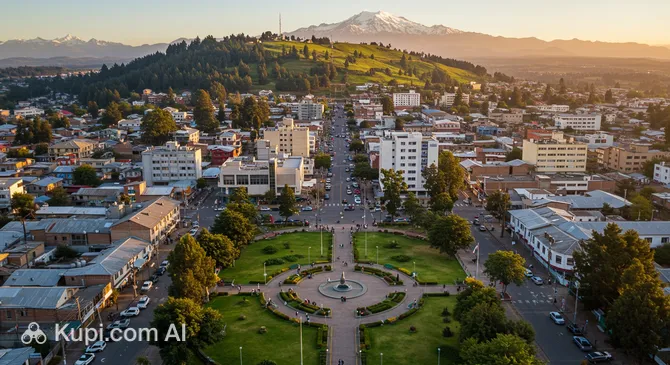
Temuco. Source: Kupi.Binoculars

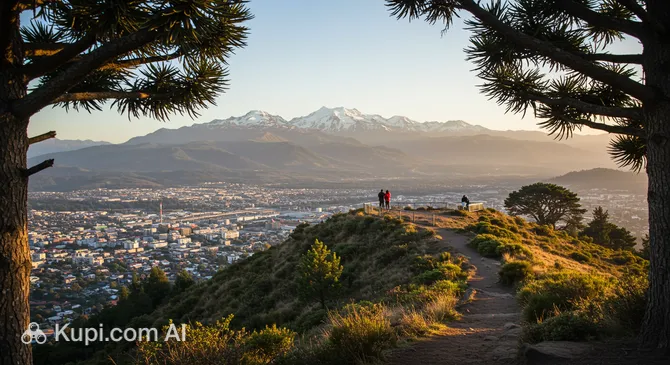
Travelers will find plenty to see and do within the city limits. One of the standout attractions is the Cerro Ñielol Natural Monument, a protected hill that offers panoramic views of the city and is home to the copihue, Chile's national flower. Another must-visit is the Pablo Neruda National Railway Museum, which houses an impressive collection of historic steam locomotives that highlight the importance of rail transport in the region's development. For those interested in local crafts, the city's markets provide an excellent opportunity to purchase traditional Mapuche textiles and silverware.

Whether you are passing through on your way to the Andes or planning a dedicated stay, Temuco invites you to experience its warm hospitality and dynamic atmosphere. It is a destination that perfectly bridges the gap between the wild beauty of the south and the comforts of a modern city, making it a memorable stop on any Chilean itinerary.
Weather Overview

Travelers planning a trip to the Araucanía Region will find that the climate varies significantly depending on the season. To help you pack appropriately, it is useful to review the typical weather in Temuco, which generally features warm, dry summers and cool, damp winters. This distinct seasonal shift allows for a variety of outdoor activities year-round, from sunny park visits to cozy cultural explorations.

Summer, spanning from December to February, is the ideal time for those who prefer warmer conditions. February is typically the warmest month, with average maximum temperatures reaching 25.2°C and minimal precipitation. Conversely, the winter months of June through August are characterized by cooler air and frequent cloud cover. During this period, July often sees the lowest temperatures, dropping to an average minimum of 3.3°C, while June is notably damp with up to 18 wet days recorded.

Interesting Facts

Beyond the main attractions, Temuco holds many fascinating secrets that offer a deeper glimpse into its rich cultural tapestry and history. From literary legends to unique natural features, these details reveal the true character of this southern metropolis.

Cerro Ñielol. Source: Kupi.Binoculars
  • The city is deeply connected to the life of Nobel laureate Pablo Neruda, who spent his childhood and adolescence here. His father worked on the trains, and the steam locomotives that inspired some of his early poetry can still be seen at the Pablo Neruda National Railway Museum.

  • Unlike most protected areas that are far from urban centers, Cerro Ñielol is a Natural Monument located right within the city limits. It is home to the historic "La Patagua" tree, which marks the site of a significant parliament held in 1881 between the Mapuche people and Chilean authorities.

  • The name "Temuco" is derived from the Mapudungun language, meaning "Water of Temu." The Temu is a native medicinal tree that is abundant in the region, highlighting the area's strong indigenous roots and connection to nature.

  • The Germán Becker Municipal Park stands as a symbol of the city's multicultural history. The land was donated by a family of German descent, reflecting the wave of European immigration that shaped the local architecture and society in the late 19th and early 20th centuries.

How to Get There

Reaching this southern destination is relatively straightforward, thanks to its excellent connectivity with the rest of the country. Travelers looking for specific details on routes and schedules can find all ways to reach the city in our detailed guide. The most convenient option for most visitors is flying, as the region is served by a local airport and several nearby alternatives.

The primary gateway is Temuco Airport (IATA: ZCO), also known as La Araucanía Airport. Located approximately 21 km from the city center, it is the most direct entry point for travelers. A trip from the airport to downtown Temuco typically takes around 50 minutes by taxi or transfer service. As a regional hub, it offers frequent connections to Santiago, making it a time-efficient choice.

If direct flights are unavailable, travelers might consider flying into Pichoy Airport (IATA: ZAL) in the city of Valdivia, which is about 110 km away. The journey by road from Valdivia to Temuco takes roughly 3 hours. Another option is the larger Carriel Sur Airport (IATA: CCP) in Concepción, situated 222 km north of Temuco. While further away, with a travel time of nearly 6 hours by ground transport, this international airport handles high passenger traffic and may offer more flight availability.

For clarity, here is a summary of the main airports:

Airport Name City Passenger Traffic Km from City
Carriel Sur Airport Concepción Large 222.1
Temuco Airport Temuco Medium 21.4
Pichoy Airport Valdivia Medium 109.9
Chapelco Airport San Martín de los Andes Medium 194.1
Canal Bajo Airport Osorno Medium 211.8

In addition to air travel, Temuco is well-connected by land. The city sits directly on the Pan-American Highway (Route 5), making it easily accessible by long-distance buses from Santiago and other major cities. These buses are a popular and comfortable alternative, often featuring sleeper seats for overnight journeys.

Main Attractions

Exploring this vibrant southern hub reveals a variety of sites that cater to history buffs, nature lovers, and those seeking modern entertainment. While the city is often celebrated for its railway heritage and the famous Ñielol Hill, there are several other key locations that provide a deeper understanding of the local culture and offer enjoyable experiences for visitors.

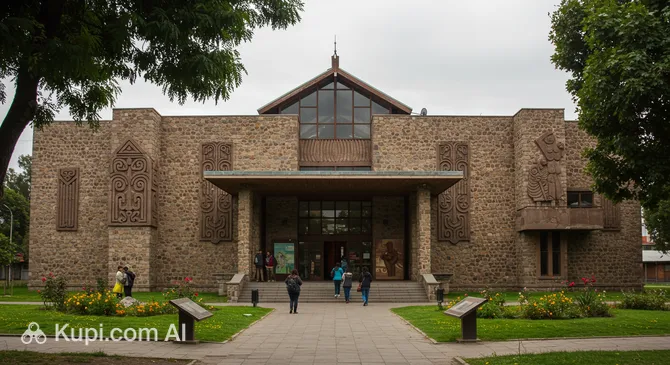
One of the most significant cultural stops is the Regional Museum of La Araucanía. Housed in the historic Thiers House, a National Monument itself, this institution is essential for understanding the complex history of the region. Inside, visitors will find an extensive collection of Mapuche artifacts, including textiles, jewelry, and ceramics, alongside exhibits detailing the era of European colonization. It is a fascinating place to learn about the ancestral heritage that shapes the city's identity today.

Regional Museum of La Araucanía. Source: Kupi.Binoculars

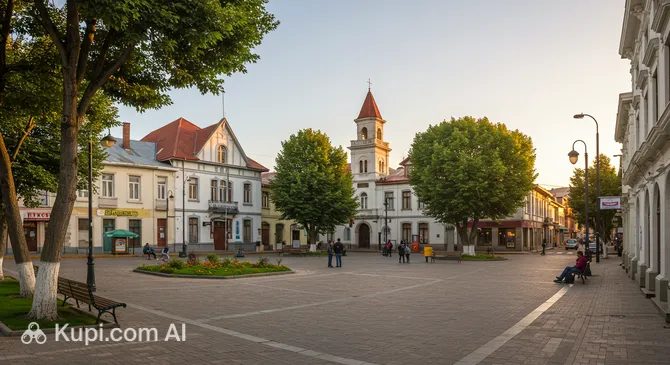
For a taste of urban life, a walk through Aníbal Pinto Square is a must. Located in the heart of the city, this plaza is more than just a meeting point; it is home to the impressive "Monument to the Araucanía." This bronze sculpture depicts a Machi (Mapuche healer), a Toqui (warrior), a Spanish soldier, and a settler, symbolizing the fusion of cultures in the area. The square is lively and beautifully landscaped, making it a perfect spot to observe the daily rhythm of the locals.

Aníbal Pinto Square. Source: Kupi.Binoculars

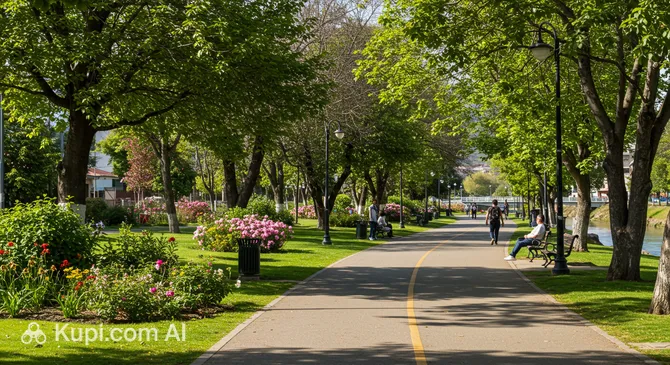
Nature enthusiasts looking for a relaxing escape within the city limits should head to the Cautín Island Urban Park. This expansive green space located along the banks of the Cautín River has been revitalized to offer recreational areas for families and sports lovers. With its walking trails, wide open lawns, and views of the river, it provides a refreshing contrast to the busy downtown streets and is a testament to the city's commitment to public spaces.

Cautín Island Urban Park. Source: Kupi.Binoculars

When the sun goes down, the Temuco Casino becomes a primary destination for entertainment. Situated near the entrance to the city, this modern complex offers a variety of gaming options, but it is also known for its vibrant nightlife, live shows, and fine dining restaurants. It serves as a sophisticated venue for travelers wishing to unwind and enjoy a fun evening out after a day of sightseeing.

Local Cuisine

The culinary landscape of Temuco is a flavorful reflection of its cultural heritage, blending indigenous Mapuche traditions with the hearty recipes brought by European settlers. Visitors will find that the local gastronomy relies heavily on fresh ingredients sourced from the fertile lands of the Araucanía Region, resulting in dishes that are both rustic and comforting. The fusion of flavors creates a unique dining experience that is distinct from the rest of the country.

A standout ingredient unique to this area is the piñon, the seed of the sacred Araucaria tree. These large pine nuts are a staple in Mapuche cuisine and can be found boiled, roasted, or ground into flour to make breads and pastries. Another essential flavor is merkén, a smoky spice blend made from dried chili peppers and coriander seeds. This seasoning is ubiquitous in Temuco, adding a distinctive, earthy kick to meats, stews, and even mashed potatoes.

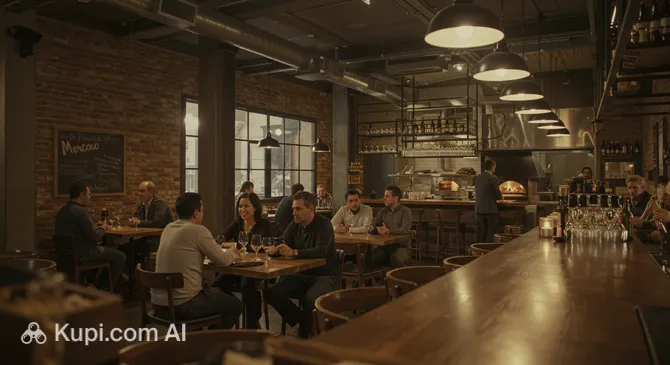
The food culture here revolves around warmth and hospitality, with many traditional eateries offering generous portions of roasted lamb and pork, often cooked slowly over wood fires. For a taste of the city's vibrant dining scene, Mercato is a popular destination. It offers a lively atmosphere where visitors can enjoy a delicious meal, representing the modern side of Temuco's gastronomy while maintaining a focus on quality and flavor.

Mercato. Source: Kupi.Binoculars

When it comes to beverages, the region is gaining a strong reputation for its production of alcohol, particularly beer. Thanks to the German influence and the purity of the local water, craft breweries have flourished in the south. Travelers looking to sample these local brews should visit Caravan Resto Beer. It is an excellent spot to unwind and try a variety of artisanal beers, which are quickly becoming as iconic to the area as its wine and Pisco Sours.

Travel Tips

Preparing for a trip to Temuco involves understanding its unique southern rhythm and changeable weather. These practical tips will help you navigate the city with ease and make the most of your stay in the vibrant Araucanía Region.

  1. Clothing and Gear: The weather in southern Chile can be unpredictable, often experiencing four seasons in a single day. It is essential to dress in layers and bring a reliable waterproof jacket or windbreaker, as rain is common throughout the year. Comfortable, sturdy shoes are a must for exploring the city streets and hiking the trails of Cerro Ñielol.

  2. Transportation: Getting around is easy with micros (local buses) and colectivos, which are shared taxis that run fixed routes and are widely used by locals. Ride-hailing apps are also available and convenient. However, if you plan to visit the surrounding volcanoes, lakes, or national parks, renting a car provides the best flexibility.

  3. Finances: The official currency is the Chilean Peso (CLP). While credit and debit cards are widely accepted in hotels, malls, and established restaurants, you will need cash for small kiosks, public transport, and the traditional markets. In restaurants, a tip of roughly 10% is customary and is often suggested on the bill as "propina."

  4. Health and Safety: Temuco has a robust network of pharmacies; look for those marked "de turno" if you need 24-hour service. The city is generally safe for tourists, but standard urban precautions apply: keep your belongings secure in crowded places like the Feria Pinto and avoid walking alone in unlit areas on the outskirts at night.

  5. Communication: Spanish is the dominant language, and English is not widely spoken outside of high-end hotels or tour agencies. Downloading an offline translation app and learning basic greetings will go a long way. You can easily purchase a prepaid SIM card from major providers like Entel, Movistar, or WOM at local shops to stay connected.

  6. Local Etiquette: Chileans are generally warm and polite; greetings often involve a handshake or a kiss on the right cheek among acquaintances. When interacting with the local Mapuche community or visiting cultural sites, show high respect for their traditions. Always ask for permission before taking photographs of people, especially those in traditional attire.

  7. What to Avoid: Avoid underestimating the travel times to nearby attractions; while they look close on a map, winding rural roads can take longer than expected. Also, refrain from drinking alcohol in public streets or parks, as it is prohibited by law and can lead to fines.

  8. Shopping Tip: For a truly local experience, visit the Feria Pinto early in the day. It is the best place to buy fresh produce and unique souvenirs like merkén (smoked chili spice) or silver jewelry, but be sure to carry small bills and coins to make transactions smoother.

With these tips in mind, you are well-equipped to enjoy the rich history and beautiful landscapes of Temuco. A little preparation ensures that your adventure through this fascinating gateway to the south will be as smooth and memorable as possible.

Entertainment & Nightlife

As the sun sets over the Araucanía Region, Temuco transforms into a lively hub of activity, driven largely by its energetic university population and local professionals. The city offers a nightlife scene that balances relaxed, bohemian vibes with energetic dance floors. The epicenter of this activity is undoubtedly Avenida Alemania, a major thoroughfare lined with an array of pubs, restobars, and entertainment venues that cater to diverse tastes and budgets.

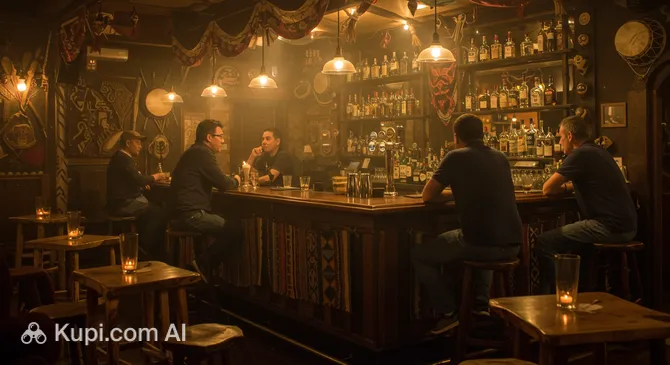
For those looking to start the evening with a casual drink and good conversation, the area offers numerous bars with a distinct personality. A popular spot among locals is La Cantina del Diablo. Known for its eclectic decor and vibrant atmosphere, it is an excellent place to enjoy a pisco sour or a local craft beer while soaking in the music. The dress code in these establishments is generally casual, making it easy for travelers to blend in with the friendly crowd.

La Cantina del Diablo. Source: Kupi.Binoculars

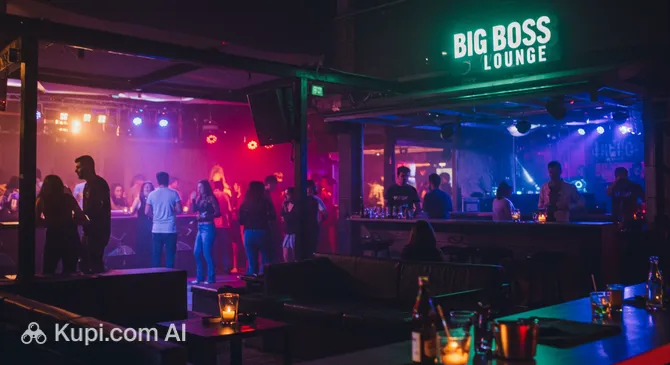
If you prefer a night of dancing, the city has several clubs that stay open late into the night, typically picking up steam after midnight. Big Boss Lounge is one of the standout venues for those who want to enjoy live DJ sets and a high-energy environment. For a more sophisticated evening, the area around the casino offers upscale dining and entertainment options, often hosting live concerts and shows that attract a slightly more mature crowd.

Big Boss Lounge. Source: Kupi.Binoculars

Beyond the nightlife, Temuco provides various daytime entertainment options to fill your schedule. Shopaholics will appreciate Portal Temuco, a large shopping mall that features major retail brands, a cinema, and a food court, serving as a convenient spot for leisure on rainy days. Additionally, the city's theaters and cultural centers frequently host plays and exhibitions, offering a glimpse into the local artistic scene.

When enjoying a night out, it is important to keep safety and logistics in mind. The nightlife districts along Avenida Alemania are generally safe and well-lit, but it is advisable to avoid walking alone on quiet side streets late at night. The most reliable way to get around is by using radio taxis or ride-hailing apps like Uber, which are widely available. Prices are moderate compared to the capital, and weekends—specifically Thursday through Saturday—are the best times to experience the city's full energy.

Parks & Museums

Parks & Museums:

Temuco is a city where urban development harmoniously coexists with preserved natural areas and historical institutions. For visitors, this means easy access to green sanctuaries and cultural centers that provide insight into the region's identity. Whether you are interested in the industrial past or simply want to enjoy a quiet afternoon outdoors, the city’s parks and museums offer rewarding experiences.

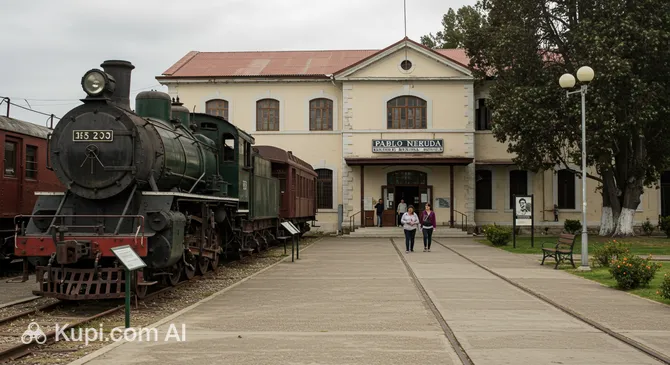
A highlight for history enthusiasts is the Pablo Neruda National Railway Museum. Located at the former roundhouse, this site preserves a significant collection of steam locomotives and carriages that were crucial to the colonization and development of southern Chile. It is named after the famous poet, who had a lifelong fascination with trains, and serves as a nostalgic journey into the golden age of rail transport.

Pablo Neruda National Railway Museum. Source: Kupi.Binoculars

Another key cultural institution is the Regional Museum of La Araucanía. While it is a primary attraction for learning about Mapuche heritage and European settlement, its setting in a heritage house surrounded by gardens adds to its appeal. The museum carefully curates exhibits that span centuries, offering a comprehensive look at the social and archaeological history of the area.

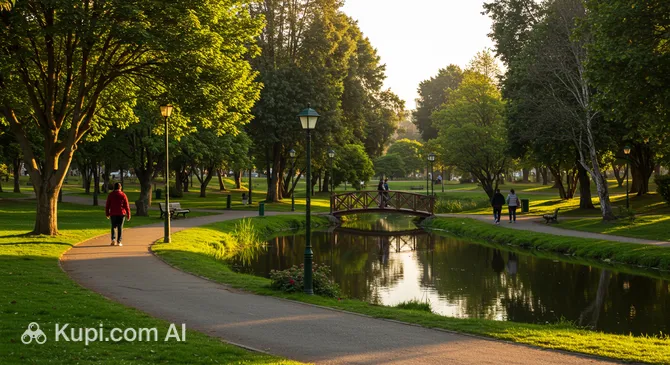
For those seeking outdoor recreation, the Germán Becker Municipal Park is one of the city's most beloved public spaces. This expansive park is not only home to a major stadium but also features beautifully landscaped gardens, play areas for children, and sports facilities. It is a favorite spot for locals to jog, picnic, or attend community events, reflecting the active lifestyle of the residents.

Germán Becker Municipal Park. Source: Kupi.Binoculars

Nature is deeply integrated into the city's layout, most notably at Cerro Ñielol. This natural monument offers a dense forest environment just minutes from the downtown core, perfect for hiking and observing native flora. Additionally, the Cautín Island Urban Park provides a riverside escape with modern amenities, creating a green corridor that connects the city with the Cautín River.

Getting Around

Navigating Temuco is a straightforward and authentic experience, as the city relies primarily on a network of road-based public transport rather than a subway or tram system. For visitors, the two most common ways to get around are the urban buses, locally known as micros, and the shared taxis called colectivos. Together, these services cover the entire metropolitan area and offer an affordable way to reach major attractions, shopping centers, and residential neighborhoods.

The micros are the backbone of the city's transport. These buses are easily recognizable by their specific color schemes and line numbers displayed on the front windshield. They operate on fixed routes and are generally the most economical option for travel. While they might not be as fast as private cars, they provide a great window into local daily life. Stops are marked, but it is common practice to signal the driver with a hand wave to board and to press a button or pull a cord to request a stop.

A faster and slightly more comfortable alternative is the colectivo. These are black sedans that function as shared taxis, running on fixed routes similar to buses. You can identify them by the illuminated sign on their roof, which indicates the line number and key destinations. Colectivos carry up to four passengers and can drop you off anywhere along their designated path. They are particularly useful for getting across town quickly without the higher cost of a private taxi.

Regarding payment, the system in this city is traditional and cash-based, which differs from the integrated card systems found in the capital. Whether you are taking a micro or a colectivo, you pay the driver directly upon boarding. It is highly recommended to carry small change or low-denomination bills/coins, as drivers may not have change for large banknotes. Fares are fixed and relatively low, making it easy to budget for daily travel.

For those looking to explore the outskirts or nearby towns, the Tren Araucanía (formerly known as the Victoria-Temuco train) offers a reliable regional rail service. This diesel train connects the city with the town of Victoria to the north, stopping at several localities along the way. It is a modern service with air conditioning and comfortable seating. Tickets for the train can be purchased directly at the railway station, and it serves as both a commuter link and a scenic way to see the rolling landscapes of the region.

If you prefer more direct or private transport, standard taxis and ride-sharing apps are widely available. Radio taxis are safe and can be called by phone or found at designated ranks, while popular mobile apps allow you to book rides with upfront pricing. This is often the best choice for travel late at night, as regular public transport frequencies drop significantly after 9:00 PM or 10:00 PM.

To ensure a smooth journey, keep in mind that public transport here does not run 24 hours a day. Micros and colectivos start early in the morning, around 6:00 AM or 7:00 AM, but services become scarce in the late evening. Always check the destination sign on the dashboard before boarding to ensure the vehicle is heading in your direction, and don't hesitate to ask the driver if they pass by your specific landmark.

Accommodation

Finding the right place to stay in Temuco is relatively easy, as the city serves as a major commercial and tourism hub for the south of Chile. The accommodation landscape is diverse, catering to business travelers, backpackers, and families alike. Visitors can expect a wide range of options, from budget-friendly hostels and cozy guesthouses (often called residenciales) to modern mid-range hotels and upscale lodgings. For those seeking more independence, apartment rentals and cabins are also available, particularly on the outskirts of the city.

When choosing a location, most tourists gravitate towards two main areas. The City Center (Centro) is the historical and commercial heart of Temuco. Staying here places you within walking distance of the main plaza, museums, and the bustling markets. It is a convenient choice for those relying on public transport. Alternatively, the Avenida Alemania district offers a more modern vibe. This area is known for its shopping malls, vibrant nightlife, and higher-end hotels. It is often preferred by travelers looking for proximity to the Temuco Casino, diverse dining options, and a lively evening atmosphere.

Regarding costs and planning, prices in Temuco are generally moderate compared to the capital, Santiago. However, rates can fluctuate based on the season. The summer months (December to February) and winter holidays constitute the peak travel periods, so it is highly recommended to book in advance to secure the best rates and availability. Most established hotels and hostels can be booked via major online platforms, while smaller family-run guesthouses may prefer direct contact or payment in cash.

Nearby Cities

For those looking to explore the surroundings, Temuco serves as an excellent base for day trips to several interesting nearby locations:

One of the most popular destinations is Villarrica, located approximately 68 kilometers southeast of the city. Sitting on the shores of the lake with the same name and watched over by the majestic Villarrica Volcano, it is a hub for nature lovers and outdoor enthusiasts. Visitors can enjoy lakeside beaches, craft markets, and stunning views of the Andean landscape.

Closer to the regional capital, Nueva Imperial offers a rich cultural experience. Known as the "Watercolor City" due to its unique hillside architecture and sculptures, it is deeply connected to the Mapuche heritage. A visit here provides a quieter, more authentic look at the region's traditions and history.

Another interesting stop is Lautaro, situated just a short drive north. This city features historical buildings and a prominent Cultural Center, making it a worthwhile visit for those interested in the area's development and local arts.

City Population Distance (km)
Padre Las Casas 72892 3
Villarrica 55478 68
Victoria 34890 60
Lautaro 34268 26
Nueva Imperial 31632 31

These nearby destinations offer a glimpse into the diverse culture and landscapes of the region.

Shopping & Souvenirs

Shopping in Temuco offers a vibrant mix of modern retail experiences and deep-rooted cultural traditions. As the commercial capital of the Araucanía Region, the city caters to all needs, ranging from high-end fashion and technology to authentic indigenous craftsmanship. Visitors will find that the shopping scene here is not just about purchasing goods but also about discovering the local identity, particularly through the unique products offered by the Mapuche communities.

For those who prefer a contemporary shopping environment, the area along Avenida Alemania serves as the city's modern commercial axis. This avenue is lined with boutiques, banks, and restaurants, providing a sophisticated atmosphere for a leisurely stroll. In contrast, the bustling Downtown (El Centro), particularly around streets like Arturo Prat and Manuel Montt, offers a more traditional energy. Here, travelers can find department stores, shoe shops, and smaller local businesses packed closely together, reflecting the daily rhythm of the city's residents.

The city is home to several large commercial centers that provide convenience and variety. The most prominent is Portal Temuco, located on Avenida Alemania. This massive complex houses major department stores, a supermarket, a cinema, and a wide food court, making it a one-stop destination for many. For bargain hunters, Patio Outlet Temuco offers a range of brand-name clothing and accessories at discounted prices, located slightly further from the center but easily accessible.

Portal Temuco. Source: Kupi.Binoculars
Patio Outlet Temuco. Source: Kupi.Binoculars

No shopping trip to Temuco is complete without visiting its famous markets, which are the heart of the local culture. The Feria Pinto is the most iconic market in the city and a designated Cultural Heritage site. Situated opposite the railway station, it spans several blocks and is a sensory explosion of colors and smells. Here, tourists can browse through rows of fresh produce, spices, and artisan goods. It is the best place to interact with local vendors and see the rich agricultural bounty of the south.

When looking for souvenirs, the region offers distinct items that are hard to find elsewhere. Mapuche silverware (such as the trapelacucha) and hand-woven textiles like ponchos and blankets are highly prized for their quality and cultural significance. Another essential buy is merkén, a traditional smoked chili spice blend that makes for a lightweight and flavorful gift. Wooden handicrafts carved from native timber are also popular choices available in the artisan stalls within the Feria Pinto and specialized shops downtown.

Regarding practicalities, large shopping malls typically operate from 10:00 AM to 9:00 PM daily. Smaller shops in the city center usually open around 10:00 AM and close by 8:00 PM, with many smaller businesses closing on Sundays. While credit and debit cards are widely accepted in malls and established stores, cash is essential for shopping at the markets or buying from street vendors.

Reached the end of the page?

That means the route is fully explored