Support

Osorno

About

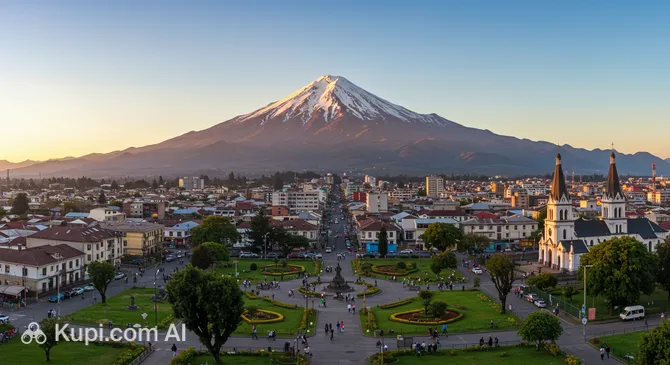
Osorno. Source: Kupi.Binoculars

Nestled in the lush landscapes of the Los Lagos Region, Osorno serves as a vital commercial and agricultural hub in southern Chile. This charming city acts as a gateway to the breathtaking Chilean Lake District, offering visitors a perfect blend of urban convenience and proximity to some of the country's most spectacular natural wonders. With a population of approximately 147,000, it maintains a welcoming atmosphere that invites travelers to explore its streets and scenic surroundings.

The city is geographically defined by the confluence of the Rahue and Damas rivers, providing a picturesque backdrop to its daily life. The climate is temperate and often rainy, which contributes to the vibrant green pastures and rich dairy farming heritage of the area. While walking through the city center, visitors can delve into the fascinating history of Osorno, which is deeply influenced by 19th-century German colonization. This heritage is distinctly visible in the local architecture, cuisine, and preserved wooden houses that give the city its unique character.

Travelers should not miss the striking Cathedral of Saint Matthew, renowned for its distinct modern architecture and impressive stained glass. For a glimpse into the colonial past, the Fort Reina Luisa offers historical insights and lovely views of the Rahue River. Additionally, Osorno is the perfect base camp for outdoor enthusiasts heading to the nearby Puyehue National Park or the iconic Osorno Volcano for skiing and trekking adventures. Whether you are passing through on your way to Patagonia or staying to enjoy the local culture, Osorno offers a memorable experience for every visitor.

Weather Overview

Osorno features a temperate climate with distinct seasonal changes, offering travelers a mix of sunny days and atmospheric rainfall typical of southern Chile. The weather in Osorno is generally mild, but visitors should be prepared for varying conditions depending on the time of year.

Summer, spanning from December to February, is the warmest and driest period. January and February see average maximum temperatures climbing to 22.8°C, with minimums around 10°C. Rainfall is scarce during this time, with only about 4 to 6 wet days per month, making it an excellent season for exploring the city and surrounding nature.

Conversely, the winter months of June through August are cooler and significantly wetter. Temperatures typically range from lows of 3.4°C to highs of 10.6°C. This season is characterized by frequent precipitation, with June experiencing up to 20 wet days. Overall, you can expect pleasant, warm summers perfect for sightseeing, contrasted by cool, rainy winters that require warm layers and rain gear.

Interesting Facts

Beyond its scenic beauty and colonial heritage, Osorno holds several fascinating stories that add depth to its character. Here are a few unique aspects of the city that often surprise visitors:

Pleistocene Park Chuyaca. Source: Kupi.Binoculars
  • The city is an unexpected treasure trove for paleontology enthusiasts; local excavations revealed fossils of Gomphotheres, ancient relatives of elephants that roamed the area over 12,000 years ago, a discovery celebrated with life-sized replicas in Pleistocene Park Chuyaca.

  • Osorno has a dramatic history of resilience, having once completely disappeared from the map; after being destroyed during indigenous uprisings in 1600, the city lay in ruins and remained abandoned for nearly two centuries before it was finally refounded.

  • Known affectionately as the "Capital of Milk and Meat," the city's identity is deeply rooted in its cattle industry, a status proudly symbolized by the iconic bronze bull statue standing in the Osorno Main Square.

How to Get There

Reaching this southern destination is straightforward, with options ranging from direct flights to scenic drives along the Pan-American Highway. For a comprehensive overview of all transport modes, routes, and tips, you can read more about how to get to Osorno on our detailed page.

The most convenient entry point for air travelers is the local Canal Bajo Airport (IATA: ZOS), situated just 6 km from the city center. While small, it handles regular domestic flights, primarily connecting with Santiago. A taxi or transfer from the terminal to downtown Osorno is very quick, typically taking about 15 to 20 minutes. You can find more specific information on the Canal Bajo Airport page.

Travelers seeking more flight frequencies or international connections often choose to fly into El Tepual Airport (IATA: PMC) in the neighboring city of Puerto Montt. Located approximately 96 km south of Osorno, this is a major regional hub with significantly higher passenger traffic. From El Tepual Airport, you can reach Osorno by renting a car or taking a bus, a journey that generally takes around 1.5 to 2 hours via Route 5.

For clarity, here is a summary of the main airports serving the region:

Airport Name City Passenger Traffic Km from City
San Carlos de Bariloche International Airport Bariloche Large 176.9
El Tepual Airport Puerto Montt Large 95.8
Pichoy Airport Valdivia Medium 102.9
Chapelco Airport San Martín de los Andes Medium 177.0
Canal Bajo Airport Osorno Medium 6.0

Currently, there are no direct passenger train services operating to Osorno, as the main railway network in Chile focuses on the central regions. However, the city is excellently connected by road. Located directly on the Pan-American Highway (Route 5), Osorno is a major stop for long-distance buses traveling from Santiago, Puerto Montt, and other major Chilean cities. The bus terminal is centrally located, making it an efficient and popular way to arrive.

Main Attractions

Osorno offers a delightful array of attractions that blend its rich historical heritage with vibrant modern life and lush green spaces. From colonial fortifications to lively entertainment centers, the city provides diverse experiences for travelers looking to understand the local culture and enjoy their stay in the Los Lagos Region.

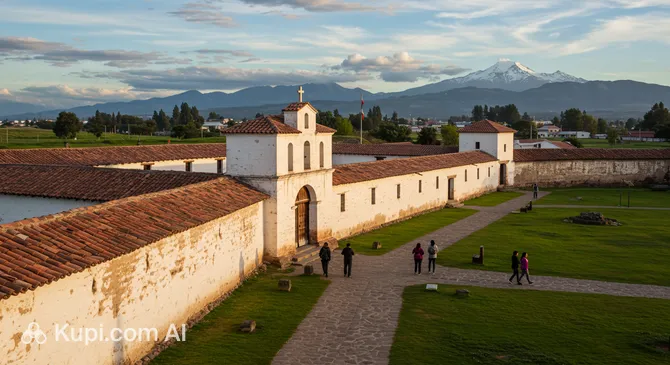
One of the most significant historical sites in the city is Fort Queen Louise. Located on the banks of the Rahue River, this reconstruction of an 18th-century Spanish fortress stands as a testament to the area's colonial past. Visitors can explore the stone walls and exhibition room, which displays artifacts and models retelling the history of the site. It is also an excellent spot for photography, offering panoramic views of the river and the city bridges.

Fort Queen Louise. Source: Kupi.Binoculars

The heart of civic life is undoubtedly the Osorno Main Square, also known as the Plaza de Armas. This beautifully landscaped public space features a large, modern mirror-like fountain that is illuminated at night, creating a magical atmosphere. It is surrounded by important landmarks and features the famous bronze bull sculpture, symbolizing the city's motto as the "Capital of Milk and Meat." It is the perfect place to sit, relax, and observe the daily rhythm of the locals.

For those seeking tranquility and a connection with nature within the city limits, Cuarto Centenario Park is a must-visit destination. This expansive green lung is ideal for family walks, jogging, or simply enjoying a picnic under the shade of ancient native trees. The park is well-maintained and provides a refreshing escape from the urban hustle, showcasing the lush vegetation typical of southern Chile.

Travelers looking for evening entertainment and excitement should head to the Osorno Casino. Part of the Plaza Sol de los Lagos complex, this venue offers a wide variety of gaming machines and tables, as well as a bar and live shows. It serves as a major hub for nightlife in the city, often hosting events and concerts that attract visitors from the entire region.

Local Cuisine

As the undisputed "Capital of Milk and Meat," Osorno offers a culinary experience deeply rooted in its agricultural strength and high-quality local produce. The city's gastronomy is a robust blend of southern Chilean traditions and significant German influence, resulting in hearty dishes designed to comfort visitors against the cool southern climate. Carnivores will find themselves in paradise here, as the local beef is renowned across the country for its tenderness and flavor.

The star of the local table is undoubtedly the parrillada, a sizzling platter of grilled meats that often includes steak, sausages, and offal, meant to be shared among family and friends. Another signature dish reflecting the city's heritage is crudos, a German-style steak tartare served on fresh bread with lemon, onions, and a specialized sauce. For those with a sweet tooth, the afternoon tradition of "once" (tea time) is elevated by the presence of Kuchen, a fruit-topped cake or tart—often made with local berries or apples—that serves as a delicious testament to the German settlers who arrived in the 19th century.

El Galpón. Source: Kupi.Binoculars

The food culture in Osorno revolves around warm, rustic venues known as "picadas" and traditional steakhouses. Locals often frequent places that serve generous portions in a cozy, wood-paneled atmosphere. A prime example of this traditional dining style is El Galpón, a well-known restaurant where visitors can sample authentic grilled meats and classic Chilean cuisine. For a more informal and bustling experience, the Feria Libre de Rahue offers a vibrant market setting where you can try fresh seafood soups and hearty casseroles prepared with ingredients straight from the nearby coast and farms.

To accompany these rich meals, the region offers distinct beverage choices. The area surrounding Osorno has a growing reputation for craft beer (cerveza artesanal), with many local microbreweries producing excellent lagers and ales that pair perfectly with the heavy meat dishes. Additionally, chicha de manzana, a fermented apple cider typical of southern Chile, is a popular traditional drink, particularly during festivities, offering a sweet and rustic taste of the countryside.

Travel Tips

Preparing for a trip to Osorno involves understanding the unique rhythm of southern Chile and its distinct climate. These practical tips will help you navigate the city with ease and enjoy your stay like a knowledgeable traveler.

  1. Clothing and Gear: Due to the city's location in the Los Lagos Region, the weather can be unpredictable. Even during the summer months, it is wise to carry a lightweight waterproof jacket and dress in layers to adapt to changing temperatures. Comfortable walking shoes are essential for exploring the city center, and you should bring a power adapter for Type C or L plugs if your devices require them.
  2. Transportation: The city has an efficient network of local buses (micros) and colectivos—black sedans acting as shared taxis with fixed routes—which are a fast and economical way to get around. While downtown is walkable, renting a car is highly recommended if you plan to explore the surrounding attractions, such as the Osorno Volcano or the coastal areas, at your own pace.
  3. Finances: The official currency is the Chilean Peso (CLP). Major credit and debit cards are widely accepted in hotels, malls, and restaurants, but carrying cash is necessary for paying for public transport, street food, and purchases at the traditional Feria Rahue. In restaurants, it is customary to leave a tip (propina) of about 10% of the total bill.
  4. Health and Safety: Osorno is considered a safe destination, but it is always prudent to keep an eye on your belongings in crowded markets and avoid unlit areas late at night. Pharmacies are common in the city center, and there is always at least one open 24/7 (marked as de turno) to handle any minor medical needs or emergencies.
  5. Communication: Spanish is the primary language, and English is not widely spoken outside of high-end hotels and tour agencies. Learning a few basic phrases or having a translation app on your phone will be very helpful. You can easily buy a prepaid SIM card from local carriers like Entel, Movistar, or WOM in the downtown area to ensure you have mobile data.
  6. Local Etiquette: Locals are generally polite and reserved but friendly. A handshake is the standard greeting, though a kiss on the right cheek is common in social situations. It is polite to greet shopkeepers with a "Buenos días" or "Buenas tardes" upon entering. When dining, waiting until everyone is served before eating is a sign of good manners.
  7. What to Avoid: Avoid relying solely on credit cards if you venture into rural areas surrounding the city, as connectivity can be spotty. Additionally, try not to be loud or disruptive in public spaces; the culture in southern Chile tends to be more relaxed and respectful of personal space compared to the busier capital.
  8. Local Insight: If you want to experience the city like a local, head to the Feria Libre de Rahue for lunch. It is a fantastic place to try authentic dishes at a fraction of the restaurant prices, but be sure to go around midday as many stalls may close or run out of specials by the late afternoon.

By keeping these simple tips in mind, you will be well-equipped to embrace the charm and hospitality of Osorno without any unexpected hassles. Whether you are passing through or staying to explore, a little preparation ensures your adventure in this green corner of the world is smooth and memorable.

Entertainment & Nightlife

Osorno provides a lively mix of urban entertainment and leisure activities that cater to both locals and visitors. Whether you are looking for a day of shopping, a night out on the town, or a place to enjoy cultural events, the city has several spots to keep you engaged beyond its natural attractions.

For shopping enthusiasts, the city serves as a major commercial hub for the province. The Portal Osorno Mall is the largest shopping center in the area, offering a wide range of national and international brands, a food court, and a cinema. It is a convenient stop for travelers needing to resupply or simply looking to browse the latest fashion. Nearby, the Paris Osorno Shopping Mall provides additional retail options, ensuring that visitors can find everything from outdoor gear to local souvenirs within the city center.

When the sun goes down, the city offers a vibrant nightlife scene. While the main casino is a well-known destination for shows and gaming, those looking to dance the night away often head to UP Osorno. This nightclub is recognized for its energetic atmosphere and is a popular gathering place for those wanting to experience the local party culture. The downtown area is also dotted with various pubs where you can enjoy a locally brewed craft beer or a classic pisco sour in a relaxed setting.

Outdoor leisure is also a significant part of local life, particularly at Chuyaca Park. Located along the banks of the Damas River, this expansive green space is not only home to the prehistoric sculptures of the Pleistocene Park but also serves as the primary venue for the city's most important festivals. Throughout the year, it hosts culinary fairs, open-air concerts, and the famous "Festival of Milk and Meat," making it a central hub for community entertainment and cultural celebrations.

Parks & Museums

Osorno prides itself on being a city that harmoniously blends urban living with nature and history. Visitors will find that the city is dotted with expansive green areas and cultural venues that celebrate its unique heritage, making it a delightful destination for leisurely strolls and educational experiences.

For those seeking a breath of fresh air, Cuarto Centenario Park is a standout destination. Established to commemorate the city's 400th anniversary, this park is a botanical haven featuring native tree species such as coihues and oaks. It offers a tranquil environment perfect for jogging or a quiet afternoon walk, providing a lush escape without leaving the city limits. Its well-maintained trails and proximity to the river make it a favorite among locals looking to reconnect with nature.

Another essential green space is Chuyaca Park, located along the banks of the Damas River. While it is known for hosting events, on a regular day, it serves as a sprawling recreational area with skate parks, picnic spots, and scenic walkways. Within its grounds lies the fascinating Pleistocene Park Chuyaca, an open-air museum featuring life-sized sculptures of prehistoric animals like the Gomphothere. This unique attraction highlights the significant paleontological discoveries made in the area, offering an educational twist to a day in the park that is particularly engaging for families.

To dive deeper into the local culture, a visit to the Municipal Historical Museum of Osorno is highly recommended. Housed in a beautifully preserved colonial-style building, the museum showcases a comprehensive collection of artifacts that trace the region's history. Exhibitions cover the indigenous Mapuche culture, the Spanish colonial era, and the profound impact of the 19th-century German settlers. It provides crucial context for understanding the unique architectural and social fabric of the city.

Art enthusiasts should stop by the Pinacoteca Municipal, an art gallery often hosting rotating exhibitions of paintings and sculptures by regional and national artists. Additionally, the historic site of Fort Queen Louise features a dedicated exhibition room. Here, visitors can view scale models and archaeological finds that tell the story of the city's military past and its strategic importance during the colonial period.

Architecturally, the city is an open-air museum in itself. A walk down Mackenna Street reveals a stunning array of 19th-century wooden houses built by German immigrants, characterized by their distinct carpentry and design. These structures are not only photogenic but also serve as tangible reminders of the cultural fusion that defines Osorno.

For a truly unique experience, consider a short trip just outside the city to the Moncopulli Auto Museum. It houses one of the largest collections of Studebaker cars in the world, along with vintage cameras and other antiques. It is a hidden gem that offers a nostalgic journey through the 20th century, surprising many travelers with its specific and extensive collection.

Getting Around

Navigating Osorno is relatively straightforward, as the city center is compact enough to explore comfortably on foot. However, to reach specific neighborhoods, parks on the outskirts, or the bus terminals, the city offers an efficient and inexpensive public transport network. Unlike the capital, there is no metro or tram system here; instead, the transportation relies primarily on buses and the uniquely Chilean shared taxis known as colectivos.

The most common form of transport is the local bus, referred to locally as a micro. These buses are typically blue and white and cover extensive routes throughout the city. Stops are marked, but it is customary to wave your hand to signal the driver to stop. Payment is made exclusively in cash directly to the driver upon boarding. There are no travel cards or electronic passes for these buses, so it is essential to carry small change (coins or small bills) to pay for the fare, which is generally quite affordable.

A faster and slightly more comfortable alternative is the colectivo. These are black sedans that function as shared taxis, following fixed routes similar to buses. You can identify them by the illuminated sign on the roof, which displays the route number and main destinations. They carry up to four passengers at a time and are slightly more expensive than buses but offer a quicker journey. You can hail them from the street if there is an empty seat, and like the buses, payment is made in cash to the driver at the end of the ride.

For those who prefer private transport, traditional taxis are available and can be found at designated stands, particularly around the Plaza de Armas and the bus terminal. These vehicles are painted black with a yellow roof. It is advisable to use "Radio Taxis," which can be called by phone or booked via an app, as they use taximeters or fixed rates that are generally safer and more transparent for tourists. Mobile ride-sharing applications are also operational in the city, offering a familiar alternative for international travelers.

Public transport in the city typically operates from around 7:00 AM until approximately 9:00 PM or 10:00 PM. On weekends and public holidays, the frequency of buses and colectivos decreases significantly, and services may stop running earlier in the evening. If you plan to stay out late, it is best to arrange a taxi or a ride-share in advance to ensure a safe return to your accommodation.

While the city does not have a formal public bike rental system, the terrain is relatively flat, making cycling a viable option if you can rent a bike from a private shop or your hostel. However, for most tourist activities within the central grid, walking remains the best way to soak in the local atmosphere, with public transport serving as a convenient support for longer distances.

Accommodation

Where to Stay:

Finding accommodation in Osorno is generally a straightforward task, as the city offers a range of options suitable for various budgets and travel styles. As a key transit hub connecting the Lakes District with Patagonia, the city is well-equipped to host travelers. The selection ranges from economical hostels and family-run guesthouses, known locally as residenciales, to modern mid-range hotels and business-oriented accommodations. Whether you are passing through for a night or establishing a base to explore the surrounding national parks, you will likely find a place that meets your needs.

The most convenient area for tourists to stay is the city center (Centro). Staying here places you within walking distance of the Osorno Main Square, the main shopping streets, and the bus terminals. This area is bustling during the day and offers easy access to restaurants and museums. For those seeking a quieter environment with scenic views, there are options located near the banks of the Rahue River or in the residential neighborhoods slightly removed from the commercial core. The area around the Osorno Casino complex is also a popular district, often featuring more modern facilities and easy access to evening entertainment.

Regarding costs, Osorno is generally more affordable than the major tourist hotspots further south or the capital. Budget travelers can find very reasonable rates in the local residenciales, which offer a homely atmosphere and often include breakfast. Mid-range hotels provide standard amenities like Wi-Fi and private parking, catering largely to business travelers and families. Booking methods are flexible; while major hotels are listed on international online platforms, many smaller guesthouses still operate on direct contact or walk-ins, though it is always safer to secure a reservation digitally.

Booking Tip: While it is usually easy to find a room, the summer months of January and February constitute the peak tourist season in southern Chile. During this time, and particularly during the local "Festival of Milk and Meat," accommodation can fill up quickly. It is highly recommended to book your stay at least a few weeks in advance if you plan to visit during the summer to ensure availability and secure the best rates.

Nearby Cities

For those looking to explore the surroundings, Osorno serves as an excellent base for day trips to several interesting nearby locations:

City Population Distance (km)
Puerto Montt 169,736 100
Valdivia 150,048 85
Alerce 42,267 92
La Union 26,517 31
Puerto Varas 26,172 83

One of the most popular destinations in the region is Puerto Varas, often referred to as the "City of Roses." Located on the shores of the vast Lake Llanquihue, it is celebrated for its well-preserved German colonial architecture and offers breathtaking views of the Osorno and Calbuco volcanoes. It is a charming town perfect for walking along the waterfront, enjoying local pastries, or embarking on outdoor adventures.

To the north lies Valdivia, a city defined by its winding rivers and lush rainforest surroundings. It is famous for its vibrant riverside market, where visitors can watch sea lions waiting for scraps from fishmongers, and for its rich brewing tradition. A boat tour along the Calle-Calle River or a visit to the historic forts on the nearby coast makes for a memorable cultural excursion.

Further south is Puerto Montt, a bustling port city that serves as the gateway to Patagonia and the Chiloé Archipelago. The Angelmó market is a must-visit spot here, renowned for its fresh seafood stews and extensive selection of woolen handicrafts. It offers a grittier but authentic look into the maritime life of southern Chile.

These nearby destinations offer a glimpse into the diverse culture and landscapes of the region.

Shopping & Souvenirs

As the commercial heart of the province, Osorno offers a shopping experience that ranges from modern retail centers to vibrant traditional markets. For travelers planning to explore the lakes and volcanoes of southern Chile, the city is the perfect place to stock up on supplies, outdoor gear, and warm clothing before venturing into the wilderness.

The city's retail scene is anchored by large commercial complexes that provide a wide variety of national and international brands. The Portal Osorno Mall is the primary destination for those looking for department stores, supermarkets, and specialty shops all under one roof. It is particularly convenient for visitors needing to purchase electronics, camping equipment, or fashion items. Adjacent to the main commercial area, the Paris Osorno Shopping Mall offers additional options, focusing on clothing, home goods, and beauty products, ensuring that you can find everything you need in the city center.

Paris Osorno Shopping Mall. Source: Kupi.Binoculars

For a more authentic and culturally rich experience, a visit to the Feria Libre de Rahue is essential. Unlike the polished aisles of the malls, this bustling market offers a sensory dive into local life. Here, you can find fresh produce from the surrounding farms, including the region's famous cheeses, smoked meats, and honey. It is also a great spot to look for affordable woolen goods and handcrafted items that reflect the traditions of southern Chile.

When looking for souvenirs, the "City of Milk and Meat" offers plenty of edible treasures. Visitors often take home jars of artisan manjar (dulce de leche) or vacuum-packed cuts of local beef and charcuterie. Additionally, the region is known for its wood craftsmanship and textiles. Small boutiques and artisan fairs in the downtown area often sell ponchos, carved wooden utensils, and silver jewelry inspired by Mapuche designs, making for meaningful gifts to remember your trip.

Reached the end of the page?

That means the route is fully explored