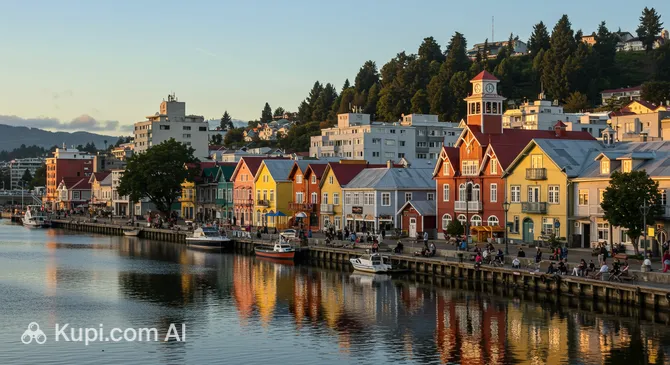
Valdivia is a captivating destination in southern Chile, often celebrated for its lush landscapes and vibrant cultural scene. Known as the "Pearl of the South," this city sits at the confluence of the Calle-Calle, Valdivia, and Cau-Cau rivers, creating a unique aquatic environment that defines its character and charm.
The city boasts a rich heritage that blends indigenous roots with Spanish colonial influence and significant German immigration from the 19th century. You can delve deeper into the fascinating history of Valdivia to understand how these diverse cultures have shaped its distinct architecture, traditions, and cuisine.
Valdivia. Illustration.
Source: Kupi.com AI
Situated in the Los Ríos Region, Valdivia is home to approximately 150,000 residents. The area is famous for its Valdivian temperate rainforests, resulting in an oceanic climate with frequent rainfall that keeps the surroundings incredibly green and vibrant throughout the year. This natural setting provides a stunning backdrop for the city's urban life.
Visitors are often drawn to the lively Fluvial Market (Feria Fluvial), a National Monument where local sea lions are a common sight waiting for scraps near the riverbank. The city is also a gateway to the historic coastal fortifications at Niebla and Corral, and it is renowned for its craft beer culture, with the local breweries being a popular stop for enthusiasts.
Whether you are navigating its scenic waterways, exploring the botanical gardens, or enjoying its distinctive gastronomy, Valdivia offers a memorable experience for every traveler. It is a perfect blend of nature and culture waiting to be explored.
Weather Overview
Valdivia experiences a temperate climate marked by a clear contrast between the dry summer season and the rainy winter months. The warmest time of year occurs in January and February, where visitors can enjoy average temperatures around 16.9°C and highs reaching up to 21.8°C. These months are generally the most comfortable for outdoor activities, as they are the driest, featuring minimal precipitation and only about 4 to 5 wet days per month.
Conversely, the middle of the year brings cooler temperatures and significantly more frequent rainfall. Those checking the forecast for the weather in Valdivia will find that June is typically the dampest month, with rain occurring on approximately 21 days, while July sees average lows drop to 4.6°C. Expect pleasant, drier summers ideal for sightseeing and cool, wet winters that keep the region's famous rainforests lush and green.
Average monthly temperature
Average monthly precipitation
Interesting Facts
Beyond the main attractions, Valdivia holds many fascinating secrets and quirks that often surprise visitors. From engineering oddities to living history, here are some unique aspects of the "Pearl of the South":
The "Backwards" Bridge: The city is home to the infamous Caucau Bridge, which gained international attention due to a construction error. It was the first bascule bridge in Chile, but it became a local legend when its lifting arms were accidentally installed backwards, making it a unique, albeit unintended, tourist curiosity.
A Submarine in the River: You can explore a real Oberon-class submarine, the O'Brien Submarine Naval Museum, which floats right in the Calle-Calle River. It is one of the few submarines of its kind in the world open to the public, and it was placed in the river because the fresh water helps preserve its hull better than the salty ocean.
Silent Sentinels: Two 18th-century Spanish towers still stand guard within the city limits, remnants of the old colonial fortifications. One of them, the Torreón de los Canelos, was originally part of a defensive wall and has served various purposes over the centuries, including acting as a dungeon and a silo.
Geography Born from Tremors: The city's landscape was permanently reshaped by the Great Chilean Earthquake of 1960, the most powerful ever recorded. The event caused parts of the land to sink, creating the extensive wetlands and river channels that are now thriving nature sanctuaries filled with black-necked swans.
O'Brien Submarine Naval Museum. Illustration.
Source: Kupi.com AI
Traveler photos:
How to Get There
Reaching this southern gem is relatively straightforward, primarily via air travel, which connects the region to the rest of the country. For a detailed breakdown of all transport options and routes, you can read more about how to get to Valdivia.
The most convenient entry point is Pichoy Airport (ZAL), which serves the city directly. Although it is a regional hub, it handles a significant volume of traffic and is the primary choice for most visitors. The airport is located approximately 23 km from the city center. A trip by taxi or shuttle bus typically takes around 55 minutes, winding through the lush green landscapes of the Los Ríos Region.
If direct flights are unavailable, travelers often choose Canal Bajo Airport (ZOS) in the neighboring city of Osorno. Situated about 90 km away from Valdivia, this airport offers another viable route. The journey from Osorno to Valdivia by ground transport typically takes about 2 hours and 35 minutes. Another alternative is Temuco Airport (ZCO) in Temuco, located roughly 111 km away. From there, the transfer to Valdivia requires a travel time of approximately 3 hours.
For clarity, here is a summary of the main airports:
While flying is the fastest method, many tourists also arrive by long-distance bus from Santiago or other major Chilean cities. The road network is well-maintained, and the scenic drive offers a wonderful introduction to the natural beauty of southern Chile.
Main Attractions
Exploring Valdivia offers a delightful mix of natural wonders, colonial history, and vibrant riverfront life. The city's layout, shaped by its rivers and German influence, provides a unique setting for sightseeing. Here are some of the most interesting places to visit during your stay.
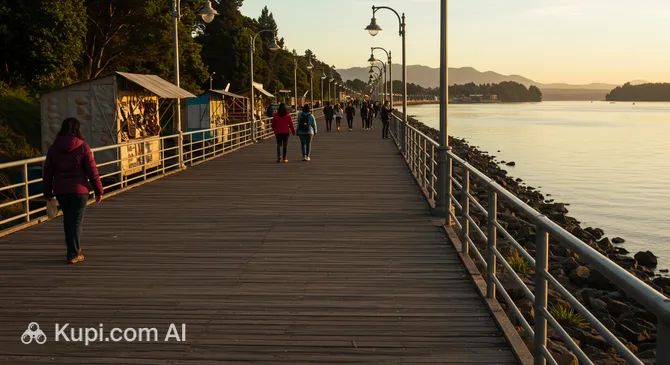
One of the most emblematic spots in the city is the Costanera Promenade (Costanera Arturo Prat). This scenic riverside walkway stretches along the Calle-Calle River and serves as the social heart of Valdivia. It is the perfect place for a leisurely stroll to admire the river views and watch the boats go by. A major highlight here is the nearby Fluvial Market, where you can famously observe sea lions waiting for treats from the fishmongers, offering a unique wildlife encounter right in the city center.
Costanera Promenade. Illustration.
Source: Kupi.com AI
Traveler photos:
For nature lovers, the UACh Botanical Garden is an absolute must-see. Located on Teja Island (Isla Teja), just across the bridge from the city center, this expansive green sanctuary covers around 10 hectares. It houses an impressive collection of native Chilean flora as well as exotic plant species. The garden provides a tranquil escape with winding paths through lush vegetation, making it an ideal spot for a relaxing walk or a quiet afternoon surrounded by the temperate rainforest environment.
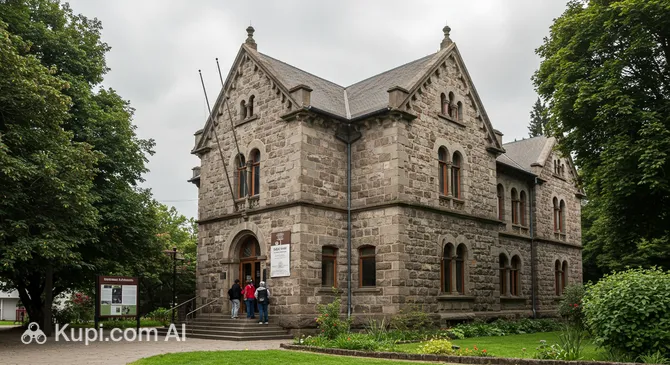
To dive into the region's rich cultural heritage, visit the Maurice van de Maele Historical and Anthropological Museum. Housed in the historic Anwandter House, a beautiful example of 19th-century German colonial architecture, the museum offers a deep look into the area's past. Exhibits cover the indigenous Mapuche-Huilliche culture, the Spanish colonial period, and the significant impact of German settlers. The building itself, with its riverside location and preserved interiors, is a captivating attraction.
Maurice van de Maele Historical and Anthropological Museum. Illustration.
Source: Kupi.com AI
Traveler photos:
Valdivia's military past is still visible in its surviving fortifications, such as the Torreón del Barro. Built around 1781 by the Spanish Empire, this stone tower was originally part of a defensive network designed to protect the city from invaders. Today, it stands as a National Monument and a tangible reminder of the city's strategic importance during the colonial era, offering a stark contrast to the modern city surrounding it.
Local Cuisine
The culinary landscape of Valdivia is a fascinating fusion of southern Chilean traditions and a profound German influence that dates back to the 19th century. This unique cultural blend has created a gastronomy that is distinct from the rest of the country. Visitors will find that the city is just as famous for its hearty, warming dishes as it is for its exceptional brewing culture, making it a true paradise for food lovers.
One of the absolute must-try dishes in the city is Crudos. Heavily inspired by German tartare, this local specialty consists of raw, lean ground beef served on fresh bread, topped with lemon juice, chopped onions, and a special sauce. It is a social dish, often shared among friends. Another signature plate is the Valdiviano, a rich and restorative soup made with charqui (dried meat), onions, eggs, and spices. It is historically known as a dish that restored soldiers' strength and is perfect for the region's rainy days.
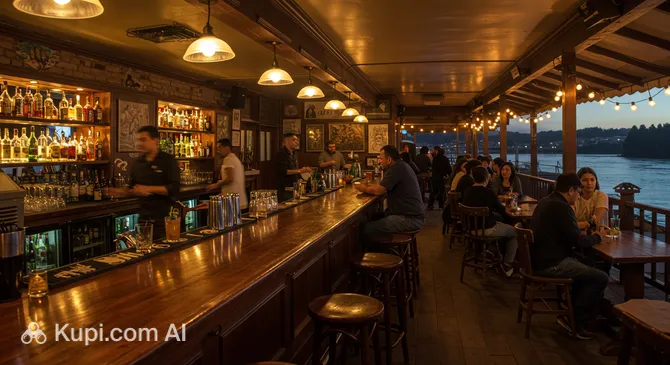
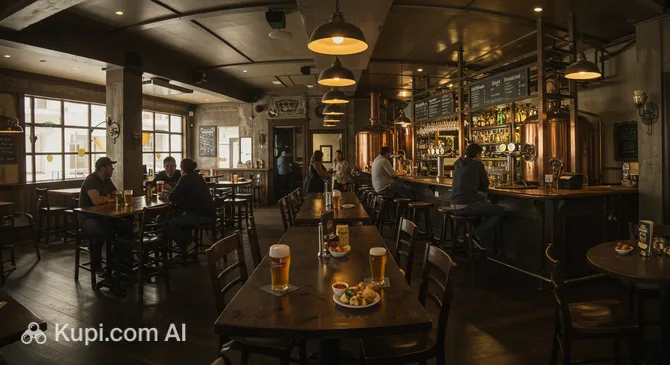
Valdivia is widely recognized as the craft beer capital of Chile. The purity of the local water and the German brewing heritage have led to a booming industry of microbreweries. You cannot visit without tasting the local lagers and ales. For a great atmosphere to sample these brews, you might visit Bar Bundor, which offers a variety of distinct local beers and hearty food to match.
Bar Bundor. Illustration.
Source: Kupi.com AI
Traveler photos:
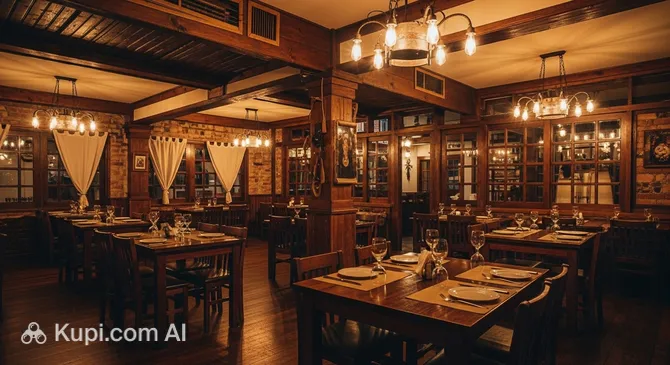
Beyond beer and beef, the city's location near the coast and rivers ensures a steady supply of fresh seafood. Smoked fish and shellfish are common, often found in the vibrant markets or served in stews. For those who prefer grilled meats and a robust dining experience, Entrebrasas is a popular spot that highlights the region's love for well-prepared cuts and local flavors.
Entrebrasas. Illustration.
Source: Kupi.com AI
Traveler photos:
To finish on a sweet note, the city's German legacy shines through in its bakeries. You will find an abundance of Kuchen (fruit cakes), tarts, and artisan chocolates throughout the town. The tradition of "onces" (afternoon tea) is taken seriously here, often featuring these sweet treats alongside tea or coffee, providing a cozy break from exploring the city.
Travel Tips
To ensure your visit to the "City of Rivers" is as smooth and enjoyable as possible, we have compiled a list of essential advice for travelers. These practical insights will help you navigate the local customs, climate, and logistics of Valdivia with ease.
Clothing and Gear: Valdivia is known for its rainy climate, so a high-quality waterproof jacket and sturdy, water-resistant walking shoes are absolute must-haves, regardless of the season. While summers (January-February) are warmer, evenings can still be cool, so dressing in layers is the best strategy. Don't forget a power adapter for Type C or L sockets if your devices use different plugs.
Transportation: The city is walkable, especially around the center and the Costanera, but for longer distances, colectivos (black shared taxis with roof signs indicating their route) are a fast and economical local favorite. Standard buses (micros) are also available and cheap. Rideshare apps like Uber operate in the city, which can be more convenient if you don't speak Spanish. Renting a car is recommended if you plan to drive out to the coastal forts at Niebla or Corral.
Finances: The official currency is the Chilean Peso (CLP). While credit and debit cards are widely accepted in hotels, restaurants, and supermarkets, you will need cash (small bills) for the famous Feria Fluvial market, street food vendors, and public transport. Tipping 10% is customary in restaurants; look for the "propina" line on your bill.
Health and Safety: Valdivia is generally one of the safer cities in Chile, but it is always wise to keep an eye on your belongings in crowded areas like the market. Pharmacies (Farmacias) such as Cruz Verde or Ahumada are common; look for one marked "de turno" if you need assistance late at night. Tap water is generally safe to drink, but sensitive travelers might prefer bottled water.
Communication: Spanish is the primary language, and English proficiency is not widespread outside of high-end hotels and tour agencies. It is highly useful to learn a few basic phrases like "Hola" (Hello), "Gracias" (Thank you), and "¿Cuánto cuesta?" (How much?). buying a local SIM card from providers like Entel or Movistar at a kiosk is easy and ensures you have map access.
Local Etiquette: Chileans are warm and polite. The standard greeting is a handshake or, among acquaintances and women, a single kiss on the right cheek. When entering a shop or elevator, it is polite to say "Buenos días" or "Buenas tardes." Lunch is typically the biggest meal of the day, usually eaten between 1:00 PM and 3:00 PM.
What to Avoid:Do not feed or touch the sea lions at the riverfront market. While they may look sluggish and domesticated as they wait for fish scraps, they are large, wild animals that can bite if provoked or startled. Admire them from a safe distance.
Local Insight: Embrace the rain! Valdivians rarely let the weather stop their plans. If it starts pouring, pop into one of the many local cervecerías (breweries). Since Valdivia is the craft beer capital of Chile, a rainy afternoon is the perfect excuse to sample a flight of local lagers and ales.
Armed with these tips, you are ready to immerse yourself in the lush landscapes and unique culture of southern Chile. Valdivia is a welcoming city where a little preparation goes a long way, allowing you to focus on the stunning river views and delicious local cuisine.
Entertainment & Nightlife
Valdivia comes alive after dark, fueled by its large university population and its well-deserved reputation as the craft beer capital of Chile. The nightlife here is diverse, ranging from laid-back pubs serving exceptional local ales to energetic nightclubs that stay open until the early morning hours. The general atmosphere is welcoming, safe, and unpretentious, reflecting the friendly and relaxed nature of southern Chile.
The main hub for evening entertainment has largely shifted to Isla Teja, located just across the bridge from the city center. This trendy district is packed with bars, brewpubs, and restaurants, making it the perfect destination for a pub crawl or a casual night out. The Costanera, stretching along the riverbank, is another focal point, particularly for those looking for a scenic evening walk or to visit the city's casino, which often hosts live shows and gaming.
For those seeking a great place to enjoy the local brewing culture in a lively setting, The Beer Tree is a popular choice. It offers a cozy yet vibrant environment with a wide selection of draft beers and hearty food, ideal for starting the night with friends. If you are looking for a more energetic vibe later in the evening, Bimba is a well-known nightclub where locals and visitors go to dance to a mix of electronic, pop, and Latin music.
The Beer Tree. Illustration.
Source: Kupi.com AI
Traveler photos:
The dress code in Valdivia is largely casual. You will fit in perfectly with jeans and a nice shirt; there is rarely a need for formal attire unless you are attending a specific gala. Bars usually fill up around 9:00 PM to 10:00 PM, while nightclubs typically do not get busy until after midnight. Prices for drinks and cover charges are generally moderate and often cheaper than in the capital, Santiago.
Regarding safety, Valdivia is considered one of the safer cities in Chile for night walks, especially in popular areas like Isla Teja and the Costanera. However, it is always advisable to use a taxi or a rideshare service like Uber when returning to your accommodation late at night, rather than walking alone in quieter streets. "Radio Taxis" are reliable and can be easily called by phone or found at designated ranks.
While nightlife is a major draw, the city also offers entertaining daytime options. Cultural enthusiasts can visit the unique Telecommunications Museum, which offers a fascinating look at the history of connecting people. For a more modern experience, the Plaza de los Ríos mall provides a convenient spot for shopping, dining, or catching a movie at the cinema.
Parks & Museums
Valdivia is a city where nature and urban life coexist in perfect harmony, offering visitors a wealth of lush green spaces and cultural institutions that celebrate its unique heritage. From ancient forests preserved within city limits to museums housed in colonial mansions, the "Pearl of the South" provides ample opportunities to explore its history and biodiversity.
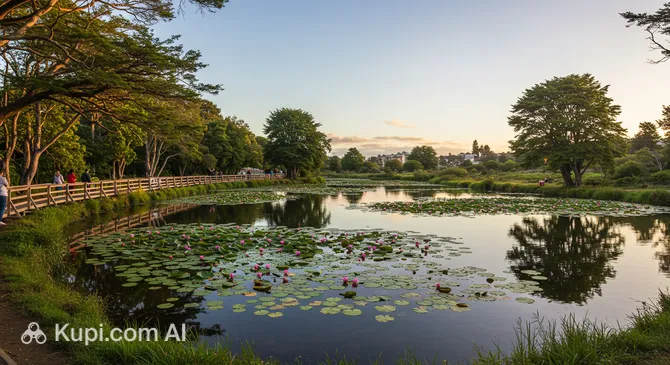
One of the most beloved green spaces is Parque Saval, located on Isla Teja. It is famous for the enchanting Lotus Lagoon, where visitors can admire the blooming lotus flowers during the summer months. The park is a favorite spot for picnics, family outings, and leisurely walks around the water, offering a peaceful retreat just minutes from the city center.
Lotus Lagoon. Illustration.
Source: Kupi.com AI
Traveler photos:
For those looking to immerse themselves in the region's native flora without leaving the urban area, El Bosque Urban Park is a hidden gem. This protected area preserves a remnant of the Valdivian temperate rainforest, featuring trails that wind through wetlands and dense vegetation. It is an excellent place for birdwatching and experiencing the lush, rainy ecosystem that characterizes southern Chile.
Valdivia's museums are equally captivating, reflecting the city's multicultural past. The Maurice van de Maele Historical and Anthropological Museum is a cornerstone of local culture. Situated in a beautifully preserved German colonial house, it showcases artifacts from the indigenous Mapuche people and the German settlers who arrived in the 19th century, providing deep insight into the fusion of cultures that shaped the region.
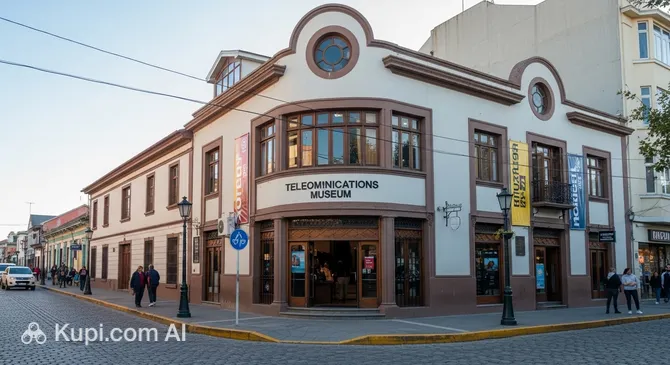
A more modern and unique addition to the city's cultural landscape is the Telecommunications Museum. This facility offers a fascinating journey through the history of communication, displaying a vast collection of vintage telephones, radios, and telegraphs. It is a tribute to human ingenuity and a fun, educational stop for visitors of all ages.
Telecommunications Museum. Illustration.
Source: Kupi.com AI
Traveler photos:
History enthusiasts should also look out for the city's architectural landmarks, such as the Torreón de los Canelos. This 18th-century watchtower is one of the few remaining structures from the Spanish colonial fortifications. Standing as a silent witness to the city's strategic military past, it offers a tangible connection to the era when Valdivia was a heavily fortified outpost.
For a quieter, more intimate nature experience, consider visiting Santa Inés Park. Often less crowded than the larger parks, it features charming walkways and old trees, making it a perfect spot for a reflective break or a romantic stroll away from the bustling tourist paths.
Getting Around
Navigating Valdivia is relatively simple and affordable, thanks to a public transport network primarily composed of buses and shared taxis. The most common way to get around is by using the local buses, affectionately known as micros. These distinctively colored buses cover most neighborhoods and are the backbone of the city's transit system. They are generally reliable and offer a scenic, albeit sometimes bumpy, way to see the city as they wind through the streets connecting the center with residential areas and the coastal district of Niebla.
A unique and highly popular mode of transport in Chile, including Valdivia, is the colectivo. These are black sedan cars that function as shared taxis with fixed routes, similar to buses but much faster and more comfortable. You can identify them by the illuminated signs on their roofs indicating their destination. They carry up to four passengers and will drop you off anywhere along their designated path. For tourists, they strike an excellent balance between the low cost of a bus and the convenience of a private taxi.
Given Valdivia's identity as a city of rivers, one of the most charming ways to travel is via the River Taxis (Taxis Fluviales). These boats, some of which are solar-powered, offer a sustainable and picturesque alternative to road transport. They connect various docks along the riverfront, such as the Costanera and the university campus on Isla Teja. While they are often used by students and locals for their daily commute, they provide visitors with a delightful perspective of the city from the water.
Regarding payment, the system in Valdivia is traditional and straightforward: cash is king. Unlike the capital city of Santiago, there are no magnetic travel cards or complex tap-on systems here. For both micros and colectivos, you pay the driver directly upon boarding. It is essential to carry small bills (1,000 or 2,000 CLP notes) and coins, as drivers often have limited change for larger denominations. Fares are fixed and very affordable, typically costing slightly more for colectivos than for buses.
For those who prefer private transport, standard radio taxis are widely available and safe. You can find them at designated ranks or call to book one. Additionally, rideshare apps like Uber operate within the city and are a convenient option if you prefer handling payment digitally or if you are traveling late at night when public transport frequency decreases. The city center itself is quite compact and flat, making walking a pleasant option, especially along the scenic river promenade. Bicycle rentals are also becoming more common, allowing you to explore the parks and riverbanks at your own pace.
Accommodation
Finding the perfect place to stay in Valdivia is an integral part of the travel experience, as the city's accommodation options often reflect its rich history and stunning geography. Visitors can choose from a wide array of lodgings, ranging from modern establishments with panoramic river views to charming boutique hotels set in restored 19th-century German mansions.
For travelers who prioritize convenience and scenic vistas, the area along the riverfront is the most desirable location. Staying here puts you within walking distance of the main market and the lively promenade. The Costanera Hotel is a prominent choice in this district, offering guests direct access to the vibrant energy of the waterfront and easy connectivity to the city's primary sights.
Those seeking a more intimate and culturally immersive stay should look for accommodations that highlight the region's German colonial influence. These properties often feature distinctive wooden architecture and warm, personalized service. Hotel Di Torlaschi stands out in this category, providing a unique atmosphere that blends historical charm with the comfort expected by modern travelers.
Beyond traditional hotels, Valdivia is famous for its cabañas (cabins), particularly on Isla Teja and along the road to the coast toward Niebla. These are ideal for families or groups looking for more space, self-catering facilities, and a touch of nature. It is highly recommended to book well in advance if you plan to visit during the summer months of January and February, especially during the "Semana Valdiviana" festival, when the city is at its busiest.
Nearby Cities
For those looking to explore the surroundings, Valdivia serves as an excellent base for day trips to several interesting nearby locations:
One of the most popular destinations in the region is Villarrica. Located on the shores of the lake bearing the same name and sitting at the foot of an active volcano, this town is a hub for adventure and relaxation. Visitors can enjoy water sports, explore volcanic caves, or simply admire the stunning landscape that defines the Chilean Lake District. It offers a vibrant tourist atmosphere distinct from the river-centric life of Valdivia.
Traveling south, travelers will find Osorno, a city known for its strong German heritage and agricultural importance. It features interesting architecture, such as the unique modern cathedral and the old railway station museum. Osorno is also a gateway to the Puyehue National Park and thermal springs, making it a great stop for those interested in both culture and nature.
Closer to Valdivia lies La Unión, the capital of the Ranco Province. This town is often visited by nature enthusiasts as it serves as the primary access point to the Alerce Costero National Park. Here, you can hike through ancient temperate rainforests to see the "Grandfather" (Alerce Milenario), a tree estimated to be over 3,500 years old.
City
Population
Distance
Paillaco
19 088
42 km
La Union
26 517
56 km
Lanco
8 521
57 km
Rio Bueno
16 909
62 km
San Pablo
10 162
69 km
These nearby destinations offer a glimpse into the diverse culture and landscapes of the region, ranging from volcanic vistas to ancient forests.
Shopping & Souvenirs
Shopping in Valdivia offers a delightful mix of modern convenience and traditional charm, reflecting the city's unique cultural heritage. While it is not a massive metropolis for high-end fashion, the city excels in offering high-quality local products, particularly handicrafts, artisanal foods, and outdoor gear suitable for the southern climate. Visitors will find that the shopping experience here is less about international luxury brands and more about discovering authentic regional treasures.
The commercial heart of the city is concentrated in the downtown area, particularly along Avenida Ramón Picarte and Calle Arauco. These bustling streets are lined with a variety of shops ranging from clothing boutiques and shoe stores to pharmacies and bookstores. A walk down these avenues provides a glimpse into the daily life of the locals and offers plenty of opportunities to pick up essentials or browse for gifts.
For a more concentrated retail experience, the city features modern shopping centers. The most prominent is the Plaza de los Ríos mall, located right in the city center. It houses a department store, a supermarket, a cinema, and a food court, making it a convenient one-stop destination for travelers who need to resupply or catch a movie on a rainy day.
Plaza de los Ríos. Illustration.
Source: Kupi.com AI
Traveler photos:
Another key location is Portal Valdivia, which offers a similar range of services including a large supermarket and various specialty shops. These malls are modern, safe, and provide a comfortable environment to escape the frequent showers that characterize the region.
Portal Valdivia. Illustration.
Source: Kupi.com AI
Traveler photos:
However, the true soul of Valdivia's commerce lies in its markets. The famous Feria Fluvial (Riverside Market) is unmissable, not just for sightseeing but for buying local delicacies. Here, you can purchase jars of merkén (smoked chili pepper), local honey, and vacuum-packed smoked fish, which make for excellent edible souvenirs. Near the riverfront, you will also frequently find craft fairs (Ferias Artesanales) selling wool clothing, wooden carvings, and jewelry made by local artisans, often reflecting Mapuche designs.
When it comes to souvenirs, Valdivia has distinct specialties. Thanks to its German heritage, the city is famous for its marzipan and chocolates, which are widely available in specialty sweet shops. Additionally, as the craft beer capital of Chile, a pack of local artisanal beer is a popular gift to bring home. Woolen ponchos, hats, and sweaters are also great buys, offering both style and warmth for the cool southern evenings.
Store opening hours generally run from 10:00 AM to 9:00 PM for shopping malls and large supermarkets, often staying open on Sundays. Smaller independent shops in the city center typically open around 9:30 AM or 10:00 AM and may close for a lunch break (siesta) between 1:30 PM and 3:30 PM, reopening until about 7:00 PM or 8:00 PM. On Sundays, many smaller street-side shops remain closed.
Regarding payment, major credit and debit cards are widely accepted in malls, supermarkets, and established restaurants. However, if you plan to shop at the riverside market or buy from street artisans, carrying cash (Chilean Pesos) is essential. As for taxes, tourists should be aware that Chile does not have a widespread VAT refund system for general goods purchased in standard retail stores outside of specific duty-free zones (which Valdivia is not). The price you see on the tag usually includes the 19% VAT.