Support

Castro

About

Welcome to Castro, the vibrant capital of Chiloé Province and a destination brimming with character. Located in the Los Lagos Region of Chile, this charming city serves as the cultural and commercial heart of the Chiloé Archipelago, offering visitors a fascinating glimpse into island life.

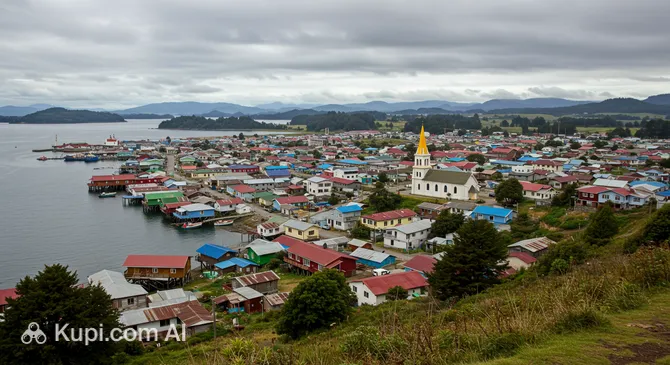
Situated on the eastern coast of the Big Island of Chiloé (Isla Grande de Chiloé), Castro is nestled among lush green hills and faces a sheltered fjord. With a population of approximately 33,000 residents, the city balances a lively urban atmosphere with the tranquility of its natural surroundings. The climate here is oceanic, often characterized by misty mornings and frequent rainfall that keeps the landscape vividly green throughout the year.
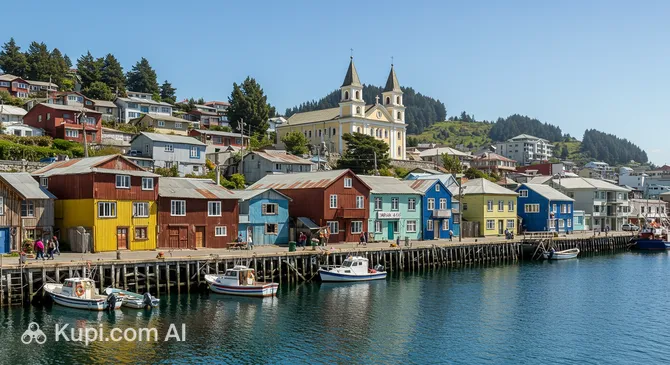
Castro. Source: Kupi.Binoculars

As one of the oldest cities in the nation, founded in 1567, the history of Castro is deeply interwoven with maritime traditions and the mingling of Spanish and indigenous Williche cultures. This rich heritage is visible in the city's unique urban layout and the enduring customs of its friendly inhabitants.

Castro is globally renowned for its iconic palafitos—colorful wooden houses built on stilts over the water—which create a stunning and distinct waterfront landscape. Another architectural highlight is the Church of San Francisco, a majestic bright yellow wooden structure that stands as one of the 16 Churches of Chiloé designated as a UNESCO World Heritage Site. Visitors should not miss the bustling Feria Campesina Yumbel, a market perfect for discovering local crafts and tasting traditional cuisine like curanto.

Whether you are admiring the unique architecture, shopping for handmade woolens, or using the city as a base to explore nearby national parks, Castro promises an unforgettable experience. We invite you to immerse yourself in the magic and myths that make this corner of the world truly special.
Weather Overview

Castro experiences a temperate oceanic climate, defined by mild, comfortable summers and cool, rainy winters. The weather in Castro is generally humid throughout the year, so it is always a good idea to keep waterproof layers handy regardless of the season.

The summer months, from December to February, offer the warmest conditions, with average temperatures ranging between 13°C and 15°C and daily highs peaking near 19.4°C in February. While this is the driest period, rain is still part of the landscape, with approximately 8 to 12 wet days per month.

Winter, spanning June through August, is characterized by cooler temperatures and significant rainfall. During this time, average temperatures hover around 6°C to 7°C, with lows dipping to about 3.8°C in July. It is the wettest season, featuring precipitation on more than 20 days each month, creating a lush, green environment that defines the region.

Interesting Facts

Beyond the main attractions, Castro holds many fascinating secrets and cultural nuances that define its unique identity. Here are a few intriguing facts about this captivating island city:

  • While the city is famous for its wooden architecture, the Church of Nercón stands out for its construction technique; like many traditional Chilote churches, it was built entirely without metal nails, relying instead on intricate wooden joinery and tarugos (wooden pegs) to hold the massive structure together.

  • Castro has risen from the ashes multiple times, most notably after the Great Fire of 1936, which destroyed nearly the entire city center; this catastrophe led to a controversial modernization plan that reshaped the urban layout while sparking a movement to preserve the island's heritage.

  • The city sits at the heart of an agricultural treasure trove, as the Chiloé Archipelago is considered one of the primary genetic centers of origin for the potato, with hundreds of native varieties in colorful shapes and sizes still cultivated by local farmers.

  • Although "palafitos" (stilt houses) were once common throughout the region, the 1960 Great Chilean Earthquake and subsequent tsunami destroyed many of them; today, the Gamboa Viewpoint overlooks one of the few surviving neighborhoods where these iconic structures still stand proudly over the tide.

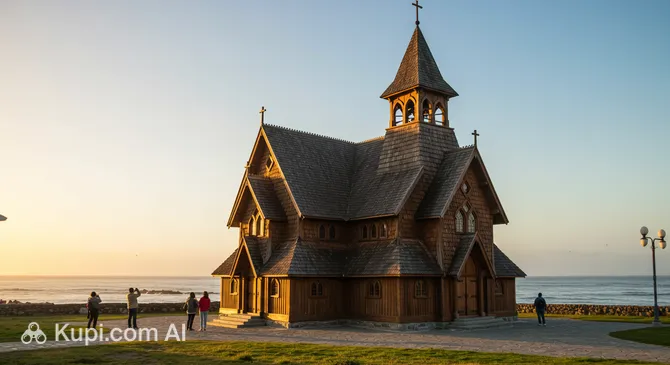
Church of Nercón. Source: Kupi.Binoculars

How to Get There

Reaching this unique island destination is an adventure that connects you with the stunning landscapes of the Los Lagos Region. While the journey often involves crossing the Chacao Channel, air travel has made access significantly easier. For a complete guide on planning your trip, you can read more about how to get to Castro and explore the various transport options available.

The most direct way to arrive is via Mocopulli Airport (MHC), which is located within the municipality of Castro. This regional airport sits approximately 16.2 km from the city center. It offers the convenience of landing right on the island, with a travel time of around 45 minutes by taxi or shuttle bus to the downtown area. Although smaller in scale compared to mainland hubs, it provides essential connectivity for visitors wishing to bypass the long overland journey.

Alternatively, many travelers fly into El Tepual Airport (PMC) in the city of Puerto Montt. Situated about 128 km from Castro, this major international airport handles a much larger volume of passengers and offers more frequent flight schedules. The transfer from Puerto Montt to Castro is a popular route that includes a scenic ferry ride; the total travel time by bus or rental car is approximately 3.5 hours.

For clarity, here is a summary of the main airports:

Airport Name City Passenger Traffic Km from City
San Carlos de Bariloche International Airport Bariloche Large 262.0
El Tepual Airport Puerto Montt Large 128.2
Canal Bajo Airport Osorno Medium 215.7
Mocopulli Airport Castro Medium 16.2
Esquel Airport Esquel Small 220.1

Main Attractions

Exploring Castro offers a unique journey through the architectural and cultural heritage of Chiloé. The city's charm lies in its distinctive wooden structures and the seamless blend of land and sea. Here are some of the most captivating places to visit during your stay.

Gamboa Viewpoint. Source: Kupi.Binoculars

One of the most iconic sights in the city can be appreciated from the Gamboa Viewpoint. Located just south of the city center, this spot offers the quintessential panoramic view of the famous "palafitos" (stilt houses) lining the Gamboa River. It is interesting to tourists because it provides the perfect vantage point for photography, allowing you to capture the colorful wooden facades reflecting on the water at high tide, an image that has become the symbol of the island.

For those interested in the region's religious heritage and carpentry skills, the Church of Nercón is a must-visit. Situated approximately 4 kilometers from downtown Castro, this UNESCO World Heritage Site is a magnificent example of Chilote wooden architecture. Visitors are drawn to its massive tower and the beautiful interior garden. The church is constructed entirely of native wood without the use of nails, showcasing the ingenuity of the local boatbuilders who applied their maritime techniques to church construction.

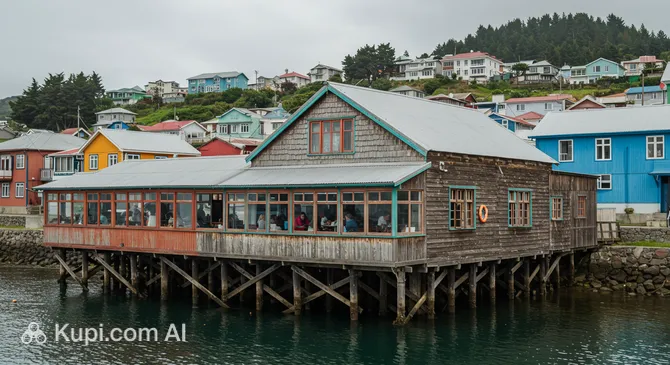
Palafito Sabores de Mi Tierra. Source: Kupi.Binoculars

To experience the local architecture from the inside while enjoying regional cuisine, a visit to Palafito Sabores de Mi Tierra is highly recommended. This restaurant is housed within a traditional stilt house, offering diners the chance to eat directly over the water. It is particularly appealing for its fusion of cultural immersion and gastronomy, serving traditional dishes like chupe de jaiba (crab pie) and ceviche with a spectacular view of the fjord through its windows.

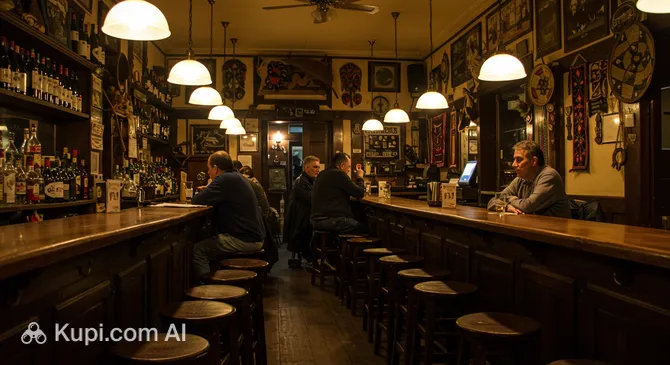
If you are looking to unwind after a day of sightseeing, the Almud Bar offers a cozy and authentic atmosphere. Known for its rustic wooden interior and friendly vibe, it is a great place to sample local craft beers and engage with the community. Tourists enjoy this spot for its intimate setting, often accompanied by good music and a selection of local snacks that provide a taste of the modern social life in Castro.

Local Cuisine

The cuisine of Castro is a distinct reflection of the Chiloé Archipelago's rich maritime heritage and agricultural traditions. Unlike the rest of Chile, the island's gastronomy is deeply rooted in the fusion of indigenous Williche customs and Spanish influences, revolving heavily around the abundance of shellfish and the native potato varieties that thrive in the local soil.

The most iconic dish you must try is curanto, a hearty feast traditionally prepared in a hole dug in the ground (*curanto en hoyo*). Layers of mussels, clams, smoked pork, chicken, and sausages are covered with large nalca leaves and cooked over hot stones, creating a smoky and flavorful meal. In many city restaurants, you will find the pot-cooked version known as pulmay, which offers a similar depth of flavor and is available year-round.

Accompanying these main courses are unique potato-based breads that are staples of the Chilote diet. Milcao is a savory pancake made from a mixture of raw grated potatoes and cooked mashed potatoes, often fried or baked with pork rinds. Another favorite is chapalele, a soft dough made from boiled potatoes and flour, which is typically steamed on top of the curanto leaves. These sides highlight the island's status as a genetic center for diverse potato species.

For a truly atmospheric dining experience, visitors should head to the restaurants located within the iconic stilt houses along the waterfront. Venues like Palafito Sabores de Mi Tierra allow guests to enjoy fresh seafood dishes, such as crab pie or creamy clam chowders, while hovering directly above the tide. The combination of rustic wooden architecture and the scent of the sea creates an unforgettable setting for a meal.

To finish off a gastronomic tour, locals often sip on Licor de Oro, a traditional golden liqueur made from whey, saffron, and lemon zest. For a more casual evening, the city offers welcoming spots to unwind. The Almud Bar is a popular choice for sampling local craft beers and snacks in a cozy, wood-paneled environment that reflects the island's carpentry traditions.

Almud Bar. Source: Kupi.Binoculars

Beyond sit-down establishments, the local food culture thrives in the bustling markets. Here, travelers can taste authentic street food, such as fresh empanadas filled with cheese or seafood, and purchase jars of homemade garlic paste or dried smoked mussels to take home.

Travel Tips

To ensure your visit to Castro is as smooth and enjoyable as possible, we have compiled a list of essential advice. These practical tips will help you navigate the unique rhythm of life on the Chiloé Archipelago and make the most of your island adventure.

  1. Clothing and Gear: Given the oceanic climate, the weather can change rapidly from sunshine to rain. It is essential to pack a waterproof jacket or a sturdy raincoat, even in summer. Dress in layers to adapt to temperature shifts, and bring comfortable, non-slip walking shoes, as the city's hilly streets and wooden boardwalks can be slippery when wet.

  2. Transportation: The city center is compact and best explored on foot. For longer distances, use the local colectivos (shared taxis), which follow fixed routes and are very affordable. If you plan to explore the surrounding national parks or remote villages of Chiloé, renting a car is highly recommended for flexibility, though you should be prepared for some gravel roads.

  3. Finances: The local currency is the Chilean Peso (CLP). While hotels and larger restaurants accept credit cards, cash is king in smaller shops, the popular Feria Campesina Yumbel, and for public transport. ATMs are available, mostly concentrated around the Plaza de Armas, so it is wise to withdraw sufficient cash before heading to more rural areas.

  4. Health and Safety: Castro is generally a safe destination for tourists. Pharmacies are readily available in the downtown area, with some operating on a rotating "on-duty" (de turno) schedule for late-night needs. Always check the tsunami evacuation signs near the coast as a standard precaution, given the region's geography.

  5. Communication: The primary language is Spanish, and English is not widely spoken outside of major hotels and tour agencies. Learning a few basic phrases like hola (hello) and gracias (thank you) goes a long way. Buying a local SIM card (Entel or Movistar have good coverage) is advisable for maps and translation apps.

  6. Local Etiquette: Chilotes are known for their warmth and hospitality. It is polite to greet shopkeepers and drivers with a friendly "buenos días" or "buenas tardes." Life here moves at a more relaxed pace than on the mainland, so embrace the "island time" and avoid showing impatience with service speed.

  7. What to Avoid: Do not underestimate the tides if you are exploring the coast or parking near the water; the tidal range in Chiloé is significant. Also, avoid taking photographs of locals or their private homes (especially the palafitos from the land side) without asking for permission first, as privacy is valued.

  8. Sunday Schedules: Be aware that Sunday is a quiet day in Castro. Many shops, markets, and restaurants may close early or remain closed all day. It is a good idea to check opening hours in advance or plan outdoor activities in nature for Sundays.

By keeping these tips in mind, you will be well-prepared to embrace the charm and culture of Castro. We hope this advice helps you relax and fully enjoy the magic that this extraordinary corner of Chile has to offer.

Entertainment & Nightlife

Entertainment and nightlife in Castro reflect the city's relaxed and welcoming island character. Rather than large, thumping nightclubs or neon-lit districts, the evening scene here revolves around cozy "restobars," rustic pubs, and intimate venues where locals and travelers gather to share stories. The atmosphere is warm and casual, often accompanied by live acoustic music or the sound of rain against wooden roofs, creating a uniquely Chilote experience.

The nightlife is primarily concentrated in the downtown area near the Plaza de Armas and along the waterfront districts where the famous stilt houses are located. Visitors looking for a place to unwind should head to Almud Bar. This popular spot is known for its authentic wooden interior and excellent selection of local craft beers. It captures the essence of the island's social life, offering a friendly vibe where it is easy to strike up a conversation with residents.

For a more scenic evening, the neighborhoods featuring palafitos transform into magical settings after dark. Dining or having a drink at Palafito Sabores de Mi Tierra offers a quieter but equally enchanting night out. Perched over the water, these venues allow you to enjoy the shimmering reflections of city lights on the fjord while sampling regional wines or pisco sours. The dress code throughout the city is informal and practical; jeans and a warm sweater are perfectly acceptable everywhere.

Practical advice for a night out in Castro involves timing and transport. Bars typically start filling up around 9:00 PM or 10:00 PM, and on weekends, they may stay open until 2:00 AM or 3:00 AM. Prices are generally moderate compared to Santiago. While the city center is walkable and generally safe for night strolls, the streets can become very quiet. It is highly recommended to use "radio taxis" to return to your accommodation, especially if you are staying further out or if the weather turns wet. You can ask the bar staff to call a trusted cab for you.

During the day, entertainment in Castro takes a cultural turn. The city is home to the renowned Museum of Modern Art (MAM) Chiloé, which sits in a park-like setting and showcases contemporary works that often dialogue with the island's traditions. Additionally, the Cultural Center of Castro frequently hosts theater performances, concerts, and art exhibitions, serving as a hub for the community's artistic expression.

Parks & Museums

While the colorful stilt houses and wooden churches often steal the spotlight, Castro also offers enriching green spaces and cultural institutions that provide a deeper understanding of the island's heritage. The city's parks and museums serve as vital gathering places where nature, history, and contemporary creativity intersect, offering visitors a well-rounded experience of Chilote life.

For a breath of fresh air and a connection to native flora, the Parque Municipal de Castro is the city's primary green lung. Located in the upper part of the city, this extensive park is not only a recreational area but also the venue for the famous Festival Costumbrista Chilote held every February. Visitors can walk through trails shaded by native trees and enjoy panoramic views over the city and the fjord. Another essential urban space is the Plaza de Armas. Far more than just a square, it is the social heart of Castro, featuring well-kept gardens and serving as the perfect starting point for exploring the city, with the majestic Church of San Francisco providing a stunning backdrop.

To dive into the history and traditions of the archipelago, a visit to the Museo Regional de Castro is indispensable. Situated just steps from the main square, this museum houses a comprehensive collection that ranges from indigenous Huilliche relics and traditional farming tools to fascinating exhibits on the island's maritime history. It also features a moving photographic collection documenting the 1960 Great Earthquake, helping tourists understand the resilience of the local community.

For a surprising contrast to the traditional surroundings, the MAM Chiloé (Museo de Arte Moderno) offers a world-class cultural experience. Located within the grounds of the Municipal Park, this independent museum showcases contemporary art from Chilean and international artists. The building itself is a work of art, designed to resemble a traditional "fogón" (wooden stove house) and constructed with recycled tiles, perfectly blending avant-garde creativity with local architectural vernacular.

For an authentic insider experience, venture slightly out of the city center to the Mirador Ten Ten. This viewpoint offers a quieter alternative to the more popular spots, providing a spectacular 360-degree view of the Castro peninsula and the intricate waterways that define the region's geography.

Getting Around

Navigating Castro is a straightforward and authentic experience, as the public transport system is designed to serve a compact but hilly city. Unlike larger metropolises, you will not find subways or trams here. Instead, the local network relies primarily on a combination of buses and shared taxis, which are efficient, affordable, and offer a great way to mingle with the local residents.

The most popular form of transport within the city is the colectivo. These are black sedans that resemble standard taxis but operate on fixed routes, much like a bus. You can identify them by the illuminated signs on their roofs indicating their destination and line number. They are faster than buses and slightly more expensive, but they offer the convenience of being dropped off anywhere along their designated path. Alongside these, you will find micros (minibuses), which cover various neighborhoods and are the most economical way to get around.

When it comes to payment, cash is the only method accepted. There are no travel cards, digital passes, or mobile apps for public transport fares in the city. You simply pay the driver directly in local currency (Chilean Pesos) upon boarding or when you reach your destination, depending on the custom of the specific line. Fares are generally very low, and it is highly recommended to carry small bills or coins, as drivers may not always have change for large denominations.

For tourists, using the transport system is quite easy once you understand the basics. To catch a colectivo or micro, you can simply wave one down at a designated stop or, in some areas, from the side of the road. Operating hours typically run from early morning until around 9:00 PM or 10:00 PM. After these hours, frequency drops significantly, and on Sundays or public holidays, services are much scarcer. If you are planning a late dinner, be prepared to use alternative transport to return to your accommodation.

If you prefer a private ride or need to travel late at night, Radio Taxis are the best alternative. Unlike colectivos, these do not follow fixed routes and will take you directly to your doorstep. They are safe, reliable, and can be called by phone or arranged by your hotel or restaurant. While ride-sharing apps are becoming more common globally, their availability can be limited or inconsistent in this area, so relying on established local taxi companies is often the safer bet.

While the city center is compact enough to explore on foot, the steep hills that characterize the landscape can make walking challenging for some. Renting a car is a popular option for those who wish to explore the surrounding archipelago at their own pace, and parking is generally available, though it can be tight in the downtown area. Whether you choose to walk, drive, or hop into a shared taxi, getting around is part of the charm of visiting this unique island city.

Accommodation

Accommodation in Castro offers a delightful mix of traditional charm and modern comfort, catering to a wide variety of travel styles and budgets. The city provides everything from lively backpacker hostels and cozy family-run guesthouses (residenciales) to upscale boutique hotels. A unique feature of staying here is the opportunity to lodge in a converted palafito, the iconic wooden stilt houses perched above the water, allowing you to experience the island's architectural heritage firsthand.

When choosing where to stay, location plays a key role in the experience. The Downtown area (Centro), surrounding the Plaza de Armas, is the most practical choice for those relying on public transport, offering easy access to shops, restaurants, and the bus terminal. For a more scenic and atmospheric stay, the Gamboa neighborhood is highly popular; this is where many of the refurbished palafito hotels are located, offering stunning views of the fjord and the changing tides. Travelers seeking tranquility often prefer the outskirts or the nearby sector of Nercón, where independent cabins (cabañas) provide more space and a connection to nature.

Booking your accommodation requires some planning, particularly depending on the time of year. During the peak summer months of January and February, Castro becomes a bustling hub for tourists, and the best places fill up weeks in advance. It is highly recommended to secure your reservation well ahead of your trip to ensure availability, especially if you have your heart set on staying in a waterfront stilt house.

The price range in Castro is generally reasonable compared to larger mainland cities. Budget travelers can find affordable beds in hostels and simple guesthouses, while mid-range options offer excellent value with private amenities. The boutique palafito hotels tend to be at the higher end of the price spectrum due to their unique location and design. While major booking platforms are widely used, many smaller local cabins and family lodgings may offer better rates or availability through direct contact or their own websites.

Nearby Cities

Castro serves as an excellent starting point for exploring the wider Los Lagos Region. While it is the heart of the Chiloé Archipelago, its location allows travelers to connect with other fascinating destinations, both on the Big Island and across the channel on the mainland. Whether you are looking for historical sites, bustling urban centers, or lakeside charm, several notable cities are within reach.

The closest major neighbor is Ancud, located approximately 68 km north of Castro. As the former capital of the province, Ancud is rich in history and is situated at the northern tip of the island, guarding the entry to the archipelago. It is a popular day-trip destination known for its Spanish fortifications, the San Antonio de Chacao fort, and the nearby penguin colonies at Puñihuil.

Crossing back to the mainland involves a ferry ride over the Chacao Channel, leading you to Puerto Montt. Situated about 131 km from Castro, this port city is the capital of the region and a vital transport hub for Southern Chile. It offers extensive markets, seafood gastronomy, and serves as the gateway to the stunning Carretera Austral.

Just a short distance north of Puerto Montt lies the picturesque city of Puerto Varas, roughly 144 km from Castro. Known as the "City of Roses," it sits on the shores of Lake Llanquihue and is famous for its German colonial architecture and breathtaking views of the Osorno and Calbuco volcanoes. Further north, travelers can reach Osorno, a city with a strong agricultural heritage and proximity to the Puyehue National Park.

For a quick overview of the surrounding urban centers, here is a table of nearby cities:

City Distance (km) Population
Ancud 68 38,991
Puerto Montt 131 169,736
Alerce 139 42,267
Puerto Varas 144 26,172
Osorno 218 147,460

Shopping & Souvenirs

Shopping in Castro offers a delightful contrast between modern convenience and deep-rooted island traditions. As the commercial hub of the Chiloé Archipelago, the city provides the widest range of goods on the island, from essential supplies and branded clothing to exquisite local handicrafts. Visitors will find that shopping here is not just about purchasing items but also about connecting with the local culture, particularly through the artisanal products that reflect the region's identity.

The heart of the city's commercial activity is located in the Downtown (Centro) area, specifically along the bustling streets surrounding the Plaza de Armas. Thoroughfares such as Calle San Martín, Calle O'Higgins, and Calle Blanco Encalada are lined with a mix of small boutiques, pharmacies, hardware stores, and shoe shops. This area is perfect for a casual stroll, allowing you to browse through shop windows while soaking in the lively urban atmosphere of the island's capital.

For a modern shopping experience, the city is home to the Mall Paseo Chiloé. This large shopping center is a major landmark in downtown Castro and serves as a one-stop destination for locals and tourists alike. Inside, you will find a large supermarket, a department store, a cinema, a food court, and various international and national brand outlets. It is the most reliable place to find electronics, outdoor gear, and fashion items if you need to restock during your trip.

However, the true charm of shopping in Castro lies in its markets. The Feria Artesanal Lillo, located near the waterfront and the port, is the premier spot for handicrafts. Here, rows of stalls display high-quality woolen goods and wooden souvenirs. Another essential stop is the Feria Campesina Yumbel. While primarily a produce market selling giant garlic, native potatoes, and cheeses, it also features sections dedicated to basketry and local crafts, offering a more authentic and less tourist-centric atmosphere.

When looking for souvenirs, Chiloé is famous for its textiles. Look for thick, hand-knitted sweaters, ponchos, hats, and socks made from raw sheep's wool, often dyed with natural roots and earth to create distinct earthy tones. Woodworking is another specialty; you can find beautifully carved replicas of the iconic wooden churches, palafitos, and mythological figures. Food items also make excellent gifts, particularly jars of ajo chilote (mild giant garlic) paste, smoked chili pepper (merquén), and bottles of Licor de Oro.

Regarding opening hours, smaller shops and independent boutiques typically open around 9:30 AM or 10:00 AM and may close for a lunch break (siesta) between 1:30 PM and 3:30 PM, reopening until roughly 7:30 PM or 8:00 PM. The Mall Paseo Chiloé and large supermarkets operate continuously, usually until 9:00 PM. On Sundays, many smaller businesses and street shops remain closed, though the mall stays open.

Payment methods vary depending on where you shop. Major retailers, the mall, and established restaurants widely accept credit and debit cards. However, if you plan to visit the craft markets (Ferias) or buy from street vendors, carrying cash (Chilean Pesos) is absolutely necessary, as digital payments are rarely available in these traditional settings.

Travelers should be aware that tax-free shopping (VAT refund) for consumer goods is generally not available for tourists in Chile, unlike in some other countries. While foreign tourists can be exempted from VAT on hotel accommodation when paying in dollars, this benefit does not extend to general retail purchases like clothing, souvenirs, or electronics in Castro.

Reached the end of the page?

That means the route is fully explored