Support

San Martín de los Andes

About

San Martín de los Andes is a captivating town located in the southwest of the Neuquén Province, nestled in a natural amphitheater on the shores of Lake Lácar. Renowned for its stunning Alpine-style architecture and peaceful atmosphere, this destination offers visitors a perfect blend of natural wilderness and modern comfort within Argentina. It is widely considered one of the most picturesque spots in the Patagonia region, surrounded by dense forests and majestic peaks.

San Martín de los Andes. Source: Kupi.Binoculars

With a population of approximately 28,000 residents, the city maintains a cozy, village-like charm while providing top-tier services for travelers. The climate varies significantly by season, offering snowy winters that are ideal for skiing and warm, sunny summers perfect for hiking, kayaking, and other water sports. The town also serves as the main gateway to the majestic Lanín National Park, which is dominated by the imposing snow-capped Lanín Volcano.

Travelers interested in how this remote mountain settlement evolved into a world-class destination can explore the history of San Martín de los Andes, which traces its development from early indigenous roots to its founding as a military outpost. Today, the city is famous for being one of the terminal points of the scenic Route of the Seven Lakes (Ruta de los Siete Lagos), a breathtaking drive that connects it to Villa La Angostura. Additionally, the nearby Chapelco ski resort is a major draw, attracting winter sports enthusiasts from around the globe.

Whether you are seeking adrenaline-filled adventures or a tranquil retreat surrounded by nature, San Martín de los Andes is an exceptional choice. Its welcoming community, delicious local chocolate, and breathtaking landscapes make it a must-visit destination for any traveler exploring the Andes.
Weather Overview

The climate in San Martín de los Andes varies significantly throughout the year, offering distinct experiences for visitors depending on the season. During the peak summer months of January and February, the weather is generally mild and pleasant, with average daily highs reaching approximately 20°C to 21°C. This period is notably dry, often seeing only about 1mm of precipitation per month, making it the perfect time for hiking and enjoying the lakes.

Conversely, the winter season from June to August transforms the region into a cold, snowy destination. Temperatures drop considerably, with average lows falling between -1.4°C and -2.4°C, and the frequency of precipitation increases, with June seeing up to 21 wet days. Travelers should consult the detailed guide to the weather in San Martín de los Andes to prepare for these colder conditions, especially if planning to visit the ski slopes.

Overall, the town's weather patterns support a wide range of activities. You can expect warm, dry summers with long sunny days, and cold, wet winters that frequently bring snow to the surrounding mountains.

Interesting Facts

Beyond its reputation as a premier ski resort and summer haven, San Martín de los Andes holds fascinating stories and unique characteristics that define its identity. This charming mountain town is not just about landscapes; it preserves a rich history and a carefully curated urban aesthetic that sets it apart from other destinations in Patagonia.
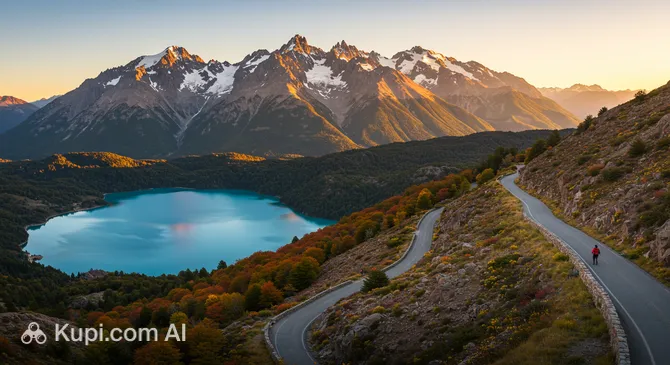
Seven Lakes Route. Source: Kupi.Binoculars
  • A Revolutionary Stopover: In 1952, a young Ernesto "Che" Guevara visited the town during his famous motorcycle journey through South America. He and his companion stayed in a rustic barn used for storing fodder, which has since been transformed into La Pastera, a museum dedicated to his life and connection to the region.

  • Strictly Alpine Architecture: The town's picturesque, village-like appearance is no accident; it is protected by strict urban planning regulations. Local building codes mandate the use of wood and stone on facades and limit building heights, ensuring that no structure obstructs the breathtaking views of the surrounding mountains.

  • The City of Roses: Visitors often notice an abundance of rose bushes lining the streets and adorning public squares. This is the result of a local initiative where residents were encouraged to plant roses in their gardens and sidewalks, turning the urban area into a blooming garden during the spring and summer months.

  • Gateway to the Seven Lakes: San Martín de los Andes serves as the northern anchor of the legendary Seven Lakes Route. This world-famous scenic drive connects the town to Villa La Angostura, offering travelers one of the most spectacular road trips in South America, winding through pristine forests and mirror-like waters.

  • A Volcanic Guardian: While the town sits peacefully on the shores of Lake Lácar, it lies in the shadow of the majestic Lanín Volcano. This snow-capped, cone-shaped stratovolcano is not only a symbol of the province but also a sacred site for the indigenous Mapuche people, who have inhabited these lands for centuries.

How to Get There

Reaching this picturesque mountain town is part of the Patagonian experience, offering travelers a chance to witness the region's stunning landscapes. Whether you prefer flying directly into the area or enjoying a scenic drive from a neighboring city, you can find all ways to reach the city detailed for your convenience.

The most direct way to arrive is via Chapelco Airport (CPC), also known as Aviador Carlos Campos Airport. Located within the municipality of San Martín de los Andes, it is situated approximately 20.5 km from the city center. This airport receives regular domestic flights, and the journey to downtown by taxi or shuttle typically takes about 50 minutes, allowing you to start your vacation almost immediately upon landing.

Another popular option is to fly into San Carlos de Bariloche International Airport (BRC). Although it is located in the city of Bariloche, about 111.6 km away, it is a major regional hub with higher passenger traffic and more frequent connections. The transfer from Bariloche involves a longer trip of approximately 3 hours, but the route is incredibly scenic, often passing through the famous Seven Lakes road.

For clarity, here is a summary of the main airports in the vicinity:

Airport Name City Passenger Traffic Km from City
San Carlos de Bariloche International Airport Bariloche Large 111.6
Temuco Airport Temuco Medium 176.5
Pichoy Airport Valdivia Medium 158.6
Chapelco Airport San Martín de los Andes Medium 20.5
Canal Bajo Airport Osorno Medium 153.6

Main Attractions

San Martín de los Andes is a destination defined by its stunning natural surroundings and charming urban atmosphere. The city offers a variety of points of interest that range from peaceful lakeside promenades to panoramic viewpoints, ensuring that every visitor finds something to enjoy.

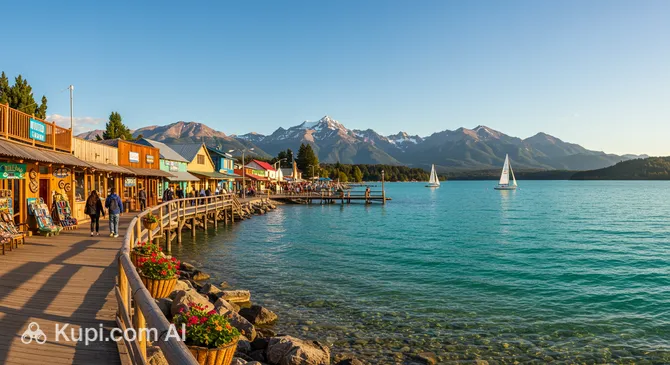
A natural starting point for any tour is the Lake Lácar Waterfront. This scenic promenade serves as the town's balcony over the glistening waters of Lake Lácar. It is the perfect spot for a relaxing walk, a picnic on the sand, or simply watching the boats at the pier. In the summer, the beach becomes a lively hub for sunbathers and water sports enthusiasts, while in the cooler months, it offers a tranquil setting to admire the mist rising off the water.

Lake Lácar Waterfront. Source: Kupi.Binoculars

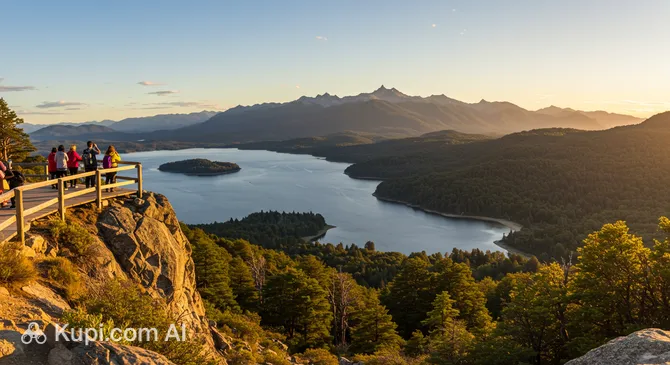
For those seeking a more elevated perspective, the Bandurrias Viewpoint is an absolute must. Accessible via a hike through the forest or a short drive, this lookout point rewards visitors with breathtaking panoramic views of the city, the lake, and the surrounding mountain ranges. It is an ideal location for photography lovers and anyone wanting to appreciate the sheer scale of the landscape that cradles the town.

Located just a short distance from the viewpoint, La Islita is a hidden gem often visited in conjunction with Bandurrias. This small, secluded beach is famous for its crystal-clear waters and the tiny rocky island that sits just offshore. It is a favorite spot for locals and tourists alike to enjoy a swim in a more private setting, surrounded by native vegetation and the sounds of nature.

Bandurrias Viewpoint. Source: Kupi.Binoculars

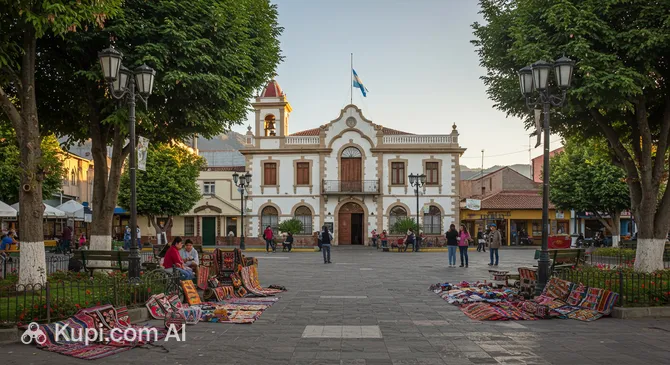
Back in the heart of the town, San Martín Plaza offers a glimpse into the local history and community life. As the central square, it is beautifully maintained with manicured gardens and historic trees. The plaza often hosts artisan fairs where you can find local handicrafts, and it serves as a gathering place for cultural events, making it a great spot to experience the pulse of the city.

Local Cuisine

The culinary landscape of San Martín de los Andes is a delicious reflection of its cultural heritage, blending traditional Argentine flavors with strong Central European influences. Dining here is an integral part of the travel experience, characterized by hearty, warming dishes that are perfect after a day of exploring the mountains or skiing. The local gastronomy relies heavily on regional ingredients, resulting in fresh and authentic flavors that define the taste of Patagonia.

Meat lovers will find their paradise here, with the renowned Patagonian lamb (cordero patagónico) taking center stage. Typically roasted "al asador" (on a cross spit over an open fire), the meat is tender and flavorful. Another staple of the region is fresh river trout, often prepared with lemon, butter, or almonds to highlight its delicate taste. For a unique flavor of the local wilderness, visitors should also try smoked delicacies, including wild boar, venison, and locally cured cheeses, which are often served as appetizers on grazing platters.

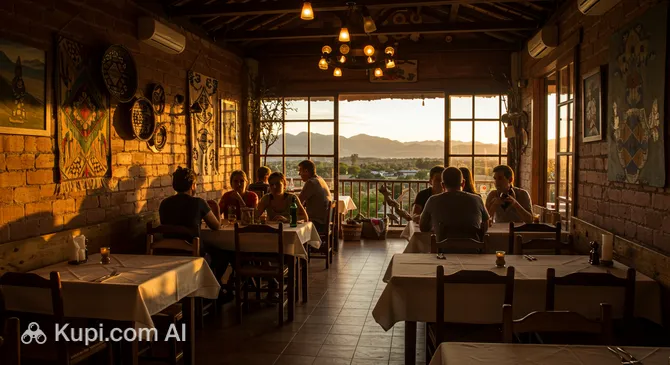
Lo de Chacho Trattoria Gourmet. Source: Kupi.Binoculars

No visit to this Alpine-style town is complete without indulging in its sweet traditions. The city is famous for its high-quality artisanal chocolate, with numerous shops lining the main avenues offering everything from rich hot chocolate to the classic "chocolate en rama" (branch chocolate). The tea house culture is also vibrant, a legacy of European settlers; these cozy establishments serve exquisite afternoon teas accompanied by cakes, scones, and homemade jams made from local berries like rosehip, elderberry, and raspberry.

When it comes to beverages, the region has experienced a significant boom in craft beer production. Local microbreweries offer a wide variety of styles, often using pure glacial water and regional hops to create distinct flavors that rival the best in the country. For wine enthusiasts, excellent Pinot Noir and Malbec from Patagonian vineyards are widely available. Whether you are looking for a casual meal or a refined dining experience at places like Lo de Chacho Trattoria Gourmet, the town's food scene is sure to satisfy every palate.

Travel Tips

Welcome to San Martín de los Andes, a destination where Alpine charm meets the rugged beauty of Patagonia. To help you navigate this picturesque mountain village and its breathtaking surroundings with ease, we have compiled a set of essential practical tips for your journey.

  1. Clothing and Gear: The weather in Patagonia is famously unpredictable, so dressing in layers is the golden rule. In summer (December to February), bring light clothing for the day but always carry a warm fleece and a windbreaker for cool evenings. If visiting in winter (June to August) for skiing, heavy waterproof gear, thermal underwear, and gloves are mandatory. Regardless of the season, sturdy trekking boots are essential for hiking, and don't forget high-SPF sunscreen and sunglasses, as the UV radiation can be strong even on cloudy days.

  2. Transportation: The downtown area is compact and easily explored on foot. However, to visit the surrounding attractions like the Seven Lakes Route or remote beaches, renting a car is highly recommended for flexibility. Taxis and remises (private cars) are available for shorter trips. There is also a local bus system; if you plan to use it, you will likely need a SUBE card, the rechargeable travel card used across Argentina, which can be purchased at kiosks.

  3. Finances: The local currency is the Argentine Peso (ARS). While credit and debit cards are accepted in hotels, major restaurants, and supermarkets, "cash is king" in smaller shops and artisan markets. It is advisable to carry cash for daily expenses and tips. ATMs are available in the city center, but they may run out of money during weekends or holidays. Be aware that exchange rates can fluctuate; check the current situation regarding the "tourist dollar" rate for foreign card payments, which can be very favorable.

  4. Health and Safety: San Martín de los Andes is generally a very safe destination for tourists. Pharmacies are marked with a green cross, and there is always one on "turn" (de turno) that stays open 24 hours a day; schedules are usually posted in pharmacy windows. The main hospital is Hospital Ramón Carrillo. Tap water is generally safe to drink here, coming from mountain sources, but if you have a sensitive stomach, stick to bottled water.

  5. Communication: The official language is Spanish. While staff in high-end hotels and tour agencies often speak English, it is less common in small shops and among locals. Learning a few basic phrases like "Hola" (Hello) and "Gracias" (Thank you) goes a long way. Free Wi-Fi is standard in cafes and accommodations. For mobile data, you can buy a prepaid SIM card from providers like Movistar, Personal, or Claro at local kiosks (kioscos) and activate it with your passport.

  6. Local Etiquette: Argentines are warm and social people. The standard greeting, even sometimes between men who are friends, is a kiss on the right cheek. Dining times are significantly later than in many other countries; locals rarely eat dinner before 9:00 PM or 10:00 PM. When entering a shop, it is polite to say "Buen día" or "Buenas tardes" to the staff before browsing.

  7. What to Avoid: Do not underestimate the wilderness. Never go trekking off marked trails without informing someone of your plans, as cell service is non-existent in many parts of the national park. Also, avoid leaving any trash behind; the locals are extremely protective of their environment, and "leave no trace" is strictly expected.

  8. Siesta Time: Keep in mind that many shops and businesses close for a mid-day break (siesta), typically between 1:00 PM and 4:30 PM or 5:00 PM. Plan your shopping errands for the morning or late afternoon to avoid finding closed doors.

By keeping these practical tips in mind, you will be well-prepared to embrace the relaxed rhythm and natural splendor of San Martín de los Andes. Enjoy your adventure in this stunning corner of the world, where every trail leads to a new discovery and every meal is a celebration of local flavors.

Entertainment & Nightlife

Entertainment and Nightlife:

San Martín de los Andes offers a nightlife experience that perfectly complements its mountain village atmosphere: sophisticated, relaxed, and welcoming. Unlike the high-energy party scenes found in larger cities, the evening entertainment here focuses on social gatherings, excellent gastronomy, and a vibrant craft beer culture. The nightlife is concentrated primarily in the downtown area, particularly along Avenida San Martín and General Villegas street, where the town comes alive with families and groups of friends strolling between venues or enjoying late-night artisanal ice cream.

The star of the local night scene is undoubtedly the cervecería artesanal (craft brewery). These brewpubs serve as the main meeting points for locals and tourists alike, offering a lively ambiance with wooden interiors, rock or pop music, and a wide selection of locally brewed beers. The dress code is generally "mountain casual"—comfortable yet stylish, with fleece and denim being the standard. Most bars and pubs stay open until 2:00 AM or 3:00 AM, especially on weekends, while the few dance clubs in town typically open their doors after midnight and keep the party going until dawn.

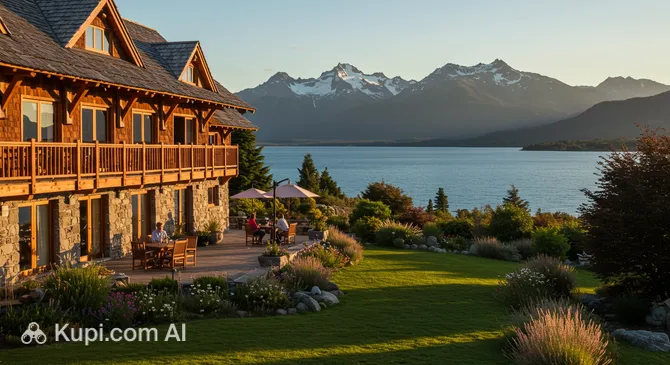
If you are looking for a spot with a view to watch the sunset with a glass of wine in hand, the wine bar at Paihuen Mountain Resort is iconic. Located a bit further from the center, it provides a breathtaking vantage point over Lake Lácar, often accompanied by live music or cultural events in a cozy, upscale environment. It is the perfect setting for a relaxed evening conversation against the backdrop of the Andes.

Paihuen Mountain Resort. Source: Kupi.Binoculars

Beyond bars and dining, the city boasts a vibrant cultural life centered around the Centro Cultural Cotesma. This venue is the artistic heart of the town, functioning as a modern cinema, theater, and art gallery all in one. It hosts a variety of events ranging from film festivals and plays to music concerts and visual art exhibitions, providing a rich indoor entertainment option. Visitors can also explore local history at the town's museums, which offer fascinating insights into the region's heritage without the need for a strenuous excursion.

Safety is one of the city's strong suits; the downtown area is well-lit and secure for night walks. However, if your accommodation is on the outskirts or you stay out very late, it is advisable to use a remis (private taxi). You can easily order one by phone or find them at designated stands in the center. Prices are reasonable, but it is always best to carry some cash (Argentine Pesos) as not all drivers accept cards.

For a more leisurely afternoon entertainment option, a walk to landmarks like Los Ciervos offers a peaceful way to enjoy the scenery before the sun goes down. This area provides stunning views of the lake and is a favorite spot for photographers and nature lovers looking to unwind in a tranquil setting.

Los Ciervos. Source: Kupi.Binoculars

Parks & Museums

San Martín de los Andes is not only a haven for outdoor adventures but also a custodian of rich cultural heritage and pristine green spaces. The city is seamlessly integrated into the surrounding nature, where manicured urban squares give way to vast national reserves, and local museums preserve the stories of the region's diverse past.

The most significant natural area is undoubtedly the Lanín National Park, which encompasses the city and serves as its backyard. Spanning over 400,000 hectares, this protected area is characterized by its forests of ancient Monkey Puzzle trees (Pehuén), glacial lakes, and the towering Lanín Volcano. It functions as a massive open-air sanctuary where visitors can hike, camp, and observe native wildlife in its purest habitat, offering a profound connection with the Andean wilderness.

For a more accessible natural retreat, Villa Quila Quina is a must-visit area located just 18 kilometers from the town center on the southern shore of Lake Lácar. While it is a small village within the national park, it acts as a sprawling recreational park for visitors, featuring beautiful beaches, nature trails, and a strong Mapuche community presence. It is the perfect spot for a day trip to enjoy a picnic by the water or explore the forest trails that wind through the property.

In the center of the urban grid lies the San Martín Plaza, a green oasis that acts as the town's social nucleus. Surrounded by important civic buildings, this square is meticulously maintained with native flora and rose bushes, reflecting the "Garden City" philosophy. It is a peaceful spot to sit and admire the wooden architecture that defines the town's aesthetic, featuring a central monument dedicated to General José de San Martín.

San Martín Plaza. Source: Kupi.Binoculars

For culture enthusiasts, the Museo de los Primeros Pobladores (Museum of the First Settlers) is an essential stop. Housed in a preserved wooden building that dates back to the town's early years, the museum exhibits artifacts from the indigenous Mapuche communities as well as tools and everyday objects used by the European pioneers who colonized the area. It provides a comprehensive overview of the cultural synthesis that created the modern city.

Another unique cultural venue is La Pastera, Museo del Che. Located in a historic barn where Ernesto "Che" Guevara stayed during his travels in 1952, this museum is dedicated to his life and ideology. It features panels, photographs, and multimedia displays that narrate his journey through Patagonia and his subsequent role in world history, making it a compelling site for those interested in political history and biography.

Architecturally, the Parroquia San José stands out as a landmark of spiritual and aesthetic importance. The church's interior is entirely clad in wood, showcasing the region's exceptional carpentry craftsmanship. Its warm, inviting atmosphere and stunning stained glass details make it a serene place for reflection and a fine example of the local mountain style.

Insider Tip: If you are interested in local art, visit the Feria de Artesanos (Artisan Fair) usually held near the main square. It is not just a market but a cultural experience where you can meet the creators of unique wooden crafts, silverware, and textiles, gaining a deeper appreciation for the local talent.

Getting Around

Navigating San Martín de los Andes is relatively straightforward, reflecting its nature as a relaxed mountain town rather than a bustling metropolis. The city does not have a metro, tram, or train system; instead, public transportation relies entirely on a network of buses (colectivos) and a well-organized fleet of taxis and private cars known as remises. For most visitors staying within the downtown area, the compact grid layout makes walking the most pleasant and efficient option, allowing you to admire the Alpine architecture and shop windows at a leisurely pace.

The local bus service connects the city center with outlying neighborhoods and popular tourist attractions, such as Lake Lolog and the beaches at Quila Quina. To use the bus system, you must obtain a SUBE card, the same magnetic travel card used in Buenos Aires and across the country. You cannot pay the driver with cash. These cards can be purchased and recharged at various kioscos (kiosks) and lottery shops throughout the town, usually marked with a blue SUBE sign. It is advisable to buy one immediately upon arrival and keep it topped up, as recharging points may be closed during the afternoon siesta or late at night.

For tourists, understanding the bus schedules is crucial, as frequencies are lower than in major cities. Buses typically run from early morning until around midnight, but intervals between services can range from 20 to 40 minutes or longer depending on the route and season. During the peak summer and winter seasons, additional services are often added to key destinations like the Chapelco Ski Resort, but it is always best to check the current timetables at the bus terminal or ask at your hotel reception to avoid long waits.

If you prefer more comfort or need to travel at specific times, taxis and remises are widely available. Taxis can be hailed on the street, easily identified by their white color with yellow roofs, while remises look like regular cars and must be booked by phone or at a booking office (agencia). Both are safe and reliable, operating with meters or fixed zone rates. This option is particularly recommended for evening dining when you might want to return to your accommodation late, or for carrying ski gear in the winter.

Given the vast natural landscapes surrounding the city, many travelers opt for car rentals to explore at their own rhythm. Renting a vehicle provides the freedom to drive the Seven Lakes Route or reach remote trailheads that public transport does not serve. Alternatively, for short local trips, bike rentals are extremely popular, especially in summer. The town is bike-friendly, and cycling to nearby viewpoints or along the lakefront is a favorite activity for visitors seeking an active way to get around.

Accommodation

Finding the perfect place to stay in San Martín de los Andes is part of the charm of visiting this Alpine-style village. The accommodation landscape is diverse, ranging from budget-friendly hostels and campsites for backpackers to luxurious lodges and spa resorts. However, the most iconic lodging option in the region is the cabaña (cabin). Built with local wood and stone, these self-catering cottages offer a cozy, authentic Patagonian experience and are particularly popular among families and groups looking for independence and comfort.

When choosing where to stay, location plays a key role. Visitors who prefer convenience often opt for the downtown area (El Centro), where restaurants, chocolate shops, and the bus terminal are all within walking distance. This is the most practical choice for those without a car. On the other hand, travelers seeking tranquility and panoramic views often look for properties located on the outskirts, particularly along the road to the Chapelco ski center or overlooking the lake, where nature is the main protagonist.

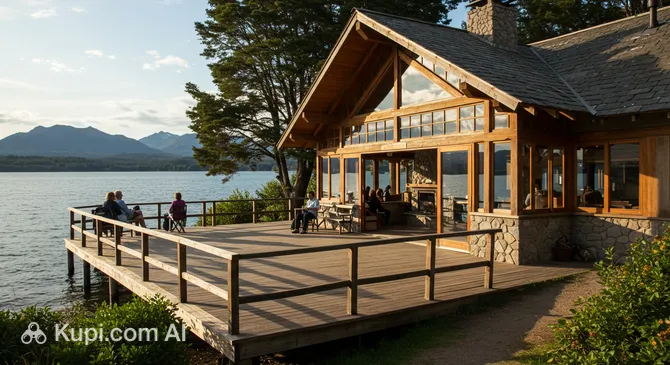
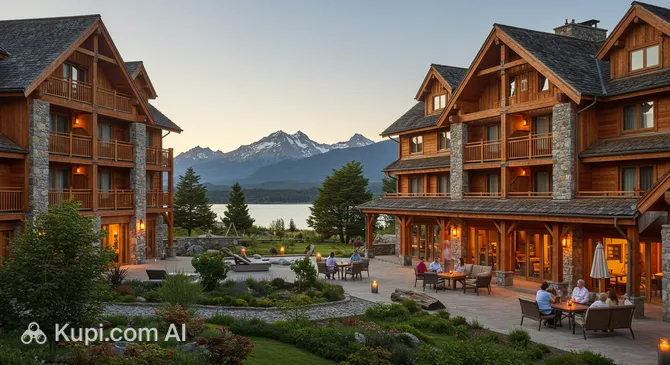
For those looking for established hotels with a range of amenities, the city offers several excellent choices. Paihuen Mountain Resort is a standout option, famous not only for its comfortable lodgings but also for its privileged position offering sweeping views of Lake Lácar. Another well-regarded establishment is Melewe Resort San Martín de los Andes, which provides a blend of relaxation and service, making it a reliable base for exploring the surrounding wonders.

Melewe Resort San Martín de los Andes. Source: Kupi.Binoculars

Regarding prices and booking, San Martín de los Andes caters to various budgets, though it generally leans towards the mid-to-high range due to its status as a premier tourist destination. Prices peak during the winter ski season (July and August) and the summer holidays (January and February). It is highly recommended to book accommodation at least two to three months in advance if you plan to visit during these busy periods, as the best options fill up quickly. While major booking platforms are widely used, many smaller family-run cabins also accept direct bookings via their websites or WhatsApp.

Nearby Cities

For those looking to explore the surroundings, San Martín de los Andes serves as an excellent base for day trips to several interesting nearby locations:

City Population Distance (km)
Bariloche 112887 108
Esquel 36687 306
Cutral Co 35465 227
Centenario 34421 313
Plottier 32390 300

One of the most popular excursions is to Bariloche (San Carlos de Bariloche). Known as the capital of the Argentine Lake District, it offers a vibrant mix of stunning landscapes, famous chocolate shops, and Swiss-style architecture. Visitors can enjoy panoramic views from Cerro Campanario, explore the Circuito Chico, or simply stroll through the lively civic center. The journey itself, often taken via the breathtaking Seven Lakes Route or the more rustic Paso del Córdoba, is an attraction in its own right.

Just a short drive away lies Junín de los Andes, the oldest town in the Neuquén province. Located about 40 km from San Martín, it is renowned as a top destination for fly fishing, particularly in the Chimehuin River. The town is also a hub for religious tourism, featuring the impressive Vía Christi theme park, and serves as a primary gateway for climbing the Lanín Volcano. Its relaxed, rural atmosphere provides a stark contrast to the busier tourist centers.

Another unmissable gem is Villa La Angostura, often called the "Garden of Patagonia." Situated on the northwest shore of Lake Nahuel Huapi, this boutique village is famous for the Arrayanes National Park, home to a unique forest of cinnamon-colored trees. The town offers high-end gastronomy, charming artisan markets, and access to the Cerro Bayo ski center, making it a perfect spot for a leisurely day trip surrounded by pristine nature.

These nearby destinations offer a glimpse into the diverse culture and landscapes of the region, ensuring that your visit to Northern Patagonia is filled with memorable experiences.

Shopping & Souvenirs

Shopping in San Martín de los Andes offers a pleasant break from outdoor adventures, focusing on high-quality regional products rather than large commercial centers. The retail heart of the city is Avenida San Martín, where visitors can wander along wide sidewalks lined with wooden buildings, exploring a variety of boutiques and specialty stores that reflect the town’s Alpine identity.

A trip to this region would be incomplete without tasting its famous artisanal chocolate. The town is home to numerous traditional chocolaterías that have become local institutions. In these shops, you can often observe the production process and choose from an extensive selection of treats, including branch chocolate (chocolate en rama), truffles, and bars mixed with Patagonian berries. These sweet confections are widely considered the classic souvenir of the area.

For authentic local craftsmanship, the Feria de Artesanos (Artisan Fair) is the place to go. Typically situated near San Martín Plaza, this market showcases the work of local artists and producers. Shoppers can find unique items such as hand-carved wooden utensils, silver jewelry, leather goods, and textiles woven with Mapuche techniques, all of which make for meaningful gifts.

Beyond crafts and sweets, the city is a prime destination for purchasing regional gourmet foods. Specialty stores offer a range of smoked products, including trout, boar, and venison, as well as savory pâtés and cheeses. Visitors can also find jars of sweet jams made from rosehip, elderberry, and boysenberry, alongside locally brewed craft beers and liqueurs that capture the flavors of the forest.

Given its location in the Andes, the town is also well-stocked with outdoor clothing and equipment. Several shops along the main avenue specialize in technical gear for skiing, snowboarding, trekking, and fishing, featuring both international brands and high-quality national labels.

Travelers should be aware that local shops often follow a split schedule. Most businesses open in the morning, close for a siesta around 1:00 PM or 2:00 PM, and reopen in the late afternoon, staying open until around 9:00 PM. It is advisable to plan your shopping trips for the morning or the evening when the town center is most lively.

Reached the end of the page?

That means the route is fully explored