Support

Linares

About

Welcome to Linares, a vibrant city located in the heart of the Maule Region. Situated in the fertile central valley of Chile, this destination is known for its warm hospitality, rich agricultural heritage, and a unique blend of urban energy and rural traditions.

With a population of approximately 73,000 residents, Linares serves as a bustling commercial center while retaining a relaxed, provincial atmosphere. The city enjoys a pleasant Mediterranean climate, making it an inviting stop for travelers year-round, especially those interested in exploring the surrounding vineyards and the scenic countryside.

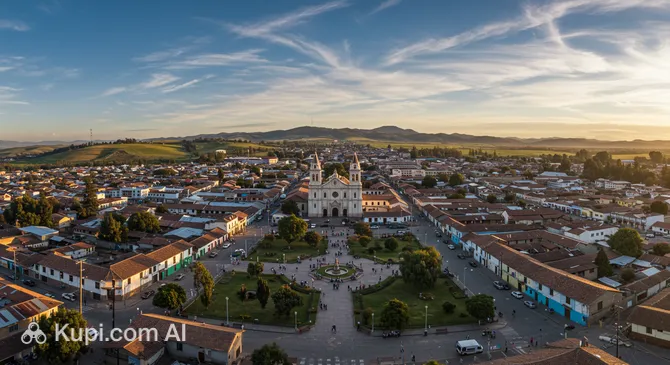
Linares. Source: Kupi.Binoculars

The history of Linares is deeply rooted in the colonial era, having been founded in the 18th century as the "Villa de San Ambrosio de Linares." Visitors can appreciate the city's heritage by visiting the stunning Cathedral of St. Ambrose. This architectural masterpiece, with its distinctive design, dominates the Plaza de Armas and stands as one of the most recognizable landmarks in the area.

Beyond the city center, Linares acts as a gateway to the majestic Andes foothills. Nature lovers are particularly drawn to the pristine Achibueno River sanctuary, often described as the "Patagonia of the Maule" due to its crystal-clear waters and lush forests. Additionally, the region is famous for its healing waters, with the renowned thermal springs of Panimávida and Quinamávida located just a short drive away.

Whether you are seeking cultural immersion or outdoor adventure, Linares offers an authentic experience of central Chile that should not be missed.

Weather Overview

Linares generally enjoys a Mediterranean climate, characterized by distinct seasonal variations that make it a year-round destination, provided you pack accordingly. The summer months, particularly January and February, are warm and dry, with average maximum temperatures reaching approximately 29°C and almost no precipitation.

In contrast, the winter season from June to August brings cooler temperatures and an increase in rainfall. During this time, average lows can drop to around 3.5°C, and June sees the highest frequency of rain with about 13 wet days. For a more detailed breakdown of what to expect during your specific travel dates, you can check the current weather in Linares.

The transition periods of spring and autumn offer moderate and pleasant conditions. November, for example, sees highs of nearly 24°C, while March retains some of the summer warmth with averages around 19°C. Overall, expect warm, sunny summers and cool winters with regular rainfall.

Interesting Facts

Beyond the scenic vineyards and bustling streets, Linares holds several fascinating details that add depth to its character. Uncover these unique aspects of the city’s heritage and culture with these lesser-known facts.

  • Italian Inspiration: The striking Cathedral of St. Ambrose is not a typical colonial church; it was designed in a Romanesque style directly inspired by the Basilica of Sant'Ambrogio in Milan, featuring impressive brickwork and beautiful mosaics.

  • Folklore Legend: The city is the birthplace of Margot Loyola, a legendary figure in the music of Chile who dedicated her life to researching and performing traditional folk songs.

  • Presidential History: Linares is the hometown of Carlos Ibáñez del Campo, a significant political figure who served as the nation's President for two non-consecutive terms during the 20th century.

  • Artistic Treasure: The local Museum of Art and Handicraft (Museo de Arte y Artesanía) is housed in a distinct historical building and preserves one of the most comprehensive collections of traditional crafts and national art in the region.

How to Get There

Reaching this charming destination in the Maule Region is relatively straightforward, thanks to its central location along the country's main transport corridors. While the city itself does not host an airport, visitors can easily fly into nearby major hubs and continue their journey by land. For a complete overview of all transport options, you can read more about how to get to Linares.

The closest major air terminal is Carriel Sur Airport (CCP), located in the city of Concepción, approximately 166.8 km away. This regional hub handles a significant amount of domestic traffic and serves as a convenient entry point for the southern central zone. From here, a transfer by taxi or bus to Linares typically takes around 2.5 to 3 hours via the highway.

For international travelers, the primary gateway is Arturo Merino Benitez Airport (SCL) in Santiago. Although it is located about 282.2 km from Linares, it offers the most extensive flight connections. The journey from the capital to Linares is a scenic drive south along the Pan-American Highway, usually taking between 3.5 to 4 hours by car or bus.

For clarity, here is a summary of the main airports:

Airport Name City Passenger Traffic Km from City
Arturo Merino Benitez Airport Santiago Large 282.2
Carriel Sur Airport Concepción Medium 166.8

In addition to air travel, Linares is well-connected by ground transportation. The city lies directly on the Route 5 South (Pan-American Highway), making it easily accessible by interurban buses from Santiago and other major cities. Furthermore, the city is served by the national railway network, with regular TerraSur train services connecting the local station to Santiago's Alameda station, offering a comfortable and efficient alternative to driving.

Main Attractions

Linares offers a delightful mix of urban history and natural beauty, making it a rewarding destination for travelers exploring the Maule Region. From its bustling main square to the serene landscapes just a short drive away, the city provides a variety of experiences for culture seekers and nature enthusiasts alike.

The heart of the city beats at the Plaza de Armas. This lush, tree-lined square is the perfect starting point for any tour. It serves as a central gathering place for locals and features a traditional odeon and fountains that offer a respite from the summer heat. Dominating the view is the magnificent Cathedral of St. Ambrose (Catedral de San Ambrosio). Unlike many colonial churches in Chile, this structure showcases a striking Romanesque style inspired by Italian architecture. Visitors are often captivated by its impressive brick campanile and the detailed mosaics that adorn the interior, creating a solemn and beautiful atmosphere.

For a deep dive into local culture, the Museo de Arte y Artesanía de Linares is a must-visit. Housed in a beautiful building that reflects traditional Chilean architecture, this museum holds one of the most significant collections in the region. Inside, you can explore exhibits ranging from fine arts to an extensive array of popular handicrafts. It provides a fascinating look into the rural traditions of the central valley, displaying pottery, textiles, and tools that tell the story of the area's agricultural past.

Nature lovers should not miss the chance to explore the Cajón del Achibueno, located just outside the urban area. Often referred to as the "Patagonia of the Maule," this natural sanctuary follows the course of the Achibueno River. It is renowned for its incredibly clear, turquoise waters and native forests. It is an ideal spot for trekking, fly fishing, or simply enjoying a picnic by the riverbanks, offering a pristine escape into nature that feels worlds away from city life.

Just a short distance from Linares lie the historic Termas de Panimávida. These hot springs have been famous for over a century for their therapeutic properties. The complex features a classic hotel and spa facilities where visitors can relax in mineral-rich waters. It is a perfect location for unwinding after a day of hiking or sightseeing, combining health, relaxation, and a touch of history in a tranquil setting.

Local Cuisine

The cuisine of Linares is a true reflection of the Chilean "huaso" (countryside) tradition, deeply rooted in the agricultural abundance of the Maule Region. Visitors can expect hearty, flavorful meals prepared with fresh ingredients sourced directly from the surrounding fertile valleys. The city is known for its unpretentious yet delicious comfort food, where slow-cooked meats and seasonal vegetables take center stage.

A standout dish that every traveler should try is Plateada. This tender pot roast is slowly cooked until the meat practically falls apart and is typically served with spicy mashed potatoes or Chilean-style rice. During the summer months, the menu is dominated by corn-based specialties. Pastel de Choclo (a savory beef and chicken pie topped with a sweet corn crust) and Humitas (seasoned corn dough wrapped and steamed in corn husks) are local favorites that perfectly capture the rustic flavors of the central valley.

When it comes to beverages, Linares is situated in the heart of a premier wine-producing zone. The Maule Valley is famous for its bold reds, particularly Carménère and Cabernet Sauvignon, which pair perfectly with the local meat dishes. For a non-alcoholic refresher, especially on warm days, look for Mote con Huesillo. This traditional Chilean drink—which doubles as a dessert—consists of dried peaches cooked in sugar, water, and cinnamon, served cold with husked wheat.

To experience the local food culture authentically, head to the bustling municipal market or look for "picadas." These are traditional, budget-friendly eateries often frequented by locals, known for serving generous portions of homemade food. Unlike the high-end dining of larger metropolises, the culinary scene here is warm and welcoming, focused on sharing a good meal in a relaxed, family-friendly atmosphere.

Travel Tips

To ensure your visit to Linares is as enjoyable and smooth as possible, it is helpful to know a few practical details about daily life in the Maule Region. Whether you are here for the architectural heritage or using the city as a base for outdoor adventures, these tips will help you navigate the local customs and logistics with ease.

  1. Clothing and Gear: The climate in this part of Chile varies significantly by season. If visiting in summer (December to February), pack lightweight clothing, a hat, and strong sunscreen, as temperatures can be quite high. For winter trips (June to August), bring a waterproof jacket and warm layers to handle the rain and chill. Comfortable walking shoes are essential, especially if you plan to explore the nearby Andean foothills. Don't forget a power adapter for Type C or L sockets (220V) if your devices differ.

  2. Transportation: Within the city, the most popular and efficient way to get around is by colectivos. These are shared taxis that follow fixed routes and are much faster than buses. They are easily identified by the signs on their roofs. For excursions to the Cajón del Achibueno or the thermal springs, renting a car is highly recommended, as public transport frequencies to rural areas can be limited.

  3. Finances: The local currency is the Chilean Peso (CLP). While credit and debit cards are widely accepted in supermarkets, hotels, and established restaurants in the city center, cash is still king in smaller shops, street markets, and rural areas. It is wise to carry small bills ("sencillo") for paying colectivo fares. ATMs are readily available around the Plaza de Armas. In restaurants, a tip ("propina") of 10% is customary and often suggested on the bill.

  4. Health and Safety: Linares is generally a safe and peaceful city. Standard precautions, such as watching your belongings in crowded places like the municipal market, are sufficient. Pharmacies (farmacias) are easy to find along Independencia Street; look for major chains or local chemists. While tap water is generally safe in urban Chile, travelers with sensitive stomachs might prefer bottled water.

  5. Communication: Spanish is the primary language, and English is not widely spoken outside of high-end tourism services. Learning a few basic phrases or having a translation app handy will be very appreciated by the locals. To stay connected, you can purchase a prepaid SIM card at pharmacies or kiosks (kioscos) in the city center, provided your phone is unlocked.

  6. Local Etiquette: Chileans are warm and polite. It is common to greet shopkeepers with a "Buenos días" or "Buenas tardes" upon entering. When meeting locals socially, a handshake is standard, though women often greet friends with a single kiss on the right cheek. Lunch is typically the largest meal of the day, often eaten between 1:00 PM and 3:00 PM.

  7. What to Avoid: Do not assume that all shops remain open during lunch hours. Many smaller local businesses close for a "siesta" or lunch break from roughly 1:30 PM to 3:30 PM. Also, avoid relying solely on digital maps when trekking in the remote precordillera zones, as mobile signal can be patchy; download offline maps beforehand.

  8. Additional Tip: Don't leave the city without trying the famous "Tortas de Linares." These are traditional meringue and manjar (dulce de leche) cakes that are a local specialty. They make for a great snack or a sweet souvenir to take with you.

By keeping these practicalities in mind, you will be well-prepared to immerse yourself in the authentic charm of Linares. The locals are known for their friendliness, so do not hesitate to ask for help or directions—you will likely be met with a smile and useful advice.

Entertainment & Nightlife

Nightlife in Linares reflects the city's relaxed and welcoming character. Unlike the frenetic pace of larger metropolises, the evening scene here is focused on socializing, good conversation, and enjoying quality food and drinks. The atmosphere is generally laid-back, with a mix of locals unwinding after work and visitors soaking in the warm provincial hospitality.

The main hub for evening entertainment is concentrated around the city center, particularly near the Plaza de Armas and the streets of Independencia and Max Jara. Here, you will find a variety of restobars and pubs that come alive after sunset. For those willing to venture a bit further, the road leading to Panimávida (Camino a Panimávida) also hosts some popular venues that offer more space and a lively ambiance, often attracting a younger crowd on weekends.

One of the local favorites is Golden Club Linares, situated on the road to Panimávida. It is well-regarded for its extensive cocktail menu and modern, comfortable setting, making it an excellent spot for a night out with friends. Another notable venue is Bárbaro Bar Café Bistró, located centrally at the corner of Max Jara and San Martín. This spot transitions seamlessly from a dining place to a lively bar in the evening, offering a great selection of drinks and a vibrant atmosphere.

For those seeking a cultural experience, the Teatro Municipal de Linares is the crown jewel of the city's entertainment. This historic venue hosts a diverse calendar of events, ranging from classical music concerts and theater productions to ballet and folklore performances. It is the perfect destination for a sophisticated evening, allowing visitors to engage with the local arts scene in a beautiful architectural setting.

Practical Tips for Nightlife:

  • Timing: The night starts relatively late in Chile. Bars usually fill up after 10:00 PM, and the atmosphere peaks around midnight.
  • Dress Code: The style is generally "smart casual." While you don't need formal wear, avoiding sportswear is recommended for most bars and clubs.
  • Transport: Public transport (buses and shared colectivos) stops running early in the evening, usually around 9:00 PM. For getting back to your accommodation late at night, it is essential to use registered Radio Taxis. Apps like Uber may work but can have limited availability late at night in provincial towns.
  • Safety: Linares is considered safe, but standard precautions apply. Stick to well-lit main streets when walking at night and avoid unpopulated areas on the outskirts.

During the day, entertainment options are equally enriching. Apart from the theater, visitors can explore the Museo de Arte y Artesanía to delve into the region's history or enjoy a leisurely afternoon at the cinema. The city also offers pleasant green spaces for daytime walks, setting a peaceful tone before the evening activities begin.

Parks & Museums

Linares offers a compelling mix of urban green spaces and cultural institutions that allow visitors to connect with both the natural beauty of the Maule Region and its rich artistic heritage. Whether you are looking for a quiet place to relax under the shade of ancient trees or seeking to understand the local history through art, the city provides several excellent options.

The heart of the city's outdoor life is the Plaza de Armas. Far more than just a concrete square, this area functions as a central park, renowned for its lush landscaping and towering trees that provide respite from the summer sun. It is a vibrant meeting point where fountains and well-kept gardens create a serene atmosphere, perfect for a leisurely stroll. Just a few blocks away, the Alameda Valentín Letelier offers a linear park experience. This wide, tree-lined avenue is a favorite among locals for jogging, walking, and enjoying the fresh air without leaving the urban center.

For those willing to venture slightly further afield, the Cajón del Achibueno serves as the city's premier natural sanctuary. While technically a river valley extending into the Andean foothills, it functions as a vast natural park for the community. Here, the pristine waters and native forests offer an immersive nature experience that rivals national parks, ideal for picnicking, swimming, and photography.

On the cultural front, the Museo de Arte y Artesanía de Linares (Museum of Art and Handicraft) is the undisputed highlight. Housed in a beautiful building that reflects traditional architecture, this institution preserves one of the most complete collections of Chilean popular art. Visitors can admire a diverse array of exhibits, ranging from intricate horsehair weaving (a local specialty from nearby Rari) to pottery, textiles, and fine art paintings. It provides a profound look into the rural identity and creative spirit of central Chile.

Another unique venue is Casa Noé Mundo Animal. This ecological park and rehabilitation center located within the city limits is much more than a typical zoo. It focuses on the care and conservation of various species, offering an educational experience that is particularly engaging for families. It features a variety of exotic and native animals in a setting designed to mimic their natural habitats.

For an authentic insider experience, try to visit the museum on a weekday morning when it is quieter, allowing you to appreciate the delicate craftsmanship of the exhibits in peace. Afterward, a walk down the Alameda during the "golden hour" before sunset offers a charming glimpse into the daily life of Linares residents.

Getting Around

Navigating the public transport system in Linares is straightforward and distinct from the experience in larger metropolises like Santiago. The city does not have a metro or tram system; instead, the network relies primarily on road-based transportation. The most popular and efficient way to get around the urban area is by using colectivos. These are shared taxis, typically black sedans, that operate on fixed routes similar to buses. You can identify them by the illuminated signs on their roofs indicating their destination and route number. They are generally faster and more comfortable than buses, making them the preferred choice for locals.

Complementing the colectivos are the local buses, commonly referred to as micros. These are larger, often colorful vehicles that cover both the city center and the surrounding rural areas. While they may be slightly slower and less frequent than colectivos, they are an economical option, especially if you plan to visit the outskirts or nearby towns. Stops are not always strictly marked in residential areas, so it is common practice to wave at the driver to signal that you wish to board.

When it comes to payment, simplicity is key. Unlike the capital, Linares does not use a rechargeable travel card system (like the "Bip!" card). Cash is the only method of payment for both colectivos and micros. You pay the driver directly upon boarding. Fares are fixed and relatively low, but it is essential to carry small bills or coins ("sencillo"), as drivers may struggle to provide change for large denomination banknotes. There are no tickets to validate; the payment itself grants you the ride.

For tourists, a few practical tips will ensure a smooth journey. Public transport in Linares typically operates from early morning until around 9:00 PM or 10:00 PM. After these hours, frequency drops significantly, and services may stop altogether. If you are planning a late dinner or a night out, be prepared to arrange alternative transport for your return. Additionally, always check the sign on the colectivo's roof to ensure it is heading in your direction, or simply ask the driver before getting in.

As an alternative to public transit, Radio Taxis are widely available and are considered a safe and reliable option, particularly at night. These can be called by phone or found at designated ranks, usually near the Plaza de Armas or the bus terminal. While ride-sharing apps are becoming more common in Chile, their availability in smaller cities like Linares can be inconsistent compared to major hubs, so it is wise not to rely on them exclusively.

A notable feature of the city's transport infrastructure is the historic Linares Railway Station. While it serves primarily as an intercity link connecting Linares to Santiago and Chillán via the TerraSur service, it is a vital hub for travelers. The train offers a comfortable and scenic alternative to buses for entering or leaving the city, and the station itself is a recognizable landmark within the urban grid.

Finally, due to the compact nature of the city center, walking is often the best way to explore. Most major attractions, including the Cathedral and the Museum of Art and Handicraft, are located within a few blocks of the main square. For those looking to explore at a leisurely pace, the flat terrain is also suitable for cycling, although dedicated bike lanes are limited compared to larger cities.

Accommodation

Finding a place to stay in Linares is a straightforward experience, with options that reflect the city's dual role as a busy commercial center and a gateway to the natural wonders of the Maule Region. The accommodation landscape is diverse, ranging from budget-friendly guesthouses (known locally as "residenciales") and functional city hotels to rustic cabins and historic wellness resorts in the surrounding countryside.

For travelers who prioritize convenience and connectivity, the City Center is the most practical area to base yourself. Staying near the Plaza de Armas or along the main commercial avenues places you within walking distance of the bus terminals, supermarkets, and local restaurants. This area is particularly suitable for those relying on public transport or planning a short stopover. The hotels here are generally mid-range, catering to both business travelers and tourists with standard amenities like Wi-Fi and breakfast.

If you are seeking relaxation or a deeper connection with nature, the outskirts of the city offer a more scenic alternative. The road leading to the thermal spring villages of Panimávida and Quinamávida is a popular corridor for tourism. This area is home to traditional resort hotels and spa complexes where guests can enjoy therapeutic mineral waters and extensive gardens. These establishments are ideal for a rejuvenating retreat, combining comfortable lodging with health and wellness services.

Another excellent option for nature lovers is the area towards the Cajón del Achibueno and the Andean foothills. Here, the accommodation style shifts primarily towards "cabañas" (fully equipped wooden cabins) and eco-lodges. These are perfect for families or small groups looking for more privacy, self-catering facilities, and direct access to river swimming spots and trekking trails.

Booking Tips and Practical Information:

  • Advance Planning: While Linares is generally less crowded than Chile's major coastal destinations, it is highly recommended to book in advance if you plan to visit during the peak summer season (January and February) or during the Fiestas Patrias national holidays in September.
  • Price Range: Accommodation prices in Linares are generally moderate and offer good value for money compared to the capital or more famous tourist hubs like Pucón. Options range from affordable budget stays to mid-priced thermal resorts.
  • How to Book: Larger hotels and established resorts are usually listed on major international booking platforms. However, for many smaller cabins and family-run guesthouses in the rural sectors, direct contact via phone or WhatsApp is often the most effective way to secure a reservation.

Nearby Cities

For those looking to explore the surroundings, Linares serves as an excellent base for day trips to several interesting nearby locations:

City Population Distance (km)
Talca 206069 47
Chillán 164270 96
San Clemente 43269 36
Constitucion 41207 93
Cauquenes 40441 67

One of the most accessible destinations is Talca, the regional capital located less than an hour away. It offers a blend of historical significance and urban convenience, known for being the site where Chile's Declaration of Independence was signed. Visitors can explore the Huilquilemu Cultural Center or use the city as a starting point to tour the renowned vineyards of the Maule Valley wine route.

For a change of scenery, a trip to the coast leads to Constitucion. Often called the "Pearl of the Maule," this seaside city is famous for its dramatic rock formations, such as the Piedra de la Iglesia, and its distinctive black sand beaches. It is a fantastic spot to enjoy fresh seafood and take boat rides along the mouth of the Maule River.

Nature lovers might prefer heading towards San Clemente. Situated closer to the Andes, this town acts as a gateway to some of the region's most impressive natural landscapes, including the Altos de Lircay National Reserve. It is an ideal stop for those seeking hiking trails, native forests, and a connection with the rugged beauty of the pre-cordillera.

These nearby destinations offer a glimpse into the diverse culture and landscapes of the region.

Shopping & Souvenirs

Shopping in Linares offers a genuine glimpse into the daily life of the Maule Region. While the city is not known as a major fashion capital or a luxury retail destination, it provides a charming mix of modern convenience and traditional commerce. Visitors will find that the shopping experience here is less about high-end brands and more about discovering local craftsmanship, agricultural products, and the authentic atmosphere of a bustling provincial center.

The commercial heartbeat of the city is undoubtedly Calle Independencia. This central thoroughfare, along with the streets immediately surrounding the Plaza de Armas, is lined with a variety of shops ranging from clothing boutiques and shoe stores to pharmacies and bookstores. Walking down this street is the best way to soak up the local vibe, as it is constantly teeming with activity. Nearby, Calle Maipú also hosts numerous smaller businesses and local vendors, making the city center a compact and walkable open-air shopping district.

For those looking for a more modern, all-in-one shopping experience, the city is home to Espacio Urbano Linares. This shopping center serves as the main retail hub for the community, featuring a large supermarket, a department store, and a selection of smaller brand-name shops. It is a convenient stop for travelers needing to restock on supplies, buy electronics, or simply enjoy a coffee in a climate-controlled environment.

To truly understand the local culture, a visit to the Mercado Municipal de Linares is essential. Located centrally, this market is a sensory delight, filled with the colors and scents of fresh seasonal produce from the surrounding fertile valleys. Apart from fruits and vegetables, it is a great place to find traditional Chilean spices, local cheeses, and inexpensive, hearty meals. It represents the agricultural soul of the province and is a stark contrast to the modern retail spaces.

When it comes to souvenirs, Linares and its surroundings offer unique treasures. The most distinctive local handicraft is crin de Rari (horsehair weaving). Originating from the nearby village of Rari, these delicate and colorful miniature figures—often shaped like butterflies, flowers, or witches—are woven from horsehair and vegetable fibers. They are unique to this part of Chile and make for lightweight, beautiful gifts. Additionally, do not forget to pick up a box of "Tortas de Linares," the city’s famous layer cakes, or a bottle of wine from the local Maule Valley vineyards.

Store opening hours in Linares typically follow a traditional schedule. Major supermarkets and the shopping mall usually operate continuously from around 9:00 AM to 9:00 PM. However, smaller independent shops in the city center often close for a lunch break (siesta) between 1:30 PM and 3:30 PM, reopening until about 8:00 PM. Regarding payment, major credit and debit cards are widely accepted in established stores and the mall, but carrying cash (Chilean Pesos) is highly recommended for the municipal market, street vendors, and smaller kiosks.

Regarding tax-free shopping, tourists should be aware that Chile's VAT (IVA) is generally included in the final price of goods. While there is a system for tax refunds for international tourists, it is typically limited to specific authorized stores and is not commonly found in provincial cities like Linares. It is best to assume the price you see is the final price.
Reached the end of the page?

That means the route is fully explored