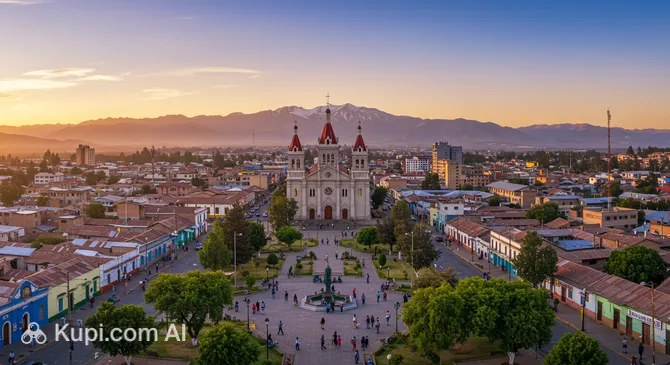
Welcome to Rancagua, a city that perfectly blends urban energy with the rustic charm of the Chilean countryside. As the capital of the O'Higgins Region, this bustling metropolis serves as a gateway to some of the country's most renowned vineyards and historical sites. Located in the central valley of Chile, Rancagua is home to approximately 231,000 residents and offers a warm Mediterranean climate that makes exploring the area a delight throughout most of the year.
The city holds a special place in the nation's heart due to its deep connection to the "huaso" (Chilean cowboy) culture. It is often referred to as the place where the country's rural traditions come alive, hosting the famous Champion de Chile rodeo at the Medialuna Monumental. Visitors interested in the past will find the history of Rancagua fascinating, particularly its pivotal role in the struggle for independence, which is commemorated in its streets and monuments.
Rancagua. Illustration.
Source: Kupi.com AI
Travelers will find plenty to see, starting with the unique Plaza de los Héroes, which is designed in the shape of a cross and surrounded by important historical buildings. Just a short trip from the city center, you can discover the UNESCO World Heritage site of Sewell, a legendary mining town built on the slopes of the Andes. Whether you are here to taste exquisite local wines or to immerse yourself in authentic folklore, Rancagua offers a memorable experience for every traveler.
We invite you to discover the hospitality and heritage of this central Chilean gem. From its lively festivals to its strategic location near mountains and valleys, Rancagua is an excellent destination for your next South American adventure.
Weather Overview
The climate in Rancagua is characterized by distinct seasonal changes, offering warm, sunny summers and cooler winters. During the peak summer months of January and February, visitors can enjoy pleasant conditions with average maximum temperatures reaching 27.1°C and virtually no rainfall. This period is ideal for exploring the city and the surrounding O'Higgins Region without the worry of wet weather.
In contrast, the winter season from June to August brings a noticeable drop in temperature. July is typically the coldest month, with average temperatures around 7.1°C and lows dipping to 1.2°C. While heavy downpours are not extremely common based on historical averages, June sees the highest frequency of damp weather with approximately 11 wet days. For the most up-to-date forecast, we recommend checking the weather in Rancagua before you pack. Generally, expect warm, dry summers and cool winters with chilly nights.
Average monthly temperature
Average monthly precipitation
Interesting Facts
Beyond its well-known role as a hub for Chilean traditions, Rancagua holds several intriguing stories and unique features that often surprise visitors. From humorous internet legends to record-breaking industrial feats, the city offers much more than meets the eye.
Regional Museum of Rancagua. Illustration.
Source: Kupi.com AI
Traveler photos:
One of the most curious modern facts about the city is the internet phenomenon claiming that "Rancagua does not exist." Similar to the Bielefeld conspiracy in Germany, this humorous urban legend suggests the city is a simulation or a secret base, having become a popular meme among Chileans that locals embrace with good humor.
The city is home to a significant piece of mining history, located just a short distance away: El Teniente. It holds the title of the world's largest underground copper mine, with thousands of kilometers of tunnels winding beneath the Andes Mountains, playing a vital role in the region's economy and development.
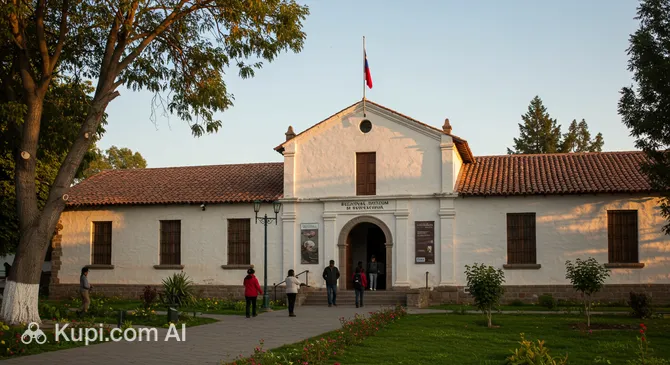
Rancagua is one of the few places where you can step directly into the colonial past, despite Chile's history of earthquakes. The Regional Museum of Rancagua is housed in a National Monument that consists of two preserved colonial houses, offering a rare glimpse into 18th-century domestic life and architecture.
Historically, the city earned the title "The Heroic City" following the Disaster of Rancagua in 1814. This pivotal event in the Chilean War of Independence is deeply ingrained in the local identity, marking the moment when Bernardo O'Higgins and his troops made a legendary stand against royalist forces.
How to Get There
Reaching Rancagua is quite convenient due to its proximity to the capital. Whether you are arriving in Chile from international destinations or neighboring regions, the city is well-connected by road and rail networks. For detailed information on all available transport options, you can read more about how to get to Rancagua to plan your journey effectively.
The city of Rancagua does not have its own commercial airport suitable for regular passenger flights. The most common entry point for international and domestic travelers is Arturo Merino Benitez Airport (IATA: SCL), located in Santiago, approximately 86 km away. As the country's main gateway, it handles a large volume of passengers annually. From the airport, the journey to Rancagua by taxi or transfer takes approximately 2 hours and 30 minutes, depending on traffic conditions in the capital.
Another option, though located across the border in Argentina, is El Plumerillo International Airport (IATA: MDZ) in the city of Mendoza. Situated about 234 km from Rancagua, this airport serves as an alternative for travelers coming from the Argentine side of the Andes, although the travel time will be significantly longer due to the mountain crossing. There is also San Rafael Airport (IATA: AFA) in San Rafael, roughly 220 km away, which handles a smaller volume of regional traffic.
For clarity, here is a summary of the main airports:
Regarding rail transport, Rancagua is excellently linked to the national railway network. While specific station data is not listed here, the city is a major stop on the commuter train line running south from Santiago's Estación Central. The "Tren Rancagua-Estación Central" service offers frequent and comfortable connections, making it one of the most popular ways for locals and tourists to travel between the capital and the O'Higgins Region. The train ride is generally faster than traveling by bus, avoiding the traffic congestion often found on the highway.
Main Attractions
Attractions:
Rancagua offers a variety of points of interest that cater to different tastes, ranging from modern cultural hubs to relaxing green spaces. Whether you are looking to immerse yourself in the local arts scene or simply enjoy a leisurely afternoon outdoors, the city has several notable spots to visit.
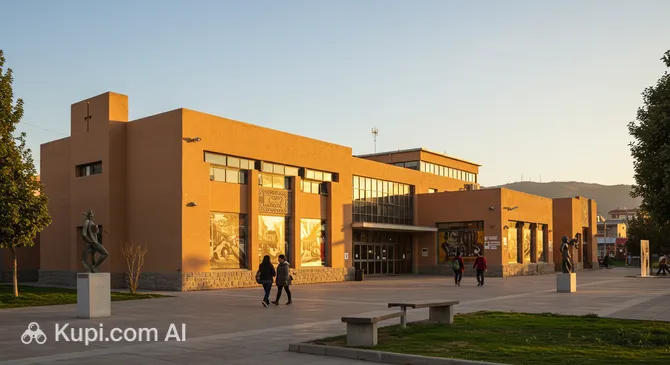
A focal point for arts and community life is the Rancagua Cultural Center. This modern facility is architecturally striking and serves as the city's premier venue for theater, music, and dance performances. Tourists interested in the local creative scene will find it a fascinating place to explore, as it frequently hosts exhibitions and workshops that highlight the artistic talent of the O'Higgins Region.
Rancagua Cultural Center. Illustration.
Source: Kupi.com AI
Traveler photos:
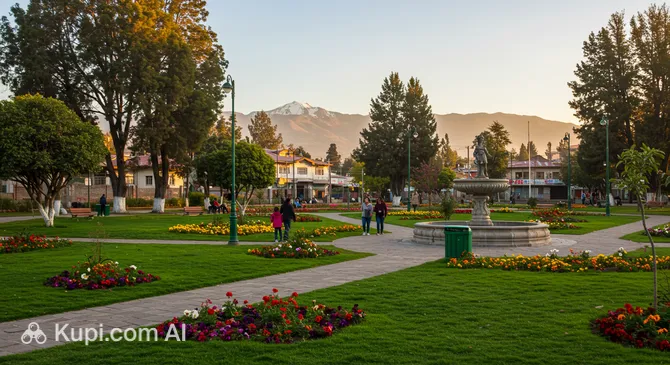
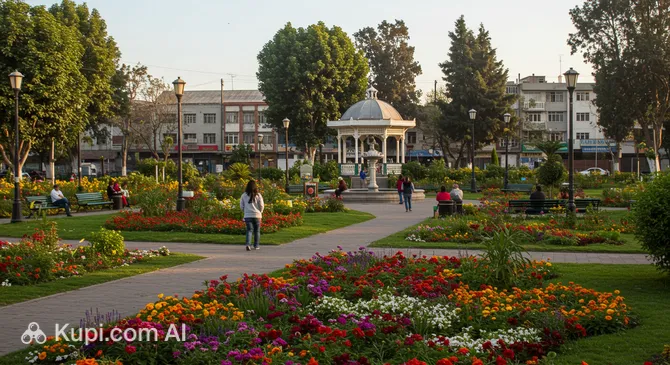
For those seeking fresh air and tranquility, Cataluña Park is a wonderful choice. It is a popular green space where locals and visitors alike come to unwind, exercise, or enjoy a picnic. The park provides a welcome break from the urban environment, offering well-maintained paths and plenty of shade, making it an ideal spot for families or anyone looking to recharge in nature.
Cataluña Park. Illustration.
Source: Kupi.com AI
Traveler photos:
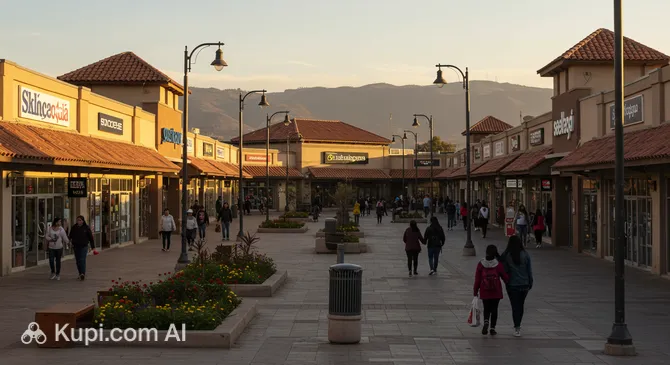
If you enjoy shopping or need to pick up supplies, Cenco Rancagua is one of the main commercial centers in the city. This large shopping mall features a wide array of retail stores, a food court, and entertainment options. It is a convenient stop for tourists who want to browse international brands or enjoy a meal in a comfortable, modern setting.
Cenco Rancagua. Illustration.
Source: Kupi.com AI
Traveler photos:
Another charming location to experience the local atmosphere is Villa Triana Square. Situated in a traditional neighborhood, this square offers a glimpse into the everyday life of Rancagua's residents. It is a quieter, more intimate space compared to the main city plazas, perfect for a peaceful stroll and appreciating the residential architecture that surrounds it.
Local Cuisine
The culinary scene in Rancagua is a delicious reflection of its location in the heart of the Chilean countryside. As the capital of an agricultural powerhouse, the city benefits from an abundance of fresh local produce, which serves as the foundation for its hearty and rustic cuisine. Visitors can expect generous portions of traditional "comida típica," often prepared with recipes passed down through generations of "huaso" families.
One of the most iconic dishes to try here is Pastel de Choclo, a savory corn pie filled with ground beef, chicken, onions, olives, and hard-boiled eggs. It is especially popular during the summer months when the corn is at its sweetest. Another staple is the Empanada de Pino, a baked pastry filled with a similar meat mixture that is a ubiquitous snack throughout the city. For meat lovers, the local "parrilladas" (barbecues) are a must, showcasing the region's high-quality beef grilled to perfection.
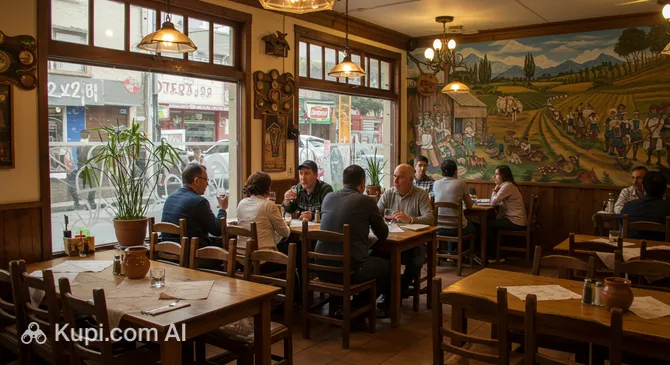
Don Teo Restobar. Illustration.
Source: Kupi.com AI
Traveler photos:
Dining out in Rancagua offers a blend of casual eateries and modern establishments. Locals often enjoy long lunches where they can socialize over good food. If you are looking for a place to experience the local dining atmosphere, Don Teo Restobar is a well-known option where you can enjoy a satisfying meal in a lively setting. Alternatively, for those seeking a diverse menu with Italian influences, Magari offers a refined experience that highlights quality ingredients.
No gastronomic tour of Rancagua would be complete without exploring the local beverages. The city sits within the Cachapoal Valley, a renowned wine region famous for its robust red wines, particularly Carmenère and Cabernet Sauvignon. For a more traditional taste, try Chicha, a fermented drink made from grapes or apples that is synonymous with the rodeo culture of the area. For an evening drink accompanied by tasty snacks, Tara Rancagua, Tapas & Bar is a great spot to unwind and sample local flavors.
Travel Tips
To help you make the most of your visit to Rancagua, we have compiled a list of essential travel tips. Whether you are here to explore the nearby vineyards, attend a rodeo, or simply soak up the local culture, these practical insights will ensure your journey through the O'Higgins Region is smooth and enjoyable.
Clothing and Gear: The climate in the central valley varies significantly by season. In summer (December to February), the sun is intense, so bring lightweight clothing, a hat, and high-SPF sunscreen. Winters (June to August) can be damp and chilly, requiring warm layers and a waterproof jacket. Comfortable walking shoes are a must for exploring the city center and the nearby Sewell mining town.
Transportation: While buses are available, the most popular way for locals to get around is by colectivos. These are shared taxis (usually black sedans with roof signs) that run on fixed routes and are faster than buses. Rideshare apps like Uber are also active and reliable. To travel to or from Santiago, the Tren Rancagua-Estación Central is the most efficient option; remember to buy and top up your travel card at the station.
Finances: The local currency is the Chilean Peso (CLP). Major credit cards are widely accepted in malls like Cenco Rancagua, supermarkets, and established restaurants. However, you will need cash for small shops, street food, and paying for colectivos. ATMs are plentiful in the city center, but it is wise to withdraw money during the day inside secure locations.
Health and Safety: Rancagua is generally safe, but standard precautions apply. Avoid walking alone in poorly lit areas on the outskirts at night. Regarding health, the UV index in central Chile can be extremely high even on cloudy days; always wear sun protection. Pharmacies (farmacias) are easy to find, and major chains usually have a branch open 24/7 (known as "de turno").
Communication: Spanish is the official language. English is not widely spoken outside of major hotels or tourist agencies, so downloading a translation app or learning basic phrases like "Hola" (Hello) and "¿Cuánto cuesta?" (How much?) is highly recommended. Chilean Spanish is known for being fast and full of slang, so don't be afraid to ask people to speak slowly ("más lento, por favor").
Local Etiquette: Chileans are warm and polite. The standard greeting is a handshake or, among acquaintances and women, a single kiss on the right cheek. When entering a shop or boarding a bus, it is polite to say "Buenos días" or "Buenas tardes". If you are invited to a local's home, bringing a small gift like chocolates or wine is a nice gesture.
What to Avoid: Do not confuse colectivos with private taxis. Colectivos have fixed rates displayed on the windshield and pick up multiple passengers along the route. Taking a private taxi (usually painted black and yellow with an orange license plate) will be significantly more expensive for the same distance. Also, avoid drinking alcohol in public streets or parks, as it is prohibited by law.
Additional Tip: If you are visiting in April, be prepared for the city to be busier than usual. This is when Rancagua hosts the Champion de Chile, the national rodeo championship. It is a fantastic cultural experience, but accommodation prices may rise, and the city will be packed with visitors celebrating "huaso" traditions.
By keeping these tips in mind, you will be well-prepared to navigate the city like a local. Rancagua's blend of history, agriculture, and tradition offers a unique slice of Chilean life, and a little preparation will go a long way in helping you uncover its hidden charms.
Entertainment & Nightlife
While Rancagua may be better known for its traditions and history, the city comes alive after sunset with a vibrant and authentic nightlife scene. Unlike the overwhelming bustle of larger metropolises, the evening atmosphere here is welcoming and community-focused, offering a mix of laid-back pubs, energetic dance floors, and sophisticated dining spots. The nightlife is spread across various parts of the city, with popular clusters found along main avenues like Avenida Miguel Ramírez and the areas surrounding the city center.
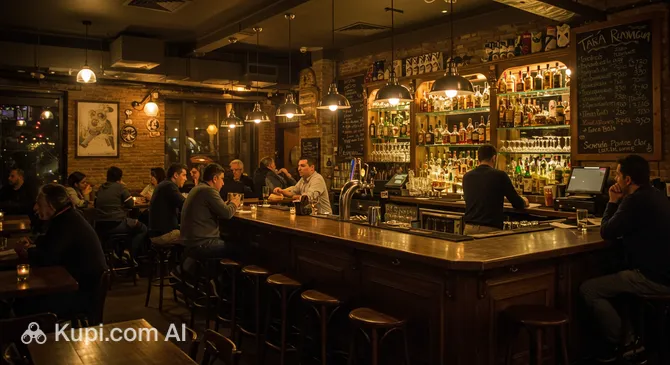
For those looking to start the night with good conversation and drinks, the local bar scene offers excellent options. Tara Rancagua, Tapas & Bar is a favorite among locals for its relaxed ambiance and delicious small plates, making it a perfect spot to warm up for the night. The crowd here is typically a mix of young professionals and friends catching up, creating a friendly and safe environment for visitors.
Tara Rancagua, Tapas & Bar. Illustration.
Source: Kupi.com AI
Traveler photos:
If you prefer a venue that combines a hearty meal with a lively bar atmosphere, Muelle 41 Restaurant & Bar is highly recommended. It is a great place to experience the local social culture, where dinner often transitions seamlessly into late-night drinks. The dress code in most of these establishments is smart-casual; jeans and a nice shirt are generally appropriate for almost any venue in the city.
For those who want to dance the night away, The Bar Twins is a popular destination. Known for its energetic vibe and music that keeps the crowd moving, it captures the spirit of Rancagua's younger nightlife. The peak hours for clubs and bars usually start after 11:00 PM, with the energy lasting well into the early morning on weekends.
The Bar Twins. Illustration.
Source: Kupi.com AI
Traveler photos:
Beyond bars and clubs, the city offers plenty of evening entertainment suitable for families or those seeking a quieter night. Open Plaza Rancagua is a major hub not just for shopping, but for entertainment as well. It frequently hosts events and houses a cinema complex, making it a go-to location for catching the latest movies or enjoying a late dinner at the food court in a secure, modern setting.
During the day, entertainment in Rancagua takes a more cultural turn. Visitors can explore the city's green spaces like Koke Park or enjoy local productions at the theaters. The city's museums offer a deep dive into colonial history, providing a perfect contrast to the modern energy of the shopping districts.
When enjoying a night out, safety is generally not a major concern in the main commercial areas, but standard urban precautions apply. It is advisable to stick to well-lit streets and avoid walking alone late at night in residential outskirts. For transportation, radio taxis are the most reliable way to get back to your accommodation; it is best to ask the venue staff to call one for you or use a reputable ride-sharing app, rather than hailing a cab on the street.
Parks & Museums
Rancagua provides a fascinating mix of colonial heritage and urban greenery, offering visitors a chance to step back in time while enjoying the outdoors. The city’s layout preserves significant historical sites alongside refreshing parks, making it easy to combine a cultural tour with a relaxing afternoon in nature. Whether you are interested in the roots of Chilean independence or simply looking for a quiet place to stroll, the city has several spaces worth exploring.
One of the most traditional green spaces in the city is Koke Park. This area is deeply rooted in the local identity, having transformed from an old estate into a public park that serves as a "green lung" for the community. It is known for its mature trees and family-friendly atmosphere, offering a peaceful retreat from the bustling streets. It is an excellent spot for a leisurely walk or to observe the daily life of Rancagua's residents in a historic setting.
Koke Park. Illustration.
Source: Kupi.com AI
Traveler photos:
For those who enjoy active exploration, Sendero Rancagua offers a different kind of outdoor experience. This attraction is ideal for visitors looking to stretch their legs and enjoy a dedicated path for walking. It represents the city's effort to integrate recreational spaces into the urban fabric, providing a safe and pleasant environment for exercise and fresh air within the city limits.
Sendero Rancagua. Illustration.
Source: Kupi.com AI
Traveler photos:
When it comes to culture and history, the Regional Museum of Rancagua is the undisputed highlight. Housed in two preserved colonial mansions—the Casa del Ochavo and the Casa del Pilar—the museum offers a vivid window into the 18th and 19th centuries. Visitors can wander through patios and rooms filled with period furniture, tools, and artifacts that tell the story of the region's agricultural past and its role in the fight for independence. It is a must-visit for anyone wanting to understand the foundations of the O'Higgins Region.
Contrasting with the colonial past is the Rancagua Cultural Center, a beacon of modern artistic expression. This venue is the heart of the city's contemporary cultural scene, hosting a rotating calendar of art exhibitions, theater productions, and musical performances. While the museum looks back, this center looks forward, showcasing the creativity of local and national artists in a striking architectural setting.
Beyond the museums, the city center itself serves as an open-air gallery of history. The Plaza de los Héroes is not just a central square but a monument to the Battle of Rancagua. Walking around this area, you will see the Church of La Merced, which played a crucial role during the battle. For a lesser-known experience, take a walk through the streets surrounding Villa Triana Square. This neighborhood offers a quieter, more intimate perspective of the city, featuring charming residential architecture that often goes unnoticed by the typical tourist.
Getting Around
Navigating Rancagua is relatively straightforward, with a public transport system primarily composed of buses, shared taxis known as "colectivos," and a commuter train service. Unlike larger capitals with extensive underground networks, this city relies on surface transport to connect its various neighborhoods. The system is designed to be practical and affordable, serving both the dense city center and the sprawling residential areas that surround it.
The most ubiquitous form of transport is the local bus, commonly referred to as a "micro." These buses are easily recognizable by their color schemes, often red and beige or green, depending on the line. They cover extensive routes throughout the city and are generally the most economical way to travel. Stops are designated, but in practice, drivers often stop if hailed from a safe spot along the road. It is important to know that these buses do not typically use a digital card system; fares are paid directly to the driver in cash upon boarding.
A unique and highly popular alternative to the bus is the "colectivo." These are black sedans that function as shared taxis, following fixed routes similar to buses but offering the speed and comfort of a car. You can identify them by the illuminated sign on their roof, which displays the route number and main destination. They carry up to four passengers and are slightly more expensive than buses but significantly faster. Like the buses, payment is made in cash, usually at the end of the trip or when you get in.
For travel to nearby towns or the capital, the "Tren Rancagua" is the backbone of regional connectivity. This modern commuter train service is fast, reliable, and comfortable. Unlike the local street transport, the train requires a dedicated rechargeable card, which can be purchased and topped up at the ticket offices or automatic machines located at the station. This service is particularly useful for tourists planning day trips to vineyards or needing a quick link to the metropolitan area to the north.
Regarding payment and practical tips, cash is king for internal city travel. Tourists are strongly advised to carry small denominations of the local currency (coins and small bills), as bus and colectivo drivers often have limited change for large banknotes. While there are no complex validation machines for buses, you simply hand the money to the driver and receive a small paper ticket in return, which serves as your receipt and insurance.
Operating hours for public transport generally run from around 6:00 AM to 10:00 PM. However, the frequency of buses and colectivos drops significantly after 9:00 PM and on Sundays. If you are traveling late at night, it is safer and more convenient to use private transport alternatives. Ride-sharing apps are active in the city and offer a reliable way to get around when public routes have slowed down, providing an upfront price and digital payment options.
For shorter distances within the historic center, walking is often the best option, as many attractions are clustered close together. However, if you need a private taxi, look for the black and yellow cars with orange license plates. Always ensure the meter is running or agree on a fare beforehand if the meter is not used, although using an app is generally recommended for tourists to avoid language barriers and fare disputes.
Accommodation
Where to Stay:
Accommodation in Rancagua caters primarily to business travelers, mining industry professionals, and visitors interested in the local rodeo culture. Consequently, the city offers a functional range of options rather than an abundance of luxury resorts. Travelers can expect to find reliable mid-range chain hotels, comfortable apartment rentals, and smaller, family-run guesthouses known as "hostales" that offer a more personal touch.
The most convenient area for tourists is the city center, particularly the blocks surrounding the historic Plaza de los Héroes. Staying here places you within walking distance of key landmarks and the main pedestrian promenades. Alternatively, the commercial district near the highway and major shopping hubs, such as the area around Cenco Rancagua, is popular for those arriving by car or seeking modern amenities. These locations offer easy access to restaurants and entertainment while providing quick connections to the region's vineyards.
Price ranges in Rancagua are generally more moderate compared to the capital, Santiago. Budget travelers can find affordable stays in local hostels, while mid-range hotels offer good value with standard amenities like Wi-Fi and breakfast. Booking is typically straightforward through major online platforms for established hotels. However, for smaller guesthouses, it is sometimes necessary to contact them directly or pay in cash upon arrival.
A crucial tip for booking accommodation is to check the calendar for the Champion de Chile, the national rodeo championship held annually in April. During this week, the city is flooded with visitors, and room rates skyrocket while availability disappears months in advance. If you plan to visit during this period or during major mining conventions, securing your reservation well ahead of time is essential to ensure a comfortable stay.
Nearby Cities
For those looking to explore the surroundings, Rancagua serves as an excellent base for day trips to several interesting nearby locations:
Located just to the south, San Fernando is a key destination for culture and wine enthusiasts. It acts as the gateway to the renowned Colchagua Valley, where visitors can tour prestigious vineyards and taste some of Chile's best red wines. The city itself retains a traditional atmosphere, with historical sites like the Lircunlauta House offering insight into the colonial era.
Closer to Rancagua is Rengo, a city known for its strong religious heritage and architectural beauty. Its centerpiece is the Basilica of Saint Anne, a stunning structure that draws visitors from across the region. Rengo offers a more relaxed pace, perfect for a short afternoon trip to enjoy local squares and the surrounding agricultural landscape.
To the north lies Buin, which is a fantastic option for families. It is home to the Buin Zoo, one of the largest and most diverse zoological parks in the country, providing an exciting day out for children and adults alike. Additionally, Buin sits within the historic Maipo Valley, allowing travelers to easily combine a zoo visit with a tour of some of Chile's oldest wineries.
City
Population
Distance
Machali
42 572
8 km
Graneros
30 320
11 km
Lo Miranda
9 000
14 km
Requinoa
26 089
14 km
Olivar Bajo
13 033
15 km
These nearby destinations offer a glimpse into the diverse culture and landscapes of the region.
Shopping & Souvenirs
Shopping in Rancagua offers a practical mix of modern retail convenience and traditional Chilean commerce. As the commercial heart of the O'Higgins Region, the city caters to both the local population and visitors from the surrounding countryside. Travelers can expect to find everything from large department stores and international brands to small independent boutiques selling local handicrafts, making it easy to find both travel essentials and unique gifts.
The main hub for pedestrian shopping is Paseo Independencia. This bustling street runs through the center of the city, connecting the historic Plaza de los Héroes with the train station area. It is lined with a multitude of shoe stores, clothing boutiques, pharmacies, and banks. Walking down this promenade provides a lively atmosphere where street vendors sell snacks and trinkets alongside established retail chains, offering a true slice of daily life in the city.
For a more modern and comprehensive shopping experience, the city features several large malls. Cenco Rancagua is one of the most prominent shopping centers, housing major department stores, a supermarket, and a variety of specialty shops under one roof. It is a go-to destination for those looking for fashion, electronics, or a quick meal at the food court.
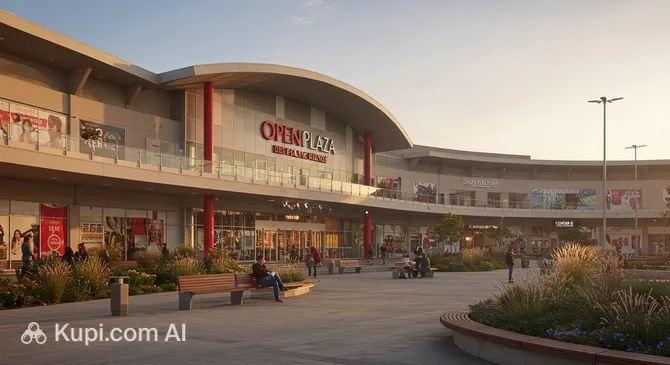
Another key location is Open Plaza Rancagua, which offers a contemporary layout often integrating outdoor spaces. It features a selection of popular retail brands, home goods stores, and entertainment options. This mall is particularly convenient for tourists who want to combine shopping with leisure, as it provides a relaxed environment to browse and unwind.
Open Plaza Rancagua. Illustration.
Source: Kupi.com AI
Traveler photos:
To experience the traditional side of local commerce, a visit to the Mercado Central (Central Market) is recommended. Located near the city center, this market is the place to find fresh local produce, spices, and authentic Chilean ingredients. It is also a great spot to see the agricultural bounty of the region firsthand, from seasonal fruits to artisanal cheeses brought in from the nearby valleys.
When looking for souvenirs, the region is famous for its copper crafts, reflecting the influence of the nearby El Teniente mine. You can find beautifully crafted plates, jewelry, and decorative items made from this metal. Additionally, the area is renowned for the Chamanto, a traditional poncho woven in the nearby town of Doñihue. These are high-quality, intricate garments that are considered national treasures. Local wines from the Cachapoal Valley also make for excellent gifts to take home.
Most shopping malls and large chain stores in Rancagua operate from approximately 10:00 AM to 9:00 PM, seven days a week. Smaller independent shops and street boutiques typically close earlier, around 7:00 PM or 8:00 PM, and may have reduced hours or be closed on Sundays. While credit and debit cards are widely accepted in malls and established restaurants, it is advisable to carry cash (Chilean Pesos) when visiting markets or buying from street vendors.
Tourists should be aware that the Value Added Tax (IVA) of 19% is generally included in the displayed price of goods. Unlike in some duty-free zones in the far north or south of Chile, there is no standard tax-free shopping refund system for general retail purchases available to tourists in Rancagua. The price you see on the tag is the final price you pay.