Support

San Rafael

About

San Rafael, nestled in the heart of the Mendoza Province, is a captivating destination known for its stunning natural landscapes and rich viticulture. Often referred to as an oasis in the desert, this city offers a perfect blend of adventure and relaxation for travelers exploring Argentina. With a population of approximately 118,000 residents, it maintains a welcoming, small-town atmosphere while providing all the amenities of a modern urban center.
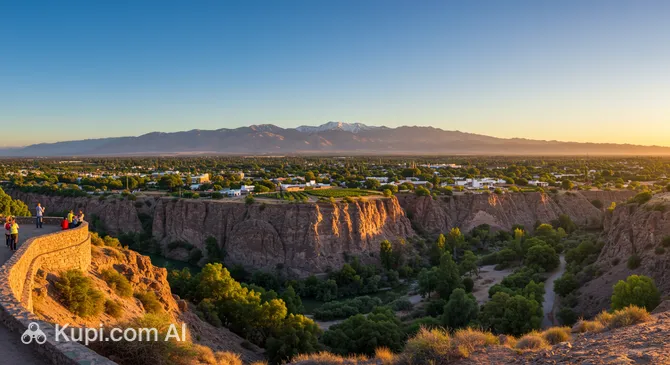
San Rafael. Source: Kupi.Binoculars

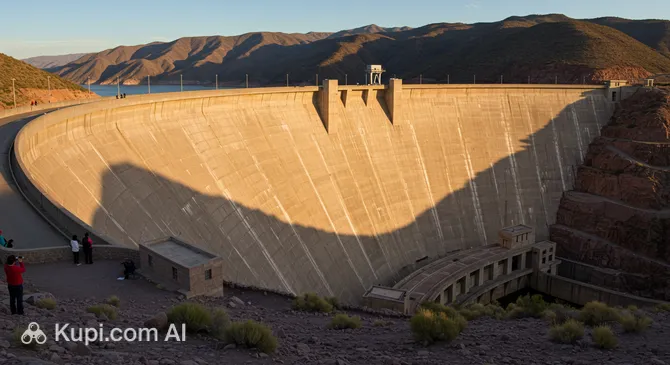
The city is renowned for its sunny climate and scenic beauty, particularly the dramatic Atuel Canyon (Cañón del Atuel). This geological wonder, sculpted by wind and water over millions of years, is a paradise for outdoor enthusiasts, offering opportunities for rafting, hiking, and photography. Just a short distance away, the Valle Grande dam provides a serene setting for water sports and picnics against a backdrop of rugged mountains.

Culturally, the region is a significant player in the country's wine industry. Visitors can explore numerous traditional wineries, or bodegas, to taste exceptional Malbecs and learn about local production methods. Those interested in the past can delve into the history of San Rafael, which reveals how early settlers transformed this arid land into a fertile agricultural haven through ingenious irrigation systems.

Whether you are seeking adrenaline-pumping activities or a peaceful retreat among vineyards, San Rafael promises an unforgettable experience. Its unique combination of natural wonders and warm hospitality makes it a must-visit stop on any South American itinerary.
Weather Overview

San Rafael experiences a distinct seasonal climate with significant temperature variations, offering a different atmosphere depending on when you visit. The summer months are the warmest, particularly in January, where the average maximum temperature reaches 31.0°C. This season also sees the highest frequency of rainfall, with January recording approximately 10 wet days, though the overall precipitation volume remains relatively low.

As the year progresses into winter, temperatures drop considerably. By July, the average minimum falls to around 1.1°C, with daytime highs reaching a crisp 14.0°C. This period is notably drier, with months like June and July seeing very few wet days and minimal precipitation. Travelers looking for more moderate conditions often enjoy the shoulder seasons, when the weather is mild and comfortable for exploring the outdoors.

For a more comprehensive breakdown to help schedule your activities, you can consult the detailed guide to the weather in San Rafael. Generally, you can expect warm summers with occasional rain and cold, dry winters, so packing layers is always a good strategy for this region.

Interesting Facts

Beyond its famous wines and rushing rivers, San Rafael holds fascinating secrets that often escape the casual eye. From literary tributes hidden in estates to curious historical origins, this city offers a layer of depth that surprises many visitors.
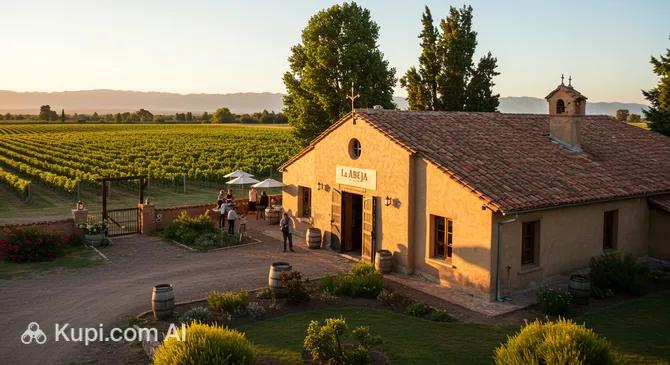
La Abeja Winery. Source: Kupi.Binoculars
  • A Literary Maze: Hidden within the Los Alamos estate lies a living monument to the legendary Argentine writer Jorge Luis Borges. The "Laberinto de Borges" is a massive hedge maze designed by his friend Randoll Coate; remarkably, when seen from the air, the carefully planted bushes spell out the author's name and form the shape of an open book.

  • The Bee Legend: The city's oldest winery, La Abeja Winery, owes its name to a sweet natural phenomenon. Local lore recounts that during the very first harvest, swarms of bees were so attracted to the intense sugar of the crushed grapes that the founder, Rodolfo Iselín, named the estate "The Bee" in their honor.

  • A French Foundation: Before it was officially incorporated as a city, the settlement was widely known as "Colonia Francesa" (The French Colony). This nickname stemmed from the significant influence of French immigrants, particularly Iselín and the engineer Julio Balloffet, who designed the irrigation systems that successfully transformed the arid desert into the green oasis seen today.

  • The Patron of Travelers: The majestic San Rafael Cathedral is dedicated to the Archangel Raphael, who is revered not only as a healer but also as the patron saint of travelers. It is a fitting spiritual landmark for a city that serves as a welcoming hub for adventurers exploring the Andes and the Atuel Canyon.

How to Get There

Reaching this picturesque destination in the Mendoza Province is relatively straightforward, with options ranging from direct flights to scenic road trips. For a complete guide on travel logistics, including driving directions and bus schedules, you can read more about how to get to San Rafael.

The most convenient entry point is the local San Rafael Airport (IATA: AFA), situated just 6.5 km from the city center. While it is a smaller regional hub with a passenger volume of around 48,000 annually, it offers the fastest access to the area. A taxi or transfer from here typically takes about 30 minutes to reach downtown accommodations.

Alternatively, many international and domestic travelers fly into El Plumerillo International Airport (IATA: MDZ) in the city of Mendoza. This is a much larger hub with significantly more flight connections. However, it is located approximately 202 km away from San Rafael. Visitors landing here usually rent a car or take a long-distance bus to complete the journey, which takes about 5 to 6 hours depending on traffic and transport mode.

For clarity, here is a summary of the main airports in the region:

Airport Name City Passenger Traffic Km from City
Arturo Merino Benitez Airport Santiago Large 263.4
El Plumerillo International Airport Mendoza Medium 202.0
San Luis Airport San Luis Small 235.9
San Rafael Airport San Rafael Small 6.5

Currently, there are no passenger railway services directly connecting to San Rafael. The primary method of overland travel is by bus or car. Argentina has an extensive network of long-distance buses (known as micros) that are comfortable and reliable, connecting San Rafael with major cities like Mendoza, Buenos Aires, and Córdoba. If you are driving, the routes offer beautiful views of the vineyards and the Andes mountains, making the road trip an experience in itself.

Main Attractions

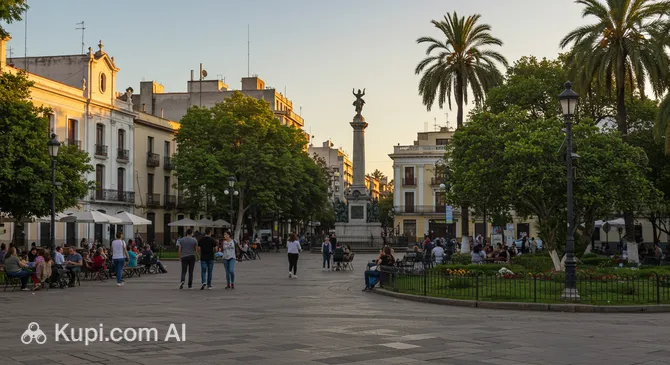
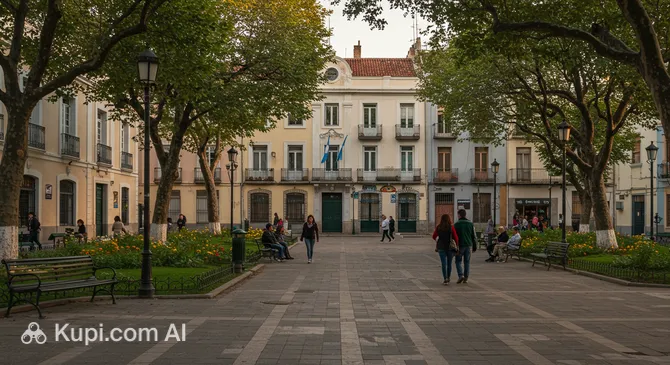
San Rafael offers a delightful mix of cultural heritage and urban charm, with several points of interest located right in the city center. A great place to begin your tour is San Martin Square, the beating heart of the city. This lush, well-maintained plaza is a favorite meeting spot for locals and features beautiful fountains, statues, and shaded benches. It serves as an excellent starting point for a walking tour, surrounded by cafes and historic buildings that reflect the city's architectural evolution.

San Martin Square. Source: Kupi.Binoculars

Just a short distance away, you will find the San Rafael Cathedral. Standing opposite the main square, this religious landmark is known for its distinct modern architecture and warm, inviting interior. Dedicated to the Archangel Raphael, the patron saint of travelers, the cathedral offers a peaceful sanctuary for reflection and is a key site for understanding the local community's spiritual life.

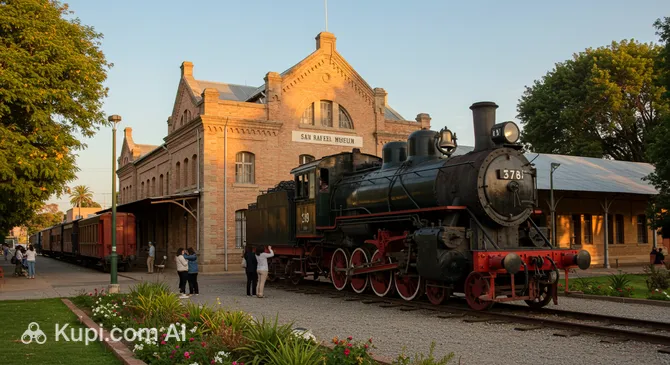
For those interested in the region's development, the Railway Museum is a fascinating stop. Located at the station, this outdoor museum preserves the history of the trains that once connected this remote oasis to the rest of the country. Visitors can admire vintage locomotives and old wagons, learning how the railway was instrumental in transporting the area's wine and fruit production to national markets.

Railway Museum. Source: Kupi.Binoculars

Another meaningful site is The Immigrant Square, which pays tribute to the diverse groups who settled in Mendoza. The plaza honors the Italian, Spanish, and French pioneers whose hard work and engineering skills helped transform the arid desert into the fertile agricultural haven it is today. It is a quiet, symbolic space that celebrates the multicultural roots of San Rafael's population.

The Immigrant Square. Source: Kupi.Binoculars

Local Cuisine

The culinary scene in San Rafael is a delightful reflection of its rich agricultural heritage and the strong influence of European immigrants. The food here is hearty, flavorful, and inextricably linked to the region's world-class wine production. Dining in this city is not just about sustenance; it is a social ritual often enjoyed at a leisurely pace, with late dinners being the norm for both locals and visitors.

When it comes to signature dishes, the undisputed star is Carne a la Masa. This regional specialty consists of tender beef marinated in spices and wine, then wrapped in a thick dough crust and slow-baked in a clay oven. The result is a savory, pot-roast-style meal where the juices are perfectly preserved inside the bread casing. Another must-try is the traditional Argentine Asado, a barbecue feast featuring various cuts of meat grilled to perfection over wood fires, often accompanied by chimichurri sauce.

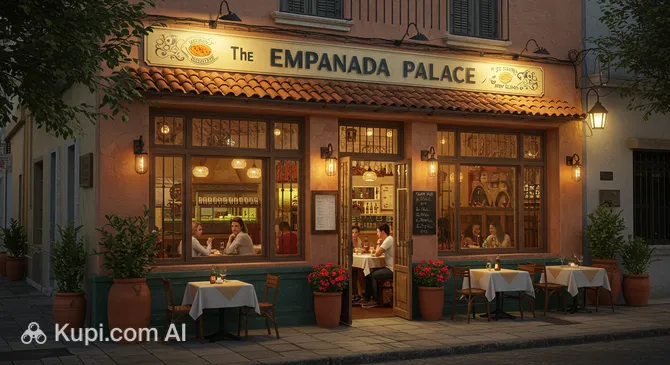
For a lighter meal or a quick snack, savory pastries are a staple of the local diet. Travelers should look for The Empanada Palace, a spot known for serving these delicious pockets of dough filled with meat, cheese, or vegetables. In Mendoza, empanadas are typically baked rather than fried and often include olives and hard-boiled eggs in the filling, offering a distinct flavor profile compared to other parts of the country.

The Empanada Palace. Source: Kupi.Binoculars

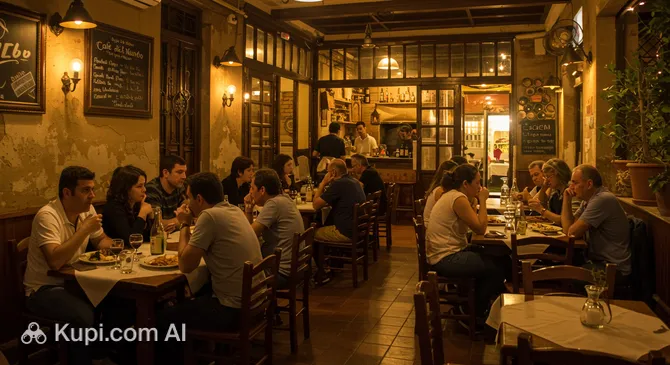
The city also boasts a vibrant café culture, particularly along the bustling avenues where friends gather for breakfast or an afternoon break. A visit to Café del Mundo provides a glimpse into this daily tradition. Here, you can enjoy a cup of coffee paired with tortitas, a local type of flatbread that is slightly salty and pairs wonderfully with sweet jams or dulce de leche.

Café del Mundo. Source: Kupi.Binoculars

No gastronomic tour of San Rafael is complete without exploring its beverages. As a key part of the Mendoza wine region, the city is famous for its Malbec and Chenin Blanc. Many visitors head to historic estates like La Abeja Winery to taste these varietals right where they are produced. For a non-alcoholic option, you will see locals carrying thermoses for Mate, a herbal tea shared among friends, though in restaurants, the locally sourced mineral water and fruit juices are excellent refreshments.

Travel Tips

To help you navigate San Rafael with ease and make the most of your adventure in this beautiful corner of Mendoza, we have compiled a list of essential travel advice. These practical insights will ensure you are well-prepared for everything from the local customs to the distinct desert climate.

  1. Clothing and Gear: San Rafael has a semi-arid climate, meaning temperatures can fluctuate significantly between day and night. Pack layers that you can easily add or remove, especially if you plan to visit the mountains or canyons. Comfortable, sturdy walking shoes are a must for exploring the rough terrain of the Atuel Canyon. Don't forget a high-SPF sunscreen and a hat, as the sun here is very strong. For electronics, Argentina uses Type I plugs (two or three flat pins), so bring a universal adapter.
  2. Transportation: While there are local buses that connect the city center to nearby districts, the frequencies can be low. To truly explore the major attractions like the Valle Grande and the wineries at your own pace, renting a car is highly recommended. Within the city, you can use taxis or remises (private cars booked via phone or agency), which are reliable and affordable. Ride-hailing apps may have limited availability compared to larger cities like Buenos Aires.
  3. Finances: The local currency is the Argentine Peso (ARS). While credit cards are accepted in major hotels, supermarkets, and larger restaurants, many smaller shops and kiosks operate on a cash-only basis. It is wise to carry cash for daily expenses and tips. ATMs are widely available in the city center, specifically around San Martin Square. Tipping is customary; leaving about 10% of the bill in restaurants is standard practice if the service was good.
  4. Health and Safety: San Rafael is generally a safe and peaceful city, but it is always prudent to keep an eye on your belongings in crowded areas. Pharmacies are easy to find downtown; look for those marked de turno if you need assistance outside of regular business hours, as they rotate 24-hour shifts. Tap water is generally safe to drink, but many tourists prefer bottled water to avoid any adjustment issues.
  5. Communication: The primary language is Spanish. While staff at major hotels and tourist agencies usually speak English, it is less common in local shops and smaller towns. Learning a few basic phrases like hola (hello), gracias (thank you), and por favor (please) will go a long way. For mobile data, you can purchase a prepaid SIM card from providers like Personal, Movistar, or Claro at local kiosks; just remember to bring your passport for registration.
  6. Local Etiquette: Argentines are warm and social people. The standard greeting, even among new acquaintances, is a single kiss on the right cheek. Dining happens later here than in many other parts of the world; locals typically have dinner after 9:00 PM. If you arrive at a restaurant at 7:00 PM, you might find it empty or even closed, so plan your meals accordingly.
  7. What to Avoid: Do not expect businesses to be open continuously throughout the day. Avoid planning shopping trips or administrative errands between 1:30 PM and 5:00 PM, as this is the sacred siesta time. Also, avoid rushing your meals; dining is a social event meant to be enjoyed slowly, and asking for the check immediately after finishing eating might be seen as rushing the experience.
  8. Respecting the Water: An additional tip specific to this region involves the irrigation channels, or acequias, that line the streets. These are crucial for the city's agriculture and greenery. Avoid throwing trash in them or blocking their flow, as locals take great pride in this historic water management system that keeps their city alive in the desert.

Armed with these tips, you are ready to immerse yourself in the relaxed rhythm and stunning scenery of San Rafael. Whether you are sipping a glass of Malbec or marveling at the canyon walls, knowing these local nuances will help you travel smoother and connect better with the friendly community.

Entertainment & Nightlife

While San Rafael is often celebrated for its daytime outdoor adventures, the city transforms as the sun sets, offering a vibrant and relaxed nightlife scene. The atmosphere here is distinctively social and laid-back, reflecting the warm hospitality of the Mendoza region. Unlike the high-energy frenzy of larger metropolises, the evening entertainment in San Rafael centers around long dinners, lively bar conversations, and music that lasts well into the early morning hours.

The heartbeat of the city's nightlife is undoubtedly Avenida Hipólito Yrigoyen. This main thoroughfare, along with the central streets surrounding San Martin Square, is lined with numerous restaurants, bars, and casinos. In recent years, the craft beer movement has taken hold here, with many cervecerías offering locally brewed pints in open-air settings. These spots attract a mixed crowd of locals and tourists, creating a friendly environment where the dress code is generally casual and comfortable.

For a typical night out, the evening usually begins late, consistent with Argentine custom. Dinner is rarely served before 9:00 PM, and locals often dine as late as 11:00 PM. A great way to start is with a casual meal at The Empanada Palace, where you can fuel up on traditional savory pastries before heading out. Afterward, many move on to cafes and bars for drinks. Café del Mundo is a popular stop that transitions seamlessly from a daytime coffee spot to a cozy evening venue, perfect for enjoying a nightcap or a glass of local wine.

For those seeking late-night dancing, the clubs, known locally as boliches, typically open their doors after 1:00 AM, with the party peaking around 3:00 AM. The music ranges from electronic and pop to reggaeton and cumbia. If you prefer a more tranquil evening, you might enjoy the amenities at places like the Abraham Complex, which offers a resort-style atmosphere where guests can unwind after a day of exploration.

Abraham Complex. Source: Kupi.Binoculars

Travelers should note that San Rafael is generally safe for night walks, especially in the well-lit downtown areas along the main avenues. However, for convenience and safety late at night, it is advisable to use remises (private radio taxis) rather than hailing cabs on the street. Prices for drinks and cover charges are usually moderate compared to Buenos Aires, making a night out here quite affordable.

Beyond the nightlife, the city offers charming daytime entertainment options for culture lovers. The historic Teatro Roma often hosts plays and musical performances, while the city's parks, such as Parque Hipólito Yrigoyen, provide a green escape for leisurely afternoons. Families and history buffs can also explore various museums and local artisan markets that showcase the region's creative spirit before the evening festivities begin.

Parks & Museums

Beyond its vineyards and bustling avenues, San Rafael boasts a collection of serene green spaces and cultural institutions that offer a deeper look into the region's identity. The city’s urban design incorporates expansive parks and educational museums, providing visitors with perfect opportunities for relaxation and historical discovery away from the commercial center.

The city's most prominent green lung is Parque Hipólito Yrigoyen, a vast recreational area located just south of the downtown core. This park is the hub of outdoor social life in San Rafael, featuring towering trees, paved walking paths, and sports facilities. It is also home to the Chacho Santa Cruz Amphitheater, which hosts the main events of the departmental Vendimia festival. Within this complex, families will find the whimsical Parque de los Niños (Children's Park), a delightful space designed with castle-like towers, colorful playgrounds, and interactive games that make it a favorite for younger travelers.

For those interested in the region's past, the Natural History Museum of San Rafael is a key institution. It houses an impressive collection of archaeological and paleontological artifacts, offering insights into the flora, fauna, and geology of southern Mendoza. The exhibits trace the area's history from prehistoric times to the native cultures that inhabited the land before the arrival of European settlers, making it an educational stop for nature and history enthusiasts alike.

Another significant cultural venue is the Railway Museum, located at the old train station. This site is dedicated to preserving the memory of the railway's golden age, which was instrumental in the economic development of the oasis. Visitors can walk among restored locomotives and vintage wagons, gaining a tangible sense of how the transport network connected this remote wine region to the rest of Argentina.

For a truly local experience, visit Parque Hipólito Yrigoyen on a Sunday late afternoon. This is when the park comes alive with residents enjoying their traditional mate rituals on the grass, often accompanied by local artisans selling handmade crafts and street food, offering a genuine slice of San Rafael's community life.

Getting Around

Public transport in San Rafael is primarily reliant on a network of buses, locally known as colectivos. Unlike larger metropolitan areas, there is no metro, tram, or train system for inner-city travel. The bus network is extensive enough to connect the downtown area with surrounding districts and key tourist attractions, such as Valle Grande and Los Reyunos. Two main companies, Iselín and Buttini, operate the majority of the routes, providing a reliable link between the urban center and the scenic outskirts.

To use the public transport system, you will need a SUBE card, the same magnetic smart card used in the capital and many other parts of the country. Cash is generally not accepted on board. You can purchase these cards at kioscos (convenience stores) or lottery shops marked with the SUBE logo. It is advisable to buy a card and top it up with sufficient credit immediately upon arrival, as finding an open vendor during the afternoon siesta time (roughly 1:30 PM to 5:00 PM) can sometimes be challenging.

Bus schedules in San Rafael are generally respected, but frequencies can vary significantly depending on the time of day and the specific route. Services running within the city center are frequent, while those heading to tourist areas like the Atuel Canyon may have fixed departure times, often spaced an hour or more apart. Tourists are encouraged to check the latest timetables at the main bus terminal or ask for printed schedules at the ticket counters of the respective bus companies to plan their day trips effectively.

For those seeking more comfort or traveling late at night, taxis and remises are excellent alternatives. Taxis are easily recognizable by their black and yellow color scheme and can be hailed on the street. Remises, on the other hand, are private cars that look like regular vehicles; they must be booked in advance by phone or at a dedicated agency base. Both are metered or have fixed rates, offering a safe and convenient way to navigate the city, especially when carrying luggage or returning from a late dinner.

Given the dispersed nature of the region's attractions, many visitors find that renting a car offers the most freedom. While the bus system is functional, having a vehicle allows you to explore the wineries and canyon roads at your own pace without being tied to public transport schedules. Additionally, bike rentals are becoming increasingly popular for short distances, particularly for touring the nearby vineyards and olive oil factories on sunny days.

Accommodation

Where to Stay:

San Rafael offers a diverse range of accommodation options that cater to various travel styles and budgets. Whether you are looking for a backpacker-friendly hostel, a comfortable city hotel, or a rustic cabin surrounded by nature, you will find suitable choices here. The accommodation landscape is broadly divided between the urban center and the scenic outskirts, allowing visitors to choose between city convenience and natural tranquility.

For those who prefer easy access to restaurants, shops, and public transport, staying in the city center (downtown) is the most practical option. This area is home to numerous mid-range hotels and apartment rentals, placing you within walking distance of main attractions like San Martin Square. If you are seeking a more relaxed environment, the areas of Valle Grande and Rama Caída are highly popular. These zones are famous for their cabañas (cabins) and lodges, which often feature swimming pools and lush gardens, offering a peaceful retreat near the vineyards and the Atuel River.

Among the notable establishments in the region is the Abraham Complex. This resort-style property is an excellent example of the local hospitality offering, providing guests with comfortable amenities that are perfect for unwinding after a day of exploring the canyons or wineries. Places like this are particularly well-suited for families or groups looking for a self-contained experience with recreational facilities on-site.

The price range for accommodation in San Rafael is generally reasonable. Budget travelers can find hostels and economical campsites, while mid-range travelers have a wide selection of boutique hotels and cabins. Luxury options are available but are less common than in larger cities like Mendoza. Booking can be done easily through major online platforms, though many locally owned cabañas also accept direct bookings via WhatsApp or their websites.

Booking Tip: San Rafael is a favorite destination for domestic tourism, especially during the summer holidays (January and February) and Easter week. During these peak periods, as well as during the National Vendimia Festival in early March, accommodation can fill up quickly. It is highly recommended to book your stay several weeks in advance to secure your preferred location and rates.

Nearby Cities

For those looking to explore the surroundings, San Rafael serves as an excellent base for day trips to several interesting nearby locations. The region is well-connected, allowing travelers to experience different landscapes and urban centers within a few hours' drive.

One of the most popular destinations is Mendoza, the provincial capital. Known globally for its wine culture, it offers sophisticated dining, expansive parks like General San Martín Park, and historic plazas. Just south of the capital lies Godoy Cruz, a city that blends traditional neighborhoods with modern wineries and a vibrant cultural scene. For a change of scenery, travelers can head east to San Luis, the capital of the neighboring province, which serves as a gateway to the picturesque Sierras de San Luis and offers a distinct geographical charm compared to the Andean foothills.

City Population Distance (km)
San Juan 471,389 342
Godoy Cruz 191,299 193
Las Heras 189,067 201
San Luis 169,947 235
Mendoza 115,041 197

These nearby destinations offer a glimpse into the diverse culture and landscapes of the region, making them perfect additions to your travel itinerary.

Shopping & Souvenirs

Shopping in San Rafael is a relaxed and authentic experience that mirrors the city's laid-back lifestyle. Rather than massive shopping complexes and international luxury brands, the retail scene here focuses on regional specialties, local craftsmanship, and charming downtown boutiques. Visitors will find that the best purchases are often edible or drinkable, reflecting the area's strong agricultural heritage, though there are also plenty of opportunities to find clothing, leather goods, and traditional handicrafts.

The commercial heartbeat of the city is located at "Kilometer Zero," the intersection of the two main avenues: Avenida Hipólito Yrigoyen and Avenida San Martín. These vibrant streets are lined with a variety of shops ranging from fashion retailers and sportswear outlets to pharmacies and bookstores. Walking along these wide, tree-lined sidewalks is the best way to browse for goods, as most of the city's activity is concentrated within a few blocks of this central hub.

Unlike larger Argentine cities, San Rafael does not have large-scale shopping malls. Instead, the retail landscape is characterized by smaller commercial galleries and arcades tucked away off the main streets. These "paseos" often house independent boutiques and cafes, offering a more intimate shopping environment. For those accustomed to sprawling shopping centers, the experience here is pleasantly small-scale and personal.

For unique local treasures, the Feria de Artesanos (Artisans' Fair) is a must-visit. Typically held on weekends and holidays in green spaces like Parque Hipólito Yrigoyen, this market showcases the work of local creators. Here, you can find handmade jewelry, woodwork, ceramics, and textiles that make for meaningful keepsakes. It is also a great place to interact with the locals and learn the stories behind the objects you are buying.

When it comes to souvenirs, the region's culinary products are the undisputed stars. A bottle of Malbec or Chenin Blanc is the classic gift; you can purchase these directly at vineyards such as La Abeja Winery, often at better prices than in supermarkets. Beyond wine, San Rafael is famous for its olive oil, olives, and dried fruits—particularly plums and peaches. Regional shops, known as regionales, also sell jars of sweet preserves, alfajores (dulce de leche cookies), and mate gourds, which are essential to Argentine culture.

Travelers should be mindful of the local schedule, as the siesta tradition is strictly observed. Most shops open around 9:00 AM, close between 1:00 PM and 5:00 PM, and then reopen until 9:00 PM or later. Regarding payment, while major stores and supermarkets accept credit and debit cards, smaller boutiques and market stalls often prefer or require cash (Argentine Pesos). As for tax refunds, while Argentina has a "Tax Free" system for foreign tourists on locally made goods, it is less commonly found in San Rafael compared to Buenos Aires, so look for the "Tax Free Shopping" logo in store windows before making significant purchases.

Reached the end of the page?

That means the route is fully explored