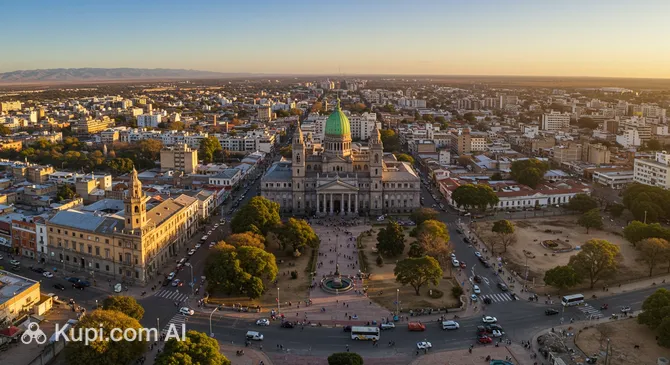
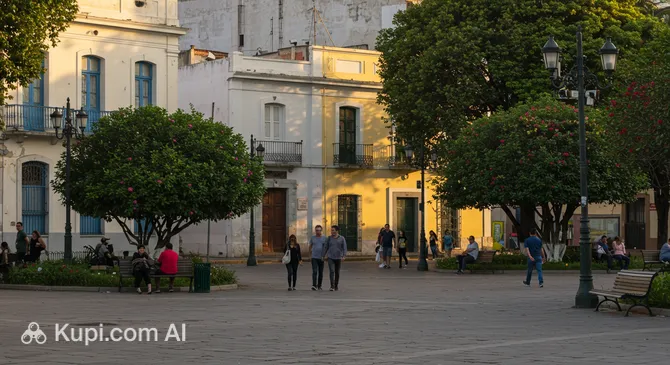
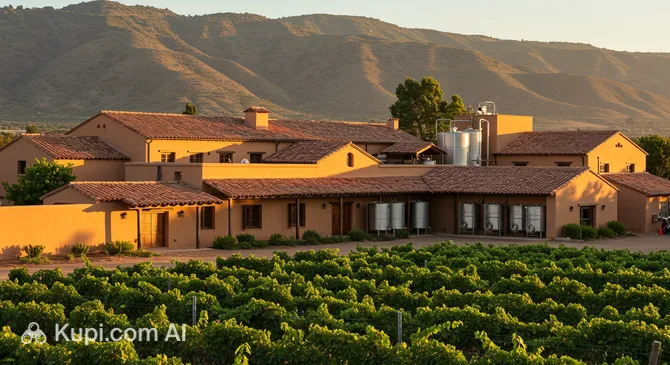
Welcome to San Juan, a vibrant oasis located in the Cuyo region of western Argentina. Often referred to as the "Land of the Sun" due to its remarkably sunny climate, this city offers a unique blend of modern urban life and stunning natural landscapes. As the capital of the San Juan Province, it serves as a bustling hub for commerce and tourism, with a population of approximately 471,000 residents living in its metropolitan area.
San Juan. Illustration.
Source: Kupi.com AI
The city's appearance is distinct from many other Argentine capitals due to its wide, tree-lined avenues and contemporary architecture. This modern layout is a result of reconstruction efforts following a major earthquake in 1944. Exploring the history of San Juan reveals how the city rebuilt itself with resilience, transforming into a model of modern urban planning while honoring its past as the birthplace of the renowned educator and president, Domingo Faustino Sarmiento.
Travelers are drawn to San Juan for its world-class wine production, particularly its exceptional Syrah, which thrives in the region's semi-arid terroir. Beyond the vineyards, the city is the perfect gateway to the breathtaking Ischigualasto Provincial Park, also known as the Valley of the Moon, a UNESCO World Heritage site famous for its dinosaur fossils and geological formations. Whether you are here to taste exquisite wines or to explore the rugged beauty of the Andes foothills, San Juan promises an unforgettable experience.
Weather Overview
The climate in San Juan is distinctively semi-arid, offering a varied experience depending on when you visit. Summers, which run from December to February, are warm and invite exploration, with average temperatures ranging between 21°C and 23°C. January is typically the warmest month, seeing daytime highs of 28.3°C. This season also experiences the highest frequency of precipitation; although the total rainfall volume is low, you might encounter up to 13 wet days in January.
In contrast, the winter months of June through August bring crisp, clear skies and cooler air. During this time, the weather is notably dry, with months like June and July often recording 0mm of precipitation. Temperatures drop significantly, with July seeing averages around 8.2°C and nighttime lows dipping to 1.6°C. To help you pack the right gear for your trip, be sure to check the detailed weather in San Juan. Overall, you can expect warm summers with occasional light rain and cold, dry winters.
Average monthly temperature
Average monthly precipitation
Interesting Facts
Beyond its famous wines and sunny weather, San Juan holds unique stories that define its character. From ancient history buried beneath the soil to architectural quirks born of necessity, the city offers plenty of surprises for the curious traveler.
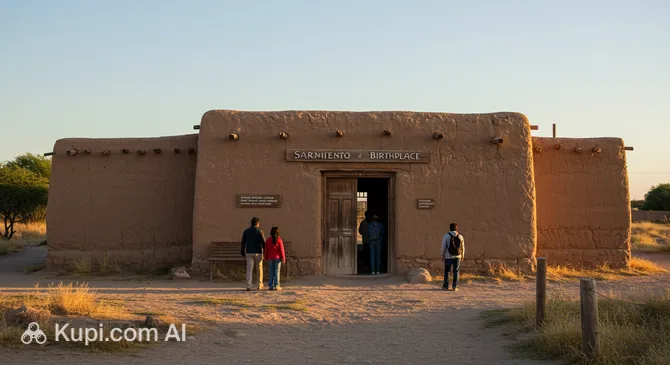
Sarmiento Birthplace. Illustration.
Source: Kupi.com AI
Traveler photos:
The city is the proud home of the Sarmiento Birthplace, the only colonial house in the city center to survive the 1944 earthquake. In its patio stands a legendary fig tree, carefully preserved for over a century, under which the former president and "Teacher of America" is said to have studied as a child.
San Juan is internationally recognized as a paleontological treasure trove. The Museum of Natural Sciences displays fossils of the Eoraptor lunensis, one of the oldest dinosaurs ever discovered, proving that these giants walked this land over 228 million years ago.
The city's layout is a direct response to its geography; unlike the narrow streets of other Argentine colonial cities, San Juan features exceptionally wide avenues and sidewalks. This modern urban design was strictly implemented after the 1944 earthquake to provide safe escape zones and prevent debris from blocking evacuation routes.
Locals live with the phenomenon of the "Zonda," a fierce, hot, and dry wind that descends from the Andes mountains. It is a local legend that this wind can drastically change the mood of the population, and it is capable of raising the ambient temperature by more than 10 degrees Celsius in just a few hours.
Despite being in a desert, the city is lush and green thanks to a sophisticated system of "acequias" (irrigation canals). These open channels run alongside nearly every street, carrying meltwater from the Andes to nourish the thousands of trees that create a natural cooling canopy over the city.
How to Get There
Reaching this sunny destination is relatively straightforward, with air travel being the most efficient method for those arriving from afar. For a comprehensive guide on all available transport modes, including buses and driving routes, you can read more about how to get to San Juan.
The most convenient entry point is San Juan Airport (UAQ), officially known as Domingo Faustino Sarmiento Airport. Located just 12.1 km from the city center, it offers the quickest access to the provincial capital. The transfer to downtown typically takes about 40 minutes by taxi or shuttle. While it is a smaller regional hub, it provides essential domestic connections, primarily linking the region with Buenos Aires.
For more flight options, many travelers opt for El Plumerillo International Airport (MDZ), situated in the neighboring city of Mendoza. The city of San Juan does not have this airport within its immediate vicinity; it is located in Mendoza, approximately 145.8 km away. This airport is significantly larger and handles a higher volume of traffic, offering more frequent schedules and some international connections. From Mendoza, you can reach San Juan by taking a bus or renting a car, a journey that generally takes between 2.5 to 3 hours along a well-paved highway.
For clarity, here is a summary of the main airports:
Regarding rail travel, San Juan is not currently served by a passenger railway station for regular tourist traffic. The train infrastructure in this region is primarily dedicated to freight transport. Consequently, visitors who do not fly usually arrive by long-distance buses, which are a very popular and comfortable way to travel across Argentina, connecting the city with major hubs like Mendoza, Córdoba, and Buenos Aires.
Main Attractions
San Juan is a city where history and modernity blend seamlessly, offering visitors a variety of cultural and natural highlights. One of the most significant sites is the Sarmiento Birthplace. Recognized as the first National Historic Monument in Argentina, this site offers an immersive journey into the 19th-century domestic life of the region. Visitors can explore the well-preserved adobe rooms and courtyards, which house a collection of period furniture, looms, and personal belongings. The museum provides a deep insight into the formative years of the influential educator and president, set against the backdrop of traditional colonial architecture.
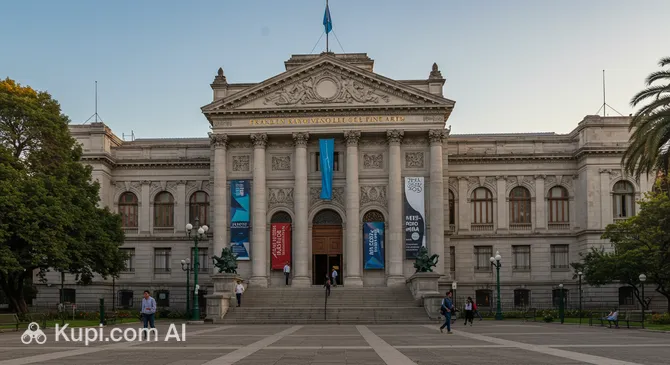
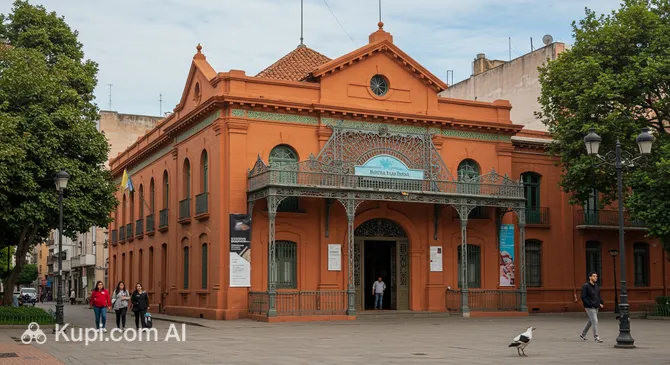
For those who appreciate art and culture, the Franklin Rawson Provincial Museum of Fine Arts is an essential stop. Housed in a striking building that combines classic and contemporary design, it possesses one of the most valuable art collections in the country. The museum features works by renowned Argentine masters and hosts dynamic temporary exhibitions. It serves as a vibrant cultural hub, frequently organizing cinema cycles, workshops, and live performances that engage both locals and tourists.
Franklin Rawson Provincial Museum of Fine Arts. Illustration.
Source: Kupi.com AI
Traveler photos:
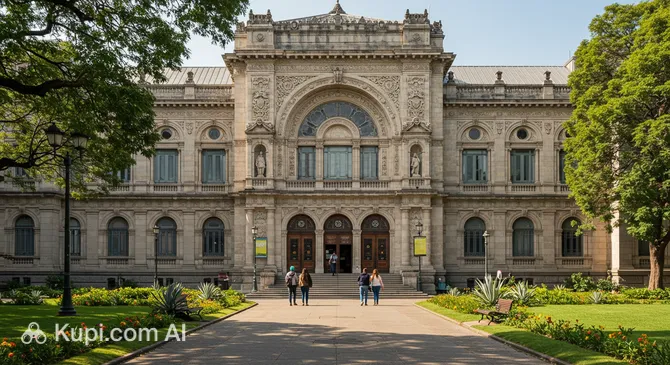
The region is a global reference for paleontology, and the Museum of Natural Sciences offers a deep dive into this ancient world. Uniquely located inside the former Belgrano Railway Station, the museum combines industrial heritage with scientific discovery. Its exhibitions provide a comprehensive overview of the Triassic period, displaying a vast array of fossilized remains found in the Ischigualasto Basin. It is an educational experience that focuses on the geological evolution of the province, making it a perfect complement to a visit to the desert parks.
Museum of Natural Sciences. Illustration.
Source: Kupi.com AI
Traveler photos:
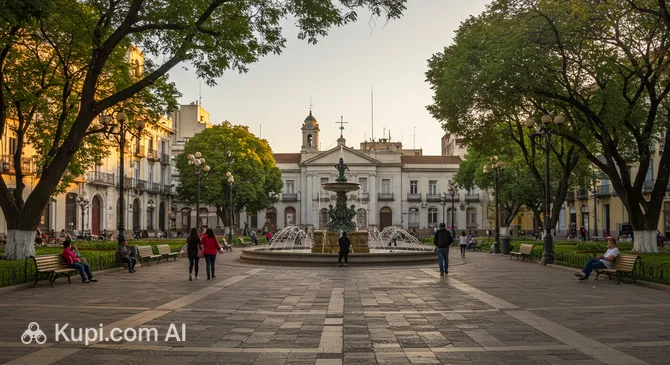
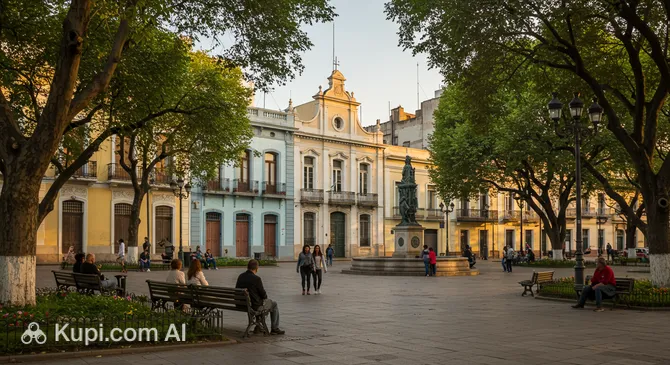
To feel the heartbeat of the city, a visit to 25 de Mayo Square is a must. This is the main plaza of San Juan and serves as the central gathering point for locals and visitors alike. With its manicured gardens, central fountain, and statues, it offers a pleasant and relaxing atmosphere. It is surrounded by some of the city's most important landmarks, making it an excellent starting point for a walking tour of the downtown area.
25 de Mayo Square. Illustration.
Source: Kupi.com AI
Traveler photos:
Local Cuisine
The culinary landscape of San Juan is deeply rooted in the traditions of the Cuyo region, offering a delightful mix of indigenous flavors and Spanish influences. The star of the local table is undoubtedly the Punta de Espalda, a cut of beef that is unique to this province. shaped somewhat like the map of San Juan itself. It is typically seasoned with local herbs and slow-roasted over a wood fire, resulting in a tender and flavorful experience that every meat lover should try.
Beyond the barbecue, the region is renowned for its exceptional produce, particularly its olives and olive oil, which are among the best in the country. Another staple of the local diet is the semita, a savory flatbread made with pork cracklings (chicharrones). It is a beloved comfort food, usually enjoyed warm during breakfast or as an afternoon snack accompanied by mate, the traditional Argentine herbal infusion.
Miguel Martín Jamonería. Illustration.
Source: Kupi.com AI
Traveler photos:
When it comes to drinks, San Juan is a heavyweight in the wine world, serving as the second-largest wine-producing province in Argentina. While Mendoza is famous for Malbec, San Juan shines with its Syrah, which thrives in the sunny, semi-arid climate to produce robust and spicy wines. Visitors should not miss the opportunity to pair their meals with a local vintage or explore the growing craft beer scene that has taken hold in the city.
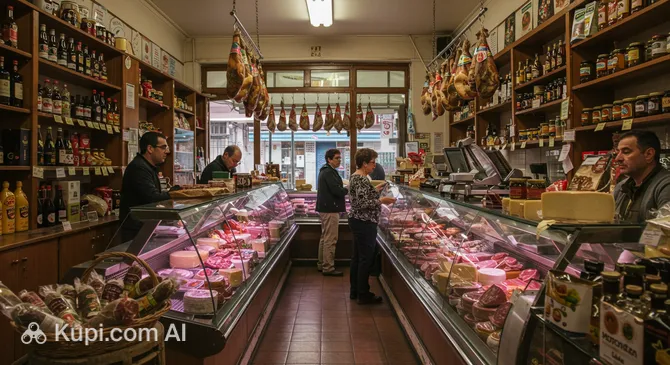
The dining culture here is relaxed and social, with dinner often served late in the evening. For a casual yet delicious experience featuring high-quality cured meats and regional cheeses, Miguel Martín Jamonería is a popular choice among locals. Those seeking a more formal atmosphere to enjoy gourmet interpretations of local cuisine might visit the Del Bono Park Restaurant. After dinner, the city's energy continues in its pubs; places like the Leinster Irish Bar offer a friendly setting to unwind with a drink and enjoy the local nightlife.
Travel Tips
To ensure your journey through this sun-drenched province is as smooth and enjoyable as possible, we have compiled a list of essential practical advice. These tips will help you navigate local customs, the desert climate, and daily logistics with the ease of a seasoned traveler.
Clothing and Gear: Given the semi-arid climate, packing layers is essential. In summer, bring lightweight, breathable fabrics, sunglasses, and a hat to protect against the intense sun, while winters require a warm jacket and sweaters for chilly evenings. Comfortable, sturdy shoes are a must if you plan to explore the rocky terrain of nearby parks like Ischigualasto.
Transportation: Within the city, the public bus network, known as RedTulum, is efficient and requires a SUBE card, which you can purchase and load at various kiosks. For greater flexibility, especially when visiting distant wineries or scenic routes, renting a car is highly recommended. Taxis and remises (private cars) are also readily available and safe for short urban trips.
Finances: The local currency is the Argentine Peso (ARS). While major hotels and restaurants usually accept credit and debit cards, it is advisable to carry cash for small purchases, kiosks, and tips. ATMs are widely available in the city center, but withdrawal limits can be low. Tipping around 10% of the bill in restaurants is customary if the service was good.
Health and Safety: San Juan is generally a safe city, but standard precautions like keeping an eye on your belongings in crowded areas apply. Pharmacies are marked with a green cross, and those on "turno" duty stay open 24 hours to handle emergencies. The sun here is stronger than it feels, so staying hydrated and applying high-SPF sunscreen is crucial for your health.
Communication: Spanish is the primary language, and English proficiency may be limited outside of major tourist hotels and tour agencies. Learning a few basic phrases like "hola" (hello) and "gracias" (thank you) is very appreciated by locals. It is wise to purchase a local SIM card (from providers like Personal, Claro, or Movistar) for mobile data to use maps and translation apps.
Local Etiquette: Argentines are warm and social; the standard greeting is a single kiss on the right cheek, even among casual acquaintances. When entering a shop or boarding a bus, a polite "buen día" or "buenas tardes" is expected. Dinner is typically eaten late, often after 9:00 PM, so plan your evening schedule accordingly.
What to Avoid: Do not expect businesses to be open in the early afternoon. San Juan strictly observes the siesta, meaning most shops, public offices, and banks close from approximately 1:30 PM to 5:00 PM. Avoid planning shopping trips or errands during these hours; instead, do as the locals do and rest or enjoy a quiet meal.
Additional Tip: Be aware of the Zonda wind, a strong, hot, and dry wind characteristic of the Cuyo region. If locals warn you that the Zonda is blowing or approaching, it is best to stay indoors and keep windows shut, as the dust and sudden temperature rise can be intense and physically draining.
By keeping these practical tips in mind, you will be well-prepared to embrace the relaxed rhythm and natural beauty of San Juan. Whether you are navigating the city streets or venturing into the desert, a little preparation ensures that your only focus will be making unforgettable memories in the Land of the Sun.
Entertainment & Nightlife
As the sun sets over the Andes and the heat of the day dissipates, San Juan transforms into a lively hub of activity. The city's nightlife is characterized by a relaxed yet festive atmosphere, where locals enjoy long evenings socializing with friends. The main artery for evening entertainment is Avenida Libertador San Martín, particularly the stretch known as "Desamparados." Here, you will find a high concentration of bars, breweries, and restaurants with outdoor seating, creating a bustling corridor of lights and music that invites visitors to join in the fun.
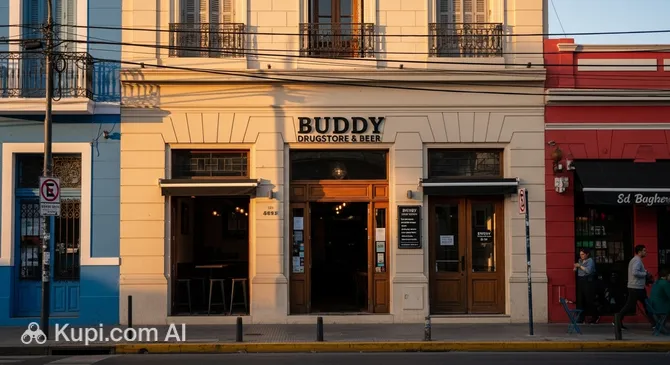
For those looking to start the night with a casual drink, the craft beer scene in San Juan is thriving. A popular spot among locals is Buddy Drugstore & Beer. This venue offers a laid-back environment perfect for tasting local brews and enjoying varied snacks. It is an excellent place to warm up before the night truly begins, reflecting the friendly and unpretentious vibe of the Sanjuaninos.
Buddy Drugstore & Beer. Illustration.
Source: Kupi.com AI
Traveler photos:
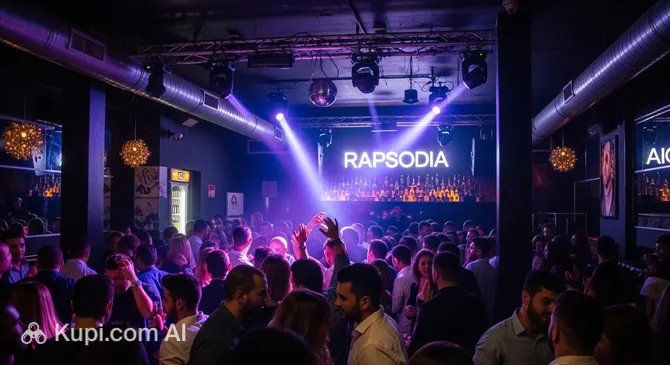
If you are in the mood for dancing or live music, the city has several vibrant options that stay open late. Rapsodia Club is a well-known venue that often hosts live bands and themed parties, drawing a crowd that appreciates rock, pop, and alternative music. It is a staple of the local night scene and offers a spirited atmosphere for those wanting to experience the city's musical pulse.
Rapsodia Club. Illustration.
Source: Kupi.com AI
Traveler photos:
Another exciting destination for night owls is Barcelona Blue 42. This nightclub is popular for its energetic DJ sets and modern setting, making it a go-to spot for dancing until dawn. In San Juan, nightlife starts late; bars typically fill up around 11:00 PM, and nightclubs (locally called boliches) often do not get going until 2:00 AM or later. The dress code is generally "smart casual"—stylish but comfortable enough for a warm night.
Regarding practicalities, San Juan is relatively affordable compared to larger capitals like Buenos Aires. To get around safely at night, it is recommended to use radio taxis or remises (private cars) rather than hailing a cab on the street. You can easily call them or use local apps. While the main entertainment districts are safe and well-patrolled, it is always wise to stay in well-lit areas and avoid walking alone on empty side streets late at night.
For daytime entertainment beyond the museums and parks, the city offers modern shopping and leisure centers. The Espacio San Juan Shopping Center is the largest mall in the province, featuring a wide range of retail stores, a food court, and a cinema complex, making it a perfect escape during the hottest hours of the afternoon. Alternatively, Liberty Walk San Juan (Paseo Libertad) offers another excellent venue for shopping and family-friendly entertainment.
Parks & Museums
San Juan is a city that breathes through its meticulously planned green spaces, a vital feature in its semi-arid environment. The most prominent of these is May Park (Parque de Mayo), often considered the "green lung" of the city. Spanning several hectares, this expansive park offers a refreshing escape with its lush vegetation, artificial lake, and walking paths. It is a hub of social life where locals gather to drink mate, exercise, or simply enjoy the shade of the towering trees. The park also features monuments and sports facilities, making it a versatile destination for relaxation and recreation.
May Park. Illustration.
Source: Kupi.com AI
Traveler photos:
Beyond the main park, the city's urban layout is punctuated by numerous squares that serve as community meeting points. Laprida Square is particularly beloved for its vibrant atmosphere. It frequently hosts artisan fairs and cultural events, where visitors can admire local crafts and enjoy the shade of its landscaped gardens. Nearby, Aberastain Square stands as a tribute to the region's history, named after the former governor Antonino Aberastain. It offers a quieter, more contemplative setting featuring a prominent statue of its namesake.
Laprida Square. Illustration.
Source: Kupi.com AI
Traveler photos:
For those interested in delving deeper into the local heritage beyond the major institutions, the Don Julio Museum presents a unique cultural stop. This venue preserves elements of the region's traditions and offers visitors a glimpse into the specific customs that have shaped the local identity. It serves as an interesting complement to the city's larger fine arts and science museums, focusing on a more intimate aspect of San Juan's legacy.
Don Julio Museum. Illustration.
Source: Kupi.com AI
Traveler photos:
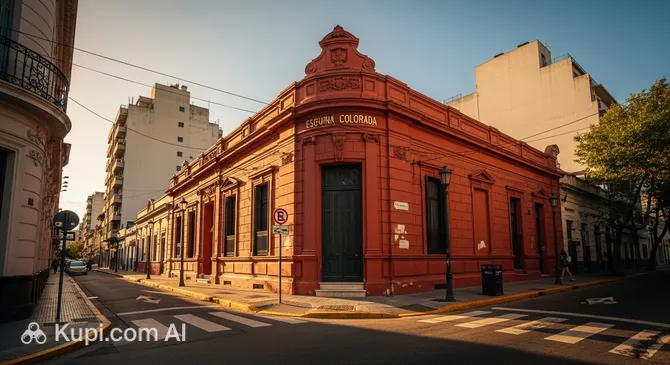
Another site of historical resonance is Esquina Colorada. Recognized as a significant historical place, this landmark connects visitors with the pivotal events of the province's past. While it may be less bustling than the central plazas, it stands as a testament to the enduring history of the region. Exploring these specific sites allows travelers to piece together the rich mosaic of stories that define San Juan.
Esquina Colorada. Illustration.
Source: Kupi.com AI
Traveler photos:
Getting Around
Public transportation in San Juan is primarily reliant on an extensive bus network, which serves as the backbone of mobility for both locals and visitors. The city does not have a metro or tram system, but the bus service, known as RedTulum, was recently modernized to improve connectivity across the capital and its surrounding departments. These buses are easily recognizable by their vibrant colors, which correspond to different zones and routes, making it easier for passengers to identify their destination.
To use the public bus system, you must have a SUBE card (Sistema Único de Boleto Electrónico). This is the same rechargeable contactless smart card used in Buenos Aires and other major Argentine cities. It is important to note that buses do not accept cash payments on board. You can purchase a SUBE card at "kioscos" (convenience stores) or lottery agencies throughout the city. Once you have the card, you can top it up at these same locations or via digital wallets, though the latter may require validating the credit at a terminal.
For tourists, navigating the RedTulum network is made significantly easier by downloading the official RedTulum app. This application allows users to plan trips, check real-time bus arrivals, and view route maps. When boarding the bus, simply tell the driver your destination so they can set the correct fare, then tap your card on the reader. Buses generally operate from early morning until around midnight, though frequency decreases significantly during the night and on Sundays.
If you prefer a more direct and private mode of transport, taxis and remises are widely available. Taxis in San Juan are typically white with yellow roofs and can be hailed on the street. Remises, on the other hand, look like regular private cars and must be booked in advance by phone or through an agency; they cannot pick up passengers from the street. Both options are safe and relatively affordable, offering a comfortable alternative, especially during the hot summer afternoons when walking to a bus stop might be exhausting.
For those planning to explore the wineries on the outskirts or venture further into the province to see natural parks, renting a car is highly recommended. While the public transport within the city is efficient, reaching the more distant vineyards or scenic landscapes often requires the flexibility of a private vehicle. Additionally, the city is quite flat, and in cooler months, cycling can be a pleasant way to get around, although you should be mindful of the intense midday sun during the summer.
Accommodation
Finding the perfect place to stay in San Juan is relatively easy, as the city offers a welcoming variety of accommodation options to suit different budgets and travel styles. Visitors can choose from modern hotels located in the heart of the city, comfortable apartment rentals for longer stays, and budget-friendly hostels that cater to backpackers. For those seeking a more relaxed atmosphere, the outskirts of the city provide charming cabins and lodges, often situated closer to the vineyards and olive groves, allowing for a peaceful retreat with easy access to nature.
The most convenient area for tourists is typically the city center, particularly the blocks surrounding the main plaza and the pedestrian streets. Staying here places you within walking distance of key museums, restaurants, and the bus terminal. However, neighborhoods like Desamparados offer a slightly quieter, residential vibe while still remaining close to the vibrant nightlife and dining corridor of Avenida Libertador San Martín. These areas are well-connected by public transport, making it simple to explore the city regardless of where you base yourself.
For travelers looking for a comfortable stay with ample amenities, Villa Don Tomas is a notable option. Classified as a resort hotel, it provides a blend of relaxation and convenience, often featuring facilities that allow guests to unwind after a day of exploring the province's rugged landscapes. Establishments like this are excellent for families or couples seeking a higher level of service and comfort during their visit.
Villa Don Tomas. Illustration.
Source: Kupi.com AI
Traveler photos:
When planning your trip, it is advisable to book your accommodation in advance, especially if you are visiting during peak times such as the National Festival of the Sun in February or during the Easter holidays. Prices in San Juan are generally reasonable compared to larger Argentine cities, with options ranging from economical to mid-range. Most properties can be booked easily through major online platforms, though contacting smaller cabins or boutique lodgings directly can sometimes yield better rates or personalized offers.
Nearby Cities
For those looking to explore the surroundings, San Juan serves as an excellent base for day trips to several interesting nearby locations.
The most popular destination for a short visit is undoubtedly Mendoza. Located approximately two hours away by car, it is the heart of Argentina's wine country and offers a perfect opportunity to compare its world-famous Malbec with San Juan's Syrah. The city is renowned for its wide, leafy avenues, vibrant plazas, and proximity to the high Andes. Another interesting option is La Rioja to the north, which serves as a gateway to the majestic Talampaya National Park. Although it requires a longer drive, the dramatic red canyons and paleontological sites make it a compelling stop for nature enthusiasts.
City
Population
Distance
Villa Krause
107 778
5 km
Chimbas
87 258
5 km
Santa Lucia
11 589
7 km
Villa Aberastain
8 946
14 km
Caucete
28 222
27 km
These nearby destinations offer a glimpse into the diverse culture and landscapes of the region.
Shopping & Souvenirs
Shopping in San Juan offers a pleasant mix of modern convenience and traditional charm. While the city may not have the massive commercial scale of the country's largest capitals, it provides excellent opportunities to purchase high-quality regional products. Visitors can find everything from international fashion brands in contemporary malls to unique local handicrafts and gourmet delicacies in specialized shops scattered throughout the city center.
The heart of the city's commercial life beats in the downtown area, particularly along the pedestrian streets (peatonales) such as Rivadavia and Tucumán. These bustling walkways are lined with clothing boutiques, shoe stores, and electronics shops. Walking through this area is a popular activity for locals, especially in the evenings when the temperatures drop, making it a lively spot to window shop and observe the local lifestyle.
For a comprehensive shopping experience under one roof, the Espacio San Juan Shopping Center is the premier destination. Located just outside the immediate city center, this modern mall features a wide array of national and international brands, a food court, and a cinema. It is the perfect place to find fashion items or escape the midday heat in a climate-controlled environment.
Espacio San Juan Shopping Center. Illustration.
Source: Kupi.com AI
Traveler photos:
Another significant retail hub is Liberty Walk San Juan (Paseo Libertad). This complex combines a large hypermarket with a gallery of smaller stores, offering a convenient stop for travelers who need to stock up on supplies or browse for casual clothing and accessories. It provides a practical shopping solution with ample parking and varied services.
Liberty Walk San Juan. Illustration.
Source: Kupi.com AI
Traveler photos:
For those interested in local culture, artisan fairs are frequently held in the city's main squares, such as Laprida Square. These open-air markets are excellent for finding handmade leather goods, ceramics, and textiles. Purchasing directly from local craftsmen not only supports the community but also guarantees an authentic memento of your trip.
When it comes to souvenirs, the true treasures of San Juan are its culinary products. The province is famous for its olive oil, which is considered some of the best in South America. Visitors should also look for regional wines, particularly the signature Syrah, as well as jarred olives, dried fruits, and nuts. These items can often be purchased directly at wineries or in gourmet shops (vinotecas) downtown.
Travelers should be mindful of the local schedule. San Juan strictly observes the siesta, meaning most street-side shops close around 1:30 PM and do not reopen until 5:00 PM or 5:30 PM. However, the large shopping malls typically remain open throughout the day. Payment methods are flexible; while major credit and debit cards are widely accepted in malls and larger businesses, it is advisable to carry cash for smaller stalls or artisan markets.
Foreign tourists may also take advantage of the Tax-Free shopping system (VAT refund) available in Argentina. Look for the "Global Blue" or "Tax Free" signage in participating store windows. To claim the refund on locally made products, you must spend a minimum amount in a single purchase and present your foreign passport at the time of buying to receive the necessary forms for customs.