Support

Mendoza

About

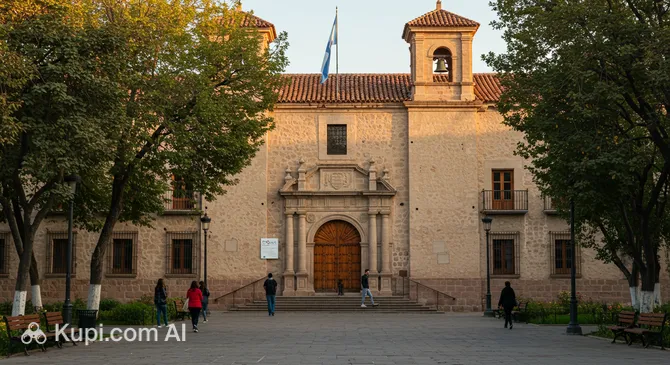
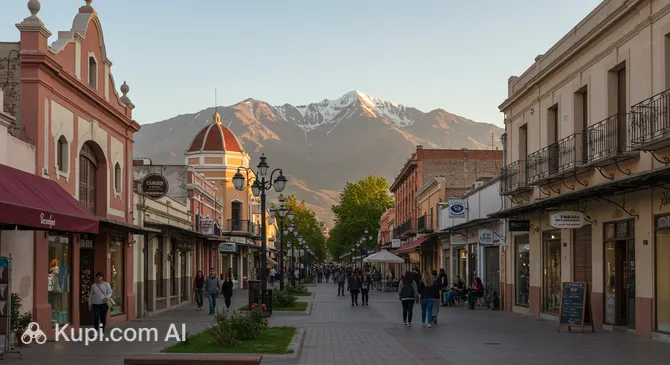
Welcome to Mendoza, a captivating oasis situated in the heart of the Cuyo region. Renowned globally as the wine capital of the nation, this bustling city offers a perfect blend of urban sophistication and laid-back charm. With its wide, tree-lined avenues and vibrant cultural scene, Mendoza invites travelers to explore its unique atmosphere where desert landscapes meet the lush greenery of city parks.
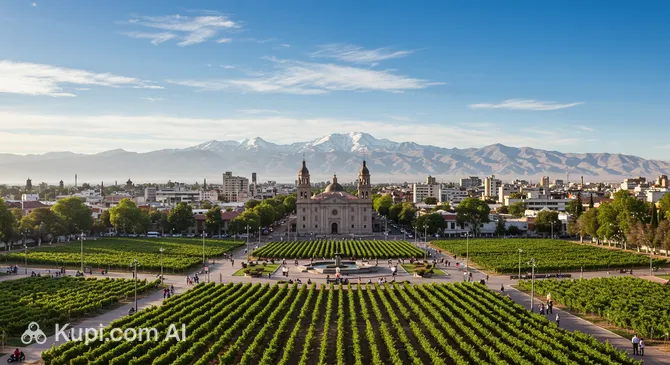
Mendoza. Source: Kupi.Binoculars

Located in the western part of Argentina, just east of the Andes Mountains, the city enjoys a sunny, semi-arid climate that is ideal for viticulture. Although the city proper has a population of around 115,000, it serves as the center of a much larger metropolitan area, bustling with activity throughout the year. The distinctive system of open irrigation channels, known as acequias, runs alongside the streets, a testament to the ingenuity that turned this desert region into a fertile haven.

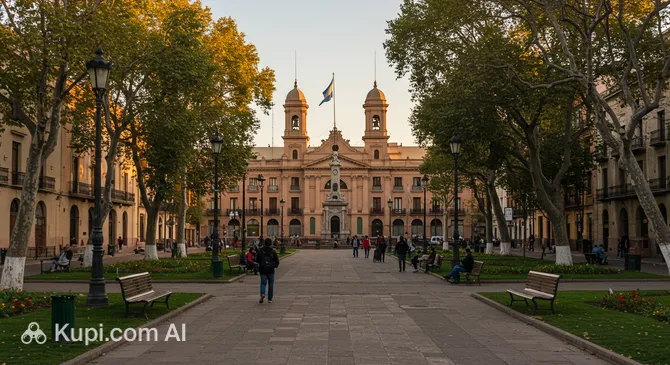
The urban layout is characterized by five central squares, designed to provide open spaces and refuge. This structure is deeply rooted in the history of Mendoza, particularly following the reconstruction efforts after a major earthquake in 1861. Today, these plazas, especially the main Plaza Independencia, serve as gathering spots for locals and tourists alike, filled with artisans, street performers, and fountains.

Travelers are drawn here not only for the world-class Malbec wines and vineyard tours but also for the proximity to high-altitude adventures. The city is the gateway to Mount Aconcagua, the highest peak in the Americas, attracting climbers and trekkers from around the globe. For those staying within the city limits, the expansive General San Martín Park offers a magnificent green retreat with a lake, rose garden, and glorious views of the foothills.

Whether you are a wine enthusiast, an adventure seeker, or simply looking to relax in a beautiful setting, Mendoza promises an unforgettable experience. Its warm hospitality and stunning natural backdrop make it a must-visit destination on any South American itinerary.
Weather Overview

Mendoza experiences a semi-arid climate with distinct seasonal variations, offering sunny conditions for much of the year. The summer months, particularly January, are warm with average temperatures around 20.3°C and highs reaching 25.8°C. While this season has the highest frequency of wet days—up to 19 days in January—the actual precipitation volume remains quite low, maintaining the region's generally dry character.

As the year progresses, the city cools down significantly. By July, the average temperature drops to 5.5°C, with chilly nights seeing lows of -0.3°C and drier conditions with only about 3 wet days. For a comprehensive forecast to help plan your outdoor activities and winery tours, be sure to check the weather in Mendoza before you travel. Expect warm summers with occasional rain and cold, dry winters, while spring and autumn offer mild, comfortable temperatures ideal for exploration.

Interesting Facts

Beyond the famous vineyards and mountain views, Mendoza holds many fascinating secrets woven into its urban fabric and history. From architectural curiosities to ingenious engineering that defies the desert climate, the city offers plenty of surprises for the observant traveler.
  • The city is essentially a man-made forest in the middle of a semi-arid desert. To sustain the thousands of trees that form a cooling canopy over the streets, Mendoza utilizes an intricate network of open irrigation canals known as acequias. These channels, visible along the sidewalks, direct melted snow water from the Andes throughout the urban area, a system inherited from the indigenous Huarpe people and expanded by modern planners.

  • The current layout of the city center was a strategic response to a devastating natural disaster. After the earthquake of 1861 destroyed the old colonial settlement, the "New City" was designed with wide avenues and five large plazas to serve as safe gathering points. This design includes the central Independence Square surrounded by four satellite squares, such as Plaza España and Chile Square.

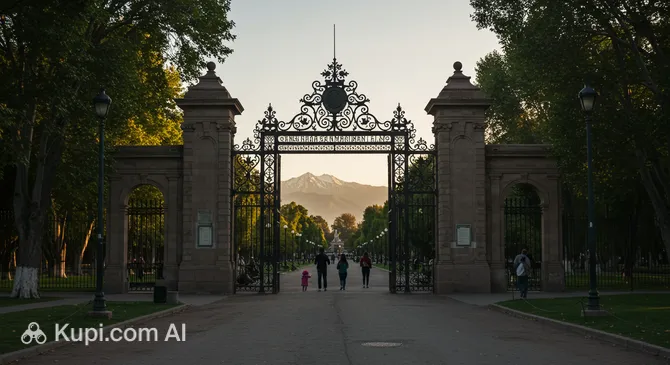
  • There is a persistent local legend regarding the majestic Gates of General San Martín Park. These ornate iron gates, crowned with a condor and the city's coat of arms, were purchased in Paris in the early 1900s. It is widely believed that they were originally commissioned for an Ottoman Sultan but were acquired by the Mendoza government after the original order was cancelled or unpaid.

  • The city center has not always been in its current location. The Museum of the Foundational Area preserves the excavated ruins of the colonial Cabildo and the old slaughterhouse, marking the exact site of the original settlement before the population moved to the safer, earthquake-resistant layout we see today.

Gates of General San Martín Park. Source: Kupi.Binoculars

How to Get There

Reaching the heart of Argentina's wine country is straightforward, with air travel being the most popular choice for international visitors and those coming from distant parts of the country. For a complete guide on all available transport options, including driving routes and bus schedules, you can read more about how to get to Mendoza.

The most convenient entry point is El Plumerillo International Airport (MDZ), situated directly in Mendoza, just 8.1 km from the city center. It is a busy regional hub handling a high volume of passengers annually, connecting the province with Buenos Aires and other major destinations. The short trip from the terminal to the downtown area typically takes around 35 minutes by taxi or shuttle.

Another significant option for international travelers is Arturo Merino Benitez Airport (SCL), located in Santiago, Chile. Although it is about 189 km away "as the crow flies," it sits across the Andes Mountains. Arriving here allows for a scenic connecting journey by bus or rental car over the mountain pass, which generally takes about 5 to 6 hours depending on border control. Alternatively, you can fly into San Juan Airport (UAQ) in the city of San Juan, located approximately 151 km north of Mendoza; the transfer by road from there takes roughly 4 hours.

For clarity, here is a summary of the main airports serving the region:

Airport Name City Passenger Traffic Km from City
Arturo Merino Benitez Airport Santiago Very High 189.4
El Plumerillo International Airport Mendoza High 8.1
San Juan Airport San Juan Medium 151.6
San Luis Airport San Luis Low 236.3
San Rafael Airport San Rafael Low 192.8

Mendoza does not currently have a major railway station offering regular long-distance passenger services from Buenos Aires. While there have been efforts to reinstate train lines, they are not yet a primary mode of transport for tourists. Most visitors who prefer ground travel opt for the extensive network of long-distance buses, known as "micros," which provide comfortable and frequent connections from cities throughout Argentina to the Mendoza Bus Terminal.

Main Attractions

Mendoza is a city that seamlessly blends urban life with nature and history, offering a variety of experiences for every type of traveler. From expansive green spaces to vibrant nightlife and historical landmarks, the city's attractions reflect its rich culture and the importance of the wine industry. Exploring the city center and its surroundings is the best way to soak up the local atmosphere.

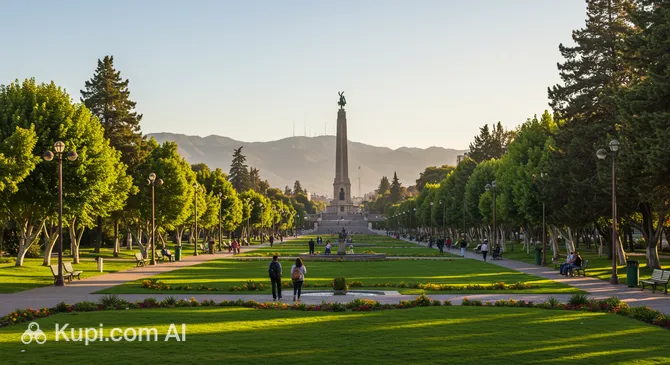
One of the most impressive highlights is General San Martín Park, a massive green lung that defines the city's western edge. Designed by the famous landscape architect Carlos Thays, this park is much more than just a place for a walk; it houses a beautiful lake, a rose garden, and numerous sculptures. It is the perfect spot to relax, enjoy a picnic, or engage in outdoor sports while admiring the backdrop of the Andean foothills.

General San Martín Park. Source: Kupi.Binoculars

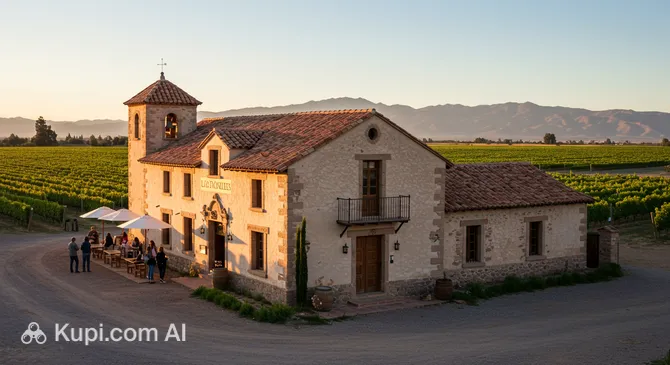
No visit to the wine capital of Argentina would be complete without exploring its viticulture. While many vineyards are located in the outskirts, Los Toneles Winery offers a unique opportunity to experience a historic winery right within the city limits. Designated as a Cultural Heritage site, this winery combines traditional architecture with modern wine-making techniques, allowing visitors to tour the facilities and taste premium wines without traveling far from the downtown area.

Los Toneles Winery. Source: Kupi.Binoculars

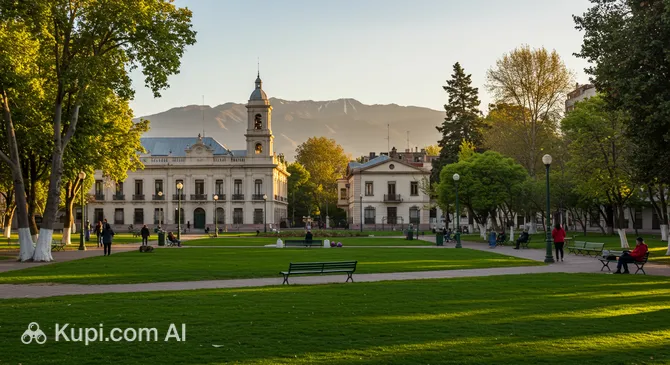
The heart of the city beats at Independence Square. This sprawling plaza is the largest and most important of the five central squares, serving as a hub for social and cultural activity. By day, its fountains and shady trees provide a cool respite, while in the evenings, it comes alive with artisan markets and street performers. It is also home to the Modern Art Museum, located beneath the plaza itself.

For those looking to experience the city's vibrant social scene, Aristides Street is the place to be. Known locally simply as "La Arístides," this avenue transforms after sunset into a bustling strip of bars, restaurants, and pubs. It is the epicenter of Mendoza's nightlife, where locals and tourists mingle to enjoy craft beers, cocktails, and excellent gastronomy in a lively, open-air setting.

Local Cuisine

Mendoza's cuisine is a delightful reflection of its geography and history, blending indigenous Cuyo traditions with strong Italian and Spanish influences. The region is famous for its high-quality produce, particularly olives, fruits, and vegetables grown in the fertile oasis, which form the base of many local recipes. Dining here is a relaxed affair, often centered around long meals shared with friends and family, where the quality of ingredients takes precedence over complex preparation.

The star of the local table is undoubtedly the asado (barbecue), but visitors should not miss the traditional empanadas mendocinas. Unlike versions from other provinces, these are typically baked in a clay oven rather than fried and are filled with hand-cut beef, onions, hard-boiled eggs, and green olives. Another regional specialty worth trying is tomaticán, a hearty stew made with fresh tomatoes, onions, and eggs, often served with crusty bread to soak up the flavorful juices.

As one of the Great Wine Capitals of the World, no meal in Mendoza is complete without a glass of local wine. While Malbec is the internationally acclaimed star, the region also produces excellent Cabernet Sauvignon and Bonarda. For those interested in the history of viticulture and how it shaped the city's identity, La Enoteca offers a fascinating glimpse into the industry's roots. Non-alcoholic options include the ubiquitous yerba mate, consumed socially throughout the day, and refreshing juices made from the region's abundant stone fruits.

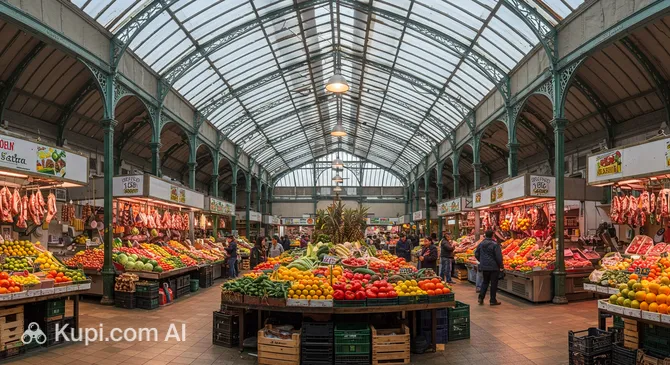
For a true taste of local life, a visit to the Central Market is essential. This bustling indoor market is packed with stalls selling spices, nuts, and olive oils, as well as food counters serving quick, authentic bites like pizza and sandwiches. It is a vibrant spot where the aromas of fresh ingredients fill the air, offering a sensory introduction to Mendocino gastronomy distinct from the fine dining found in the vineyards.

Central Market. Source: Kupi.Binoculars

The city's restaurant scene ranges from upscale winery dining to cozy, family-run establishments. The Italian heritage is palpable in places like La Marchigiana Centro, known for its homemade pasta and traditional recipes passed down through generations. For those seeking comfort food that resembles a home-cooked Sunday lunch, Fuente y Fonda serves generous portions of classic dishes in a nostalgic setting, embodying the warmth of Mendoza's hospitality.

Travel Tips

Preparing for your trip to Mendoza is the first step toward an unforgettable adventure in the land of sun and wine. To help you navigate the city like a local and make the most of your stay, here are some essential practical tips covering everything from packing smart to handling local currency.

  1. Clothing and Gear: Since Mendoza has a semi-arid climate, the temperature can fluctuate significantly between day and night. It is best to dress in layers so you can adjust comfortably. Even in summer, bring a light jacket for the evenings. The sun is very strong at this altitude, so a high-SPF sunscreen, sunglasses, and a hat are non-negotiable essentials. If you plan to visit wineries or trek in the mountains, pack comfortable, sturdy walking shoes.

  2. Transportation: The city has a reliable public transport system, including buses and the Metrotranvía (light rail), which connects the city center with suburbs like Maipú. To use them, you will need to purchase and load a SUBE card at a kiosk or pharmacy. For visiting vineyards further afield in Luján de Cuyo or the Uco Valley, renting a car or hiring a private driver (remis) is highly recommended for flexibility. Ride-hailing apps are also widely available and safe for getting around downtown.

  3. Finances: The local currency is the Argentine Peso (ARS). While credit cards are accepted in major hotels and wineries, carrying cash is crucial for smaller shops, kiosks, and tips. Argentina has complex exchange rate dynamics; tourists can often get a much better value for their foreign currency by using services like Western Union or official exchange houses rather than traditional bank withdrawals. Tipping, or propina, is customarily around 10% in restaurants.

  4. Health and Safety: Mendoza is generally safe, but standard precautions apply: keep an eye on your belongings in crowded areas and stick to well-lit streets at night. The air is extremely dry, so staying hydrated is vital to avoid headaches or fatigue. Pharmacies are marked with a green cross, and many take turns staying open 24/7 (look for the sign that says de turno).

  5. Communication: Spanish is the official language. While staff at high-end wineries and hotels usually speak English, it is less common in local shops and taxi cabs. Learning a few basic phrases like hola (hello), gracias (thank you), and por favor (please) goes a long way. Free Wi-Fi is common in cafes, but buying a local SIM card (from providers like Claro, Movistar, or Personal) is recommended for reliable navigation.

  6. Local Etiquette: Argentines are warm and social people. The standard greeting, even among casual acquaintances, is a single kiss on the right cheek. Be aware that dining schedules are much later than in many other countries; restaurants often do not open for dinner until 8:00 PM or 8:30 PM, and locals typically eat around 10:00 PM.

  7. What to Avoid: Be extremely careful where you step! Mendoza is famous for its acequias—deep, open irrigation ditches that run between the sidewalk and the street. They are often uncovered or have wide gaps, and it is a common mishap for distracted tourists to trip or fall into them while looking at their phones or taking photos.

  8. Respect the Siesta: Mendoza strictly observes siesta time. Most shops, banks, and businesses close their doors from approximately 1:30 PM to 5:00 PM. Plan your shopping and errands for the morning or late afternoon, and use this quiet time to relax, enjoy a long lunch, or explore the parks.

By keeping these tips in mind, you will be well-equipped to enjoy the relaxed rhythm and stunning beauty of Mendoza. Embrace the local customs, watch your step near the canals, and get ready to experience the warm hospitality that makes this region so special.

Entertainment & Nightlife

When the sun sets over the Andes, Mendoza transforms from a laid-back wine capital into a vibrant hub of evening activity. The city’s nightlife is diverse, catering to those who enjoy a quiet glass of Malbec on a terrace as well as those looking to dance until dawn. The atmosphere is generally relaxed yet sophisticated, with a crowd that ranges from university students to international travelers and wine connoisseurs.

The undisputed epicenter of nightlife in the city is Aristides Villanueva Avenue, commonly known as "La Arístides." Stretching for several blocks in the Fifth Section, this street is lined with an endless array of pubs, craft beer bars, and restaurants. It is the perfect place to start the evening with a "previa" (pre-party drinks). The energy here is contagious, with tables spilling out onto the sidewalks and music filling the air. For a lively spot to enjoy cocktails and music, Magnolia Restó is a popular choice among locals, offering a welcoming environment that captures the spirit of the avenue.

Aristides Street. Source: Kupi.Binoculars

For those seeking a more intense party vibe or a place to dance, the districts of Chacras de Coria and the area surrounding the city center host larger venues and nightclubs, known locally as "boliches." These venues often feature open-air sections, which are delightful during the warm summer nights. La Tranquera Eventos is one such venue that often hosts parties and gatherings, providing a classic Mendocino nightlife experience. If you are in the mood for a more traditional evening, many "peñas" (folk music clubs) offer live folklore music accompanied by regional food and wine.

Timing is everything in Argentina. The night starts late; restaurants typically fill up around 10:00 PM or later. Bars start to get busy around midnight, and nightclubs rarely open their doors before 1:00 AM, with the peak action happening between 3:00 AM and 5:00 AM. The dress code is generally "casual chic"—smart jeans and a nice shirt or top are standard, though some upscale clubs may require slightly more formal attire.

Regarding safety and transport, it is best to avoid walking long distances late at night, especially outside the main well-lit avenues like Aristides or Sarmiento. The most reliable way to get around is by using a "remis" (private car service) or a radio taxi. Ride-hailing apps are also available and provide a safe, trackable option for returning to your accommodation.

While the nights are for socializing, the city offers plenty of cultural entertainment during the day. Before the sun goes down, you might explore the Juan Cornelio Moyano Museum of Natural and Anthropological Sciences located in the park, or visit the Carlos Alonso Museum - Stoppel House to admire local art in a stunning architectural setting. Families and shoppers can also head to La Barraca Mall, which offers a mix of shopping, dining, and cinema options for a more low-key evening.

Parks & Museums

Mendoza offers a refreshing balance of urban development and nature, boasting an impressive array of green spaces and cultural institutions that celebrate its rich heritage. Beyond the vineyards, the city invites visitors to stroll through its leafy parks and explore museums that narrate the region's transformation from a colonial outpost to a modern wine capital.

While the massive General San Martín Park is the city's most famous lung, the Central Park offers a distinctively modern alternative. Located in a former railway warehouse district, this contemporary space features a large pond, an amphitheater, and grassy knolls perfect for relaxation. It serves as a vibrant community hub where locals gather for outdoor activities, contrasting with the classical design of older green spaces.

Central Park. Source: Kupi.Binoculars

Another significant green area is the Civic Park, which provides a lush corridor connecting the city center with the government district. This manicured space is not only scenic but also historically important, as it houses the Flag Monument. This memorial honors the Army of the Andes and General San Martín, making it a solemn and patriotic stop for those interested in Argentina's liberation history.

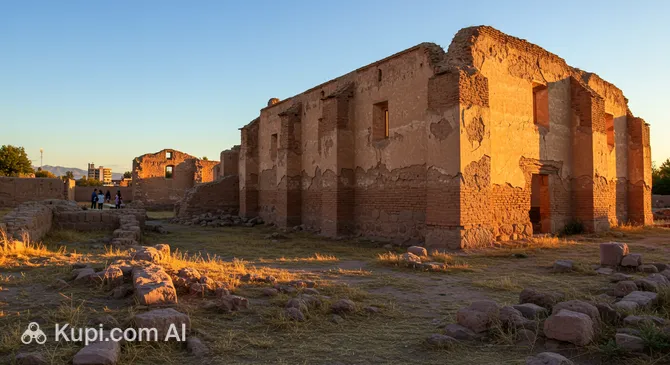
Delving into the city's past, the Museum of the Foundational Area is an essential visit. Situated on Pedro del Castillo Square, the site of the original city center, this museum protects the excavated ruins of the colonial Cabildo and the old slaughterhouse. It provides a fascinating look at Mendoza before the devastating 1861 earthquake, offering a window into the daily life of the early settlers.

Museum of the Foundational Area. Source: Kupi.Binoculars

For art lovers, the Carlos Alonso Museum - Stoppel House is a masterpiece in itself. Housed in a beautifully restored aristocratic mansion from the early 20th century, the museum showcases the works of renowned local artist Carlos Alonso alongside traveling exhibitions. The architecture of the building is as captivating as the art it holds, reflecting the opulent style of Mendoza's golden age.

History enthusiasts should also seek out the Jesuit Ruins of San Francisco. These haunting remains are among the few visible structures left from the old city destroyed by the earthquake. Located on the corner of the main square of the foundational area, the preserved arches and walls stand as a silent testament to the city's resilience and its geological reality.

Jesuit Ruins of San Francisco. Source: Kupi.Binoculars

For a unique cultural experience off the beaten path, check out the Arizu Space. This cultural center is located in a historic winery building in the Godoy Cruz district. Recently restored and opened to the public, it hosts art shows, markets, and events within the atmospheric brick walls of the former industrial site, blending Mendoza's winemaking legacy with contemporary creativity.

Getting Around

Public transport in Mendoza is efficient, extensive, and relatively easy for visitors to navigate. The system, known locally as Mendotran, integrates bus routes with the city's light rail service, covering the entire metropolitan area and connecting the city center with surrounding departments. The most distinct feature of the network is the Metrotranvía (Mendoza Light Rail), a modern tram system that runs on former railway tracks. Its distinctive red units are particularly useful for tourists, as the main line connects the downtown area with the wine-producing region of Maipú, offering a scenic and inexpensive way to reach the vineyards and olive oil factories.

The backbone of the city's mobility is the fleet of urban buses (colectivos). These are color-coded by region to help passengers identify their destinations; for example, buses serving the city center and Godoy Cruz might have different color stripes than those heading to Las Heras or Guaymallén. While the route numbers can be confusing at first, the system is well-integrated with navigation apps like Google Maps and the official Mendotran app, allowing you to plan your journey with real-time arrival data. In addition to standard buses, the city has been modernizing its fleet with electric buses to reduce pollution, replacing the historic trolleybuses that once roamed the streets.

To use any form of public transport in Mendoza, you must have a SUBE card. This is the same rechargeable contactless smart card used in Buenos Aires and other major Argentine cities, so if you have already traveled elsewhere in the country, your existing card will likely work here. You cannot pay with cash on board. You can purchase a SUBE card at "kioscos" (convenience stores), lottery shops, or at the transport terminal. Credit for the card, known as carga, can be added at these same locations or via digital wallets if you have access to local apps.

Fares are generally very affordable for international travelers. When boarding a bus or the Metrotranvía, simply tap your card on the reader. For the tram, readers are located inside the carriage or sometimes on the station platform, so be sure to validate your ride to avoid fines. Transport services typically operate from around 5:00 AM until midnight, though frequencies decrease significantly late at night and on Sundays. During the afternoon siesta time, buses continue to run, although they may be slightly less frequent than during rush hours.

For those preferring more direct transport, taxis and remises are widely available. Taxis are black and yellow and can be hailed on the street, while remises are private hire cars that look like regular vehicles and must be booked by phone or at an agency base. Ride-sharing apps are also active in the city and are often a preferred option for tourists due to the transparency of the fare and route. Additionally, Mendoza is a very bike-friendly city with a flat terrain and wide avenues. The "En la Bici" program offers a public bike-sharing system, and there are numerous private rental shops, especially near General San Martín Park, making cycling a popular alternative for sightseeing.

Accommodation

Where to Stay:

Mendoza boasts a wide array of accommodation options suited to every budget and travel style. Whether you are a backpacker looking for a lively hostel, a family seeking a comfortable apartment, or a couple desiring a luxurious retreat, the city and its surroundings have plenty to offer. The hospitality sector here is well-developed, blending modern amenities with the region's characteristic warmth.

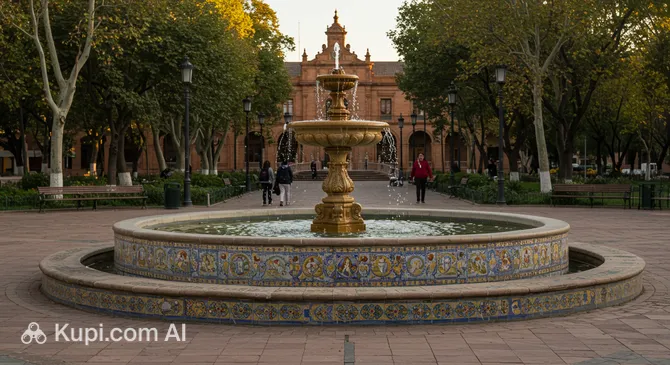
For those who want to be in the heart of the action, the City Center is the most convenient choice. Staying here places you within walking distance of the main attractions, restaurants, and shops. The area surrounding Independence Square is particularly popular, serving as a strategic base for exploring the downtown grid. Just a few blocks away, you will find Plaza España, known for its beautiful Andalusian tiles and tranquil atmosphere, often surrounded by charming boutique hotels and established mid-range options.

Plaza España. Source: Kupi.Binoculars

If you prefer a more relaxed, suburban feel without leaving the metropolitan area, the Fifth Section (Quinta Sección) is an excellent alternative. This upscale residential neighborhood is home to General San Martín Park and the vibrant Aristides Street. Here, you can find stylish bed and breakfasts and modern hotels nestled among tree-lined streets, offering a quieter night's sleep while remaining close to the city's best nightlife and dining.

For a truly immersive wine country experience, consider staying outside the city limits in districts like Chacras de Coria or Maipú. These areas are famous for their vineyard lodges and "posadas" (inns), where you can wake up to views of the Andes and endless rows of grapevines. While this option typically requires a car or reliance on private transfers, it offers a unique opportunity to sleep right next to the wineries.

Pricing in Mendoza varies significantly by season. The peak tourist period runs from January to April, coinciding with the summer holidays and the grape harvest festival, the Fiesta Nacional de la Vendimia. During early March, when the main festivities occur, accommodation prices spike, and hotels can sell out months in advance. It is highly recommended to book your stay well ahead of time if you plan to visit during this vibrant season. Generally, booking can be done easily via major online platforms, though contacting smaller establishments directly may sometimes secure better rates.

Nearby Cities

For those looking to explore the surroundings, Mendoza serves as an excellent base for day trips to several interesting nearby locations:

City Population Distance (km)
San Juan 471,389 153
Godoy Cruz 191,299 4
Las Heras 189,067 4
San Luis 169,947 239
San Rafael 118,009 197

Located to the south of the provincial capital, San Rafael is a favorite destination for nature lovers and adventure seekers. It serves as the gateway to the majestic Atuel Canyon, where wind and water have carved dramatic rock sculptures over millions of years. Visitors often flock here to enjoy rafting on the Atuel River, explore the Valle Grande dam, or tour the city's prestigious wineries, which are particularly famous for their sparkling wines.

For a journey into a neighboring province, San Juan offers a distinct blend of history and desert landscapes. Situated to the north, it is the birthplace of the educator and president Domingo Faustino Sarmiento, and his childhood home is a key historical attraction. The region is also renowned for its olive groves and the production of high-quality Syrah, offering a different oenological experience compared to Mendoza's Malbec dominance.

If you prefer a short visit without venturing far, Godoy Cruz lies just minutes from Mendoza's city center. Effectively part of the greater metropolitan area, it retains its own identity with historic wineries and a vibrant cultural calendar. It is known for hosting the annual Beer Festival and offers a variety of dining and entertainment options that are easily accessible via a short taxi ride or public transport.

These nearby destinations offer a glimpse into the diverse culture and landscapes of the region.

Shopping & Souvenirs

Shopping in Mendoza:

Shopping in Mendoza is a delightful experience that mirrors the city's relaxed yet sophisticated character. While it may not have the frenetic pace of a massive metropolis, the city offers a high-quality selection of regional products that are famous throughout Argentina. The shopping scene is a mix of modern commercial centers, bustling traditional avenues, and charming artisan markets. Visitors will find that the city excels in locally produced goods, particularly leather, olive oil, and, of course, world-renowned wines, making it the perfect place to find authentic treasures to take home.

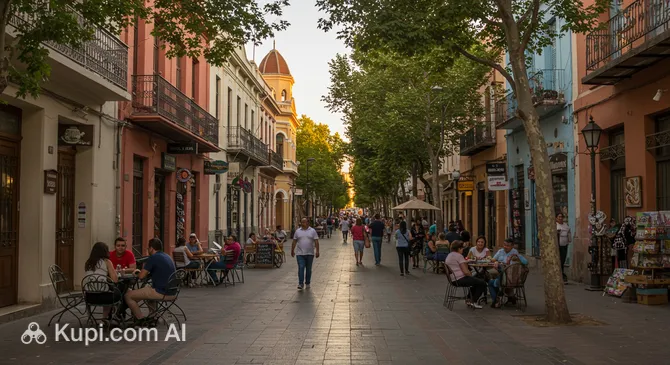
The heart of the city's retail life beats along its main avenues. Avenida Las Heras is the go-to destination for tourists seeking traditional souvenirs. This bustling street is lined with shops selling leather jackets, belts, and bags, as well as local chocolates and fruit preserves. For a more scenic experience, the pedestrian-friendly Paseo Sarmiento offers a blend of outdoor cafes and upscale boutiques, perfect for a leisurely stroll. Nestled within the city center, you will also find the Charif Pedestrian Promenade, a charming passage that invites shoppers to explore its variety of stores in a picturesque setting.

Charif Pedestrian Promenade. Source: Kupi.Binoculars

For those who prefer a modern shopping environment with international brands, Mendoza boasts several excellent malls. One of the most prominent is La Barraca Mall, located just a short drive from the city center in the Guaymallén district. This lifestyle center features a beautiful open-air design with landscaped gardens, a cinema, and a wide range of fashion outlets, restaurants, and entertainment options for the whole family.

La Barraca Mall. Source: Kupi.Binoculars

To truly taste the local culture, a visit to the Central Market is essential. Located on Avenida Las Heras, this historic indoor market is a sensory explosion of spices, nuts, fresh produce, and regional delicacies. It is the best place to buy authentic food souvenirs like chimichurri spice mixes or high-quality olive oil. Additionally, the Independence Square often hosts a vibrant artisans' fair where local craftsmen sell handmade jewelry, woodwork, and textiles, providing a unique alternative to mass-produced gifts.

Independence Square. Source: Kupi.Binoculars

When it comes to souvenirs, Mendoza offers distinct items that reflect its heritage. Beyond the obvious choice of Malbec wine, look for leather goods, which are known for their exceptional quality and reasonable prices. Mate gourds and bombillas (straws) are also popular keepsakes, along with textiles made from alpaca wool. For a sweet treat, boxes of alfajores (dulce de leche cookies) or jars of local fruit preserves, such as alcayota, make for delicious gifts.

Travelers should be aware of the local schedule. Street shops and smaller businesses typically observe the siesta, closing around 1:30 PM and reopening at 5:00 PM. However, major shopping malls and supermarkets usually remain open throughout the day, often until 10:00 PM. In terms of payment, while credit and debit cards are widely accepted in malls and larger stores, carrying cash (Argentine Pesos) is highly recommended for smaller shops, markets, and street vendors to ensure smoother transactions.

International tourists can also take advantage of the Tax-Free shopping system. Argentina offers a VAT (Value Added Tax) refund on locally manufactured products purchased at participating stores. Look for the "Tax Free" or "Global Blue" signage in shop windows. To claim the refund, you will need to present your passport when making a purchase to receive the necessary forms, which must then be validated at the customs office at the airport or border crossing upon leaving the country.

Reached the end of the page?

That means the route is fully explored