Support

Viña del Mar

About

Welcome to Viña del Mar, affectionately known as the "Garden City" due to its lush green spaces and beautifully manicured landscapes. As one of the most popular seaside resorts in Chile, this vibrant destination offers a perfect blend of urban energy and coastal relaxation. With its palm-lined boulevards and expansive beaches, the city attracts visitors looking for sun, sea, and a sophisticated atmosphere.

Viña del Mar. Source: Kupi.Binoculars

Located in the Valparaíso Region on the central Pacific coast, the city enjoys a mild Mediterranean climate that makes it a pleasant destination throughout the year. With a population of approximately 330,000 residents, it serves as a bustling hub that feels both modern and welcoming. While the gleaming high-rises along the shoreline speak to its contemporary growth, the history of Viña del Mar reveals a fascinating past rooted in wealthy vineyards and aristocratic summer retreats.

Travelers are drawn to iconic sights such as the famous Flower Clock, a botanical masterpiece that functions as a working timepiece, and the picturesque Wulff Castle, which perches dramatically over the rocky shore. The city is also renowned for the sprawling Quinta Vergara Park, home to a grand palace and the amphitheater that hosts the celebrated International Song Festival. Whether you are looking to relax on the sands of Reñaca Beach or explore cultural landmarks, Viña del Mar promises an unforgettable experience by the sea.


Weather Overview

This coastal destination is known for its temperate atmosphere and refreshing sea breezes, ensuring that conditions remain comfortable throughout the year. The weather in Viña del Mar rarely sees extreme fluctuations, making it a reliable choice for travelers seeking pleasant days regardless of the season. The air stays fresh and invigorating, perfect for strolling along the waterfront.

The summer months, from December to March, offer the warmest conditions with an abundance of sunshine. February is generally the peak of the season, featuring average temperatures of 17.5°C and highs climbing to 20.0°C. Precipitation is essentially absent during this time, providing endless opportunities for outdoor activities under clear skies.

Winters are cool yet manageable, avoiding the biting cold found in other parts of the country. July marks the coldest point, with averages around 11.0°C and lows dipping to 8.0°C. While this period is considered the wetter season, rainfall remains incredibly low, with the dampest month, June, recording only about 4mm. Overall, the climate is remarkably dry and mild year-round.

Interesting Facts

Beyond the sun-soaked beaches and manicured gardens, Viña del Mar holds intriguing stories that add depth to its charm. Discover a few surprising details that make this coastal city truly unique.
Flower Clock. Source: Kupi.Binoculars
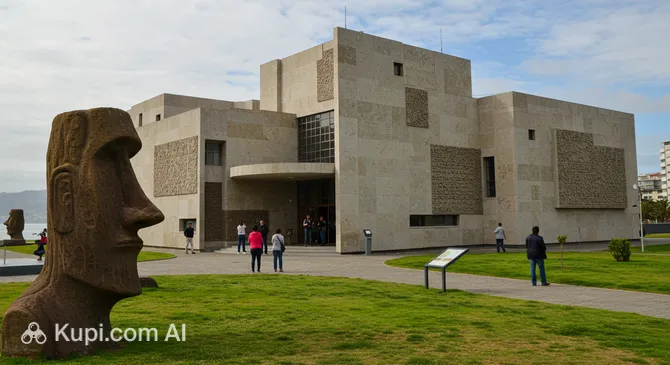
  • You can find a genuine piece of Rapa Nui (Easter Island) right in the city center. The Francisco Fonck Museum of Archaeology and History displays one of the few original Moai statues located outside the island, offering a rare glimpse into this mysterious ancient culture.

  • The iconic Flower Clock is not just a beautiful photo spot; it was originally inaugurated to celebrate the 1962 FIFA World Cup, which was hosted by Chile. Its intricate mechanism is Swiss-made, ensuring that the floral hands keep perfect time.

  • The audience at the famous Viña del Mar International Song Festival is legendary for its ruthlessness and is nicknamed "El Monstruo" (The Monster). If the crowd disapproves of a performer, they will loudly boo until the artist leaves the stage, but they also reward favorites with silver and gold gull trophies.

  • Perched dramatically on the coastal rocks, Wulff Castle is a historic marvel that features a section with a glass floor, allowing visitors to watch the crashing waves of the Pacific Ocean directly beneath their feet.

How to Get There

Reaching this coastal destination is straightforward, offering travelers scenic routes through the region. For a detailed overview of all travel options, you can read more about how to get to Viña del Mar and choose the best itinerary for your trip. While the city itself does not have an airport, it is exceptionally well-connected to major transport hubs nearby.

The most convenient gateway is the Arturo Merino Benitez Airport (SCL), located in the city of Santiago. It is situated approximately 83 km from Viña del Mar. A journey by taxi or transfer from this airport typically takes around 2.5 hours, depending on traffic conditions. As a major international hub with annual passenger traffic exceeding 26 million, it offers extensive connections and services for travelers arriving from around the world.

Another option for those arriving from across the Andes is the El Plumerillo International Airport (MDZ) in Mendoza. Located about 259 km away, this route involves crossing the international border and the mountain range, which can extend the travel time to approximately 7 hours by road. This airport is a medium-sized hub and is generally a suitable choice only if your itinerary includes visiting western Argentina.

For clarity, here is a summary of the main airports:

Airport Name City Passenger Traffic Km from City
Arturo Merino Benitez AirportSantiagoLarge82.7
El Plumerillo International AirportMendozaMedium258.7

Since the city does not have a railway station for long-distance arrivals, the most popular alternative to driving is the bus network. Buses from Santiago depart frequently and offer a comfortable, direct link to Viña del Mar, making the final leg of the journey both easy and affordable.

Main Attractions

Viña del Mar is renowned for its elegant architecture and stunning coastal scenery, offering visitors a variety of memorable sights. One of the most popular destinations for sun-seekers is Reñaca Beach. Located just north of the city center, this vibrant stretch of sand is a hub of activity, attracting surfers and young travelers with its energetic atmosphere. The area is famous for its unique stepped architecture, where terraced buildings climb the surrounding hills, creating a distinctive amphitheater effect overlooking the Pacific Ocean.

Reñaca Beach. Source: Kupi.Binoculars

For those interested in heritage and history, Wulff Castle is an essential stop. Built directly upon the rocks at the edge of the sea, this distinctive two-story landmark showcases a fascinating mix of German and French architectural styles. Constructed in the early 20th century, the building now operates as a heritage center, allowing guests to enjoy sweeping views of the coastline and the ocean waves from its stone terraces.

Wulff Castle. Source: Kupi.Binoculars

A symbol of the city's sophisticated nightlife and social scene is the Viña del Mar Casino. Inaugurated in 1930, this imposing building features a striking Greco-Roman design surrounded by beautifully manicured gardens. It is considered one of the most beautiful gambling venues in South America and stands as a testament to the city's golden age, making it a perfect spot for an evening walk even if you do not plan to play.

Art and culture enthusiasts should not miss the Vergara Palace Museum, situated within the lush grounds of Quinta Vergara Park. This magnificent Venetian Gothic mansion was the former residence of the city's founding family and now houses the Museum of Fine Arts. Inside, you can admire a prestigious collection of European and Chilean paintings, while the exterior invites you to explore the extensive gardens that give the "Garden City" its nickname.

Vergara Palace Museum. Source: Kupi.Binoculars

Local Cuisine

The culinary scene in Viña del Mar is inextricably linked to the Pacific Ocean, offering visitors some of the freshest and most diverse seafood in Chile. As a coastal resort city, the local gastronomy focuses heavily on marine delicacies, prepared with both traditional Chilean recipes and modern gourmet twists. A signature dish you simply must try here is Machas a la Parmesana (razor clams baked with parmesan cheese), which is said to have been invented in this very region. Other favorites include pastel de jaiba (crab pie) and caldillo de congrio, a hearty conger eel soup immortalized in poetry by Pablo Neruda.

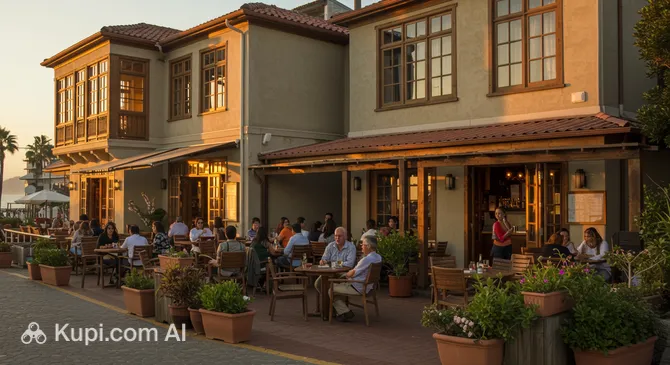
Dining in Viña del Mar is often as much about the atmosphere as it is about the food, with many establishments offering stunning views of the waves crashing against the shore. For a sophisticated experience that combines elegant Italian-influenced seafood with panoramic ocean vistas, travelers often visit the Portofino Restaurant. It is a prime example of the city's upscale dining culture, where long lunches can be enjoyed while watching the sunset over the bay.

Portofino Restaurant. Source: Kupi.Binoculars

No meal in this region is complete without the perfect beverage pairing. The city is located just a short distance from the Casablanca Valley, a world-renowned wine region famous for its crisp Sauvignon Blanc and Chardonnay, which pair beautifully with local shellfish. For a stronger traditional aperitif, order a Pisco Sour, Chile’s national cocktail made from grape brandy, lemon juice, sugar, and egg white. It is refreshing, zesty, and the standard way to begin any dinner in the city.

While seafood is the star, the city also caters to lovers of red meat and international flavors, reflecting its cosmopolitan character. If you are in the mood for premium cuts of grilled beef rather than fish, the Pampa Brava Restaurant is a well-regarded spot that brings high-quality steakhouse traditions to the table. Beyond formal restaurants, the food culture here includes vibrant casual options. For the freshest catch of the day, locals head to the area around Caleta Portales Beach, where a bustling fish market allows you to see the fishermen at work and enjoy simple, delicious fried fish empanadas right by the sea.

Travel Tips

Preparing for a trip to Viña del Mar is exciting, but having a few local insights can make your stay much more comfortable and enjoyable. Here is a collection of practical advice to help you navigate the "Garden City" like a pro and make the most of your coastal getaway.

  1. Clothing and Gear: The coastal weather is pleasant but changeable. Even in summer, the Pacific breeze can be chilly after sunset, so dressing in layers is essential; always carry a light jacket or sweater. Comfortable walking shoes are a must for exploring the long promenades. Additionally, UV radiation in central Chile is very high, so pack a hat, sunglasses, and high-SPF sunscreen.

  2. Transportation: The city is well-connected by the Metro Valparaíso (Merval), which is the cleanest and fastest way to visit neighboring Valparaíso or travel along the coast. For shorter distances within the city, ride-hailing apps are safe and reliable. Walking is the best way to enjoy the coastal strip, known as the Borde Costero.

  3. Finances: The local currency is the Chilean Peso (CLP). While credit cards are widely accepted in hotels, restaurants, and malls, it is wise to carry cash (small bills) for street food, artisanal markets, or public buses. In restaurants, a 10% tip (propina) is customary and is often added to the bill as a "suggested" amount.

  4. Health and Safety: Viña del Mar is generally safer than larger metropolitan areas, but you should still keep an eye on your belongings, especially on the beach and in crowded tourist spots. Pharmacies (Farmacias) are abundant and easily recognized by their green crosses; major chains like Cruz Verde or Salcobrand often have 24-hour branches.

  5. Communication: The official language is Spanish. While staff in high-end hotels may speak English, it is not universally spoken in smaller shops or by transport drivers. Learning basic phrases like hola (hello) and gracias (thank you) is highly appreciated. Buying a prepaid SIM card at a local mall is a quick way to ensure you have data for maps and translation apps.

  6. Local Etiquette: Chileans are generally warm and polite. The standard greeting, even for first-time acquaintances in social settings, is often a kiss on the right cheek (or a handshake in formal business contexts). It is also polite to greet shopkeepers when entering a store with a friendly buenos días.

  7. What to Avoid: Do not underestimate the Pacific Ocean. The water is quite cold due to the Humboldt Current, and rip tides can be strong. Avoid swimming if you see red flags on the beach; only enter the water in designated areas marked with green flags and supervised by lifeguards.

  8. Local Insight: For a truly authentic travel experience, try using the colectivos. These look like black taxis with route signs on the roof; they operate on fixed routes like buses but offer the speed and comfort of a sedan for a slightly higher, fixed fare. They are a favorite way for locals to commute.

With these tips in mind, you are fully prepared to relax and soak up the elegant atmosphere of Chile’s favorite seaside resort. Enjoy the lush gardens, the stunning ocean views, and the warm hospitality that make Viña del Mar such a memorable destination.

Entertainment & Nightlife

Viña del Mar is a city that thrives on activity, offering a diverse array of leisure options that go far beyond sunbathing. From adrenaline-pumping water slides to sophisticated shopping centers, the "Garden City" provides entertainment for every type of traveler. Whether you are visiting with family, looking for outdoor sports, or seeking a vibrant evening atmosphere, you will find plenty of ways to fill your schedule.

For families and thrill-seekers, Aviva Water Park is a standout destination. This expansive aquatic center is perfect for a full day of fun, featuring high-speed slides, wave pools, and interactive water play areas for younger children. It offers a refreshing escape from the beach crowds and is designed to provide safe, energetic entertainment for all ages.

Aviva Water Park. Source: Kupi.Binoculars

If you prefer to combine your love for the ocean with physical activity, Playa del Deporte (Sports Beach) is the place to be. Located along the waterfront, this dedicated zone is a hub for outdoor fitness, hosting beach volleyball courts, soccer matches, and various athletic events. It is a lively spot where locals and visitors gather to stay active while enjoying the stunning Pacific views.

Playa del Deporte. Source: Kupi.Binoculars

For those who enjoy retail therapy and modern conveniences, Marina Mall offers a premier shopping experience. As one of the main commercial centers in the region, it houses a wide selection of international fashion brands, a cinema complex, and numerous dining options. It is an ideal location to relax, catch a movie, or pick up everything you need for your trip in a comfortable, modern setting.

Marina Mall. Source: Kupi.Binoculars

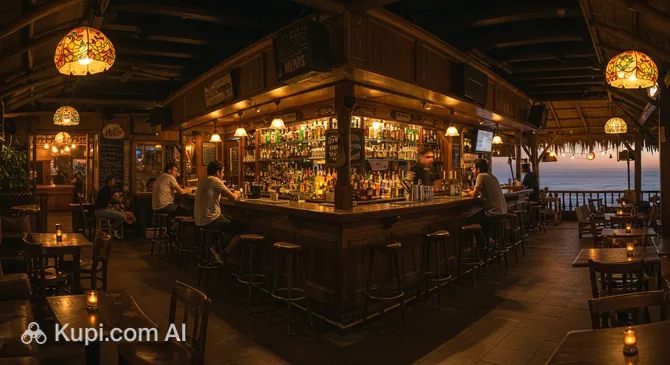
When the sun sets, the city's social scene comes alive with various bars and lounges. Milamores is a popular choice for those looking to unwind with a drink in hand. Venues like this contribute to the city's reputation for having a vibrant nightlife, offering a welcoming atmosphere where you can enjoy creative cocktails and conversation after a day of exploring the coast.

Milamores. Source: Kupi.Binoculars

Parks & Museums

True to its nickname, the "Garden City," Viña del Mar offers an impressive array of manicured parks and cultural venues that celebrate its aristocratic past and vibrant present. Visitors can easily spend days wandering through lush green squares or exploring the heritage buildings that have been transformed into fascinating museums.

One of the central gathering points is Vergara Square, a historic plaza adorned with statues and beautiful trees. It serves as the civic heart of the city, offering a peaceful respite amidst the urban bustle. For those seeking panoramic views combined with nature, the Pablo Neruda Viewpoint provides a scenic lookout over the coastline, perfect for admiring the vastness of the Pacific Ocean.

Palacio Rioja Decorative Arts Museum. Source: Kupi.Binoculars

The city's museums are often housed in grand mansions that are attractions in themselves. The Palacio Rioja Decorative Arts Museum is a stunning example of French neoclassical architecture. Inside, visitors can walk through opulent halls filled with period furniture and textiles that illustrate the lavish lifestyle of the early 20th-century elite.

Another cultural highlight is the Francisco Fonck Museum of Archaeology and History. While famous for the Moai statue at its entrance, the interior houses a comprehensive collection of pre-Columbian artifacts, including Mapuche silver and Peruvian ceramics, making it an essential stop for history buffs. Families might also enjoy the Artequin Museum Viña del Mar, which focuses on bringing art closer to children through interactive reproductions of famous works.

Francisco Fonck Museum of Archaeology and History. Source: Kupi.Binoculars

Architectural splendor continues with the Cerro Castillo Palace. Perched on a hill overlooking the bay, this imposing structure serves as the summer residence for the President of Chile. Although public access to the interior is generally restricted, its distinct Spanish Colonial Revival style and commanding presence make it a favorite subject for photographers.

Cerro Castillo Palace. Source: Kupi.Binoculars

For a quiet, authentic experience, take a morning walk through the grounds of the Quinta Vergara before the crowds arrive. The mixture of exotic trees from around the world and the grandeur of the surrounding palaces creates a magical atmosphere that truly defines the spirit of this coastal gem.

Getting Around

Getting around Viña del Mar is relatively easy thanks to a diverse public transport network that connects the city center with the beaches, the surrounding hills, and neighboring areas. The backbone of the system is the Metro Valparaíso (often referred to as Merval or simply "the Metro"), a modern suburban train line. It runs along the coast, offering a fast and scenic way to travel between key points like the Miramar and Viña del Mar stations, as well as connecting you to the nearby port city of Valparaíso or inland towns like Limache. It is clean, safe, and generally the most reliable option for avoiding traffic congestion.

For destinations not served by the train, the city relies on an extensive network of urban buses, locally known as micros. These colorful buses cover almost every corner of the city, including the popular Reñaca and Concón areas. While they can be a bit chaotic and fast-paced, they are an affordable way to reach specific neighborhoods. You will also see colectivos, which are black sedans that function as shared taxis. They operate on fixed routes indicated by signs on their roofs, picking up and dropping off passengers along the way. They are slightly more expensive than buses but offer a faster and more comfortable seat, making them a favorite among locals.

Regarding payment, the systems are currently separate. To use the Metro, you must purchase and load a rechargeable smart card called the Tarjeta Metroval. You can buy this card at any station ticket office or self-service machine. The fare is deducted automatically based on the distance traveled and the time of day, with prices being higher during peak rush hours. Conversely, for buses and colectivos, cash is king. You pay the driver directly upon boarding. It is highly recommended to carry small bills and coins, as drivers may not have change for large denominations.

Tourists should be aware of the operating hours to plan their evenings. The Metro typically runs from early morning until approximately 10:00 PM or 10:30 PM, so it is not an option for late-night outings. Buses and colectivos operate later, but their frequency drops significantly after midnight. When hailing a bus, you must wave your hand to signal the driver to stop; they do not automatically stop at every shelter. For the Metro, remember to tap your card both when entering and exiting the station to ensure the correct fare is calculated.

If you prefer more direct and private transportation, traditional taxis are widely available and can be identified by their black exteriors and yellow roofs. They use taximeters, so ensure the meter is running when you start your journey. Alternatively, ride-sharing apps like Uber and Cabify are very popular and operate efficiently within the city. They often provide a more convenient solution for tourists who may not speak the language or do not have cash on hand. While the city is quite walkable, especially along the coastal promenade, renting a bicycle is also a pleasant leisure option for sunny days, though it is less commonly used for serious commuting.

Accommodation

Finding the perfect place to stay in Viña del Mar is relatively easy, as the city offers a broad spectrum of accommodation to suit every budget and preference. Options range from luxurious oceanfront resorts and modern high-rise apartments to charming boutique hotels and budget-friendly hostels. Whether you are looking for full-service pampering or a self-catering rental for a family holiday, the "Garden City" is well-equipped to host its many visitors.

For those who want to be in the center of the action, the area surrounding the Viña del Mar Casino is the most strategic location. Staying here places you within walking distance of the main commercial streets, fine dining restaurants, and the manicured coastal gardens. This district is ideal for travelers who want to enjoy the city's nightlife and elegant urban atmosphere without needing a car.

Viña del Mar Casino. Source: Kupi.Binoculars

Another highly sought-after district is Reñaca, located a few kilometers north of the city center. This area is particularly popular with younger travelers and families during the summer, offering a vast selection of vacation rentals and aparthotels that overlook the ocean. While it is further from the main historic sights, the vibrant beach atmosphere makes it a favorite base for those prioritizing sun and sea.

Booking Tip: Viña del Mar is Chile's premier summer destination, and demand peaks significantly during the high season, especially in January and February. If you plan to visit during the famous International Song Festival, it is essential to book your accommodation several months in advance, as the best spots sell out quickly and occupancy often reaches 100%.

Prices vary considerably depending on the time of year. During the summer peak, rates for hotels and rentals can double or triple compared to the rest of the year. Most established hotels and rental agencies accept credit cards and can be booked via major online platforms, but it is always wise to confirm payment methods if you are choosing a smaller, family-run guesthouse.

Nearby Cities

For those looking to explore the surroundings, Viña del Mar serves as an excellent base for day trips to several interesting nearby locations. The most prominent neighbor is the historic port city of Valparaíso, a UNESCO World Heritage site located just minutes away. Famous for its vibrant street art, colorful houses perched on steep hills, and vintage funicular elevators, it offers a bohemian cultural contrast to the modern elegance of Viña del Mar.

Travelers seeking a change of climate often head inland to Quilpué, widely known as the "City of the Sun." Because it is protected by coastal hills, it frequently enjoys warmer and sunnier weather when the coast is covered in marine fog. Further into the valley lies Quillota, an agricultural hub surrounded by fertile plantations. It provides a relaxed atmosphere and a look into the rich farming traditions of central Chile, particularly famous for producing high-quality avocados and chirimoyas.

City Population Distance (km)
Valparaiso 296655 7
Quilpué 147991 11
Villa Alemana 125140 17
Quillota 73261 32
La Calera 50554 41

These nearby destinations offer a glimpse into the diverse culture and landscapes of the region.

Shopping & Souvenirs

Shopping in Viña del Mar is a delightful experience that ranges from browsing high-end fashion brands to discovering unique local handicrafts by the sea. As the commercial hub of the region, the city offers a diverse retail scene that caters to both luxury seekers and bargain hunters. Whether you are looking for the latest trends or traditional Chilean souvenirs, you will find plenty of options within a compact and walkable area.

The traditional heart of the city's commerce is Calle Valparaíso. This bustling avenue runs through the downtown area and is lined with a mix of historic arcades, shoe stores, boutiques, and cafes. It is the perfect place to take a stroll, window shop, and soak up the local urban atmosphere. Here, you can find everything from clothing and accessories to electronics, often at more competitive prices than in the large shopping centers.

For a modern, world-class retail experience, the area known as the "Boulevard" on 14 Norte Street is the place to be. This district is home to the city's largest commercial complexes. The most prominent is the Marina Mall (often called Mall Marina), which features major department stores, international fashion chains, and a cinema. Just across the street, connected by a pedestrian bridge, you will find the Marina Oriente Mall, which offers additional specialty shops and lifestyle brands. These centers are modern, safe, and provide a comprehensive shopping experience with ample parking and food courts.

Marina Oriente Mall. Source: Kupi.Binoculars

If you are interested in authentic local goods, be sure to visit the artisan markets. The Feria de Artesanía, often located near the Marga Marga estuary or in designated plazas during the summer, is a treasure trove for handmade items. These stalls are the best places to find souvenirs that reflect Chilean culture. Look for jewelry made from Lapis Lazuli, a semi-precious deep blue stone found almost exclusively in Chile and Afghanistan. Other popular keepsakes include copper crafts, warm alpaca wool sweaters, and artisan leather goods.

Most large shopping malls operate daily from roughly 10:00 AM to 9:00 PM. Street shops along Calle Valparaíso may have slightly shorter hours, typically closing around 8:00 PM, and some smaller businesses might be closed on Sundays. Regarding payment, credit and debit cards are widely accepted almost everywhere, including most market stalls, thanks to the widespread "Redcompra" system. However, carrying a small amount of cash is always useful for minor purchases or tips.

Reached the end of the page?

That means the route is fully explored