Support

San Luis

About

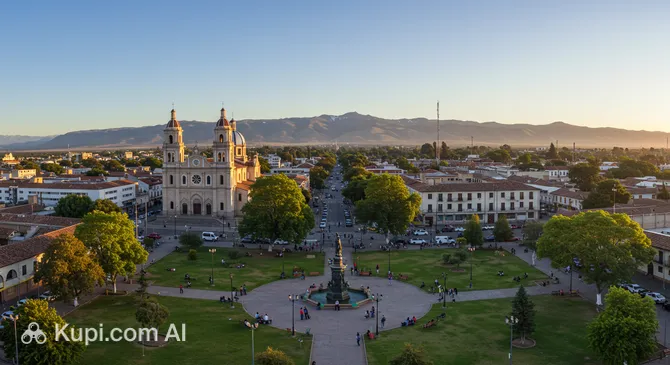
Welcome to San Luis, a captivating city nestled at the foot of the Sierras Grandes. As the capital of the San Luis Province, this destination offers a perfect blend of urban energy and natural tranquility. Located in the Cuyo region of central Argentina, it serves as a vital gateway to exploring the stunning landscapes that define this part of the country.

San Luis. Source: Kupi.Binoculars

With a population of approximately 170,000 residents, the city maintains a welcoming atmosphere while providing all the amenities of a modern provincial capital. The climate here is generally dry and temperate, making it pleasant for sightseeing year-round. The city's layout reflects its deep roots, having been founded in the late 16th century. For those interested in how this settlement grew from a remote colonial outpost to a thriving hub, the history of San Luis offers a fascinating journey through time.

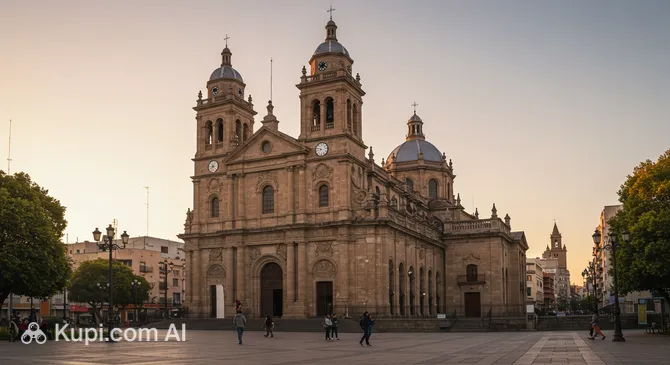
Travelers are often drawn to the city's vibrant center, particularly Plaza Pringles, which is surrounded by historical architecture and bustling cafes. A standout landmark is the neoclassical San Luis Cathedral, known for its twin bell towers and serene interior. Just a short drive away, nature lovers can visit the spectacular Potrero de los Funes, a scenic reservoir surrounded by hills that is perfect for outdoor activities and relaxation.

Whether you are passing through on a road trip across the pampas or planning a dedicated stay, San Luis promises a memorable experience. Its unique combination of rich heritage, friendly locals, and proximity to breathtaking mountain scenery makes it a delightful stop on any Argentine itinerary.

Weather Overview

Travelers visiting San Luis can expect warm summers with occasional rain and cold, dry winters. The summer season, particularly from December to February, brings the warmest conditions, with January seeing average temperatures of 25.6°C and daily highs reaching up to 31.5°C. This period also corresponds with the region's wettest weather, with January typically recording around 12 wet days.

In contrast, the winter months of June through August are noticeably cooler and significantly drier. July is usually the coldest month, with average temperatures hovering around 10.7°C and lows dipping to approximately 4.7°C. Precipitation is extremely rare during this season, often dropping to near zero millimeters, which ensures plenty of clear, crisp days for sightseeing.

Spring and autumn offer mild and pleasant transition periods, ideal for those who prefer moderate temperatures. To help you choose the best time for your visit and pack accordingly, you can find more specific data about the weather in San Luis on our detailed page.

Interesting Facts

Beyond the scenic landscapes and colonial heritage, San Luis holds several fascinating details that often escape the casual observer. From its unique nickname to its surprising technological advancements, the city offers a blend of tradition and modernity.
  • The "Puntano" Identity: Residents of San Luis are affectionately known as "puntanos." This demonym is derived from the city's original colonial name, San Luis de la Punta de los Venados (Saint Louis of the Point of the Deer), which described the tip of the mountain range where the settlement was established and the abundance of deer in the area.

  • A Digital Pioneer: San Luis is distinct within Argentina for its forward-thinking approach to connectivity. The province was a pioneer in the country by offering free public Wi-Fi across its territory, aiming to ensure digital inclusion for all residents and visitors in public spaces.

  • A Hero's Tomb: The neoclassical Cathedral of San Luis is more than just an architectural landmark with twin bell towers. Inside, it houses the remains of Colonel Juan Pascual Pringles, a distinguished soldier of the War of Independence who is celebrated as the city's greatest hero.

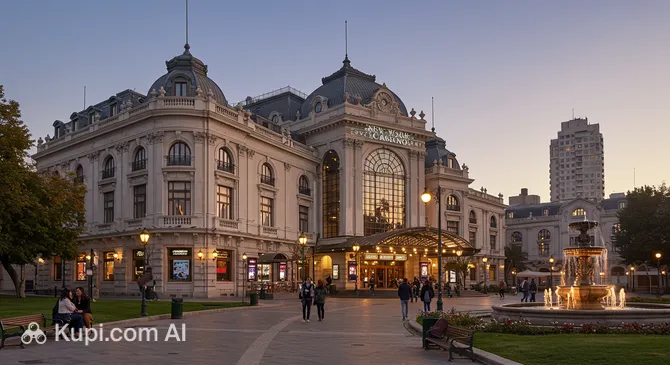
  • A Touch of Vegas: In a surprising contrast to the local colonial style, the city features the New York Casino. This venue stands out with its Statue of Liberty replica and Manhattan-themed decor, bringing a slice of the United States to the foothills of the Sierras.

Cathedral of San Luis. Source: Kupi.Binoculars

How to Get There

Reaching San Luis is relatively straightforward, with options to arrive by air or land. For a comprehensive guide on planning your journey, you can read all ways to reach the city on our detailed page. The city is well-connected to major Argentine hubs, allowing for flexible travel itineraries.

The most convenient entry point is the local San Luis Airport (IATA: LUQ), situated just 3.6 km from the city center. This proximity ensures a quick transfer, typically taking about 10 to 15 minutes by taxi or shuttle. While it is a smaller regional hub with an annual passenger traffic of around 73,000, it provides essential domestic links. For travelers arriving here, the transition from the terminal to the heart of the city is seamless and efficient.

Alternatively, visitors often choose to fly into El Plumerillo International Airport (IATA: MDZ) in the neighboring city of Mendoza. Although it is located approximately 235 km from San Luis, this airport is a major hub serving over 2 million passengers annually. It offers a wider range of flight schedules and international connections. Travelers landing in Mendoza should be prepared for a longer ground transfer to San Luis, which can take approximately 4 to 6 hours by bus or taxi.

For clarity, here is a summary of the main airports:

Airport Name City Passenger Traffic Km from City
El Plumerillo International Airport Mendoza Large 235.1
San Juan Airport San Juan Medium 274.0
San Luis Airport San Luis Small 3.6
San Rafael Airport San Rafael Small 238.4
Valle Del Conlara Merlo Small 148.3

As there are no major railway stations currently listed for direct tourist access to San Luis, most overland travelers rely on the country's extensive long-distance bus network. Buses connect San Luis with Buenos Aires, Córdoba, and other key cities, offering a comfortable and popular alternative for those who prefer to travel by road.

Main Attractions

San Luis offers a delightful mix of historical depth and modern leisure, with attractions that cater to both culture seekers and those looking to relax. While the city center is compact and walkable, it is packed with landmarks that tell the story of the region's evolution from a colonial outpost to a vibrant provincial capital.

For those eager to delve deeper into the region's past, the MUHSAL Historical Museum of San Luis is an essential stop. This modern cultural center stands out for its interactive approach to storytelling, guiding visitors through the different eras of the province's development. It is particularly interesting for its audiovisual displays and immersive exhibits, which make local history accessible and engaging for travelers of all ages.

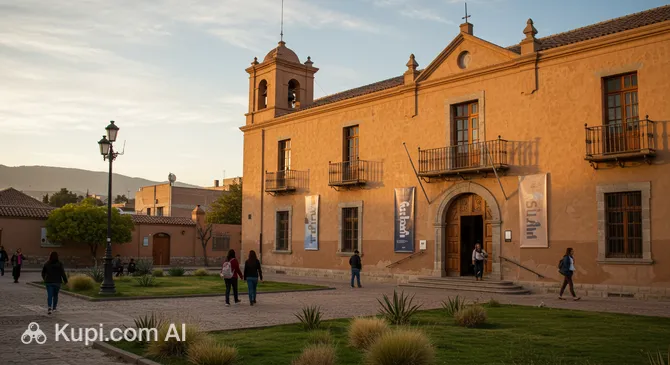
MUHSAL Historical Museum of San Luis. Source: Kupi.Binoculars

Nature enthusiasts looking for a green escape within the city limits will find Nations Park to be a perfect retreat. This expansive urban park offers beautifully landscaped gardens, walking paths, and recreational areas. It is a favorite spot for families and those seeking a peaceful afternoon picnic, offering a refreshing break from the bustling city streets while showcasing a variety of plant species and open spaces.

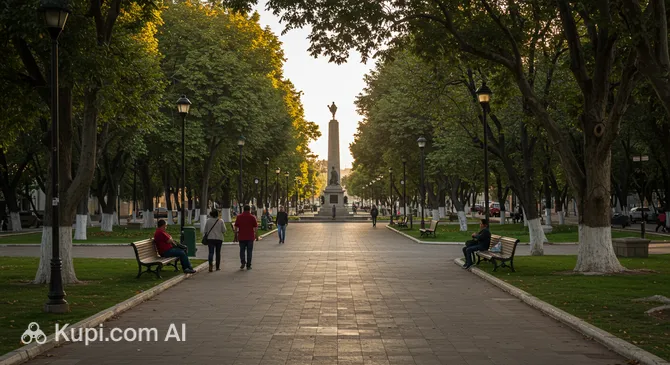
Nations Park. Source: Kupi.Binoculars

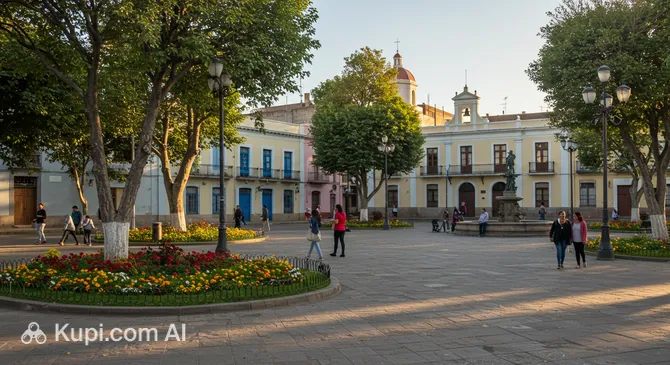
Another focal point of civic life is Independence Square. As one of the city's key historical plazas, it is surrounded by important buildings and features monuments that pay tribute to Argentina's fight for liberty. Tourists often visit to admire the traditional layout, enjoy a leisurely stroll under the shade of the trees, and observe the daily rhythm of local life in San Luis.

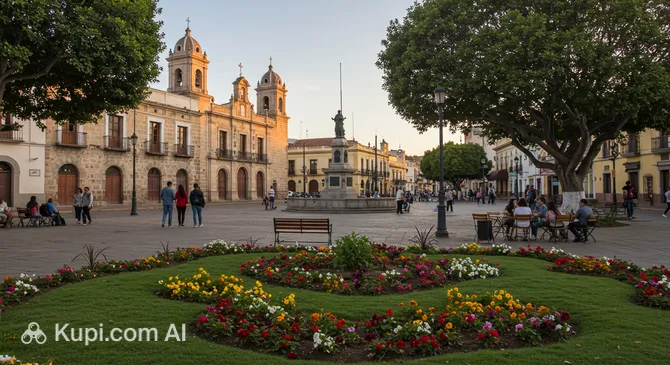
Independence Square. Source: Kupi.Binoculars

Finally, no walking tour is complete without visiting the Paseo del Padre. This charming pedestrian promenade is architecturally distinct, featuring a colonial-style design that evokes the city's heritage. It serves as a vibrant meeting place filled with shops and cafes, making it an excellent location to pick up souvenirs or simply enjoy a coffee while soaking in the unique atmosphere.

Local Cuisine

The culinary landscape of San Luis is deeply rooted in the traditions of the Cuyo region, offering a hearty and flavorful experience that revolves heavily around high-quality meats and locally sourced ingredients. As in much of Argentina, the asado (barbecue) is the centerpiece of social gatherings and restaurant menus. However, the province is particularly renowned for its chivito a la parrilla (grilled kid goat). Raised in the nearby sierras, the meat is tender and savory, often seasoned simply with salt and local herbs to let the natural flavors shine.

Beyond the grill, visitors should not miss the opportunity to try empanadas puntanas. These local versions of the classic Argentine pastry are typically large and filled with hand-cut beef, plenty of onions, and hard-boiled eggs, often seasoned with cumin and paprika. For those visiting during the cooler months, a steaming bowl of locro, a thick stew made with corn, beans, and various cuts of meat, provides a comforting taste of home-style cooking found in many traditional kitchens.

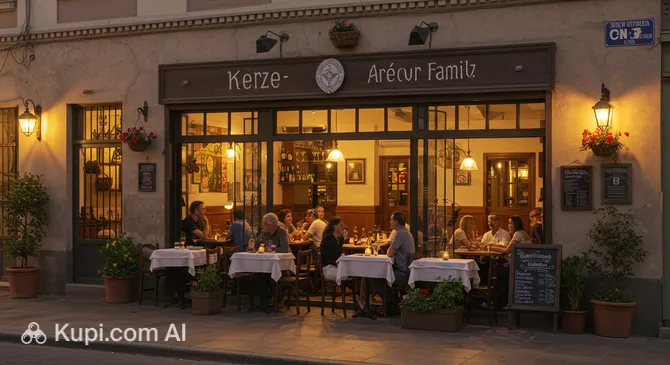
When it comes to beverages, the region's proximity to the famous wine-producing areas of Mendoza means that excellent Malbecs and Syrahs are widely available and affordable. However, San Luis has also developed a vibrant craft beer scene. Travelers looking to sample local brews can visit Kerze, The Brewing Family, a popular spot to enjoy artisanal beers paired with robust pub food.

Kerze, The Brewing Family. Source: Kupi.Binoculars

The dining culture in San Luis is relaxed, with dinner typically served late in the evening, often after 9:00 PM. For a sophisticated meal that highlights regional flavors, Los Robles Restaurant is a well-regarded establishment among locals. Alternatively, for travelers seeking a variety of quick options or international fast food, the food court at San Luis Shopping offers a convenient place to eat while browsing local stores.

Travel Tips

To ensure your visit to San Luis is as enjoyable and stress-free as possible, we have compiled a list of essential recommendations for your journey. These practical insights will help you navigate local customs, manage your logistics efficiently, and blend in seamlessly with the friendly puntanos.

  1. Clothing and Gear: The climate in San Luis varies significantly by season, so packing layers is essential. If you visit in summer (December to February), bring light, breathable fabrics, sunglasses, and high-SPF sunscreen, as the sun can be intense. For winter trips, a warm jacket and sweaters are necessary, especially for cooler evenings. Don't forget a universal travel adapter, as Argentina uses Type I plugs (two flat pins in a V-shape).

  2. Transportation: While the city center is compact and walkable, renting a car is highly recommended if you plan to explore the stunning nearby landscapes like Potrero de los Funes. Within the city, remises (private taxis booked by phone or at an office) are often more convenient and reliable than hailing a cab on the street. If you prefer public transit, local buses require a rechargeable card (often the SUBE card), which can be purchased at kiosks.

  3. Finances: The local currency is the Argentine Peso (ARS). While major hotels and restaurants accept credit cards, cash is king in smaller shops and rural areas. It is advisable to carry small bills for tips and minor purchases. ATMs are widely available, but they may have low withdrawal limits and high transaction fees. Tipping around 10% in restaurants is customary if the service was good.

  4. Health and Safety: San Luis is generally a safe city for tourists, but standard precautions should still be taken; avoid flashing expensive electronics or jewelry in quiet areas at night. Pharmacies are marked with a green cross, and you can look for those listed as de turno (on duty) for 24-hour service. For any emergencies, the general assistance number is 911.

  5. Communication: Spanish is the official language, and English is not widely spoken outside of top-tier tourism establishments. Learning a few basic phrases like "Hola" (Hello) and "Gracias" (Thank you) will be greatly appreciated. A unique advantage here is the province's extensive free public Wi-Fi network, known as the "Autopista de la Información," which offers connectivity in many public spaces, reducing the immediate need for a local SIM card.

  6. Local Etiquette: Argentines are warm and social people. The standard greeting, even for a first meeting in a casual setting, is a single kiss on the right cheek. This applies to both men and women greeting women, and often between men in friendly contexts. When entering a shop or café, it is polite to greet the staff with a "Buen día" or "Buenas tardes."

  7. What to Avoid: Do not expect to eat dinner early. Restaurants in San Luis, like the rest of Argentina, typically open for dinner after 8:30 PM, and locals often dine as late as 10:00 PM or 11:00 PM. Arriving at a restaurant at 6:00 PM will likely find it closed or empty.

  8. Respect the Siesta: San Luis honors the traditional afternoon break. Between approximately 1:30 PM and 5:00 PM, most shops, banks, and businesses close their doors so people can rest during the hottest part of the day. Plan your shopping and errands for the morning or late afternoon to avoid disappointment.

By keeping these tips in mind, you will be well-prepared to embrace the relaxed pace and welcoming culture of San Luis. Whether you are navigating the city streets or venturing into the sierras, a little preparation goes a long way toward creating unforgettable travel memories.

Entertainment & Nightlife

Entertainment and Nightlife:

While San Luis is often celebrated for its tranquil daytime atmosphere, the city transforms as the sun sets, offering a vibrant and engaging nightlife scene. The energy here is distinctly laid-back yet lively, driven by a mix of locals, university students, and visitors. The heart of the action is undoubtedly Avenida Presidente Illia. This bustling thoroughfare acts as the city's main artery for entertainment, lined with an array of pubs, restobars, and cafes that spill out onto the sidewalks, creating a welcoming and communal vibe perfect for warm evenings.

For those looking to test their luck or enjoy a more glamorous night out, the New York Casino is a standout venue. Located conveniently within the city, this establishment is not just for gaming; it often hosts live shows and musical performances, making it a comprehensive entertainment hub. Its distinctive architecture and themed decor offer a touch of international flair, providing a lively contrast to the traditional colonial surroundings.

New York Casino. Source: Kupi.Binoculars

If you prefer a more relaxed evening under the stars, the city's plazas are popular gathering spots. Sky Falcons Plaza is a notable landmark that attracts visitors for evening strolls. The illuminated monuments and open spaces create a pleasant atmosphere for socializing or simply enjoying the cool night air after a hot day. Similarly, July 9th Square serves as a peaceful yet active meeting point where families and friends congregate, often surrounded by the soft glow of streetlamps and nearby historic buildings.

Sky Falcons Plaza. Source: Kupi.Binoculars

Practical Nightlife Tips:
The "puntano" night starts late. Bars typically begin to fill up around 11:00 PM, and nightclubs (locally known as boliches) do not really get going until 2:00 AM. The dress code is generally smart-casual; while you don't need formal wear, avoiding beach attire is recommended for clubs and the casino. Prices are reasonable compared to larger capitals like Buenos Aires, making it affordable to enjoy a full night of dinner and drinks.

Safety and Transport:
San Luis is relatively safe for night walks, especially along well-lit avenues like Illia and around the main squares. However, as in any city, it is advisable to stay in populated areas. For transportation late at night, it is best to use remises (private radio taxis) rather than hailing a cab on the street. You can ask your restaurant or bar to call one for you, or use a reputable mobile app. This ensures a safe and fixed-price ride back to your accommodation.

Beyond the nocturnal excitement, San Luis offers plenty of daytime entertainment to fill your schedule before the sun goes down. The city features several cinemas, often located within shopping centers, as well as theaters that host local plays and cultural events. Whether you are exploring museums during the day or sipping cocktails on Avenida Illia at night, the city ensures a well-rounded and memorable travel experience.

Parks & Museums

San Luis offers a refreshing balance of urban culture and natural beauty, inviting visitors to explore its leafy promenades and rich heritage. The city’s layout is punctuated by well-maintained green spaces that serve as community living rooms, while its museums preserve the fascinating stories of the Cuyo region, from prehistoric fossils to colonial independence.

For a breath of fresh air, Parque IV Centenario is a standout destination located in the southern part of the city along the Río Seco. This modern "green lung" is distinguished by the Faro de la Sabiduría (Lighthouse of Wisdom), an imposing tower that not only offers panoramic views of the city and surrounding mountains but also houses a library. The park features an amphitheater, extensive walking paths, and murals, making it a favorite spot for locals to enjoy the outdoors, especially at sunset.

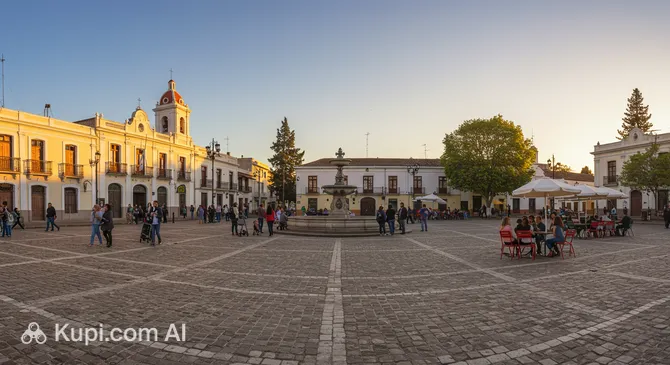
In the heart of the city lies Plaza Pringles, the central square that serves as the main meeting point for residents. Surrounded by historical buildings and shaded by jacaranda trees, it features a prominent statue of Colonel Juan Pascual Pringles, the city’s greatest hero. It is an excellent place to sit and watch the world go by, soaking in the daily rhythm of San Luis.

July 9th Square. Source: Kupi.Binoculars

Another lovely spot for a quiet retreat is July 9th Square. Known for its manicured gardens and distinctive fountains, this plaza offers a more serene atmosphere compared to the bustling city center. It is an ideal location for a leisurely stroll or a peaceful break between sightseeing stops, surrounded by the charm of the local neighborhood.

To truly understand the depth of the region's history, a visit to the Museo Provincial Dora Ochoa de Masramón is essential. Housed in a beautiful colonial-style building, this multidisciplinary museum offers a diverse collection that ranges from fine arts and anthropology to paleontology. Its most famous exhibit is the fossil of a "giant spider" (Megarachne), discovered in the nearby Bajo de Véliz, which fascinates visitors of all ages. The museum also displays indigenous pottery and artifacts that shed light on the area's pre-Columbian past.

For a more high-tech approach to history, the MUHSAL Historical Museum of San Luis provides an immersive experience. Unlike traditional museums, it uses audiovisual installations and interactive exhibits to narrate the province's evolution. It is particularly engaging for those who prefer dynamic storytelling over static displays, guiding you through the centuries in a visually captivating way.

A unique architectural highlight in the city is the Paseo del Padre. This pedestrian promenade is designed with a colonial aesthetic, featuring arched walkways and a central clock tower that evoke the style of the past. It functions as a vibrant cultural and commercial corridor where you can browse local handicrafts or enjoy a coffee in a setting that feels like a step back in time.

Paseo del Padre. Source: Kupi.Binoculars

Insider Tip: If you visit Parque IV Centenario, try to go in the late afternoon. You can often catch cultural events or open-air classes near the amphitheater, and the view of the illuminated "Faro" against the twilight sky is a memorable sight.

Getting Around

The public transport system in San Luis is relatively compact and straightforward, relying primarily on a network of buses that cover the city center and surrounding neighborhoods. There is no metro, tram, or train service for urban commuting. The main provider for city travel is Transpuntano, which operates various lines connecting residential areas with key points such as the main square, the bus terminal (Terminal de Ómnibus), and the shopping districts. For tourists, the most useful routes are those that transit through the downtown area, offering easy access to museums, hotels, and government buildings.

In addition to the urban lines, there is a strong network of interurban buses that connect the capital with nearby tourist destinations like Potrero de los Funes, La Punta, and Juana Koslay. These buses are distinct from the city's Transpuntano fleet but operate similarly, departing frequently from the main bus terminal and designated stops along major avenues. This makes it very affordable and convenient to take day trips to the sierras without needing a private vehicle.

To use any public bus in the city or the wider province, you must have a SUBE card. This is the same contactless smart card used in Buenos Aires and many other Argentine cities. You cannot pay the driver with cash. If you do not already have one, you can purchase a card at "kioscos" (convenience stores) or lottery agencies (agencias de quiniela) that display the SUBE logo. Credit can be loaded at these same locations or via digital wallets, though you will need to validate the digital load on the bus or at an automatic terminal.

A single bus fare is quite affordable, but it is wise to keep your card topped up, as finding a charging point late at night can be challenging. To pay, simply board the bus and tap your card on the reader next to the driver. If you are taking an interurban bus to a destination outside the city limits, you must tell the driver your destination before tapping, so they can set the correct fare.

Buses generally operate from approximately 5:30 AM to 11:00 PM, though frequencies drop significantly after 9:00 PM and on weekends. To navigate the system, it is highly recommended to use the Moovit app, which provides reliable real-time data, route maps, and schedules for San Luis. Google Maps is also useful but may not always have the most up-to-the-minute changes for local lines.

For those who prefer more direct transport, taxis and remises are widely available and relatively inexpensive compared to larger capitals. Taxis can be hailed on the street and are easily recognizable by their white or black-and-yellow color schemes. Remises, on the other hand, look like private cars and must be booked by phone or at a "remisería" office; they operate with fixed rates based on distance rather than a taximeter. Ride-hailing apps like Uber are also active in the city, offering a familiar alternative for international travelers.

While the city center is walkable, renting a car is a popular choice for visitors who plan to explore the extensive mountain roads and reservoirs of the province at their own pace. Several major car rental agencies have offices at the airport and in the city center. Cycling is growing in popularity for recreation, but there is no large-scale public bike-sharing system currently in operation for tourists.
Accommodation

Where to Stay:

Finding the perfect place to stay in San Luis is relatively easy, as the city offers a wide spectrum of accommodation options to suit various travel styles and budgets. Visitors can choose from modern hotels in the commercial center, comfortable aparthotels for longer stays, and budget-friendly hostels catering to backpackers. Additionally, the region is famous for its cabañas (cabins) and bungalows, which are often located on the outskirts of the city, providing a more rustic experience closer to nature while remaining within a short drive of urban amenities.

For those who prioritize convenience and accessibility, the City Center is the most practical area to base yourself. Staying near the main square, Plaza Pringles, places you within walking distance of key attractions, museums, and the pedestrian shopping streets. This area is ideal for travelers without a car or those who want to be close to the city's nightlife and dining scene. The downtown core features several mid-range and upscale hotels that offer standard amenities such as Wi-Fi, breakfast, and on-site parking.

Alternatively, travelers seeking tranquility often prefer the outskirts or the residential neighborhoods leading towards the Sierras. Areas such as Juana Koslay or the route towards Potrero de los Funes offer a more relaxed atmosphere. Here, accommodations tend to be more spacious, often featuring gardens and swimming pools, making them excellent choices for families or those visiting during the hot summer months.

Booking Tips:
While San Luis generally has good availability, the summer season (December to February) and long holiday weekends can see a surge in demand due to domestic tourism. It is highly recommended to book your accommodation at least a few weeks in advance during these peak periods to secure the best rates and locations.

In terms of pricing, San Luis is generally more affordable than major tourist hubs like Buenos Aires or Bariloche. You can find excellent value in the mid-range category. While major hotels are listed on international booking platforms, many smaller family-run cabins and apartments may offer better rates if you contact them directly. It is not uncommon for smaller establishments to manage reservations via WhatsApp or their own websites.

Nearby Cities

For those looking to explore the surroundings, San Luis serves as an excellent base for day trips to several interesting nearby locations. Although some of these destinations require a few hours of travel, they are well worth the journey for a short visit or an overnight stay.

One of the most prominent options is Mendoza, the heart of Argentina's wine country. Located to the west, it attracts visitors with its world-class vineyards, wide tree-lined boulevards, and vibrant culinary scene. Further south in the same province, San Rafael is a paradise for nature lovers, offering access to the spectacular Atuel Canyon and numerous opportunities for adventure sports like rafting and hiking. To the east, Rio Cuarto offers a different pace; as a key agricultural and university hub in Córdoba province, it provides an authentic look at Argentine provincial life away from the main tourist trail.

City Population Distance (km)
Godoy Cruz 191,299 239
Las Heras 189,067 239
Rio Cuarto 158,298 186
San Rafael 118,009 235
Mendoza 115,041 239

These nearby destinations offer a glimpse into the diverse culture and landscapes of the region, ranging from arid wine lands to fertile agricultural plains.

Shopping & Souvenirs

Shopping in San Luis offers a pleasant mix of traditional charm and modern convenience. While it may not have the sprawling commercial magnitude of a major metropolis, the city provides a distinct experience where visitors can explore pedestrian-friendly streets, browse local handicrafts, and enjoy contemporary retail centers. The atmosphere is relaxed, allowing for leisurely strolls through stores that range from family-owned boutiques to well-known national brands.

The heartbeat of the city's commercial activity is the pedestrian zone, particularly along Vía Rivadavia. This lively street, along with the surrounding blocks near Plaza Pringles, is lined with fashion outlets, shoe stores, and electronics shops. It is also home to the iconic Paseo del Padre. While often admired for its colonial architecture, this arcade is also a key shopping stop where you can find artisans selling local crafts, leather goods, and regional curiosities in a setting that evokes the city's history.

For a more modern retail experience, the San Luis Shopping center is the premier destination. Located a short distance from the downtown core, this mall offers a comprehensive selection of clothing, accessories, and home goods in a climate-controlled environment. It serves as a social hub for locals, featuring a cinema and a food court, making it an excellent place to escape the midday heat while browsing the latest collections.

San Luis Shopping. Source: Kupi.Binoculars

When it comes to markets and artisanal products, visitors should look for fairs that occasionally pop up in the main squares during holidays or weekends. However, the true "market" experience is often found in the specialized shops selling "productos regionales" scattered throughout the center. These stores are treasure troves for those seeking authentic local flavors, including preserved fruits, olives, and homemade jams that define the Cuyo region's gastronomy.

The most iconic souvenir to bring back from San Luis is undoubtedly Green Onyx (Ónix Verde). The province is known as the national capital of this semi-precious stone, and you will find it crafted into everything from jewelry and chess sets to decorative bowls. Additionally, the region produces excellent leather goods and woven textiles. Don't forget to pick up a box of alfajores puntanos, a local variation of the classic Argentine sweet, often filled with dulce de leche or fruit paste.

Store hours in San Luis are heavily influenced by the traditional siesta. Most shops open around 9:00 AM, close between 1:00 PM and 5:00 PM, and then reopen until 9:00 PM or later. Large supermarkets and the shopping mall typically stay open throughout the day without closing in the afternoon. Cash is preferred for small purchases and in artisan stalls, but credit and debit cards are widely accepted in most established retail stores and the mall.

Foreign tourists in Argentina may be eligible for a VAT (Value Added Tax) refund on purchases of locally made products at participating stores. Look for the "Tax Free Shopping" signage in shop windows. To claim this refund, you must spend a minimum amount per invoice and present your passport at the time of purchase to receive the necessary forms, which are then processed at customs upon leaving the country.

Reached the end of the page?

That means the route is fully explored