Support

Rio Cuarto

About

Rio Cuarto is a dynamic and significant city located in the southern part of the Córdoba province, often affectionately referred to as "El Imperio del Sur" (The Empire of the South). As a vital commercial and agricultural hub in Argentina, it offers a fascinating blend of urban energy and relaxed provincial charm. The city is strategically situated on the banks of the Cuarto River, also known as the Chocancharava River, providing a scenic natural backdrop to its bustling streets.
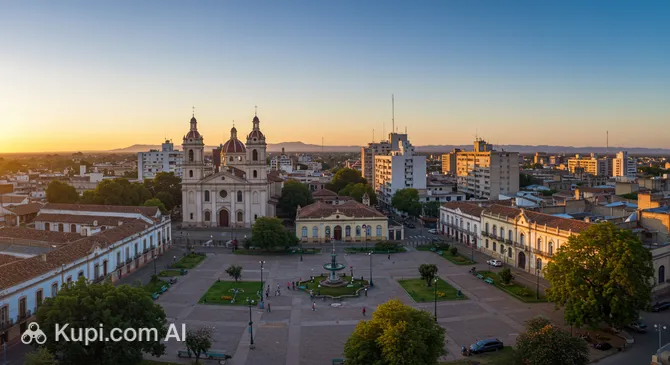
Rio Cuarto. Source: Kupi.Binoculars

With a population of approximately 158,000 inhabitants, Rio Cuarto stands as the second-largest city in the province. Its geography is defined by the expansive plains of the humid Pampas, transitioning into the foothills of the Sierras de Córdoba nearby. This location creates a pleasant climate that invites exploration throughout the year. The city is also a major educational center, home to the National University of Rio Cuarto, which infuses the town with a youthful and vibrant atmosphere.

Visitors interested in the past will find plenty to discover here. The city has evolved significantly from its early days as a frontier outpost. To understand how it became the region's most important urban center, you can explore the history of Rio Cuarto. Today, that rich heritage is visible in landmarks like the Cathedral of the Immaculate Conception and the central Plaza Roca, which serves as the social heart of the community.

Beyond its historical architecture, Rio Cuarto is known for its beautiful riverfront parks, known as the costanera, which are perfect for leisure walks and outdoor activities. Whether you are passing through on your way to the mountains or stopping to experience authentic local culture, Rio Cuarto offers a welcoming environment and a genuine taste of life in the interior of the country.

Weather Overview

The climate in this region is generally temperate, characterized by warm summers and cool, dry winters. During the peak of summer in January, the average temperature hovers around 23.9°C, with daytime highs often reaching 29.2°C. This season also sees the highest frequency of precipitation, with January experiencing approximately 11 wet days.

As the year progresses towards winter, conditions become significantly drier and cooler. July is typically the coldest month, where the average temperature dips to 9.9°C and minimums can fall to 4.6°C. Rainfall is scarce during this time, with data showing negligible precipitation and only about 2 wet days per month in June, July, and August.

For travelers planning a visit, it is helpful to know that spring and autumn offer moderate temperatures perfect for outdoor activities. To get the most accurate and up-to-date information for your specific travel dates, be sure to check the weather in Rio Cuarto before you go.

Interesting Facts

Beyond its bustling streets and riverfront parks, Rio Cuarto holds fascinating secrets that often surprise visitors. From geological mysteries to unique political distinctions, the city offers several intriguing stories that go far beyond the typical tourist experience.
  • The Mystery of the Teardrop Craters: Just north of the city lie the "Rio Cuarto Craters," a series of strange, oblong depressions that have puzzled scientists for decades. For years, a leading theory suggested they were caused by a rare, grazing asteroid impact that struck the earth at a very low angle. However, recent studies argue they might be wind-sculpted structures, keeping the debate about their true cosmic or earthly origins alive.

  • A City with a Numeric Name: The name "Rio Cuarto" literally translates to "Fourth River," which is not a coincidence. It belongs to a series of five major rivers in the province that Spanish explorers simply numbered from north to south (Primero to Quinto). Despite this colonial label, the river is also widely known by its indigenous Ranquel name, Chocancharava.

  • The Alternate Capital: Rio Cuarto is legally recognized as the "Alternate Capital" of the Córdoba province. This title is more than just honorary; by provincial law, the seat of the government and the governor's cabinet occasionally relocate here to function, reinforcing the city's reputation as a powerful, independent hub often called "The Empire of the South."

  • Home of a Football Icon: The city is the proud hometown of Pablo Aimar, a world-renowned midfielder and the childhood idol of Lionel Messi. His influence on Argentine football is deeply cherished here, and he remains a local legend, particularly associated with the club Estudiantes de Río Cuarto.

How to Get There

Reaching Rio Cuarto is relatively straightforward, as the city serves as a key node in the region's transport network. While many visitors arrive by long-distance bus or car, air travel to nearby major cities is a common choice for those coming from further afield. For a detailed guide on all transport options, including driving routes and bus schedules, you can read more about how to get to Rio Cuarto.

Travelers often fly into the Ingeniero Aeronáutico Ambrosio L.V. Taravella International Airport (COR). Located in the city of Cordoba, this is a significant international facility handling a large volume of passengers. It is situated approximately 200 km from Rio Cuarto. A transfer by car or bus from this airport typically takes around 3 hours, thanks to the direct highway connection between the two cities.

Another viable option is the San Luis Airport (LUQ), situated in the city of San Luis, about 188 km away. Although it handles less traffic than the airport in Cordoba, it offers useful regional connections. The drive from San Luis to Rio Cuarto generally takes about 2.5 hours. Additionally, the Valle Del Conlara (RLO) airport in Merlo is geographically closer, at roughly 113 km, with a travel time of approximately 1.5 to 2 hours, though it is a much smaller facility with limited passenger traffic.

For clarity, here is a summary of the main airports:

Airport Name City Passenger Traffic Km from City
Ingeniero Aeronáutico Ambrosio L.V. Taravella International Airport Cordoba Large 200.0
San Luis Airport San Luis Medium 187.9
Valle Del Conlara Merlo Small 113.4

Main Attractions

Rio Cuarto offers a delightful mix of historical landmarks and refreshing natural spaces, making it a pleasant destination for travelers exploring the province of Córdoba. The city's layout invites visitors to walk through its vibrant center before relaxing by the river, providing a balanced experience of culture and leisure.

The heart of the city is undoubtedly Plaza General Roca. This central square is the perfect starting point for any tour, bustling with local life and surrounded by some of the most important architectural heritage in town. It is a great spot to sit on a bench, enjoy the shade of the trees, and watch the daily rhythm of the "Empire of the South" unfold around you.

Facing the main square stands the majestic Cathedral of the Immaculate Conception (Iglesia Catedral de la Inmaculada Concepción). Declared a National Historic Monument, this 19th-century church is a stunning example of religious architecture with its serene interior and impressive façade. Inside, visitors can admire beautiful stained glass windows and altars that reflect the deep spiritual roots of the community.

For a breath of fresh air, the Costanera along the Chocancharava River is the city's most beloved outdoor space. Extending for several kilometers, this riverfront park is where locals go to jog, cycle, or share a traditional mate with friends. The well-maintained pathways and green areas make it an ideal location for a relaxing afternoon walk, offering a scenic contrast to the busy downtown streets.

Those interested in the region's past should visit the Museo Histórico Regional. Housed in a colonial-style building, the museum preserves a valuable collection of artifacts, documents, and photographs that tell the story of Rio Cuarto from its frontier origins to its modern development. It provides fascinating context to the city's unique identity and its role in Argentine history.

Local Cuisine

The local cuisine in Rio Cuarto is a proud reflection of the wider Córdoba province, offering a hearty and flavorful experience that revolves heavily around high-quality meats and agricultural produce. Visitors will find that food here is not just sustenance but a social ritual, often enjoyed in large groups with family and friends. The culinary landscape is dominated by traditional Argentine staples, but with distinct regional touches that give the city its own flavor.

The undisputed star of the local table is the asado. This traditional barbecue is an art form in Rio Cuarto, where skilled asadores slow-cook cuts of beef, pork, and sausages over wood or charcoal fires. Alongside the grilled meats, you must try the empanadas cordobesas. Unlike versions from other parts of the country, these savory pastries are known for their juicy filling which often includes hard-boiled eggs, olives, and a controversial but beloved addition of raisins, sometimes dusted with sugar for a unique sweet and savory contrast.

When it comes to beverages, the city shares the province's obsession with Fernet con Coca. This herbal liqueur mixed with cola is iconic to the region and is the go-to drink for social gatherings and nightlife. For a non-alcoholic option, mate is ubiquitous. You will see locals carrying their thermos and gourd everywhere, sipping this bitter herbal infusion in parks and squares throughout the day.

The dining culture in Rio Cuarto is relaxed but vibrant. Parrillas (steakhouses) are the most popular type of establishment, ranging from upscale restaurants to rustic roadside spots. For a quick bite, local bakeries offer excellent pastries, while the city center hosts a variety of cafes and bars where the night starts late and lasts long. Whether you are sitting down for a full Sunday lunch or grabbing a lomito (steak sandwich) on the go, the portions are generous and the hospitality is warm.

Travel Tips

Visiting Rio Cuarto is a wonderful opportunity to experience the authentic lifestyle of Argentina's interior, but a little local know-how goes a long way. To help you navigate the "Empire of the South" with ease and confidence, here are some practical tips designed to make your stay as smooth and enjoyable as possible.

  1. Clothing and Gear: The weather varies significantly by season, so pack accordingly. In summer (December to February), light, breathable fabrics are essential for the heat, while winters (June to August) require layers and a warm jacket, especially for the chilly evenings. Since you will likely spend time walking along the costanera or exploring the city center, bring comfortable walking shoes. A universal power adapter (Type I) is necessary for your electronics.

  2. Transportation: Rio Cuarto does not have a metro system, but it is well-connected by a local bus network. However, for tourists, the most convenient option is often using remises (private cars similar to taxis) or official taxis, which are affordable and reliable. Ride-hailing apps may have limited availability compared to larger capitals, so keeping the number of a local remisería handy is a good idea. The city center is compact and very walkable.

  3. Finances: The local currency is the Argentine Peso (ARS). While credit cards are accepted in hotels, supermarkets, and larger restaurants, cash is king in smaller shops and kiosks. It is highly advisable to carry cash for daily expenses. ATMs are widely available, particularly around Plaza Roca, but be aware of withdrawal limits. Tipping is customary; leaving about 10% in restaurants is standard practice if the service was good.

  4. Health and Safety: Rio Cuarto is generally a safe city, but standard travel precautions apply. Keep an eye on your belongings in crowded areas like the bus terminal or busy markets. Pharmacies are easily recognized by a green cross; look for those marked "de turno" if you need assistance late at night. For medical emergencies, the public hospital offers services, and the general emergency number is 911.

  5. Communication: Spanish is the primary language, and English is not widely spoken outside of the tourism and hospitality sectors. Learning a few basic phrases like "hola" (hello), "gracias" (thank you), and "cuánto cuesta" (how much) will be very appreciated. Free Wi-Fi is often available in cafes and public squares, but buying a local SIM card (Claro, Movistar, or Personal) is recommended for reliable connectivity.

  6. Local Etiquette: Argentines are warm and affectionate. It is common to greet people—even new acquaintances—with a single kiss on the right cheek. Dinner is typically eaten late, often after 9:00 PM or 10:00 PM. Do not be surprised if social gatherings last well into the night; the concept of sobremesa (chatting at the table after a meal) is a cherished cultural ritual here.

  7. What to Avoid: Avoid strictly adhering to a "9-to-5" shopping schedule. Attempting to go shopping between 1:30 PM and 5:00 PM is often futile, as many local businesses close for the siesta. Also, avoid comparing the local pace of life to Buenos Aires; locals take pride in their distinct provincial identity and relaxed rhythm.

  8. Siesta Time: This is a crucial part of life in Rio Cuarto. During the afternoon hours, the city quiets down significantly as businesses close and people rest. Use this time to relax, enjoy a leisurely lunch, or take a quiet walk in the park, and plan your shopping trips for the morning or late afternoon when the city comes alive again.

By keeping these simple tips in mind, you will be well-prepared to embrace the local rhythm and hospitality of Rio Cuarto. Whether you are sipping mate by the river or enjoying a late-night steak dinner, fitting in with the local customs will surely enrich your travel experience.

Entertainment & Nightlife

Entertainment and Nightlife:

Rio Cuarto boasts a vibrant and energetic nightlife scene, fueled in large part by its status as a major university city. When the sun goes down, the "Empire of the South" shifts gears, offering a mix of laid-back pubs, pulsating nightclubs, and cultural venues that cater to both the youthful student population and older locals. The atmosphere is generally informal and welcoming, making it easy for visitors to mingle with residents and experience the authentic social life of the Córdoba province.

The heart of the evening action is largely concentrated in the Microcentro (downtown area) and along specific corridors like Calle Alvear. This area is packed with bars, resto-bars, and craft beer houses where the night typically begins. In recent years, the trend of cervecerías artesanales (craft beer pubs) has taken hold here, offering a relaxed environment to enjoy local brews and casual food before heading out to bigger venues.

For music lovers, Elvis Rockandbar is an absolute institution in the city. Known across the country, this venue regularly hosts live performances by renowned national bands and artists, ranging from rock and pop to blues. It is a must-visit for anyone looking to experience high-quality live entertainment in an intimate setting. Another popular spot for entertainment is the Casino de Río Cuarto, which offers not only gaming tables and slot machines but also shows and a refined atmosphere for a different kind of night out.

If you prefer dancing, the city has several boliches (nightclubs) that typically open their doors after 1:00 AM and stay open until dawn. The crowd is energetic, and the music ranges from reggaeton and cumbia to electronic beats. Dress codes are generally smart-casual; while you don't need formal wear, avoiding sportswear is a good idea if you plan to enter the more exclusive clubs. Remember that the night starts late in Argentina—dinner is often eaten around 10:00 PM, and bars only start to fill up around midnight.

Beyond the late-night party scene, Rio Cuarto offers excellent cultural entertainment during the day and early evening. The Teatro Municipal is an architectural gem and a cultural hub that presents a diverse calendar of plays, concerts, and dance performances. It is a perfect option for a more relaxed evening. Additionally, the city features modern cinemas and shopping areas like the Paseo de la Ribera, which provide family-friendly entertainment options including movies and arcades.

When enjoying a night out, safety is generally not a major concern in the main entertainment districts, but it is always wise to stay in well-lit, populated areas. The best way to get around at night is by using remises (private taxis) or radio taxis. It is recommended to call a car from a reputable agency or use a hotel reception to book one rather than hailing a stranger on the street. Prices are reasonable, and it ensures a secure ride back to your accommodation after a long night of fun.

Parks & Museums

Rio Cuarto seamlessly blends its urban vitality with refreshing green spaces and a deep respect for its cultural heritage. For travelers, this means the city offers plenty of opportunities to unwind in nature or dive into the local history and arts scene. Whether you are looking for a quiet afternoon by a lake or an inspiring tour through a gallery, the city’s parks and museums provide a perfect counterpoint to its bustling commercial streets.

One of the most picturesque natural spots in the city is Lago Villa Dalcar. This artificial lake is a favorite recreational area for locals, offering a serene environment for walking, jogging, or simply enjoying a picnic on the grass. The park surrounding the lake is well-equipped with benches and pathways, making it an ideal place to escape the city noise. Visitors can rent pedal boats to go out on the water or watch the diverse birdlife that inhabits the area, making it a charming spot for families and nature lovers alike.

For those interested in local biodiversity, the Parque Ecológico Urbano is a must-visit. More than just a park, this space functions as a conservation center for native flora and fauna. It provides an educational experience where visitors can learn about the animals and plants indigenous to the Córdoba region. The park features spacious enclosures and walking trails designed to immerse you in the natural environment, offering a unique glimpse into the wilder side of the province right within the city limits.

On the cultural front, the Centro Cultural del Andino stands out as a beacon of Rio Cuarto's identity. Housed in the restored former railway station, this venue is a tribute to the city's growth as a transport hub. The complex includes the Museo del Riel (Rail Museum), which displays historical artifacts, old locomotives, and photographs that trace the impact of the railway on the region. The surrounding grounds are also a vibrant public space, often hosting art fairs, outdoor performances, and community gatherings.

Art enthusiasts should not miss the Museo Municipal de Bellas Artes. Located in a modern cultural center, this museum hosts a rotating collection of works by prominent local and national artists. Its exhibitions cover a wide range of disciplines, from painting and sculpture to photography. The museum plays a crucial role in the city's artistic life, offering a quiet and contemplative space to appreciate the creative talent of Argentina.

In terms of architectural landmarks, the Palacio de Mójica, which serves as the Municipal Hall, is impossible to miss. Its striking architecture adds a touch of grandeur to the city center. Nearby, the historic Iglesia San Francisco offers a different perspective from the main cathedral, with its own rich history and religious significance dating back to the city's earlier days.

For a truly authentic experience, take a stroll through the grounds of the Andino Cultural Center just before sunset. This is when the locals come out to drink mate and socialize, and the golden light hitting the old brick railway buildings creates a nostalgic and photogenic atmosphere that perfectly captures the spirit of Rio Cuarto.

Getting Around

The public transport system in Rio Cuarto is straightforward and relies primarily on a network of urban buses. Unlike larger capitals, the city does not have a metro, tram, or trolleybus system. For most visitors, getting around involves a mix of using local buses for longer distances and walking, as the downtown area (Microcentro) is compact and easily navigable on foot.

The local bus service is operated by the company SAT (Sociedad Anónima de Transporte). These buses, commonly referred to as colectivos, connect the city center with the university campus, the bus terminal, and various residential neighborhoods. The units are generally modern and identifiable by their red and white branding. While the network is extensive enough to reach major points of interest, frequencies can vary, with buses running more often during peak hours and significantly less frequently during the siesta time (early afternoon) and on weekends.

To use the bus system, you cannot pay with cash on board. Instead, you must purchase a rechargeable travel card issued by the transport company. These cards can be bought and topped up at the main SAT office in the city center or at designated kiosks and shops displaying the company's logo. It is highly recommended to buy your card and load enough credit for your stay as soon as you arrive, as finding an open charging point late at night or on Sundays can be challenging.

For tourists who prefer more comfort or direct routes, remises and taxis are the most popular alternatives. In Rio Cuarto, remises (private cars booked via phone or agency) are often more common than street-hailed taxis. They operate with fixed rates or meters and are considered very safe and affordable. You will find taxi stands at strategic locations like Plaza Roca and the bus terminal, but if you are at a hotel or restaurant, it is customary to ask the staff to call a remis for you.

Ride-hailing apps are gradually becoming part of the transport landscape, but traditional taxis and remises remain the dominant force. If you plan to explore the surrounding region or the nearby Sierras, renting a car is a practical option, though not strictly necessary for staying within the city limits. Cycling is also gaining popularity, and while dedicated bike lanes are still being developed, the flat terrain makes it a pleasant way to get around during the day.

A few practical tips will help you navigate smoothly: bus services typically operate from early morning until around midnight, but night services are sparse. To plan your journey, it is useful to download the local transport app or check schedules online, as bus stops do not always display real-time information. Finally, always signal the bus driver with a wave of your hand as the vehicle approaches; otherwise, they may not stop.

Accommodation

Accommodation in Rio Cuarto caters to a diverse mix of visitors, ranging from business professionals and agricultural experts to students and tourists exploring the Córdoba province. The city offers a solid infrastructure of lodging options, ensuring that travelers of all budgets can find a suitable place to stay. The selection spans from established hotels with full amenities to comfortable mid-range establishments and budget-friendly hostels.

For most tourists, the most convenient area to stay is the Microcentro (Downtown). Staying near Plaza General Roca places you within walking distance of the main historical attractions, the cathedral, and the bustling commercial streets lined with restaurants and cafes. This central zone houses the majority of the city's traditional hotels, making it easy to navigate without a car. Alternatively, travelers arriving by vehicle or those looking for quick access to the highways often prefer hotels located along the Route A005 or near the Bus Terminal, which typically offer easy parking and modern facilities.

While the city is not primarily known for ultra-luxury resorts, it features several high-quality hotels that provide excellent service, swimming pools, and business centers suitable for international travelers. On the other end of the spectrum, the large student population driven by the National University has fostered a market for affordable accommodations, including simpler guesthouses and hostels. Furnished apartments and temporary rentals are also becoming increasingly popular, providing a "home away from home" experience that is ideal for families or longer stays.

Prices in Rio Cuarto are generally reasonable and offer good value compared to major tourist hubs like Buenos Aires. Mid-range options are plentiful and affordable. When it comes to booking, major online platforms are widely used, but it is also common practice in Argentina to contact establishments directly via WhatsApp or their websites, which can sometimes yield better rates. A useful tip for travelers is to book in advance if visiting during major local events, such as the annual Rural Expo (La Rural) or university graduation periods, when occupancy rates can spike significantly.

Nearby Cities

For those looking to explore the surroundings, Rio Cuarto serves as an excellent base for day trips to several interesting nearby locations. The city's central position allows travelers to reach historic towns, scenic lakes, and neighboring provincial capitals with relative ease, offering a variety of experiences just a few hours away.

One of the most culturally rich destinations is Alta Gracia. Nestled in the Paravachasca Valley, this town is famous for its Jesuit Estancia, which is a UNESCO World Heritage site, and for being the childhood home of Che Guevara, whose house is now a museum. Its peaceful streets and colonial architecture make it a fascinating stop for history enthusiasts.

For those seeking nature and entertainment, Villa Carlos Paz is the premier tourist hub of the Córdoba hills. Located on the shores of Lake San Roque, it offers boat tours, a lively waterfront promenade, and the iconic Cuckoo Clock. It is a vibrant city that combines beautiful landscapes with a wide array of theaters and restaurants.

Closer to Rio Cuarto, Villa Mercedes in the province of San Luis is another excellent option. It is known for the legendary "Calle Angosta" (Narrow Street) celebrated in folklore music. The city also features the impressive Parque La Pedrera, a modern complex with sports stadiums, amphitheaters, and artificial lagoons perfect for a relaxing afternoon.

City Population Distance (km)
San Luis 169,947 186
Villa Mercedes 111,391 120
Villa María 79,356 130
Villa Carlos Paz 62,423 189
Alta Gracia 48,140 163

These nearby destinations offer a glimpse into the diverse culture and landscapes of the region.

Shopping & Souvenirs

Shopping in Rio Cuarto reflects its status as a major commercial hub for the region, offering a diverse mix of modern retail experiences and traditional provincial charm. Visitors will find that the city caters well to both everyday needs and those looking for special gifts, with options ranging from contemporary shopping centers to bustling pedestrian streets lined with family-owned businesses. Whether you are searching for high-quality leather goods or simply want to window shop while enjoying an ice cream, the city provides a relaxed and welcoming atmosphere.

The primary shopping district is located in the Microcentro, particularly around the main square, Plaza General Roca. The streets radiating from here, such as Rivadavia, General Paz, and Sobremonte, form a vibrant open-air commercial area. Many of these streets have pedestrian-friendly sections where locals gather to shop for clothing, shoes, and electronics. This area is the beating heart of the city's commerce and is best explored on foot, allowing you to drift between boutiques and classic cafes.

For a more modern, all-in-one shopping experience, the Paseo de la Ribera is the city's premier destination. Located near the river, this shopping mall features a wide variety of national and international brands, a food court, and a cinema complex. It is a popular spot for families and teenagers, especially on weekends or hot summer afternoons when the air conditioning offers a welcome respite. It also includes a supermarket and ample parking, making it convenient for travelers with a car.

Travelers interested in local culture should look out for the artisan fairs, often held in public spaces like the grounds of the Centro Cultural del Andino or occasionally in the main plazas on weekends. These markets are excellent places to find handmade crafts, jewelry, and woodwork directly from local creators. While not as large as the markets in the capital of Córdoba, they offer authentic items that reflect the artistic spirit of the city.

When it comes to souvenirs, Rio Cuarto and the wider Argentina region are famous for their leather goods. You can find high-quality belts, wallets, and bags at very competitive prices in the downtown boutiques. Another popular keepsake is a mate gourd and bombilla (metal straw), essential for drinking the local herbal infusion. For a tasty gift, look for alfajores cordobeses (local cookies filled with fruit jam or dulce de leche) or regional salamis and cheeses, which are renowned in this agricultural province.

Understanding the local schedule is crucial for a successful shopping trip. Rio Cuarto strictly observes the siesta. Most street-side shops and businesses in the center close their doors around 1:00 PM or 1:30 PM and do not reopen until 5:00 PM. Shopping malls and large supermarkets generally stay open throughout the day, but if you plan to visit smaller boutiques, mornings or late afternoons are the best times. Shops typically stay open late into the evening, often until 8:30 PM or 9:00 PM.

Regarding payment, while major credit and debit cards are accepted in shopping malls, hotels, and larger stores, cash remains king in smaller shops and markets. It is not uncommon for merchants to offer a small discount for cash payments. As for tax refunds, Argentina has a "Tax-Free" shopping system for foreign tourists on locally made products. Look for the "Global Blue" or "Tax-Free" signage in shop windows, primarily in larger brands, and remember to ask for the refund form at the time of purchase to process it at customs upon leaving the country.

Nearby cities

Reached the end of the page?

That means the route is fully explored