Support

Cordoba

About

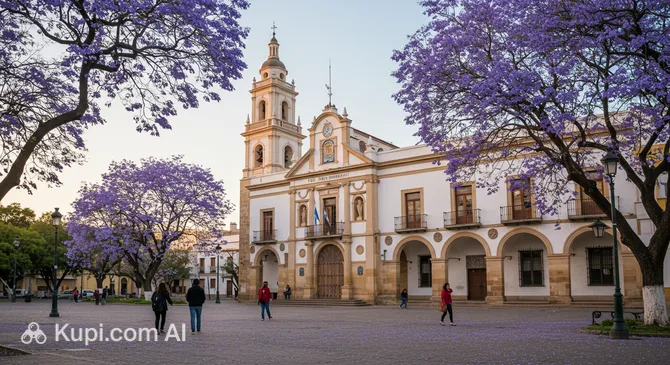
Cordoba is a captivating city that seamlessly blends colonial heritage with a vibrant, youthful energy. As the second-largest metropolis in Argentina, it serves as a cultural and financial powerhouse in the heart of the country. Known for its lively atmosphere, the city offers a unique mix of architectural treasures and modern urban life, making it a must-visit destination for travelers seeking an authentic South American experience.
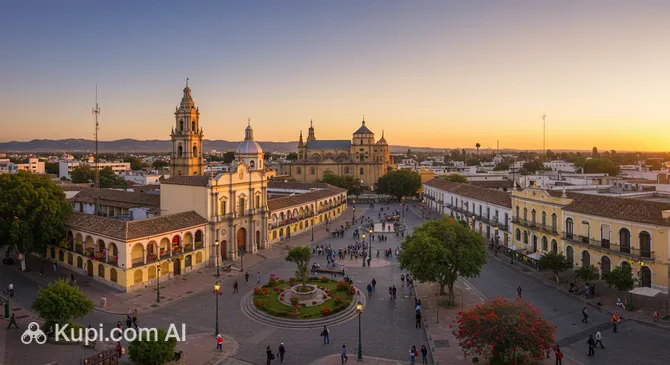
Cordoba. Source: Kupi.Binoculars

Geographically, the city is nestled in a valley at the foothills of the picturesque Sierras de Córdoba mountain range. This prime location provides a moderate climate and easy access to stunning natural landscapes. With a population of over 1.5 million inhabitants, Cordoba is a bustling urban center that maintains a welcoming and distinct local character.

The city is often referred to as "La Docta" because of its profound academic traditions. Visitors can explore the rich history of Cordoba by visiting the famous Jesuit Block (Manzana Jesuítica), a UNESCO World Heritage site that houses the National University of Córdoba, one of the oldest universities in the Americas. This deep connection to education infuses the streets with a dynamic student population and a thriving arts scene.

Beyond its historical core, the city is famous for the sprawling Sarmiento Park and its proximity to charming hill towns and rivers suitable for trekking and relaxation. Whether you are wandering through its colonial streets or heading out for an adventure in the nearby mountains, Cordoba invites you to discover its many layers and warm hospitality.
Weather Overview

Cordoba enjoys a temperate climate defined by distinct seasons, offering visitors a variety of conditions depending on when they travel. The weather in Cordoba generally features warm, humid summers and cool, dry winters, creating a pleasant atmosphere for exploring the city and its surrounding sierras.

Summer, spanning from December to February, brings the warmest temperatures, with average highs reaching up to 28.9°C in January. This season is also the wettest time of the year; January alone typically sees about 13 days with precipitation, so packing light rain gear is advisable. In contrast, the winter months of June through August are much drier and cooler. During July, the coldest month, average temperatures hover around 10.5°C, with nighttime lows dipping to approximately 4.7°C and rainfall becoming scarce.

The transitional seasons of spring and autumn provide mild and comfortable weather, perfect for outdoor activities. Overall, you can expect warm summers with occasional rain and cold, dry winters, ensuring that Cordoba remains an accessible destination throughout the year.

Interesting Facts

Beyond its colonial facades and lively streets, Cordoba hides fascinating stories that surprise even seasoned travelers. From unique cultural obsessions to architectural mysteries, the city offers plenty of intriguing details to discover.
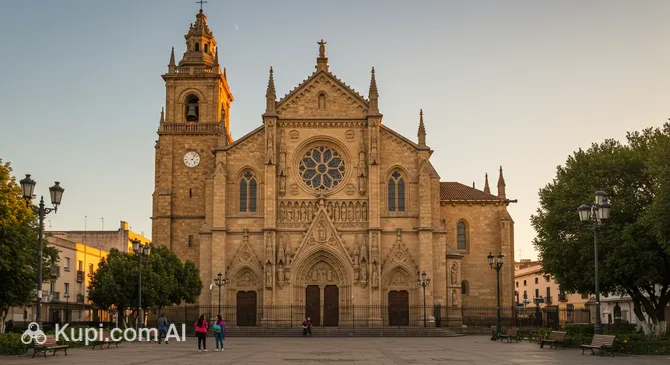
Church of the Sacred Heart of Jesus (Capuchin Church). Source: Kupi.Binoculars
  • The city is widely considered the world capital of "Fernet con Coca." Although the herbal liqueur is Italian, Cordobans consume a massive portion of the national production, making this bitter cocktail an unofficial cultural emblem that you will see at every gathering.

  • The striking Church of the Sacred Heart of Jesus (Capuchin Church) features a unique architectural metaphor. One of its towers was intentionally left without a spire to represent human imperfection, while the other reaches fully towards the sky to symbolize the perfection of the divine.

  • Cordoba is affectionately known as "La Docta" (The Learned One) because it hosted the first university in Argentina, founded in 1613. This long-standing academic tradition means the city has a vibrant, youthful pulse, with students making up a significant part of the population.

  • Inside the expansive Sarmiento Park, the vintage Ferris wheel at Super Park Córdoba is the subject of a popular local legend. Many locals believe the iron structure was designed by Gustave Eiffel's company, linking this fun fair ride to the mastermind behind the Eiffel Tower.

How to Get There

Reaching this vibrant Argentine city is straightforward, thanks to its well-connected transport hub. Most travelers choose to fly directly, but there are various options depending on your starting point. You can find detailed information on all ways to reach the city in our dedicated guide.

The primary gateway for international and domestic visitors is the Ingeniero Aeronáutico Ambrosio L.V. Taravella International Airport (IATA: COR). Located conveniently within Cordoba itself, this major hub handles a significant volume of passengers annually, connecting the region with key destinations across South America and beyond. It is situated just 10.8 km from the city center, making the transfer quick and easy. A taxi or shuttle ride typically takes approximately 36 minutes, depending on traffic conditions.

For those exploring the wider region, there are other airports, though they are located at a considerable distance. Valle Del Conlara (IATA: RLO) is situated in the city of Merlo, about 142.5 km from Cordoba. Traveling from there by car or taxi would be a longer journey, taking around 3 hours and 55 minutes. Another option is San Luis Airport (IATA: LUQ) in the city of San Luis, which is roughly 289.6 km away. The ground transfer from San Luis is substantial, estimated at approximately 7 hours and 35 minutes.

For clarity, here is a summary of the main airports:

Airport Name City Passenger Traffic Km from City
Ingeniero Aeronáutico Ambrosio L.V. Taravella International Airport Cordoba Large 10.8
San Luis Airport San Luis Medium 289.6
Valle Del Conlara Merlo Small 142.5

Main Attractions

Cordoba offers a rich tapestry of history, art, and culture, with landmarks that tell the story of its colonial past and vibrant present. The city center is best explored on foot, starting from its historic heart, where centuries-old architecture stands alongside modern life.

A perfect starting point is San Martin Square, the central hub of the city featuring a statue of the liberator José de San Martín. Flanking this historic plaza is the Cabildo of Córdoba, one of the few remaining colonial government buildings in the country. Visitors are drawn here to admire its classic colonial style with white arches and to explore the City Museum housed inside, which offers a deep dive into local history and culture.

Cabildo of Córdoba. Source: Kupi.Binoculars

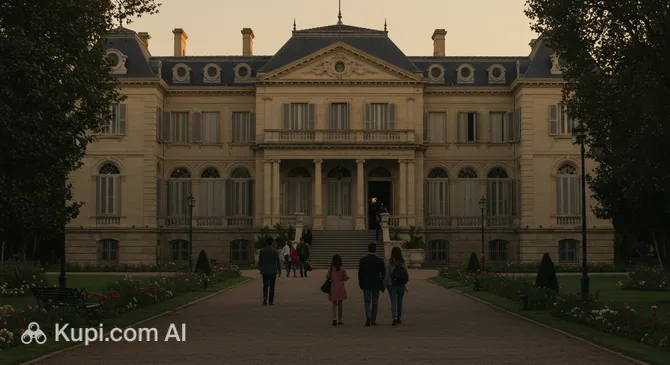
For those who appreciate art and grand architecture, the Evita Fine Arts Museum (Palacio Ferreyra) is an essential stop. Housed in a stunning French-style mansion from the early 20th century, the museum showcases a vast collection of provincial art. The building itself is a masterpiece, surrounded by beautiful gardens that provide a peaceful escape from the urban bustle, making it as visually impressive outside as the art is inside.

Evita Fine Arts Museum (Palacio Ferreyra). Source: Kupi.Binoculars

A hidden gem located beneath the bustling streets is the Jesuit Crypt. Rediscovered by chance in 1989, this underground structure was originally a novitiate temple and later a crypt. Today, it serves as a fascinating cultural space where tourists can walk through history, admiring the restored stone walls and arches that date back to the 18th century.

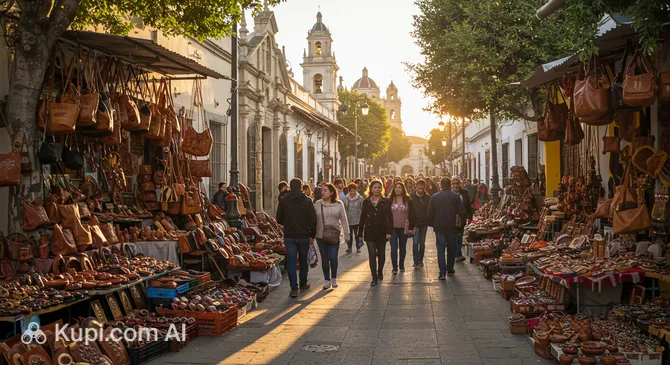
To experience the city's bohemian spirit, a visit to Paseo de las Artes is highly recommended, especially on weekends. Located in the traditional Güemes neighborhood, this artisanal fair is the best place to find unique handicrafts, local antiques, and souvenirs. The surrounding area is lively and colorful, filled with street performers, galleries, and bars, offering a perfect taste of Cordoba's creative energy.

Paseo de las Artes. Source: Kupi.Binoculars

Local Cuisine

To explore the culinary landscape of Cordoba is to dive into a world where traditional Argentine flavors meet distinct regional twists. The city's gastronomy is deeply rooted in the country's love for meat and social dining, but it also boasts unique creations that you won't find anywhere else in Argentina.

No visit to this province is complete without trying the legendary Lomito. Far more than just a steak sandwich, the Cordobese lomito is a culinary institution. It typically consists of a tender loin steak topped with ham, cheese, fried eggs, lettuce, and tomato, all held together by home-baked bread and a generous layer of mayonnaise. It is the ultimate comfort food and a point of local pride, served in portions that are often large enough to share.

Another staple of the local table is the Empanada Cordobesa. Unlike savory pastries from other regions, the Cordoba version is known for its juicy filling and a subtle sweetness. The recipe usually includes ground beef, onions, hard-boiled eggs, olives, and potato, often enriched with raisins and a dusting of sugar on the dough before baking. This sweet-and-salty combination creates a flavor profile that is both surprising and delicious.

For those with a sweet tooth, the local Alfajores are a must-try. While the dulce de leche version is popular nationwide, Cordoba is famous for its fruit-filled alfajores, particularly those made with quince jam (membrillo) and covered in a light sugar glaze. These treats are the perfect accompaniment to a cup of coffee or mate in the afternoon.

The city's dining scene ranges from rustic parrillas (steakhouses) serving world-class asado to modern establishments redefining local ingredients. A prime example of this culinary evolution is the Azur Real Restaurant. Located within a historic building, it offers a sophisticated menu that highlights regional produce in an elegant setting, making it an excellent choice for a special evening out.

Finally, while the famous "Fernet con Coca" is the drink of choice for parties, the region is also producing excellent wines and craft beers. Whether you are grabbing a quick criollito (a savory puff pastry) for breakfast or sitting down for a late-night dinner, Cordoba's kitchen promises to be a highlight of your trip.

Travel Tips

Preparing for a trip to Cordoba involves more than just booking a flight; understanding the local rhythm and logistics will make your experience much smoother. To help you navigate the city with confidence and ease, here is a set of practical tips designed for travelers.

  1. Clothing and Gear: Pack according to the season. Summers (December to February) are hot and humid, requiring light, breathable fabrics, while winters (June to August) can be chilly, so a warm jacket and layers are necessary. Since the best way to see the historic center is on foot, bring comfortable walking shoes. If you plan to visit religious sites like the Cathedral, remember to dress modestly, covering your shoulders and knees.

  2. Transportation: The city has an extensive public bus network, but you cannot pay with cash on board; you will need a rechargeable Red Bus card, which can be purchased at various kiosks (kioscos). Taxis (yellow and black) and remises (green) are widely available and generally safe. Ride-hailing apps are also used, but it is often easier to hail a taxi on the street in busy areas.

  3. Finances: The local currency is the Argentine Peso (ARS). While major hotels and restaurants accept credit cards, cash is essential for small purchases, street food, and some taxis. ATMs are available, but fees can be high; many tourists prefer using Western Union or official exchange houses to get better value. A tip of roughly 10% is customary in restaurants if the service was good.

  4. Health and Safety: Pharmacies are common and easily engaging, with those marked de turno remaining open 24 hours on a rotating schedule. Cordoba is generally safe for tourists, especially in the main areas like Nueva Córdoba and the center, but you should avoid walking alone in unlit areas at night and keep valuables discreet. Travel insurance is highly recommended for peace of mind.

  5. Communication: Spanish is the primary language, and the local Cordobés accent is famous for its musicality. English is not widely spoken outside of major tourist hubs, so downloading a translation app and learning basic phrases is helpful. WhatsApp is the standard communication tool for locals and businesses, so getting a local SIM card (Claro, Movistar, or Personal) is a good investment.

  6. Local Etiquette: Argentines are warm and social. The standard greeting, even for casual acquaintances, is a single kiss on the right cheek. Politeness is valued, so always say "Buen día" or "Hola" when entering a shop. Be prepared for a relaxed sense of time; punctuality is flexible, and social gatherings often run late into the night.

  7. What to Avoid: Do not expect to eat dinner early. Restaurants typically do not open for the evening service until 8:00 PM or 8:30 PM, and locals rarely dine before 9:30 PM. Trying to find a full meal at 6:00 PM can be difficult, so embrace the local schedule and enjoy a late afternoon snack, or merienda, instead.

  8. The Siesta Pause: Be aware that many shops and businesses, particularly outside shopping malls, close for a midday break known as the siesta. This usually lasts from around 1:30 PM to 5:00 PM. Plan your shopping and errands for the morning or late afternoon to avoid finding closed doors.

Armed with these practical insights, you are well-equipped to dive into the vibrant life of Cordoba. Embrace the late dinners, the friendly chats, and the unique cultural pace, and you will find yourself feeling less like a tourist and more like a welcome guest in this beautiful city.

Entertainment & Nightlife

Cordoba’s nightlife is legendary across Argentina, fueled by a massive student population and a culture that thrives after sunset. The city comes alive late at night, offering a diverse mix of entertainment that ranges from laid-back craft beer patios to high-energy dance halls. The atmosphere is generally informal and welcoming, with locals known for their friendliness and love for social gatherings that last until dawn.

The epicenter of the action is undoubtedly the Nueva Córdoba and Güemes districts. Nueva Córdoba is packed with university students and features lively bars and pubs with a boisterous vibe. Just across the Cañada stream, Güemes offers a more bohemian and stylish experience. Here, the nightlife revolves around "galerías"—renovated old houses and courtyards turned into complexes of bars, restaurants, and design shops. The Don bar is one example of the local venues where you can enjoy a drink in a relaxed setting before the night truly begins.

For those seeking a more intense party atmosphere, the local music genre, Cuarteto, is a cultural phenomenon you must experience. It is a fast-paced, tropical rhythm that defines the city's identity. Large venues known as "bailes" host popular bands, and Sala del Rey is one of the premier spots to witness this authentic spectacle. The energy here is contagious, and it provides a genuine glimpse into the heart of Cordoban culture.

Another staple of the city's entertainment scene is the Studio Theater. Housed in a historic building, this venue seamlessly blends architectural heritage with modern sound and lighting, hosting everything from live concerts to club nights. It is a favorite among those who appreciate a venue with character and a diverse lineup of events.

Practical Advice: The night starts late in Cordoba. Bars typically get busy around 11:00 PM or midnight, while nightclubs (boliches) rarely fill up before 2:00 AM. Dress codes are generally casual, though some upscale clubs in the Chateau Carreras area might require smart-casual attire. Prices for drinks and cover charges are reasonable compared to the capital, making a night out quite affordable.

Safety and Transport: The main nightlife districts like Güemes and Nueva Córdoba are well-lit and policed, making them safe for walking between venues. However, it is always advisable to stay in populated areas. When it’s time to head home, avoid walking long distances alone; instead, use a taxi or a remis. You can easily hail yellow taxis on the street or use an app to book a ride.

While the nights are vibrant, daytime entertainment also has plenty to offer. Beyond the museums and historical sites, families and thrill-seekers can visit Super Park Córdoba, a classic amusement park located within Sarmiento Park. For theater lovers, the city boasts a robust circuit of independent theaters and cultural centers that host plays and performances throughout the week.

Parks & Museums

Cordoba’s reputation as a cultural capital extends far beyond its colonial churches. The city boasts an impressive array of museums that cover everything from contemporary art to industrial history, alongside sprawling green spaces that offer a welcome respite from the urban bustle. Exploring these spots provides a deeper understanding of the local lifestyle and the region's rich heritage.

For art enthusiasts, the Emilio Caraffa Museum is a cornerstone of the city's cultural circuit. Located near Plaza España, this institution is renowned for its dynamic exhibitions of contemporary art, featuring works by both national and international artists. The building itself is a blend of neoclassicism and modern architecture, making it a visual landmark.

History buffs and technology lovers should not miss the Museum of Industry 'Brigadier Major Juan Ignacio San Martín'. Cordoba has long been the industrial engine of Argentina, and this museum celebrates that legacy. Housed in a former railway workshop, it displays a fascinating collection of locally manufactured cars, airplanes, and machinery, telling the story of the city's pivotal role in the country's development.

Another unique space is Plaza Cielo Tierra, a science center distinctive for its dodecahedron-shaped pavilion. It offers an interactive journey through the natural world, from the depths of the earth to the vastness of the sky, making it an engaging stop for visitors of all ages.

When it comes to outdoor relaxation, Sarmiento Park is the undisputed green lung of the city. Designed by the famous landscape architect Carlos Thays, this expansive park features a central lake, a rose garden, and numerous walking paths. It is the perfect place to join locals for a mate, go for a jog, or simply enjoy the sunset over the city skyline.

Adjacent to the park, the Biodiversity Park offers a modern approach to environmental education. Transformed from the old city zoo, it now focuses on conservation and the protection of native flora and fauna, providing a peaceful environment to learn about the region's ecology.

For a more modern urban vibe, Tejas Park is a favorite among students and young people. Located in the university district, it is known for its pedestrian bridges and open grassy areas, often serving as a meeting point for cultural events and casual picnics.

Getting Around

Navigating Cordoba is an authentic experience that relies heavily on an extensive network of buses and trolleybuses, as the city does not have an underground metro system. The urban bus system, locally known as colectivos, is the primary mode of transport for residents and covers virtually every corner of the city. Complementing the buses is a historic trolleybus network, which is a distinctive feature of Cordoba’s streets and offers a clean, electric alternative for getting around the central districts.

To use public transport, cash is not accepted on board. You must purchase a rechargeable card known as the Red Bus card. These cards can be bought and topped up at various kiosks (kioscos) throughout the city, usually identified by a Red Bus logo in the window. It is highly recommended to buy a card immediately upon arrival and keep it loaded with credit, as finding an open kiosk late at night or on Sundays can sometimes be challenging.

For tourists planning to explore the scenic outskirts, the Tren de las Sierras is a fantastic option. This commuter train connects the city with the beautiful mountain towns of the Punilla Valley. While it is slower than a bus, it offers picturesque views and is a favorite among visitors for a leisurely day trip. The train departs from the Alta Córdoba or Rodríguez del Busto stations, and tickets are very affordable, though they should often be booked in advance due to high demand.

When it comes to planning your route, relying solely on bus stop signs can be confusing. It is advisable to download local transport apps like Tu Bondi or use Google Maps to check schedules, routes, and arrival times. Buses typically operate from early morning until around midnight, but frequencies drop significantly during the night. Be aware that during peak hours, buses can get quite crowded.

If you prefer a more direct and private way to travel, taxis and remises are widely available. Taxis in Cordoba are easily recognizable by their yellow and black color scheme and can be hailed on the street. Remises are private cars that must be booked by phone or at an agency base; they are green and often have fixed prices. Ride-sharing apps are also popular and provide a convenient, often cashless, alternative for getting around safely, especially after dark.

Accommodation

Where to Stay:

Finding the perfect place to stay in Cordoba is easy, as the city offers a wide spectrum of accommodation to suit every traveler's style and budget. The options range from lively backpacker hostels and budget-friendly guesthouses to charming boutique hotels and upscale luxury resorts. Whether you are visiting for a quick business trip or a leisurely holiday, you will find a welcoming space to rest.

The choice of neighborhood can significantly shape your experience. For those who want to be within walking distance of historical landmarks like the Cathedral and the Jesuit Block, the City Center (Centro) is the most convenient area. It is bustling during the day and offers easy access to museums and shopping. Alternatively, Nueva Córdoba is the vibrant heart of the city's student life, packed with bars, restaurants, and nightlife, making it an ideal choice for younger travelers or those looking for an energetic atmosphere. For a more bohemian and artistic vibe, the Güemes district offers stylish lofts and boutique stays surrounded by antique fairs and trendy galleries.

Travelers seeking a blend of modern luxury and comfort might consider Capitalinas Cordoba. This establishment is well-regarded for its contemporary design and high-end amenities, offering a sophisticated retreat within the urban landscape. It is a popular choice for visitors who prioritize service and style during their stay.

For those who prefer the convenience of apartment-style living combined with hotel services, Sol de Piedra Apart Suites & Spa is another excellent option. Located centrally, it provides spacious suites that are perfect for families or longer stays, allowing guests to feel more at home while exploring the city.

Booking Tips and Prices: Generally, accommodation prices in Cordoba are reasonable compared to the capital, Buenos Aires. Budget travelers can find hostels for very affordable rates, while mid-range hotels offer great value for money. However, if you plan to visit during peak seasons—such as the summer holidays (January and February) or during major festivals like the Cosquín Folk Festival—it is highly recommended to book your accommodation well in advance. Most properties can be easily reserved through major online booking platforms, though contacting smaller boutique hotels directly can sometimes yield better rates or personalized offers.

Nearby Cities

For those looking to explore the surroundings, Cordoba serves as an excellent base for day trips to several interesting nearby locations:

One of the most popular destinations is Villa Carlos Paz. Located just a short drive away on the banks of the San Roque Lake, it is the primary tourist hub of the Punilla Valley. The city is famous for its vibrant summer theater season, iconic Cuckoo Clock, and numerous opportunities for water sports and hiking. It offers a lively atmosphere with plenty of restaurants and entertainment options, making it perfect for a fun-filled day.

For a journey into history, Alta Gracia is an unmissable stop. This charming town is renowned for its colonial heritage, hosting one of the Jesuit Estancias declared a UNESCO World Heritage site. Visitors can explore the peaceful courtyards of the old estancia or visit the museum dedicated to Che Guevara, located in his childhood home. The town’s relaxed pace and architectural beauty provide a stark contrast to the bustling city life.

Another cultural highlight is Cosquín, widely known as the National Folklore Capital of Argentina. Nestled at the foot of the mountains, it comes alive every January with its massive folk music festival. During the rest of the year, it offers a serene environment with river beaches along the Cosquín River, ideal for picnicking and enjoying the natural landscape of the Sierras.

City Population Distance (km)
Villa Carlos Paz 62,423 30
Cosquín 57,458 33
Alta Gracia 48,140 35
Rio Tercero 46,421 84
La Calera 32,227 16

These nearby destinations offer a glimpse into the diverse culture and landscapes of the region.

Shopping & Souvenirs

Shopping in Cordoba offers a delightful mix of modern convenience and traditional charm, catering to every type of traveler. The city boasts several large commercial centers where visitors can find international brands, entertainment, and dining options all under one roof, providing a comfortable escape from the heat or a perfect spot for evening leisure.

One of the most popular destinations is Nuevocentro Shopping. Located conveniently close to the city center, it features a wide variety of fashion stores, a cinema complex, and a food court that offers panoramic views of the urban landscape. For those exploring the northern districts, the Alto Verde Dinosaur Mall provides a unique shopping experience with its distinct architecture and comprehensive range of services, including major retail outlets and a supermarket.

Beyond the malls, the heart of the city transforms into a bustling open-air market. The pedestrian streets, particularly 9 de Julio and San Martín, are lined with shops selling clothing, footwear, and accessories. This area is especially renowned for its leather goods; visitors can find high-quality jackets, bags, and belts that reflect Argentina's strong tradition of leather craftsmanship.

For authentic local souvenirs, the city's artisanal scene is vibrant. While the famous Paseo de las Artes is the go-to spot for handmade crafts on weekends, specialty shops throughout the center sell typical regional items like carved mate gourds, silver jewelry, and woven textiles year-round. To take a taste of Cordoba home with you, look for boxes of fruit-filled alfajores or local artisanal jams, which make for perfect edible gifts.

Nearby cities

Reached the end of the page?

That means the route is fully explored