Support

La Rioja

About

Welcome to La Rioja, a captivating city nestled at the foot of the majestic Velasco Mountains. As the capital of the province bearing the same name, this city serves as a vital cultural and economic hub in the northwestern region of Argentina. With its blend of colonial heritage, stunning natural landscapes, and a laid-back atmosphere, La Rioja offers travelers a unique glimpse into the authentic lifestyle of the country's interior.

Geographically, the city is situated in an arid valley, characterized by its red soil and dramatic mountain backdrops. The climate here is semi-arid, offering warm, sunny days throughout most of the year, which makes it an excellent destination for outdoor exploration. With a population of approximately 180,000 inhabitants, La Rioja maintains a friendly, small-town feel despite its status as a provincial capital, ensuring visitors feel welcome from the moment they arrive.
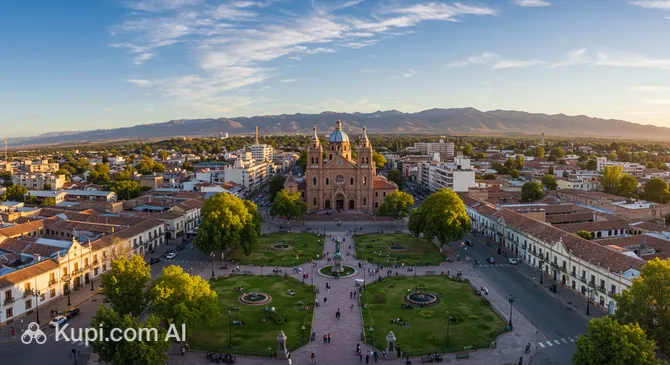
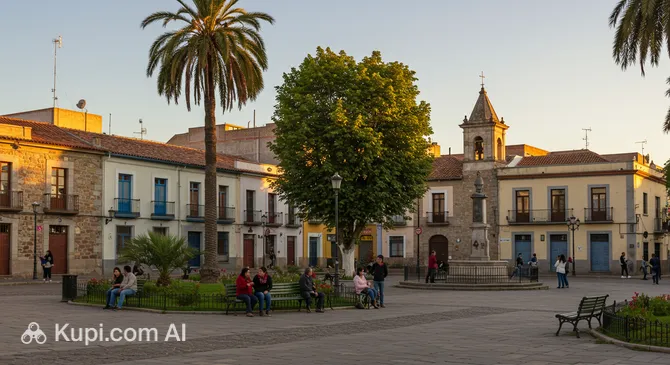
La Rioja. Source: Kupi.Binoculars

The history of La Rioja is deeply rooted in the Spanish colonial era, having been founded in 1591 by Juan Ramírez de Velasco. Although a devastating earthquake in 1894 destroyed many original structures, the city has rebuilt itself while preserving its rich traditions. Walking through the streets, you will encounter the vibrant Plaza 25 de Mayo, the heart of local social life, surrounded by important landmarks such as the impressive Cathedral of San Nicolás de Bari. This cathedral acts as a sanctuary for the city's patron saint and is a focal point for the famous Tinkunaco festival.

Beyond its urban charm, La Rioja is widely celebrated as the gateway to some of the region's most spectacular natural wonders, including the UNESCO-listed Talampaya National Park. Whether you are here to explore the rugged terrain, taste the renowned local Torrontés wine, or simply relax in the city's plazas, La Rioja promises an unforgettable experience filled with warmth and discovery.
Weather Overview

Travelers visiting the region can expect a semi-arid climate characterized by distinct seasonal variations. The weather in La Rioja is generally manageable year-round, though the summer months from December to February are the warmest. During January, average temperatures hover around 23.4°C, with daily highs reaching 28.2°C. This season also corresponds with the region's most frequent precipitation, seeing up to 16 wet days in January, although the actual rainfall volume remains quite low.

As the year progresses towards winter, conditions become cooler and extremely dry. By July, the average temperature dips to roughly 10.4°C, with nighttime lows falling to 5.2°C. Precipitation is rare during the winter months, often dropping to 0mm from June through August. Overall, you can expect warm summers with occasional rain and cold, dry winters, making the shoulder seasons of spring and autumn particularly pleasant for outdoor activities.

Interesting Facts

Beyond its scenic landscapes and colonial architecture, La Rioja preserves a wealth of stories that define its unique identity in Argentina. From ancient legends to historic political struggles, the city offers curious travelers a deeper understanding of its local heritage through these fascinating details.
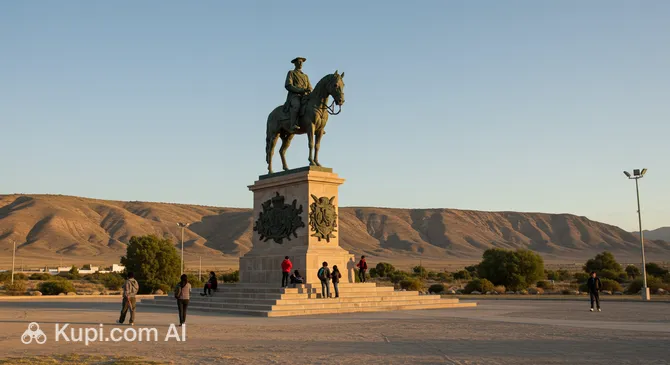
Monument to Chacho Peñaloza. Source: Kupi.Binoculars
  • The Legend of La Chaya: La Rioja is famous for its National Festival of La Chaya, rooted in a tragic indigenous love story. Legend tells of a beautiful young woman named Chaya who, heartbroken by the indifference of the demi-god Pujllay, disappeared into the mountains and transformed into a cloud. Every February, locals celebrate her return by throwing flour and water, symbolizing the moisture she brings to the earth.

  • A Unique Peace Ceremony: Every year on December 31st, the city witnesses the Tinkunaco, a ceremony whose name means "encounter" in Quechua. This event reenacts the historical peace pact between the Diaguita indigenous people and the Spanish colonizers, symbolized by the meeting of the images of the Child Jesus and San Nicolás de Bari in the main square.

  • Land of Caudillos: The province played a pivotal role in the 19th-century struggle for Argentine federalism. It was the home of charismatic leaders who fought for provincial autonomy. Visitors can honor this turbulent yet proud history at the Monument to Chacho Peñaloza, dedicated to one of the most prominent figures of that era.

  • Symbolic Architecture: While the great earthquake of 1894 destroyed many original colonial buildings, the city has maintained strong ties to its past through landmarks like the San Nicolás Gateway. This structure serves not only as a physical point of interest but also as a reminder of the deep religious devotion that has guided the city since its founding.

How to Get There

Planning a trip to this scenic province is the first step toward an unforgettable adventure. While the region feels delightfully remote, it is well-connected to the rest of the country, primarily by air and road. You can read more about how to get to La Rioja and explore all the available transport options to suit your itinerary.

The most convenient entry point is the local La Rioja Airport (IRJ), officially known as Capitán Vicente Almandos Almonacid Airport. Located just 6.9 km from the city center, it offers a quick and easy transfer for visitors. A taxi or shuttle from the terminal to downtown typically takes about 15-20 minutes, allowing you to start your exploration almost immediately upon arrival. Although it is a smaller hub with an annual traffic of around 73,000 passengers, it provides essential links to Buenos Aires and other key destinations.

If flight availability is limited, another option is San Juan Airport (UAQ), situated in the city of San Juan. It is a larger regional hub with higher passenger traffic. However, it is important to note that this airport is approximately 282 km away from La Rioja. Travelers choosing this route should be prepared for an additional overland journey, which can take several hours by bus or rental car across the scenic arid landscapes.

For clarity, here is a summary of the main airports:

Airport Name City Passenger Traffic Km from City
San Juan Airport San Juan Medium 282.3
Rio Hondo Airport Rio Hondo Medium 283.8
La Rioja Airport La Rioja Small 6.9

Main Attractions

La Rioja offers a delightful mix of historical landmarks and inviting public spaces, making it a pleasant city to explore on foot. The city center is arranged around traditional plazas that serve as the focal points for social gatherings, surrounded by architecture that tells the story of the region's colonial past and its enduring cultural traditions.

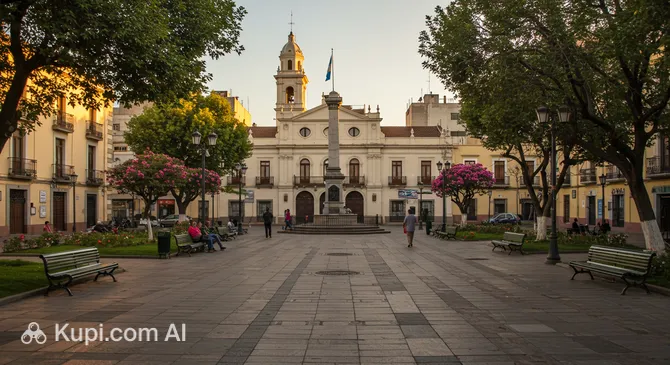
The beating heart of the city is undoubtedly 25 de Mayo Square. This principal plaza is more than just a central meeting point; it is a lush, green oasis lined with orange trees and vibrant gardens that offer respite from the warm sun. It is the perfect place to observe local life, as families and friends gather here throughout the day. Surrounding the square, you will find some of the most significant buildings in the city, including the government house and the cathedral, making it an essential starting point for any walking tour.

25 de Mayo Square. Source: Kupi.Binoculars

Another significant public space worth visiting is 9th of July Square. While often quieter than the main plaza, it provides a charming atmosphere for a leisurely stroll. The square is well-maintained and serves as a venue for various local events and small fairs. It is an excellent spot to relax on a bench, enjoy the shade, and appreciate the slower pace of life that characterizes this friendly provincial capital.

9th of July Square. Source: Kupi.Binoculars

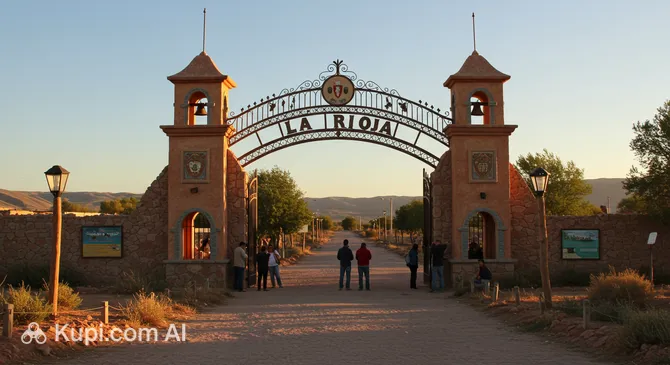
For those interested in the architectural heritage of the city, the San Nicolás Gateway is a must-see landmark. This structure is not only visually striking but also holds deep historical and religious significance for the locals. It stands as a testament to the city's resilience and faith, marking the entrance to the area associated with the Convent of San Francisco. Visitors often stop here to admire its design and capture photos of one of La Rioja's most iconic surviving historical structures.

San Nicolás Gateway. Source: Kupi.Binoculars

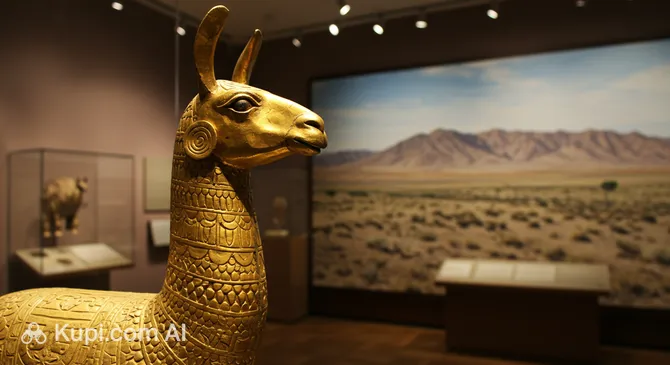
To delve deeper into the indigenous roots of the region, travelers should look for the Votive Llama. This attraction represents the profound connection between the original inhabitants of the land and their environment. Often associated with the region's archaeological treasures, objects like this provide a fascinating window into the spiritual and artistic expressions of the pre-Hispanic cultures that once thrived in these valleys. Viewing such artifacts allows for a greater appreciation of the complex history that shaped the identity of La Rioja long before the arrival of the Spanish.

Votive Llama. Source: Kupi.Binoculars

Local Cuisine

The culinary landscape of La Rioja is a delightful reflection of its geography and history, blending indigenous Andean traditions with Spanish colonial influences. As a region renowned for its agriculture, particularly its olive groves and vineyards, the local cuisine is characterized by fresh, high-quality ingredients. Visitors will find that the food here is hearty, flavorful, and deeply connected to the land, with olives, walnuts, and stone fruits playing a central role in many recipes.

No visit to this province is complete without tasting the famous Empanada Riojana. Unlike versions found elsewhere in Argentina, the local variety is distinctively juicy and often includes hard-boiled eggs, green onions, and potatoes alongside the hand-cut meat filling. Another staple dish is Locro, a thick, warming stew made from corn, beans, and various cuts of meat, traditionally enjoyed during national holidays but available year-round in many traditional eateries. For a taste of the region's "green gold," be sure to try the locally cured olives, specifically the fleshy Arauco variety, which are often served as an appetizer.

When it comes to beverages, La Rioja is globally celebrated for its wine production, particularly the aromatic Torrontés. This white wine, with its floral notes and fruity freshness, is the perfect companion to the region's spicy food. However, the city also has a growing craft beer scene for those who prefer hops over grapes. A great place to experience this local brewing culture is Cerro Cruz Brewery, where you can sample a variety of artisanal beers in a relaxed atmosphere.

Cerro Cruz Brewery. Source: Kupi.Binoculars

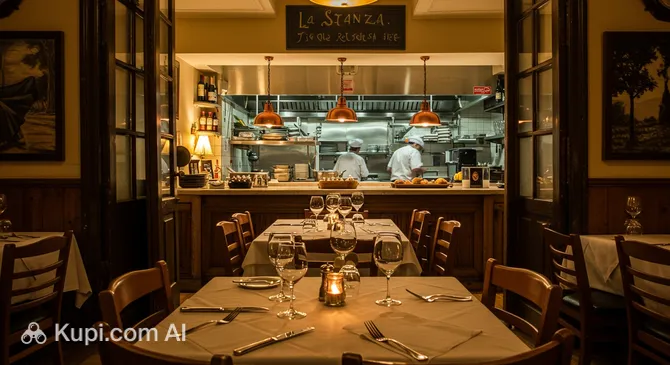
Dining out in La Rioja is a leisurely affair, with dinner typically served late in the evening, consistent with Argentine custom. The city offers a range of options, from rustic peñas (folk music clubs) serving regional classics to modern establishments. For a refined dining experience, you might visit La Stanza Ristorante, known for its inviting ambiance and diverse menu. Alternatively, if you are looking for a casual spot to unwind with a coffee or a light snack after a day of sightseeing, Acqua Bar & Café is a popular choice among locals and tourists alike.

La Stanza Ristorante. Source: Kupi.Binoculars

Travel Tips

To ensure your visit to La Rioja is as enjoyable and stress-free as possible, a little preparation goes a long way. These practical tips are designed to help you navigate local customs, manage logistics, and fully embrace the relaxed rhythm of this charming northwestern city.

  1. Clothing and Gear: Since the climate is semi-arid, packing layers is essential. In summer, bring lightweight, breathable fabrics to handle the heat, while winter evenings can get quite crisp, requiring a warm jacket. Regardless of the season, the sun here is strong, so a wide-brimmed hat, high-SPF sunscreen, and sunglasses are non-negotiable. If you plan to visit religious sites like the Cathedral, modest attire covering shoulders and knees is respectful.

  2. Transportation: Within the city center, walking is a pleasant option, but for longer distances, remises (private taxis) and standard radio taxis are the most convenient and affordable choices. Public buses exist but can be confusing for visitors. If you intend to explore the stunning landscapes outside the city, such as Talampaya National Park, renting a car is highly recommended to give you the freedom to travel at your own pace.

  3. Finances: The local currency is the Argentine Peso (ARS). While major hotels and restaurants in La Rioja accept credit and debit cards, cash is still king for smaller shops, kiosks, and taxis. It is wise to carry small bills. ATMs are widely available in the city center, but they may have withdrawal limits. Tipping is customary in restaurants; leaving about 10% of the bill is standard if the service was good.

  4. Health and Safety: La Rioja is generally a safe and peaceful city, but standard travel precautions should always be taken, such as keeping valuables secure. Pharmacies (farmacias) are easy to find; look for those marked "de turno" if you need service outside regular hours. It is advisable to drink bottled water to avoid any stomach issues, as your system may not be used to the local tap water minerals.

  5. Communication: Spanish is the primary language, and English is not widely spoken outside of high-end tourism establishments. Learning a few basic phrases like "Hola" (Hello), "Gracias" (Thank you), and "¿Cuánto cuesta?" (How much?) will be greatly appreciated by locals. Downloading an offline translation app and a map on your phone is very useful. You can purchase a local SIM card (chip) at kiosks to stay connected.

  6. Local Etiquette: Riojanos are warm and friendly people. The standard greeting, even among casual acquaintances, is a single kiss on the right cheek. When entering a shop or boarding a taxi, it is polite to say "Buen día" (Good morning) or "Buenas tardes" (Good afternoon). The pace of life here is slower than in Buenos Aires, so patience and a smile will get you far.

  7. What to Avoid: Do not expect to run errands in the afternoon. The siesta is a sacred institution in La Rioja, meaning most shops, banks, and businesses close strictly between 1:00 PM and 5:00 PM. Avoid planning shopping trips or administrative tasks during these hours; instead, do as the locals do and rest or enjoy a quiet lunch.

  8. Local Insight: If you visit in February, be prepared for the Chaya Festival. It is a time of immense joy, but you might get covered in flour and water by playful locals on the streets. It is all part of the tradition, so wear clothes you don't mind getting dirty and join in the fun!

By keeping these tips in mind, you will be well-equipped to experience the best of La Rioja without the common travel hiccups. Embrace the local lifestyle, respect the midday rest, and you will find yourself warmly welcomed into the heart of this beautiful province.

Entertainment & Nightlife

The nightlife in La Rioja reflects the city's warm and welcoming spirit, offering a relaxed yet engaging atmosphere that differs from the frenetic pace of larger metropolitan hubs. Here, the evening entertainment is centered around socializing, enjoying good food, and embracing the local culture. The action typically starts late, with locals heading out for dinner around 10:00 PM or later, followed by drinks at bars or attending traditional folk music gatherings known as peñas.

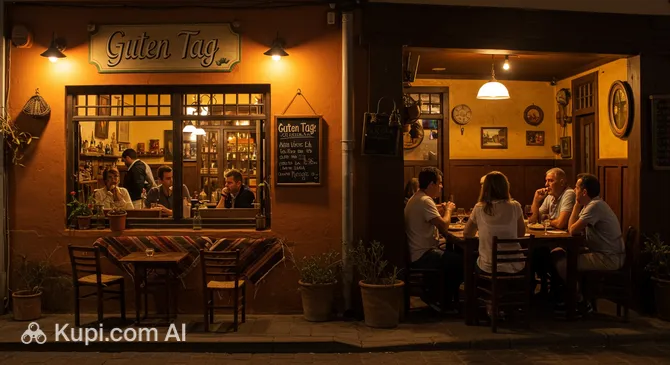
For those looking to start their night with a hearty meal and a lively ambiance, Guten Tag is an excellent choice. This venue is popular for its varied menu and inviting setting, making it a perfect spot to gather with friends before exploring the rest of the city's offerings. The dining scene in the city often blurs the lines between restaurant and bar, allowing for long, leisurely conversations that stretch well into the night.

Guten Tag. Source: Kupi.Binoculars

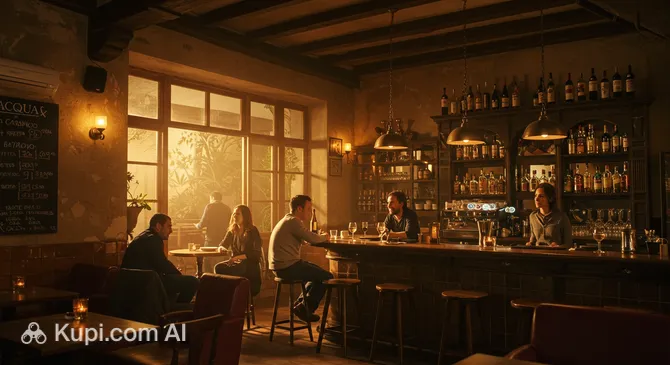
As the night progresses, the city center and the avenues surrounding the main squares become the focal points of activity. You will find a mix of modern bars and classic cafes that transform into spirited watering holes after dark. A standout venue in this category is Acqua Bar & Café. Known for its stylish environment, it attracts a diverse crowd looking to enjoy cocktails and music. It is an ideal place to experience the modern social side of La Rioja, blending a chic vibe with the city's inherent friendliness.

Acqua Bar & Café. Source: Kupi.Binoculars

For visitors interested in larger events or sports, the Vargas Stadium is a key landmark to check. While primarily a sports arena hosting football matches that ignite local passions, it occasionally serves as a venue for concerts and major cultural festivals. Attending an event here provides a thrilling glimpse into the community's enthusiasm and is a memorable way to spend an evening if your schedule coincides with a match or show.

When planning a night out, keep in mind that the dress code is generally casual but neat; "smart casual" works well for almost any venue. In terms of safety, the main nightlife districts are secure for walking, especially around the illuminated plazas. However, for returning to your accommodation late at night, it is advisable to use a remis (private taxi) or a radio taxi rather than hailing one on the street, or simply ask the venue staff to call one for you.

While the nights are lively, daytime entertainment in La Rioja offers a different kind of charm. The city features several cinemas and small theaters for cultural enthusiasts, alongside shopping areas for those looking to browse local goods. Families and groups can enjoy the various parks and recreational centers, which provide a pleasant way to unwind before the sun sets and the city's evening rhythm begins anew.

Parks & Museums

While La Rioja is often associated with its rugged mountains and arid valleys, the city itself offers several refreshing green spaces and cultural institutions that provide a deeper look into the region's soul. Exploring the local parks and museums allows visitors to balance the outdoor adventure of the province with moments of relaxation and historical discovery, revealing the rich tapestry of indigenous and colonial influences that shape this capital.

For those seeking a break from the urban environment, the Parque de la Ciudad is the most significant green lung in the area. Located on the outskirts of the city, this expansive park is a favorite among locals for weekend recreation. It features a large artificial lake, extensive walking paths, and well-maintained gardens that contrast beautifully with the surrounding desert landscape. It is an ideal spot for a picnic, a morning jog, or simply watching the sunset paint the Velasco Mountains in shades of red and violet.

Another excellent natural area is Parque Yacampis, situated closer to the foothills. This park offers a more rugged experience, integrating the natural flora of the region, such as carob trees and cacti, into its design. It serves as a gateway to the mountains, providing visitors with panoramic views of the city below. The park often hosts local fairs and events, making it a vibrant place to experience the community spirit while enjoying the fresh mountain air.

When it comes to culture, the Museo Arqueológico Regional Inca Huasi is an absolute must-see. Housed in a colonial-style building, this museum is one of the most important of its kind in Argentina, boasting a collection of over 12,000 pieces. It is dedicated to the Diaguita and other indigenous cultures that inhabited the region long before the Spanish arrival. Among its many treasures, visitors can admire intricate ceramics, stone tools, and spiritual artifacts, including the famous Votive Llama, which offers insight into the sacred beliefs of the original peoples.

To understand the traditions that still influence daily life, a visit to the Museo Folklórico is highly recommended. Located in a historic 17th-century house, this museum preserves the oral histories, myths, and customs of the Riojano people. Exhibits cover everything from the legend of the Chaya festival to traditional clothing and rural craftsmanship. It provides a fascinating narrative that connects the past with the present, explaining the deep-rooted identity of the province.

History enthusiasts should also venture slightly outside the city center to visit Las Padercitas. This site features the ruins of ancient adobe walls and is historically significant as the place where San Francisco Solano preached to the native populations. It stands as a silent witness to the early interactions between Spanish missionaries and indigenous communities. Nearby, the Convento de San Francisco holds the title of the oldest temple in the country, with its thick stone walls having survived centuries of earthquakes and history.

Insider Tip: Most museums in La Rioja close for the afternoon siesta, typically between 1:00 PM and 5:00 PM. To make the most of your cultural tour, plan to visit these institutions in the morning or later in the evening when the city comes back to life. Additionally, entrance fees are often very low or even free, making culture accessible to everyone.

Getting Around

The public transport system in La Rioja is relatively compact and straightforward, primarily relying on a network of modern buses that cover the city center and surrounding neighborhoods. Unlike larger metropolises, there is no metro, tram, or train service within the urban area. The main bus service is operated by the state-run company "Rioja Bus," which boasts a fleet of modern units equipped with air conditioning—a crucial feature given the region's hot summers—and ramps for accessibility.

To use the bus system, passengers must purchase a rechargeable smart card, often referred to as the "Tarjeta SIR" (Sistema Integral Riojano) or simply the Rioja Bus card. Cash is not accepted on board, so it is essential to obtain this card before your first journey. You can buy and top up the card at various authorized kiosks and lottery shops scattered throughout the city, particularly around the main square and the bus terminal. The fares are generally very affordable, making it an economical way to get around.

For tourists, navigating the bus routes is made easier by the official mobile app provided by the transport authority, which offers real-time information on routes, stops, and arrival times. Buses typically operate from early morning, around 5:30 AM, until midnight. However, frequencies may decrease significantly during the afternoon "siesta" hours (1:00 PM to 5:00 PM) and on weekends, so it is wise to plan your travel accordingly.

A popular alternative to buses, especially for comfort and speed, is the use of taxis and remises. Taxis can be hailed on the street and are identified by their specific coloring and roof signs. Remises, on the other hand, are private cars that function like taxis but must be booked by phone or at a designated agency office; they do not have meters, so the price is usually calculated based on distance zones. Both options are safe and reasonably priced, offering a convenient way to reach specific attractions or travel late at night.

In recent years, the city has also introduced a public bicycle-sharing scheme known as "Rioja en Bici." This eco-friendly initiative allows users to rent bicycles from various automated stations located at key points in the city. It is an excellent option for short distances, allowing visitors to explore the flat, tree-lined streets of the downtown area at their own pace while enjoying the sunny weather.

Accommodation

Finding a place to stay in La Rioja is generally a straightforward experience, offering a range of options that cater to different travel styles and budgets. The city provides a modest but comfortable selection of accommodations, varying from traditional hotels and practical apart-hotels to budget-friendly hostels. For those seeking a more rustic experience, there are also cabins and bungalows located on the outskirts, providing closer contact with the natural landscape while still being accessible to the city center.

The most convenient area for tourists to stay is undoubtedly the city center, particularly the blocks surrounding Plaza 25 de Mayo. Staying in this zone places you within walking distance of major historical landmarks, such as the Cathedral and the Government House, as well as a variety of dining and shopping options. This central location serves as an excellent base for exploring the city on foot and offers easy access to taxis and transport services for day trips to the surrounding province.

In terms of pricing, accommodation in La Rioja is generally quite affordable compared to larger Argentine cities like Buenos Aires or Córdoba. Visitors can expect to find good value for their money, with mid-range hotels offering solid amenities such as air conditioning—a must during the hot summer months—and breakfast. While it is usually possible to find a room upon arrival, it is highly recommended to book in advance if you plan to visit during major local festivals, such as the Chaya Festival in February or the Tinkunaco in January, when the city sees a significant influx of visitors.

Nearby Cities

For those looking to explore the surroundings, La Rioja serves as an excellent base for day trips to several interesting nearby locations:

One of the most recommended stops is Chilecito, located less than 70 kilometers away, making it perfect for a quick getaway. Nestled between the Velasco and Famatina mountain ranges, this town is the second most important in the province and is famous for its winemaking tradition, particularly the aromatic Torrontés variety. Visitors here can also explore the historic La Mejicana Cable Car station, a National Historic Monument that stands as a testament to the region's mining past, or visit the Samay Huasi estate, a museum and retreat once owned by Joaquín V. González.

For travelers willing to venture a bit further, Catamarca (San Fernando del Valle de Catamarca) offers a rich cultural experience approximately 148 kilometers from La Rioja. As the capital of the neighboring province, it is a city deeply rooted in faith and tradition, home to the revered Cathedral Basilica of Our Lady of the Valley. The city is also known for its artisan market, where visitors can find high-quality hand-woven ponchos and textiles, reflecting the skilled craftsmanship of the Andean region.

City Population Distance (km)
Chilecito 33,724 68
Catamarca 159,139 148
Cruz del Eje 52,172 245
Concepción 49,782 260
Chimbas 87,258 281

These nearby destinations offer a glimpse into the diverse culture and landscapes of the region, allowing visitors to experience the broader charm of northwestern Argentina beyond the city limits.

Shopping & Souvenirs

Shopping:

Shopping in La Rioja offers a relaxed and authentic experience that contrasts with the frantic pace of larger commercial hubs. While you generally won't find massive luxury shopping centers here, the city is a treasure trove for those seeking regional specialties and artisanal craftsmanship. The shopping scene is intimately tied to the province's identity, focusing heavily on local produce like olives, walnuts, and wines, as well as traditional handicrafts that reflect the area's indigenous and colonial heritage.

The main commercial activity is concentrated in the city center, particularly in the streets radiating from the main plaza. The pedestrian-friendly sections of Calle Rivadavia and Calle San Nicolás de Bari serve as the primary open-air shopping corridors. Here, visitors can stroll past a variety of clothing boutiques, shoe stores, pharmacies, and electronics shops. These streets are bustling during the morning and evening hours, offering a lively atmosphere where locals run their daily errands and socialize.

For those looking for a more consolidated shopping experience or needing to stock up on travel essentials and groceries, ChangoMâs is a key destination. This large hypermarket and shopping center provides a wide range of products under one roof, from food and beverages to clothing and household items. It is particularly convenient for tourists renting apartments or those planning picnics in the nearby parks, offering reliable quality and competitive prices.

ChangoMâs. Source: Kupi.Binoculars

A highlight of shopping in La Rioja is undoubtedly the local markets and artisan fairs. The Mercado Artesanal is a must-visit for anyone interested in genuine culture. Often located in cultural centers or set up as fairs in public squares during weekends, these markets showcase the skill of Riojano craftspeople. You can find intricate woven textiles, leather goods, and ceramics that make for unique gifts. The direct interaction with artisans allows you to learn the stories behind the objects, adding value to every purchase.

When it comes to souvenirs, the best items to bring back are edible treats and local crafts. La Rioja is famous for its olive production, so a jar of preserved Arauco olives or a bottle of high-quality olive oil is a perfect memento. The region is also the birthplace of the aromatic Torrontés wine; purchasing a bottle from a local vinoteca is highly recommended. Additionally, hand-woven ponchos and blankets made from llama or sheep wool are beautiful, practical items that represent the Andean weaving traditions.

Visitors should be acutely aware of the local opening hours, which strictly follow the tradition of the siesta. Most shops open around 8:30 AM or 9:00 AM and close by 1:00 PM. The city then quiets down significantly until 5:00 PM or 5:30 PM, when businesses reopen and stay active until 9:00 PM or 10:00 PM. Large supermarkets and shopping centers like ChangoMâs may stay open through the afternoon, but smaller boutiques will definitely be closed.

Regarding payment methods, major credit and debit cards are accepted in supermarkets, hotels, and larger stores. However, cash (Argentine Pesos) is essential for smaller shops, kiosks, and artisan markets. It is advisable to carry small bills for minor purchases. As for tax-free shopping, while Argentina has a VAT refund system for foreign tourists on locally made products, it is less commonly found in smaller provincial cities compared to Buenos Aires. Look for the "Tax Free" logo in shop windows, but do not rely on it being widely available.

Reached the end of the page?

That means the route is fully explored