Support

Catamarca

About

San Fernando del Valle de Catamarca, commonly known simply as Catamarca, is a captivating destination nestled in the northwestern region of Argentina. Situated on the banks of the Valle River and framed by the imposing Ambato and Ancasti mountain ranges, the city offers a unique blend of urban energy and scenic tranquility. With a population of approximately 160,000 inhabitants, it serves as a bustling provincial capital that still retains a welcoming, close-knit atmosphere.
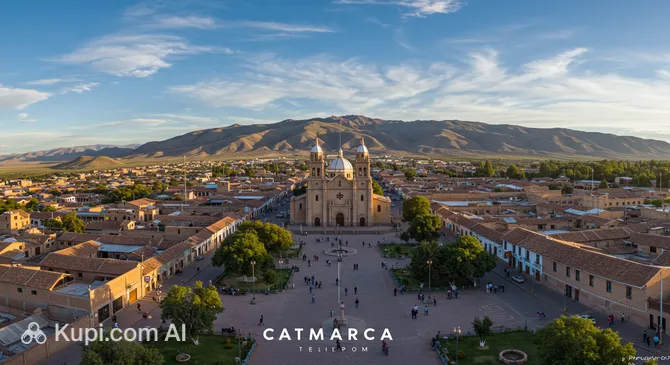
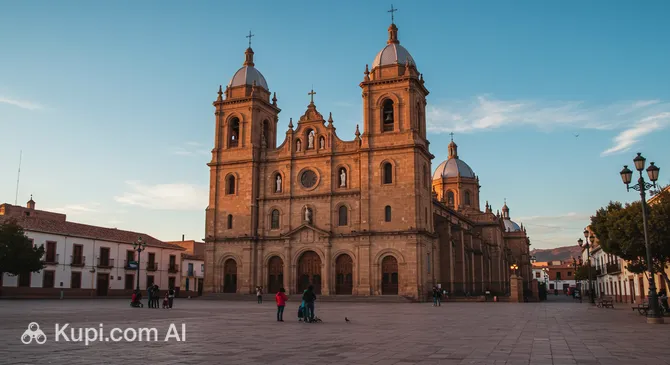
Catamarca. Source: Kupi.Binoculars

The city is renowned for its deep spiritual roots and well-preserved colonial architecture. Visitors interested in the history of Catamarca will find a fascinating narrative that intertwines indigenous traditions with Spanish heritage. A walk through the city center reveals charming streets and historic buildings that tell the story of its founding and development over the centuries.

Among its most significant attractions is the majestic Catedral Basílica de Nuestra Señora del Valle, a stunning neoclassical church that draws thousands of pilgrims annually to honor the Virgin of the Valley. The city is also famous for its textile craftsmanship, particularly the production of high-quality ponchos, which is celebrated during the vibrant Fiesta Nacional del Poncho. Whether you are exploring the lush La Alameda promenade or using the city as a base for mountain adventures, Catamarca promises an unforgettable travel experience.
Weather Overview

Catamarca experiences a climate marked by distinct seasonal changes, offering different atmospheres depending on when you visit. To help plan your activities and packing list, it is helpful to review the current weather in Catamarca. Generally, the region is known for its moderate temperatures that fluctuate significantly between summer and winter.

The summer months of January and February are the warmest, with average temperatures ranging from 20.0°C to 21.1°C and daily highs reaching up to 25.7°C. This period is also the wettest, with January recording approximately 19 wet days, so carrying an umbrella or light rain gear is meaningful. Despite the frequency of rain, the warm weather keeps the city lively and inviting.

Conversely, the winter season, spanning from June to August, brings cooler and much drier conditions. July is typically the coldest month, with average temperatures dipping to 10.2°C and minimums around 4.0°C. Precipitation is minimal during these months, often dropping to 0mm with only a couple of wet days. Overall, you can expect warm summers with occasional rain and cold, dry winters.

Interesting Facts

Beyond the main attractions, Catamarca holds many fascinating secrets that reveal the depth of its culture and history. From its wandering origins to unique local landmarks, the city offers plenty of surprises for the curious traveler.
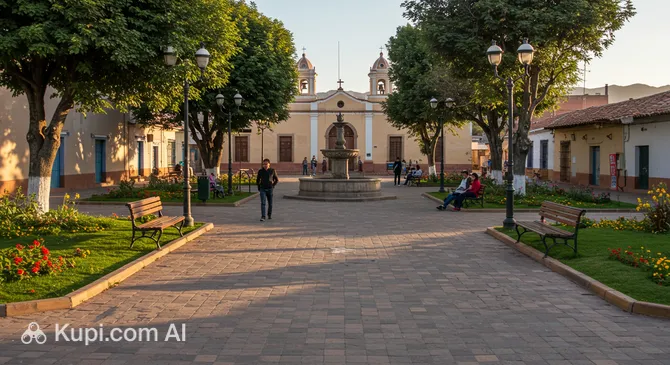
General Navarro Promenade. Source: Kupi.Binoculars
  • The Wandering City: San Fernando del Valle de Catamarca has a turbulent history of establishment. The city was founded and relocated multiple times across different sites in the region due to floods and conflicts before finally settling in its current location, earning it a reputation as a city that "traveled" to find its home.

  • A Giant Crown: While strolling through the General Navarro Promenade, locally known as "La Alameda," you will encounter a massive, colorful replica of the Virgin of the Valley's crown. This striking geometric structure is not only a tribute to the city's patron saint but also a popular photo spot for visitors.

  • Weaving Traditions: The city is a guardian of ancestral textile techniques. At the Casa de la Puna, visitors can often watch artisans weaving vicuña and llama wool on traditional looms, a craft that has been passed down through generations and is celebrated annually at the National Poncho Festival.

  • Olive Excellence: Catamarca is famous for producing some of the best olive oil and table olives in Argentina. The city is surrounded by extensive olive groves, and the local "Aceituna de Mesa" is a prized product that you will find served in almost every local restaurant.

How to Get There

Reaching Catamarca requires a bit of planning, as the city is often accessed via transport hubs in neighboring provinces. While the journey might involve a transfer, the scenic routes through the Andean foothills make the trip part of the adventure. For a comprehensive guide on all transport options, you can read more about how to get to Catamarca.

Travelers often fly into airports in nearby cities and complete the journey by ground transport. One of the most significant options is Benjamín Matienzo (TUC), located in the city of San Miguel de Tucumán, approximately 192 km from Catamarca. It is a major regional hub with frequent connections. From there, a trip by taxi or bus takes about 3 to 4 hours. Another convenient alternative is La Rioja Airport (IRJ) in La Rioja, which is closer at roughly 141 km away. The drive from La Rioja typically takes around 2.5 to 3 hours.

Additionally, you can consider Rio Hondo Airport (RHD) in Rio Hondo, situated about 136 km from the city. Although it serves fewer passengers than Tucumán, its proximity offers a slightly shorter ground transfer time of approximately 2.5 hours. All these airports provide viable entry points, followed by a road trip that allows you to witness the stunning landscapes of northwestern Argentina.

For clarity, here is a summary of the main airports:

Airport Name City Passenger Traffic Km from City
Benjamín Matienzo San Miguel de Tucumán Large 192.4
Santiago Del Estero Airport Santiago del Estero Medium 164.1
Rio Hondo Airport Rio Hondo Medium 136.2
La Rioja Airport La Rioja Small 141.6

Since direct railway services to the city are not currently a primary mode of transport for tourists, most visitors rely on the extensive network of long-distance buses or rental cars to reach Catamarca from these airports or other major Argentine cities.

Main Attractions

Catamarca offers a variety of attractions that blend faith, history, and nature, making it a compelling destination for travelers. The city's layout invites visitors to explore its cultural heritage on foot, starting from its spiritual heart and moving towards its green spaces and museums.

Standing as the spiritual epicenter of the province is the Cathedral Basilica of Our Lady of the Valley. This magnificent neoclassical temple is dedicated to the Virgen del Valle, the patron saint of the region. Tourists are drawn here not only for religious pilgrimage but also to admire the intricate architectural details and the peaceful atmosphere that pervades the interior. It is an essential stop to understand the deep devotion that characterizes local culture.

Cathedral Basilica of Our Lady of the Valley. Source: Kupi.Binoculars

Located right in the center of the city is the 25th of May Square. This sloping plaza is the main hub of social life in Catamarca, designed by the renowned landscaper Carlos Thays. It features a beautiful fountain, lush trees, and monuments, including a statue of General San Martín. It is the perfect place to sit, relax, and observe the daily rhythm of the city while surrounded by significant historic buildings like the Government House.

For those interested in the region's ancient past, the Adán Quiroga Archaeological Museum is a must-visit. Considered one of the most important museums of its kind in the country, it houses a vast collection of artifacts from pre-Columbian cultures that inhabited the area over 10,000 years. Visitors can view ceramics, stone carvings, and other archaeological treasures that provide deep insight into the indigenous history of Northwestern Argentina.

Adán Quiroga Archaeological Museum. Source: Kupi.Binoculars

If you are looking to enjoy the outdoors, the Adán Quiroga Park offers a vast green sanctuary within the city. This extensive park is ideal for a leisurely afternoon, featuring a lake, sports facilities, and plenty of space for picnics. It serves as the city's main "lung," providing a refreshing escape where locals and tourists alike can connect with nature and enjoy recreational activities.

Local Cuisine

The local cuisine of Catamarca is a delightful journey through the flavors of the Andean foothills, characterized by the use of regional ingredients like corn, pumpkin, olive oil, and the province's famous walnuts. The food here is hearty, deeply rooted in indigenous traditions, and influenced by Spanish colonial heritage, creating a gastronomic identity that is distinct within Northern Argentina.

One of the most emblematic dishes you must try is the Jigote. This is a traditional casserole unique to the region, often compared to a rustic lasagna. It is made with layers of minced meat, potatoes, onions, cheese, and bread soaked in broth or eggs, all baked to perfection. Another staple is the empanada catamarqueña, which is typically juicy and often includes potatoes, hard-boiled eggs, and sometimes raisins or olives, reflecting the abundance of local olive groves.

For those with a sweet tooth, Catamarca is renowned for its confectionery, particularly nueces confitadas (candied walnuts) and gaznates, which are small pastry cones filled with dulce de leche and covered in fondant. These treats make excellent souvenirs and are widely available in local markets and artisan shops.

When it comes to drinks, the region's growing wine industry offers excellent options. While less globally famous than Mendoza, Catamarca produces high-quality high-altitude wines, with Syrah and Bonarda being standout varietals. You can also find excellent Torrontés, a white wine that pairs perfectly with the spicy and savory local dishes.

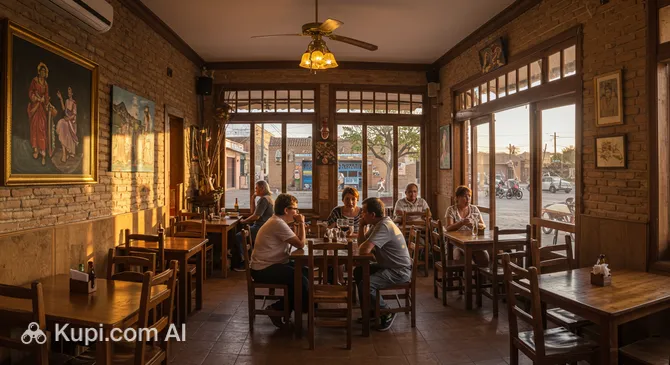
The dining scene in the city is relaxed and welcoming, ranging from family-run comedores to modern establishments. For a pleasant meal in a comfortable setting, you might visit Café Cacán, where you can enjoy a variety of dishes that cater to different tastes.

Café Cacán. Source: Kupi.Binoculars

If you are looking to unwind after a day of sightseeing, the city offers several spots to enjoy a drink and the local vibe. Refugio Catamarca is a popular bar where locals gather, offering a great atmosphere to experience the social side of the city. Whether you are sampling street food near the main square or dining in a sit-down restaurant, the hospitality of Catamarca ensures a memorable culinary experience.

Travel Tips

Visiting San Fernando del Valle de Catamarca is a wonderful opportunity to immerse yourself in the authentic culture and slow-paced lifestyle of Northern Argentina. To help you navigate the city with ease and make the most of your stay, here are some practical tips covering everything from logistics to local customs.

  1. Clothing and Gear: The climate varies greatly by season, so packing layers is essential. In summer (December to February), bring light, breathable fabrics and sun protection, as temperatures can get quite high. For winter (June to August), you will need a warm jacket and sweaters, especially for the chilly evenings. If you plan to visit the Cathedral Basilica of Our Lady of the Valley, remember to dress modestly; cover your shoulders and avoid very short skirts or shorts out of respect for the religious site.

  2. Transportation: The city center is compact and best explored on foot, allowing you to appreciate the architecture close up. For longer distances, local buses are available, but you will likely need a rechargeable card (like the SUBE card used nationally). Taxis and remises (private hire cars) are affordable and widely available; it is often safer and easier to call a remis agency or ask your hotel to book one rather than hailing a cab on the street. Renting a car is highly recommended if you plan to explore the surrounding mountains and scenic landscapes of the province.

  3. Finances: The local currency is the Argentine Peso (ARS). While some hotels and larger restaurants accept credit cards, cash is king in Catamarca, especially in smaller shops, kiosks, and for buying local crafts. ATMs are concentrated around the main square, Plaza 25 de Mayo, but they can run out of cash on weekends or holidays, so plan ahead. Tipping is customary; leaving about 10% of the bill in cafes and restaurants is standard practice.

  4. Health and Safety: Catamarca is generally a safe city for tourists, but it is always wise to keep an eye on your belongings in crowded areas and avoid walking alone in poorly lit outskirts at night. Pharmacies (farmacias) are easy to find in the center; they display a sign indicating which one is "de turno" (on duty) for 24-hour service. For any medical emergencies, the public hospital provides care, but having travel insurance is strongly advised.

  5. Communication: Spanish is the primary language, and English is not widely spoken outside of high-end tourism establishments. Learning a few basic phrases like "Hola" (Hello), "Por favor" (Please), and "Gracias" (Thank you) will go a long way. Free Wi-Fi is available in many cafes and public squares, but buying a local SIM card (Claro, Movistar, or Personal) is recommended for reliable connectivity, especially if you travel outside the city limits.

  6. Local Etiquette: Catamarcans are warm and polite people. The standard greeting, even among casual acquaintances, is a single kiss on the right cheek. When entering a shop or boarding a bus, it is polite to say "Buen día" or "Buenas tardes." Locals take their time and value social interaction, so do not be surprised if service is more relaxed than what you might be used to.

  7. What to Avoid: Avoid planning shopping trips or important errands during the afternoon "siesta" hours, typically between 1:30 PM and 5:00 PM. Businesses, banks, and even some museums close their doors during this time, and the streets become very quiet. Attempting to get things done during these hours can be frustrating and is a common mistake for first-time visitors.

  8. Additional Tip: Embrace the local devotion to the Virgin of the Valley. Even if you are not religious, treating images and shrines of the Virgin with respect is crucial, as she is a central figure in the local identity. Also, make sure to buy locally produced olive oil or walnuts from the municipal market; they are high-quality, affordable, and make for excellent gifts.

By keeping these practicalities in mind, you will be well-prepared to enjoy the hospitality and charm of Catamarca. Whether you are marveling at the landscapes or enjoying a quiet coffee on the plaza, fitting into the local rhythm will surely enhance your travel experience.

Entertainment & Nightlife

Entertainment:

San Fernando del Valle de Catamarca offers a relaxed yet engaging variety of entertainment options, ranging from modern shopping venues to cultural gatherings that celebrate the region's folklore. Whether you are looking for a place to socialize in the evening or a fun spot for the whole family, the city has something to offer.

For those who enjoy shopping and cinema, Alto Del Solar is the premier destination. This open-air shopping mall combines a stylish architectural design with a selection of boutiques, dining options, and a movie theater, making it a popular hub for both locals and tourists seeking a leisurely afternoon or evening out.

If you want to experience the authentic cultural pulse of the city, visiting a peña is a must. The Casa de la Puna is a key cultural center where you can often enjoy live traditional music, dance performances, and local gastronomy. It is a vibrant space that brings the community together and offers visitors a deep dive into the artistic heritage of Catamarca.

When the sun goes down, the city's nightlife provides a welcoming atmosphere. You can visit Kaplan, a lively bar known for its craft beers and energetic vibe, perfect for meeting friends. Alternatively, Refugio Catamarca offers a comfortable setting to enjoy drinks and conversation, reflecting the friendly and hospitable nature of the locals.

For families traveling with children, the Children's Park Catamarca is an excellent choice. This expansive park features numerous playgrounds, a carousel, and a small lake, providing a safe and entertaining environment where kids can play freely while parents relax in the green surroundings.

Parks & Museums

Catamarca balances its urban rhythm with refreshing green spaces and a rich cultural scene that invites visitors to explore the region's artistic and natural heritage. Beyond the bustling center, the city offers peaceful retreats and institutions dedicated to preserving its history and creative spirit.

One of the most picturesque spots for a stroll is La Alameda Square. This historic promenade is centered around a charming artificial lake, offering a serene environment where locals come to relax. It is an ideal location for an evening walk, allowing you to enjoy the landscaped gardens and the calming view of the water, which often reflects the surrounding city lights.

Another notable green space is Virgen del Valle Square. Located near the National University of Catamarca, this square serves as a vibrant meeting point for students and families alike. With its well-maintained paths and shaded areas, it provides a pleasant break from the city streets and is a great spot to observe local life unfolding.

For those interested in contemporary urban spaces, Huayra Tawa Square is a modern addition to the city's landscape. It is often appreciated for its artistic murals and open design, making it a unique place to visit if you are exploring the newer neighborhoods of the capital.

When it comes to museums, the city boasts several gems that delve into its identity. The Museo de Bellas Artes Laureano Brizuela is a key cultural institution, housing a significant collection of paintings, sculptures, and drawings. It focuses primarily on regional art, showcasing the talent of Catamarcan artists and providing a window into the aesthetic evolution of the province.

Visitors fascinated by the deep religious devotion of the area should visit the Museo de la Virgen del Valle. Located near the cathedral, this museum displays a fascinating collection of votive offerings, vestments, and jewels donated by pilgrims over the centuries. It offers a compelling insight into the spiritual importance of the Virgin of the Valley and the history of the faithful who travel from all over Argentina to pay homage.

For a deep dive into the region's ancient past, the Adán Quiroga Archaeological Museum remains the premier destination. While known for its extensive pre-Columbian artifacts, it also features colonial-era pieces that help complete the historical narrative of the city, making it an essential stop for history buffs.

Getting Around

The public transport system in San Fernando del Valle de Catamarca is relatively simple and primarily relies on a network of buses, locally known as colectivos. As a medium-sized city, it does not have a metro, tram, or trolleybus system. The bus lines crisscross the city and connect the central districts with the surrounding neighborhoods, making them a practical option for getting around if you do not have a private vehicle. The routes are generally numbered, and the destination is usually displayed on the front of the vehicle.

To use the public bus system, you must have a SUBE card, which is the same magnetic travel card used in the capital and many other parts of the country. Cash is not accepted on board the buses. You can purchase these cards at "kioscos" (convenience stores) or lottery agencies that display the blue SUBE logo. It is important to load credit onto the card at these same locations before you travel, as charging stations are not always available at bus stops. When boarding, simply tell the driver your destination so they can set the correct fare, and then tap your card on the reader.

Operating hours for buses typically run from early morning, around 6:00 AM, until near midnight. However, tourists should be aware that the frequency of service can drop significantly during the afternoon "siesta" hours (roughly 2:00 PM to 5:00 PM) and on weekends. It is advisable to plan your return trips in advance if you are traveling late at night, as services become much more sporadic.

A very popular and convenient alternative to buses is the use of taxis and remises. Taxis can be hailed on the street and are identifiable by their specific colors, while remises are private cars that must be booked by phone or at a designated agency base. Remises are often preferred by locals for their fixed rates or transparent pricing and are considered a safe and comfortable way to navigate the city, especially in the evenings or when carrying luggage.

For those interested in exploring beyond the city limits or visiting the nearby mountain ranges, renting a car is the most recommended option. While the city center is compact enough to be explored largely on foot, having a vehicle offers the freedom to visit scenic viewpoints and dams at your own pace. Ride-sharing apps are not as dominant here as in larger metropolises, so relying on established taxi and remis services is the standard for private transport.

Accommodation

Where to Stay:

Accommodation in San Fernando del Valle de Catamarca is designed to suit a range of preferences, primarily focusing on comfort and accessibility rather than ultra-luxury experiences. Visitors can expect to find a selection of mid-range hotels that offer modern amenities, alongside a growing number of aparthotels and temporary rental apartments, which are perfect for families or longer stays. For backpackers and budget-conscious travelers, there are several welcoming hostels and guesthouses that provide a friendly, communal atmosphere.

The most convenient area to stay is undoubtedly the city center (Microcentro). Choosing a hotel near the main plaza, 25th of May Square, places you within walking distance of the cathedral, major museums, and the commercial district. This central location allows you to easily explore the city's historical landmarks by day and enjoy the local dining scene by night without the need for extensive transport.

Regarding costs, lodging in Catamarca is generally affordable compared to larger Argentine cities like Buenos Aires or Córdoba. Prices are reasonable for the quality of service provided. While you can often find availability upon arrival, it is highly advisable to book in advance if you plan to visit during July. This is when the city hosts the massive Fiesta Nacional del Poncho, and accommodation fills up months ahead of time due to the influx of visitors.

Most established hotels and rentals are listed on major online booking platforms, making it easy to secure your reservation. However, some smaller family-run establishments may offer better rates or availability if contacted directly. Whether you choose a modern hotel suite or a cozy guesthouse, you will find the local hospitality to be warm and accommodating.

Nearby Cities

For those looking to explore the surroundings, Catamarca serves as an excellent base for day trips to several interesting nearby locations:

One of the most prominent destinations within reach is La Rioja, located approximately 148 kilometers away. As the capital of the neighboring province, it offers a fascinating mix of colonial history and dramatic natural scenery. Visitors can explore its historic center or use the city as a gateway to the stunning red rock formations and paleontological sites that characterize the region.

Another significant option is Santiago del Estero, often referred to as the "Mother of Cities" because it is the oldest continuously inhabited city in Argentina. Situated about 167 kilometers from Catamarca, it is a vibrant hub of folklore and tradition. Travelers can visit its numerous museums to delve into the country's deep cultural roots or enjoy the local music and thermal springs found in the wider province.

For those heading towards the lush greenery of Tucumán, Concepción is a charming stop known as the "Pearl of the South." It serves as a commercial hub surrounded by sugarcane fields and offers easy access to the scenic landscapes of the Aconquija mountains, providing a refreshing contrast to the arid terrain often found in the area.

City Population Distance (km)
Santiago del Estero 911506 167
La Rioja 180995 148
La Banda 106441 172
Yerba Buena 50057 190
Concepción 49782 126

These nearby destinations offer a glimpse into the diverse culture and landscapes of the region.

Shopping & Souvenirs

Shopping:

Shopping in San Fernando del Valle de Catamarca presents a distinct mix of ancestral traditions and modern convenience. The city is renowned across Argentina for its rich textile heritage, making it an excellent destination for travelers looking to acquire authentic handicrafts and regional souvenirs.

The most iconic item to purchase is the Catamarcan poncho. These garments, often woven from vicuña or llama wool, are celebrated for their exceptional quality and warmth. A recommended place to find these treasures is the Casa de la Puna, where visitors can not only browse a selection of artisanal products but also observe the traditional weaving process in person.

In addition to textiles, the province is known for its high-quality food products. Travelers should look for locally produced olive oil, which is a staple of the area's agriculture. Other popular edible souvenirs include "nueces confitadas" (candied walnuts) and homemade jams made from local fruits like cayote. These goods are widely available in specialty shops and markets near the city center.

For a contemporary retail experience, Alto Del Solar serves as the primary shopping center in the city. It offers a range of clothing boutiques, footwear stores, and accessories in a pleasant open-air setting. It is a go-to spot for browsing the latest fashion trends or finding gifts in a relaxed environment.

For general needs, ChangoMâs offers a large hypermarket selection. From groceries and camping supplies to electronics, it is a convenient location for travelers who need to restock on essentials during their stay.

Reached the end of the page?

That means the route is fully explored