Support

Santiago del Estero

About

Welcome to Santiago del Estero, a destination that holds a unique and revered place in the heart of the nation. Often called the "Mother of Cities" (Madre de Ciudades), it is the oldest continuously inhabited city in the country, founded in 1553. This historic capital offers visitors a deep dive into the roots of colonial heritage mixed with a vibrant, modern local culture that is deeply connected to folklore and tradition.

Geographically, the city is situated in the north-central region of Argentina, lying on the banks of the Dulce River. The climate here is subtropical, characterized by hot summers and mild winters, which influences the local lifestyle, including the famous afternoon siesta. As the capital of the province, it serves as a bustling urban center and a significant hub for trade and culture in the region.
Santiago del Estero. Source: Kupi.Binoculars

The city's past is integral to its identity. Visitors are encouraged to explore the fascinating history of Santiago del Estero to understand its pivotal role in the settlement of the region. Beyond its historical significance, the city is known as the cradle of folklore, particularly the rhythmic chacarera music and dance, which fills the air during festivals and gatherings.

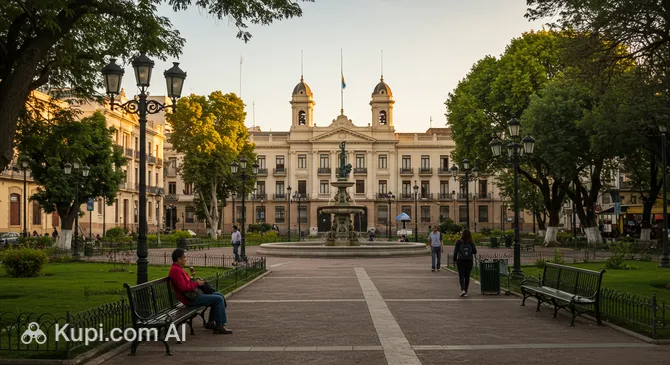
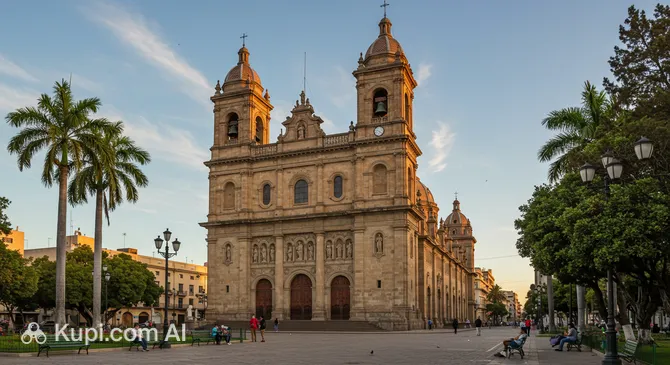
Travelers should not miss the Plaza Libertad, the city's main square, which is surrounded by important landmarks such as the majestic Catedral Basílica. For a relaxing afternoon, the expansive Parque Aguirre offers green spaces and recreational areas, while the impressive Cultural Center of the Bicentennial (Centro Cultural del Bicentenario) houses museums that showcase the area's art and archeology.

Whether you are a history buff, a lover of traditional music, or simply looking to experience the authentic warmth of northern Argentine hospitality, Santiago del Estero invites you to discover its timeless charm and spirited atmosphere.
Weather Overview

Travelers visiting Santiago del Estero should prepare for a climate that shifts noticeably between seasons, characterized by hot summers and mild, dry winters. The warmest time of the year occurs in January, where the average temperature is around 28.7°C, often climbing to a maximum of 34.1°C. This period also brings the most rainfall, with January seeing approximately 12 wet days.

Conversely, the winter months offer a distinct change in conditions. By July, the average temperature drops to 15.3°C, with cooler nights dipping to around 9.5°C. Rainfall during this time is extremely scarce, with months like June and July recording almost 0mm of precipitation. To help you pack appropriately for your specific travel dates, you can consult the detailed guide on the weather in Santiago del Estero.

Overall, expect hot and humid weather with occasional rain during the summer, while the winter season provides stable, dry, and cooler conditions ideal for those who prefer to avoid the intense heat.

Interesting Facts

Beyond the main attractions, Santiago del Estero holds many fascinating secrets that offer a glimpse into its true spirit and historical depth. Here are some unique facts that define the character of this captivating Argentine city.
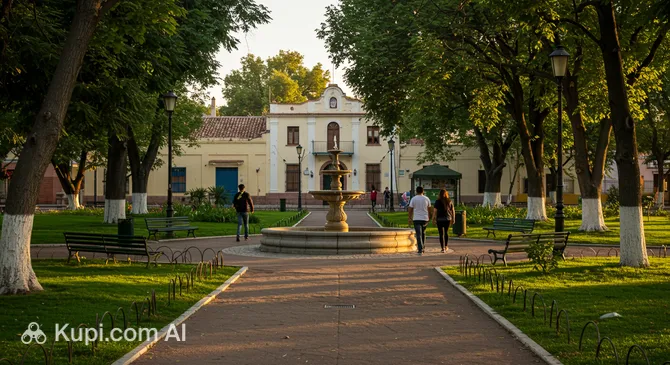
Plaza Libertad (Santiago del Estero). Source: Kupi.Binoculars
  • The city is widely known as the "Mother of Cities," but few realize the literal extent of this title. It served as the strategic launching point for Spanish expeditions that founded many other key provincial capitals, including Tucumán, Córdoba, and Salta. The central Plaza Libertad stands as the historic heart where these monumental journeys began.

  • Santiago del Estero is one of the few places in Argentina where a variety of Quichua, the language of the Incas, is still spoken by residents in rural areas. This linguistic heritage has heavily influenced the local Spanish dialect, giving the city’s slang and accent a distinct melody found nowhere else in the country.

  • The local culture places an immense value on the "siesta," which is observed here with almost religious strictness. Between roughly 2:00 PM and 5:00 PM, the city effectively shuts down to escape the afternoon heat, and the streets become completely silent, a tradition often jokingly referred to as a "provincial sport."

  • The region is the birthplace of the bombo legüero, a traditional drum crafted from hollowed tree trunks and animal hides. Its name is derived from the legend that its deep, thunderous sound can be heard from a "league" (approximately 5 kilometers) away, serving as a heartbeat for the city's rich folklore.

How to Get There

Reaching this historic city is relatively straightforward, with air travel being the most time-efficient method for most visitors. For a complete overview of all transportation options, including road travel, you can read more about how to get to Santiago del Estero.

The most direct entry point is the local Santiago Del Estero Airport (IATA: SDE), conveniently located just under 5 km from the downtown area. As the primary hub for the city, it handles a moderate volume of regional traffic. A taxi or shuttle from here to the city center is a quick journey, typically taking a brief 15 to 20-minute drive depending on traffic.

Travelers may also consider flying into Benjamín Matienzo (IATA: TUC) in the neighboring city of San Miguel de Tucumán. This airport is a larger regional hub with higher passenger traffic, offering potentially more flight connections. However, it is situated approximately 134 km away, so you should plan for a transfer time of around 2 hours by taxi or bus. Another alternative is Rio Hondo Airport (IATA: RHD) in Rio Hondo, located about 74 km from Santiago del Estero, with a travel time of approximately one hour by road.

For clarity, here is a summary of the main airports:

Airport Name City Passenger Traffic Km from City
Benjamín Matienzo San Miguel de Tucumán High 133.5
Santiago Del Estero Airport Santiago del Estero Medium 4.9
Rio Hondo Airport Rio Hondo Low 73.5

In addition to air travel, the city is well-connected by Argentina's extensive long-distance bus network. The main bus terminal receives frequent services from major hubs like Buenos Aires and Córdoba, offering a comfortable and scenic alternative for those who prefer ground transport.

Main Attractions

Santiago del Estero offers a compelling mix of historical landmarks, modern architecture, and expansive green spaces. The city's attractions reflect its status as the oldest in Argentina while embracing contemporary developments that draw visitors from across the country.

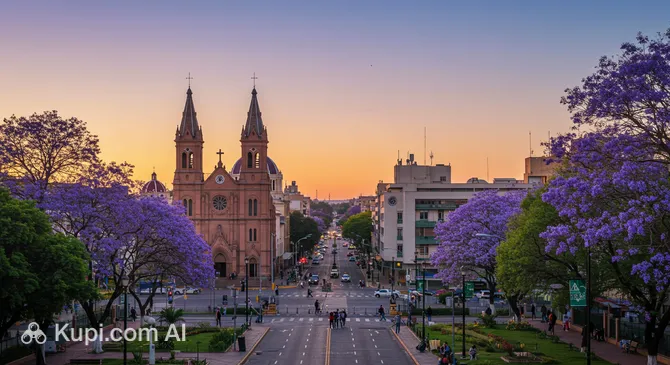
One of the most striking religious sites is the Cathedral Basilica of Our Lady of Mount Carmel. This architectural gem stands as a National Historic Monument and is the mother church of the first diocese in the nation. Tourists are drawn to its neoclassical facade and the beautifully preserved interior, which houses ancient religious imagery and serves as a peaceful sanctuary in the heart of the bustling city.

Cathedral Basilica of Our Lady of Mount Carmel. Source: Kupi.Binoculars

For a change of pace, nature lovers should head to Aguirre Park. This vast urban park acts as the city's "green lung," famous for its massive eucalyptus trees that provide welcome shade during the warm afternoons. It is a favorite spot for families and joggers, featuring recreational areas, gardens, and proximity to the Dulce River, making it perfect for a relaxing stroll or a picnic.

Aguirre Park. Source: Kupi.Binoculars

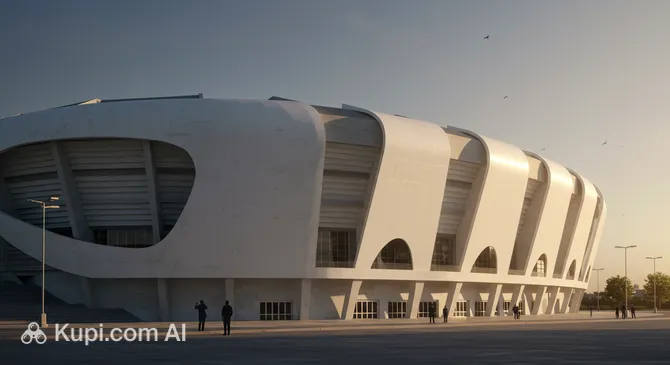
A symbol of the city's modernization is the impressive Madre de Ciudades Stadium. Even if you are not a die-hard football fan, the stadium is worth visiting for its cutting-edge cylindrical design and interactive museum. It has quickly become a landmark of provincial pride, hosting major international matches and events, and offers a glimpse into the region's deep passion for sports.

Madre de Ciudades Stadium. Source: Kupi.Binoculars

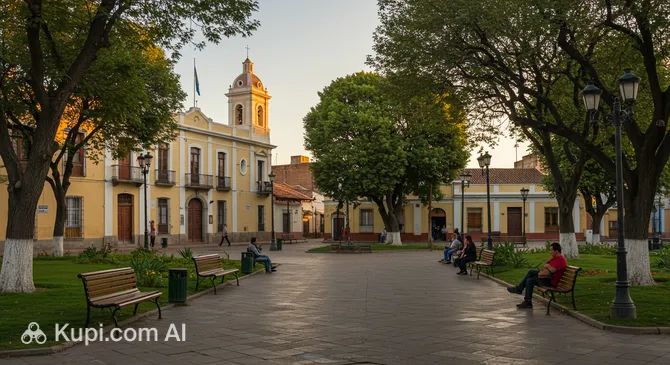
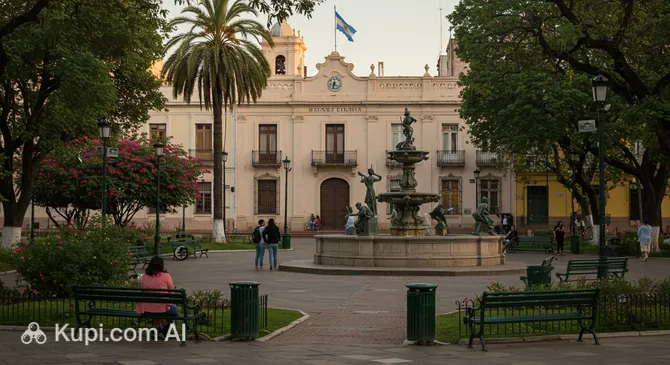
Those interested in civic history and local life should visit San Martin Square. While Plaza Libertad is the central hub, this square offers a quieter, yet equally significant atmosphere dedicated to the national hero, General José de San Martín. It is surrounded by important government buildings and features well-maintained pathways and statues, offering a pleasant environment for observing the daily rhythm of the locals.

San Martin Square. Source: Kupi.Binoculars

Local Cuisine

The gastronomy of Santiago del Estero is widely considered some of the most authentic and flavorful in Argentina. Rooted in indigenous traditions and Spanish influence, the local cuisine relies heavily on the products of the land. A trip here is not complete without tasting the famous empanadas santiagueñas. Unlike versions from other provinces, these are typically filled with hand-chopped meat that is parboiled rather than fried, mixed with cumin and hard-boiled eggs, and baked in a clay oven to ensure they are incredibly juicy.

Another signature dish of the region is cabrito (roasted kid goat). This delicacy is usually cooked slowly over a wood fire (a la estaca or a la parrilla), resulting in tender, smoky meat that falls off the bone. For those visiting during cooler months or national holidays, locro—a hearty stew made from corn, beans, pumpkin, and various meats—is a staple that warms the soul and reflects the communal nature of local dining.

When it comes to sweets, the province's native forests provide unique ingredients. You should try desserts made with algarroba (carob) flour, such as patay (a sweet, dry cake), or treats topped with arrope, a thick, dark syrup made from the fruit of the chañar or prickly pear cactus. These regional confections offer a taste of the area's natural biodiversity.

The beverage scene is equally interesting. Historically, aloja—a fermented drink made from algarrobo pods—has been the traditional choice, often associated with local folklore. However, modern tastes are also well-catered for. The city has a growing craft beer movement, and places like Del Barco Craft Brewery offer a relaxed atmosphere where visitors can sample locally brewed pints alongside tasty bar snacks.

Dining in Santiago del Estero is often a social event that extends late into the night. Locals frequent peñas, which are lively venues combining food with live folk music and dancing. For a more classic dining experience, you might visit Refugio Santiago del Estero, a restaurant known for its welcoming ambiance and diverse menu. Whether grabbing a quick bite at a street stall or sitting down for a full meal, the warmth of the local hospitality is always the main ingredient.

Refugio Santiago del Estero. Source: Kupi.Binoculars

Travel Tips

Planning a trip to the "Mother of Cities" is an exciting prospect, but having a little local know-how will make your experience much smoother. To help you navigate Santiago del Estero with ease and confidence, we have compiled a list of essential practicalities for your stay.

  1. Clothing and Gear: The summer months (December to February) can be intensely hot and humid, so pack lightweight, breathable cotton clothing, a wide-brimmed hat, and high-SPF sunscreen. If you are visiting in winter, bring layers and a warm jacket, as the temperature drops significantly at night. Comfortable walking shoes are a must for exploring the city's plazas and parks.
  2. Transportation: While local buses exist, they can be difficult for visitors to navigate without local knowledge. The most convenient and reliable way to get around is by using taxis or remises (private hire cars). It is often best to ask your hotel or restaurant to call a trusted remis agency for you rather than hailing a car on the street.
  3. Finances: The local currency is the Argentine Peso (ARS). While some hotels and larger restaurants accept credit cards, cash is king in Santiago del Estero. You will need cash for taxis, kiosks, and smaller shops. It is advisable to carry smaller bills, as finding change for large denominations can sometimes be a challenge.
  4. Health and Safety: The city is generally safe for tourists, but standard precautions should be taken; avoid walking alone in poorly lit areas at night and keep an eye on your belongings. Pharmacies are widely available and are marked with a green cross; look for a farmacia de turno if you need medicine outside of standard business hours.
  5. Communication: Spanish is the primary language, and English is not widely spoken outside of major hotels. It is highly recommended to download a translation app and offline maps before you arrive. You can purchase a prepaid SIM card from providers like Personal, Claro, or Movistar at local kiosks to stay connected.
  6. Local Etiquette: The locals are known for their warmth. The standard greeting, even for casual acquaintances, is a single kiss on the right cheek. It is also polite to greet shopkeepers with a friendly "Buen día" or "Buenas tardes" upon entering.
  7. What to Avoid: Do not expect to run errands during the afternoon. The siesta (roughly 2:00 PM to 5:00 PM) is strictly observed here; businesses close, and the streets become empty. Disturbing the peace or making loud noises in residential areas during these hours is considered disrespectful.
  8. Local Insight: Keep an ear out for the sound of drums and guitars in public squares, especially on weekends. Spontaneous chacarera dances are common, and watching the locals dance is a wonderful, free cultural experience you should not miss.

By keeping these tips in mind, you will be well-prepared to relax and immerse yourself in the rich culture and history of this fascinating destination. Enjoy the warmth of the people and the unique rhythm of life in northern Argentina!

Entertainment & Nightlife

As the sun sets and the heat of the day subsides, Santiago del Estero transforms into a lively hub of social activity. The city’s nightlife is deeply rooted in its folklore, but it also offers a modern scene that keeps locals and visitors entertained well into the early morning hours. In true Argentine fashion, the night starts late here; restaurants typically begin filling up after 10:00 PM, and bars or clubs often do not hit their stride until well past midnight.

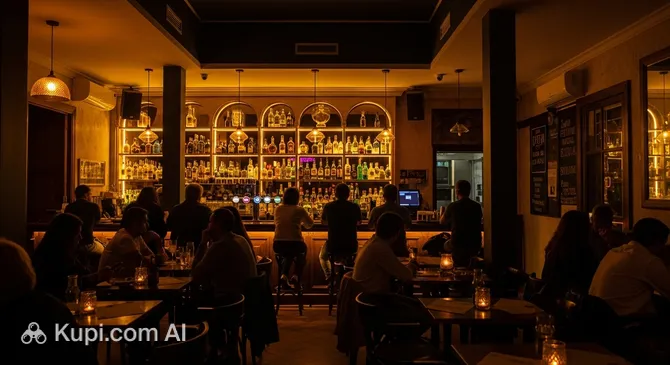
The heart of the action is concentrated around the city center, particularly near the main square and along avenues like Avenida Roca and Avenida Belgrano. Here, you will find a mix of traditional peñas—venues where folk music and dancing take center stage—and contemporary bars. For those looking to enjoy a drink in a stylish setting, Capitan Club Bar is a popular choice. It offers a vibrant atmosphere with a good selection of cocktails and music, making it a great place to socialize with the friendly local crowd.

Capitan Club Bar. Source: Kupi.Binoculars

The atmosphere in Santiago del Estero is generally relaxed and informal. The dress code for most bars and clubs is "smart casual"—you don't need to dress up formally, but neat attire is appreciated. Prices are usually quite reasonable compared to larger cities like Buenos Aires. When moving around at night, it is advisable to stick to well-lit, populated streets in the downtown area. For transportation, using a remis (private taxi) is the safest and most convenient option. It is best to have your venue call one for you or to use a reputable app rather than hailing a cab on the street late at night.

Beyond the bars and clubs, the city offers diverse entertainment options that bridge the gap between afternoon and late night. For shopping enthusiasts or those seeking a comprehensive leisure center, Portal Santiago is the go-to destination. This modern shopping mall is not just for retail; it serves as a meeting point for families and groups of friends, featuring a food court and cinema that are bustling during the evenings.

Portal Santiago. Source: Kupi.Binoculars

During the daytime, the entertainment landscape shifts towards culture and family fun. Visitors can explore the impressive 25 de Mayo Theater or the various museums housed in the Cultural Center. For those traveling with children or looking for lighthearted amusement, Neverland Portal Santiago offers an array of indoor games and rides. Whether you are seeking the thrill of a night out or a pleasant afternoon activity, Santiago del Estero provides a welcoming environment for all ages.

Parks & Museums

Exploring the cultural and natural landscape of Santiago del Estero reveals a city that deeply values its history and public spaces. Beyond the bustling streets, visitors will find serene green areas and impressive museums that preserve the region's rich heritage, offering a perfect balance between relaxation and education.

The city's most prominent green space is undoubtedly Aguirre Park. Spanning hundreds of hectares along the Dulce River, this expansive area is where locals go to unwind. It features a variety of recreational zones, including a zoo and specialized gardens. The park is not just a place for nature walks; it is a social hub where families gather for picnics and children enjoy the playgrounds, making it a lively spot particularly on weekends.

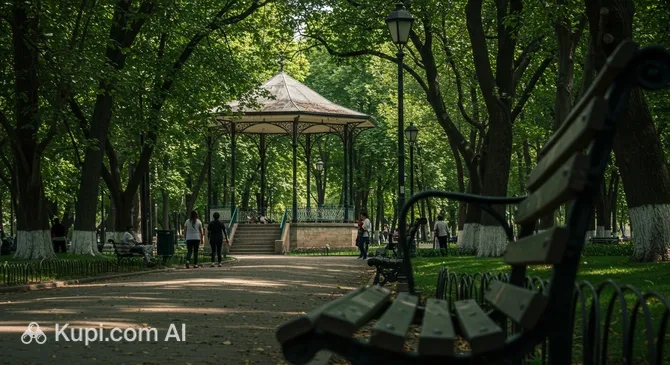
Another inviting urban space is Sarmiento Square. While smaller than the main park, this square offers a charming and well-maintained environment for a pause during a city tour. It is surrounded by local businesses and residential areas, providing a glimpse into the everyday life of the santiagueños. The square is characterized by its neat pathways and shaded benches, ideal for reading a book or simply watching the world go by.

Sarmiento Square. Source: Kupi.Binoculars

When it comes to museums, the crown jewel is the Centro Cultural del Bicentenario (Bicentennial Cultural Center). Housed in the beautifully restored Old Government House, this complex is a architectural masterpiece in itself. It brings together three significant museums: the Historical Museum, the Museum of Fine Arts, and the Museum of Anthropological Sciences. Visitors can walk through halls filled with colonial artifacts, indigenous pottery, and regional art, effectively travelling through centuries of the province's existence in a single afternoon.

For those interested in religious history, the Museo de Arte Sacro (Sacred Art Museum), located within the San Francisco convent complex, is a hidden gem. It displays a collection of religious imagery, vestments, and ornaments that date back to the colonial era, reflecting the profound spiritual roots of the "Mother of Cities."

Insider Tip: If you visit the Centro Cultural del Bicentenario, try to go in the late afternoon. The central hall often hosts impromptu musical performances or cultural presentations, and the fountain in the main courtyard adds a magical touch to the experience as the sun sets.

Getting Around

The public transport system in Santiago del Estero is primarily based on a network of buses, locally known as colectivos, which connect the city center with residential neighborhoods and the nearby city of La Banda. There is no underground metro system, but the city boasts a unique elevated light rail line that serves both as a commuter link and a tourist attraction. For most visitors, a combination of buses, the elevated train, and taxis will be sufficient to explore the main points of interest.

To use the bus system, you must purchase a rechargeable electronic card (often referred to as Boleto Electrónico). Cash is generally not accepted directly by drivers. You can buy and top up these cards at various kiosks and lottery shops throughout the city, usually marked with signage indicating "Carga de Tarjeta" or "Boleto Electrónico." The fare is nominal, making it an economical way to get around, though prices are subject to adjustments due to inflation. It is advisable to load enough credit for several trips at once to avoid having to search for a recharge point frequently.

A standout feature of the city's transport is the Tren al Desarrollo (Train to Development). This modern, elevated light rail offers panoramic views as it crosses the Dulce River and connects Santiago del Estero with the industrial and technological hub of La Banda. It stops at key locations, including the Botánico station (near the Botanical Garden and the Madre de Ciudades Stadium). The train typically runs from 08:00 to 21:00 on weekdays and has reduced hours on weekends and holidays, usually starting in the afternoon around 15:00. Frequencies are approximately every 60 minutes, and the service is currently free of charge, making it a must-try experience for visitors.

For those who prefer more direct or private transport, taxis and remises (private hire cars) are widely available and relatively inexpensive. You can hail a radiotaxi on the street, but it is often safer and more convenient to have your hotel or restaurant call one for you. Additionally, ride-hailing apps like Uber are available in the city, offering a convenient alternative if you prefer to pay digitally and track your ride. Car rentals are also an option but are less necessary if you plan to stay within the urban area.

When planning your travel, keep in mind that Santiago del Estero observes the traditional siesta. While public transport continues to operate during the afternoon (roughly 14:00 to 17:00), frequencies may decrease, and the streets will be much quieter. Always check the latest schedule for the Tren al Desarrollo if you plan to use it for a specific excursion, as its hourly frequency requires some punctuality. Finally, ensure you validate your card upon boarding the bus by holding it against the reader until the light turns green.

Accommodation

Finding the right place to stay in Santiago del Estero is relatively straightforward, as the city offers a concentrated but varied selection of accommodations. The options generally range from reliable mid-range hotels and functional business lodgings to budget-friendly hostels and temporary apartment rentals. While you will not find an abundance of ultra-luxury resorts within the city limits, there are several comfortable establishments that provide excellent service and modern amenities suitable for both short visits and longer stays.

For the most convenient experience, travelers are advised to look for accommodation in the City Center (Centro). Staying within a few blocks of the main square, Plaza Libertad, places you in the heart of the action, with easy walking access to major historical landmarks, the pedestrian shopping streets, and the cathedral. Another popular area is the vicinity of Aguirre Park. Hotels located near this expansive green space offer a quieter atmosphere while still keeping you close to the downtown core and the riverfront, making it a great choice for families or those who enjoy morning walks.

Pricing in Santiago del Estero is generally reasonable compared to larger Argentine tourist hubs. Most travelers will find the costs for a standard double room to be quite affordable. It is important to note that July is a particularly busy month due to the city's anniversary celebrations, which attract visitors from all over the country. During this period, or when major sporting events are held at the Madre de Ciudades Stadium, availability can drop quickly. Therefore, it is highly recommended to book your accommodation well in advance if your travel dates coincide with these festivities. While major hotels can be booked via international online platforms, some smaller, family-run establishments may prefer direct contact or payment in cash.

Nearby Cities

For those looking to explore the surroundings, Santiago del Estero serves as an excellent base for day trips to several interesting nearby locations:

Just a short distance across the Dulce River lies La Banda. Practically contiguous with the capital, this city is renowned as the "Cradle of Poets and Singers" (Cuna de Poetas y Cantores). It is a cultural heartbeat of the province, deeply linked to the history of Argentine folklore. Visitors here can experience an authentic atmosphere where traditional music and poetry are part of everyday life, especially during local festivals.

For a complete change of scenery, travelers can head north to San Miguel de Tucumán. Known as the "Garden of the Republic," this major city offers lush, green landscapes that contrast with the drier plains of Santiago. It is a destination of immense historical importance, housing the colonial building where Argentina's independence was declared. The city combines rich history with a vibrant urban energy and serves as a gateway to the stunning Yungas jungle.

Another option for those willing to travel a bit further is Catamarca (San Fernando del Valle de Catamarca). Nestled at the foot of the Ambato and Ancasti mountains, it offers picturesque views and is a significant pilgrimage site for the Virgin of the Valley. The city is known for its hand-woven rugs and ponchos, making it a great spot for cultural tourism and souvenir hunting.

City Population Distance (km)
San Miguel de Tucumán 605,767 143
Catamarca 159,139 167
La Banda 106,441 6
Banda del Río Salí 63,226 138
Yerba Buena 50,057 149

These nearby destinations offer a glimpse into the diverse culture and landscapes of the region, ranging from riverfront folklore hubs to historic capitals and mountain valleys.

Shopping & Souvenirs

Shopping in Santiago del Estero offers a delightful contrast between contemporary retail experiences and deep-rooted traditional commerce. Visitors can find everything from international fashion brands to artisanal crafts that reflect the province's rich folklore and identity. Whether you are looking for modern conveniences or authentic regional souvenirs, the city provides options to suit every taste.

For a complete modern shopping experience, Portal Santiago is the city's premier destination. Located conveniently within the urban area, this shopping mall features a wide array of clothing stores, electronics shops, and home goods retailers. It provides a comfortable, air-conditioned environment, which is particularly welcoming during the hot summer afternoons when outdoor temperatures rise.

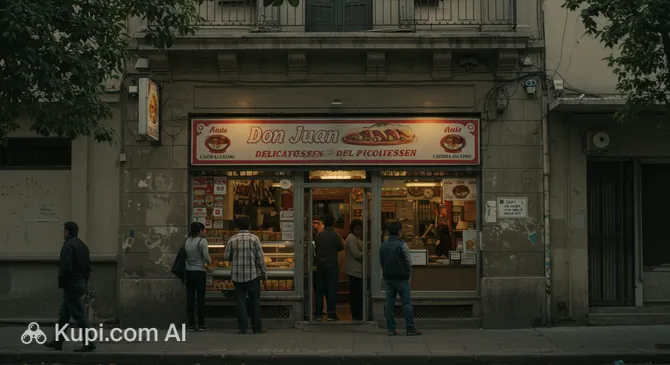
If you are looking to take home a taste of the region, specialized shops like Don Juan Delicatessen are excellent stops. Here, travelers can find premium local products, including regional wines, cheeses, and preserves. It is the perfect place to purchase edible souvenirs such as alfajores santiagueños (traditional cookies made with flour and sugar cane syrup) or jars of arrope (cactus fruit syrup) to share with friends and family back home.

Don Juan Delicatessen. Source: Kupi.Binoculars

Beyond the malls and specialty stores, the city is famous for its traditional handicrafts. Santiago del Estero is the capital of folklore, and this is evident in its markets. Visitors should look for the iconic bombo legüero, a traditional drum made from hollowed tree trunks, which makes for a unique keepsake. The Mercado Armonía is an architectural landmark and a bustling hub where you can buy fresh produce, local spices, and handcrafted textiles made by local artisans.

A crucial tip for shoppers is to respect the local schedule. As with many activities in the city, shopping hours are dictated by the siesta. Most street-side shops and traditional markets close their doors around 1:00 PM or 2:00 PM and do not reopen until 5:00 PM or 6:00 PM. However, large shopping centers typically remain open throughout the day, offering a refuge for those who prefer to shop while the rest of the city rests.

Reached the end of the page?

That means the route is fully explored