Support

Santa Maria

About

Welcome to Santa Maria, a captivating destination nestled in the heart of the Valles Calchaquíes. Located in the province of Catamarca, this city offers a unique blend of natural beauty and cultural depth, making it a significant stop for travelers exploring Argentina. Often referred to as the "Queen of the Yokavil," it serves as a vital center for the region's traditions and commerce, providing a warm and authentic atmosphere.

With a population of approximately 17,030 inhabitants, the city sits in a picturesque valley surrounded by multicolored mountains and the Santa María River. Its strategic location makes it an excellent base for discovering the surrounding landscapes, which are characterized by their arid beauty and impressive geological formations. The climate is generally dry and sunny, perfect for outdoor activities throughout much of the year.
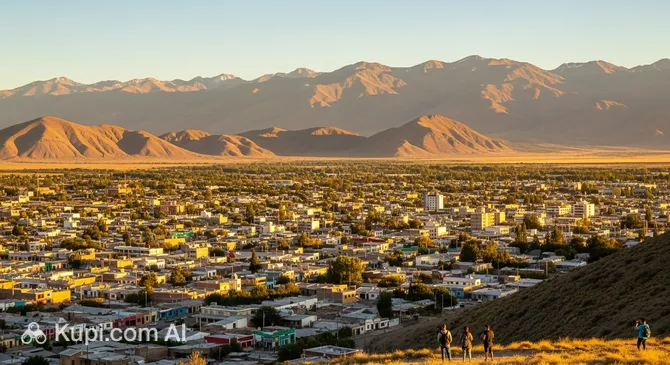
Santa Maria. Source: Kupi.Binoculars

The area is renowned for its rich archaeological heritage, reflecting a deep connection to the indigenous cultures that once thrived here. Visitors interested in the history of Santa Maria will find fascinating remnants of the past, as the region was a major settlement for the Diaguita people. This legacy is preserved in local museums and the numerous archaeological sites scattered around the valley.

Travelers are drawn to the city for its vibrant local culture and artisan crafts. You can explore workshops producing exquisite textiles and ceramics, or venture out to nearby landmarks such as the ancient ruins of Las Mojarras. The city also hosts the National Festival of the Queen of Yokavil, a lively celebration of folklore, music, and tradition that brings the streets to life.

Whether you are an archaeology enthusiast or simply seeking the tranquility of the Andean foothills, Santa Maria welcomes you with open arms. It is an ideal destination to experience the authentic spirit of the Argentine northwest and create unforgettable memories.

Weather Overview

Understanding the local climate is key to packing the right gear for your trip to the Valles Calchaquíes. For a more detailed breakdown of what to expect during your specific travel dates, you can check the current weather in Santa Maria. The city generally experiences a climate characterized by distinct seasonal variations in temperature and humidity.

During the summer months, particularly January and February, the weather is mild rather than intensely hot, with average temperatures hovering around 14°C to 15°C and daily highs reaching approximately 19°C. Interestingly, while the total precipitation volume is quite low—averaging just 5mm to 6mm—these months record a high number of wet days, suggesting that while heavy downpours are rare, light moisture or drizzle is frequent.

As the year progresses into winter, from June to August, the climate becomes significantly drier and colder. During this period, average temperatures drop to around 8°C, and nights can be chilly with minimums falling to nearly 1°C. This season is marked by clear skies, with almost zero precipitation and very few wet days, making it a crisp time for outdoor exploration if you dress warmly.

Interesting Facts

Beyond the scenic landscapes and welcoming atmosphere, Santa Maria holds a treasure trove of cultural and historical secrets waiting to be uncovered. This city is not just a stopover; it is a place where ancient traditions and unique local features create a fascinating narrative for every visitor.

  • The National Capital of Archaeology: Santa Maria is frequently recognized by this prestigious title within Argentina. The surrounding valley was the epicenter of the ancient Santa María culture (1200–1470 AD), and the area is so densely packed with pre-Hispanic ruins and artifacts that it effectively serves as an open-air museum.

  • Distinctive Funeral Urns: The region is famous for a specific style of pottery known as "Santa María style." The most iconic examples are large, intricate funeral urns used historically for the burial of infants. These vessels are characterized by their tri-color design (black, red, and white) and can be found in museums worldwide, originating right from this valley.

  • Home of the Capia Corn: The city is a primary producer of "Maíz Capia," a unique variety of soft, sweet corn that grows exceptionally well in this climate. This floury corn is the key ingredient for the local delicacy, the alfajor de capia, a traditional sweet that is distinct from other Argentine alfajores due to its crumbly texture and rich flavor.

  • A Key Stop on Route 40: Santa Maria is located directly on the legendary Ruta 40, one of the longest and most famous highways in the world. Being situated on this iconic road makes it a strategic "Kilometer Zero" for travelers navigating the Valles Calchaquíes, connecting the arid north with the lush vineyards of the south.

How to Get There

Reaching Santa Maria involves a journey through the stunning landscapes of the Argentine Northwest. While the city itself is tucked away in the Valles Calchaquíes, it is accessible via several regional transport hubs. For a complete overview of routes and travel advice, you can read more about how to get to Santa Maria in our detailed guide.

The city of Santa Maria does not have its own airport, but you can fly into Benjamín Matienzo (TUC) in the city of San Miguel de Tucumán, which is the closest major terminal at about 94.8 km from Santa Maria. This airport handles a significant amount of regional traffic (Medium scale) and serves as a convenient gateway. From there, the travel time by taxi or transfer is approximately 2 hours and 45 minutes, involving a scenic drive up through the mountains.

Another popular option for international and long-distance travelers is the Martin Miguel de Guemes International Airport (SLA) located in Salta. Although it is situated further away, at a distance of roughly 212 km, it is a major hub with "Large" passenger traffic, offering more frequent connections. The journey from Salta to Santa Maria typically takes around 5 hours and 40 minutes by road, allowing you to experience the breathtaking views of the region.

Travelers may also consider arriving via Rio Hondo Airport (RHD) in Rio Hondo, which is about 141 km away. The drive from this airport takes approximately 3 hours and 50 minutes.

For clarity, here is a summary of the main airports:

Airport Name City Passenger Traffic Km from City
Martin Miguel de Guemes International Airport Salta Large 212.2
Benjamín Matienzo San Miguel de Tucumán Medium 94.8
El Cadillal Airport San Salvador de Jujuy Medium 273.1
Santiago Del Estero Airport Santiago del Estero Small 208.3
Rio Hondo Airport Rio Hondo Small 140.9

Since there are no railway stations serving Santa Maria directly, the final leg of your journey will almost certainly be by road. Most visitors rent a car or take reliable intercity buses from these airport cities to reach the Valles Calchaquíes via the famous Route 40.

Main Attractions

As the "National Capital of Archaeology," Santa Maria offers a wealth of cultural and historical sites that allow visitors to step back in time. The city’s attractions are deeply rooted in the legacy of the Diaguita people and the stunning natural landscapes of the Calchaquí Valleys. Whether you are exploring ancient fortresses or admiring local craftsmanship, the area provides a fascinating glimpse into pre-Hispanic Argentina.

One of the most significant stops for any visitor is the Museo Arqueológico Eric Boman. Located in the heart of the city, this museum is a treasure trove of the region's past. It houses an impressive collection of ceramic pieces, textiles, and stone artifacts belonging to the Santa María culture. The highlight for many is the display of the famous funeral urns, which are unique to this valley and offer deep insight into the spiritual and artistic life of the area's original inhabitants.

Just a short distance from the city center lies the Pucará de las Mojarras, an archaeological site that stands as a testament to the region's defensive history. Perched on a hill, this ancient fortress offers visitors the chance to walk among the remains of stone walls and dwellings that date back centuries. Apart from its historical value, the site provides panoramic views of the surrounding valley and the Santa María River, making it a perfect spot for photography and contemplation.

For those interested in the living culture of the Andes, the Monumento a la Pachamama is a must-see landmark. This imposing sculpture honors Mother Earth, a central figure in the belief system of the indigenous peoples of the northwest. It serves not only as an artistic monument but also as a reminder of the deep connection the local community maintains with nature and their ancestral traditions.

Another architectural gem is the Iglesia Nuestra Señora de la Candelaria. This beautiful church is the spiritual heart of the city and features a striking design that blends colonial influences with local simplicity. Inside, visitors can admire the peaceful atmosphere and the devotion of the locals, particularly during the patron saint festivals which fill the streets with color and music.

Local Cuisine

The culinary scene in Santa Maria is a delightful journey into the heart of the Andean traditions of the Argentine Northwest. The local cuisine is characterized by its use of ancestral ingredients, such as corn, potatoes, and pumpkins, blended with Spanish influences to create hearty and flavorful dishes. Dining here is not just about sustenance; it is a cultural experience that connects visitors with the history of the Valles Calchaquíes.

One of the absolute must-try dishes is the empanada. In this region, they are typically juicy and filled with hand-cut meat, onions, and hard-boiled eggs, often seasoned with cumin and paprika. Another staple is locro, a thick, warming stew made from corn, beans, and meat, traditionally enjoyed during festivals but available year-round in many local eateries. For those who prefer roasted meats, the cabrito (roasted kid goat) is a regional specialty, cooked slowly over a wood fire to achieve a tender texture and smoky flavor.

Santa Maria is particularly famous for its unique sweets, most notably the alfajor de capia. Unlike the standard Argentine alfajor, this delicacy is made from "Capia" corn flour, giving it a distinctive crumbly texture, and is filled with rich dulce de leche or fruit jams. You should also try sweets made from cayote (a local squash) and walnuts, which are often sold by artisans in the main square and local markets.

To accompany these meals, the region offers excellent beverages. As part of the Valles Calchaquíes, Santa Maria produces high-quality wines, particularly Torrontés and Malbec, which benefit from the high altitude and sunny climate. For a more traditional non-alcoholic option, you might encounter arrope, a thick syrup made from chañar or prickly pear fruits, often used to sweeten desserts or drinks.

The food culture here is relaxed and welcoming. Locals and tourists alike gather in family-run restaurants known as comedores or traditional peñas, where dinner is often accompanied by folk music and singing. Exploring the local markets is also highly recommended, as it allows you to taste fresh regional produce, buy homemade spices, and interact with the friendly producers who keep these culinary traditions alive.

Travel Tips

Visiting Santa Maria is a journey into the heart of the Valles Calchaquíes, where ancient history and stunning landscapes meet. To ensure your trip through this captivating region of Catamarca in Argentina is as smooth and enjoyable as possible, we have compiled a set of practical tips to help you navigate local customs and logistics.

  1. Clothing and Gear: Since Santa Maria is located in a high-altitude valley, the weather can change drastically between day and night. It is essential to pack layers; bring lightweight, breathable clothing for the sunny afternoons and a warm fleece or jacket for the chilly evenings. Comfortable, sturdy walking shoes are a must for exploring the archaeological sites like Pucará de las Mojarras. Don't forget a wide-brimmed hat, sunglasses, and high-SPF sunscreen, as the sun is very strong at this altitude.

  2. Transportation: The city center is compact and walkable, but to explore the surrounding attractions or travel along Route 40, renting a car is the most flexible option. Public transport consists mainly of intercity buses connecting to Tucumán or Salta, which are reliable but run on fixed schedules. Within the town, you can use remises (private taxis), but it is advisable to book them by phone or at a designated agency rather than hailing them on the street.

  3. Finances: While some hotels and larger restaurants may accept credit cards, cash is definitely king in Santa Maria. Many artisan shops, small markets, and local eateries only accept Argentine Pesos in cash. There are ATMs in the city center, but they can occasionally run out of money or have low withdrawal limits, so it is wise to arrive with sufficient cash for your daily expenses. Tipping is customary in restaurants, usually around 10% of the bill.

  4. Health and Safety: Santa Maria is generally a safe and peaceful destination for tourists. However, standard precautions like keeping an eye on your belongings in public areas apply. In terms of health, the primary concern is the altitude and sun; stay hydrated and protect your skin. Pharmacies are available near the main square (Plaza Belgrano), and some operate on a rotating shift (de turno) for after-hours needs. Local tap water is generally safe, but bottled water is recommended for short-term visitors to avoid any stomach upset.

  5. Communication: The primary language is Spanish, and English is not widely spoken outside of high-end tourism services. Learning a few basic phrases—such as greetings and numbers—will be greatly appreciated by the locals. It is highly recommended to buy a local SIM card (Personal or Claro usually have decent coverage in the north) for maps and translation apps, as Wi-Fi may only be available in your accommodation.

  6. Local Etiquette: The pace of life here is relaxed and polite. When entering a shop or greeting someone, a friendly "Buenos días" or "Buenas tardes" is expected. The siesta is a respected tradition; many businesses close from around 1:00 PM to 5:00 PM. Do not expect to go shopping during these hours—instead, use this time to rest or enjoy a quiet lunch.

  7. What to Avoid: Avoid climbing on or touching the ancient walls at archaeological sites unless explicitly permitted. These ruins are fragile and culturally significant. Also, try not to be impatient with service speeds; the lifestyle in the interior of Argentina is slower than in Buenos Aires, and rushing people is considered rude.

  8. Shopping Tip: If you want to buy authentic souvenirs, look for the Mercado Artesanal or visit the workshops of local weavers. The prices are often better than in larger cities, and the quality of the llama and sheep wool textiles is exceptional. Also, ask specifically for the alfajor de capia—it is a regional specialty you won't easily find elsewhere.

By keeping these tips in mind, you will be well-prepared to embrace the authentic charm of Santa Maria. Whether you are bargaining for spices at a local market or watching the sunset over the colored mountains, a little local knowledge will make your adventure in the Argentine Northwest truly unforgettable.

Entertainment & Nightlife

While Santa Maria is known for its tranquil daytime atmosphere and archaeological treasures, the city comes alive in its own unique way after the sun sets. The nightlife here is not about massive superclubs but rather focuses on social gatherings, good music, and the warm hospitality typical of the Argentine Northwest. The pace is relaxed, and the evenings are long, often starting with a late dinner and extending into the early morning hours on weekends.

The center of activity is undoubtedly around the main square, Plaza Manuel Belgrano, and the streets surrounding it. This is where locals and tourists converge to enjoy the cool evening air. The atmosphere is casual and friendly; there is no strict dress code, and jeans or casual wear are perfectly acceptable everywhere. For those looking to experience the local vibe, there are several cozy resto-bars and pubs in this area where you can enjoy cocktails, craft beers, and live music in a laid-back setting.

For visitors who want to dance, the options are limited but lively. On weekends, local nightclubs open their doors to a younger crowd, playing a mix of cumbia, reggaeton, and pop music until dawn. It is important to note that, like in most of Argentina, the "boliches" (nightclubs) start very late. It is common to arrive after 2:00 AM, as the venue will be empty before then. Before heading to the club, many people gather at "previas" (pre-drinks) or stay late at restaurants.

A quintessential part of entertainment in this region is the peña folklórica. These are traditional gatherings where musicians play folk music (folklore), and people eat empanadas and drink regional wine. While specific venues may change or operate seasonally, asking locals about the nearest peña is the best way to find an authentic experience. The energy at these events is contagious, often involving audience participation and traditional dancing with handkerchiefs.

Special events also play a major role in the city's entertainment calendar. The highlight of the year is the Festival del Yokavil (National Festival of the Queen of Yokavil), usually held in late January or early February. This massive celebration attracts renowned artists from across the country and features nights filled with folk music, rock, and cultural displays. Other events, such as the local Fiesta de la Cerveza (Beer Festival), offer fun seasonal activities for visitors.

Regarding daytime entertainment, Santa Maria offers culturally enriching alternatives to the nightlife. Apart from the archaeological sites, you can visit local artisan markets to see weavers at work or explore the museums to deepen your understanding of the region's history. For nature lovers, the daylight hours are best spent hiking in the colorful hills or visiting nearby vineyards to taste the famous Torrontés wine.

Practical Advice and Safety: Santa Maria is a safe and peaceful town, and walking around the center at night is generally secure. However, as a precaution, stick to well-lit streets around the plaza. Taxis are not always hailed on the street; instead, the local system relies on remises (private cars). It is advisable to ask your restaurant or hotel to call a remis for you if you need to travel far or return to your accommodation late at night. Prices are affordable, and it is the most convenient way to get around.

Parks & Museums

While Santa Maria may not boast the sprawling urban parks found in larger metropolises, the city itself serves as a gateway to some of the most impressive natural landscapes in Argentina. The true "green spaces" here are the surrounding valleys and the manicured plazas that act as the social heart of the community, while its museums serve as vital custodians of the region's rich pre-Hispanic history.

The central hub of local life is Plaza Manuel Belgrano. This is the city's main square and functions as its primary public park. Surrounded by leafy trees that offer much-needed shade during the warm afternoons, the plaza is meticulously maintained and features a central fountain that adds a sense of tranquility. It is the perfect spot for travelers to sit on a bench, enjoy a local ice cream, and observe the slow, relaxed pace of daily life in the valley.

For those seeking a more rugged natural experience, the banks of the Santa María River offer a distinct setting. Although dry for parts of the year, the riverbed and its surroundings provide a wide-open space framed by the magnificent multicolored mountains. It is a popular area for locals to take walks, enjoy the sunset, or simply admire the geological formations that define the Valles Calchaquíes. The contrast between the arid soil and the blue sky creates a stunning backdrop for photography.

When it comes to museums, the Museo Arqueológico Eric Boman is the undisputed cultural highlight. Located right in front of the main square, this institution is essential for understanding the depth of the "Santa María" culture that flourished here centuries ago. The museum houses a comprehensive collection of ceramics, funerary urns, and stone tools. Unlike larger, impersonal museums, the intimate setting here allows visitors to get up close to artifacts that tell the story of the Diaguita people and their sophisticated artistry.

Another key cultural venue is the Centro Cultural Yokavil. While it functions as a multipurpose space, it often hosts exhibitions, artistic performances, and events that showcase the living heritage of the region. It is a great place to witness how contemporary local artists interpret their ancestral roots through modern mediums, bridging the gap between the ancient history of the valley and its present-day identity.

In terms of historical sites that function as open-air museums, Fuerte Quemado is a significant landmark located just a short drive from the city center. This archaeological site was a strategic settlement for the indigenous population and later for the Incas. Visitors can wander among the stone foundations and defensive walls, experiencing history in situ. The site offers a powerful connection to the past, allowing you to visualize the scale of the civilizations that once inhabited these valleys.

For a truly authentic experience, look beyond the glass cases of museums and visit the local artisan workshops. Many weavers and potters in Santa Maria work with techniques passed down through generations. Visiting a workshop is like stepping into a living museum where you can watch raw wool being spun or clay being molded into traditional forms, offering a personal connection to the culture that no exhibit can match.

Getting Around

Navigating Santa Maria is remarkably straightforward due to its compact size and laid-back atmosphere. Unlike large metropolises, this city does not have a complex public transport network comprising metros, trams, or extensive municipal bus lines. For the vast majority of visitors, the most efficient and enjoyable way to get around the city center is simply on foot. The main attractions, restaurants, and the central plaza are all located within a short walking distance of each other.

For distances that are too far to walk, such as visiting the archaeological sites on the outskirts or traveling with heavy luggage, the primary mode of motorized transport is the remis. These are private cars that function similarly to taxis but operate without a meter and must be booked in advance or taken from a designated agency (remisería). You will not typically see traditional taxis cruising the streets to be hailed. Remises are reliable, safe, and relatively inexpensive. It is standard practice to ask for the fare price upfront when you call to book or before you get in the car.

Regarding the bus system, Santa Maria serves mainly as a hub for regional rather than urban transport. The city has a central Bus Terminal (Terminal de Ómnibus) where long-distance and regional buses arrive and depart, connecting you to neighboring towns and major cities like Tucumán or Cafayate. While there may be infrequent local minibuses connecting nearby rural communities, they do not follow a strict schedule suitable for tourism. Therefore, travelers should not rely on public buses for getting around within the city limits itself.

Payment methods in Santa Maria are predominantly cash-based. While major cities in the region use the SUBE card for public transit, in smaller towns like this, the infrastructure is different. For regional buses departing from the terminal, you will need to buy paper tickets at the respective company counters using cash or, in some cases, debit cards. For remises, cash is the only accepted form of payment. It is highly advisable to carry small bills (Argentine Pesos), as drivers often struggle to make change for large denominations.

Car rental is a popular alternative and arguably the best option for those wishing to explore the Valles Calchaquíes at their own pace. Having a vehicle allows you to drive along Route 40 and visit remote attractions like the Quilmes Ruins or local vineyards without being tied to bus schedules. There are a few local rental agencies, but availability can be limited, so booking in advance is recommended.

For a more leisurely pace, cycling is an excellent way to see the city and its immediate surroundings. The terrain in the valley floor is relatively flat, making it accessible for most fitness levels. Some accommodations and local tour operators offer bike rentals. Riding a bike allows you to enjoy the fresh air and the stunning views of the surrounding mountains while moving faster than walking speed.

Practical advice for tourists includes being mindful of the siesta time. Between approximately 1:00 PM and 5:00 PM, activity in the city slows down significantly. While remises generally operate around the clock, ticket counters at the bus terminal or rental agencies may close during these hours. Plan your logistical movements for the morning or late afternoon to ensure services are fully available.

Accommodation

Finding the perfect place to stay in Santa Maria is part of the charm of visiting the Valles Calchaquíes. The city offers a welcoming selection of accommodation that reflects its relaxed and rustic atmosphere. While you will not find massive international luxury chains here, travelers can choose from a comfortable range of options, including cozy guesthouses, budget-friendly hostels, traditional hotels, and scenic cabins.

The most convenient area for most visitors is the city center, particularly the blocks surrounding the main square, Plaza Manuel Belgrano. Staying here places you within easy walking distance of the primary attractions, such as the archaeological museum, as well as local restaurants and artisan shops. This location is especially recommended for those arriving by bus or anyone who prefers to have amenities right on their doorstep.

For those seeking more tranquility and a deeper connection with the landscape, the outskirts of the city and the areas along Route 40 offer wonderful alternatives. This region is famous for its cabañas (cabins) and bungalow complexes. These accommodations often feature spacious gardens, swimming pools, and kitchen facilities, making them ideal for families or travelers with cars who want to wake up to stunning views of the multicolored mountains.

Booking Tip: Although Santa Maria is a peaceful destination, accommodation capacity can be tested during major local events, such as the Festival del Yokavil in the summer or during the Easter holidays. It is highly advisable to book your stay well in advance if you plan to visit during these peak seasons to ensure you get your preferred choice.

Regarding costs, the city is generally very affordable compared to larger tourist hubs in Argentina. Prices typically range from budget to mid-range. While some of the larger hotels and cabin complexes are listed on major online booking platforms, many smaller, family-run establishments still operate largely through direct contact via phone or WhatsApp. Additionally, keep in mind that cash payments are often preferred by local hosts.

Nearby Cities

For those looking to explore the surroundings, Santa Maria serves as an excellent base for day trips to several interesting nearby locations. The region connects the arid landscapes of the Valles Calchaquíes with the lush vegetation of the Yungas, offering diverse experiences within a reasonable distance.

One of the most prominent destinations is San Miguel de Tucumán, the historic capital of the neighboring province. Known as the "Garden of the Republic," it is famous for the Casa Histórica, where Argentina's independence was declared, and its vibrant city life. Further south lies Catamarca (San Fernando del Valle de Catamarca), the provincial capital. It is a major pilgrimage site due to the Cathedral Basilica of Our Lady of the Valley and offers stunning views of the Ambato and Ancasti mountains. For those seeking nature and relaxation, Yerba Buena provides a greener atmosphere with its "garden city" vibe, situated at the foot of the San Javier hill.

City Population Distance (km)
San Miguel de Tucumán 605,767 83
Catamarca 159,139 197
Banda del Río Salí 63,226 89
Yerba Buena 50,057 75
Concepción 49,782 84

These nearby destinations offer a glimpse into the diverse culture and landscapes of the region, ranging from historical urban centers to scenic foothills perfect for a day of exploration.

Shopping & Souvenirs

Shopping in Santa Maria is a delightful experience that focuses less on international brands and more on authentic regional craftsmanship. As a city deeply rooted in the traditions of the Valles Calchaquíes, the commercial scene here offers a unique opportunity to purchase goods that reflect the area's rich archaeological and cultural heritage. Visitors will find that shopping is an intimate affair, often involving direct interaction with the artisans who create the products.

The main shopping activity is concentrated in the city center, particularly along the streets surrounding the central square, Plaza Manuel Belgrano. This area serves as the commercial heart of the town, where you can find a variety of small boutiques, pharmacies, and general stores. A stroll down these streets allows you to browse for clothing, local foods, and everyday necessities in a relaxed, open-air environment.

Travelers accustomed to large urban centers should note that Santa Maria does not have large shopping malls or sprawling department stores. The retail landscape is dominated by family-run businesses and small commercial galleries. This absence of big chains preserves the town's rustic charm and ensures that your purchases support the local economy directly.

The highlight of the local shopping scene is undoubtedly the Mercado Artesanal (Artisan Market). This is the best place to find high-quality handicrafts made by local producers. Here, you can admire and purchase intricate works of basketry made from simbol (a local plant fiber), as well as hand-woven textiles using llama and sheep wool. It is a vibrant spot where the artistic legacy of the region comes to life.

When it comes to souvenirs, Santa Maria offers several distinct items that are perfect for taking a piece of Argentina home with you. The city is famous for its ceramics, particularly replicas of the iconic Santa María-style funeral urns and other pottery inspired by the ancient Diaguita culture. Another must-buy is the alfajor de capia, a regional sweet made from a specific type of corn flour that you will rarely find elsewhere. Additionally, bags of local spices like cumin and paprika, as well as jars of arrope (fruit syrup) and mistol, make for excellent and affordable gifts.

It is important to be mindful of local business hours, as the tradition of the siesta is strictly observed. Most shops open in the morning around 8:30 AM or 9:00 AM, close between 1:00 PM and 5:00 PM, and then reopen until late in the evening, often staying open until 9:00 PM or 10:00 PM. Plan your shopping trips for the morning or late afternoon to avoid finding closed doors.

Regarding payments, cash is essential in Santa Maria. While some larger supermarkets or hotels may accept credit and debit cards, the majority of artisan stalls, small souvenir shops, and local markets operate exclusively with cash (Argentine Pesos). ATMs are available in the city center, but it is always wise to carry enough cash for your planned purchases. Tax-free shopping (VAT refund) is generally not available in the small artisan shops found in this town.

Reached the end of the page?

That means the route is fully explored