Support

Salta

About

Known affectionately as Salta la Linda ("Salta the Beautiful"), this captivating city is a jewel in the northwest of Argentina. Famous for its well-preserved colonial architecture and vibrant culture, Salta offers a unique blend of historical charm and stunning natural landscapes. It serves as the capital of the Salta Province and is a bustling hub with a population of over 535,000 inhabitants, making it a lively destination for travelers seeking authenticity.

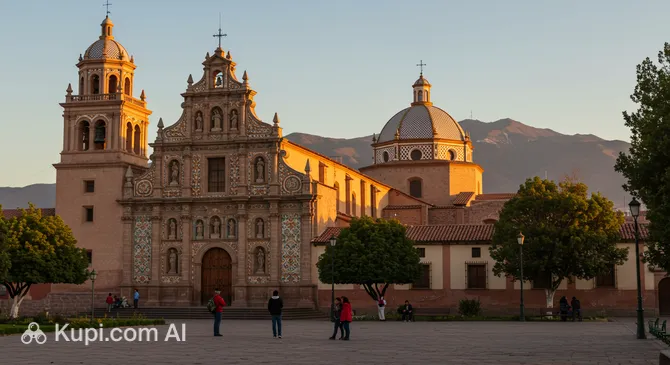
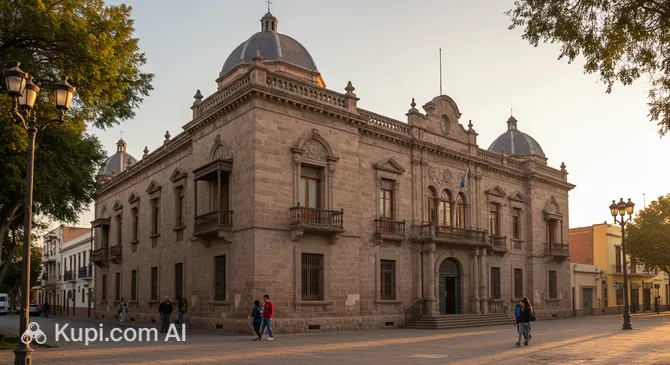
Situated in the Lerma Valley at the foothills of the Andes mountains, the city enjoys a moderate climate that makes visiting pleasant year-round. The fascinating history of Salta is evident in its city center, where visitors can admire the 18th-century Cabildo and the striking pink Cathedral of Salta. Walking through its streets feels like stepping back in time, surrounded by some of the country's best-preserved Spanish colonial buildings.
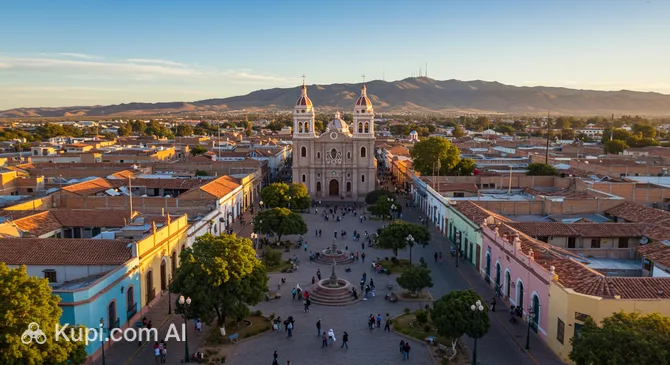
Salta. Source: Kupi.Binoculars

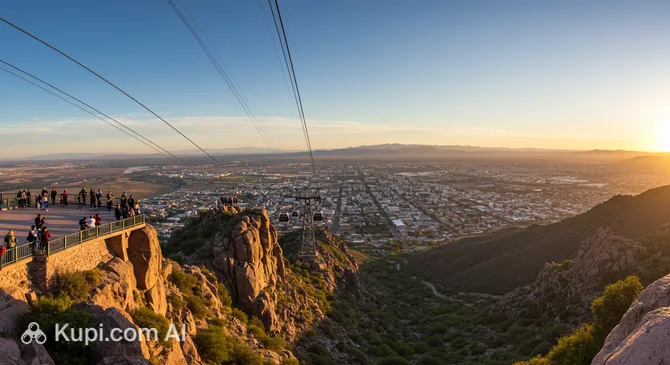
Beyond its architectural beauty, the city is a gateway to incredible adventures. Tourists flock to the Museum of High Altitude Archaeology (MAAM) to see the famous Children of Llullaillaco, or take a ride on the cable car up to Cerro San Bernardo for a panoramic view of the valley. It is also the starting point for the legendary Tren a las Nubes (Train to the Clouds), one of the highest railways in the world.

Whether you are exploring its museums, enjoying the local folklore at a traditional peña, or tasting the region's renowned empanadas, Salta promises an unforgettable experience. We invite you to discover the warmth and beauty of this extraordinary Andean city.
Weather Overview

The city of Salta enjoys a moderate climate influenced by its location in the Lerma Valley, offering distinct seasons for travelers. Before packing for your trip, it is worth checking the detailed weather in Salta to ensure you are prepared for the conditions.

Summers, spanning from December to February, are generally warm and humid. During this time, you can expect average temperatures around 19.4°C, with January highs reaching 23.5°C. This is the wettest time of the year, with January experiencing roughly 26 wet days, so carrying a raincoat is advisable.

In contrast, the winter months of June through August are cooler and significantly drier. The average temperature in July dips to 10.6°C, with minimums around 5.2°C, requiring warmer clothing for the evenings. Rainfall is scarce during this period, with August recording only about 5 wet days, often providing crisp and clear days for exploration.

Interesting Facts

Beyond the picturesque plazas and colonial facades, Salta holds a treasure trove of fascinating stories and cultural secrets waiting to be uncovered. From ancient Incan mysteries to miraculous legends, the city offers depths that surprise even the most seasoned travelers.

Museum of High Altitude Archaeology. Source: Kupi.Binoculars
  • The Frozen Children of the Andes: The Museum of High Altitude Archaeology houses one of the most significant archaeological discoveries of modern times: the Children of Llullaillaco. These three Inca children were found near the summit of a volcano at 6,700 meters above sea level and are considered the best-preserved mummies in the world, naturally maintained by the freezing temperatures for over five centuries.

  • A Miracle Against Earthquakes: Salta is the center of a profound religious tradition born from a legend of survival. It is said that a terrifying earthquake in 1692 ceased only after the statues of the Lord and the Virgin of the Miracle were brought out into the streets. Today, this event is commemorated annually in September with a massive procession that is one of the largest in South America.

  • The Tower Record: The iconic San Francisco Church and Convent, Salta is not just famous for its striking plum-red and gold color scheme. Its bell tower, rising 54 meters into the sky, holds the distinction of being the tallest church tower in South America designed by the architect Luis Giorgi, serving as a beacon visible from much of the city.

  • A Window to the Past: While many Argentine cities have modernized, Salta retains the country's most complete colonial government house. The historic Cabildo, which now hosts the Museum of the North, is a rare architectural gem that has survived virtually intact, offering visitors a direct glimpse into the viceregal era of the 18th century.

How to Get There

Planning a trip to this Andean gem is straightforward, with air travel being the most efficient method for most visitors. For a detailed overview of all transport options, including road routes, you can read more about how to get to Salta.

The most convenient entry point is the Martin Miguel de Guemes International Airport (SLA), situated just over 10 km from the city center. It is the busiest hub in the region, handling a significant number of passengers annually. A taxi or transfer from this airport to downtown Salta typically takes about 35 minutes, offering a quick start to your visit.

Another viable option is to fly into El Cadillal Airport (JUJ), located in the neighboring city of San Salvador de Jujuy. While it is approximately 54 km away from Salta, it is a useful alternative for those touring the wider northern region. The journey by road from this airport to Salta takes around 1 hour and 40 minutes.

For clarity, here is a summary of the main airports:

Airport Name City Passenger Traffic Km from City
Martin Miguel de Guemes International Airport Salta Large 10.4
El Cadillal Airport San Salvador de Jujuy Medium 54.3
Benjamín Matienzo San Miguel de Tucumán Medium 230.3

Beyond flying, Salta is well-connected to the rest of Argentina by an extensive network of long-distance buses. The city's bus terminal is a busy hub receiving comfortable coaches from major cities like Buenos Aires and Córdoba. Traveling by road allows visitors to appreciate the stunning changing landscapes of the province, from lush valleys to arid mountains.

Main Attractions

Salta is a city that invites exploration, boasting a rich tapestry of colonial history, stunning landscapes, and deep-rooted traditions. From its bustling central square to its serene mountain viewpoints, the city offers a variety of experiences that capture the essence of northern Argentina. Here are some of the must-visit sites that define the character of this beautiful destination.

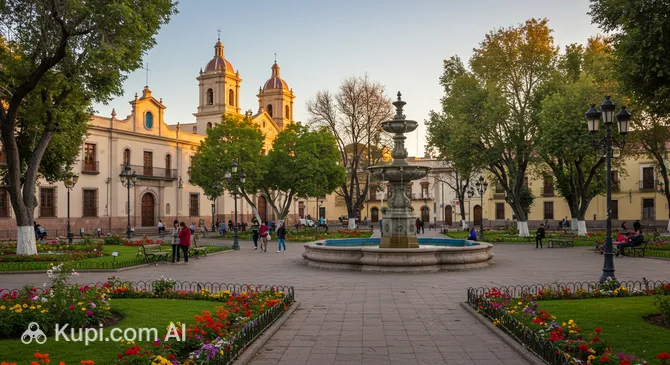
The beating heart of the city is undoubtedly Plaza 9 de Julio. Unlike many other main squares in the country, this plaza remains lively and vibrant throughout the day and well into the night. It is framed by elegant arcades and historic buildings, including the Cathedral and the Cabildo. Tourists and locals alike gather here to enjoy a coffee at one of the many sidewalk cafes, admire the carefully tended gardens, or simply soak in the atmosphere of Salta's social center.

Plaza 9 de Julio. Source: Kupi.Binoculars

Just a few steps from the main square, you will find the world-renowned Museum of High Altitude Archaeology (MAAM). This institution is fascinating for its dedication to preserving the "Children of Llullaillaco," three Inca children discovered perfectly preserved near the summit of a volcano. The museum offers a respectful and deeply informative look into the Inca civilization and their mountain rituals, making it a compelling stop for history enthusiasts and curious travelers alike.

For the best panoramic views of the city and the surrounding Lerma Valley, a visit to Cerro San Bernardo is essential. Standing guard over the eastern edge of the city, this hill can be reached by a scenic cable car ride or a vigorous climb up the stone steps. Once at the top, visitors are rewarded with lush gardens, artificial waterfalls, and a breathtaking perspective of the urban landscape stretching out towards the Andes, particularly stunning at sunset.

Cerro San Bernardo. Source: Kupi.Binoculars

One of the most photographed landmarks in the city is the San Francisco Church and Convent, Salta. Instantly recognizable by its vibrant plum-red facade and golden details, this architectural gem is a masterpiece of the colonial era. Its 54-meter-high bell tower is the tallest in South America, serving as a beacon for the faithful and tourists. Inside, the church is just as impressive, housing valuable artistic and religious treasures that tell the story of the region's spiritual past.

San Francisco Church and Convent, Salta. Source: Kupi.Binoculars

To dive deeper into the local history and the struggle for independence, the Güemes Museum offers a modern and interactive experience. Dedicated to General Martín Miguel de Güemes, a national hero and leader of the "Gaucho War," this museum uses audiovisual technology and immersive exhibits to bring the 19th century to life. It provides a unique insight into the gaucho culture and the pivotal role Salta played in the formation of Argentina.

Local Cuisine

The cuisine of Salta is widely regarded as some of the most distinctive and flavorful in Argentina, offering a delicious blend of Spanish colonial traditions and indigenous Andean ingredients. Unlike the beef-centric menus found elsewhere in the country, the local gastronomy here relies heavily on corn, spices, and slow-cooked preparations that warm the soul, making every meal a cultural experience.

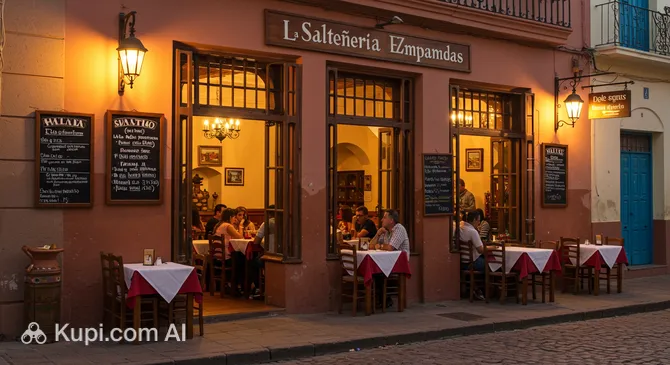
The undisputed star of the local table is the empanada salteña. Smaller than its counterparts from other provinces, it is traditionally baked in a clay oven and filled with knife-cut meat, potatoes, hard-boiled eggs, and scallions. Locals will tell you that the secret lies in the juices, and they are often eaten by hand to savor every bite. For travelers eager to try authentic versions of this regional staple, La Salteñeria Empanadas is a popular spot to indulge in these golden pockets of flavor.

La Salteñeria Empanadas. Source: Kupi.Binoculars

Beyond empanadas, the region is famous for its hearty Andean stews. Locro is a rich, creamy stew made from corn, beans, chorizo, and meat, traditionally served on national holidays but available year-round in Salta. Another must-try is the humita, a sweet and savory paste of fresh corn and cheese wrapped and steamed in corn husks. Similarly, tamales offer a cornmeal dough filled with seasoned meat, providing a comforting taste of the mountains.

No culinary tour of Salta is complete without tasting the region's signature wine, Torrontés. Produced in the nearby high-altitude vineyards of Cafayate, this aromatic white wine is known for its floral notes and refreshing finish, pairing perfectly with the spicy local dishes. For a non-alcoholic option, try aloja, a traditional beverage made from fermented carob pods, or simply enjoy the ubiquitous mate tea.

The food culture in Salta is best experienced at a peña folklórica. These traditional taverns combine dining with live folk music and dancing, creating a lively atmosphere where tourists and locals mingle. While you can find excellent restaurants throughout the city, spending an evening at a peña, enjoying a jar of wine and a plate of locro while listening to guitar strumming, is the quintessential Salta dining experience.

Travel Tips

Visiting Salta is a delightful experience, but the unique rhythm and geography of northern Argentina require a bit of preparation to ensure your trip runs smoothly. Here are some practical tips to help you navigate the city like a local and make the most of your stay in "La Linda."

  1. Dress in Layers and Pack Smart: The weather in Salta is characterized by significant thermal amplitude, meaning days can be warm while nights get surprisingly chilly. Bring layers you can easily add or remove. Comfortable walking shoes are essential for the cobblestone streets, and if you plan to visit churches like the Cathedral, remember to dress modestly (covering shoulders and knees). Don't forget high-SPF sunscreen and sunglasses, as the sun is very strong at this altitude.

  2. Getting Around the City: The city center is compact and best explored on foot. For longer distances, the local bus system (SAETA) is efficient, but you will need to purchase a rechargeable card at a kiosk. Taxis and remises (private cars) are abundant, safe, and relatively affordable; always ensure the meter is running or agree on a price beforehand. Renting a car is generally only necessary if you plan to drive out to the valleys or salt flats yourself.

  3. Cash is King: While major hotels and upscale restaurants accept credit cards, cash is absolutely necessary for small shops, artisan markets, and taxis. The local currency is the Argentine Peso (ARS). It is advisable to exchange money at official casas de cambio (exchange houses) in the city center rather than at the airport for better rates. Tipping is customary; leaving about 10% in restaurants is standard practice.

  4. Health and Altitude Awareness: Salta city sits at about 1,152 meters, which is generally comfortable, but if you book excursions to the clouds (like the Tren a las Nubes or Salinas Grandes), you may experience altitude sickness. Stay hydrated, eat light, and consider chewing coca leaves or drinking coca tea, a local natural remedy. Pharmacies are widely available and marked with a green cross; look for those designated "de turno" for 24-hour service.

  5. Language and Connectivity: Spanish is the primary language, and English proficiency can be limited outside of major tourist hubs. Learning a few basic phrases or downloading an offline translation app will be very helpful. Free Wi-Fi is available in many public plazas and cafes, but buying a local SIM card (from providers like Personal, Movistar, or Claro) is recommended for reliable navigation and communication via WhatsApp, which is widely used by locals.

  6. Respect the Siesta: Salta adheres strictly to the tradition of the siesta. Between approximately 2:00 PM and 5:00 PM, most shops, businesses, and even some museums close their doors so locals can rest during the hottest part of the day. Plan your shopping and errands for the morning or late afternoon, and use this quiet time to relax or enjoy a long lunch.

  7. Dining Etiquette: Do not expect to eat dinner early. In Salta, as in much of Argentina, restaurants often don't open for the evening service until 8:00 PM or 8:30 PM, and locals typically dine around 9:30 PM or later. Arriving at 7:00 PM usually means finding a closed kitchen or an empty dining room.

  8. Local Life Hack: If you want to experience a genuine peña (folk music gathering), ask locals where they go rather than booking the most advertised show. The best experiences often happen in smaller venues where the music starts late (often after midnight) and the audience joins in the singing and dancing until the early hours of the morning.

By keeping these practicalities in mind, you will be well-equipped to relax and embrace the slow, welcoming pace of life in Salta. Enjoy the warmth of the people, the stunning scenery, and the rich cultural heritage that makes this city so special.

Entertainment & Nightlife

Entertainment and Nightlife:

When the sun sets over the Lerma Valley, Salta transforms from a historical colonial city into a vibrant hub of nocturnal activity. The local nightlife is a fascinating mix of tradition and modernity, where the sounds of folk guitars blend with the latest electronic beats. Whether you are looking for a quiet glass of wine, a lively rock bar, or a place to dance until dawn, the city offers diverse options to suit every mood.

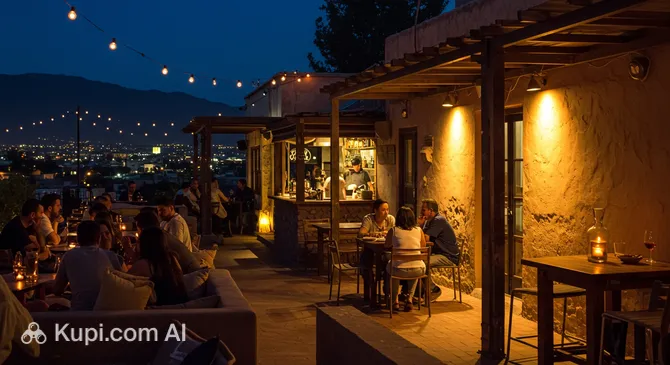
The epicenter of nightlife in Salta is undoubtedly Calle Balcarce (Balcarce Street). Located near the train station, this cobblestone strip comes alive on weekends with a festive atmosphere. It is the traditional home of the peñas, but it also hosts a high concentration of pubs and discos. For those seeking a lively spot with a mix of food, drinks, and music, Zeppelin Resto Bar is a popular choice among locals and visitors alike, offering a spirited environment to start the night.

La Roka. Source: Kupi.Binoculars

For those who want to experience the city's clubbing scene, the energy picks up significantly after midnight. Venues like La Roka attract a crowd ready to dance to a mix of cumbia, reggaeton, and pop hits. It is one of the city's well-known nightclubs, often staying open until the early hours of the morning. If you prefer a more relaxed setting for a cocktail or a beer with friends, Caseros Bar provides a classic atmosphere in the heart of the city.

Another emerging district worth exploring is Paseo Güemes. This area has developed a trendy reputation in recent years, characterized by craft breweries, chic wine bars, and open-air seating that takes advantage of Salta's pleasant evenings. The crowd here tends to be slightly younger and the vibe is more casual and contemporary compared to the traditional folklore-heavy Balcarce street.

Practical Nightlife Tips:
Nightlife in Salta starts late. Restaurants typically fill up around 10:00 PM, bars get busy around midnight, and nightclubs often do not hit their stride until 2:00 AM or 3:00 AM. Dress codes are generally "smart casual"—comfortable but neat. regarding safety, the main nightlife districts like Balcarce and Paseo Güemes are well-patrolled and safe for walking, but it is advisable to take a radio taxi or use a ride-sharing app when returning to your accommodation late at night, rather than walking through unlit residential areas.

While the nights are for partying, Salta offers plenty of daytime entertainment as well. For a more relaxed afternoon, you can visit Alto NOA Shopping. This mall is not just for retail therapy; it serves as a leisure center with a cinema and food court. Families traveling with children will appreciate Neverland Alto NOA, an indoor amusement park located within the complex that provides fun games and rides for younger visitors.

Cultural enthusiasts should also keep an eye on the schedule for the Delmi Sports Arena, which frequently hosts major sporting events, concerts, and shows. Additionally, the American Cultural Center often organizes art exhibitions and cultural activities that offer a quieter, intellectual form of entertainment during the day.

Parks & Museums

Salta is a city where history and culture are woven into the very streets, offering a diverse array of museums and green spaces that complement its colonial charm. Beyond the main plaza, visitors can dive deeper into the region's heritage through its well-curated institutions or relax in monuments that pay tribute to national heroes.

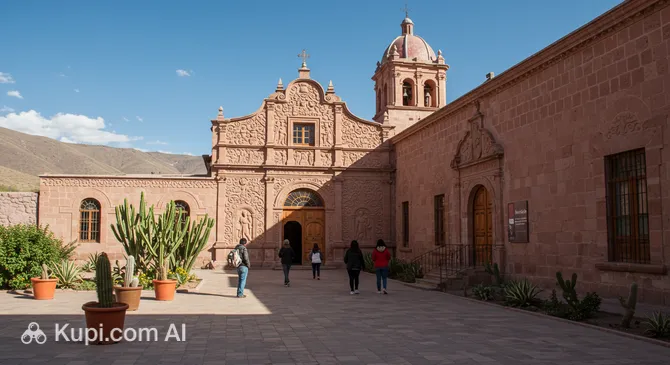
One of the most important historical stops is the Museum of the North. Housed within the historic Cabildo—the best-preserved colonial government house in Argentina—this museum takes you on a journey through the region's past, from pre-Columbian times to the revolutionary era. Its collection includes sacred art, numismatics, and artifacts that tell the story of the city's foundation and development.

Museum of the North. Source: Kupi.Binoculars

Just across the main square, art enthusiasts will find the Museum of Contemporary Art of Salta (MAC). This institution provides a striking contrast to the colonial architecture surrounding it, featuring rotating exhibitions of modern art by local and national artists. It is a vibrant space that reflects the city's evolving cultural identity and often hosts interactive workshops and events.

For those interested in a more interactive experience, the Explora Salta Museum Complex is a must-visit. Located in a beautifully restored mansion, it combines the "Casa de Arias Rengel" with an interactive design museum. It offers a fascinating look at the local lifestyle, fashion, and design throughout history, making it particularly engaging for families and design lovers.

Nature and science buffs should not miss the Museum of Natural Sciences, National University of Salta. Situated in San Martín Park, this museum showcases the rich biodiversity of the region, including impressive paleontological displays with dinosaur fossils and taxidermy of the diverse fauna found in the Andean Northwest.

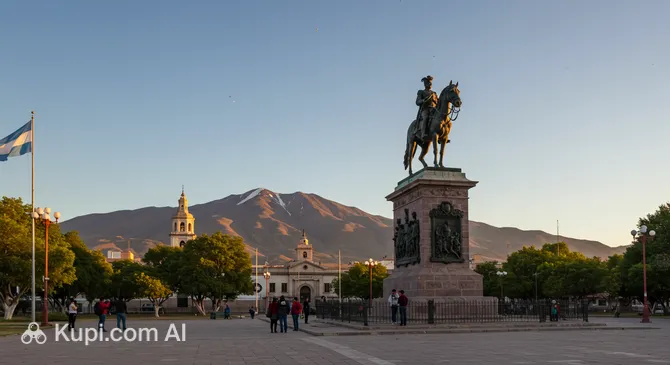
When it comes to open-air spaces, the General Martín Miguel de Güemes Monument is the city's most iconic tribute. Located at the foot of Cerro San Bernardo, this imposing stone structure honors the gaucho hero who defended the northern frontier. It is surrounded by a spacious park where locals gather, and it serves as the endpoint for the traditional gaucho parades held in June.

General Martín Miguel de Güemes Monument. Source: Kupi.Binoculars

Another significant landmark is the 20th of February Monument, which commemorates the Battle of Salta, a decisive victory in the War of Independence. The monument is set within a large park that is perfect for a leisurely stroll. Nearby, Belgrano Square offers a quieter green retreat, ideal for resting after a day of sightseeing and enjoying the pleasant Salta weather.

Getting Around

Navigating Salta is relatively straightforward, as the city center is compact and walkable. However, to reach the outskirts or surrounding neighborhoods, the city relies on an efficient bus network managed by SAETA (Sociedad Anónima del Estado de Transporte Automotor). This extensive bus system is the primary mode of public transportation, connecting the downtown area with residential zones and nearby municipalities such as San Lorenzo. There is no metro or tram system in the city.

To use the public buses, you cannot pay with cash on board. Instead, you must purchase a rechargeable travel card (often referred to as the SAETA card). These cards can be bought and topped up at various kiosks and drugstores throughout the city, usually identified by a SAETA logo in the window. The fare is very affordable, making it an economical way to get around. Passengers simply tap their card on the reader located at the front of the bus upon entry.

For those who prefer a more direct and private mode of transport, taxis and remises are widely available and reasonably priced. Official taxis are easily recognizable by their red and black color scheme and can be hailed on the street. Remises are private hire cars that look like regular vehicles; they must be booked in advance by phone or at a designated agency office. Both options are generally safe, but it is always advisable to use official services or ask your hotel to call one for you, especially at night.

A unique feature of Salta's transport landscape is the Teleférico San Bernardo (Cable Car). While primarily a tourist attraction rather than a commuter route, it serves as a spectacular mode of transport from San Martín Park to the summit of Cerro San Bernardo. The ride offers aerial views of the city and is a relaxing alternative to hiking or driving up the winding road to the top.

For greater flexibility, car rentals are a popular choice, particularly for tourists planning to explore the scenic valleys beyond the city limits. Several international and local agencies operate at the airport and in the city center. Alternatively, the city is becoming increasingly bike-friendly, and renting a bicycle can be a pleasant way to explore the parks and quieter streets during the day.

Accommodation

Where to Stay:

Finding the perfect place to stay in Salta is relatively easy, as the city offers a wide range of accommodation options to suit every budget and travel style. From lively backpacker hostels to elegant boutique hotels housed in restored colonial mansions, the hospitality infrastructure is well-developed. Whether you are looking for a luxury resort with a spa or a comfortable apartment rental for a family stay, Salta has plenty to offer.

The most popular area for tourists is undoubtedly the City Center (Microcentro). Staying within a few blocks of the main square, Plaza 9 de Julio, places you within walking distance of major attractions like the Cathedral, the Cabildo, and the MAAM museum. This area is ideal for first-time visitors who want to soak up the historic atmosphere and have easy access to cafes, banks, and shops without needing public transport.

For travelers interested in nightlife and local culture, the neighborhood around the Balcarce Street entertainment district is a strategic choice. This area is famous for its concentration of peñas (folk music venues), bars, and restaurants. Staying here means you are just steps away from the evening's entertainment, though it can be a bit noisier on weekends compared to the quieter residential streets.

If you prefer a more tranquil setting surrounded by nature, consider looking towards San Lorenzo. Located about 15 minutes by car from the city center, this lush, green suburb at the foot of the mountains is known for its upscale hotels, cabins, and summer houses. It is a perfect retreat for those seeking relaxation and cooler temperatures, especially during the summer months.

Booking Tips and Prices:
Accommodation prices in Salta are generally reasonable compared to other major Argentine destinations. Budget travelers can find affordable beds in hostels, while mid-range hotels offer excellent value. However, the city is a major tourist hub, so it is highly recommended to book in advance, particularly during peak seasons such as the winter holidays (July) and Easter week, when occupancy rates are very high. Most properties can be booked easily via major online platforms or by contacting them directly.

Nearby Cities

For those looking to explore the surroundings, Salta serves as an excellent base for day trips to several interesting nearby locations.

One of the most accessible and rewarding destinations is San Salvador de Jujuy. Located less than 70 kilometers to the north, the capital of the neighboring Jujuy province is affectionately known as the "Silver Cup" (Tacita de Plata) due to its position in a valley surrounded by mountains. It offers a distinct change in landscape and atmosphere, serving as the gateway to the stunning Quebrada de Humahuaca. Visitors can explore its historic city center, the cathedral featuring a pulpit carved by indigenous artists, and the Flag Hall, which houses a flag gifted by General Belgrano.

For travelers willing to venture a bit further south, San Miguel de Tucumán presents a deep dive into Argentine history. Although the distance makes for a longer journey, it is the largest city in the region and holds the title of the "Garden of the Republic." It is most famous for the Historic House of Independence, where Argentina's independence was declared in 1816. The city offers a vibrant urban experience with lush parks and significant colonial heritage.

City Population Distance (km)
San Ramon de la Nueva Oran 700000 215
San Miguel de Tucumán 605767 225
San Salvador de Jujuy 321789 67
Palpalá 50183 62
Yerba Buena 50057 225

These nearby destinations offer a glimpse into the diverse culture and landscapes of the region, allowing visitors to appreciate the broader context of Northern Argentina beyond the city limits of Salta.

Shopping & Souvenirs

Shopping in Salta is a delightful experience that perfectly balances modern convenience with deep-rooted cultural traditions. While the city offers contemporary retail spaces, it is most famous for its exceptional regional craftsmanship. Visitors will find that the shopping scene here is less about international luxury brands and more about high-quality local goods, authentic leather, and exquisite textiles that reflect the heritage of Northern Argentina.

For a traditional high-street shopping experience, the pedestrian streets of Alberdi and Florida in the city center are the places to be. These bustling walkways are lined with a variety of shops selling clothing, footwear, electronics, and sporting goods. Walking here is also a social activity, as locals frequent these streets throughout the day to run errands and browse the latest window displays.

If you prefer a modern shopping environment with air conditioning and international amenities, the city has excellent options. Alto NOA Shopping is the most prominent mall, conveniently located near the city center. It features a wide range of national fashion brands, a food court, and a cinema. Another major complex is Portal Salta Shopping, which offers a spacious layout with a large supermarket, home goods stores, and various clothing boutiques.

Alto NOA Shopping. Source: Kupi.Binoculars

However, the true soul of shopping in Salta lies in its markets. The Mercado Artesanal (Artisan Market), housed in an 18th-century colonial building on the outskirts of the center, is a must-visit. Here, certified artisans sell their work directly to the public, ensuring authenticity. For a more chaotic and sensory experience, the Mercado San Miguel offers fresh produce, exotic spices, and piles of coca leaves, providing a glimpse into the daily life of the salteños.

When looking for souvenirs, the region's handicrafts are the best choice. The iconic Salta poncho, characterized by its deep red color with black stripes and a fringe, is a prized item. Other popular keepsakes include intricate silverware, hand-woven llama or alpaca wool sweaters, and ceramics. Food items also make great gifts, particularly the local Torrontés wine, jars of cayote sweet, or the flavorful spices used to make empanadas.

It is important to keep the local schedule in mind. While shopping malls typically stay open from 10:00 AM to 10:00 PM every day, smaller street shops and independent boutiques observe the siesta. This means they often close around 1:00 PM or 2:00 PM and reopen at 5:00 PM, staying open late into the evening. Regarding payment, while malls and larger stores accept credit and debit cards, cash (Argentine Pesos) is essential for markets and smaller artisan stalls.

Foreign tourists should also look for the Tax-Free logo in participating store windows. Argentina offers a VAT (IVA) refund system for international visitors on purchases of locally made products over a certain amount. Be sure to ask for the refund form at the time of purchase to present it at customs when leaving the country.

Reached the end of the page?

That means the route is fully explored