Support

Embarcacion

About

Welcome to Embarcación, a distinctive city located in the northern region of the Salta Province. Known locally as "El Portal del Norte" (The Portal of the North), this settlement serves as a strategic crossroads and offers a fascinating glimpse into the diverse culture and landscapes of Argentina. With a population of approximately 24,000 residents, it provides a lively yet authentic atmosphere for travelers exploring the northern reaches of the country.

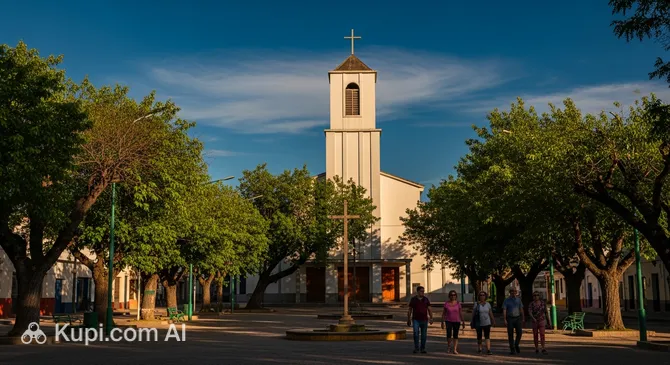
Embarcacion. Source: Kupi.Binoculars

The city is geographically defined by its proximity to the majestic Bermejo River, which plays a crucial role in the local ecosystem and economy. The history of Embarcación is closely linked to the arrival of the railway and the river itself, which shaped its development as a vital transport and commercial hub over the decades. Today, it stands as a testament to the resilience and growth of the region.

For visitors, the area offers unique natural attractions. The riverbanks are popular for fishing and outdoor recreation, drawing nature enthusiasts who appreciate the raw beauty of the landscape. Additionally, the city acts as a gateway to the lush Yungas jungle, a biodiversity hotspot perfect for eco-tourism and birdwatching. Whether you are passing through on a road trip or stopping to experience the local lifestyle, Embarcación invites you to discover the warmth and charm of northern Salta.

Weather Overview

The climate in Embarcación is generally characterized by hot summers and mild winters, with distinct wet and dry seasons. Visitors can expect warm, humid weather with frequent showers during the summer months, while the winter brings cooler temperatures and clear, dry skies.

During the peak of summer in January, the average temperature reaches approximately 28.3°C, with highs climbing up to 33.6°C. This period also sees the highest rainfall, with about 16 wet days in the month. For a deeper dive into seasonal trends and forecasts, reviewing the weather in Embarcación is recommended to help plan your activities.

Conversely, the winter months offer a refreshing change. By July, the average temperature dips to 16.8°C, and nights can be cool with lows around 10.8°C. Rainfall is minimal during this time; August, for instance, typically records almost no precipitation, providing excellent conditions for travelers who prefer drier weather.

Interesting Facts

Beyond its reputation as a transport hub, Embarcacion holds fascinating secrets that reveal its deep connection to the river and the diverse cultures of the region. From ancient indigenous traditions to the echoes of the steam engine era, the city offers curious travelers a wealth of stories hidden in plain sight.

  • The River Port Origin: Despite being known today as a railway city, its name—which translates to "Boarding" or "Vessel"—harks back to an earlier era. Before the arrival of the train, a vital wharf existed on the northern bank of the Bermejo River. This "embarcadero" was the only point where goods and cattle arriving from Bolivia could cross the river to continue their journey south, cementing the location's importance long before the first tracks were laid.

  • The Gateway to the North: The city is frequently referred to as "El Portal del Norte" (The Portal of the North). This title is not merely poetic but historical; with the inauguration of the railway junction in 1911, specifically the C-15 branch of the General Belgrano Railway, Embarcacion became the strategic funnel for all traffic heading towards the border and the immense Formosa territory, effectively acting as the key to the northern frontier of Argentina.

  • Ancestral Weaving Masters: The area is home to significant communities of the Wichí people, who preserve a unique artistic heritage. They are renowned for their mastery of "chaguar," a bromeliad plant native to the forest. The women harvest the fibers and use ancestral techniques to hand-spin and weave intricate textiles, creating durable bags and tapestries that are considered some of the finest indigenous crafts in the country.

  • The Devil's Unearthing: During the Carnival season, the city comes alive with the "Desentierro del Diablo" (Unearthing of the Devil), a vibrant ceremony often held at the Paseo de la Hermandad. In this fusion of Andean and local beliefs, a doll representing the devil (or the sun) is dug up to symbolize the fertilization of the Pachamama (Mother Earth), kicking off days of celebration where participants cover each other in flour, water, and streamers.

How to Get There

Planning a trip to this part of the Salta Province requires some logistical preparation, as the city is located away from major air hubs. Most travelers arrive by flying into one of the regional capitals and completing the journey by road. You can find detailed routes and transportation options in our guide on how to get to Embarcacion.

The city of Embarcacion does not have its own airport. The most convenient option for many travelers is to fly into El Cadillal Airport (IATA: JUJ), located in the city of San Salvador de Jujuy. It is situated approximately 166 km from Embarcacion. From there, a taxi or rental car ride typically takes around 2.5 to 3 hours, depending on traffic and road conditions. This airport handles a moderate volume of passengers and offers essential connections to other parts of the country.

Another major gateway is the Martin Miguel de Guemes International Airport (IATA: SLA) in the city of Salta. Although it is further away—about 231 km from Embarcacion—it is a busier hub with more frequent flight options. The ground transfer from Salta usually takes between 3 to 4 hours. Visitors often choose this airport for its wider range of services and international connections.

For clarity, here is a summary of the main airports nearby:

Airport Name City Passenger Traffic Km from City
Martin Miguel de Guemes International Airport Salta Large 230.6
El Cadillal Airport San Salvador de Jujuy Medium 166.0
Capitan Oriel Lea Plaza Airport Tarija Medium 193.5

Main Attractions

While Embarcación is primarily a commercial and transport hub, it possesses a distinct charm rooted in its railway history and indigenous heritage. The city offers visitors a chance to experience the authentic lifestyle of the Salta "chaco" region, with attractions that highlight its spiritual life, social traditions, and impressive natural surroundings.

A central point of interest is the Iglesia San Roque, the city's main religious sanctuary. Dedicated to the patron saint of the town, this church is not only a place of worship but also the heart of the community's festivities. It becomes especially vibrant every August 16th, when thousands of pilgrims and locals gather for the patronal feast of San Roque, filling the streets with processions and traditional celebrations that showcase the deep faith of the region.

For a glimpse into the local social life, the Paseo de la Hermandad is a must-visit. This promenade serves as the city's main gathering spot, where families and friends meet to enjoy the outdoors. It is culturally significant as the venue for the traditional "Desentierro del Diablo" (Unearthing of the Devil) during Carnival. This colorful ceremony marks the beginning of the festivities, blending ancestral Andean beliefs with local customs in a display of joy, flour, and music.

The majestic Bermejo River defines the landscape and offers a rugged natural escape just minutes from the city center. The riverbanks are popular among locals for fishing and spending the afternoon. Dominating the view is the iconic Railway Bridge, a massive steel structure that stands as a silent witness to the golden age of the trains that gave birth to the city. Walking near the bridge at sunset provides a stunning perspective of the river's vastness and the lush vegetation of the surrounding Yungas.

Finally, Embarcación is a key location for encountering Wichí Culture. The city and its outskirts are home to several indigenous communities renowned for their craftsmanship. Visitors can find exquisite textiles made from "chaguar" (a native plant fiber), hand-woven into durable bags and tapestries. Exploring these local crafts offers a unique opportunity to support local artisans and take home a piece of the region's living history.

Local Cuisine

The gastronomy of Embarcacion is a delightful reflection of the Salta Province's rich culinary heritage, blended with the unique flavors of the river. Visitors can expect hearty, homemade meals that rely heavily on local produce, corn, and meat, seasoned with the characteristic warmth of northern spices. The food here is unpretentious but deeply flavorful, offering a genuine taste of the region's cultural mix.

One cannot visit this region without trying the famous Empanadas Salteñas. These small, savory pastries are distinct from others in Argentina; they are typically filled with knife-cut beef, potatoes, hard-boiled eggs, and green onions, often baked in clay ovens or fried to golden perfection. Another staple is Locro, a thick, hearty stew made with white corn, beans, squash, and various cuts of meat, traditionally enjoyed during colder days or national holidays.

Given the city's location on the banks of the Bermejo River, freshwater fish is a standout feature of the local diet that sets it apart from other inland towns. Dishes featuring Surubí, Pacú, or Sábalo are common in local eateries. The fish is often prepared simply—grilled (a la parrilla) with lemon or fried in batter—allowing the fresh, natural flavors to shine. This connection to the river offers a distinct gastronomic experience compared to the purely beef-focused diets found elsewhere.

When it comes to drinks, the region is proud of its wine culture. While the major vineyards are further south, local tables frequently feature the renowned Torrontés, a crisp and aromatic white wine native to the province. For a non-alcoholic option, Mate is the ubiquitous social beverage, shared among friends and family in parks and homes. You might also encounter traditional drinks derived from the algarrobo tree, reflecting the indigenous heritage of the area.

Dining in Embarcacion is a casual and welcoming affair. You won't find high-end luxury dining; instead, the city offers authentic "comedores" (family-run diners) and street food stalls that serve generous portions. The areas near the main squares or the train station are often good places to find vendors selling Tamales and Humitas (steamed corn cakes wrapped in husks). The atmosphere is relaxed, with meals often serving as a time for long conversations and community bonding.

Travel Tips

Visiting Embarcacion offers a unique opportunity to immerse yourself in the authentic rhythm of northern Argentina, but a smooth trip requires a bit of local know-how. To help you navigate the climate, culture, and logistics of this riverside city, we have compiled a set of practical tips for a hassle-free experience.

  1. Clothing and Gear: The climate here is subtropical and can be quite humid, especially in summer. Pack lightweight, breathable clothing made of cotton or linen to stay cool. Since the city is near the river and jungle areas, a strong insect repellent is an absolute must to protect against mosquitoes. Don't forget a hat and high-SPF sunscreen, as the northern sun is intense. If you plan to visit the Iglesia San Roque, dress modestly out of respect.

  2. Transportation: The city center is compact and easily navigable on foot. For longer distances or to reach the riverbanks, rely on remises (private radio taxis), which are the standard mode of local transport; you can book them by phone or find them at designated stops. There is no public metro or tram system, and ride-hailing apps like Uber are generally not available here. If you want to explore the surrounding province, arriving with a rental car from Salta or Jujuy is the best option.

  3. Finances: Cash is king in Embarcacion. While some larger supermarkets may accept credit cards, most small shops, "comedores" (diners), and artisan markets deal exclusively in Argentine Pesos. There are ATMs in the city, but they can run out of cash during weekends or paydays, so it is wise to carry a sufficient reserve of physical money. Tipping is customary; leaving about 10% in restaurants is polite.

  4. Health and Safety: Pharmacies are available in the town center, but they may close during the afternoon siesta, so plan accordingly. Due to the warm climate, stay hydrated, but stick to bottled water to avoid any stomach issues. The city is generally safe and friendly, but as with any travel destination, keep an eye on your belongings in public spaces and avoid poorly lit areas near the river outskirts at night.

  5. Communication: The primary language is Spanish, and English is not widely spoken outside of major tourist hubs. Learning a few basic phrases like "Hola" (Hello), "Gracias" (Thank you), and "¿Cuánto cuesta?" (How much?) will go a long way. It is highly recommended to download an offline translation app and offline maps on your phone before you arrive, as mobile data signals can sometimes be spotty in remote areas.

  6. Local Etiquette: The pace of life here is relaxed. Greetings are warm, often involving a handshake or a kiss on the cheek, even among new acquaintances. Be mindful of the siesta tradition; between approximately 1:00 PM and 5:00 PM, businesses close, and the streets become quiet as locals rest during the hottest part of the day. Do not expect shops to be open during these hours.

  7. What to Avoid: Do not take photographs of people, especially members of the Wichí indigenous communities, without asking for explicit permission first. It is considered disrespectful and invasive. Also, avoid rushing; service in restaurants and shops is laid-back, so patience is key to enjoying the local vibe.

  8. Shopping Tip: If you wish to buy souvenirs, look for chaguar textiles directly from local artisans or community cooperatives. This not only ensures you get an authentic, high-quality product but also supports the local economy and helps preserve these ancestral weaving techniques.

By keeping these tips in mind, you will be well-prepared to enjoy the warmth and hospitality of Embarcacion. Whether you are exploring the railway history or enjoying the natural beauty of the Bermejo River, respecting local customs and coming prepared will ensure your visit is a memorable adventure.

Entertainment & Nightlife

Nightlife in Embarcación reflects the relaxed and authentic spirit of the Salta province. The evening scene here is intimate, centered around social gatherings, hearty dining, and music that often runs late into the night. The city comes alive after sunset, particularly on weekends, when locals head out to enjoy the cooler air and connect with friends in a laid-back atmosphere.

The main activity hubs are typically found near the city center and along the major thoroughfares. Avenida Juan Perón and the streets surrounding the main plaza are where you will find the highest concentration of activity. Here, the vibe is casual and welcoming; there is no strict dress code, and travelers will feel comfortable in smart-casual attire. The night usually starts with a late dinner—Argentines rarely eat before 9:00 PM—followed by drinks at a restobar or a visit to a local dance spot.

For those looking to enjoy a drink and some local flavor, Vanina's Resto Bar is a popular choice among residents. Conveniently located near the city center, it offers a friendly environment perfect for starting the evening with cocktails or a cold beer. The local scene is characterized by these types of versatile venues that transition from dining spots to lively gathering places as the night progresses. While the city may lack large-scale nightclubs, the energy in these local bars often picks up after midnight with a mix of cumbia and popular hits.

Practical advice for enjoying the night includes carrying cash, as many smaller venues and kiosks may not accept cards. The best time to head out is around 11:00 PM for bars, while the late-night venues typically get busy after 2:00 AM. In terms of safety, the central areas are generally secure for walking early in the evening, but it is always synonymous with good judgment to take a "remis" (private taxi) when returning to your accommodation late at night. You can usually ask the bar staff to call one for you.

During the daylight hours, entertainment in Embarcación shifts towards nature and culture. The city serves as a base for exploring the Yungas jungle or spending a relaxing day by the Bermejo River. For a touch of local culture, keep an eye out for artisan fairs often held at the Paseo de la Hermandad, where you can admire the intricate craftsmanship of the Wichí communities or simply enjoy a tereré (cold mate) in the shade.

Parks & Museums

Embarcación offers a distinct blend of natural beauty and historical depth, where green spaces serve as community living rooms and cultural heritage is etched into the city's infrastructure. While it may not boast large metropolitan museums, the city itself acts as a living gallery, showcasing its railway origins, indigenous roots, and the vibrant life along the Bermejo River.

Plaza General San Martín stands as the verdant heart of the city, recently renovated to provide a welcoming environment for families and visitors alike. This central square is more than just a park; it is the primary social hub where locals gather to share mate, children play, and community events take place. Surrounded by important civic buildings and local businesses, the plaza offers a perfect spot to observe the daily rhythm of life in northern Salta while enjoying the shade of native trees.

For a more scenic experience, the Paseo de la Hermandad is a significant promenade that highlights the city's spirit of unity. This linear park is not only a place for leisurely walks but also the epicenter of cultural celebrations, most notably the colorful carnival festivities. It serves as an open-air stage where traditions come alive, offering visitors a spacious area to relax and admire local murals or artisan stalls that occasionally pop up during holidays.

Nature enthusiasts will find the banks of the Bermejo River to be an unpolished natural gem. Just a short distance from the urban center, the river offers a rugged landscape perfect for fishing or simply appreciating the raw power of the water that defines the region's geography. It is a favorite escape for residents seeking a connection with nature, offering sweeping views of the surrounding Yungas vegetation and the iconic railway bridge that spans the water.

In terms of cultural heritage, the Estación Ferroviaria (Railway Station) is effectively the city's most important historical monument. Although not a traditional museum with glass cases, this site tells the story of Embarcación's founding and its golden age as a transport hub. The architecture and the old tracks stand as silent witnesses to the arrival of the first steam engines in 1911, allowing history buffs to walk through the very location that transformed a remote outpost into a thriving city.

Culturally, the Iglesia San Roque represents the spiritual and artistic center of the community. Beyond its religious function, the church is a focal point for the city's identity, housing the reverence for the patron saint. The architecture is simple yet dignified, reflecting the humble and resilient character of the people. It becomes a hive of activity during the August patronal festivals, offering a window into the deep-seated traditions that blend faith with local folklore.

For a truly authentic cultural experience, visitors should seek out the Wichí Artisan Communities located on the outskirts of the city. These neighborhoods function as living workshops where you can observe the creation of "chaguar" textiles and wooden carvings. Unlike a static gallery, visiting these artisans allows for direct interaction with the creators, providing insight into ancestral techniques that have been passed down through generations and remain a vital part of the local economy.

Insider Tip: For a memorable view, head towards the old railway bridge over the Bermejo River at sunset. The contrast of the industrial steel structure against the wild, subtropical river backdrop creates a photographer's dream and captures the essence of Embarcación perfectly.

Getting Around

Navigating Embarcación is relatively simple due to its compact size and its role as a transit hub in northern Argentina. Whether you are arriving by bus or exploring the local streets, the transportation options are functional and geared towards connecting this strategic point with the rest of the Salta Province and beyond.

The heartbeat of the city's transport network is the Terminal de Ómnibus. Located conveniently within the town, this bus station serves as the arrival and departure point for almost all travelers. Because the city sits at the junction of National Route 34 and National Route 81, the terminal offers frequent connections to neighboring cities such as Tartagal, San Ramón de la Nueva Orán, and the provincial capital, Salta. Long-distance buses to major hubs like Buenos Aires and Tucumán also operate from here, making it a vital link for regional exploration.

For getting around within the city limits, walking is often the best option. The center of Embarcación is small, and most shops, the main plaza, and key landmarks like the Iglesia San Roque are within easy walking distance of each other. The grid layout of the streets makes orientation straightforward for first-time visitors.

If you need to travel further or are carrying luggage, remises are the standard form of local motorized transport. These are private taxis that operate from specific agencies ("remiserías") rather than roaming the streets for passengers. You can book one by phone or walk to a local agency base. They are generally affordable and safe, with fares typically based on fixed zone rates rather than a meter. Note that international ride-sharing apps are usually not available in this area.

While the city is historically famous as a railway junction, passenger train services are not currently a primary means of travel for tourists. The railway tracks today serve mostly freight or historical purposes, standing as a testament to the city's origins rather than an active transit option. Visitors should plan to rely on the road network for all intercity travel.

Travelers driving their own vehicles will find Embarcación to be a strategic waypoint. National Route 34 runs north-south through the region, known for heavy truck traffic, while National Route 81 begins here and stretches eastward across the Chaco region towards Formosa. If you plan to rent a car, it is highly recommended to do so in larger cities like Salta or San Salvador de Jujuy, as rental agencies are scarce within Embarcación itself.

Accommodation

As a strategic transit hub in northern Argentina, the accommodation landscape in Embarcación is practical and geared primarily towards travelers passing through or visiting for business and family reasons. The city does not feature large luxury resorts or international hotel chains. Instead, visitors will find a selection of modest, family-run establishments, roadside motels, and simple "residenciales" (guesthouses) that offer essential amenities and a warm, local welcome.

The most convenient area for accommodation is often clustered around the intersection of National Route 34 and the city access points. Staying near the main road is ideal for those on a road trip who need a quick stopover without navigating deep into the city streets. For travelers seeking a quieter atmosphere and closer proximity to local life, the downtown area near Plaza General San Martín offers small hotels within walking distance of shops, dining spots, and the main church.

Booking Tip: Since many local establishments may not be listed on major international booking platforms, it is often effective to search for contact numbers online and book directly by phone or WhatsApp. For those arriving without a reservation, walk-ins are generally acceptable, but it is wise to arrive before evening to ensure availability.

The price range in Embarcación is typically budget to mid-range. Most options are quite affordable compared to larger tourist cities like Salta. Travelers should note that payment methods can be traditional; while some larger hotels may accept debit cards, smaller guesthouses often prefer or require cash (Argentine Pesos). It is highly recommended to withdraw sufficient funds before arriving or at the local ATMs to cover your stay.

Nearby Cities

For those looking to explore the surroundings, Embarcacion serves as an excellent base for day trips to several interesting nearby locations:

Just a short drive away lies San Ramón de la Nueva Orán, often referred to simply as Orán. Located only about 25 km from Embarcacion, it is the last city founded by the Spanish in the Americas. Visitors can explore its rich history, visit the imposing cathedral, and enjoy the tropical atmosphere of this bustling regional hub. It is famous for its citrus production and serves as a gateway to the dense Baritú National Park.

Heading north, Tartagal offers another compelling destination for a day trip. Situated approximately 82 km away, it is known as the center of the extraction industry in the north but also boasts a vibrant cultural scene. The city hosts colorful carnival celebrations and the "Fiesta del Sol," reflecting the diverse heritage of its immigrant and indigenous populations. It provides a different urban perspective within the deep greenery of the Yungas.

For a longer excursion, San Salvador de Jujuy is a rewarding option. Although it requires a drive of about 2.5 to 3 hours, the provincial capital of Jujuy offers a dramatic change in scenery, nestled in a valley surrounded by mountains. Known as the "Silver Cup," it features historic colonial architecture, such as the Cabildo and the Cathedral, and serves as the southern gateway to the spectacular Quebrada de Humahuaca.

City Population Distance (km)
San Ramon de la Nueva Oran 700,000 25
Salta 535,303 220
San Salvador de Jujuy 321,789 163
Rivadavia 82,582 164
Tartagal 63,196 82

These nearby destinations offer a glimpse into the diverse culture and landscapes of the region, ranging from tropical fruit plantations to historic colonial centers.

Shopping & Souvenirs

Shopping in Embarcación offers an authentic glimpse into the daily life of northern Argentina. Unlike major metropolitan hubs filled with international brands, the retail scene here is modest, functional, and deeply local. Visitors will not find luxury boutiques or sprawling department stores; instead, the city is dotted with family-owned shops, general stores known as "polirrubros," and small businesses that cater to the needs of the residents. For tourists, the real treasure lies in the regional craftsmanship and the opportunity to purchase goods directly from the makers.

The commercial heartbeat of the city is concentrated along its main thoroughfares, particularly Avenida Juan Perón and the streets surrounding Plaza General San Martín. This central district is where most activity takes place, featuring a variety of clothing stores, pharmacies, and hardware shops. A walk down these bustling streets allows visitors to experience the local commerce firsthand, where shopkeepers often know their customers by name and the atmosphere is relaxed and friendly.

Travelers looking for large shopping malls or modern shopping centers will not find them in Embarcación. The retail landscape is characterized by independent storefronts and small commercial galleries rather than enclosed malls. This absence of large chains contributes to the city's small-town charm, encouraging visitors to explore the sidewalk shops and discover unique items that aren't mass-produced.

While there isn't a permanent tourist market, the city has a vibrant tradition of street vendors and occasional fairs, often held at the Paseo de la Hermandad. Here, and near the bus terminal, you can find stalls selling fresh local produce, spices, and regional snacks. These informal markets are excellent places to observe local culture and perhaps pick up some fresh fruits grown in the fertile lands of the Salta province.

The most significant shopping highlight for any visitor is undoubtedly the indigenous handicrafts. Embarcación is a key center for the Wichí community, who are master weavers. The essential souvenir to bring home is a piece of chaguar art—durable bags, belts, or tapestries woven from the fibers of a native bromeliad plant. These items are not only beautiful and unique to this region but also support the livelihoods of local artisans. You can often buy these directly from the artisans in the communities on the outskirts or at fair stalls in the center.

When planning a shopping trip, it is crucial to remember the local schedule. Stores typically follow the traditional "siesta" break, opening around 8:30 AM, closing between 1:00 PM and 5:00 PM, and reopening until about 9:00 PM. Regarding payment, cash is the primary method of transaction. While some larger supermarkets may accept debit cards, most smaller shops, artisan stalls, and kiosks operate exclusively with Argentine Pesos. It is highly recommended to carry enough cash for your purchases.

regarding tax refunds, the Global Blue "Tax Free" shopping system found in Buenos Aires or major tourist centers is not available in Embarcación. The shops here are local businesses that do not participate in the VAT refund schemes for international tourists. Therefore, the price you see on the tag is the final price you will pay.
Reached the end of the page?

That means the route is fully explored