Support

San Salvador de Jujuy

About

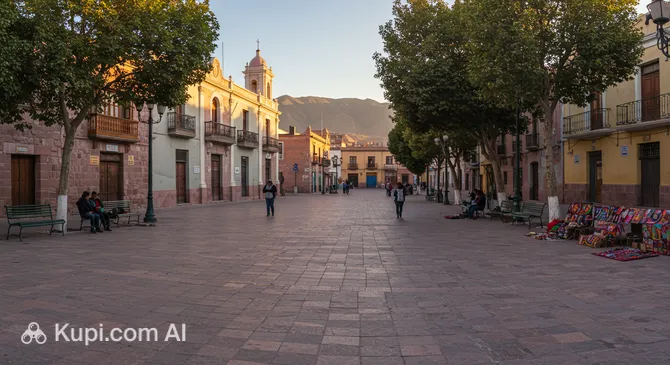
San Salvador de Jujuy, affectionately known as "La Tacita de Plata" (The Little Silver Cup), is a captivating destination nestled in the fertile valleys of the Grande River. As the capital of the Jujuy Province in northwestern Argentina, the city is surrounded by towering mountains that create a dramatic and picturesque backdrop. With a population of approximately 321,000 residents, it serves as a vibrant cultural and economic hub for the region, offering a pleasant subtropical highland climate that makes exploration enjoyable year-round.
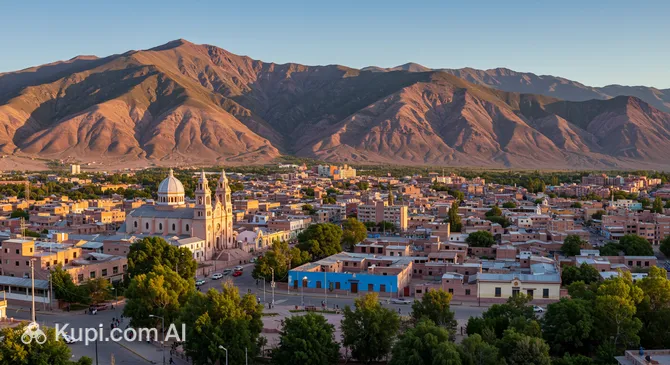
San Salvador de Jujuy. Source: Kupi.Binoculars

The city boasts a distinct atmosphere where colonial heritage blends seamlessly with indigenous Andean culture. Travelers interested in the past will find the history of San Salvador de Jujuy fascinating, as it played a crucial role during the Argentine War of Independence. This legacy is preserved in its historic center, where narrow streets and charming buildings tell the stories of centuries past.

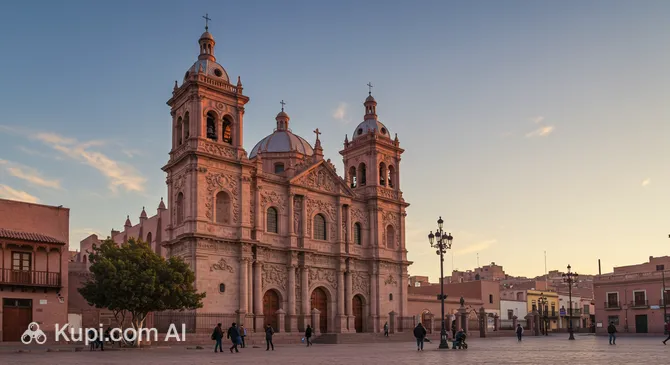
Key attractions in the city center include the bustling Plaza Belgrano, which is flanked by significant landmarks such as the Government House. Inside, visitors can view the National Flag of Civil Freedom, a historic treasure bestowed by General Manuel Belgrano. Nearby, the Cathedral Basilica of the Holy Saviour stands as an architectural gem, housing intricate gold-leaf pulpits and colonial-era religious art that reflect the city's deep spiritual roots.

San Salvador de Jujuy is an excellent starting point for any adventure in the Argentine Northwest. Whether you are planning to head further north to the famous Quebrada de Humahuaca or wish to enjoy the local museums and regional cuisine within the city limits, this welcoming capital invites you to experience the authentic warmth and beauty of the Andean foothills.
Weather Overview

San Salvador de Jujuy experiences a temperate climate with distinct seasonal variations, making it a comfortable destination for travelers throughout the year. The city's location in the valley moderates the weather, preventing extreme heat or cold. For those planning their itinerary, checking the current weather in San Salvador de Jujuy is recommended to ensure you pack appropriately for the conditions.

The summer months, particularly from December to February, are the warmest, with average temperatures hovering around 16°C and daytime highs reaching approximately 21°C. This season is characterized by a high frequency of damp days, so carrying waterproof gear is advisable. In contrast, the winter period from June to August is cooler and significantly drier, with average temperatures dropping to roughly 10°C and nights dipping to around 5°C. Expect mild summers with frequent precipitation and cool, drier winters.

Interesting Facts

Beyond the main attractions, San Salvador de Jujuy holds many fascinating secrets that reveal its resilient spirit and cultural depth. From its tumultuous origins to hidden artistic treasures, there are several unique details about the city that often escape the casual visitor's eye.

  • The City of Three Foundings: Establishing the city was a monumental challenge that took over three decades. San Salvador de Jujuy was founded three separate times—in 1561, 1575, and finally in 1593—because local indigenous groups fiercely defended their territory and destroyed the first two Spanish settlements.

  • Masterpieces by Lola Mora: The gardens surrounding the Government House, facing Belgrano Square, are adorned with magnificent marble sculptures created by the renowned Argentine artist Lola Mora. These statues, representing figures such as Liberty and Justice, were originally intended for the National Congress in Buenos Aires.

  • A Carved Masterpiece: Inside the Cathedral Basilica of the Holy Saviour, visitors can admire a stunning baroque pulpit carved from local cedar and ñandubay wood. Created by indigenous artisans, it is considered one of the finest examples of religious woodcarving in the country, blending European design with native craftsmanship.

  • The River of Stones: The Xibi Xibi River, which cuts through the heart of the city, is affectionately known by locals as the "River of Stones." During the dry winter months, its water level drops significantly, revealing a rocky bed that has been transformed into a popular linear park for walking and recreation.

Cathedral Basilica of the Holy Saviour. Source: Kupi.Binoculars

How to Get There

Reaching this scenic capital in northwestern Argentina is relatively straightforward, with air travel being the most convenient option for covering long distances. Travelers planning their trip can find more about how to get to San Salvador de Jujuy in our detailed guide, which covers various transport methods including buses and driving routes.

The primary entry point for air travelers is El Cadillal Airport (IATA: JUJ), also known as Gobernador Horacio Guzmán International Airport. Located approximately 31 km from the city center, it serves as the main hub for the region. A taxi or shuttle from this airport typically takes about 65 minutes to reach downtown San Salvador de Jujuy. While it handles a moderate volume of passengers, it offers essential connections to major hubs like Buenos Aires.

Another excellent alternative is flying into Martin Miguel de Guemes International Airport (IATA: SLA), located in the neighboring city of Salta. Although this airport is situated about 77 km away from San Salvador de Jujuy, it is a larger facility with more frequent flights and connections. The journey from Salta's airport to San Salvador de Jujuy by road takes approximately 2 hours and 15 minutes, making it a viable option for those who find better flight schedules or fares into Salta.

For clarity, here is a summary of the main airports serving the region:

Airport Name City Passenger Traffic Km from City
Martin Miguel de Guemes International Airport Salta High 76.6
Benjamín Matienzo San Miguel de Tucumán Medium 294.8
El Cadillal Airport San Salvador de Jujuy Medium 30.7
Capitan Oriel Lea Plaza Airport Tarija Small 297.7

Main Attractions

San Salvador de Jujuy offers a blend of historical depth and natural beauty, with landmarks that tell the story of Argentina's fight for independence and spaces that celebrate local culture. From vibrant plazas to well-preserved colonial museums, the city's attractions provide an insightful journey into the heart of the Andean region.

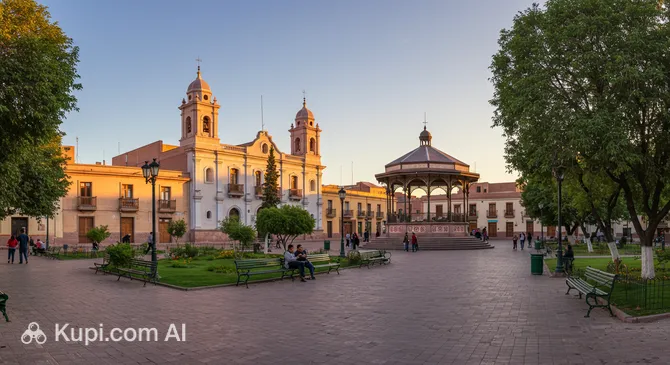
The beating heart of the city is Belgrano Square. This historic plaza is not just a central meeting point but a place of profound national significance. It is surrounded by some of the city's most important buildings, including the Government House and the Cathedral. Tourists flock here to soak in the atmosphere, admire the central monument dedicated to General Manuel Belgrano, and enjoy the shade of orange trees. It serves as the perfect starting point for a walking tour of the city center.

Belgrano Square. Source: Kupi.Binoculars

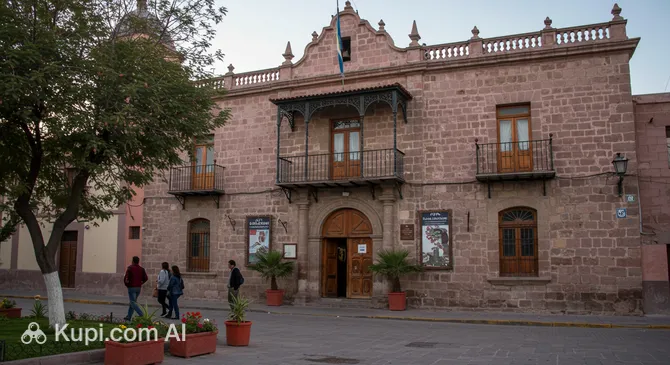
For history enthusiasts, the J.G. Lavalle Historical Museum is an essential stop. Housed in a colonial-era building that dates back to the mid-19th century, this museum is famous for being the site where the unitarian leader General Juan Lavalle was killed. The museum consists of several rooms displaying period furniture, uniforms, weapons, and documents that offer a glimpse into the turbulent times of the civil wars. Its well-preserved architecture provides a tangible connection to the past.

J.G. Lavalle Historical Museum. Source: Kupi.Binoculars

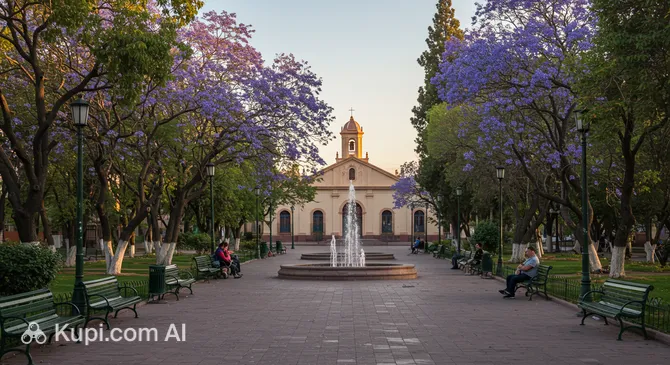
Those looking to relax amidst greenery should visit San Martín Park. Located just a short distance from the city center, this expansive park is one of the most beloved green spaces in San Salvador de Jujuy. It features tree-lined paths, fountains, and recreational areas, making it a favorite spot for both locals and visitors to unwind. The park often hosts craft fairs and cultural events, offering a lively yet peaceful environment to enjoy the outdoors.

San Martín Park. Source: Kupi.Binoculars

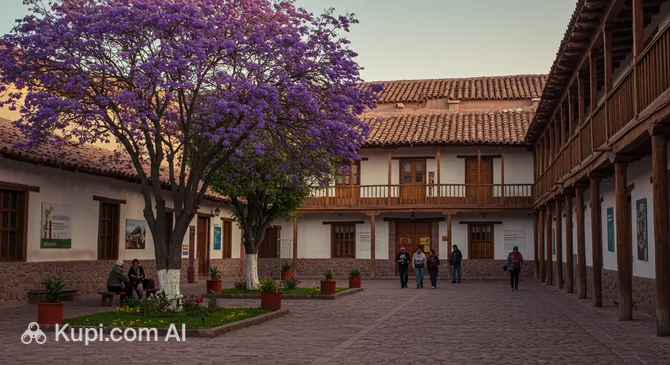
Another cultural gem is the Macedonio Graz House Cultural and Museum Center. This beautifully restored mansion stands as a superb example of 19th-century residential architecture. Today, it functions as a dynamic cultural hub, hosting art exhibitions, musical performances, and workshops. Visitors are drawn to its elegant courtyard and the opportunity to engage with contemporary local art while surrounded by historical walls.

Macedonio Graz House Cultural and Museum Center. Source: Kupi.Binoculars

Local Cuisine

The culinary landscape of San Salvador de Jujuy is a delightful fusion of indigenous Andean traditions and Spanish colonial influences. The food here is hearty, flavorful, and deeply connected to the land, with corn, potatoes, and quinoa playing starring roles. Unlike the beef-centric cuisine found in other parts of the country, the dishes in this northern region offer a unique taste of the Andes that warms the soul.

One of the absolute must-try staples is the empanada jujeña. These savory pastries are distinctively small and filled with hand-cut meat, hard-boiled eggs, and green onions, often seasoned with local spices. Another favorite is humita, a creamy mixture of fresh corn and cheese, which can be served in a pot or traditionally wrapped in corn husks (humita en chala). For those looking to explore regional meats, dishes featuring llama meat—such as carpaccio, stews, or steaks—are considered a delicacy for their lean and tender texture.

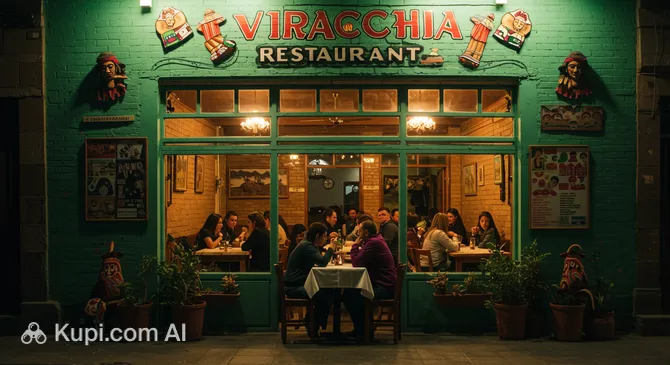
For a genuine taste of these traditional flavors, travelers often visit Viracocha Restaurant. This establishment is well-regarded for its authentic Andean cuisine, offering specialties like quinoa risotto and lamb in a rustic and welcoming atmosphere. It is an excellent place to immerse yourself in the local gastronomy.

Viracocha Restaurant. Source: Kupi.Binoculars

While northern specialties are the highlight, the classic Argentine love for grilling is also well-represented. If you are craving a high-quality steak, La Cabrera provides a premium dining experience known for its exceptional cuts of beef and extensive selection of side dishes. It serves as a perfect spot for a celebratory dinner or a hearty lunch after a day of sightseeing.

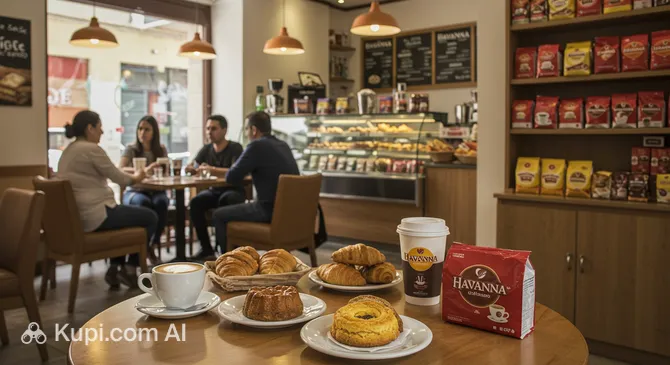
No culinary journey here is complete without sampling the local sweets and beverages. Cayote (a type of squash) with walnuts is a popular traditional dessert, often paired with cheese. For a coffee break or a sweet treat like the famous alfajores, Havanna is a favorite stop for both locals and tourists.

Havanna. Source: Kupi.Binoculars

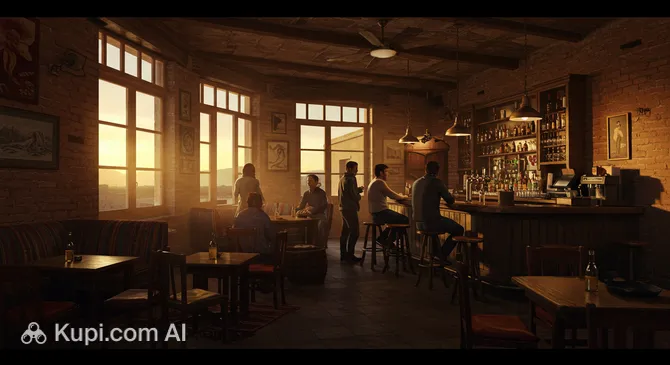
When it comes to drinks, the region is famous for its high-altitude wines, particularly the aromatic Torrontés white wine. For something non-alcoholic and traditional, try api, a hot, spiced purple corn drink often served with fry bread at breakfast. In the evenings, visitors can unwind at places like Refugio Jujuy, a bar that offers a relaxed setting to enjoy a drink and soak in the city's vibrant social vibe.

Travel Tips

Welcome to San Salvador de Jujuy! To help you navigate this charming Andean capital with ease and confidence, we have compiled a set of essential practical guidelines. These tips are designed to smooth out the logistics of your trip so you can fully immerse yourself in the rich culture and stunning landscapes of northern Argentina.

  1. Clothing and Gear: Since the weather can be changeable, dressing in layers is the best strategy. In summer (December to February), bring light clothing but definitely pack a raincoat or umbrella, as afternoon showers are common. Winters are dry but can get quite cold at night, so a warm jacket is necessary. Comfortable walking shoes are a must for the uneven sidewalks. If you plan to visit churches like the Cathedral Basilica, dress modestly by covering your shoulders and knees.

  2. Transportation: The city is walkable, especially around the center, but for longer distances, public buses are reliable; you will need to purchase and load a SUBE card at a local kiosk to use them. Taxis and remises (private cars booked by phone or at an office) are widely available and affordable. While ride-hailing apps are growing in popularity, they may not be as consistent as traditional taxis here. Renting a car is only recommended if you plan to explore the surrounding province on your own.

  3. Finances: The local currency is the Argentine Peso (ARS). While major hotels and restaurants accept credit cards, cash is king in San Salvador de Jujuy, especially in smaller shops and markets. ATMs are available but often have low withdrawal limits and high fees for international cards. It is wise to carry smaller bills, as change is often scarce. Tipping around 10% in restaurants is customary if the service was good.

  4. Health and Safety: The city is generally safe for tourists, but it is prudent to stay in well-lit, populated areas like the city center after dark. Pharmacies (farmacias) are easy to find and are marked with a green cross; look for a "farmacia de turno" if you need one open outside regular hours. While the city itself is at a moderate altitude (about 1,200 meters), if you plan to head higher into the mountains, stay hydrated and take it easy to avoid altitude sickness.

  5. Communication: The main language is Spanish, and the local accent can be quite fast. English is not widely spoken outside of high-end tourism establishments, so learning a few basic phrases like "hola" (hello), "gracias" (thank you), and "cuánto cuesta" (how much) will go a long way. You can buy a prepaid SIM card from providers like Claro, Movistar, or Personal at local kiosks to stay connected, as Wi-Fi is standard in most cafes and accommodations.

  6. Local Etiquette: People in Jujuy are warm and polite. The standard greeting, even between new acquaintances, is a single kiss on the right cheek. When entering a shop or boarding a bus, it is polite to say "buen día" or "buenas tardes." Life here moves at a relaxed pace, so patience is appreciated in service interactions.

  7. What to Avoid: Avoid taking photographs of locals, especially indigenous people in traditional attire, without asking for permission first, as this can be considered disrespectful. Also, try not to rely solely on high-denomination banknotes (like 10,000 or 20,000 peso bills) for small purchases, as vendors often struggle to make change.

  8. Respect the Siesta: San Salvador de Jujuy strictly observes the siesta. Between approximately 1:00 PM and 5:00 PM, most businesses, shops, and even some museums close their doors while locals rest during the hottest part of the day. Plan your shopping and errands for the morning or late afternoon to avoid finding everything closed.

By keeping these practical tips in mind, you will be well-prepared to experience the authentic warmth and rhythm of San Salvador de Jujuy. Embrace the local customs, enjoy the slower pace of life, and let the city's unique blend of history and nature captivate you.

Entertainment & Nightlife

As the sun sets over the Andean foothills, San Salvador de Jujuy transforms from a bustling administrative hub into a lively city with a warm and inviting nightlife. While it may not have the frenetic pace of a massive metropolis, the "Tacita de Plata" offers a genuine and enjoyable evening scene that reflects the friendly nature of its people. The nightlife here is characterized by a relaxed atmosphere, where locals gather to share good food, music, and conversation late into the night.

The city's evening entertainment is concentrated in a few key areas. The downtown district, particularly around the streets of Belgrano, San Martín, and Sarmiento, is the heart of the action. Here, you will find a mix of traditional pubs, modern bars, and restaurants that stay open well past midnight. Another popular zone is the Ciudad de Nieva neighborhood, known for its gastronomic corridor and slightly more upscale bars, offering a perfect setting for a chill night out with a view of the city lights.

For those looking to start the evening with a laid-back vibe and excellent drinks, Refugio Jujuy is a top choice. This venue is popular for its craft beer selection and cozy, cabin-like atmosphere that makes it easy to unwind after a day of sightseeing. It is a great spot to mingle with locals and enjoy a casual dinner before the night truly begins.

Refugio Jujuy. Source: Kupi.Binoculars

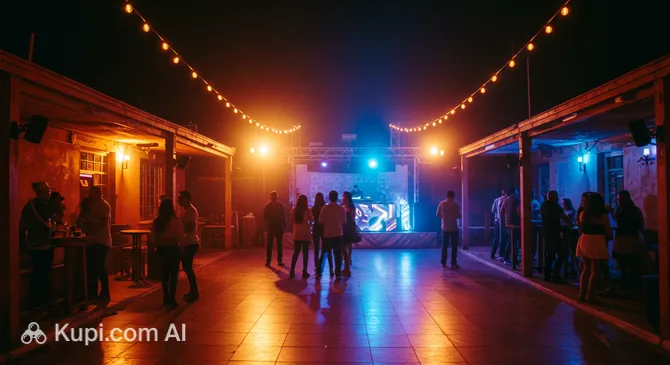
If you prefer a more energetic night out involving music and dancing, the city has options for you as well. Kachorro's Partyroom is a well-known nightclub where the energy is high and the party goes on until the early morning hours. It attracts a younger crowd ready to dance to a mix of reggaeton, cumbia, and international hits. Be prepared for a late start; in true Argentine fashion, nightclubs often don't get busy until 2:00 AM.

Kachorro's Partyroom. Source: Kupi.Binoculars

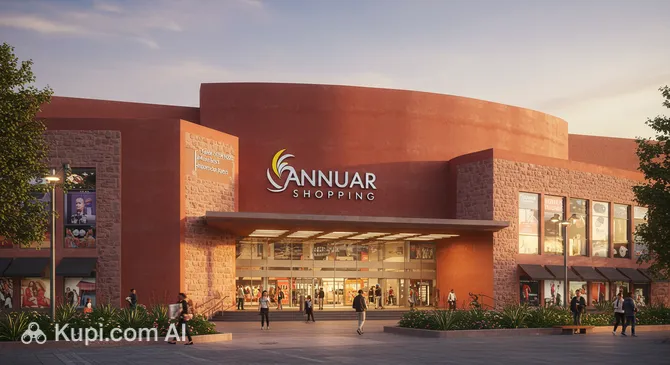
For a different kind of evening entertainment, Annuar Shopping offers a modern and safe environment right in the city center. This shopping mall is not just for retail therapy; it houses a cinema complex and a food court that remains active in the evening. It is an excellent option for families or travelers who want a leisurely stroll and a movie in a comfortable, climate-controlled setting.

Annuar Shopping. Source: Kupi.Binoculars

Practical Advice for Nightlife:

  • Safety: San Salvador de Jujuy is generally safe, but standard precautions apply. Stick to well-lit main streets in the center and Ciudad de Nieva. Avoid walking alone in the outskirts late at night.
  • Getting Around: Taxis and "remises" (private cars) are the best way to get around at night. They are affordable and reliable. It is recommended to call a Radio Taxi or use a trusted app rather than hailing one on the street in quieter areas.
  • Dress Code: The dress code is mostly casual to smart-casual. You will be comfortable in jeans and a nice shirt in almost any bar or club.
  • Timing: Dinner typically happens late, around 9:30 PM or 10:00 PM. Bars get lively around midnight, and clubs peak much later.

While the nightlife is captivating, daytime entertainment in San Salvador de Jujuy is equally enriching. Before the evening sets in, visitors can explore cultural landmarks like the Baron Carlos María Schüel Municipal Botanical Park for a breath of fresh air or visit the local theaters and museums that showcase the region's deep history. Whether day or night, the city offers a welcoming embrace to all who visit.

Parks & Museums

San Salvador de Jujuy is a city where nature and history intertwine effortlessly. While the surrounding mountains provide a dramatic backdrop, the urban area itself is dotted with refreshing green spaces and cultural institutions that preserve the region's deep heritage. Exploring these parks and museums offers visitors a chance to breathe the fresh mountain air and delve into the fascinating stories of the Argentine Northwest.

One of the city's most precious natural reserves is the Baron Carlos María Schüel Municipal Botanical Park. Located in the Los Perales neighborhood, this protected area is known as "The Lung of the City." It is unique because it preserves a portion of the native Yungas forest ecosystem right within the urban limits. Visitors can explore various trekking trails that wind through lush vegetation, offering opportunities to spot local bird species and enjoy panoramic views of the city from the designated lookouts. It is an ideal spot for nature lovers seeking a quick escape into the wild without leaving town.

Baron Carlos María Schüel Municipal Botanical Park. Source: Kupi.Binoculars

Another charming green space is Hipólito Yrigoyen Plaza, locally referred to as the "Plaza of the Lions" due to the sculptures that guard its center. Situated in the picturesque Ciudad de Nieva district, this square serves as a community hub surrounded by cafes and residential architecture. It offers a more relaxed and local atmosphere compared to the bustling city center, making it a perfect place for a leisurely afternoon stroll or a quiet break under the shade of its trees.

Hipólito Yrigoyen Plaza. Source: Kupi.Binoculars

For those interested in the region's rich pre-Hispanic past, the Provincial Archaeological Museum is a must-visit destination. Although smaller than national museums, it houses an impressive collection of artifacts that trace the history of the indigenous peoples of Jujuy. The exhibits include ceramics, arrowheads, and even well-preserved mummies, providing a profound insight into the civilizations that thrived in the Andes long before the Spanish arrival. It serves as an essential educational stop to understand the cultural depth of the province.

Art enthusiasts should not miss the Culturarte Cultural Center. Housed in a beautifully restored historical building that once served as the police headquarters, this venue has been transformed into a dynamic space for the arts. It features rotating exhibitions of contemporary painting, sculpture, and photography by regional artists. The building itself is an architectural highlight, blending its colonial façade with modern interior design, including a striking glass ceiling that floods the main hall with natural light.

For a truly authentic experience, take a walk along the Xibi Xibi Linear Park. While often mentioned as a recreational area, it is also an open-air gallery of sorts, where the riverbed has been reclaimed as a vibrant public space. Locals use it for jogging and yoga, and it offers a unique perspective of the city's geography from the bottom of the valley, bridging the gap between the urban environment and the natural river landscape.

Getting Around

The public transport system in San Salvador de Jujuy is primarily based on a comprehensive network of buses, locally known as colectivos. As a medium-sized city without a metro or tram system, these buses serve as the backbone of urban mobility, connecting the downtown area with residential neighborhoods and the surrounding suburbs. The network is extensive, making it relatively easy for tourists to reach major attractions, parks, and museums. For visitors, the most relevant lines usually circulate through the city center and along the main avenues, providing a reliable and authentic way to experience local daily life.

To use the bus system, you must have a SUBE card, the same contactless smart card used in the national capital and many other cities across the country. Cash is not accepted on board. You can purchase and top up these cards at "kioscos" (convenience stores), lottery agencies, or designated service centers marked with the blue SUBE logo. It is highly recommended to buy a card immediately upon arrival and load it with sufficient credit, as finding an open charging point late at night or during the siesta hours can sometimes be challenging. The fare is affordable, and the card is simply tapped on the reader next to the driver when boarding.

A unique and popular alternative to the bus is the taxi compartido (shared taxi). These vehicles function somewhere between a standard taxi and a bus. They operate on fixed routes, typically connecting the city center with specific outlying neighborhoods. You will find them waiting at designated stops; they depart once the car is full (usually four passengers), and each passenger pays a fixed individual fare that is slightly higher than a bus ticket but significantly cheaper than a private taxi. This is a fast and efficient option widely used by locals for commuting.

For a more private and direct journey, standard radio taxis and remises are readily available. Taxis in the city are painted yellow and can be hailed on the street or found at designated stands, while remises are private cars that must be booked by phone or at an agency office. Ride-hailing apps have also established a presence in the city, offering another layer of convenience for tourists who prefer booking rides via their smartphones. However, traditional taxis remain a very safe and regulated choice, especially for moving around at night.

One of the most distinct features of the city's infrastructure is the Ascensor Urbano (Urban Elevator). This public facility was built to improve accessibility between the lower city center and the Mariano Moreno neighborhood, which sits on a higher plateau. Located near the old bus terminal, the elevator is free to use and serves as both a practical transport link for residents and a viewpoint for visitors. Riding it offers a quick and effortless way to navigate the city's uneven topography while enjoying a panoramic view of the valley.

San Salvador de Jujuy is also a very walkable city, particularly within the historic center where many key landmarks are clustered. For those wishing to explore at their own pace, walking is often the best option. While bike rentals are not as widespread as in larger metropolitan hubs, the city's geography—with its river parks and compact downtown—invites exploration on foot. If you plan to visit nearby towns or explore the province's scenic routes, renting a car is a practical alternative, though not strictly necessary for navigating the city itself.

Accommodation

Accommodation in San Salvador de Jujuy caters to a diverse range of travelers, offering everything from friendly backpacker hostels to comfortable mid-range hotels and boutique lodgings. While the city is not characterized by massive luxury resorts, it provides a solid selection of 3-star and 4-star establishments that ensure a pleasant stay. Visitors can also find numerous apartment rentals, which are becoming increasingly popular for families or those preferring a self-catering option.

The most convenient area for tourists to stay is undoubtedly the City Center (Centro). Staying near the main square allows for easy walking access to key historical landmarks, museums, and the primary shopping districts. For those seeking a quieter, more scenic atmosphere, the neighborhoods of Ciudad de Nieva and Los Perales are excellent alternatives. These residential districts are located slightly higher up, offering beautiful views of the city and a more relaxed vibe, yet they remain just a short taxi or bus ride away from the downtown action.

Prices in the city are generally reasonable compared to larger Argentine metropolises. Budget travelers will find affordable hostels and guesthouses, often with shared facilities and a communal atmosphere. Mid-range options typically offer en-suite bathrooms, breakfast, and Wi-Fi at very competitive rates. Booking can be done easily through major online platforms, though many smaller establishments also accept direct inquiries via WhatsApp or email.

Booking Tip: While finding a room is usually straightforward, it is highly recommended to book well in advance if you plan to visit during Carnival (February or March) or the National Student Festival in September. During these peak events, the city fills up quickly, and accommodation prices tend to rise significantly.

Nearby Cities

For those looking to explore the surroundings, San Salvador de Jujuy serves as an excellent base for day trips to several interesting nearby locations:

One of the most attractive destinations for a day trip is Salta, often referred to as "La Linda" (The Beautiful). Located to the south, this city is renowned for its well-preserved colonial architecture, vibrant culture, and the world-class Museum of High Altitude Archaeology (MAAM). Visitors can easily spend a day wandering around the 9 de Julio Plaza, admiring the stunning Cathedral, and enjoying the lively peñas that showcase traditional folk music.

For a closer and more unique experience, travelers can visit Palpalá. Situated just a short distance from the capital, it is historically significant as the cradle of the Argentine steel industry, home to the famous Zapla blast furnaces. Today, it offers a quieter alternative to the main city, with local monuments and green spaces that reflect its industrial heritage.

Another interesting stop is General Güemes, a town that serves as a key crossroads in the region. While often a transit point, it offers a glimpse into the daily life of the province and provides access to the surrounding rural landscapes, making it a convenient stop for those exploring the area between Jujuy and Salta.

City Population Distance (km)
San Ramon de la Nueva Oran 700000 154
Salta 535303 67
Palpalá 50183 12
General Güemes 47348 59
General Jose de San Martin 31758 220

These nearby destinations offer a glimpse into the diverse culture and landscapes of the region.

Shopping & Souvenirs

San Salvador de Jujuy offers a shopping experience that reflects its dual identity as a modern provincial capital and a gateway to the Andes. While you will not find an endless array of international luxury boutiques, the city excels in offering authentic regional products and high-quality local craftsmanship. The shopping scene is a blend of contemporary stores and traditional fairs, making it an ideal place to find unique items that represent the culture of northwestern Argentina rather than mass-produced goods.

The commercial heart of the city beats along Belgrano Street and Necochea Street. Portions of these streets are pedestrianized, creating a lively open-air mall atmosphere where locals go about their daily errands. Here, visitors can find a variety of clothing boutiques, shoe stores, pharmacies, and bookstores. The area surrounding the main square is also dotted with shops selling leather goods and regional artifacts, perfect for leisurely window shopping while exploring the historic center.

For a modern retail experience, the city's premier destination is Annuar Shopping. Located centrally near the main plaza, this mall features a wide range of national clothing brands, electronics, and accessories. It provides a comfortable, climate-controlled environment, which can be a welcome respite on hot summer afternoons. It is the go-to spot for travelers needing to purchase travel essentials or looking for standard fashion outlets in a modern setting.

To truly understand the local flavor, a visit to the Mercado Municipal (Municipal Market) on Alvear Street is essential. It is a bustling hub where locals buy fresh produce, Andean spices, and regional ingredients. For tourists specifically looking for handicrafts, the Paseo de los Artesanos is a treasure trove. Often located near the old train station or in designated plazas, these stalls offer handmade jewelry, pottery, and textiles sold directly by the artisans who created them.

The best keepsakes from Jujuy are undoubtedly its textiles. Look for ponchos, scarves, and sweaters made from llama or alpaca wool, which are incredibly warm, soft, and durable. Ceramics featuring indigenous designs and woven basketry are also popular choices. For edible souvenirs, jars of cayote sweet (a type of fibrous squash jam) or traditional alfajores filled with dulce de leche are excellent gifts to bring the taste of the northwest back home.

Shoppers should be aware of the traditional "siesta" schedule that dictates the rhythm of the city. Most street-side shops and independent businesses open around 9:00 AM, close between 1:00 PM and 5:00 PM for the afternoon rest, and then reopen until 9:00 PM. However, the shopping mall and large supermarkets usually stay open throughout the day. While major stores accept credit and debit cards, cash is essential for street markets and smaller souvenir stalls.

International tourists in Argentina may be eligible for a VAT (Value Added Tax) refund on purchases of domestically manufactured goods made at participating stores. Look for the "Global Blue" or "Tax Free" signage in shop windows, particularly in the mall or larger outlets. To claim this, you generally need to spend a minimum amount and present your foreign passport at the time of purchase to receive the necessary forms for customs validation upon departure.

Reached the end of the page?

That means the route is fully explored