Support

San Miguel de Tucumán

About

Welcome to San Miguel de Tucumán, a vibrant metropolis often celebrated as the "Garden of the Republic" due to the lush vegetation that surrounds it. As the capital of the Tucumán Province in northwest Argentina, this city serves as an energetic commercial and cultural hub. With a population of over 600,000 inhabitants, it offers a lively urban atmosphere blended with deep-rooted traditions, making it a fascinating destination for travelers seeking an authentic South American experience.

The city holds a pivotal place in the nation's past, as it was here that the country declared its independence from Spain in 1816. You can delve deeper into this momentous era by exploring the history of San Miguel de Tucumán, which is proudly showcased throughout its streets and museums. The architecture reflects a mix of colonial heritage and modern development, creating a unique visual tapestry that tells the story of its evolution over the centuries.
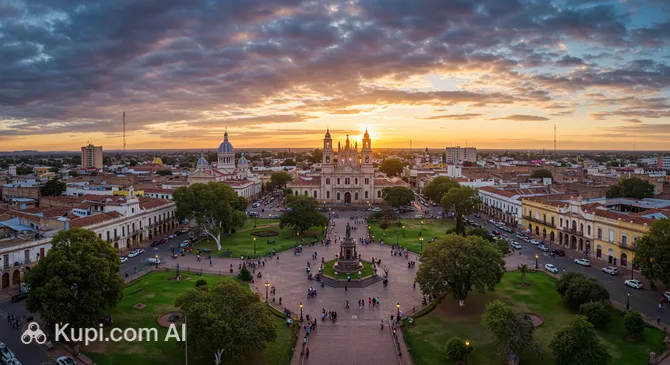
San Miguel de Tucumán. Source: Kupi.Binoculars

Visitors are often drawn to the iconic Casa Histórica de la Independencia, a whitewashed colonial building that is the city's most treasured landmark. Beyond its historical sites, the city boasts the expansive 9 de Julio Park, a perfect green space for relaxation designed by the famous French landscaper Charles Thays. The city also serves as a gateway to the stunning Yungas jungle and the nearby mountains, offering a quick escape into nature for outdoor enthusiasts.

Whether you are captivated by historical narratives, eager to taste local empanadas, or looking to explore the scenic beauty of the northwest, San Miguel de Tucumán welcomes you with open arms. It is a destination that promises a rich blend of education and adventure, making it a must-visit stop on any northern Argentine itinerary.
Weather Overview

The climate in San Miguel de Tucumán is generally subtropical, characterized by distinct seasonal changes that offer different experiences for travelers throughout the year. Summers are typically warm and humid, while winters bring cooler temperatures and significantly drier conditions. For a more detailed breakdown to help plan your packing list, you can consult the guide to weather in San Miguel de Tucumán.

During the peak summer months of December and January, the city experiences its highest temperatures, with averages hovering around 23°C to 24°C and daily maximums often reaching 28.3°C. This period also corresponds with the wet season; January, for instance, sees about 18 wet days. In contrast, the winter season from June to August is much drier and cooler. Average temperatures drop to approximately 12°C, with July seeing lows of around 6.6°C. August is particularly notable for being the driest month, often recording virtually no precipitation. Overall, you can expect warm summers with frequent rain and cool, dry winters.

Interesting Facts

Beyond the main attractions, San Miguel de Tucumán holds many fascinating secrets and unique distinctions that define its character in unexpected ways. Here are some intriguing facts about the city that often escape the casual visitor's notice:
  • The World's Lemon Capital: While often called the "Garden of the Republic" for its general greenery, the city and its province hold a specific global title. Tucumán is the world's leading exporter of lemons and lemon by-products. The region's unique microclimate creates the perfect conditions for citrus groves, which are a major economic engine for the area.

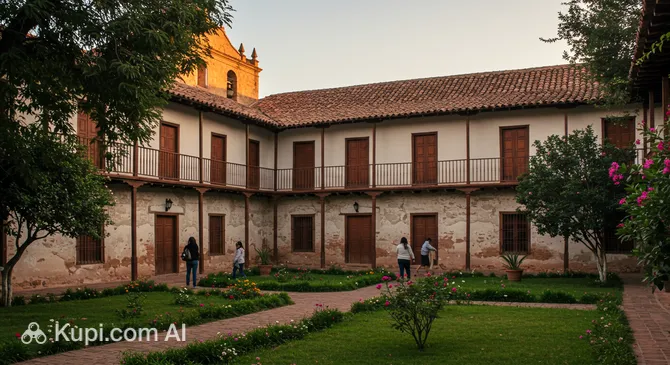
  • A Sweet Beginning: The massive sugar industry that shapes the local landscape was kickstarted by a clergyman, Bishop José Eusebio Colombres, in 1821. He installed the first sugar mill in his own home, which still stands today within 9th of July Park as the Sugar Industry Museum – Bishop Colombres House.

  • The "Survivor" Room: Although the Casa Histórica de la Independencia appears to be a preserved colonial structure, most of the building is actually a meticulous reconstruction. The only original part that survived 19th-century demolition is the "Salón de la Jura" (Hall of the Pledge), the specific room where independence was declared, which was protected inside a larger structure before the rest of the house was rebuilt around it.

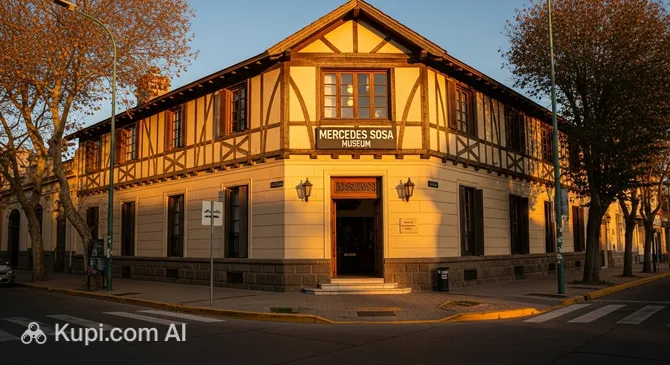
  • Voice of a Continent: The city is the birthplace of Mercedes Sosa, one of the most iconic folk singers in Latin American history. Her legacy is deeply intertwined with the region's culture, and visitors can explore her early life at the Mercedes Sosa Museum - Birthplace.

Sugar Industry Museum – Bishop Colombres House. Source: Kupi.Binoculars

How to Get There

Reaching this vibrant northern city is quite convenient, with several options available depending on your starting point and travel preferences. Whether you choose to fly directly or take a scenic overland route, you can find more about how to get to San Miguel de Tucumán to help plan your itinerary efficiently.

The most direct way to arrive is by flying into Benjamín Matienzo (TUC), which serves as the city's primary air hub. Located just 11.8 km from the city center, this airport handles a significant volume of domestic flights, connecting the province with Buenos Aires and other major destinations. A taxi or shuttle from here to the downtown area typically takes around 40 minutes, making it a quick and easy transfer for visitors.

If direct flights are unavailable, you might consider landing at Rio Hondo Airport (RHD) in the city of Rio Hondo. It is situated approximately 81 km from San Miguel de Tucumán, with a travel time of about 1.5 to 2 hours by road. For those seeking more international connections or a wider range of flight schedules, the Martin Miguel de Guemes International Airport (SLA) in Salta is a major regional option. Although it is located 218 km away, requiring a transfer of roughly 3 to 4 hours, it is a large hub with extensive services.

For clarity, here is a summary of the main airports:

Airport Name City Passenger Traffic Km from City
Martin Miguel de Guemes International Airport Salta Large 218.0
Benjamín Matienzo San Miguel de Tucumán Medium 11.8
El Cadillal Airport San Salvador de Jujuy Medium 267.9
Santiago Del Estero Airport Santiago del Estero Small 139.0
Rio Hondo Airport Rio Hondo Small 81.2

Beyond air travel, San Miguel de Tucumán is well-connected by land. The city is a major hub for long-distance buses (micros), which offer comfortable and affordable services from almost every corner of Argentina. Additionally, for those who enjoy slow travel, there is a passenger train service connecting the city with Buenos Aires. Although the journey is long, it offers a unique perspective on the changing landscapes of the Argentine countryside.

Main Attractions

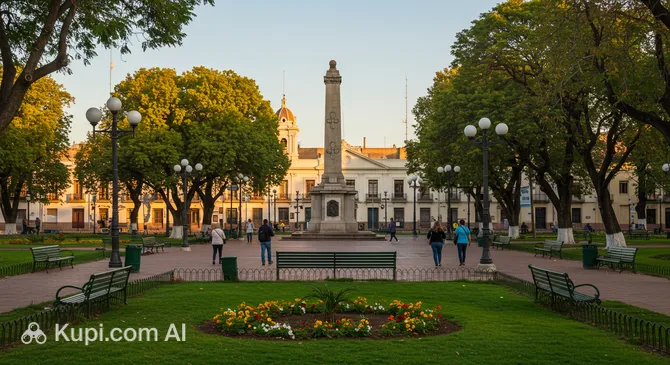
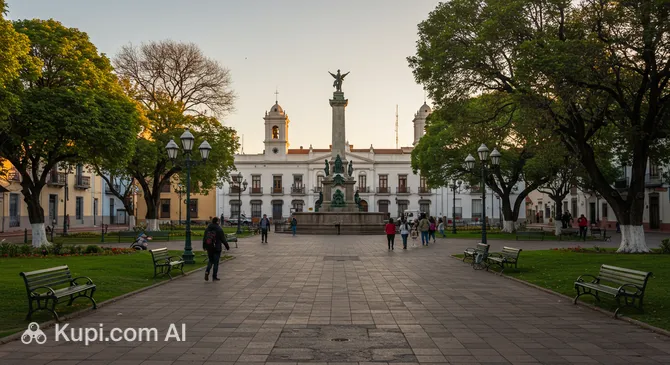
The heart of the city beats around Independence Square, a historic plaza that serves as the perfect starting point for any walking tour. Laid out during the colonial era, the square is adorned with orange trees and features the impressive Statue of Liberty, created by the renowned sculptress Lola Mora. It is a lively gathering spot where locals and tourists alike enjoy the shade and the view of the surrounding architectural gems.

Independence Square. Source: Kupi.Binoculars

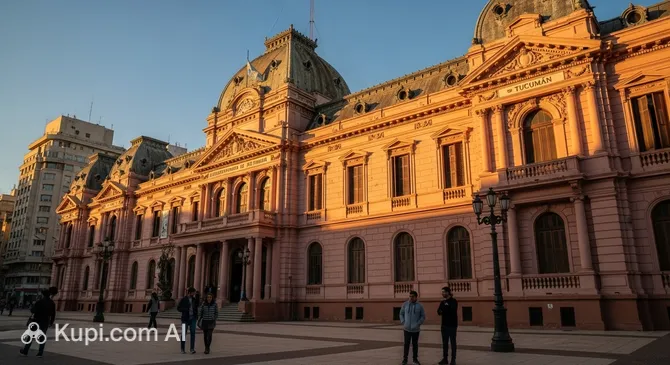
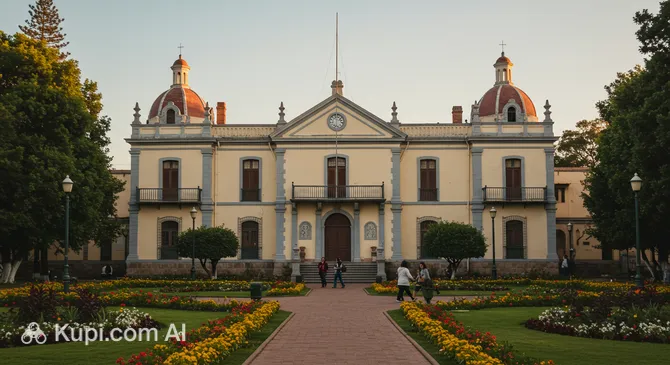
Directly facing the square stands the majestic Government House of Tucumán. This stunning palace, built in the early 20th century, is a masterpiece of Art Nouveau architecture blended with French Baroque influence. Its facade is unmistakable, especially when illuminated at night, and it remains one of the most photographed landmarks in the province. Visitors can admire its grandeur from the outside or explore the ornate interiors on guided tours.

Government House of Tucumán. Source: Kupi.Binoculars

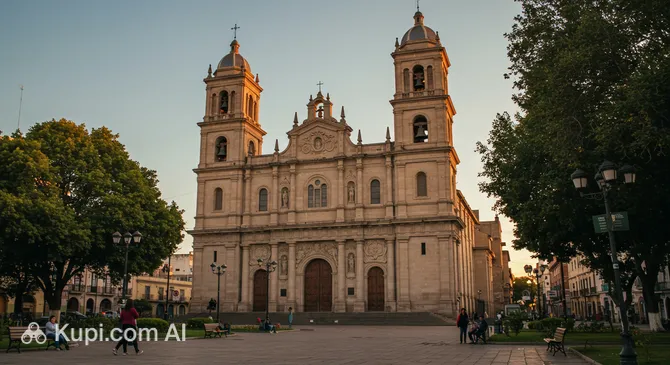
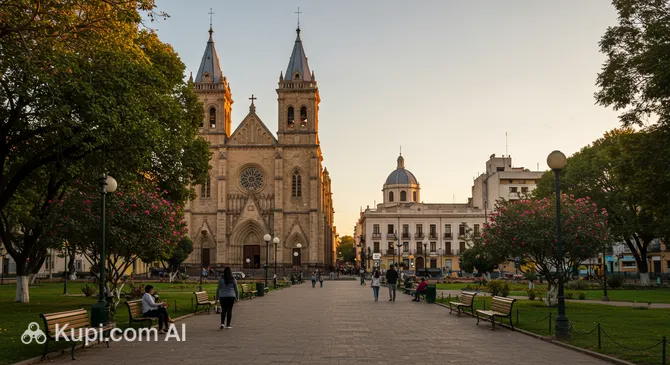
Just a few steps away lies the Cathedral of Our Lady of the Incarnation, a significant religious site with deep historical roots. While the current neoclassical building dates back to the 19th century, the site has housed the city's mother church since the founding of San Miguel de Tucumán. Inside, you can find the final resting places of several notable figures from Argentine history, making it a place of both spiritual and patriotic reflection.

Cathedral of Our Lady of the Incarnation. Source: Kupi.Binoculars

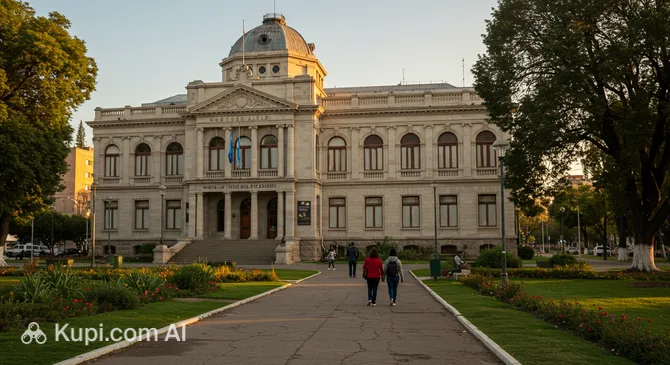
For those interested in science and natural history, the Miguel Lillo Museum of Natural Sciences is a must-visit destination. It houses one of the most important biological and paleontological collections in Latin America. The exhibits include fascinating fossils found in the region, offering a glimpse into the prehistoric life that once roamed the northwest of Argentina. It is an educational experience that appeals to visitors of all ages.

Miguel Lillo Museum of Natural Sciences. Source: Kupi.Binoculars

To delve further into the revolutionary past, make time for the Casa Belgraniana Historical House. This museum is a faithful recreation of the home where General Manuel Belgrano, a key hero of independence and the creator of the Argentine flag, resided during his time in Tucumán. Through interactive displays and historical artifacts, the house provides an intimate look at the life and legacy of one of the country's founding fathers.

Casa Belgraniana Historical House. Source: Kupi.Binoculars

Local Cuisine

The culinary scene in San Miguel de Tucumán is a source of immense local pride and a highlight for any visitor. The city is widely considered the national capital of the empanada, and the local version is distinctive and celebrated. An authentic empanada tucumana is typically filled with knife-cut beef (specifically flank steak or matambre), hard-boiled eggs, and green onions, seasoned with cumin and paprika. They are baked in clay ovens to achieve a golden, crispy crust and are traditionally eaten by hand with a squeeze of fresh lemon juice.

Another gastronomic icon of the city is the Sanguche de Milanesa. This is far more than a simple sandwich; it is a cultural institution consisting of layers of thinly pounded, breaded meat, lettuce, tomato, and special sauces inside large, toasted crusty bread. The city is filled with dedicated "sangucherías" where locals gather to enjoy this hearty meal. A popular place to experience this tradition is Los Eléctricos, a spot renowned for serving massive and flavorful versions of this local favorite.

Los Eléctricos. Source: Kupi.Binoculars

Beyond fast food staples, the region's cuisine features traditional dishes rooted in indigenous ingredients, particularly corn and squash. Humita (a creamy corn paste often cooked with cheese and wrapped in corn husks) and locro (a rich, hearty stew of corn, beans, and meat) are essential comfort foods, especially during cooler months or national holidays. For those with a sweet tooth, the local sugar industry influences desserts like alfeñiques, which are delicate candies made from cane sugar molasses.

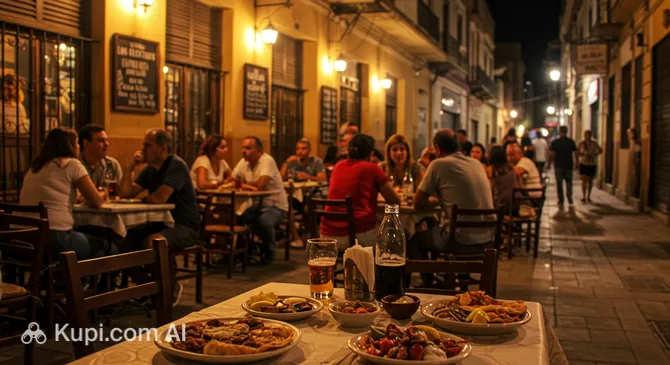
The dining atmosphere in Tucumán is vibrant and often extends late into the night. After dinner, the city comes alive with people socializing in bars and cafes. You might visit Dot Bar Tucumán to experience the energetic nightlife and enjoy a refreshing drink. Alternatively, for a more relaxed break during the day, ML Calentitas offers a cozy setting for coffee or a light snack. To complete your culinary journey, be sure to try a glass of Torrontés, the aromatic white wine produced in the nearby Calchaquí Valleys of the province.

Travel Tips

Traveling to San Miguel de Tucumán offers a deep dive into Argentine history and culture, but like any bustling Latin American city, it has its own unique rhythm and rules. To help you navigate the "Garden of the Republic" with ease and confidence, here is a set of essential practical tips for your journey.

  1. Clothing and Gear: The city has a subtropical climate, meaning summers (December to February) are hot and humid. Bring light, breathable fabrics, a hat, and strong insect repellent. Winters (June to August) are mild during the day but can get chilly at night, so a medium-weight jacket or sweater is necessary. For electronics, Argentina typically uses Type I (angled flat pins) or Type C (two round pins) outlets with a standard voltage of 220V, so bring a universal adapter.

  2. Transportation: Public buses are an economical way to get around, but you cannot pay with cash on board. You will need to purchase and load a rechargeable card known as the Tarjeta Ciudadana or Tarjeta Metropolitana at local kiosks. Taxis are plentiful and generally affordable; it is best to take "radio taxis" or those from established stands rather than hailing random cars on the street. Ride-hailing apps are available but may have lower availability than in Buenos Aires.

  3. Finances: The local currency is the Argentine Peso (ARS). While credit and debit cards are accepted in hotels, supermarkets, and larger restaurants, cash is king in smaller shops, kiosks, and for taxis. It is advisable to carry small bills. ATMs are widely available in the city center. In restaurants, a tip (propina) of roughly 10% is customary if the service was good.

  4. Health and Safety: Pharmacies (farmacias) are easy to find, and they operate on a rotating "on-duty" schedule (de turno) to provide 24-hour service; look for the sign in the window indicating the nearest open one. As in any large city, stay vigilant. Avoid wearing flashy jewelry or displaying expensive cameras and phones openly on the street. Stick to well-lit, busy areas at night and ask your hotel reception for advice on which neighborhoods to avoid.

  5. Communication: The primary language is Spanish, and English proficiency among locals can be limited outside of major tourist establishments. Learning a few basic phrases like "Hola" (Hello), "Gracias" (Thank you), and "¿Cuánto cuesta?" (How much?) will go a long way. WhatsApp is the standard method of communication for businesses and locals, so having a data plan is very useful. You can buy a prepaid SIM card from providers like Claro, Movistar, or Personal at local kiosks.

  6. Local Etiquette: Argentines are warm and affectionate. The standard greeting, even among people meeting for the first time, is a single kiss on the right cheek. When entering a shop or elevator, it is polite to greet others with a general "Buen día" or "Buenas tardes." If you are invited to share mate (the local herbal tea), do not stir the straw (bombilla) with your hand, as this is considered rude.

  7. What to Avoid: Do not expect to eat dinner early. Restaurants in Tucumán, like much of Argentina, typically open for the evening service around 8:30 PM or 9:00 PM, and locals often dine even later. Arriving at 7:00 PM might leave you facing closed doors or an empty dining room.

  8. Respect the Siesta: San Miguel de Tucumán adheres strictly to the tradition of the siesta. Most shops, businesses, and commercial offices close their doors from approximately 1:30 PM to 5:00 PM. During these hours, the streets can be surprisingly quiet. Plan your shopping and errands for the morning or late afternoon, and use this downtime to rest or explore outdoor parks.

By keeping these practicalities in mind, you will be well-prepared to embrace the vibrant lifestyle of San Miguel de Tucumán. From mastering the local schedule to navigating the streets safely, these tips ensure that your focus remains on enjoying the rich history and warm hospitality of this northern Argentine gem.

Entertainment & Nightlife

The nightlife in San Miguel de Tucumán is as intense and warm as its climate, characterized by a culture that thrives late into the night. Like many Argentine cities, the evening begins slowly, with locals often gathering for dinner around 10:00 PM or later. The real action in bars and pubs typically picks up around midnight, while nightclubs (known locally as boliches) rarely open their doors before 1:00 AM and stay lively until dawn. The atmosphere is generally casual but energetic, with a mix of Latin pop, reggaeton, electronic music, and classic Argentine rock filling the air.

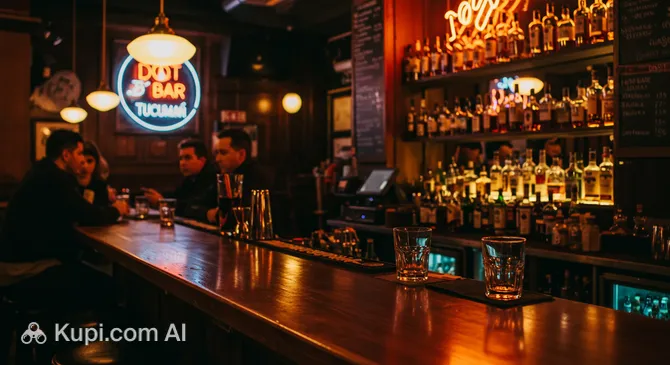
For those looking to start the night with cocktails and conversation, Barrio Norte is the most prominent district. This upscale neighborhood is packed with trendy bars, craft beer breweries, and pubs that attract a stylish crowd. It is the perfect area to experience the "previa" (pre-party drinks) before heading out to dance. A popular spot to soak up this vibe is Dot Bar Tucumán, which offers a modern setting and a wide selection of drinks, making it a favorite meeting point for locals.

Dot Bar Tucumán. Source: Kupi.Binoculars

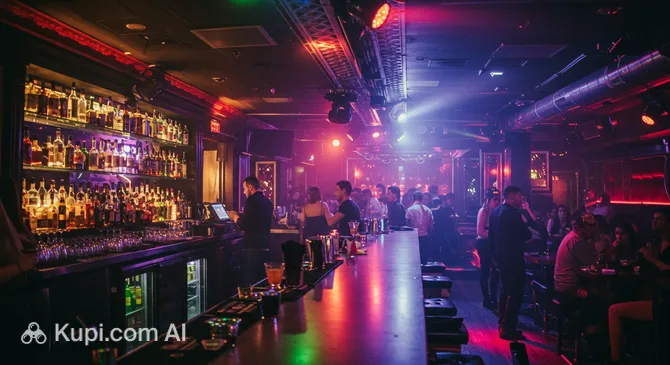
When it comes to dancing, the city offers various options ranging from massive venues to smaller, more intimate clubs. Diva Night Club is a well-known destination for those who want to experience the vibrant local party scene. The crowd here is diverse, and the energy is high, often featuring themed nights and guest DJs. Another venue that contributes to the city's nightlife map is Futbol 5 Terminal, which serves as a notable spot in the local late-night circuit. Dress codes for these clubs are usually "smart casual"—avoid sportswear, but there is no need for formal attire.

Diva Night Club. Source: Kupi.Binoculars

Regarding safety and logistics, it is important to be cautious at night. While the main nightlife districts are generally populated, it is advisable to avoid walking long distances alone in quiet or poorly lit streets. The safest and most convenient way to get around is by taking a "radio taxi" (taxis that you call or book via app rather than hail on the street). Prices are generally affordable compared to the capital, Buenos Aires. Always ensure the meter is running or agree on a price beforehand if using a remise.

For daytime entertainment, the city shifts gears to a more cultural and relaxed pace. Visitors can explore various shopping arcades such as the Maipú Gallery, which offers a glimpse into local commerce and daily life. Culture enthusiasts should check out the Cultural Mill, a hub for artistic expressions that often hosts exhibitions and events. Additionally, the city's theaters, such as the prestigious Teatro San Martín, frequently stage plays, concerts, and ballets, providing a sophisticated alternative to the bustling nightlife.

Parks & Museums

Beyond its historical landmarks, San Miguel de Tucumán justifies its nickname as the "Garden of the Republic" with a collection of lush green spaces and vibrant cultural centers. The city seamlessly blends urban life with nature, offering visitors numerous parks for relaxation and museums that preserve the region's rich artistic and social heritage.

The most significant green lung of the city is undoubtedly the 9th of July Park. Designed by the celebrated French landscape architect Charles Thays, this expansive park is a favorite recreational spot for locals. It features the tranquil Lake San Miguel, numerous statues, and walking paths lined with ancient trees. Within the park, you will also find the beautiful Rose Garden, a romantic and colorful corner that is perfect for a leisurely afternoon stroll.

9th of July Park. Source: Kupi.Binoculars

For a more urban park experience, Urquiza Square in the prestigious Barrio Norte neighborhood offers a sophisticated atmosphere. Surrounded by elegant buildings and cafes, it is a manicured space where residents gather to drink mate and enjoy the outdoors. The square is known for its well-kept gardens and is a peaceful refuge from the busier downtown streets.

Urquiza Square. Source: Kupi.Binoculars

When it comes to museums, the city honors its most famous daughter at the Mercedes Sosa Museum - Birthplace. Located in the house where the legendary folk singer was born and raised, this museum offers an intimate look at her life, career, and impact on Latin American music. It is an emotional journey for fans and an educational stop for those wishing to understand the cultural soundtrack of the region.

Mercedes Sosa Museum - Birthplace. Source: Kupi.Binoculars

Art enthusiasts should visit the UNT Museum (MUNT), belonging to the National University of Tucumán. This venue focuses on contemporary art and visual culture, hosting rotating exhibitions that showcase both local and national talent. For a glimpse into local history and architecture, the City Museum House (Casa Museo de la Ciudad) preserves the domestic lifestyle of the past and often hosts cultural events and temporary displays.

For a quieter experience away from the main tourist trail, consider visiting Hipólito Yrigoyen Plaza in the Ciudadela neighborhood. It is a charming, less crowded square where you can observe authentic local life and enjoy the shade of the trees without the hustle and bustle of the central plazas.

Getting Around

Public transport in San Miguel de Tucumán relies almost entirely on an extensive network of buses, known locally as colectivos. There is no metro or tram system in the city, so these buses serve as the lifeline for daily commuting, connecting the downtown area (Microcentro) with residential neighborhoods and the surrounding metropolitan area. The lines are numbered, and the buses are generally color-coded by company, making them relatively easy to spot, although the network can seem complex to a first-time visitor due to the sheer number of routes.

To use the public bus system, you cannot pay with cash on board. Instead, you must purchase and load a rechargeable contactless card called the Tarjeta Ciudadana (for use within the city limits) or the Tarjeta Metropolitana (for interurban travel). These cards are available at many kiosks and drugstores throughout the city, usually identified by a sticker in the window. The fare is affordable, making it a budget-friendly option for getting around, though prices are subject to inflation and frequent updates.

For tourists, navigating the bus routes can be facilitated by using mobile apps like Google Maps or specific local transport apps that track arrival times and stops. Buses typically operate from around 5:30 AM to midnight, though frequency drops significantly late at night and on weekends. It is important to signal the driver with a wave of your hand when you are at the stop, as buses will not stop automatically if no one is getting off.

If you prefer a more direct and comfortable alternative, taxis are widely available and relatively inexpensive compared to other major cities. Official taxis in San Miguel de Tucumán are white with yellow and black stripes and must display their license number clearly. It is highly recommended to use "Radio Taxis" (ordered by phone or app) or pick one up at a designated stand rather than hailing a random car on the street, especially at night. Ride-sharing apps like Uber are also operational in the city, offering another convenient layer of mobility.

The historic center of the city is quite compact, making walking an excellent option for exploring the main attractions around Independence Square. However, for trips to the foothills, the Yungas, or the residential district of Yerba Buena, you will need to rely on motorized transport. While there are no scenic cable cars or historic trams within the city center itself, the drive towards the nearby San Javier hill offers spectacular views, accessible via taxi or specific bus lines that head towards the mountains.

Accommodation

Finding the perfect place to stay in San Miguel de Tucumán is relatively easy, as the city offers a wide spectrum of accommodation options to suit various budgets and travel styles. As a major provincial capital and commercial hub, the city is well-equipped with everything from economical hostels and family-run guesthouses to modern high-rise hotels and upscale apartment rentals. Whether you are a backpacker looking for a social atmosphere or a business traveler seeking comfort and amenities, you will find suitable lodging within the metropolitan area.

For most tourists, the most convenient area to base yourself is the Microcentro (City Center). Staying here puts you within walking distance of the main historical attractions, such as the Independence House and the cathedral. If you prefer a more sophisticated and modern atmosphere, the neighborhood of Barrio Norte is an excellent choice. Located just north of the city center, this area is known for its chic residential vibe, proximity to Urquiza Square, and a high concentration of trendy restaurants and bars. For those seeking a quieter, greener experience, the neighboring district of Yerba Buena offers boutique hotels and resorts at the foot of the mountains, though it requires a short commute to reach the historic downtown.

When planning your trip, it is crucial to consider the local calendar. San Miguel de Tucumán is the cradle of Argentine independence, and the city hosts massive celebrations around July 9th (Independence Day). During this week, the city is bustling with government officials and tourists, and accommodation can sell out months in advance. If you plan to visit during this patriotic festival or during the winter holidays in July, booking your room well ahead of time is highly recommended.

In terms of pricing, accommodation in Tucumán is generally more affordable than in Buenos Aires or major tourist hubs like Bariloche. You can find comfortable mid-range hotels at very reasonable rates, while luxury options are competitively priced by international standards. Most establishments are listed on major online booking platforms, making it easy to compare prices and secure reservations. However, for smaller boutique lodgings or apartment rentals, contacting the property directly can sometimes yield better rates or personalized service.

Nearby Cities

For those looking to explore the surroundings, San Miguel de Tucumán serves as an excellent base for day trips to several interesting nearby locations.

Santiago del Estero is located approximately 143 km southeast of Tucumán and holds the title of the "Mother of Cities" as the oldest continuously inhabited Spanish settlement in Argentina. It is a destination rich in history and folklore, offering visitors a chance to explore colonial architecture and immerse themselves in the birthplace of the chacarera folk music tradition.

Heading south, Catamarca (San Fernando del Valle de Catamarca) sits about 192 km away. Nestled between mountains, it is famous for its stunning landscapes and religious significance, particularly the Cathedral Basilica of Our Lady of the Valley. The city offers a slower pace of life and serves as a gateway to the dramatic scenery of the Andean foothills.

For a much shorter trip, Yerba Buena is practically a neighbor, situated just 8 km west of the capital. Known as the "Garden City," it is characterized by its lush vegetation, upscale residential areas, and vibrant dining scene. It is the perfect starting point for ascending San Javier Hill and exploring the Yungas jungle, making it a favorite spot for nature lovers and those seeking leisure activities close to the city center.

City Population Distance (km)
Santiago del Estero 911,506 143
Catamarca 159,139 192
La Banda 106,441 141
Banda del Río Salí 63,226 6
Yerba Buena 50,057 8

These nearby destinations offer a glimpse into the diverse culture and landscapes of the region, providing ample opportunities for memorable excursions.

Shopping & Souvenirs

Shopping:

Shopping in San Miguel de Tucumán offers a delightful mix of traditional commerce and modern retail, reflecting the city's role as a major economic hub in northern Argentina. The experience is largely centered around the bustling downtown area, where historic architecture houses contemporary stores. Visitors can expect to find everything from high-end fashion and electronics to unique regional handicrafts that showcase the province's cultural heritage.

The heartbeat of the city's commercial life is found in the Microcentro, particularly along the pedestrianized streets (peatonales). The two most famous arteries are Muñecas and Mendoza. These vibrant walkways are lined with shoe stores, boutiques, bookstores, and cafes. Walking here is a sensory experience, with the sound of street performers often providing a backdrop to the busy crowds. It is the perfect place to window shop, observe local life, and find popular Argentine clothing brands.

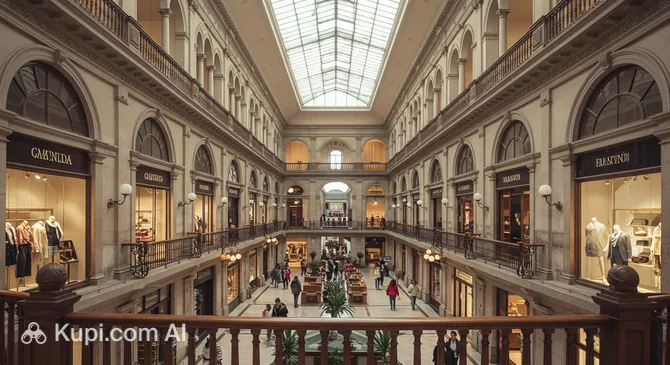
For a more enclosed and classic shopping experience, the city is known for its numerous "galerías" (shopping arcades) that crisscross the city blocks. One of the most traditional spots is the Maipú Gallery. These arcades often hide smaller, independent shops and cozy coffee spots away from the street noise. Additionally, you might come across La Gaceta Shop, a commercial space associated with the region's historic newspaper, offering a variety of goods and books.

Maipú Gallery. Source: Kupi.Binoculars

When it comes to markets and artisanal goods, the province is famous for its craftsmanship. While there are various fairs held in city plazas on weekends, the most distinctive local treasure is the Randa. This is a delicate, handmade lace unique to the region, crafted with a technique passed down through generations. Another must-buy item is leather goods, which are generally of high quality and competitively priced in Argentina.

No shopping trip to Tucumán is complete without picking up some edible souvenirs. The province is the sugar capital of Argentina, and this is reflected in its sweets. Look for alfeñiques, which are knot-shaped candies made from sugar cane molasses. They are a traditional treat often sold by street vendors or in specialty sweet shops and make for a lightweight, authentic gift to bring home.

Regarding practicalities, it is essential to remember the siesta schedule. Most shops in the city center open from roughly 9:00 AM to 1:00 PM, close for the afternoon, and reopen from 5:00 PM to 9:00 PM. Shopping malls and large supermarkets typically stay open throughout the day (horario corrido). Credit cards are widely accepted, but carrying some cash is advisable for small purchases or street vendors. Finally, foreign tourists should look for the "Tax Free" logo in participating stores to claim a VAT refund on locally made products upon leaving the country.

Reached the end of the page?

That means the route is fully explored