Support

Termas de Rio Hondo

About

Welcome to Termas de Rio Hondo, a renowned spa city located in the northern region of Argentina. Famous for its healing thermal waters, this destination offers a unique blend of relaxation and excitement in the province of Santiago del Estero. With a population of approximately 32,000 inhabitants, it maintains a welcoming and intimate atmosphere while providing world-class amenities for visitors seeking rejuvenation.

Termas de Rio Hondo. Source: Kupi.Binoculars

The city is celebrated as the National Capital of Thermal Tourism, sitting atop a large geothermal basin that provides mineral-rich hot waters to hotels and public baths throughout the area. Beyond its wellness offerings, the city has gained international fame for the Autódromo Termas de Río Hondo, a state-of-the-art circuit that hosts major motorsport events like MotoGP. Nature lovers will also appreciate the nearby Tara Inti Island, a nature reserve perfect for birdwatching and enjoying the scenery along the Dulce River.

The development of this resort town is fascinating. You can dive deeper into the local heritage and the history of Termas de Rio Hondo to understand how it evolved from a quiet settlement into a significant tourist hub. Whether you are looking to soak in therapeutic waters, cheer at a high-speed race, or simply enjoy the warm climate, Termas de Rio Hondo promises an unforgettable experience for every traveler.

Weather Overview

The climate in Termas de Rio Hondo is generally warm, allowing for visits throughout the year, though the seasons bring distinct differences in temperature and rainfall. The summer months, spanning from December to February, are typically hot. During this time, average temperatures hover between 26°C and 28°C, with daily maximums in January often reaching nearly 33°C. This period is also characterized by more frequent precipitation, with January seeing about 13 wet days.

In contrast, the winter season from June to August offers a cooler and much drier environment. July is usually the coldest month, with an average temperature of approximately 14.6°C and nighttime lows dropping to around 9°C. Rainfall becomes very scarce during these months; specifically, June, July, and August record almost no precipitation, providing clear skies for outdoor exploration.

To help you pack appropriately for your trip, you can consult the detailed guide on the weather in Termas de Rio Hondo. Overall, you should expect hot summers with occasional rain and cool, dry winters.

Interesting Facts

Beyond the famous racing circuits and spa treatments, Termas de Rio Hondo holds fascinating secrets that make it truly unique in South America. This destination offers a surprising mix of geological wonders and cultural traditions that go far beyond the typical tourist experience.

  • The city sits atop one of the largest geothermal aquifers in the Southern Hemisphere. Unlike most spa destinations where you must visit a specific center to soak, here the mineral-rich thermal water flows directly into the plumbing of hotels and even private homes, meaning you can often enjoy a therapeutic bath right in your own room.

  • Just a short walk from the bustling city center lies the Tara Inti Nature Reserve. This protected island in the Dulce River is a biodiversity hotspot where visitors can walk on elevated wooden paths to spot hundreds of bird species without disturbing the natural habitat.

  • Termas de Rio Hondo is the only city in Argentina—and one of the few in Latin America—to host the premier class of motorcycle racing, MotoGP. The local circuit is considered one of the safest and most modern in the world, transforming this quiet town into a global motorsport capital once a year.

  • The local culture is deeply connected to the art of basket weaving, a tradition you can explore at the Municipal Market. Artisans here use fibers from local plants to create intricate designs that are recognized nationwide as a symbol of the region's heritage.

Tara Inti Nature Reserve. Source: Kupi.Binoculars

How to Get There

Planning a trip to this spa capital is straightforward, with several travel options available depending on your starting point. You can find all ways to reach the city and select the route that best fits your schedule.

The most direct way to arrive is via the Rio Hondo Airport (RHD), located in the city of Rio Hondo, just 7.4 km from the center of Termas de Rio Hondo. While it is a small airport with limited traffic, it offers the fastest access, with a taxi or transfer taking approximately 20 minutes. This airport is ideal for travelers looking to minimize ground travel time.

Alternatively, many visitors fly into Santiago Del Estero Airport (SDE) in the city of Santiago del Estero, which is about 62 km away. The drive from there to Termas de Rio Hondo typically takes around 1 hour. Another major hub is Benjamín Matienzo (TUC) in San Miguel de Tucumán, located approximately 77 km from the city. A transfer from this airport generally takes about 1.5 hours.

For clarity, here is a summary of the main airports:

Airport Name City Passenger Traffic Km from City
Martin Miguel de Guemes International Airport Salta High 299.4
Benjamín Matienzo San Miguel de Tucumán Medium 76.8
Santiago Del Estero Airport Santiago del Estero Medium 61.9
Rio Hondo Airport Rio Hondo Small 7.4
La Rioja Airport La Rioja Small 281.9

Main Attractions

The city's appeal goes far beyond its reputation as a spa destination. While the thermal waters are the main draw, the urban area and its surroundings offer a variety of spaces where nature, culture, and leisure come together. Visitors can explore vibrant markets, expansive green parks, and the famous hot springs that define the region's identity.

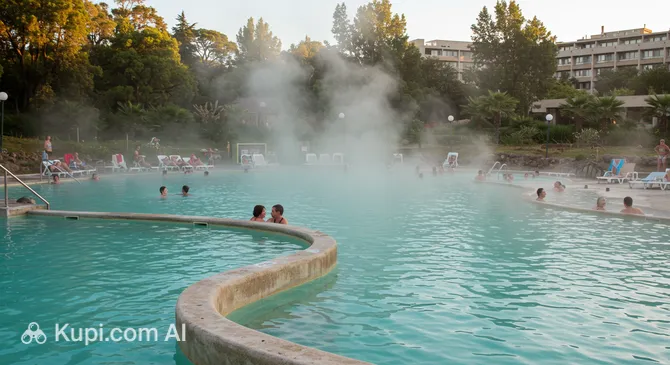
At the heart of the experience is the attraction simply known as Termas de Río Hondo. This refers to the incredible geothermal system that underpins the entire city, making it a massive open-air spa. Unlike other destinations where thermal pools are confined to specific centers, here the mineral-rich waters—loaded with salt, lime, iron, and phosphorus—are accessible throughout the area. Tourists flock here to relax in these therapeutic waters, which are renowned for alleviating stress and improving circulation, creating a city-wide sanctuary of wellness.

Termas de Río Hondo. Source: Kupi.Binoculars

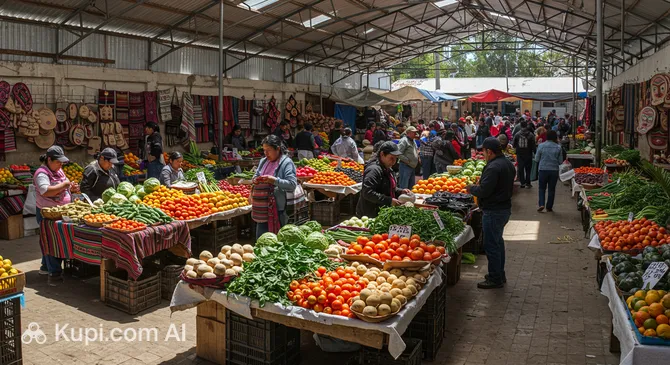
For a taste of local life and culture, a visit to the Municipal Market is essential. This bustling hub is much more than a place to buy groceries; it is a cultural showcase where the region's traditions come alive. Visitors can wander through stalls filled with fresh local produce, regional cheeses, and traditional sweets like alfajores. It is also the best place to admire and purchase authentic handicrafts, particularly the area's famous basketry, made by skilled local artisans using ancestral techniques.

Municipal Market. Source: Kupi.Binoculars

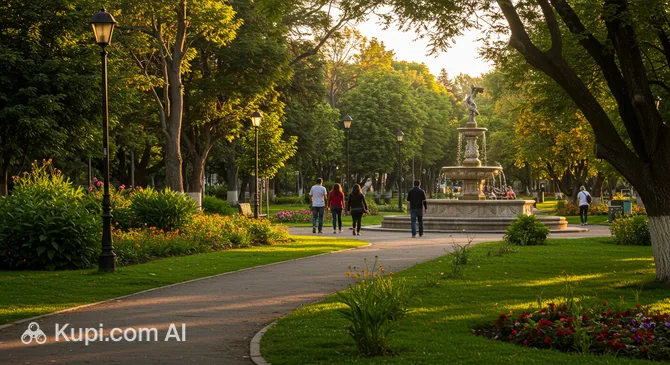
Those seeking a peaceful escape outdoors should head to Martín de Güemes Park. This expansive green space serves as the city's lungs and is a favorite gathering spot for both locals and tourists. With its well-maintained paths, shaded areas, and recreational facilities, it offers a perfect setting for a leisurely afternoon walk, a family picnic, or simply enjoying the fresh air away from the city center's bustle. The park frequently hosts cultural events and festivals, adding a lively atmosphere to its serene environment.

Martín de Güemes Park. Source: Kupi.Binoculars

Local Cuisine

Local Cuisine:

The culinary identity of Termas de Rio Hondo is deeply rooted in the traditions of the Santiago del Estero province, offering visitors a chance to savor authentic Argentine flavors. The region is particularly famous for its cabrito (roasted kid goat), which is widely considered the best in the country. Another staple is the empanada santiagueña, a juicy meat pie typically filled with hand-cut beef, onions, and hard-boiled eggs, seasoned with cumin and paprika.

For those looking to enjoy these local tastes in a modern setting, Express Cocina & Bar is a standout option. This restaurant offers a diverse menu that blends regional ingredients with contemporary preparation, making it a favorite spot for both lunch and dinner in the heart of the city.

Travelers seeking a refined dining experience can visit the Platino Termas Hotel Restaurant. Known for its elegant atmosphere and attentive service, this venue serves a variety of dishes ranging from traditional Argentine steaks to international cuisine, ensuring a satisfying meal for every palate.

Beyond the savory dishes, the region offers unique sweet treats that reflect its indigenous heritage. Visitors should try patay, a sweet cake made from the flour of the prosopis tree, and arrope, a thick, dark syrup derived from chañar or mistol fruits. These delicacies provide a perfect ending to a meal or a delightful afternoon snack.

Travel Tips

To ensure your visit to the "National Capital of Thermal Tourism" is as relaxing and enjoyable as possible, a little preparation goes a long way. These practical tips will help you navigate local customs, manage your logistics, and make the most of your time in Termas de Rio Hondo.

  1. Clothing and Gear: Since thermal waters are the main attraction, a swimsuit is the absolute most important item to pack; many hotels have thermal water directly in the room bathrooms or designated spa areas. If visiting in summer (December–February), bring light, breathable clothing and a hat to handle the heat. For winter visits (June–August), pack layers and a warm jacket, as nights can be chilly. Comfortable walking shoes are recommended for exploring the nature reserves.
  2. Transportation: The city center is compact and easily navigable on foot. For longer distances or to reach the airport and Autodrome, remises (private radio taxis) are the most common and reliable mode of transport. You can ask your hotel reception to call one for you. Car rentals are available but generally not necessary unless you plan to explore the wider Santiago del Estero province independently.
  3. Finances: The local currency is the Argentine Peso (ARS). While major hotels and restaurants accept credit cards, cash is essential for smaller shops, handicraft markets, and tipping. ATMs are available in the city center, but they may run out of cash on weekends or holidays, so it is wise to carry some cash with you. Tipping around 10% in restaurants is customary if the service was good.
  4. Health and Safety: Termas de Rio Hondo is generally a safe and peaceful destination for tourists. However, standard precautions like keeping an eye on your belongings in crowded areas apply. Pharmacies are easily found in the downtown area, with some operating on a rotational 24-hour shift (de turno). In summer, bringing mosquito repellent is highly advisable, especially if you visit the riverside or parks.
  5. Communication: Spanish is the official language. While staff at high-end hotels may speak English, it is not widely spoken in local shops or by taxi drivers. downloading a translation app and learning a few basic phrases like "Hola" (Hello) and "Gracias" (Thank you) will be very helpful. Free Wi-Fi is standard in most accommodations and cafes.
  6. Local Etiquette: The people of Santiago del Estero are known for their warmth and hospitality. A common greeting is a kiss on the cheek, even among casual acquaintances. The pace of life here is relaxed, so be patient and polite in your interactions; rushing or showing impatience is seen as rude.
  7. What to Avoid: Do not expect businesses to be open during the siesta hours. In this region, the afternoon break (roughly from 2:00 PM to 5:00 PM) is strictly observed, and most shops will close during this time. Plan your shopping and errands for the morning or late afternoon.
  8. Local Insight: If you are here for relaxation, try to schedule your spa treatments or thermal baths during the late afternoon. This leaves your mornings free for outdoor activities before the heat peaks, and the warm waters serve as a perfect wind-down before dinner. Also, check the local event calendar, as the city often hosts folk festivals (peñas) where you can experience traditional music and dance.

By keeping these tips in mind, you will be well-equipped to enjoy the soothing waters and vibrant culture of Termas de Rio Hondo. Embrace the slower pace of this unique spa city, and you are sure to leave feeling refreshed and revitalized.

Entertainment & Nightlife

As the sun sets over the Dulce River, Termas de Rio Hondo transforms from a tranquil wellness retreat into a vibrant hub of evening entertainment. The city is famous in Northern Argentina not just for its waters, but for its lively nightlife, which is particularly bustling during the winter tourist season (May to September). The atmosphere is festive yet relaxed, catering to families, couples, and groups of friends looking to enjoy the cool evening air.

The heart of the nightlife beats in the downtown area, specifically around the main square, Plaza San Martín, and the streets surrounding the iconic Casino del Sol. This district is pedestrian-friendly and packed with activity until the early morning hours. Here, you will find a mix of theaters, restaurants, and bars where locals and tourists mingle. The city is renowned for its theatrical productions, with many major shows from Buenos Aires traveling here during the peak season, making a night at the theater a classic Termas experience.

For those looking to start their evening with excellent food and drinks, Express Cocina & Bar is a popular choice. Located centrally, it offers a lively setting perfect for enjoying a cocktail or a local beer accompanied by regional dishes. It is a great spot to soak in the local vibe before heading out to a show or the casino.

If you prefer a more sophisticated evening, the restaurant at Platino Termas Hotel Restaurant provides an elegant atmosphere. It is an ideal venue for a quiet, romantic dinner or a refined nightcap, offering a curated menu that stands out in the city's culinary scene.

Another key aspect of the local nightlife is the traditional peña. These are folk music venues where you can listen to live chacarera and zamba music, typical of the Santiago del Estero province. It is an immersive cultural experience where the audience often joins in the dancing. For visitors staying at comprehensive resorts like HDA Hotel & Spa All Inclusive, evening entertainment is often right at your doorstep, with many hotels hosting their own shows or musical events for guests.

Practical Advice for Night Owls:

  • Timing: The night starts late in Argentina. Restaurants typically fill up after 9:30 PM, and bars get busy around 11:00 PM.
  • Dress Code: The style is generally "smart casual." You will see people dressed up for the theater and casino, but it is rarely strictly formal. Comfortable but neat attire is best.
  • Safety and Transport: The downtown area is well-lit and generally safe for walking at night. However, if you are venturing further out or returning late to your accommodation, it is best to take a remise (private taxi). You can easily hail one at designated stops or ask a venue to call one for you.

While the nightlife is a major draw, daytime entertainment in Termas de Rio Hondo offers its own charms. The city is home to the impressive Museo del Automóvil (Automobile Museum), located at the racetrack, which displays a world-class collection of vintage cars and motorcycles. Additionally, the Centro Cultural General San Martín often hosts art exhibitions and daytime workshops, providing a dose of culture before the evening festivities begin.

Parks & Museums

Termas de Rio Hondo offers much more than just thermal waters; the city is a treasure trove of green sanctuaries and cultural institutions that tell the story of the region's rich heritage. Visitors can easily transition from a relaxing soak to an afternoon of exploring diverse ecosystems, admiring vintage engineering, or delving into the pre-Columbian history of Santiago del Estero.

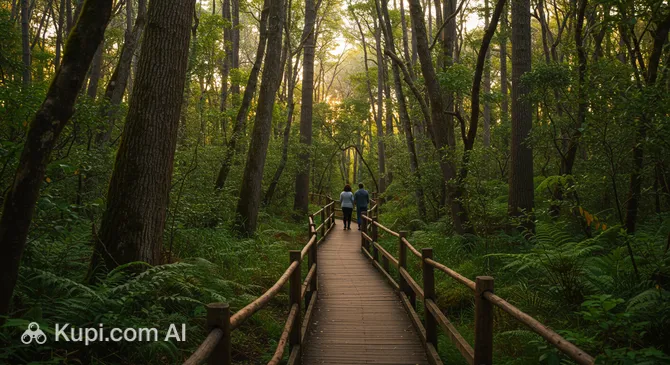
A standout natural attraction is the Tara Inti Nature Reserve, located on an island in the Dulce River just a few hundred meters from the city's waterfront. This protected area is a haven for biodiversity, accessible via a bridge that leads to a network of elevated wooden walkways. It allows visitors to immerse themselves in a wetland ecosystem teeming with birdlife without disturbing the habitat. It is an ideal spot for photography and quiet contemplation, offering a stark contrast to the bustling city streets.

For a more traditional recreational experience, Martín de Güemes Park serves as the city's main green lung. Situated near the city center, this expansive park is filled with eucalyptus and palm trees that provide welcome shade during the hot summer months. It is a favorite gathering place for local families and tourists alike, often hosting artisan fairs where you can admire local craftsmanship. The park's relaxed atmosphere makes it perfect for a leisurely stroll or a picnic between thermal baths.

One of the most surprising and impressive attractions in the city is the Museo del Automóvil Termas de Río Hondo. Located within the grounds of the international racetrack, this modern museum is a pilgrimage site for motorsport fans. It houses a world-class collection of vintage cars and motorcycles, including Formula 1 vehicles and memorabilia from legendary drivers like Juan Manuel Fangio. The exhibit is impeccably curated, showcasing the evolution of racing in a setting that rivals major museums in Europe.

To understand the deep roots of the region, a visit to the Museo Municipal Rincón de Atacama is essential. This paleo-anthropological museum offers a fascinating look into the area's distant past, displaying fossils of megafauna that once roamed these lands. It also features an extensive collection of pottery and artifacts from the Tonocoté and Vilela indigenous cultures, providing insight into the people who inhabited the Rio Hondo valley long before the Spanish conquest.

Another cultural gem is the Museo de Artes y Artesanías Regionales, housed in the city's old railway station, a building that dates back to 1929. The architecture itself is a piece of history, and the gardens feature a preserved steam locomotive that delights visitors. Inside, the museum focuses on the artistic traditions of the province, celebrating the skills of local weavers and artisans.

In the heart of the city stands the Iglesia Nuestra Señora del Perpetuo Socorro, the main religious landmark of Termas de Rio Hondo. Built in a modern architectural style in the mid-20th century, the church is known for its simple yet striking facade and beautiful stained glass windows. It serves as a peaceful retreat and a center for community life, particularly during religious festivals.

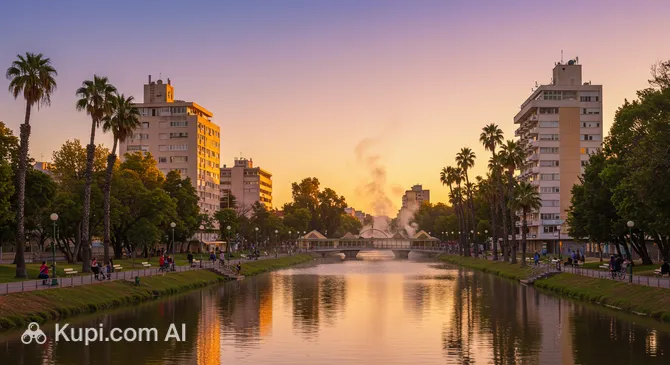
For a unique local experience, take a short trip to the Dique Frontal (Rio Hondo Dam). Beyond its function as a massive engineering work that controls the flow of the Dulce River, the area around the dam offers panoramic views of the reservoir and is a popular spot for fishing enthusiasts. Walking along the dam at sunset provides a spectacular vantage point where the water reflects the changing colors of the sky.
Getting Around

Navigating Termas de Rio Hondo is relatively simple and stress-free, as the city is compact and designed with relaxation in mind. Unlike large metropolises, there is no complex metro or tram network here. Instead, the transport system relies primarily on road-based options, with taxis and remises being the most popular choice for tourists, complemented by local bus services and a walkable city center.

Taxis and Remises are the most convenient way to travel, especially when visiting attractions located slightly outside the downtown area, such as the Autodrome or the airport. Taxis can be hailed on the street and are easily identified by their distinctive colors, while remises are private cars that must be booked by phone or at a designated agency (remisería). Both are generally affordable and safe. It is advisable to ask for the approximate fare before starting your journey or ensure the driver uses a meter if available. Most drivers accept only cash, so it is wise to carry small bills.

The city is served by local bus lines that connect various neighborhoods with key points like the city center and the Dique Frontal. These urban buses are a budget-friendly alternative for getting around, though their frequency may be lower compared to big cities. For day trips to the provincial capital, Santiago del Estero, or nearby Tucumán, you can take intercity buses from the Terminal de Ómnibus located on Las Heras street, which offers comfortable long-distance services.

Regarding payment, while the SUBE card is the national standard for public transport in major cities in Argentina, smaller local lines in resort towns may operate differently. Therefore, it is highly recommended to always carry cash for local bus fares and taxi rides. If you plan to visit the capital city of Santiago del Estero during your stay, having a loaded SUBE card will be essential there.

For a more leisurely experience, look out for the Tourist Train (Tren Turístico). This is a recreational vehicle—often a tractor-pulled wagon styled like a train—that offers guided city tours. It is a fun way to see the main landmarks, such as the Casino and the thermal spa areas, without walking. These tours typically depart from the main square or the casino area and are paid for in cash on the spot.

Finally, the city's flat terrain and pleasant urban layout make walking an excellent option for exploring the downtown area (Microcentro). Many hotels, restaurants, and markets are within easy walking distance of each other. Additionally, cycling is gaining popularity, and renting a bike can be a delightful way to visit the Tara Inti Nature Reserve or ride along the riverfront (Costanera) at your own pace.

Accommodation

Accommodation in Termas de Rio Hondo is distinct from most other destinations because the city's infrastructure is built entirely around its thermal waters. The range of lodging options is extensive, catering to all budgets and preferences, from modest guesthouses and apartment rentals to luxurious high-end resorts. A unique feature of this city is that the vast majority of hotels, regardless of their star rating, provide access to thermal water, often directly in the private bathrooms of guest rooms or in shared hotel pools.

For travelers who want to be in the center of the action, the downtown area (Microcentro) is the most convenient place to stay. Hotels located near Plaza San Martín and the Casino del Sol allow easy walking access to restaurants, shops, and theaters. This area is bustling and lively, perfect for those who enjoy evening strolls. Alternatively, visitors seeking tranquility or proximity to nature might prefer accommodations located closer to the Dulce River waterfront (Costanera) or near the access routes to the Autodrome, where the environment is more spacious and relaxed.

If you are looking for a complete relaxation experience with extensive amenities, the city offers several resort-style properties. A notable example is the HDA Hotel & Spa All Inclusive, which represents the higher end of the local offering. Establishments like this typically provide full spa circuits, entertainment programs, and on-site dining, allowing guests to enjoy a stress-free vacation without needing to leave the premises.

Booking Tips and Prices: The price range in Termas de Rio Hondo is quite broad. You can find budget-friendly hostels and campsites, mid-range hotels that offer excellent value, and premium resorts with international standards. While major hotels can be booked via popular online platforms, many smaller, family-run establishments still operate via direct phone or WhatsApp bookings.

A crucial tip for planning your stay is to book well in advance if you intend to visit during the peak winter season (May to September), Easter week, or during major motorsport events like the MotoGP. During these times, the city reaches full capacity, and securing a room last minute can be extremely difficult.

Nearby Cities

For those looking to explore the surroundings, Termas de Rio Hondo serves as an excellent base for day trips to several interesting nearby locations:

Just a short drive away lies Santiago del Estero, the provincial capital and the oldest continuously inhabited city in Argentina. Known as the "Mother of Cities," it offers a deep dive into the country's colonial history and folklore. Visitors can explore the magnificent Cathedral Basilica, the Cultural Center of the Bicentennial, and enjoy the authentic rhythm of the chacarera music that permeates the local culture.

Heading north, travelers can visit San Miguel de Tucumán, the bustling capital of the Tucumán province. Often called the "Garden of the Republic" due to its lush surroundings, this city holds immense historical significance as the site where Argentina's independence was declared. The Casa Histórica museum is a must-visit landmark, and the city center features elegant architecture and vibrant parks.

For those willing to travel a bit further, Catamarca (San Fernando del Valle de Catamarca) offers a scenic escape nestled among mountains. It is a major pilgrimage site famous for the Cathedral Basilica of Our Lady of the Valley and serves as a gateway to stunning Andean landscapes and archaeological sites.

City Population Distance (km)
Santiago del Estero 911506 67
San Miguel de Tucumán 605767 84
Catamarca 159139 141
La Banda 106441 66
Banda del Río Salí 63226 80

These nearby destinations offer a glimpse into the diverse culture and landscapes of the region, allowing visitors to experience the rich heritage of Northern Argentina beyond the thermal spas.

Shopping & Souvenirs

Shopping in Termas de Rio Hondo is a delightful journey into the region's artisanal heritage rather than a tour of high-end fashion boutiques. The city offers a relaxed retail atmosphere where visitors can find unique local products, traditional crafts, and regional delicacies that reflect the cultural identity of Santiago del Estero.

The main commercial activity is concentrated in the downtown area, particularly around Plaza San Martín. Streets such as Rivadavia and Sarmiento serve as the city's primary open-air shopping corridors. Here, tourists can stroll past a variety of shops selling clothing, leather goods, and accessories. These bustling streets come alive especially in the late afternoon when locals and visitors venture out after the midday heat to enjoy the cooler air and vibrant atmosphere.

Unlike major metropolitan areas, the city does not feature massive modern shopping malls. Instead, the retail landscape is characterized by small commercial galleries and independent storefronts. This absence of large chain complexes preserves the town's charm, encouraging travelers to explore smaller businesses and interact directly with shop owners to find hidden gems.

For the most authentic shopping experience, a visit to the Municipal Market is mandatory. This is the epicenter of local commerce, offering a vibrant mix of fresh produce, regional foods, and handicrafts. It is the best place to browse for the city's most famous souvenir: basketry. The local artisans are renowned for their skill in weaving vegetable fibers, such as straw and palm, into intricate baskets, hats, and decorative items. These handmade pieces are not only beautiful but also represent a deeply rooted local tradition.

Beyond basketwork, visitors should look for culinary souvenirs to take home. The region is famous for its sweets, particularly alfajores santiagueños—cookies typically glazed with sugar and filled with dulce de leche—and colaciones. You can also find jars of arrope (a thick syrup made from local fruits like chañar or mistol) and artisan honey. These edible treats are widely available in the market and specialized sweet shops throughout the center.

When planning a shopping trip, it is crucial to remember the local custom of the siesta. Most shops open in the morning from around 9:00 AM to 1:00 PM, then close for several hours, reopening in the late afternoon around 5:00 PM or 6:00 PM and staying open until late at night. Regarding payment, while larger stores and tourist-oriented businesses generally accept credit and debit cards, cash is the preferred method, especially in the Municipal Market and smaller craft stalls.

Regarding tax refunds, Argentina operates a Global Blue Tax-Free Shopping system for foreign tourists on purchases of locally made products at participating stores. While this is more frequently found in larger cities like Buenos Aires, visitors should look for the "Tax Free" logo in shop windows. If you make a qualifying purchase at a participating retailer, remember to ask for the refund form to present at customs upon leaving the country.

Reached the end of the page?

That means the route is fully explored