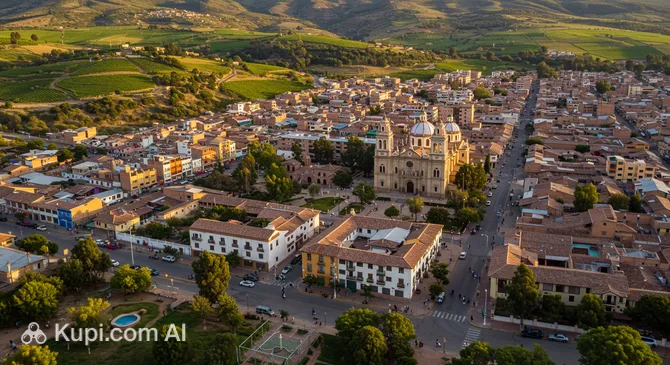
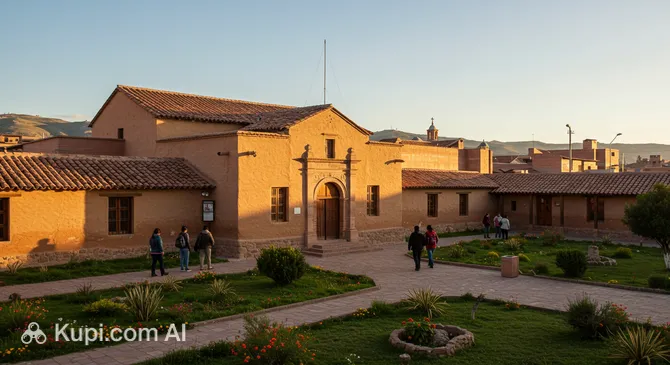
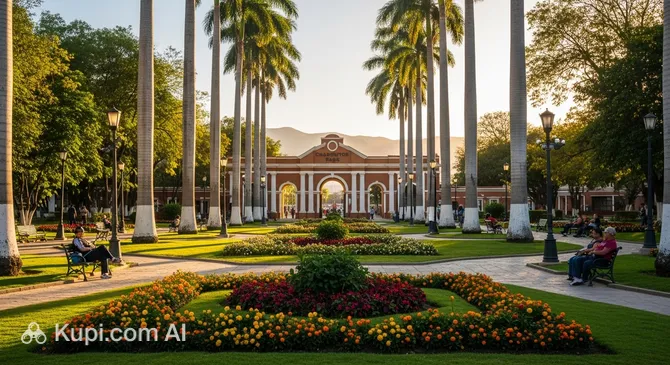
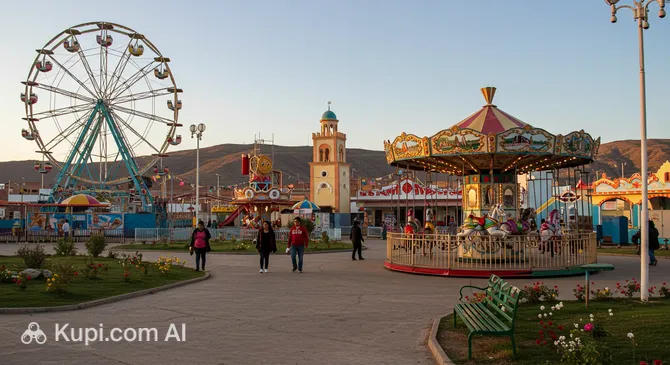
Welcome to Tarija, a charming city located in the southern part of Bolivia that offers a distinctively Mediterranean feel. Often referred to as the "Andalusia of Bolivia," this city is renowned for its relaxed pace of life, friendly locals, and pleasant climate. Nestled in a picturesque valley at an altitude of about 1,850 meters, Tarija enjoys mild weather year-round, making it a delightful escape from the harsher conditions of the high Altiplano.
With a population of approximately 268,000 inhabitants, the city serves as a vibrant cultural and economic hub for the region. The history of Tarija is deeply rooted in its colonial past, which is evident in the well-preserved architecture surrounding the main square, Plaza Luis de Fuentes. Visitors can stroll through the streets and admire the elegant facades that tell the story of the city's founding and development over the centuries.
Tarija. Illustration.
Source: Kupi.com AI
Tarija is perhaps best known as the capital of Bolivian wine country. The region produces excellent high-altitude wines and the famous national spirit, Singani. Travelers should not miss the opportunity to explore the local vineyards or visit the iconic Casa Dorada, a stunning Art Nouveau mansion that is a symbol of the city's wealth and artistic heritage. Whether you are a history buff or a wine enthusiast, Tarija promises an unforgettable experience filled with warmth and flavor.
Weather Overview
Tarija is renowned for its generally mild and pleasant climate, often described as Mediterranean, though it experiences distinct seasonal changes. The weather in Tarija remains relatively temperate year-round, making it a comfortable destination for visitors at almost any time.
The summer months, spanning from December to March, are characterized by warmer temperatures and higher humidity. During this period, average temperatures hover around 16°C, with daytime highs reaching approximately 21°C. However, this is also the wettest time of the year; travelers should expect frequent rainfall, as January and December can see up to 25 wet days per month.
Conversely, the winter season from June to August brings drier conditions and cooler nights. While daily maximums still reach a pleasant 19°C, the minimum temperatures can drop significantly to around 3.5°C. This period is extremely dry, with months like July often recording negligible precipitation and very few wet days. Expect warm, wetter summers and crisp, dry winters when planning your trip.
Average monthly temperature
Average monthly precipitation
Interesting Facts
Beyond its reputation for wine and sunshine, Tarija holds fascinating secrets that surprise many visitors. From prehistoric giants hidden beneath the soil to unique cultural traditions recognized globally, the city offers stories that go far deeper than its colonial surface.
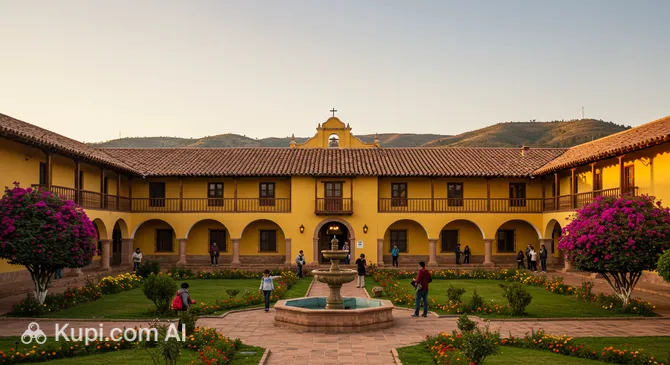
Casa Dorada. Illustration.
Source: Kupi.com AI
Traveler photos:
The Tarija valley is often called a "Land of Giants" because it sits atop one of the richest beds of Pleistocene fossils in South America. The National Paleontological and Archaeological Museum houses thousands of specimens, including the complete skeletons of mammoths, giant sloths, and armadillo-like glyptodonts, some of which were discovered by accident right beneath the city streets.
The dazzling Casa Dorada is such an iconic symbol of architectural splendor that it is featured on the back of the 20 Boliviano banknote. This Art Nouveau mansion was built by a local tycoon who wanted his home to reflect the grandeur of European palaces, adorning it with gold leaf, polished mirrors, and materials imported directly from Europe in the early 20th century.
The "Fiesta Grande de San Roque," which centers around the San Roque Church of Tarija, is distinct among Bolivian festivals for being strictly alcohol-free. Recognized by UNESCO as Intangible Cultural Heritage, it features thousands of "Chunchos"—dancers wearing colorful cylindrical turbans and veils—who dance through the streets to fulfill vows of health and healing, a tradition that has survived for centuries.
Tarija serves as the official timekeeper for the entire nation. The National Astronomical Observatory, located just south of the city in Santa Ana, was established through a Cold War-era cooperation between Bolivia and the Soviet Union. It houses powerful Russian telescopes and atomic clocks that are responsible for setting the official time for all of Bolivia.
How to Get There
Reaching the sun-drenched valleys of southern Bolivia is relatively straightforward, with air travel being the most convenient and popular method for international and domestic travelers alike. Visitors planning their journey can read more about how to get to Tarija to find the best route that suits their itinerary.
The city is served directly by Capitan Oriel Lea Plaza Airport (IATA: TJA), which acts as the main gateway for the region. Located just 5.1 km from the city center, it is a convenient hub for arrivals. A trip from the terminal to downtown Tarija is quick, typically taking less than 30 minutes by taxi or shuttle. With an annual passenger traffic of approximately 340,000 people, it is a bustling regional facility that connects Tarija with major Bolivian cities.
For travelers exploring the wider region, the Uyuni airport (IATA: UYU) is another transport node to consider, although it is located significantly further away. Situated in the city of Uyuni, this airport is approximately 249.5 km from Tarija. Due to the distance, the overland journey from Uyuni to Tarija is substantial, taking roughly 6.5 hours or more by road. This option is generally best suited for tourists planning a multi-stop itinerary that includes the famous salt flats before heading south to the wine region.
For clarity, here is a summary of the main airports:
Exploring Tarija offers a delightful mix of colonial history, fascinating science, and unique local culture. The city is easily navigable on foot, allowing visitors to soak in the relaxed atmosphere while moving between its most significant landmarks.
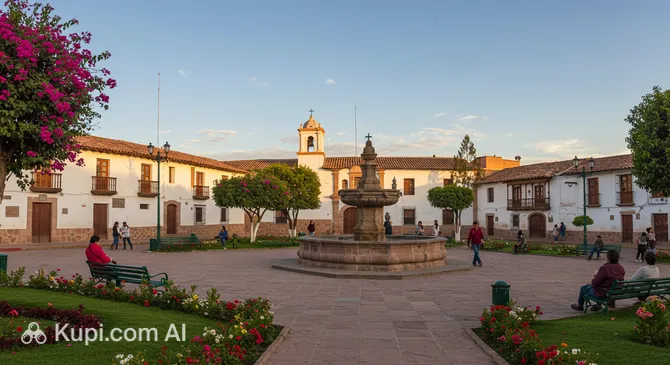
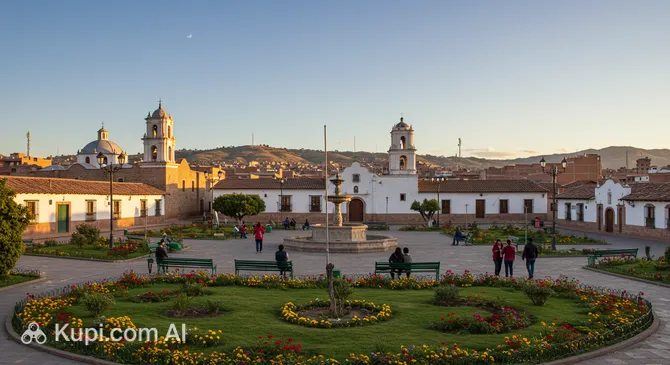
The heart of the city is undoubtedly the Luis de Fuentes and Vargas Square. This picturesque plaza serves as the social living room of Tarija, surrounded by elegant colonial architecture, government buildings, and lively cafes. It is beautifully landscaped with palm trees and vibrant flowers, offering a shaded retreat where locals gather to chat and relax. For tourists, it is the perfect spot to start a tour, enjoy a cup of local coffee, and observe the daily rhythm of the city.
Luis de Fuentes and Vargas Square. Illustration.
Source: Kupi.com AI
Traveler photos:
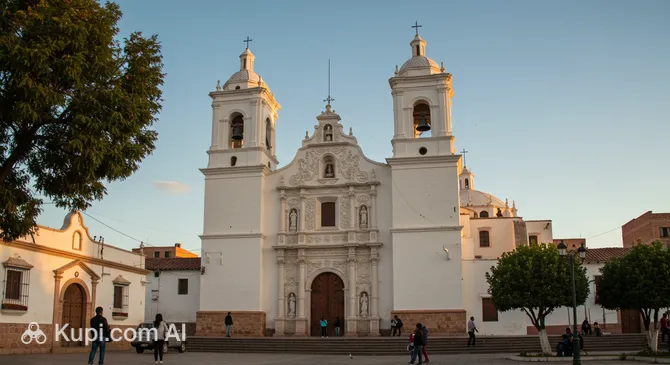
A short distance away, you will find the San Roque Church of Tarija, a site of immense cultural and spiritual importance. Standing on a raised platform that offers lovely views of the surrounding streets, this church is the epicenter of the city's most famous festival, the Fiesta Grande. Its distinctive architecture and whitewashed façade make it a photogenic landmark, while its interior offers a peaceful sanctuary for reflection.
San Roque Church of Tarija. Illustration.
Source: Kupi.com AI
Traveler photos:
For a journey back in time, the National Paleontological and Archaeological Museum is a must-visit attraction. The Tarija valley is known for its rich deposits of Pleistocene fossils, and this museum houses an extraordinary collection of these prehistoric treasures. Visitors can marvel at the complete skeletons of giant ground sloths, glyptodonts, and mastodons that once roamed the region, making it a fascinating stop for science enthusiasts and history buffs alike.
National Paleontological and Archaeological Museum. Illustration.
Source: Kupi.com AI
Traveler photos:
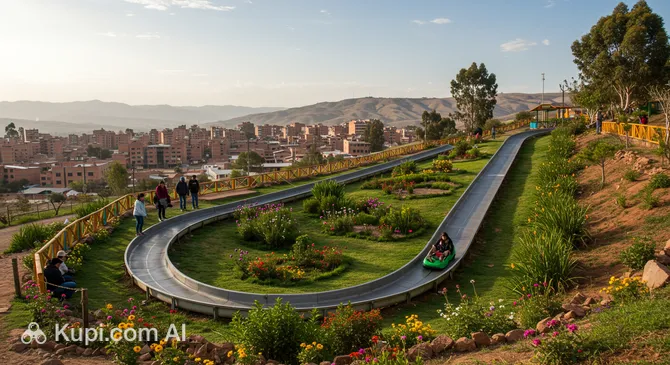
If you are looking for outdoor fun, the Oscar Zamora Toboggan Park offers a unique recreational experience. Famous for its giant concrete slides, this park invites visitors of all ages to slide down on sacks or cardboard for a thrill. It is a favorite spot for families and provides a playful break from sightseeing, along with green spaces perfect for a leisurely afternoon walk.
Oscar Zamora Toboggan Park. Illustration.
Source: Kupi.com AI
Traveler photos:
Local Cuisine
The culinary scene in Tarija is a delightful reflection of its fertile valley location, offering a fresh and flavorful variety of dishes that distinguish it from the rest of the Andean region. Known as the "Andalusia of Bolivia," the city boasts a gastronomy that blends Spanish colonial influences with indigenous traditions, resulting in comfort food that is both hearty and aromatic.
The undisputed king of local cuisine is Saice Chapaco. This savory stew is made from high-quality minced beef, peas, and potatoes, seasoned with cumin and chili peppers. It is traditionally served over rice or noodles and accompanied by a fresh tomato and onion salad (sarza) and small, boiled potatoes known as chuño. Another local favorite is Ranga Ranga, a spicy dish made from beef tripe, which is particularly popular as a mid-morning meal. For those who prefer grilled flavors, the city's proximity to Argentina means that excellent churrascos (barbecues) are widely available and expertly prepared.
Tarija is also the wine capital of Bolivia, making it the perfect place to pair your meal with a glass of locally produced high-altitude wine or Singani, the national grape brandy. You will often find Singani served in a refreshing cocktail called Chuflay, mixed with ginger ale and lime. For non-alcoholic options, be sure to try Aloja, a sweet, traditional drink made from cereals like quinoa, peanuts, or barley, often sold by street vendors in large clay pots to keep it cool.
Casona del Molino. Illustration.
Source: Kupi.com AI
Traveler photos:
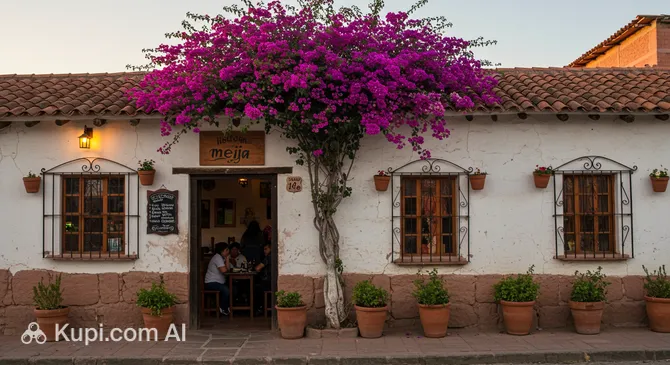
When it comes to dining out, the atmosphere is just as important as the food. For a truly authentic experience, the central markets offer a bustling environment where you can eat shoulder-to-shoulder with locals at affordable prices. If you are looking for a charming setting to enjoy traditional dishes, Casona del Molino is a highly regarded restaurant located in a restored colonial building. Another excellent option is Belen Restaurant, where you can savor regional specialties in a welcoming environment.
Travel Tips
Visiting Tarija is a delightful experience characterized by warm hospitality and a relaxed pace of life, but a little preparation can make your journey even smoother. To help you settle into the rhythm of the "Andalusia of Bolivia," here are some practical tips covering everything from packing essentials to local customs.
Clothing and Gear: Since Tarija enjoys a Mediterranean-like climate, pack lightweight, breathable clothing for the warm, sunny days. However, due to the altitude of 1,850 meters, temperatures drop noticeably at night, so bring a warm jacket or sweater for the evenings. A good hat, sunglasses, and high-SPF sunscreen are essential to protect against the strong high-altitude UV rays. If you plan to visit churches like San Roque, modest attire (covering shoulders and knees) is respectful.
Transportation: The city center is compact and very walkable, making it easy to explore on foot. For longer distances, taxis are plentiful and inexpensive; just be sure to agree on the fare before getting in as they rarely use meters. Alternatively, you can use trufis (shared taxis or minibuses) which follow set routes and are a very affordable way to get around like a local. Car rental is generally not necessary unless you plan to explore the surrounding vineyards independently.
Finances: The local currency is the Bolivian Boliviano (BOB). While upscale hotels and some wineries accept credit cards, cash is king in Tarija, especially for taxis, markets, and smaller restaurants. ATMs are widely available around the main plaza. It is wise to carry small bills and coins, as breaking large notes can be difficult for small vendors. Tipping is not strictly mandatory but leaving around 10% for good service in restaurants is appreciated.
Health and Safety: Tarija is generally safer than Bolivia's larger cities, but standard precautions like watching your belongings in crowded markets still apply. The most important health rule is to avoid drinking tap water; always buy bottled water to prevent stomach issues. Pharmacies (farmacias) are common and usually marked with a green cross; many can dispense basic advice and medication for minor ailments.
Communication: Spanish is the primary language, and English is not widely spoken outside of major tourist hotels or tour agencies. Learning a few basic phrases like "Buenos días" (Good morning) and "¿Cuánto cuesta?" (How much?) will be very helpful. Buying a local SIM card from providers like Entel or Tigo is easy and recommended for navigation and translation apps, as public Wi-Fi can be spotty.
Local Etiquette: The locals, known as Chapacos, are famous for their friendliness. It is polite to greet shopkeepers and drivers with a "Buenos días" or "Buenas tardes" upon entering. When you see someone eating, it is customary to say "Buen provecho" (Enjoy your meal). Life here moves at a slower pace compared to La Paz, so patience and a smile go a long way in all interactions.
What to Avoid: Do not expect businesses to be open during the midday hours. Tarija strictly observes the siesta tradition, meaning many shops, museums, and offices close from approximately 12:30 PM to 3:00 PM. Plan your lunch and downtime accordingly to avoid frustration.
Additional Tip: If you plan to buy wine to take home, visit the local markets or specialized wine shops (vinotecas) in the city center rather than buying at the airport, where prices are higher. Also, try the local street snack empanadas blanqueadas—sweet pastries coated in egg whites and sugar—perfect for an afternoon energy boost.
By keeping these tips in mind, you will be well-equipped to enjoy the sunny vineyards, colonial charm, and welcoming atmosphere of Tarija. Relax, pour yourself a glass of local wine, and embrace the tranquil beauty of southern Bolivia!
Entertainment & Nightlife
As the sun sets over the valley, Tarija transforms from a relaxed colonial town into a vibrant hub of activity. The city's nightlife is renowned throughout Bolivia for its cheerful and welcoming atmosphere, largely driven by the friendly nature of the locals, known as Chapacos, and the region's strong wine culture. Unlike the chaotic energy of larger metropolises, evenings here are characterized by a warm, communal vibe where music and socializing take center stage.
The night typically begins around the main square, Plaza Luis de Fuentes, and the surrounding blocks. This area is teeming with cafes, wine bars, and pubs where visitors can enjoy a glass of local wine or a cocktail while watching the city go by. As the night progresses, the energy shifts towards dedicated nightlife venues. For those looking to dance the night away, Disco Dogs & Cats is a well-known nightclub in the city. It attracts a mix of locals and tourists with its energetic music and lively crowd, making it a staple of the local party scene.
Disco Dogs & Cats. Illustration.
Source: Kupi.com AI
Traveler photos:
Another popular destination for late-night entertainment is FEEL. This club offers a modern setting for those who enjoy contemporary hits and a bustling dance floor. The dress code in Tarija's clubs is generally smart-casual; while you don't need formal wear, avoiding beachwear or overly sloppy attire is recommended. The party often starts late, with venues filling up after midnight and continuing until the early hours of the morning.
Beyond the clubs, Tarija is famous for its peñas—traditional venues that combine dining with live folk music. Here, you can experience the soulful sounds of the guitar and violin, which are central to the region's musical heritage. These spots offer a safer and more culturally immersive alternative to standard nightclubs, perfect for travelers wanting to understand the local spirit.
For daytime entertainment, the city offers plenty of options before the sun goes down. Families and groups can visit Temático Park, a recreational space that provides a fun break from historical sightseeing. Additionally, the city has several cinemas and cultural centers that host theater performances and art exhibitions, reflecting the artistic pride of the region.
When enjoying a night out, safety is generally good, but standard precautions apply. It is best to stick to well-lit areas and avoid walking alone late at night on the outskirts. For transportation, always use "Radio Taxis"—official taxis that you call by phone or app—rather than hailing random cars off the street. Fares are affordable, usually costing just a few Bolivianos for trips within the city center, ensuring you can get back to your accommodation safely and cheaply.
Parks & Museums
Tarija is a city that seamlessly blends its rich colonial heritage with inviting green spaces, offering visitors a perfect balance of cultural exploration and outdoor relaxation. Beyond its famous vineyards, the city center and its surroundings are dotted with leafy plazas, family-friendly parks, and institutions that preserve the region's fascinating history.
One of the most pleasant spots for a leisurely stroll is Plaza Sucre. Often quieter than the main square, this park is a favorite among locals seeking a tranquil environment. It features beautifully manicured gardens, tall shade trees, and a central fountain that adds to the serene atmosphere. It is an excellent place to sit with a book or simply enjoy the mild Tarija weather away from the bustle of the commercial district.
Plaza Sucre. Illustration.
Source: Kupi.com AI
Traveler photos:
For families traveling with children, or anyone young at heart, Changuitos Park is a delightful destination. This recreational area is designed with fun in mind, offering various playgrounds and green areas where kids can burn off energy. It reflects the city's family-oriented culture and provides a safe, clean environment for an afternoon of outdoor activities.
Changuitos Park. Illustration.
Source: Kupi.com AI
Traveler photos:
Another unique green space is the Temático Park. As the name suggests, this park features thematic elements that often include colorful sculptures and figures, making it a popular photo spot. It serves as a community hub where residents gather for exercise and socialization, offering tourists a glimpse into the everyday life of the Chapacos.
Temático Park. Illustration.
Source: Kupi.com AI
Traveler photos:
When it comes to culture, Tarija boasts impressive institutions. The National Paleontological and Archaeological Museum is the city's crown jewel of science. While its collection of prehistoric fossils is its main claim to fame, the building itself is a point of interest, situated near the main plaza. Visitors here gain deep insight into the ancient "Land of Giants" that existed in this valley long before human settlement.
Equally significant is the Casa Dorada, which functions as the city's House of Culture. This architectural marvel is not just a venue for events but a museum in its own right. Guided tours allow visitors to step inside the opulent Art Nouveau interiors, viewing the original furniture, art, and personal effects of the merchant family that built it. It stands as a testament to the economic prosperity of Tarija in the early 20th century.
In terms of architectural landmarks, the city is filled with colonial gems. Aside from the well-known religious sites, keep an eye out for the Castillo Azul (Blue Castle). This distinct, bright blue building once belonged to a wealthy family and is shrouded in local legends and ghost stories. Its eccentric architecture contrasts sharply with the traditional colonial style, making it an intriguing sight for architecture enthusiasts.
Insider Tip: For a panoramic view that combines nature and urban scenery, head to the Mirador de los Sueños, locally known as the "Wine Cup" due to its shape. It is a bit of a climb, but the observation deck offers sweeping views of Tarija and the surrounding mountains, which is particularly magical at sunset.
Getting Around
Getting around Tarija is a straightforward and authentic experience, as the public transport system relies entirely on road-based vehicles rather than complex rail or metro networks. The city is served by a combination of colorful buses and shared taxis that navigate the streets with impressive frequency. For tourists, this informal yet efficient system offers an inexpensive way to explore neighborhoods beyond the historic center and reach the surrounding countryside.
The most iconic form of public transport is the micro. These are older, often brightly painted buses that follow fixed routes throughout the city. Destinations are usually displayed on colorful placards in the windshield, and the routes are numbered or lettered. Micros are the most budget-friendly option available, costing just a few Bolivianos per ride. While they can be slower due to frequent stops, they provide a great window into local life. To catch one, simply wave your hand from the curb; to get off, just let the driver or the assistant know as you approach your destination.
For a faster alternative that still operates on fixed routes, look for trufis. These are typically sedans, station wagons, or minivans identified by flags or signs on the roof indicating their route number and destination. Trufis function like shared taxis: they pick up and drop off passengers along a set path but are quicker than buses because they stop less frequently. They are slightly more expensive than micros but offer a more comfortable seat and a swifter journey across town.
The payment system in Tarija is strictly cash-based. There are no travel cards, digital passes, or mobile apps for paying fares on public transport. You simply pay the driver directly, usually upon exiting the vehicle. It is essential to carry small change—coins and small denomination bills—as drivers often do not have enough change for large banknotes. Fares are generally fixed and very affordable, making it easy to hop on and off without worrying about the cost.
If you prefer a private ride, taxis are abundant and relatively cheap compared to international standards. It is safer to use "Radio Taxis," which are dispatched companies, rather than hailing unmarked cars on the street. Taxis in Tarija generally do not use meters; instead, fares are based on distance or zones. It is standard practice to agree on the price with the driver before getting into the car to avoid any misunderstandings. Taxis are particularly useful at night when micros and trufis run less frequently.
Given the compact nature of Tarija's city center, walking is often the best way for visitors to see the main sights. Most major attractions, including the main plaza and the central market, are within comfortable walking distance of each other. For those planning to visit the nearby vineyards, renting a bike is a popular and scenic alternative, allowing you to enjoy the fresh valley air and beautiful landscapes at your own pace.
Accommodation
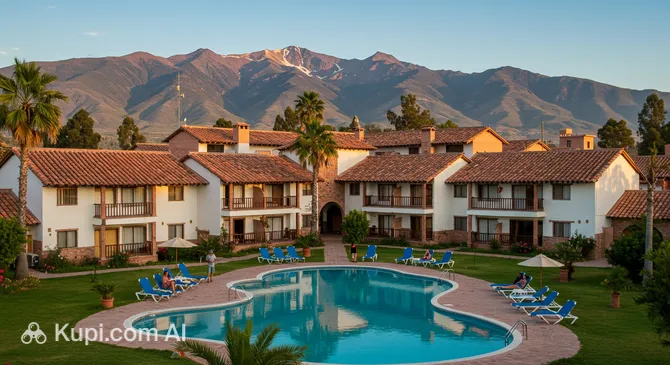
Finding the perfect place to stay in Tarija is generally a stress-free experience, as the city offers a welcoming variety of accommodation options that cater to different travel styles and budgets. Visitors can choose from charming boutique hotels housed in restored colonial mansions, comfortable mid-range establishments, and budget-friendly hostels that are popular with backpackers. For those seeking a more luxurious or nature-oriented experience, there are also resort-style hotels located slightly outside the city center, offering pools and lush gardens that take advantage of the valley's pleasant climate.
The most convenient area for tourists is undoubtedly the Historic Center (Casco Viejo). Staying near the main square, Plaza Luis de Fuentes, places you within walking distance of the best restaurants, museums, and historical landmarks. This area is safe, lively, and filled with colonial character. Alternatively, travelers looking for tranquility might prefer the outskirts or the Aranjuez neighborhood, which offer a quieter atmosphere and closer proximity to the countryside and vineyards, though you will likely need a taxi to get into town for dinner.
For travelers looking for a well-equipped stay with ample amenities, Los Ceibos Hotel is a prominent choice. Categorized as a resort hotel, it is known for providing a relaxing environment complete with recreational facilities, making it an excellent option for families or those wishing to unwind after a day of exploring the wine route.
Los Ceibos Hotel. Illustration.
Source: Kupi.com AI
Traveler photos:
Booking Tips and Prices: Accommodation prices in Tarija are generally very affordable compared to international standards, with great value found even in higher-end establishments. While you can often find a room upon arrival, it is highly recommended to book in advance if you are visiting during major festivals, particularly the "Fiesta Grande de San Roque" in August/September or during the Carnival season in February/March, when the city fills up with visitors. Major hotels can be booked via standard online platforms, but smaller guesthouses and hostels often respond better to direct inquiries via WhatsApp or phone.
Nearby Cities
For those looking to explore the surroundings, Tarija serves as an excellent base for day trips to several interesting nearby locations. The region is rich in history and natural beauty, offering diverse experiences just a short drive from the city center.
One of the most popular excursions is to **San Lorenzo**, located just 15 kilometers north of Tarija. This quaint colonial town is famous for its cobblestone streets and the historic home of Eustaquio "Moto" Méndez, a hero of the Bolivian War of Independence. It is also the perfect place to try the region's traditional pastries, particularly the famous *rosquetes* and *empanadas blanqueadas*. For wine enthusiasts, a trip to **Valle de la Concepción** (Uriondo) is essential. Situated about 25 kilometers south, this area is the heart of the Tarija wine route, where visitors can tour vineyards, visit bodegas, and enjoy wine tastings paired with local cheeses and hams.
While the immediate vicinity offers charming villages, the wider region connects Tarija to some of Bolivia's most significant cities and towns, which are suitable for longer excursions or as the next stop on your itinerary:
City
Population
Distance
San Lorenzo
3 000
12 km
Entre Rios
2 800
58 km
Tupiza
23 100
103 km
Camargo
4 502
109 km
Villazon
28 045
110 km
These nearby destinations offer a glimpse into the diverse culture and landscapes of the region, ranging from the humid heat of the Gran Chaco in the east to the historic highlands in the north.
Shopping & Souvenirs
Shopping in Tarija is a relaxed and authentic experience that reflects the city's easygoing lifestyle. Unlike the bustling commercial hubs of larger Bolivian cities, you will not find massive shopping malls here. Instead, the city charms visitors with its vibrant local markets, specialized wine shops, and small boutiques that showcase the region's unique products and craftsmanship.
The undisputed heart of local commerce is the Mercado Central. Housed in a striking modern building just a few blocks from the main plaza, it remains a traditional market at its core. This is the best place to immerse yourself in the daily life of the Chapacos. On the lower levels, you can browse for affordable leather goods, baskets, and traditional textiles, while the upper floor is famous for its food court. It is also an excellent spot to buy fresh local fruits and the ingredients for regional dishes.
As Tarija is the wine capital of Bolivia, taking home a bottle of high-altitude wine or Singani (the national grape brandy) is a must. While supermarkets carry these items, visiting a specialized vinoteca in the city center offers a better experience. Staff can guide you through the different varieties, and prices are significantly lower than at the airport. Many shops also offer tastings, ensuring you pick the perfect vintage to share with friends back home.
The streets surrounding Luis de Fuentes and Vargas Square and Plaza Sucre serve as the city's main open-air shopping districts. Here, you will find boutiques selling high-quality leather shoes, belts, and bags, which are a specialty of the region. Visitors should also look out for shops selling artesanía (handicrafts), including wood carvings and decorative items that make for meaningful souvenirs.
For a sweet reminder of your trip, look for Rosquetes. These are crunchy, donut-shaped pastries covered in white meringue, traditionally made in the nearby town of San Lorenzo but widely available in Tarija's markets and street stalls. Another popular edible souvenir is empanadas blanqueadas, delicious pastries filled with dulce de leche and coated in sugar, perfect for a midday treat or a gift.
Practical Tips for Shoppers:
Respect the Siesta: Tarija strictly observes the midday rest. Most shops, including those in the city center, close their doors between approximately 12:30 PM and 3:00 PM. Plan your shopping trips for the morning or late afternoon to avoid finding closed doors.
Cash is King: While some upscale wine shops and hotels accept credit cards, the vast majority of vendors in the markets and smaller stores operate only with cash. Be sure to carry Bolivianos in small denominations to make transactions smoother.
Bargaining: In the Mercado Central and with street vendors, a little friendly bargaining (asking for a "rebaja") is acceptable and often expected. However, prices in fixed-rate boutiques, supermarkets, and wine shops are generally non-negotiable.