Support

Camiri

About

Camiri is a vibrant and historically significant city located in the Santa Cruz Department of Bolivia. Often referred to as the "Petrol Capital of Bolivia" due to its rich legacy in the oil industry, this bustling urban center offers a unique blend of industrial heritage and natural beauty. Nestled in the heart of the Bolivian Chaco, the city sits picturesquely on the banks of the Parapetí River, providing a scenic backdrop to its lively streets and friendly atmosphere.

Geographically, the city is situated in a valley surrounded by the Aguaragüe mountain range, characterized by a warm, semi-humid climate that invites exploration throughout the year. With a population of approximately 35,000 residents, it serves as an important commercial and cultural hub for the Cordillera Province. The lush vegetation and the flowing river create a refreshing environment, distinct from the higher altitude regions of the country.
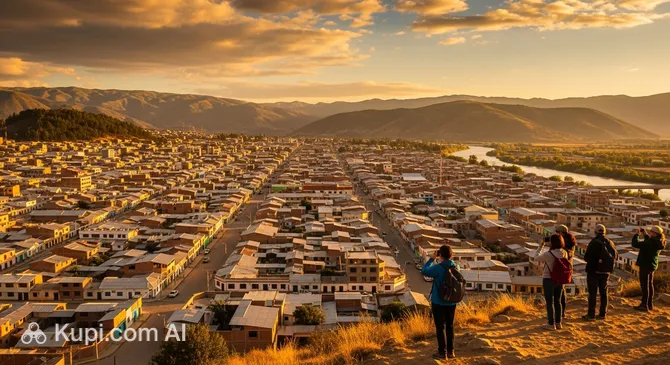
Camiri. Source: Kupi.Binoculars

Visitors interested in the past will find the history of Camiri fascinating, particularly its pivotal role during the Chaco War and the subsequent oil boom that shaped its development. The city preserves memories of these eras through local monuments and the enduring spirit of its people. Beyond its historical roots, Camiri is a gateway to the rich Guaraní culture, offering travelers a chance to experience authentic local traditions, folklore, and music.

Nature lovers can enjoy walks along the riverbanks or venture into the surrounding hills for panoramic views of the landscape. The city acts as a convenient base for exploring the wider Chaco region, known for its biodiversity and rugged terrain. Whether you are passing through on a larger South American journey or visiting specifically to understand the region's industrial and cultural importance, Camiri welcomes you with warm hospitality and a distinct local charm.

Weather Overview

The climate in this region is generally warm and inviting, making it a suitable destination for visitors throughout the year. For a detailed breakdown of conditions, you can consult the guide to weather in Camiri, which highlights distinct seasonal variations. Generally, travelers can expect warm summers with frequent wet days and mild, drier winters.

During the peak of the warm season, particularly in January and November, daily maximum temperatures often reach around 30°C, while averages stay near 24°C. This period is also the wettest, with January seeing up to 17 wet days, although the overall precipitation volume remains relatively low. It is advisable to pack breathable clothing and rain gear if visiting during these months.

Conversely, the winter months of June and July bring cooler and drier conditions. Average temperatures dip to approximately 17°C, with nighttime lows around 11°C. This is the driest time of the year; August, for instance, typically experiences almost no precipitation and only about 2 wet days, offering clear skies for outdoor exploration.

Interesting Facts

Beyond the main attractions, Camiri holds many fascinating secrets that peel back the layers of its industrial exterior to reveal a rich historical and cultural tapestry. Here are some unique insights into this dynamic city:

  • A Chapter of Revolutionary History: Camiri played a significant role in the events surrounding Che Guevara's guerrilla campaign in Bolivia. In 1967, the city hosted the high-profile military trial of French intellectual Régis Debray and Argentine artist Ciro Bustos. The site where they were detained, often referred to as the military casino, remains a point of interest for history enthusiasts following the Che Guevara Trail.

  • The Legacy of Choreti: While Camiri is known as the oil capital, its neighbor Choreti is historically the older settlement. During the Chaco War, Choreti was a strategic military headquarters and hospital center. Although the two have physically merged over time, Choreti retains its own distinct identity and historical ruins that predate the oil boom.

  • Guaraní Origins: The name of the city is deeply rooted in the indigenous Guaraní language. It is derived from the word "Kaami", which describes a small forest or low jungle, reflecting the dense vegetation that characterized the area before urban expansion.

  • The Sleeping Giant: The imposing Sararenda mountain range that flanks the city is the subject of local lore and geological curiosity. Often called a "sleeping giant" by locals, it is not only a vital water source for the region but is also believed to hold vast, untapped natural resources deep within its rock formations.

How to Get There

Reaching this destination in the Bolivian Chaco typically involves a combination of air and ground travel. While the journey takes you through some of the country's most scenic landscapes, it requires a bit of planning regarding connections. For a detailed breakdown of routes and transport options, you can consult the guide on how to get to Camiri.

The city of Camiri does not have a major commercial airport for scheduled flights, so most visitors arrive via Viru Viru International Airport (VVI) in the city of Santa Cruz de la Sierra. Located approximately 266 km from Camiri, this is Bolivia's main international gateway and handles a large volume of passenger traffic. From Santa Cruz, travelers can take a bus or a shared taxi (known locally as a trufi) to reach Camiri; the road trip generally takes about 7 hours.

Alternatively, you can fly into Capitan Oriel Lea Plaza Airport (TJA) in the city of Tarija, which is roughly 209 km away. Although this airport is geographically closer, it is smaller and primarily serves domestic flights. The journey by road from Tarija to Camiri involves navigating mountainous terrain and typically takes around 5.5 hours by taxi or bus.

For clarity, here is a summary of the main airports:

Airport Name City Passenger Traffic Km from City
Viru Viru International Airport Santa Cruz de la Sierra High 266.4
Capitan Oriel Lea Plaza Airport Tarija Medium 209.0

Since there are no railway services connecting directly to Camiri, the final leg of your journey from either Santa Cruz or Tarija will rely on the road network. Buses depart regularly from the terminals in these major cities, offering a reliable way to complete your trip to the "Petrol Capital of Bolivia."

Main Attractions

Camiri offers a fascinating mix of historical depth and natural beauty, inviting visitors to explore its unique heritage as the "Petrol Capital of Bolivia." The city's attractions reflect its pivotal role in the nation's history, particularly regarding the Chaco War and the oil industry, while its location in the Bolivian Chaco provides scenic spots for relaxation and sightseeing.

One of the most significant cultural sites is the Museo Histórico Militar (Military Historical Museum). Located centrally in the "Casino Militar," this museum is a treasure trove for history enthusiasts. It features distinct rooms dedicated to different eras, including the Chaco War and the guerrilla campaign of Che Guevara in the nearby Ñancahuazú region. Visitors can view a collection of weaponry, photographs, and artifacts that offer a profound insight into the events that shaped the region.

For a glimpse into the city's past infrastructure and a lovely view of the river, the Puente Viejo (Old Bridge) is a must-visit landmark. Spanning the Parapetí River, this structure stands as a symbol of Camiri's endurance and history. It is a popular spot for locals and tourists alike to take a walk, enjoy the breeze, and watch the sunset over the water, connecting the modern city with its historical roots in the Choreti area.

To appreciate the city's geography from above, travelers should head to the Mirador San Francisco de Asís. This viewpoint offers panoramic vistas of Camiri nestled within the valley and the surrounding Aguaragüe mountain range. The climb is rewarded with breathtaking scenery, making it an excellent location for photography and gaining a better perspective of the urban layout against the backdrop of the Chaco landscape.

The heart of social life in Camiri is the Plaza 12 de Julio. As the main square, it serves as a gathering place for residents and a resting spot for visitors. Surrounded by important buildings, including the cathedral, the plaza is shaded by trees and offers a relaxed atmosphere where you can observe daily life, enjoy a snack, or simply take a break from exploring the city's streets.

Local Cuisine

The culinary scene in Camiri is a delicious reflection of its location in the Bolivian Chaco and the Santa Cruz Department. The food here is hearty, flavorful, and deeply rooted in the region's cattle-ranching traditions. Visitors can expect a heavy emphasis on grilled meats, corn, yucca, and rice, serving as fuel for the warm, semi-humid days. The local gastronomy offers a genuine taste of eastern Bolivia, distinct from the potato-based diet of the Andean highlands.

Meat lovers will feel right at home in Camiri, where the Churrasco is a staple. High-quality beef from the surrounding plains is grilled to perfection and typically served with rice, yucca, and a fresh salad. Another must-try dish is Majadito, a traditional favorite across the department. It consists of rice cooked with jerky (charque) or duck, colored with urucú (annatto) for a vibrant orange hue, and topped with a fried egg and fried plantains. For a lighter but equally traditional option, try Locro, a savory chicken soup made with rice, potatoes, and sometimes cheese.

To beat the heat, locals turn to refreshing traditional beverages. Somó is a creamy, sweet drink made from corn and often sold by street vendors in large buckets. Another popular choice is Mocochinchi, a sweet boiled drink made from dehydrated peaches with a hint of cinnamon. In the evenings, you might see locals sharing Mate, an herbal tea infusion sipped through a metal straw, a custom shared with neighboring Argentina and Paraguay that highlights the Chaco culture.

Dining in Camiri ranges from casual street stalls to sit-down restaurants. For the most authentic experience, visit the local markets, where you can find inexpensive and freshly cooked meals starting early in the morning. Here, you can sample freshly baked Cuñapés (cheesy bread rolls) or Masaco (mashed yucca or plantain mixed with cheese or meat). The area around the main square is also a lively spot to grab a quick snack or enjoy a cold drink while soaking in the city's relaxed atmosphere.

Travel Tips

Visiting Camiri offers a unique opportunity to experience the warmth and hospitality of the Bolivian Chaco, but a little preparation goes a long way in this distinct region. To ensure your trip to the "Petrol Capital" is comfortable and hassle-free, here are some essential practical tips to keep in mind.

  1. Clothing and Gear: Due to the semi-humid and warm climate, pack lightweight, breathable clothing made of cotton or linen to stay cool. A wide-brimmed hat and sunglasses are essential for protection against the strong sun. If you plan to hike the Sararenda range or walk along the river, bring sturdy, comfortable walking shoes. Don't forget a compact raincoat or umbrella if you are visiting during the rainy summer months (November to March).

  2. Transportation: The most common and convenient way to get around Camiri is by mototaxi (motorcycle taxi). They are inexpensive, abundant, and perfect for navigating the city's streets. Regular taxis and trufis (shared taxis) are also available, particularly for trips to neighboring towns like Choreti. Car rental is generally not necessary within the city itself, as most attractions are accessible by a short ride or walk.

  3. Finances: The local currency is the Boliviano (BOB). While there are ATMs near the main plaza (such as Banco Unión or Prodem), they can occasionally run out of cash or have technical issues, so it is wise to carry enough cash for your daily needs. Credit cards are rarely accepted outside of hotels and a few major businesses, so small bills are vital for paying mototaxis, market vendors, and restaurants.

  4. Health and Safety: The Bolivian Chaco is a tropical region, so carrying strong insect repellent is crucial to protect against mosquitoes, especially near the Parapetí River. Pharmacies are available around the center, but it is best to bring personal prescription medications with you. Always stick to bottled or purified water and avoid drinking directly from the tap to prevent stomach issues.

  5. Communication: Spanish is the primary language spoken in Camiri. English is not widely understood, so learning a few basic phrases or having a translation app is highly recommended. For mobile connectivity, purchasing a local SIM card from providers like Entel or Tigo is easy and affordable; Entel often provides the most reliable coverage in provincial areas.

  6. Local Etiquette: People in the Chaco are known for their friendliness and hospitality. It is customary to greet shopkeepers and drivers with a polite "Buen día" or "Buenas tardes" before starting a transaction. The pace of life here is more relaxed than in major cities like La Paz or Santa Cruz, so patience and a smile will go a long way in your interactions.

  7. What to Avoid: Avoid taking photographs of locals, especially indigenous Guaraní people, without asking for permission first, as this can be considered disrespectful. Additionally, do not rely on strict schedules; businesses often close for a midday break (siesta) during the hottest part of the day, so plan your shopping and errands for the morning or late afternoon.

  8. Sun Protection: The sun in this part of Santa Cruz can be intense. Even on cloudy days, apply high-SPF sunscreen regularly. Locals often avoid walking in the direct sun between 12:00 PM and 3:00 PM, and following their lead will help you avoid heat exhaustion.

By keeping these simple tips in mind, you will be well-equipped to navigate the charming streets of Camiri and connect with its welcoming residents. Embrace the slower pace, enjoy the tropical atmosphere, and you are sure to have a memorable adventure in the Bolivian Chaco.

Entertainment & Nightlife

Nightlife in Camiri is characterized by a relaxed and welcoming atmosphere, reflecting the friendly nature of the Bolivian Chaco. Unlike the frenetic pace of larger cities, the evening scene here focuses on socializing, enjoying good music, and sharing hearty meals with friends and family. The action typically centers around the main square, Plaza 12 de Julio, and its adjacent streets, where locals gather as the sun sets to enjoy the cooler evening air.

For those looking to experience the local vibe, Bar Restaurant "La Kmarilla" is a popular spot. It combines the casual feel of a bar with a restaurant setting, making it an excellent place to start the night with grilled meats or traditional snacks accompanied by a cold drink. Another notable venue is Carbone Resto-bar, which is well-known among residents for its extended hours and lively environment, often serving as a go-to location for late-night food and drinks. If you prefer a more traditional setting, La Casa Chaqueña offers a glimpse into the regional culture, often featuring local dishes and music that celebrate the Chaco heritage.

The atmosphere in these venues is generally informal and unpretentious. You will find a mix of music ranging from international pop and reggaeton to the rhythmic beats of the Chacarera, the traditional folk music of the region. There is no strict dress code; casual attire is the norm, and the crowd is typically a blend of local youth and families. On weekends, the energy picks up, and it is common to see groups of friends enjoying karaoke or dancing until the early morning hours.

When planning a night out, keep in mind that most places start to fill up around 9:00 PM or 10:00 PM. Prices are generally very affordable compared to larger cities. It is essential to carry cash (Bolivianos), as many smaller bars and late-night spots do not accept credit cards. For transportation, mototaxis are the most convenient and readily available way to get around the city at night. They are inexpensive and can quickly zip you from the plaza to your accommodation.

Regarding safety, Camiri is considered one of the safer cities in the region, and walking around the center at night is generally fine. However, as with any travel destination, it is wise to stay in well-lit areas and avoid walking alone in the outskirts late at night. If you need a ride, simply flag down a mototaxi or ask your venue to call a radio taxi for you.

While the nights are for socializing, daytime entertainment in Camiri offers its own charm. Visitors can explore the cultural heritage at the local museums or enjoy outdoor activities near the Parapetí River. The city also serves as a hub for commerce, so spending an afternoon browsing the local markets can be a lively way to experience the daily rhythm of the "Petrol Capital" before the sun goes down.

Parks & Museums

Camiri presents a fascinating blend of natural landscapes and historical depth. While known as an industrial hub, the city and its surroundings offer excellent opportunities for outdoor recreation and cultural exploration within the vast Bolivian Chaco. Whether you are looking to hike through protected forests or learn about the region's "black gold," there are several spots worth visiting that highlight the area's unique character.

For nature enthusiasts, the Serranía del Sararenda is the premier destination. Often described as a "sleeping giant" guarding the city, this protected mountain range offers a variety of hiking trails that wind through the lush vegetation of the Chaco. It is an ideal spot for birdwatching and observing local flora. Reaching the higher points of the ridge rewards hikers with spectacular panoramic views of Camiri and the expansive plains stretching toward the horizon.

A refreshing escape can be found at El Chorro, a natural waterfall and pool located approximately 8 kilometers north of the city. Nestled within a rugged ravine, this hidden gem is a favorite among locals for cooling off during the warm summer months. Surrounded by unique rock formations and dense greenery, it serves as a perfect setting for a picnic or a relaxing swim in the fresh water, offering a stark contrast to the drier landscapes of the region.

Closer to the city center, the banks of the Parapetí River function as a scenic linear park. This area is the heart of local leisure, where residents come to walk, play sports, or simply unwind by the water. It is particularly enchanting at sunset, offering a peaceful atmosphere to observe the transition between the urban environment and the wild nature of the river.

The city's industrial pride is showcased through open-air monuments, most notably the Replica of the First Oil Rig. Standing tall near the municipal stadium, this structure is a tribute to the discovery of oil that transformed the region's economy. It serves as an accessible outdoor exhibit, allowing visitors to appreciate the scale of the machinery that earned Camiri its title as the "Petrol Capital."

For those interested in the region's past, the Museo Histórico Militar remains a significant cultural stop. While the museum offers extensive exhibits on the Chaco War and local history, it is best appreciated as a complement to the city's outdoor sites, providing context to the strategic importance of this resilient community.

Getting Around

Navigating Camiri is a straightforward and authentic experience, quite different from the complex transit networks found in large metropolitan areas. As a relatively small city in the Bolivian Chaco, it does not possess a metro, tram, or extensive municipal bus system. Instead, the public transport network is informal, highly accessible, and relies primarily on smaller vehicles that are perfectly suited to the local climate and street layout.

The undisputed king of transport in Camiri is the mototaxi (motorcycle taxi). You will see them everywhere, identifiable by the drivers wearing numbered vests. This is the fastest and most popular way to get around the city. Mototaxis are ideal for short trips, allowing you to enjoy the warm breeze while zipping between the main plaza, the market, or your accommodation. They are incredibly abundant, so you rarely have to wait more than a minute to flag one down on any main street.

For those who prefer four wheels, or if you are traveling with luggage or in a group, Radio Taxis are widely available. These are standard cars that operate much like taxis elsewhere, though they do not typically use meters. Instead, fares are generally fixed for rides within the urban radius (the "radio urbano"). While you can hail them on the street, it is often more convenient to ask your hotel or a restaurant to call a trusted company for you, especially at night.

Another common form of transport is the trufi (shared taxi or minibus). In Camiri, these usually run on specific fixed routes, primarily connecting the city center with outlying neighborhoods and the neighboring town of Choreti. Trufis are a budget-friendly option if you are heading to a specific destination along their path, such as the bus terminal or the bridge crossing the Parapetí River. They depart once they are full or on a loose schedule, so a little patience is sometimes required.

The payment system across all modes of transport is exclusively cash. There are no travel cards, passes, or mobile payment apps available for public transit here. You pay the driver directly upon reaching your destination. Prices are very affordable; a standard mototaxi ride within the city typically costs just a few Bolivianos. It is essential to carry small change (coins and small bills), as drivers may not have change for large denominations.

Modern ride-sharing apps like Uber or Cabify do not operate in Camiri. Therefore, rely on the local ecosystem. A practical tip for tourists using mototaxis is to agree on the fare before hopping on, although the rates are standard and drivers are generally honest. If you are carrying bags, let the driver know beforehand; many are skilled at balancing luggage, but a regular taxi might be a safer choice for heavy items.

Finally, due to the city's compact size, walking is a viable and pleasant alternative, particularly around the central district near Plaza 12 de Julio. Most key attractions, restaurants, and shops are within walking distance of each other. Strolling allows you to soak in the local atmosphere at your own pace, though it is best to avoid long walks during the midday heat.

Accommodation

Accommodation in Camiri primarily caters to regional travelers and those connected to the oil industry, resulting in a selection that is functional, comfortable, and generally very affordable. Visitors will not find large international luxury chains or sprawling five-star resorts here. Instead, the city offers a range of locally owned hotels, residenciales (guesthouses), and alojamientos that provide a warm, family-oriented atmosphere. The options are predominantly budget to mid-range, with a strong focus on hospitality and essential comforts.

The most convenient and popular area to stay is the city center, particularly the blocks immediately surrounding the main square, Plaza 12 de Julio. Choosing a hotel in this district places you in the heart of the action, within easy walking distance of banks, the best restaurants, and the cathedral. It is also the safest area for evening strolls and serves as the main hub for finding transportation to other parts of the city or nearby attractions like the Parapetí River.

While the city lacks ultra-luxury options, the better-equipped hotels in the center often feature amenities designed to combat the Chaco heat, such as air conditioning and outdoor swimming pools. These features are highly recommended during the summer months (November to March). For backpackers or travelers on a strict budget, there are numerous basic lodgings scattered around the commercial streets that offer clean rooms with private or shared bathrooms at very low rates.

Booking and Prices: The cost of staying in Camiri is generally lower than in major Bolivian cities like Santa Cruz or La Paz. A comfortable mid-range room is typically very affordable, making the city an economical stopover. While a few of the larger hotels may be listed on international booking platforms, many smaller establishments rely on direct contact via phone or WhatsApp, or simply accept walk-ins.

Travel Tip: Although finding a room upon arrival is usually easy, the city fills up quickly during major local festivities, particularly the City Anniversary on July 12th and during Carnival. If you plan to visit during these dates, it is essential to book well in advance. Additionally, always carry enough cash to pay for your stay, as smaller hotels and guesthouses often do not accept credit cards.

Nearby Cities

Situated in the Santa Cruz Department, Camiri serves as a strategic connecting point between the tropical lowlands and the southern valleys of Bolivia. While the distances in this vast region can be significant, the city is positioned relatively close to several major urban centers and unique destinations, making it a convenient stop for travelers exploring the diversity of the country.

To the north lies the bustling metropolis of Santa Cruz de la Sierra, the country's economic hub and largest city. Heading south and west, visitors can reach the historic "White City" of Sucre, the constitutional capital known for its colonial architecture. The wine-producing region of Tarija offers a relaxed atmosphere and Mediterranean climate, while the legendary mining city of Potosí provides a glimpse into the high-altitude history of the Andes. Additionally, the border city of Yacuiba serves as a gateway to Argentina.

Here is an overview of the nearby cities, their populations, and their approximate distances from Camiri:

City Population Distance (km)
Tarija 268,000 207
Sucre 300,000 212
Yacuiba 97,296 222
Potosí 264,402 238
Santa Cruz de la Sierra 3,151,676 249

Travelers should keep in mind that due to the mountainous terrain and road conditions in Bolivia, travel times by bus or car may be longer than the distances suggest. Planning ahead for these journeys ensures a smoother experience when moving between these distinct regions.

Shopping & Souvenirs

Shopping in Camiri offers a genuine glimpse into the daily life of the Bolivian Chaco. Unlike the large commercial centers found in Santa Cruz de la Sierra, the retail experience here is modest, traditional, and centered around local needs. Visitors will not find sprawling luxury malls or international designer boutiques; instead, the city is dotted with small family-run shops, bustling market stalls, and street vendors. It is an excellent place to purchase practical goods, regional handicrafts, and fresh produce while interacting with friendly locals.

The main commercial activity is concentrated in the streets surrounding the Plaza 12 de Julio. This central district serves as the city's open-air shopping hub, where you can find everything from pharmacies and hardware stores to clothing boutiques and shoe shops. Avenida Busch and the blocks radiating from the main square are particularly lively, lined with small businesses that cater to the residents of the province. Walking these streets provides a relaxed shopping atmosphere where you can browse without the crowds of a metropolis.

Regarding shopping malls, Camiri does not have large, modern shopping complexes. The retail landscape is defined by "galerías"—small shopping arcades or multi-story buildings that house various independent stalls and shops under one roof. These galleries are good places to find electronics, mobile phone accessories, affordable clothing, and toys. They offer a cool respite from the sun and are typically packed with merchandise, requiring a bit of browsing to find what you need.

The true heart of commerce in the city is the Mercado Central (Central Market). This vibrant market is an essential stop for any visitor wanting to experience local culture. Here, the colors and scents of the Chaco come alive. You can wander through aisles stacked high with tropical fruits, vegetables, and spices. Beyond food, the market features sections dedicated to household items and clothing. It is also a great spot to find inexpensive, freshly cooked local snacks, making it a feast for both the eyes and the palate.

For travelers looking for souvenirs, the region's strong connection to cattle ranching makes leather goods a top choice. You can find high-quality, locally made belts, wallets, and boots that are durable and reasonably priced. Additionally, look for Guaraní handicrafts. The indigenous influence in the area is strong, and you may find beautiful woven bags, wood carvings, or seed jewelry that reflect the artistic traditions of the local communities. These items are often sold in small artisan shops or by street vendors near the plaza.

When planning a shopping trip, it is crucial to keep the local schedule in mind. Stores in Camiri typically operate from 8:00 AM to 12:00 PM and reopen from 3:00 PM to 8:00 PM. The midday "siesta" is widely observed to avoid the peak heat, so expect most businesses to be closed between noon and 3:00 PM. As for payment, cash is king. While a few larger businesses or hotels might accept cards, the vast majority of shops, market stalls, and galleries deal exclusively in Bolivianos. Ensure you have small bills handy, as change can sometimes be scarce.

Reached the end of the page?

That means the route is fully explored