Support

Yumbel

About

Yumbel is a charming town nestled in the heart of the Biobío region in southern Chile. It captivates with its unique atmosphere, where nature and history intertwine in a wonderful ensemble. The town is spread across picturesque hills and green valleys through which rivers flow, nourishing the fertile lands. Forests stretch around it, and in the surroundings, you can find quiet farming settlements where life flows at a measured and calm pace.

With a population of about 20,000 people, Yumbel maintains the cozy atmosphere of a small town where everyone feels part of a large, friendly community. The town plays an important administrative role in the region and is famous for its hospitality. There is no hustle and bustle of metropolises here, but instead, a valuable sense of safety and tranquility that attracts travelers seeking a break from the urban race.
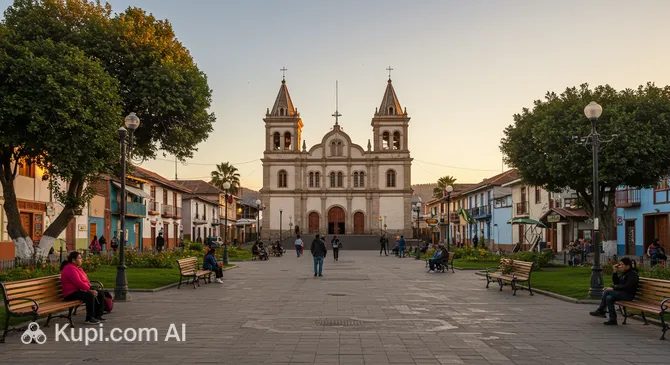
Yumbel. Illustration.
Source: Kupi.com AI

Yumbel is an ideal place for those who want to experience authentic Chilean culture, far from the beaten tourist paths. Here you can take a leisurely stroll through shaded streets, enjoy the aroma of fresh bread from local bakeries, and observe the unhurried life of the townspeople. In Yumbel, you can feel the true spirit of South America, representing a harmonious blend of Spanish heritage, indigenous traditions, and modern Chilean culture.

Why should you visit Yumbel? To truly get to know Chile, enjoy leisurely walks, admire picturesque views, and discover a corner of the country not yet overtaken by mass tourism. Everyone will find something for themselves here: whether it be natural beauty, gastronomic discoveries, or an introduction to amazing local traditions. Yumbel is waiting to give you an unforgettable experience!

You can find more interesting facts on the Yumbel city history page.

Weather Overview

The weather in Yumbel is distinctly seasonal. Summer, spanning the months of December to February, is warm and very dry: the average temperature stays around 20°C (for example, in January and February, the average temperature is 20.0°C and 20.4°C, respectively), while the maximum can reach 27°C, with virtually no precipitation (0 mm in January-February). Winter months, from June to August, are characterized by cool weather with average temperatures around 8-9°C (for example, 8.2°C in July) with minimum values down to 4°C and are the wettest period of the year, with the highest number of rainy days (up to 14 in June) and precipitation up to 9 mm (in June). In general, Yumbel typically sees a warm and dry summer, followed by a cool and rainier winter. You can find more detailed information about weather conditions on the Yumbel Climate page.

Average monthly temperature

Average monthly precipitation

Interesting Facts

In addition to its well-known role in Chilean history, Yumbel hides many curious details and stories that give it a special charm. This town, located in the Biobío region, never ceases to surprise its guests.

  • During the colonial era, Yumbel was not just a strategic outpost for the exploration of southern lands, but a true "melting pot" of cultures. Spanish conquistadors, indigenous peoples, and the first Chilean settlers met and interacted here, creating a unique atmosphere.

  • The town and its surroundings are shrouded in ancient legends passed down from generation to generation. Stories of lost treasures are particularly popular among locals, which, according to legends, may still be hidden in secluded corners of the region, left from the times of the first settlers or even the conquistadors.

  • Yumbel is famous for its vibrant festivals, among which the Harvest Festival holds a special place. During its celebration, the entire town is transformed into one large lively open-air fair, where you can enjoy folk dances, live music, and, of course, taste traditional Chilean cuisine.

  • Despite its relatively compact size (population of about 20,034 people), Yumbel is the birthplace of several notable figures in culture and art who have contributed to the development of not only the Biobío region but all of Chile.

How to Get There

When planning a trip to this cozy corner of the Biobío region, it is important to think about logistics in advance. Since the town is located some distance from major international hubs, the route most often includes a flight to the nearest large center followed by a transfer to ground transport. You can explore all the ways to get to the city in more detail on a separate page, and below we will look at the main options.

The city of Yumbel does not have its own airport, so the air gateway for travelers is the transport hub in a neighboring large city. The most convenient option is Carriel Sur International Airport (IATA: CCP), located in the city of Concepción. This is an important regional airport that receives a large number of flights. It is located approximately 57.5 km from Yumbel. A trip from there by taxi or rental car along the highway will take approximately 50–60 minutes. Buses also run regularly from Concepción to take you to your destination.

As an alternative, if you are traveling from the south of the country, you can consider Temuco Airport (IATA: ZCO), located in the city of Temuco. It is located at a distance of about 203 km from Yumbel. Thanks to the good road quality in this direction (Ruta 5 highway), the travel time by car will be approximately 2–2.5 hours. This option is less popular for direct trips to Yumbel but is convenient if you plan an extensive exploration of the entire southern region.

For clarity, here is a summary of the main airports through which you can plan your route:

AirportPassenger trafficDistance
Carriel Sur Airport2.3 mln57 km
Temuco Airport504 147203 km
Pichoy Airport418 000287 km

As for rail connections, passenger train stations for long-distance travel in Yumbel are not currently functioning in a typical tourist mode. The main ground method to reach the city remains by road. Yumbel has easy access to Chile's main transport artery—the Pan-American Highway (Ruta 5 Sur). Most tourists arrive here by intercity buses from Santiago or Concepción, or by rental car, enjoying the picturesque views of the Biobío region along the way.

Main Attractions

Yumbel, located in the Biobío region, attracts travelers with its rich history and unique atmosphere. The town is primarily known as an important pilgrimage center, but there is plenty to see beyond that.

The crown jewel of Yumbel is undoubtedly the Sanctuary of Saint Sebastian (Santuario de San Sebastián). This is one of the most significant places of worship in Chile, attracting hundreds of thousands of pilgrims annually, especially on January 20th and March 20th, the feast days of the saint. The temple is impressive in its architecture and is a place of deep spiritual significance. A visit to the sanctuary allows you to touch an important part of the country's cultural and religious heritage.

The center of the town's social life is the Plaza de Armas. This square, traditional for Chilean cities, is a wonderful place to relax and observe the daily life of Yumbel. Here you can walk along well-kept alleys, rest on a bench in the shade of trees, and admire the surrounding architecture. Local events and fairs are often held in the square, adding to its color.

In addition to the iconic sites, the historic center of Yumbel itself deserves attention. A walk through its streets allows you to feel the calm rhythm of a provincial Chilean town. The architecture of the old buildings and the general atmosphere, which becomes especially lively during preparations for religious holidays, are of particular interest. A visit to the local market can also be an interesting experience, allowing you to get acquainted with the region's produce and crafts.

Local Cuisine

The gastronomy of Yumbel is a true immersion into the authentic flavors of southern Chile. Local cuisine is famous for its simplicity, heartiness, and use of the freshest products grown on the region's fertile lands: corn, beans, potatoes, and a variety of vegetables. You can expect dishes prepared with heart, reflecting respect for traditions and the gifts of nature.

Among the dishes you should definitely try in Yumbel, cazuela stands out—a thick, aromatic soup with meat (usually beef or chicken), potatoes, pumpkin, corn, and other seasonal vegetables, generously seasoned with fresh herbs. This dish warms and satisfies perfectly. Another gastronomic symbol is empanadas, delicious baked or fried pastries with various fillings. The classic version is with minced meat (pino), but empanadas with cheese, chicken, or olives are also popular. Do not miss the chance to taste pastel de choclo—a hearty corn pie filled with meat, onions, olives, and boiled egg, often baked and served in clay pots.

Among the drinks in Yumbel, the refreshing mote con huesillo is particularly popular. This is a traditional Chilean non-alcoholic drink made from boiled wheat (mote) and dried peaches (huesillos) with the addition of their sweet juice or syrup. It quenches thirst perfectly, especially on a hot day, and is often sold on the streets. In local establishments, you can also find a variety of freshly squeezed juices, and for connoisseurs—Chilean wines, known throughout the world.

The food culture in Yumbel is closely linked to local markets, where you can always find fresh vegetables, fruits, homemade cheese, and smoked meats prepared according to old recipes. Street food also plays an important role: try hot churros with hot chocolate or fresh fruit straight from the stalls. For a more thorough introduction to local cuisine, head to small family restaurants and cafes where traditional dishes are served homemade-style. Sometimes gastronomic festivals take place in the city, becoming a true celebration of taste and a wonderful opportunity to appreciate all the diversity of Chilean cuisine.

Travel Tips

Welcome to Yumbel! To ensure your trip to this charming Chilean town is as comfortable and memorable as possible, we have prepared some practical tips. This information will help you better navigate the area and enjoy every moment of your stay.

  1. Clothing and Essentials: The climate in the Biobío region, where Yumbel is located, is a mild Mediterranean one. In summer (December-February), it is warm and sunny, so bring light clothing, a hat, and sunscreen. In winter (June-August), it is cooler and rain is possible—a jacket, sweater, and umbrella will come in handy. At any time of year, comfortable walking shoes are indispensable. Don't forget a universal adapter for electrical appliances (in Chile, type C and L sockets are used). If you plan to visit the Church of San Sebastián, especially during religious holidays, choose modest clothing that covers your shoulders and knees.
  2. Getting Around: Yumbel is a small town, and it is entirely possible to get around on foot. For longer trips within the city or around the area, you can use local buses ("micros") or taxis. Taxi apps may not be as common as in large cities, so it's better to have the number of a local taxi service handy or arrange a trip in advance. Renting a car may be justified if you plan to actively explore the Biobío region.
  3. Finances: The local currency is the Chilean peso (CLP). You can exchange money at banks or exchange offices in larger cities on your way to Yumbel; in the town itself, exchange options may be limited. Credit and debit cards (especially Visa and Mastercard) are accepted in many shops and restaurants, but it is always useful to have some cash on hand for small purchases or in places where cards are not accepted. ATMs (cajeros automáticos) should be available. Tips in restaurants are usually around 10% of the bill and are often already included as "propina sugerida" (suggested tip).
  4. Health and Safety: There are pharmacies ("farmacias") in Yumbel, but there may not be any open 24/7. It is recommended to have a basic first-aid kit with you. If you need medical assistance, contact the local medical center. Yumbel is considered a fairly safe city; however, standard precautions do not hurt: keep an eye on your belongings, especially in crowded places, and avoid walking in poorly lit areas after dark.
  5. Communication: The official language is Spanish. The level of English proficiency among the local population may not be high, especially outside the tourism sphere. Learning a few basic phrases in Spanish will help greatly in communication and will be appreciated by the locals. You can buy a local SIM card at the offices of mobile operators (Entel, Movistar, WOM, Claro) in major cities. Wi-Fi access is usually available in hotels and some cafes.
  6. Local Etiquette: Chileans are generally friendly and hospitable. It is customary to greet people with "Hola." Using "usted" (the formal You) when addressing strangers or elderly people is a sign of respect. Calm behavior is valued in public places. If you are invited to someone's home, a small souvenir or sweets will be a nice gesture.
  7. What to Avoid: Try not to engage in discussions on sensitive political topics. Avoid displaying expensive items and large amounts of money in public to avoid attracting unnecessary attention. Also, do not photograph people without their prior consent.
  8. Special Tip for Yumbel: Yumbel is widely known for the Feast of Saint Sebastian, which is celebrated twice a year—on January 20th and March 20th. During these days, the town hosts a huge number of pilgrims from all over the country. If your trip coincides with these dates, be prepared for large crowds, book your accommodation in advance, and enjoy the unique atmosphere of this important religious event.

We hope these tips make your trip to Yumbel even more pleasant and carefree. Enjoy the hospitality of this town and the beauty of the Biobío region!

Entertainment & Nightlife

Yumbel, known as an important pilgrimage center in Chile, offers its guests a quiet and soul-stirring evening leisure rather than the buzzing nightlife of large metropolises. Here you won't find big nightclubs or noisy entertainment districts, but you can enjoy the authentic atmosphere of local establishments and the hospitality of the residents.

Evening life in Yumbel is mainly concentrated in the central part of the city, especially around the main square and adjacent streets. Instead of loud discos, you can find traditional Chilean bars serving local beer and wine, as well as cozy restaurants offering national cuisine and staying open until late evening. The atmosphere in such places is usually very friendly and conducive to leisurely conversation. The crowd generally consists of local residents and a small number of tourists, which creates a sense of authenticity.

While we do not have an up-to-date list of specific bars or clubs in Yumbel with direct links to their pages (as such data from the attractions catalog is not provided), finding a pleasant place for evening relaxation will not be difficult. We recommend taking a walk through the city center and choosing an establishment that appeals to you, or asking local residents for advice. Look for small family restaurants and bars—it is there that you can often feel the true spirit of Chilean hospitality. Look for places where locals gather; this is a sure sign of good quality and a pleasant atmosphere.

Evening entertainment in Yumbel usually comes alive closer to the weekend. There is no special dress code in most establishments; a comfortable and neat casual style of clothing is welcomed. Average prices in local bars and restaurants are generally quite affordable. You can move around the city center on foot in the evening, as the distances are short. If you need a taxi late at night, it is better to order it in advance through known local services or ask your hotel for assistance, as finding a free car on the street at night can be difficult.

Yumbel is considered a fairly safe city, especially its central districts. Nevertheless, as in any other place, it is worth observing standard precautions: do not leave personal belongings unattended and avoid poorly lit and deserted streets late at night. In general, evening walks in the center should be pleasant and safe.

During the day, Yumbel also offers its guests interesting leisure opportunities. The city's main attraction, attracting pilgrims from all over Chile and abroad, is the Sanctuary of Saint Sebastian (Santuario de San Sebastián). In addition to visiting this significant religious site, you can walk through the well-maintained city squares, stop by the local market to get to know the produce of the Biobío region, or simply enjoy the leisurely pace of life in this small Chilean town.

Parks & Museums

Yumbel, a charming town in the Biobío region, offers its visitors not only an immersion into rich history and culture but also the opportunity to enjoy the tranquility of nature. Although it is a small town, you can find interesting places for walks and getting to know the local heritage.

Speaking of green zones in Yumbel, the central place for relaxation and meeting locals is likely the Plaza de Armas. Such squares are the heart of many Chilean cities, offering well-kept flower beds, benches for resting, and the opportunity to observe the slow flow of local life. It is an ideal place for a short break and immersion into the city's atmosphere. While there may be few extensive park complexes within Yumbel itself, its surroundings in the Biobío region are rich in natural beauty, accessible to those ready for short excursions.

Regarding cultural enrichment, it is important to note that Yumbel may not have the large formal museums typical of big cities. However, its cultural and historical value manifests differently. The main jewel and, in essence, a living historical exhibit is the Sanctuary of Saint Sebastian (Santuario de San Sebastián). This is not just an active religious center, but also an outstanding architectural monument with a rich history, attracting pilgrims and tourists. Its walls and interior tell stories of faith, traditions, and significant regional events, serving as a kind of open-air museum. Visiting the sanctuary is a key experience for understanding the soul of Yumbel.

Instead of traditional museums, to get to know the local culture, you should pay attention to small craft shops or potential temporary exhibitions organized by the local community. Sometimes it is in such places that you can find unique handmade products and chat with craftsmen, learning more about the traditions of Yumbel. A walk through the city's central streets will also allow you to appreciate the preserved historical buildings and feel its authentic spirit.

Getting Around

Public transport in Yumbel is quite simple and corresponds to the size of a small town. The transport system is based on buses providing movement both within the city and connections to nearby settlements.

Buses, often called "micros," ply the main streets of Yumbel, connecting residential areas with the center and key sites. The schedule may not always be strictly fixed, and frequencies depend on the time of day and day of the week. In addition to buses, colectivos are popular—these are passenger cars operating as shared taxis. They follow set routes, often indicated by a number or color on the car's roof, and offer a faster, albeit slightly more expensive, alternative to buses.

The fare payment system in Yumbel is generally very simple. Bus tickets or colectivo fares are usually paid in cash directly to the driver upon boarding. Specialized transport cards or complex pass systems typical of large cities are likely absent here. It is recommended to have small change for convenience.

To use a bus, you usually flag it down with a wave of the hand at designated stops or even just on the side of the road along the route. Colectivos can also be stopped anywhere on their route if there are free seats in the car. Public transport in Yumbel usually runs from early morning until evening, but after dark, the frequency of trips may significantly decrease. When planning trips to the outskirts or late at night, it is worth checking the possibility of a return journey in advance.

For more comfortable and individual trips around Yumbel and its surroundings, you can always use taxi services. They can be found at special ranks or called by phone via local services. Given the compact size of the city, many attractions and interesting places in the central part of Yumbel are quite accessible for walking, allowing you to better experience the city's atmosphere.

A feature of the transport system in Yumbel is its focus on basic needs and simplicity of use, which is typical for small settlements. You won't find an extensive metro network, trams, or modern transport tracking apps here, but existing types of connections handle the task of moving around the city and its immediate surroundings quite well.

Accommodation

When planning your trip to Yumbel, you will find various accommodation options to suit your preferences and budget. Although the town is not a major tourist center, you can find comfortable lodging for a pleasant stay.

In Yumbel, you are most likely to encounter options such as small hotels, cozy guest houses (hostales), and perhaps apartments or houses for short-term rent. Luxury resorts or large chain hotels are less common here, which gives the choice of accommodation a local flavor. The main emphasis is on more authentic and personalized lodging options.

When choosing a place to stay, look at the central areas of Yumbel. Staying here will provide you with easy access to major shops, eateries, and potential local attractions. You should also consider options located in quiet neighborhoods if you prefer a peaceful rest.

While the list of world-famous hotel brands in Yumbel may be limited, you will find local establishments offering a decent level of service. We recommend checking reviews from other travelers on popular booking platforms to choose the most suitable option.

Booking Tip: Especially if your trip coincides with local holidays, festivals (such as the celebration of Saint Sebastian on January 20th and March 20th, which attracts many pilgrims), or the tourist season, it is recommended to book your accommodation in advance. This will help you ensure the best selection and prices.

The price range for accommodation in Yumbel generally varies from budget to mid-range options. You can book accommodation through popular international online platforms, and sometimes directly by contacting the owners of small hotels or guest houses.

Nearby Cities

For those who want to explore the surrounding area, Yumbel serves as an excellent starting point for day trips to several interesting nearby locations:

CityPopulationDistance
Cabrero27 59516 km
Laja22 28825 km
Florida8 91632 km
Hualqui20 96836 km
Chiguayante85 86345 km

These nearby destinations offer insight into the diverse culture and landscapes of Chile.

Shopping & Souvenirs

Shopping in Yumbel offers tourists an authentic local experience rather than an introduction to major retail chains. The town is not famous for large shopping centers, but here you can find unique locally produced goods and feel the atmosphere of a small Chilean town. The main focus is on daily consumer goods for locals, as well as souvenirs reflecting the culture of the Biobío region and the religious significance of Yumbel, known for its Sanctuary of Saint Sebastian.

The main shopping points in Yumbel are usually concentrated around the Plaza de Armas and on the main streets adjacent to it. Here you will find small family-run shops, handicraft stalls, and grocery stores. This is the best place for a leisurely stroll and a search for something special made by the hands of local craftsmen.

There are no large modern shopping malls in the usual sense in Yumbel. Instead, shopping can be done in small commercial galleries or individual shops scattered throughout the city center. This format of shopping allows you to get closer to the local way of life and find truly unique items.

While Yumbel may not have large specialized markets like in big cities, it is worth paying attention to potential local fairs or temporary market rows, especially during religious holidays or festivals. Here you can find fresh farm products, homemade pastries, as well as handicrafts and souvenirs. Visiting such a market is a great way to immerse yourself in the local atmosphere.

As souvenirs from Yumbel, it is worth bringing home items from local artisans. Given the importance of the Sanctuary of Saint Sebastian, religious items and souvenirs are popular. Also look out for textiles, ceramics, or wooden crafts reflecting the culture of the Biobío region. Don't forget local delicacies or wines characteristic of Chile and this region.

Shops in Yumbel usually operate from Monday to Friday, approximately from 10:00 to 19:00, with a possible break for lunch (siesta). On Saturday, working hours may be reduced, and on Sunday, most small shops are closed. Large supermarkets, if any, may operate on a more flexible schedule. Regarding payment, in small shops and markets, it is preferable to have Chilean pesos (CLP) in cash. Credit cards may be accepted in larger establishments, but it is better to check in advance.

Tax-free shopping (Tax Free) in Chile exists for tourists on certain goods exported from the country. However, this system is usually relevant for large purchases made in specialized stores participating in the program. In small shops in Yumbel, such a service is likely not provided. If you plan large purchases, check the tax refund conditions in the store or consult at the airport when departing from the country.

Nearby cities

Reached the end of the page?

That means the route is fully explored