Support

Kinshasa

About

Welcome to Kinshasa, the energetic and pulsating heart of the Democratic Republic of the Congo. As one of the largest and most dynamic cities in Africa, this sprawling metropolis offers a sensory overload of sights, sounds, and rhythms that define the modern Congolese experience. Often celebrated as the capital of African rumba, the city possesses a vibrant atmosphere that captivates travelers looking for an authentic and lively urban adventure.
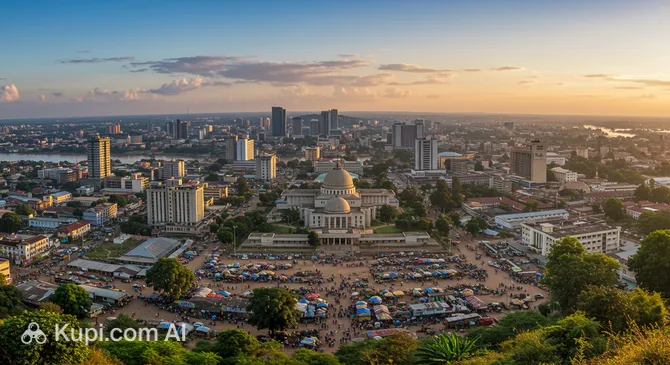
Kinshasa. Source: Kupi.Binoculars

Geographically, Kinshasa is uniquely situated along the southern bank of the majestic Congo River, directly facing Brazzaville. This proximity makes them the two closest capital cities in the world separated by a river. With a massive population exceeding 12 million people, the city is a bustling hub of activity where diverse cultures and traditions merge against a backdrop of tropical weather and lush surroundings.

Delving into the history of Kinshasa reveals its remarkable transformation from a small trading post and fishing village into a major cultural and economic powerhouse. To appreciate this heritage, visitors can explore the National Museum of the Democratic Republic of the Congo, which houses an impressive collection of traditional art and historical artifacts. For a touch of nature, the renowned Lola ya Bonobo sanctuary provides a rare and heartwarming opportunity to see rescued bonobos in a protected, semi-wild environment just outside the city center.

Whether you are drawn by the rhythmic beats of local music, the colorful markets, or the scenic views of the river, Kinshasa promises a journey unlike any other. It is a place of contrasts and boundless energy, ready to welcome those eager to discover the dynamic spirit of Central Africa.
Weather Overview

Travelers planning a visit should expect a tropical climate characterized by consistent warmth and distinct seasonal variations in rainfall. When checking the weather in Kinshasa, you will find that temperatures remain fairly stable throughout the year, with average daily highs typically hovering around 30°C and lows rarely dropping below 20°C.

The city experiences a pronounced dry season from June to August, which is often considered the most comfortable time to visit. During these months, rainfall is virtually non-existent, and temperatures are slightly cooler, with July seeing minimums around 19.8°C. In contrast, the wet season dominates the rest of the year, particularly from October through May. During this period, humidity rises and rain is frequent, with months like November and December seeing rain on as many as 26 to 28 days.

Interesting Facts

Beyond the main attractions, Kinshasa holds many fascinating secrets that reveal the city's unique character and global significance. Digging a bit deeper uncovers a metropolis filled with unexpected cultural phenomena and record-breaking distinctions.
Lola ya Bonobo Sanctuary. Source: Kupi.Binoculars
  • Kinshasa is widely recognized as the largest French-speaking city in the world, having surpassed Paris in population. While French is the official language used in government and education, the streets buzz with Lingala, the vibrant local lingua franca that unites the city's diverse residents.

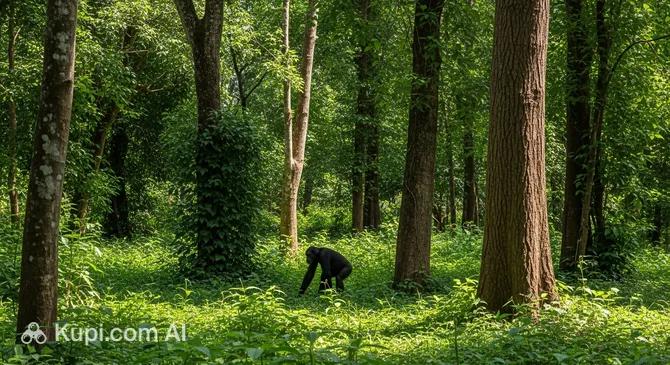
  • The city is the only place globally where you can visit the Lola ya Bonobo Sanctuary, a haven for orphaned bonobos. These great apes are endemic to the Congo, and the sanctuary provides a rare opportunity to observe humankind's closest living relatives in a protected, semi-wild environment.

  • In a futuristic twist, some of Kinshasa's busiest intersections are managed by giant, solar-powered robots. These towering mechanical figures, equipped with cameras and traffic lights, have become a quirky and effective solution for directing traffic, capturing the imagination of locals and visitors alike.

  • Kinshasa is the epicenter of the "Sapeurs," or the Society of Ambiance-Makers and Elegant People. Members of this movement are famous for dressing in impeccably tailored, high-end designer suits and strutting through the neighborhoods, turning everyday streets into colorful fashion runways despite any economic hardships.

How to Get There

Reaching this vibrant metropolis is the first step of your adventure in the Democratic Republic of the Congo. Most international travelers arrive by air, landing at the city's main gateway, though overland and river routes exist for the more adventurous. For a comprehensive guide on all available transport options and detailed logistics, you can read more about how to get to Kinshasa.

The primary entry point for international visitors is N'djili Airport (FIH), also known as Kinshasa International Airport. It handles the majority of long-haul flights from Europe and other African nations. Located approximately 17.5 km from the city center, the journey to downtown hotels typically takes around 50 minutes by taxi, depending on traffic conditions. It is the busiest hub in the country, managing a medium volume of annual passenger traffic.

Interestingly, another viable option is flying into Maya Maya Airport (BZV) in the neighboring city of Brazzaville. Although it is located in the Republic of the Congo, it sits just across the river, only about 8.6 km from Kinshasa as the crow flies. Travelers choosing this route must cross the Congo River by ferry or speedboat to reach Kinshasa. While the airport itself is close, the transfer involves border formalities and the river crossing.

For clarity, here is a summary of the main airports:

Airport Name City Passenger Traffic Km from City
N'djili Airport Kinshasa Medium 17.5
Maya Maya Airport Brazzaville Medium 8.6

If you are traveling by rail within the region, the city is served by the Kinshasa Central Railway Station (FIS). Situated right in the heart of the city, just 0.9 km from the central district, it offers a convenient arrival point for those coming from Matadi or other connected towns. A taxi ride from the station to most central accommodations takes only a few minutes.

Below is the information for the railway station:

Station City Passenger Traffic Km to Center
Kinshasa Central Railway Station Kinshasa Medium 0.9

Main Attractions

Kinshasa is a city of vibrant contrasts, where rich cultural heritage meets modern leisure. For travelers eager to explore the capital's offerings, the city provides a mix of educational experiences, wildlife encounters, and fun recreational spots that cater to diverse interests.

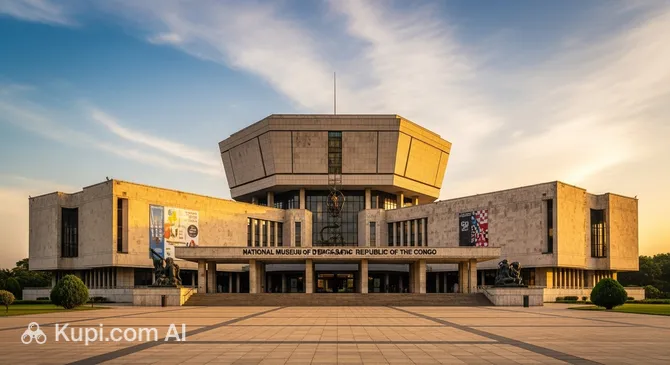
One of the most significant cultural landmarks is the National Museum of the Democratic Republic of the Congo. Situated on Boulevard Triomphal, this impressive modern facility was inaugurated to preserve and showcase the nation's extensive history. Inside, visitors can admire a vast collection of traditional masks, statues, and musical instruments that tell the story of the region's diverse ethnic groups. It serves as an essential stop for anyone wishing to gain a deeper understanding of the Congolese artistic and cultural identity.

National Museum of the Democratic Republic of the Congo. Source: Kupi.Binoculars

For nature lovers, a trip to the Lola ya Bonobo Sanctuary is an unforgettable experience. Located just outside the city center, this sanctuary is the only one of its kind in the world dedicated to the protection of bonobos. The site provides a safe haven for orphaned bonobos rescued from the bushmeat trade, allowing them to thrive in large, forested enclosures. Guided tours offer a unique opportunity to observe these intelligent primates playing and interacting in a semi-wild environment, making it a heartwarming and educational excursion.

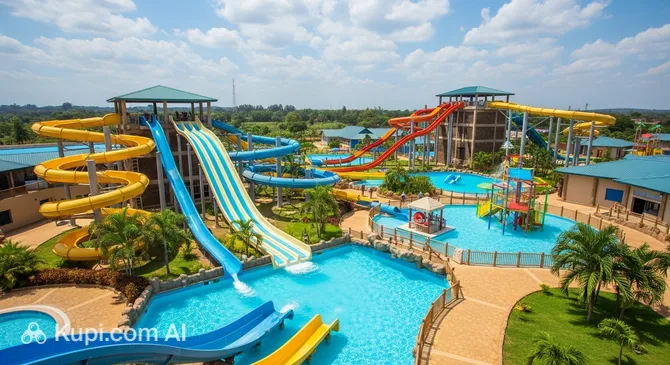
If you are looking to cool off and enjoy some leisure time, Aqua Splash offers a refreshing escape from the tropical heat. As the first water park in the Democratic Republic of the Congo, it features a variety of attractions including thrilling water slides, a lazy river, and relaxation pools. It is a popular destination for families and groups of friends seeking a fun and energetic day out in a modern, well-maintained setting.

Aqua Splash. Source: Kupi.Binoculars

Local Cuisine

The culinary scene in Kinshasa is as vibrant and spirited as its music, offering a rich tapestry of flavors that reflect the bounty of the Congo River and the lush tropical land. At the heart of the local diet is the beloved Poulet à la Moambe (Moambe Chicken), often regarded as the national dish. This savory stew consists of chicken simmered in a thick, rich sauce made from palm nut pulp, creating a distinctive taste that is both creamy and slightly spicy. Another must-try delicacy is Liboke, a cooking method where fish—typically catfish from the river—or meat is marinated with tomatoes, onions, and chili peppers, then wrapped in banana leaves and steamed or grilled to lock in the aroma.

These main courses are almost always accompanied by substantial starchy staples that help soak up the flavorful sauces. Fufu, a dough-like ball made from cassava or corn flour, is the most common side dish, traditionally eaten with the fingers. For a more unique texture, travelers should try Chikwangue (or Kwanga), a fermented cassava bread wrapped in leaves that has a dense, chewy consistency and a slightly sour taste. Street food enthusiasts will also find vendors selling Mikate (fried dough balls), which are a popular breakfast item or snack, often enjoyed with peanut butter or just plain sugar.

When it comes to beverages, the city boasts a lively drinking culture. Locally brewed beers such as Primus and Tembo are incredibly popular and can be found in almost every social setting, usually served in large bottles to be shared among friends. For a more traditional experience, adventurous visitors might sample palm wine, a natural alcoholic drink tapped from palm trees. On the non-alcoholic side, Tangawisi, a fresh and potent ginger juice mixed with pineapple or lemon, provides a refreshing kick that perfectly combats the tropical heat.

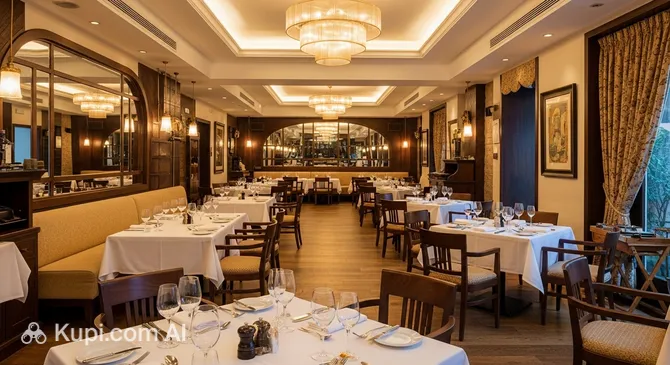
Dining in the capital ranges from bustling street-side stalls known as malewas, where locals gather for quick and affordable meals, to elegant establishments in the upscale Gombe district. While traditional Congolese food is the star, the city also hosts a variety of international cuisines reflecting its cosmopolitan nature. For instance, those craving European flavors can visit the Limoncello Italian Restaurant, which offers a refined atmosphere and a menu of classic Italian dishes, serving as a testament to the city's diverse gastronomic landscape.

Limoncello Italian Restaurant. Source: Kupi.Binoculars

Travel Tips

Welcome to Kinshasa! Visiting this bustling, high-energy metropolis is a rewarding adventure, but it requires a bit more preparation than your average destination. To help you navigate the city's unique rhythm and ensure a smooth trip, here are some practical tips to keep in mind.

  1. Clothing and Gear: Given the tropical climate, lightweight and breathable fabrics like cotton or linen are your best friends. The weather is generally hot and humid, so loose-fitting clothes will keep you comfortable. However, be sure to pack a sturdy umbrella or raincoat if you are visiting during the wet season (October to May). Crucially, never wear camouflage or military-style clothing, as this is strictly prohibited for civilians and can lead to legal trouble. While casual wear is fine, locals take great pride in their appearance ("La Sape" culture is huge here), so dressing neatly is appreciated, especially in the evenings.

  2. Transportation: Getting around Kinshasa can be challenging due to heavy traffic. For tourists, it is strongly advised to avoid the crowded yellow public vans (known as "fula-fula" or "esprit de mort") as they are often unsafe and confusing. Instead, rely on private taxis arranged by your hotel or hire a car with a local driver for the day. This is the safest and most efficient way to navigate the city. Ride-hailing apps are emerging but are not yet as reliable as a pre-booked driver.

  3. Finances: The local currency is the Congolese Franc (CDF), but the US Dollar is widely used and accepted for almost everything. It is essential to bring US dollar bills that are dated 2009 or later and are in pristine condition; bills with tears, ink marks, or heavy wear are often rejected. Credit cards (mostly Visa) are accepted in major hotels, supermarkets, and upscale restaurants in the Gombe district, but cash is king elsewhere. ATMs are available but can be unreliable, so always carry enough cash for your daily needs.

  4. Health and Safety: A Yellow Fever vaccination certificate is mandatory for entry into the country. Malaria is a risk, so bring strong insect repellent and wear long sleeves in the evenings. Drink only sealed bottled water and avoid tap water, even for brushing teeth. For medical needs, the Gombe area has several well-stocked pharmacies and private clinics that offer good standards of care. In terms of safety, avoid walking alone at night and keep valuables hidden. The Gombe district is generally secure, but exercise caution in crowded markets.

  5. Communication: The official language is French, and it is the primary mode of communication in business and tourism. Lingala is the most widely spoken local language on the streets. English is not widely spoken outside of major international hotels, so learning a few basic phrases in French will be incredibly helpful. You can easily buy a local SIM card (Vodacom, Airtel, or Orange) at the airport or official shops with your passport to stay connected; data speeds are generally decent in the city center.

  6. Local Etiquette: Congolese people are generally warm and polite. A handshake is the standard greeting. It is polite to greet people with a friendly "Bonjour" or "Mbote" (Hello in Lingala) before asking a question. Respect for elders and authority figures is important. If you are invited to a home, it is customary to bring a small gift. Be patient in social interactions; rushing is often seen as rude.

  7. What to Avoid: Strictly avoid taking photos of government buildings, police officers, military personnel, the airport, or bridges. This is considered a serious offense and can result in the confiscation of your camera, fines, or detention. Always ask for explicit permission before photographing local people to avoid causing offense or aggressive confrontations.

  8. Traffic Management: Be prepared for "embouteillages" (traffic jams), which are legendary in Kinshasa. A distance that looks short on a map can take over an hour to cover during peak times. Always add a significant buffer to your travel time when planning meetings or heading to the airport to avoid stress.

By keeping these practical tips in mind, you will be well-equipped to look past the chaos and discover the vibrant soul of Kinshasa. Embrace the energy, respect the local customs, and enjoy the warm hospitality that this fascinating city has to offer.

Entertainment & Nightlife

Kinshasa is often hailed as the capital of African music, and when the sun sets, the city truly earns its reputation. The nightlife here is legendary, characterized by a high-octane energy that pulses through the streets until the early hours of the morning. From upscale lounges in the city center to the raucous, open-air bars of the popular neighborhoods, the "Kin la Belle" atmosphere transforms into a vibrant celebration of life, rhythm, and connection known locally as "ambiance."

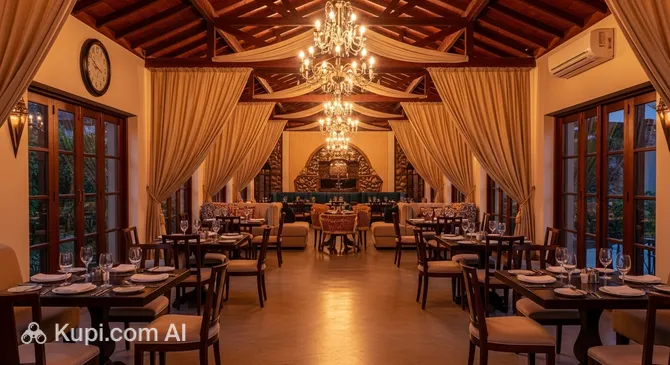
For a sophisticated evening, the district of Gombe is the primary destination. This area caters to expats and the local elite, offering secure and stylish venues where you can enjoy diverse cuisines and well-crafted drinks. A perfect spot to begin your night is A Casa Mia. While primarily an Italian restaurant, its villa-style setting, outdoor courtyard, and excellent cocktail menu make it a popular gathering place for a relaxed dinner before heading out to livelier spots. The atmosphere here is chic yet welcoming, often enhanced by background music that sets a pleasant tone for the evening.

A Casa Mia. Source: Kupi.Binoculars

If you are looking for the authentic soul of Kinshasa nightlife, you must venture to Matonge (specifically around the Victoire roundabout) or the trendy neighborhood of Bandalungwa (often called "Bandal"). These areas are the birthplace of many Congolese trends and are famous for their "ngandas" (terrace bars). In Matonge, the iconic La Crèche offers an unforgettable experience; it is a sprawling rooftop bar where live rumba bands play loudly, and the beer flows freely. It is loud, chaotic, and incredibly fun, providing a genuine slice of local culture where patrons dance between the tables.

For those who prefer a clubbing environment, the city boasts several legendary venues. Chez Ntemba is a household name in the region, known for hosting top DJs and playing a mix of Ndombolo, Soukous, and international hits. The dress code in Kinshasa is generally "dress to impress." The locals, influenced by the famous "Sapeur" culture, take great pride in their appearance, so wearing smart-casual attire is recommended for Gombe, while a flashier, stylish look fits right in at the local clubs.

Practicality and safety are key to enjoying a night out. The party starts late here, with most clubs filling up only after 11:00 PM or midnight. Safety is paramount: never walk around at night, even for short distances. Always use a trusted taxi service or a car with a driver to move between venues. Prices vary drastically; a beer might cost $10 in a Gombe lounge but less than $2 in a Matonge terrace. Be prepared to pay in cash (Congolese Francs or small denomination US Dollars) at most local spots.

While the night belongs to music and dance, daytime entertainment in Kinshasa offers a different pace. Visitors can explore the city's growing number of shopping malls or revisit cultural sites like the National Museum. For families or those seeking a break from the urban heat, spending a day at a water park or strolling through the botanical gardens provides a refreshing contrast to the electric intensity of the nightlife.

Parks & Museums

While Kinshasa is famous for its frenetic urban energy, the city also harbors pockets of tranquility and deep cultural reservoirs that offer a respite from the hustle. Beyond the busy boulevards, visitors can discover lush green spaces and artistic venues that showcase the rich heritage and creative future of the Congo.

For a breath of fresh air right in the city center, the Kinshasa Botanical Garden (Jardin Botanique) is a beloved oasis. Located in the Gombe district, this historic park features a diverse collection of tropical trees, exotic plants, and well-maintained pathways. It serves as a peaceful refuge where locals and tourists alike come to walk, read, or simply escape the noise of the traffic. Another spectacular natural escape is Lac de Ma Vallée, situated just outside the city. This serene lake is surrounded by dense forest and offers hiking trails, pedal boat rentals, and a restaurant, making it a perfect spot for a day trip into nature.

When it comes to understanding the country's past and present, the National Museum of the Democratic Republic of the Congo stands as the premier cultural institution. Housed in a striking modern building, it is not just a repository of artifacts but a symbol of cultural pride. The museum expertly curates thousands of objects, from ancestral masks and traditional musical instruments to historical archives, providing an invaluable context to the diverse ethnic tapestry of the nation.

Art enthusiasts should not miss a visit to the Académie des Beaux-Arts. This is not merely a school but a living open-air gallery. The campus grounds are scattered with fascinating sculptures, statues, and installations created by students and masters. It is a vibrant place to stroll around, observe artists at work, and perhaps purchase unique pieces directly from the creators. For a look at the cutting-edge contemporary art scene, Texaf Biel Arts offers exhibitions that highlight the innovative works of modern Congolese artists, reflecting the city's dynamic spirit.

For a truly unique experience, consider visiting the Symphonie des Arts. This cultural center combines a gallery with a beautiful garden setting, offering a quiet space to appreciate high-quality local paintings and crafts away from the crowded markets.

Getting Around

Navigating the city is an adventure in itself, reflecting the dynamic and bustling energy of the capital. The public transport system is heavily road-based and can be chaotic for first-time visitors. The most visible backbone of the network is the fleet of Transco buses. These large, government-operated vehicles are generally considered the safest and most organized form of mass transit, connecting major districts with regular routes. In stark contrast are the ubiquitous yellow minibuses and vans known locally as "Esprit de Mort" (Spirit of Death). While they reach every corner of the metropolis, they are often overcrowded, poorly maintained, and driven aggressively, making them a daunting option for tourists seeking comfort.

For a faster way to beat the notorious traffic, moto-taxis, locally called wewas, are everywhere. They weave through gridlock with ease and can access areas that cars cannot. However, they come with significant safety risks; helmets are rarely provided for passengers, and driving standards can be erratic, so they are recommended only for the adventurous. Another common option is the shared taxi (taxi kimalu-malu). These are typically yellow saloon cars that pick up multiple passengers along a fixed route. You simply signal the driver from the roadside, and if they are heading your way and have a seat, you hop in for a fraction of the price of a private hire.

The city does possess a limited urban railway service operated by the national transport company. The train line primarily connects the central station in the business district with the densely populated eastern suburbs and the airport area. While it serves as a vital lifeline for thousands of daily commuters, the service is known for being infrequent and extremely crowded. For a visitor, riding the train offers a raw and authentic glimpse into local life, but it is generally not a practical means for sightseeing or reliable scheduling.

Regarding the payment system, cash is the absolute rule for all forms of public transport. There are no travel cards, integrated passes, or tap-to-pay systems for buses, trains, or street taxis. Fares are very low, typically costing a few hundred Congolese Francs for a bus or shared taxi ride. You pay the conductor (often called the receveur) or the driver directly. It is essential to carry small denominations of local currency, as drivers often struggle to find change for large bills.

For most international travelers, the most practical and stress-free alternative is using ride-hailing apps or hiring a private car. Apps like Yango have gained popularity, offering a safer and more transparent way to book a ride compared to hailing a street taxi, as the price is fixed in the app. However, the gold standard for tourists is renting a car with a driver for the duration of your stay. This ensures you have a reliable vehicle with air conditioning and a local expert who knows how to navigate the legendary traffic jams ("embouteillages") and avoid unsafe areas. Self-driving is strongly discouraged due to the complex road conditions and aggressive driving culture.

Accommodation

Finding the right place to stay in Kinshasa is a crucial part of planning your trip, as the city offers a distinct contrast between high-end luxury and local budget options. For international travelers and business visitors, the accommodation landscape is dominated by upscale hotels that provide a sanctuary of comfort, security, and consistent amenities. While there are guesthouses and lower-cost lodgings scattered throughout the sprawling metropolis, they often lack the reliability regarding electricity, water, and internet that most tourists expect.

The most popular and recommended area for visitors is the district of La Gombe (often just called Gombe). This is the administrative and diplomatic heart of the city, home to embassies, government buildings, and the best infrastructure. Staying in Gombe places you close to major restaurants, secure shopping areas, and the banks of the Congo River. It is widely considered the safest zone for foreign travelers, offering a walkable environment during the day and easy access to the city's main business hubs.

Travelers should be aware that accommodation in Kinshasa can be surprisingly expensive compared to other African capitals. Due to the high cost of running generators and maintaining international standards, prices for 4-star and 5-star hotels often exceed those in Europe or North America. These establishments typically offer air-conditioned rooms, swimming pools, on-site dining, and, crucially, backup power generators to ensure 24/7 electricity.

When it comes to booking, it is highly advisable to reserve your room well in advance, especially if you plan to visit during a major conference or event. Most high-end hotels accept credit cards (primarily Visa), but it is always wise to confirm this beforehand. For budget travelers or those venturing outside Gombe, booking platforms may have fewer listings, and direct contact or on-the-ground arrangements might be necessary, though this is generally recommended only for those familiar with the city and the local language.

Nearby Cities

For those looking to explore the surroundings, the region around Kinshasa serves as an excellent base for excursions to interesting nearby locations. While the vastness of the country means many major cities are a flight away, there are a few notable spots accessible by road that offer a welcome change of pace from the bustling capital.

Among the destinations accessible for a short trip, Mbanza Ngungu stands out as a favorite getaway. Located approximately 116 km from Kinshasa in the Kongo Central province, this town is renowned for its cooler climate, which offers a refreshing break from the heat of the city. It was a popular resort town during the colonial era and is famous for the spectacular Ngovo Caves, where visitors can explore impressive limestone formations. The town also features interesting colonial-era architecture and a railway heritage that appeals to history enthusiasts.

Although it requires a separate stop, the town of Kisantu is often visited in conjunction with a trip to Mbanza Ngungu. It is home to the magnificent Kisantu Botanical Garden, established in 1900, which houses a vast collection of century-old trees and exotic plants from around the world. The gardens provide a serene environment for walking and picnicking, making it a stark contrast to the urban energy of Kinshasa.

For a much closer escape, the fishing village of Kinkole, situated on the eastern outskirts of Kinshasa along the Congo River, is the perfect spot to enjoy fresh fish and a relaxed, authentic atmosphere. It is famous for its fish market and restaurants serving liboke (fish cooked in banana leaves). Kinkole offers a quick and delightful immersion into the riverine culture without the need for a long journey.

Shopping & Souvenirs

Shopping in Kinshasa is a vibrant reflection of the city itself, offering a striking mix of modern retail experiences and chaotic, colorful traditional markets. For visitors, the city is a treasure trove of African art, handcrafted souvenirs, and bold fashion, provided you know where to look and are ready to embrace the lively atmosphere of commerce.

For those seeking authentic Congolese souvenirs, the Marché des Artistes (Artists' Market) is the premier destination. Located near the Royal area in the Gombe district, this market is packed with stalls showcasing the country's rich artistic heritage. Here, you can find intricate wood carvings, traditional masks, and statues that reflect the diverse ethnic groups of the Congo. It is also the best place to purchase items made from malachite, a stunning green mineral native to the region, often crafted into jewelry, animal figurines, and decorative eggs. Don't miss the popular "Kinshasa School" paintings, known for their bright colors and depictions of daily life.

Fashion enthusiasts will be drawn to the city's obsession with wax prints, locally known as "pagnes." Congolese women are famous for their elegant and creative use of these fabrics. To buy high-quality textiles, you can visit the boutiques in Gombe that stock renowned brands like Vlisco and Woodin. For a more intense and local experience, the Grand Marché (Central Market) offers endless rows of fabric vendors selling colorful prints at lower prices. However, the Central Market is incredibly crowded and can be overwhelming; it is best visited with a local guide who can help navigate the maze and assist with negotiations.

If you prefer a more relaxed and modern shopping environment, the city boasts several contemporary malls. Kin Plaza Mall, situated in the heart of Gombe, is a popular hub featuring international clothing brands, a well-stocked supermarket, and a food court. It provides a comfortable, air-conditioned escape from the heat and is a great spot to pick up travel essentials or luxury goods. Similarly, Premier Shopping Mall offers a range of shops and services catering to the city's expatriate community and affluent locals.

When visiting local markets, remember that bargaining is an essential part of the culture. Vendors expect you to negotiate, and the first price quoted is rarely the final one. It is important to carry cash, preferably in smaller denominations of Congolese Francs or US Dollars, as credit cards are rarely accepted outside of major malls and supermarkets. Keep a close eye on your belongings in crowded areas, and enjoy the spirited interaction that comes with shopping in this dynamic capital.

Reached the end of the page?

That means the route is fully explored