Support

Kisangani

About

Welcome to Kisangani, a vibrant and historically significant city located deep within the lush tropical rainforests of the Congo Democratic Republic Of. Often referred to as "Boyoma" or the "City of Hope," it serves as the capital of the Tshopo Province and stands as a major commercial hub and river port. With a population of nearly one million, Kisangani offers a unique blend of urban energy and breathtaking natural beauty, situated exactly where the Lualaba River transforms into the majestic Congo River.

The city is renowned for its strategic geographical location just north of the Boyoma Falls, a series of seven cataracts that span over 100 kilometers. This river setting defines much of the local climate, which is typically tropical, warm, and humid year-round, contributing to the region's dense greenery. Travelers interested in the city's past will find that the history of Kisangani is deeply intertwined with the river, evolving from a colonial trading post established in the late 19th century into the bustling metropolis it is today.
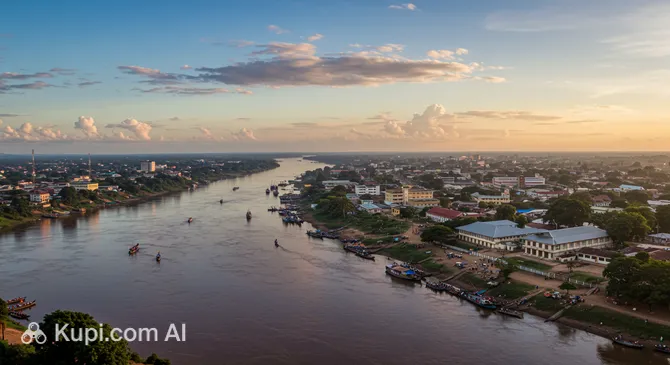
Kisangani. Source: Kupi.Binoculars

One of the most captivating sights in Kisangani is the traditional Wagenia fisheries. Here, local fishermen use an ingenious system of massive wooden conical traps anchored in the rapids of the river to catch fish, a practice that has been passed down through generations. Visitors are also often drawn to the city's architectural landmarks, such as the imposing Cathédrale Notre-Dame du Rosaire, which stands as a testament to the city's enduring heritage amidst the modernizing streets.

Whether you are fascinated by the power of the Congo River or the resilience of local culture, Kisangani provides an unforgettable experience for the adventurous traveler. We invite you to explore this dynamic city and discover the heart of the Congo Basin.

Weather Overview

Kisangani enjoys a consistent tropical climate, making it a warm destination to visit at any time of the year. Average temperatures typically range from 25.5°C to 28.5°C, ensuring a balmy atmosphere regardless of the season. February is generally the hottest month, with daily highs climbing up to 33.4°C, while the period from September through November remains slightly cooler with averages hovering around 25.5°C.

Rainfall is a regular occurrence, though the frequency varies significantly depending on when you visit. The beginning of the year offers a drier window, particularly in January and February, which see only about 7 to 8 wet days per month. In contrast, the latter half of the year is much rainier; October is notably the wettest month in terms of frequency, averaging 25 wet days. For a more detailed breakdown of these patterns, you can check the weather in Kisangani to help plan your packing. Overall, expect warm temperatures year-round with a mix of sunshine and frequent rain showers, especially if traveling between August and November.

Interesting Facts

Beyond the main attractions, Kisangani holds many fascinating secrets that reveal its deep cultural and historical significance. Uncover these unique aspects of the city that often escape the casual observer.
  • Literary Inspiration: The city is widely recognized as the real-life setting for V.S. Naipaul’s celebrated novel, A Bend in the River. Although the town in the book remains unnamed, its specific geographical features and social atmosphere mirror Kisangani, cementing its place in modern world literature.

  • The Inner Station: Kisangani is historically linked to Joseph Conrad’s novella Heart of Darkness. It is often identified as the location of the "Inner Station," representing the furthest navigable point up the river from the capital and the destination of the story's fateful journey.

  • A Forest Within the City: Situated right in the middle of the river near the city center is Île Mbiye, a large island that functions as a natural laboratory. It is one of the few places where a dense, biodiverse rainforest ecosystem exists virtually within the city limits, maintained for research and conservation.

  • A Name Reclaimed: For decades, the city was known globally as Stanleyville, named after the explorer Henry Morton Stanley who founded the station there. It was only renamed Kisangani in 1966 as part of a national movement to replace colonial names with authentic local identities.

How to Get There

Reaching Kisangani, the bustling capital of Tshopo Province, is an adventure that typically begins by air. Due to the vast distances and challenging road infrastructure in the Congo Democratic Republic Of, flying is the most practical and efficient option for visitors. For a comprehensive overview of all travel routes and tips, you can read more about how to get to Kisangani in our detailed guide.

The city is served by Bangoka International Airport (IATA: FKI), which acts as the main entry point for international and domestic travelers alike. Located approximately 15.8 kilometers from the city center, it is a key transport hub for the region. The journey from the airport to downtown Kisangani typically takes about 45 minutes by taxi, depending on traffic conditions. With an annual passenger volume of around 450,000, the airport is a significant regional facility, connecting the city to the capital, Kinshasa, and other major urban centers like Goma.

For clarity, here is a summary of the main airport serving the city:

Airport Name City Passenger Traffic Km from City
Bangoka International Airport Kisangani Medium 15.8

While the city is historically known as a river port and a railway terminus, other modes of transport are less common for tourists. The railway line connects Kisangani to Ubundu to bypass the Boyoma Falls, but it is not typically used for long-distance arrival from other parts of the country. Similarly, river travel up the Congo River from Kinshasa is possible but takes several weeks and is best suited for well-prepared expeditions rather than standard tourism. Therefore, planning your arrival via Bangoka International Airport remains the most reliable choice.

Main Attractions

Kisangani offers a fascinating mix of natural wonders and historical landmarks that reflect its unique position on the Congo River. While the city is a commercial hub, its tourism appeal lies in the raw power of the river and the architectural remnants of its past. Here are the main sites that draw travelers to this part of the country.

Undoubtedly the most famous attraction is the spectacular Boyoma Falls (formerly known as Stanley Falls). This series of seven cataracts spans over 100 kilometers along the Lualaba River, culminating just near Kisangani. The falls are not only a geographical marvel due to their immense volume of water but are also the site of the renowned Wagenia Fisheries. Tourists flock here to witness the incredible skill of the local fishermen who maintain massive wooden traps anchored in the foaming rapids. Watching them navigate the dangerous waters to check their baskets is a unique cultural spectacle that defines the spirit of the city.

For those interested in architecture and history, the Cathédrale Notre-Dame du Rosaire is a must-visit landmark. Located near the riverbanks, this imposing brick cathedral is a striking example of early 20th-century religious architecture in the region. Its peaceful interior offers a quiet respite from the bustling city streets, while the exterior provides a perfect backdrop for photography. The cathedral stands as a silent witness to the city's evolution and remains a central place of worship and community.

Nature lovers should not miss a trip to the Tshopo River Falls. Distinct from the massive Boyoma Falls, these waterfalls are located on the Tshopo River, a tributary that flows into the Lualaba. The area surrounding these falls is more accessible and often serves as a scenic spot for relaxation. The cascading water creates a misty, refreshing atmosphere, making it a popular location for locals and visitors to enjoy a picnic or simply admire the lush tropical surroundings away from the urban center.

Another gem for eco-tourism is Île Mbiye, a large island situated in the middle of the Congo River. Often described as a "forest within the city," this island is a preserved ecosystem teeming with biodiversity. It offers a rare opportunity to explore a dense equatorial forest without traveling far from civilization. Visitors can take guided walks to observe various species of monkeys, birds, and rare plants, making it an educational and adventurous excursion for wildlife enthusiasts.

Local Cuisine

The culinary heart of Kisangani beats in rhythm with the majestic Congo River, which provides the city with an abundance of fresh fish. The undisputed star of the local table is the Capitaine (Nile perch), a fleshy and flavorful river fish. One of the most authentic ways to enjoy it is prepared en liboke, a traditional cooking method where the fish is marinated with spices, onions, and tomatoes, then wrapped in banana leaves and steamed over an open fire. This technique locks in the moisture and creates a rich, aromatic aroma that defines the city's gastronomy.

To accompany these savory main courses, locals often prefer Lituma, a regional specialty made from mashed plantains. Unlike the cassava-based fufu common elsewhere in the Congo Democratic Republic Of, Lituma has a slightly sweeter profile and a dense texture that pairs perfectly with spicy sauces. Another staple worth trying is Moambe chicken (Poulet à la Moambe), often considered the national dish, where chicken is stewed in a thick, creamy sauce made from palm nut pulp and served with saka-saka (cassava leaves).

When it comes to beverages, the local culture is vibrant and social. Industrial lagers such as Primus and Simba are extremely popular and widely available, often enjoyed in large bottles at social gatherings. For a more traditional experience, adventurous visitors might try palm wine (malafu), a natural, cloudy drink tapped directly from palm trees. It is best consumed fresh in the morning or early evening, offering a mild, sweet taste that ferments quickly throughout the day.

The dining scene in Kisangani is largely informal and centered around freshness. While there are hotel restaurants offering international fare, the true flavor of the city is found in the bustling markets and open-air eateries known as ngandas. Here, the atmosphere is lively, with music often playing in the background as diners enjoy grilled meats and fresh catches from the river. Exploring these local spots offers not just a meal, but a genuine connection to the daily life and warm hospitality of the Tshopo Province.

Travel Tips

Traveling to Kisangani requires a bit of extra preparation to ensure a smooth journey in the heart of the Congo Basin. These practical tips will help you navigate the local customs and logistics, allowing you to focus on the city's unique charm and natural beauty.

  1. Clothing and Gear: Due to the hot and humid tropical climate, pack lightweight, breathable fabrics like cotton or linen. A sturdy umbrella or rain poncho is essential, as sudden downpours are common regardless of the season. Comfortable, closed-toe walking shoes are best for navigating the uneven streets. While the dress code is generally casual, it is respectful to dress modestly; avoid overly revealing clothing when visiting markets or religious sites.

  2. Transportation: Public transport in the Western sense is virtually non-existent. The most common way to get around is by motorcycle taxi, locally known as wewas, or the famous bicycle taxis called tolekas, which are a signature of Kisangani. For safety and comfort, however, it is highly recommended to hire a 4x4 vehicle with a private driver for the duration of your stay. Ride-hailing apps are not available here.

  3. Finances: The local currency is the Congolese Franc (CDF), but US Dollars are widely accepted and often preferred for larger payments. Crucial tip: US dollar bills must be printed after 2013 and be in pristine condition with no tears or marks, or they will be rejected. Credit cards are rarely accepted outside of a few top hotels, and ATMs are unreliable for international cards, so bring sufficient cash for your entire trip.

  4. Health and Safety: Malaria is a risk, so bring ample insect repellent and ensure your accommodation has a mosquito net. Drink only bottled water and avoid ice in drinks unless you are sure of the source. Pharmacies are available in the city center but may not stock specific international brands, so travel with a well-stocked personal medical kit. Avoid walking alone at night, even in the city center.

  5. Communication: French is the official language used in administration, while Swahili is the primary language spoken by locals in daily life. English is not widely spoken, so learning a few basic phrases in French or Swahili (like Jambo for "Hello") will go a long way. Wi-Fi is scarce and slow; buying a local SIM card (Vodacom or Airtel) with a data package is the best way to stay connected.

  6. Local Etiquette: Greetings are very important in Congolese culture. Always take a moment to greet people properly with a handshake and a smile before asking a question or starting a transaction. When interacting with locals, patience and politeness are key; rushing or showing frustration is considered rude.

  7. What to Avoid: Strictly avoid taking photographs of government buildings, police stations, military personnel, the airport, or bridges. This is considered a serious offense and can lead to confiscation of equipment or detention. Always ask for explicit permission before photographing local people.

  8. Power Supply: Electricity cuts can be frequent in Kisangani. It is highly advisable to bring a high-capacity power bank to keep your phone charged and a small flashlight or headlamp for navigating your accommodation or streets in the evening.

By keeping these practicalities in mind, you will be well-equipped to enjoy the warmth and vibrancy of Kisangani. Embrace the slower pace of life along the river, and you are sure to have a memorable and rewarding adventure.

Entertainment & Nightlife

Entertainment in Kisangani is deeply rooted in the vibrant Congolese culture, where music and socializing are essential parts of daily life. As the sun sets over the Congo River, the city transitions from a busy commercial hub into a lively scene of rhythm and relaxation. The nightlife here is less about polished international nightclubs and more about the authentic atmosphere of open-air bars, known locally as ngandas, where the sounds of Soukous and Congolese Rumba fill the air.

The heartbeat of the city's nightlife is primarily found in the Makiso commune. This central district is the most developed and generally considered the safest area for visitors to explore after dark. Here, the streets are lined with terraces where locals gather to share large bottles of Primus or Simba beer. The atmosphere is casual and welcoming, with a dress code that is relaxed but neat; locals take pride in looking good when they go out, so smart-casual attire is recommended.

For those seeking a specific venue to unwind, Palm Beach is a popular choice among expatriates and travelers. Located by the river, it offers a secure environment to enjoy a drink with a view, often accompanied by live music or a DJ on weekends. Another well-known spot is the Riviera, which provides a scenic setting to enjoy the evening breeze off the water. If you are looking for a more energetic local experience, the various bars along the main avenues of Makiso offer a chance to dance the night away with the friendly residents of Kisangani.

Practical planning is crucial for a night out in Kisangani. The festivities typically kick off around 8:00 PM and can last until the early hours of the morning. Prices are generally affordable, with local beers costing very little, though imported spirits and cocktails at hotel bars will be priced higher. Transportation is the most important logistic to arrange; never walk around at night, even short distances. Public transport is not available at night, so you must arrange a private driver or a trusted taxi through your hotel to take you from door to door.

While the nights are for dancing, daytime entertainment offers a different pace. Visitors can explore the Marché Central (Central Market) to experience the city's bustling trade and perhaps pick up local crafts. For a quiet afternoon, a walk around the grounds of the Jardin Zoologique de Kisangani (Kisangani Zoo) provides a glimpse into the region's flora and fauna, although facilities may be modest. Whether day or night, the key to enjoying Kisangani is to embrace the local rhythm and the warm hospitality of its people.

Parks & Museums

Kisangani is a city where the urban landscape seamlessly merges with the dense equatorial rainforest, offering visitors a unique array of green spaces and cultural institutions. While it may not have the extensive museum districts found in larger global capitals, the city's connection to nature and its deep historical roots provide compelling sites for exploration, from botanical sanctuaries to venues preserving the region's ethnographic heritage.

For those seeking tranquility amidst nature, the Jardin Zoologique de Kisangani (Kisangani Zoo) is a primary destination. Located near the Tshopo River, this area serves more as a botanical garden and a green lung for the city than a traditional zoo. It features a variety of local flora, towering trees, and walking paths that allow visitors to escape the bustle of the center. Another significant natural area is the surroundings of the Tshopo River Falls. The banks here are often used by locals for picnics and relaxation, offering a misty, refreshing microclimate created by the cascading waters, perfect for an afternoon immersed in the sights and sounds of the river.

In terms of cultural preservation, the Musée National de Kisangani stands as the custodian of the region's history. Although modest in size, the museum houses an important collection of ethnographic artifacts representing the diverse tribes of the Tshopo Province and the Congo Basin. Visitors can view traditional tools, musical instruments, and artistic works from the Wagenia and Lokele peoples, gaining insight into the ancestral ways of life that still influence the city today. Additionally, the University of Kisangani acts as a cultural landmark in its own right. Its architecture and campus atmosphere reflect the city's intellectual history, and it occasionally hosts cultural events and exhibitions that are open to the public.

Kisangani's history is also written in its streets and structures. The downtown area of Makiso is dotted with colonial-era buildings that showcase Art Deco and modernist influences from the mid-20th century. Notable among these is the central Post Office building and the nearby banks, which, despite the passage of time, retain a sense of grandeur. Exploring these streets offers a window into the city's past role as a pivotal trading post known as Stanleyville.

For a truly authentic experience, head to the bridge crossing the Tshopo River just before sunset. It is a favorite spot for residents to pause and admire the view. Looking down at the fishermen maneuvering their pirogues in the golden light offers a peaceful and picturesque moment that captures the soul of Kisangani far better than any guidebook description.

Getting Around

The public transport system in Kisangani is distinct from what many international travelers might expect. There are no subways, trams, or formal municipal bus networks operating on fixed schedules. Instead, the city relies on a highly informal, decentralized, and vibrant network of privately operated vehicles. Navigating the city is an experience in itself, dominated by two-wheeled transport which allows residents to weave through the traffic and unpaved roads more efficiently than larger vehicles.

The most iconic mode of transport in the city is the Toleka, or bicycle taxi. Unique to this region, these are standard bicycles modified with a cushioned passenger seat over the rear wheel and often feature handlebars for the passenger to hold onto. The name "Toleka" comes from the Lingala phrase meaning "let us pass." They are the heartbeat of local mobility, offering an eco-friendly, albeit slow, way to travel short distances. For a faster option, motorcycle taxis, known locally as wewas, are ubiquitous. They serve as the primary means of motorized transit for the general population, capable of reaching areas that cars cannot easily access.

For longer distances or inter-communal travel, you may encounter shared minibuses or converted vans. These function as the city's "bus" system, running on generally fixed routes along main avenues. However, they do not have designated stops marked by signs; passengers simply flag them down or shout their destination to the conductor. These vehicles are typically crowded and can be confusing for visitors to navigate, as destination placards are not always clearly displayed.

The payment system across all forms of public transport is exclusively cash-based. There are no travel cards, passes, or mobile apps for ticketing. Fares are paid directly to the driver or conductor in Congolese Francs (CDF). For tolekas and wewas, the price is not fixed by a meter; it must be negotiated before the journey begins. Prices vary depending on the distance, road conditions, and time of day. It is advisable to ask a local or hotel staff for the approximate fair rate to avoid being overcharged.

Tourists wishing to use these local options should exercise caution and practicality. While bicycle taxis are generally safe and offer a leisurely way to see the streets, motorcycle taxis carry a higher risk due to traffic conditions and the frequent lack of helmets for passengers. If you choose to ride a wewa, try to find a driver who has a spare helmet and appears to drive reasonably. Transport operates from early morning until late at night, but availability drops significantly after dark, and safety concerns increase.

Given the informal nature of public transit, the most recommended alternative for tourists is to hire a private vehicle with a driver. This service is usually arranged through hotels or local travel agencies. Renting a 4x4 provides air-conditioned comfort, protection from the frequent tropical rains, and a knowledgeable local driver who can navigate the city's infrastructure safely. While significantly more expensive than a bicycle ride, it ensures a reliable and secure way to explore the city's attractions.

Accommodation

Accommodation options in Kisangani are generally functional and geared towards practical needs rather than high-end luxury. Visitors should adjust their expectations, as the city does not currently offer international chain hotels or five-star resorts. Instead, the hospitality landscape is dominated by a mix of mid-range independent hotels, older colonial-era establishments, and smaller, budget-friendly guesthouses. These facilities primarily cater to business travelers, NGO workers, and the occasional adventurous tourist, offering essential amenities and a safe base for exploration.

The best and most convenient area to stay is undoubtedly the Makiso commune. This district serves as the commercial and administrative heart of the city, hosting the majority of the better-quality hotels. Staying in Makiso places you within walking distance of key landmarks, banks, and the few available restaurants. Furthermore, this area tends to have more reliable infrastructure regarding electricity and water supply compared to the outlying communes, although outages can still occur. Hotels located along the banks of the Congo River are particularly sought after for their scenic views and slightly cooler breezes.

Among the most well-known establishments is the Palm Beach Hotel, which is frequently cited as one of the city's premier options. Located by the river, it serves as a social hub for expatriates and visitors, offering a secure environment and an on-site restaurant. Other reputable local hotels often feature enclosed compounds with 24-hour security, backup generators, and air-conditioned rooms—features that are considered essential for a comfortable stay in the tropical climate.

When it comes to securing a room, standard online booking platforms are often of little use here, as many local hotels are not listed or do not update their availability online. The most effective method is to book directly by finding the hotel's phone number or WhatsApp contact. It is highly prominent to make arrangements well in advance, especially since the top-tier rooms in the city are limited in number and can fill up quickly with visiting delegations.

Regarding costs and payment, travelers should come prepared. Prices for a decent, secure room typically fall into the mid-range category, comparable to prices in the capital, Kinshasa. Cash is king in Kisangani; credit card terminals are extremely rare and often out of service. You will generally be expected to pay for your entire stay upfront in US Dollars (using bills in pristine condition) or Congolese Francs. Always confirm whether breakfast and generator fuel costs are included in the quoted rate before checking in.

Nearby Cities

For those looking to explore the surroundings, Kisangani serves as an excellent base for day trips to several interesting nearby locations:

City Population Distance (km)
Beni 332,903 475
Butembo 217,625 458
Isiro 182,900 366
Lisala 79,235 452
Lodja 68,244 481

While the vast distances and road conditions in the region often make these journeys better suited for short visits or expeditions rather than quick day trips, they are key to understanding the diversity of the Congo Basin. Isiro, the closest major city on the list, is the capital of the Haut-Uele province. It is famously known as the "Green City" due to its lush surroundings and historical significance as a center for coffee agriculture, offering a more tranquil atmosphere compared to the busy river ports.

To the west, situated majestically along the Congo River, lies Lisala. This town is an excellent destination for those interested in the riverine culture of the country. The journey itself offers spectacular views of the river and the dense equatorial forests that line its banks, providing a deep connection to the natural environment that defines this part of the continent.

These nearby destinations offer a glimpse into the diverse culture and landscapes of the region.

Shopping & Souvenirs

Shopping in Kisangani offers a vibrant and authentic glimpse into the daily life of the Congo Basin. Unlike destinations known for high-end luxury retail or sprawling modern complexes, the shopping experience here is centered around bustling open-air marketplaces, small boutiques, and practical general stores. Visitors will find that commerce is lively and personal, providing an excellent opportunity to interact with friendly locals while hunting for unique regional items.

The commercial heartbeat of the city is located in the Makiso commune. This downtown district serves as the main shopping area where travelers can find a concentration of brick-and-mortar shops lining the avenues. It is the best place to look for electronics, hardware, pharmacies, and imported goods. A walk through these streets reveals a mix of colonial-era architecture and modern trade, with merchants selling everything from mobile phones to textiles right on the sidewalk.

Travelers looking for a Western-style shopping mall experience should be aware that Kisangani does not have large shopping centers or department stores. Instead, the city relies on well-stocked supermarkets and general trading stores, mostly situated in Makiso. These establishments cater to the needs of expatriates and visitors, offering groceries, toiletries, and household essentials in a more conventional retail setting.

The true soul of the city's commerce is found in its markets, with the Marché Central (Central Market) being the most prominent. This sprawling, colorful labyrinth is a sensory overload of sights, sounds, and smells. It is the primary destination for fresh produce, spices, and local foods, but it also features sections dedicated to clothing and household wares. Exploring the market is an adventure in itself, where the energy is high and bargaining is the norm.

For those seeking souvenirs, the most prized items are typically traditional Congolese handicrafts. Look for beautifully carved wooden statues and masks, which reflect the rich artistic heritage of the region. Another popular purchase is the vibrant, colorful fabric known as Pagne (or Liputa). These wax-print textiles are a staple of Congolese fashion and make for excellent gifts or material for custom-made clothing. You may also find locally produced paintings that depict scenes of river life and the city’s landscapes.

Opening hours for shops in Kisangani generally run from around 8:00 AM to 5:00 PM or 6:00 PM, Monday through Saturday. Many businesses, especially smaller ones and market stalls, may close or operate with reduced hours on Sundays. When it comes to payment, cash is king. Credit cards are rarely accepted outside of a few major hotels. Transactions are conducted in Congolese Francs (CDF) or US Dollars. If paying in USD, ensure that bills are printed after 2013 and are in pristine condition, as notes with tears or ink marks are often rejected.

Regarding tax refunds, there is currently no tax-free shopping scheme or VAT refund system available for tourists in the Democratic Republic of the Congo. Visitors should expect the listed price (or the negotiated price in markets) to be the final amount paid.

Reached the end of the page?

That means the route is fully explored