Support

Constanza

About

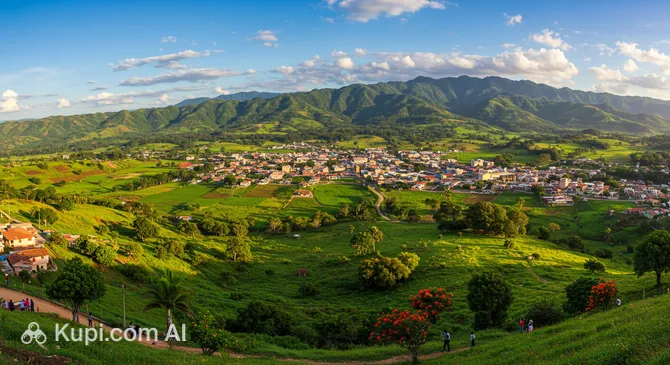
Constanza is a charming town nestled comfortably amidst the majestic mountain landscapes of the Central Cordillera. Unlike the popular beach routes for which the Dominican Republic is famous, this corner offers travelers the cool of the highlands, dense forests, and breathtaking panoramas. Here, the atmosphere of a true mountain refuge prevails, where the air is filled with freshness, and nature amazes with its splendor at first sight.

Constanza. Illustration.
Source: Kupi.com AI

With a population of about 59,000 people, the city is an important center for domestic tourism and agriculture. Thanks to its strategic position on a fertile plateau, Constanza serves as an excellent starting point for expeditions into the surrounding national parks and to mountain peaks. The unique history of Constanza has shaped a special way of life: Dominican identity and farming traditions intertwine harmoniously here, allowing for the cultivation of the country's best vegetables, fruits, and flowers.

The city is ideal for those seeking an authentic experience away from the hustle and bustle of metropolises. Guests can enjoy leisurely strolls along shaded streets, taste fresh farm products, and immerse themselves in the genuine hospitality of the locals. Constanza invites you to discover another facet of the tropical island, filled with tranquility, natural beauty, and unforgettable sunsets.

Weather Overview

The climate of Constanza is a real phenomenon for the Dominican Republic. Thanks to its location in the mountains, an atmosphere of "eternal spring" prevails here, fundamentally different from the tropical heat of the coast. The weather is mild and refreshing year-round, making the region an ideal refuge from the heat.

The winter months, especially December and January, bring the most noticeable coolness: the average temperature is around 17.9–18.4°C, and at night the thermometer can drop to a bracing 13.9–14.7°C. This is also the driest period of the year (only 11–12 rainy days). In summer (June–August) it becomes warmer, but there is no exhausting heat: average figures reach a comfortable 21.2°C, and maximums rarely exceed 24.7°C. However, in the summer season and early autumn (May, September), humidity increases, and the number of rainy days can reach 27 per month.

Expect moderately warm summers with frequent rains and cool, drier winters. To properly plan your wardrobe and not forget warm clothes for the evenings, we recommend checking in advance what weather in Constanza is expected during your visit.

Average monthly temperature

Average monthly precipitation

Interesting Facts

Beyond its main attractions, Constanza holds many fascinating secrets that reveal a completely unexpected side of the Dominican Republic. This city can shatter the stereotypes that the Caribbean is exclusively about heat, beaches, and coconut palms.
  • "The Dominican Switzerland." This nickname was given to the city for a reason. Due to its location at an altitude of about 1,200 meters above sea level, a unique microclimate prevails here. In winter, the temperature can drop to 0°C, and locals sometimes observe frost on the grass and thick morning fogs, which is a real exoticism for a tropical country.

  • Atypical Harvest. Constanza is an agricultural wonder of the region. Thanks to the coolness, crops uncharacteristic of the Caribbean are successfully grown here: juicy strawberries, apples, peaches, and even garlic. Local fruits and vegetables are considered the standard of quality and freshness throughout the republic.

  • Proximity to the Peaks. The city is located at the foot of the highest mountain in the Caribbean region — Pico Duarte. This makes Constanza a mecca for trekking enthusiasts wishing to conquer the "roof of the Antilles" and enjoy breathtaking views.

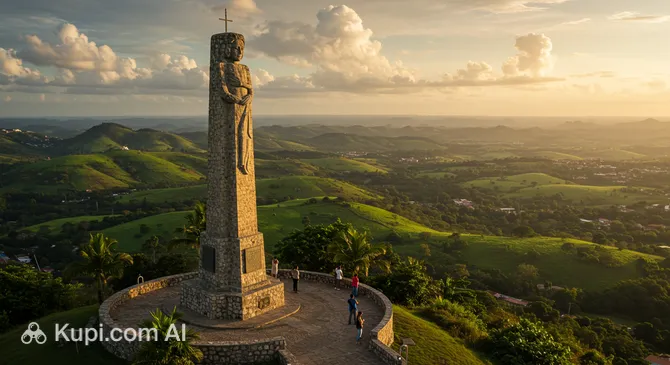
  • A Spiritual Symbol. The majestic Monument to the Divine Child, towering over the valley, not only serves as a religious shrine but is also a kind of beacon of hope for local residents. It is believed that the statue protects the city from natural disasters.

  • Mountain Legends. The national parks and waterfalls surrounding the city are shrouded in mysticism. Old-timers tell legends of mountain spirits dwelling in caves and lakes, who guard the natural riches of this land from prying eyes.

Monument to the Divine Child. Illustration.
Source: Kupi.com AI

Traveler photos:

How to Get There

A journey to this highland city requires a bit of planning, as it is located away from the main tourist highways. However, the road here is an adventure in itself, revealing stunning views of the Central Cordillera. You can find detailed routes and advice on the page how to get to Constanza, and below we will look at the main air gateways.

There is no airport in the city of Constanza itself that accepts regular commercial flights. The closest and most convenient option is Cibao International Airport (IATA: STI) in the city of Santiago. It is located approximately 56.5 km from Constanza. The journey by car or taxi will take about 1 hour and 45 minutes, as part of the road passes along a winding mountain serpentine.

Many tourists also choose Las Américas International Airport (IATA: SDQ) in Santo Domingo, as it accepts the largest number of international flights. Although it is located in the capital, at a distance of about 125 km, you can get from there to Constanza in about 3.5 hours. It is also worth mentioning Gregorio Luperón International Airport (POP) in Puerto Plata (about 95 km), from which the journey will take about 2.5–3 hours.

For clarity, here is a summary of the main airports:

AirportPassenger trafficDistance
Cibao International Airport2.2 mln57 km
La Isabela International Airport67 00088 km
La Union Airport880 09195 km
Samaná El Catey International122 000112 km
Las Americas International Airport5.5 mln125 km

As for rail transport, it is virtually undeveloped for passenger travel in the Dominican Republic. There is no railway station in the city of Constanza, and it is impossible to get here by train. Buses and cars remain the primary way to move around the country.

Since trains are unavailable, travelers usually use comfortable intercity buses going to the city of La Vega or Bonao, where they transfer to local transport (minibuses or taxis) that climb into the mountains. Renting an SUV is also popular, as mountain roads can be steep, but they are in good condition and offer unforgettable panoramas.

Main Attractions

The main attractions of Constanza are inextricably linked to its unique nature and mountain landscape. Unlike coastal resorts, tourists are attracted here not by beaches, but by breathtaking panoramas, fresh air, and cultural sites harmoniously integrated into the environment. A journey here is a chance to see a "different" Dominican Republic—calm and majestic.

One of the city's most recognizable landmarks is the Monument to the Divine Child. This impressive statue stands tall on a hill, as if guarding the valley. Tourists climb up here not only for the spiritual atmosphere but also for the stunning observation deck. From here, perhaps the best panoramic view of the city and the green slopes of the Central Cordillera opens up, making this place ideal for memorable photos.

Monument to the Divine Child. Illustration.
Source: Kupi.com AI

Traveler photos:

The heart of social life in Constanza is considered to be Anacaona Park. Located right in the center, it attracts visitors with its well-kept grounds and cozy atmosphere. It is a great place to relax in the shade of trees after a walk, examine monuments dedicated to the region's history, and simply observe the slow pace of local life. The park often becomes a venue for city festivals and cultural events.

For those who want to combine a cultural experience with gastronomic pleasure, a visit to La Esquina Gastropub is a must. This establishment has long outgrown the status of a simple restaurant and has become a true city attraction. A unique atmosphere prevails here, combining modern style and local traditions, and the menu offers the best dishes made from fresh farm products for which this highland region is so famous.

Local Cuisine

The gastronomic scene in Constanza is unique for the Dominican Republic. This region is often called the "vegetable garden of the country" due to its fertile soil and cool climate. Products are grown here that are rare for the rest of the island: from crispy apples and broccoli to the famous local garlic and potatoes. The "farm-to-table" concept here is not a fashion trend, but a natural way of life, guaranteeing exceptional freshness of ingredients.

The menu is based on hearty and warming dishes, which is not surprising for a mountain area. Be sure to try the thick soups and stews with a generous addition of vegetables. Goat meat (chivo) and lamb, simmered over low heat with aromatic herbs until incredibly soft, are considered special delicacies. Roasted chicken, served with a side of farm potatoes or a fresh salad, is also popular.

For those with a sweet tooth, Constanza is a real paradise. The main local brand is strawberries. They are sold everywhere: fresh, with cream, in the form of jams, or as a filling for pies. In street markets and small shops, you can find homemade pastries and traditional Dominican sweets, such as "dulce de leche," often with added tropical fruits or nuts.

Among drinks, fresh juices (jugos naturales) and thick milkshakes (batidos) made from strawberries, blackberries, and passion fruit hold the lead. Given the cool evenings, hot chocolate and coffee, the beans for which are grown on local highland plantations, are also highly valued here. It is the perfect accompaniment to a leisurely evening after mountain walks.

The food culture here is diverse: from quick snacks at colorful markets to cozy dinners in stylish establishments. A vivid example of a gastronomic center of attraction is La Esquina Gastropub. Here you can appreciate a modern interpretation of Creole cuisine and enjoy an excellent selection of drinks, immersing yourself in the atmosphere of genuine mountain hospitality.

Travel Tips

Welcome to the "Caribbean Alps"! Preparing for a trip to this amazing city requires a special approach, as Constanza breaks common stereotypes about a hot tropical country. To ensure your mountain holiday goes perfectly, we've gathered the most important recommendations to help you feel confident and comfortable.

  1. Dress warmly. This is the most important tip for a trip to this region. Forget that you are in the Caribbean: in the evenings and at night, the temperature here can drop to +10°C, and even lower in winter. Be sure to bring a fleece, a light jacket or windbreaker, long pants, and closed shoes. The principle of layering clothing works best here.
  2. Choose the right transport. If you plan to rent a car for a trip to the Dominican Republic and a visit to Constanza, we strongly recommend choosing a crossover or SUV (4x4). Roads to the main natural attractions are often unpaved and have steep slopes. Inside the city, motorcycle taxis (motoconchos) are convenient for short trips, but helmets are not always provided to passengers.
  3. Stock up on cash. The culture of cashless payment is less developed here than on the coast. Bank cards are accepted in hotels and some large restaurants, but in markets, souvenir shops, and small cafes ("comedores"), you can only pay with cash pesos. ATMs are available in the city center, but it's better to withdraw money in advance.
  4. Beware of the mountain sun. Don't let the cool air mislead you: at an altitude of 1,200 meters, UV radiation is very active. Be sure to use sunscreen and wear a hat during daytime walks to avoid burns. In terms of safety, the city is very calm, but standard precautions (not leaving things unattended) should be observed.
  5. Language barrier and connectivity. Not many people in Constanza know English, mostly staff in good hotels. Download an offline translator and learn a few basic phrases in Spanish — locals really appreciate such efforts. For stable connectivity and internet, it's better to buy a SIM card from local operators (Claro or Altice) in the city center.
  6. Observe local etiquette. Residents of mountain regions are known for their special hospitality and conservatism. It is customary to greet people here, even if you are not acquainted (a simple "Hola" or "Buenos días"). When entering a place where people are eating, it is polite to wish them "Buen provecho" (enjoy your meal).
  7. What to avoid: night driving. The mountain roads leading to Constanza and its surroundings are winding and often unlit. Additionally, thick fog often descends in the mountains. Try to plan your movements so that you reach your destination before sunset.
  8. Gastronomic tip: Buy products on the street. Don't look for fruit in supermarkets — the sweetest strawberries, fresh peaches, and famous local garlic are sold by farmers right on the roadsides or at the city market. This is not only cheaper but also guarantees the highest quality.

Constanza will give you a unique experience of unity with nature and silence, which is so lacking in noisy metropolises. Follow these simple practical tips, and your mountain adventure will be as comfortable, safe, and memorable as possible!

Entertainment & Nightlife

The nightlife in Constanza has its own unique charm, which is radically different from the noisy parties on the coast. Here you won't find huge nightclubs with neon signs or beach discos until dawn. Instead, the city offers a cozy, almost homely atmosphere where evening entertainment is focused on warm conversation, good music, and enjoying the cool mountain air that is so highly valued in the Dominican Republic.

The center of attraction in the evening is the area around the central square — Anacaona Park. As dusk falls, the park comes alive: families, young people, and tourists gather here. This is the ideal place to start the evening: stroll through the illuminated alleys, buy street snacks, and feel the rhythm of local life. Around the park and on the adjacent streets, there are small bars and cafes where you can enjoy a glass of wine or a local beer.

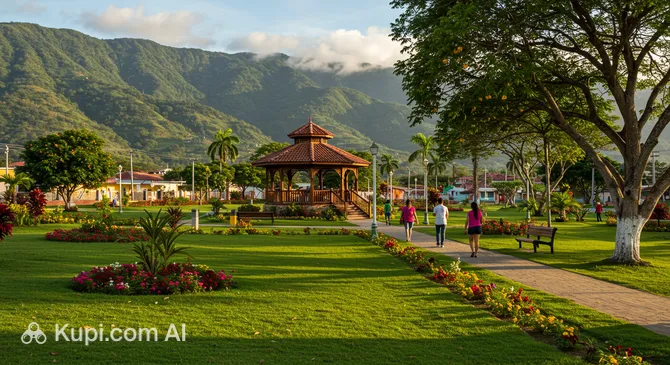
Anacaona Park. Illustration.
Source: Kupi.com AI

Traveler photos:

The most famous and stylish place for evening relaxation in the city is La Esquina Gastropub. This establishment sets the tone for all of Constanza's nightlife. The most interesting crowd gathers here: from local aesthetes to travelers from all over the world. The interior is designed in a modern style with rustic elements, pleasant music plays, and the menu features an excellent selection of craft beers and cocktails. This place is a must-visit if you want to spend the evening in a civilized and friendly environment.

Also popular in the city is the culture of "colmados" (grocery store-bars) and small local discos where bachata and merengue play. In such places, the atmosphere is simpler and noisier, but very authentic. The dress code in Constanza is casual, but with one important feature: due to the mountain climate, evenings here can be truly cold. Therefore, instead of light dresses and shorts, it is better to wear jeans, closed shoes, and bring a jacket or sweater.

La Esquina GastroBar. Illustration.
Source: Kupi.com AI

Traveler photos:

Regarding safety, the city center and tourist streets are quite calm for evening strolls. However, as with everywhere, it is worth exercising common sense and not wandering into unlit, remote alleys. To return to the hotel late at night, it is better to use a taxi or arrange with a driver in advance, as public transport stops running quite early. Prices in the bars and restaurants of Constanza are usually lower than in popular resorts, making a stay here even more pleasant.

Although Constanza is more focused on ecotourism and gastronomy, there is also plenty to do during the day besides mountain hiking. The cultural program can be calm and contemplative: visiting agritourism farms or seeing iconic monuments such as the Monument to the Divine Child. In the evening, the city falls asleep quite early, leaving time for quality sleep in the silence of the mountains.

Parks & Museums

Constanza is a true garden city, where the boundaries between the urban environment and wild nature are practically blurred. You shouldn't look for classic museum halls with silence and curators here; the main exhibitions of this region are outdoors, offering travelers the chance to immerse themselves in living history and enjoy unique green zones found nowhere else in the Dominican Republic.

The center of attraction for all guests and locals is Anacaona Park. This is not just a green zone, but the heart of the city's social life, named after the legendary Taíno cacica (chieftainess). The park stands out for its impeccable maintenance, beautiful alleys, and bright flower beds that bloom year-round thanks to the cool climate. Here you can see monuments dedicated to historical figures and enjoy a peaceful atmosphere in the shade of coniferous trees.

Anacaona Park. Illustration.
Source: Kupi.com AI

Traveler photos:

Speaking of natural areas, it is impossible not to mention the surroundings, which are effectively an extension of the city's park culture. Just a few kilometers away begin the lands of the Valle Nuevo National Park. Although it is a large-scale reserve, its accessible areas with alpine landscapes and the famous "Pyramids" serve as popular spots for walks and picnics, resembling a huge botanical garden created by nature itself.

In terms of museums, Constanza offers a non-standard approach. Instead of traditional galleries, the role of the main cultural and historical site is played by the Monument to the Divine Child. This monument, towering over the valley, is not only a religious shrine but also a symbol of the spiritual culture of the region. A visit to the monument allows you to touch upon local traditions of faith and see an impressive architectural landmark harmoniously integrated into the mountain landscape.

The city's cultural mosaic is also reflected in the heritage of the Japanese colony. Although there is no separate museum for Japanese immigration, the influence of this culture is felt in the architecture of some buildings and the landscaping of private gardens. Strolling through the Colonia Japonesa district, you can feel as if you've been transported to another corner of the world, observing a unique synthesis of Caribbean and Asian traditions that has become an integral part of Constanza's history.

Insider Tip: For the most authentic experience, head to one of the flower farms or strawberry plantations in the vicinity. Local farmers often organize impromptu tours that tell the story of the region better than any local history museum, allowing you to see the process of growing the famous flowers and berries with your own eyes.

Getting Around

The public transport system in Constanza has its own specifics, determined by the mountain relief and the size of the city. Here you will not find a metro, trams, or large municipal buses running on a schedule. The transport network is much simpler and more informal, which is part of the local flavor.

The most popular and accessible way to get around the city is the motoconcho — a motorcycle taxi. Drivers in bright vests can be found on almost every corner. This is a fast and cheap way to get from one point to another, especially through narrow streets. However, this type of transport requires caution: helmets for passengers are not always offered, so it's worth choosing drivers who look reliable and follow the rules.

For trips to neighboring settlements or remote areas of the valley, guaguas — small minibuses or minivans — are used. They do not have fixed stops in the usual sense: boarding and alighting are carried out at the request of the passenger anywhere along the route. "Guaguas" are often overcrowded, but they are the most budget-friendly way to travel medium distances.

Classic taxis are also available in the city, but it is not customary to hail them on the street. It is better to order a car by phone through your hotel reception or look for special stands (paradas) in the center, for example, near the main park. Ride-hailing apps (like Uber) work unstable or are completely unavailable in this region, so you shouldn't rely on them.

The payment system here is exclusively cash. There are no transport cards, passes, or validators. Payment is made directly to the driver upon boarding or at the end of the trip. It is extremely important to have small bills with you, as motoconcho or minibus drivers may not have change for large banknotes.

It is important for tourists to remember the main rule: the price must be negotiated in advance. There are no meters in motoconchos and taxis. Before getting into the vehicle, clearly state your destination and ask the cost ("¿Cuánto cuesta?"). This will help avoid misunderstandings and inflated fares for foreigners.

Given that the region's main attractions — waterfalls, farms, and observation decks — are scattered across the mountains, the best alternative to public transport is renting a car. It is strongly recommended to choose an SUV or crossover with all-wheel drive (4x4), as many roads outside the center are unpaved and have steep slopes. Bicycle rental is poorly developed in the city and is more often offered as part of organized tours rather than as a means of transport.

The central part of the city, where shops and restaurants are concentrated, is most comfortably explored on foot. Distances here are small, and a walk will allow you to enjoy the fresh mountain air, which is why travelers come to this amazing region.

Accommodation

Accommodation options in Constanza will surprise those accustomed to the standard beach resorts of the Dominican Republic. Here you will not find huge chain hotels with "all-inclusive" systems. Instead, the region offers cozy eco-lodges, small family hotels, and, what is especially popular, mountain chalets and villas (cabañas). The atmosphere in the places to stay here is focused on unity with nature, silence, and home comfort.

When choosing an area, you should start from your goals. If walking proximity to shops and cafes is important to you, it is better to stay in the city center. This will allow you to be in the thick of things and easily reach places like Anacaona Park, around which evening life is concentrated. If you are looking for complete privacy and panoramic views of the valley, choose options on the slopes of the surrounding mountains. However, keep in mind that staying in remote lodges will definitely require a rental car.

A unique feature of local housing is the presence of fireplaces. Since nights in Constanza can be truly cold, the ability to light a fire in the evening becomes not just a romantic addition, but a necessity. Many tourists specifically look for wooden cabins with terraces and fireplaces to enjoy the cool air with a cup of hot chocolate. Staying in the center will also put you close to gastronomic spots like La Esquina Gastropub, which is very convenient for dinner.

The price range varies from budget to mid-range. Luxurious five-star complexes are rare here, but the level of comfort in private villas is very high. It is strongly recommended to book accommodation in advance, especially if your trip falls on a weekend or winter months (from December to February). At this time, the city is popular among Dominicans themselves, who come here for the cold. You can use popular international booking platforms to search for options, but many authentic cabins are rented out through direct contacts in messengers or social networks.

Nearby Cities

For those who want to explore the surroundings, Constanza serves as an excellent starting point for day trips to several interesting nearby locations:

Just 26 km from the city is the picturesque Jarabacoa. This destination is often called the "city of eternal spring" and is ideal for lovers of active recreation. Here you will find breathtaking waterfalls, such as Salto de Jimenoa, and can try your hand at rafting on the Yaque del Norte River. It is an excellent choice for those who want to continue exploring the mountain nature of the Dominican Republic, but at a more dynamic pace.

If you are interested in cultural life and history, it is worth heading to the city of La Vega, the capital of the province of the same name. It is known nationwide for its grandiose carnival, which takes place every February and is considered one of the oldest and most colorful in the region. In addition, the famous Santo Cerro shrine, which attracts pilgrims from all over the island, is located here.

Another interesting destination is Bonao, located about 35 km away. This city is often called the unofficial cultural capital thanks to the Cándido Bidó Museum and its rich artistic traditions. The outskirts of Bonao are also famous for beautiful rivers and natural pools where you can freshen up on a hot day.

CityPopulationDistance
Jarabacoa68 58526 km
Padre Las Casas20 04129 km
Bohechio9 68531 km
Bonao125 33835 km
Rancho Arriba10 29936 km

These nearby destinations provide an insight into the diverse culture and landscapes of the region, complementing a relaxing holiday in the mountains with vivid impressions.

Shopping & Souvenirs

Shopping in Constanza is not about huge malls and brand boutiques, but about authenticity, freshness, and local flavor. Since the city is the agricultural capital of the Dominican Republic, shopping here is closely linked to gastronomy and nature's bounty. Tourists don't take home Chinese-made magnets from here, but rather environmentally friendly products grown in the unique mountain climate and items made by local artisans.

The city's commercial life is concentrated in its central part. The main shops and stalls can be found on the streets adjacent to the central square — Anacaona Park. Strolling along Calle Luperón or Calle Sánchez, you will encounter many small shops ("tiendas"), pharmacies, and colorful stalls. Here you can buy everything you need: from clothing and shoes for trekking to essential goods.

There are no large shopping centers in the usual sense in Constanza. Instead, small commercial galleries (Plazas) operate, where hairdressers, mobile phone shops, and small clothing boutiques are gathered under one roof. These are places for local residents, so the assortment here is modest and utilitarian, but prices are significantly lower than in popular beach resorts.

The main point of attraction for food lovers is the Municipal Market (Mercado Municipal). This is a bustling and bright place where the counters are bursting with the freshest vegetables, fruits, and greens. This is exactly where you should buy the famous local garlic, broccoli, and potatoes. Additionally, along the roads at the entrance to and exit from the city, there are often farmers' stalls offering fresh-cut flowers and berries straight from the garden — this is perhaps the most atmospheric type of shopping in the region.

As souvenirs, visitors take home what this land is proud of. Primarily, it's strawberries (fresas) — fresh or in the form of jams, liqueurs, and desserts. Traditional Dominican sweets (dulces), prepared here according to old home recipes, are also popular. Don't forget the flowers: thanks to the cool climate, luxurious roses and chrysanthemums are grown here and cost very little. Another great gift would be a bag of local highland coffee.

Most shops are open from 8:00 or 9:00 AM to 6:00–7:00 PM from Monday to Saturday. On Sunday, many shops close by lunchtime or do not work at all. Regarding payment, cash is king in Constanza. Bank cards are only accepted in supermarkets and large establishments, so be sure to carry a supply of Dominican pesos, especially when visiting the market or street vendors.

The Tax Free (tax refund) system is not common in Constanza. This service is usually only available in large international stores in Santo Domingo or in duty-free zones at airports. Given the nature of local goods (food products, handmade souvenirs), you should not count on a VAT refund here.
Nearby cities

Reached the end of the page?

That means the route is fully explored