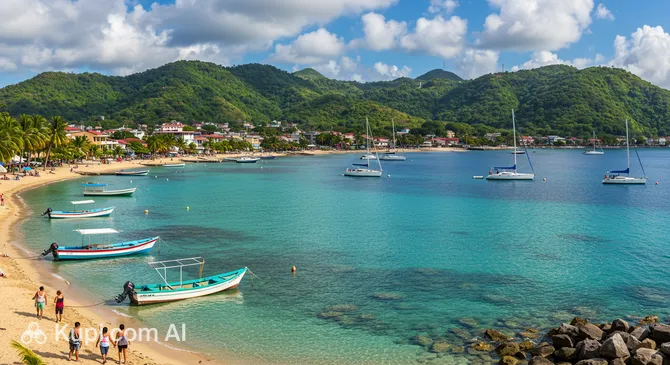
Samaná is a true Caribbean oasis located on the northeast coast, on the peninsula of the same name. The city of Santa Bárbara de Samaná, the provincial capital, is nestled on the shores of a picturesque bay surrounded by tropical hills and dense jungles. If you are planning a trip to the Dominican Republic and looking for a place where the turquoise waters of the Atlantic meet wild nature, this city is the perfect choice.
Samana. Illustration.
Source: Kupi.com AI
With a population of about 58,000 people, Samaná maintains a cozy and leisurely atmosphere that large resorts often lack. There are no noisy crowds of tourists here, but there is an abundance of the famous "mañana" lifestyle—the ability to live in the moment and never rush. The city attracts travelers with its authenticity: here you can stroll through colorful streets, chat with friendly locals, and feel the true spirit of the Caribbean.
One of the region's main highlights is the opportunity to see majestic humpback whales that come to the bay during the mating season. Additionally, the rich history of Samaná is inextricably linked to the sea and the natural wealth of the region. Exciting adventures await travelers: from exploring mysterious caves and catamaran trips to visiting waterfalls through mangrove thickets.
Samaná is a place where time seems to stand still, allowing you to enjoy every moment. The unique combination of magnificent beaches, outdoor activities, and a peaceful atmosphere makes this city a wonderful destination for both romantic getaways and family vacations.
Weather Overview
The climate in Samaná is the embodiment of an eternal tropical summer, making the region attractive to visit at any time of year. It is warm and humid, and temperature fluctuations between seasons are insignificant. Expect hot summers with periodic tropical showers and more comfortable, relatively dry winters.
The "coolest" and most comfortable months are considered January and February. During this period, the average temperature stays at 24.7°C — 24.8°C: during the day, the air warms up to 27.5°C, and nights bring a pleasant freshness with figures around 22°C. This is an ideal time for excursions and long walks when the sun is not so intense.
From May to October, it becomes noticeably hotter. The peak temperature occurs in August, when average values reach 28.0°C, and the daily maximum often exceeds 30°C. Rainfall in Samaná occurs regularly throughout the year, but usually takes the form of short, refreshing showers. The rainiest month is September (about 25 days with precipitation), and the driest period is March and April.
To plan your vacation as accurately as possible and avoid getting caught in prolonged rain, we recommend studying the climatic features of the region in advance. Detailed weather in Samaná will help you choose the best dates for a beach holiday or whale watching.
Average monthly temperature
Average monthly precipitation
Interesting Facts
In addition to its main attractions, Samaná hides many fascinating secrets and natural wonders that make it a unique spot on the map. This region is a true box of surprises, where ancient legends, unique natural phenomena, and unexpected historical twists intertwine.
Whale Capital of the World. Every year from January to March, Samaná Bay becomes the primary location in the Caribbean for humpback whale watching. Thousands of giants swim here for mating and to give birth. In honor of this event, locals hold vibrant festivals, and the Malecon de Samaná often serves as an excellent observation deck for those who want to see the water spouts from the whales right from the shore.
A Wish-Granting Waterfall. The famous Salto del Limón waterfall, whose waters drop from a height of 40 meters, is surrounded by an aura of mysticism. According to local legend, bathing in its cool water can grant your innermost wish. The journey to it through jungles and cocoa plantations is an adventure in itself.
Unique Cultural Blend. Samaná is one of the few places in the country with such a diverse ethnic composition. Historically, communities of descendants of settlers from not only Spain and France but also the USA have formed here. This gives the city a special atmosphere and diversity that can be felt in the architecture, cuisine, and faces of the local people.
The Lost World of Los Haitises. Located nearby, Los Haitises National Park is often called one of the most mystical places in the region. Its caves, hidden among mangrove forests, preserve authentic Taino Indian rock paintings, allowing visitors to touch the pre-Columbian history of the island.
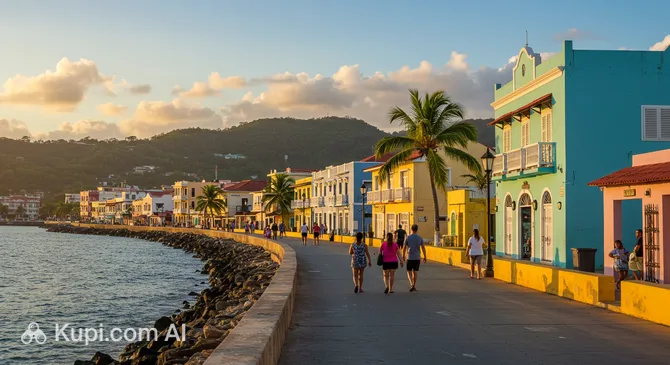
Malecón de Samaná. Illustration.
Source: Kupi.com AI
Traveler photos:
How to Get There
When planning a trip to this picturesque peninsula, it is important to think through the logistics in advance. You can find out more details on how to get to Samaná by studying all available options, but the main arrival method for international tourists remains a flight followed by a transfer.
The closest airport to the resort is Samaná El Catey International (IATA: AZS). It is located not in the city itself, but in the settlement of El Catey, about 42.5 km from Samaná. This is a small but convenient airport that accepts seasonal flights. Travel time from here by taxi or transfer will take about 1 hour and 20 minutes. Despite the modest passenger traffic, this is the fastest way to reach the peninsula.
Many travelers choose Las Américas International Airport (IATA: SDQ), located in the country's capital, Santo Domingo (about 92 km from Samaná). This is a major aviation hub with regular connections. Thanks to a modern toll highway, you can get from here to Samaná by taxi or rental car in about 2.5–3 hours.
Another option is flying into Punta Cana International Airport (IATA: PUJ) in Punta Cana. Although it is significantly further away—about 125 km—it is the country's busiest airport with a huge selection of flights. The road to Samaná will take more than 3.5 hours, but this is often compensated by the convenience of a direct flight.
For clarity, here is a summary of the main airports:
Railway connections are not used for intercity passenger transport in the Dominican Republic, so it is impossible to get to Samaná by train. The main alternative to a taxi is an intercity bus or a car rental. The roads leading to the peninsula are in good condition and pass through picturesque tropical landscapes, turning the transfer into a mini-excursion.
Main Attractions
Despite its modest size, the city of Samaná is rich in impressive locations that combine natural beauty with local charm. A tour of the city should begin with its main artery—the waterfront. Malecon de Samaná is not just a place for walking, but a real center of social life. It offers breathtaking views of the bay with moored yachts and sailboats. Tourists come here to enjoy the sea breeze, watch the sunset, and take panoramic photos against the backdrop of the ocean.
Malecón de Samaná. Illustration.
Source: Kupi.com AI
Traveler photos:
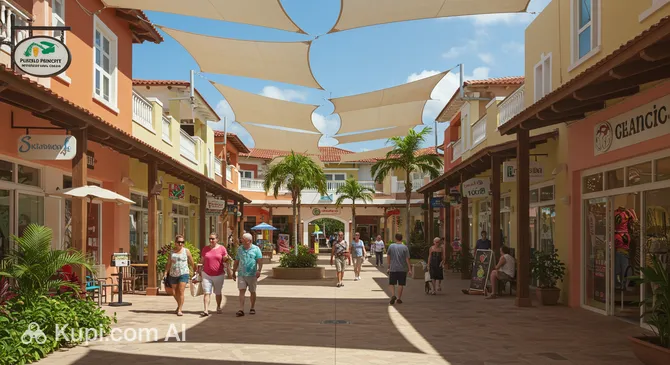
Right behind the waterfront, a vibrant architectural ensemble catches the eye—Pueblo Principe. This open-air shopping center is styled like a traditional Caribbean village with multi-colored wooden houses. It is one of the most photographed attractions in the city. In addition to the aesthetic pleasure, here you can buy souvenirs, try local sweets, or just relax in the shade of palm trees, enjoying the atmosphere of old Dominican Republic.
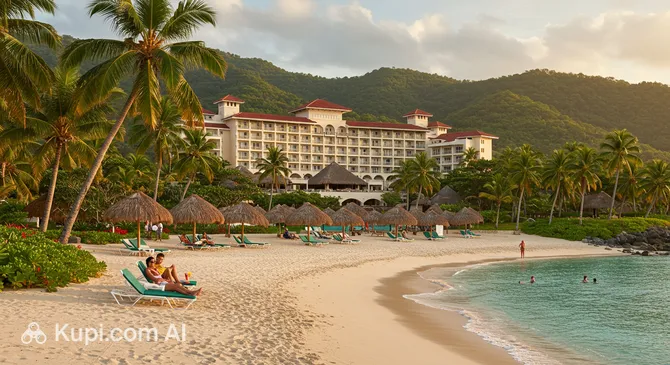
Another important point on the city map is Grand Cayacoa. Although it is a resort hotel, it has become an integral part of the Samaná landscape thanks to its unique location on a cape. From here, you can find perhaps the best views of the famous "Bridges of Samaná" (Los Puentes)—pedestrian bridges connecting small islands in the bay. Even if you aren't staying at the hotel, the view of this complex from the water or the city is always impressive in its scale.
It is also worth mentioning the famous Bridges of Samaná (Puente de los Cayos), which are often a destination for walking tours. Although they are not listed as a commercial site, they are a symbol of the city. A walk along them literally allows you to walk over the waters of the bay, reach secluded islets, and see the city from a completely new perspective. This place is particularly popular for morning runs and romantic evening strolls.
Local Cuisine
The gastronomic scene in Samaná is a vibrant reflection of the region's tropical abundance and cultural diversity. Local cuisine is based on the freshest products: fish caught in the morning, juicy fruits, and aromatic spices. The main feature of the peninsula's culinary traditions is the widespread use of coconut. This ingredient adds a delicate creamy flavor to dishes and makes them recognizable among all Caribbean varieties.
The undisputed king of the table here is Pescado con coco (fish in coconut sauce). This dish is the true signature of Samaná. Fresh fillets, most often snapper or mackerel, are simmered in a thick sauce made of coconut milk with tomatoes, garlic, and cilantro. It is usually served with tostones (fried plantains) or rice. Seafood lovers should also try local lobsters and shrimp, which are expertly grilled with garlic butter.
For those who want to get to know the Creole roots of Dominican cuisine, Sancocho is a must. This is a thick, hearty meat stew that includes several types of meat, corn, pumpkin, and local root vegetables such as yuca and yams. This filling dish is often prepared for holidays, but it can also be found in Samaná's restaurants on weekdays. For dessert or a snack, coconut sweets or fresh fruits like mango, papaya, and passion fruit (chinola) are excellent choices.
Dining culture in the city ranges from simple street stalls to cozy oceanfront restaurants. Street food is an important part of the local flavor. Strolling along the waterfront, known as the Malecon de Samaná, you can snack on hot empanadas (meat or cheese pies) or crispy yuca cakes. Freshly squeezed juices and coconut water straight from the nut are also sold here.
As for drinks, the Dominican Republic is famous for its rum. It is enjoyed neat or in cocktails like "Cuba Libre" or "Piña Colada." The most intriguing local drink is Mamajuana—an infusion of tree bark, herbs, honey, rum, and wine, which is credited with healing properties. If you are looking for a place to enjoy both local cuisine and excellent drinks in a relaxed atmosphere, visit Santa Bahía Kitchen & Bar. This establishment perfectly combines the region's culinary traditions with modern service.
Travel Tips
A trip to Samaná promises to be an unforgettable adventure, but like any tropical corner, there are nuances here. To ensure your vacation is as comfortable as possible and without organizational surprises, we have prepared a list of useful practical recommendations to help you feel confident.
Clothing and gear. The climate in Samaná is humid and hot, so prioritize loose clothing made of natural "breathable" fabrics like cotton or linen. Be sure to bring a light raincoat or a compact umbrella—tropical showers can start suddenly and end just as quickly. For trips to waterfalls or caves, comfortable closed shoes with non-slip soles are useful, and for the evening, a light sweater, as it can be breezy by the ocean.
Transport nuances. There is no subway or developed network of large buses in the city. For short trips, locals and tourists use motorcycle taxis (motoconchos), but it is crucial to agree on the price before boarding, as they do not have meters. Ride-hailing apps work unstably here, so it is more reliable to use official taxi stands or order a car through your hotel.
Money and payment. The official currency is the Dominican peso. Although US dollars are accepted in many tourist spots, the exchange rate will be very unfavorable. It is better to change money at banks or official exchange offices (casas de cambio). Bank cards are accepted in supermarkets and restaurants, but for buying fruit, souvenirs, and paying for transport, cash is mandatory. Tips (around 10%) are welcome, but check the receipt—often a "service charge" is already included.
Health and hygiene. It is categorically not recommended to drink tap water—use only bottled water even for brushing your teeth. The sun in Samaná is very intense, so high SPF sunscreen and a hat are necessary even in cloudy weather. Also, be sure to bring repellents: the humid tropics are a habitat for mosquitoes that can carry infections.
Communication and language. The main language of communication is Spanish. In tourist areas, staff speak English, but in the city and at markets, knowing basic phrases ("Hola", "Gracias", "¿Cuánto cuesta?") will greatly facilitate communication. For stable internet, it's better to buy a local SIM card from Claro or Altice operators (a passport is required), as public Wi-Fi is not always reliable.
Local etiquette. Dominicans are open and friendly people. It is customary to say hello even to strangers in shops or elevators. The main feature of the local mentality is leisureliness. Don't show impatience or irritation if restaurant service seems slow; it's part of a culture where no one is in a rush.
What to avoid. Do not buy excursions from random sellers on the beach ("beach boys"), even if the price seems very attractive. Often this leads to low service quality or a lack of insurance. It's safer to book tours through your hotel or certified agencies. Also, avoid photographing locals without their permission.
Electricity. The grid voltage is 110 volts, and the sockets are American-style (with two flat pins). If your chargers have European round plugs, be sure to bring an adapter, as hotels may have a limited supply.
By following these simple tips, you can avoid minor troubles and fully immerse yourself in the relaxed atmosphere of Samaná. May your trip be filled only with bright colors, the sound of the ocean, and pleasant encounters!
Entertainment & Nightlife
Nightlife in Samaná has its own unique Caribbean rhythm. Unlike bustling metropolises or major resorts like Punta Cana, you won't find massive nightclubs with world-class laser shows here. Instead, Samaná offers an authentic, soulful, and very musical atmosphere. Evening entertainment here focuses on socializing, dancing under the stars, and enjoying cool cocktails to the sounds of bachata, merengue, and salsa.
The epicenter of nightlife is the waterfront—Malecon de Samaná (Avenida de la Marina). As the sun sets, this street transforms: lights come on, music spills out from the open doors of bars and cafes, and locals and tourists alike come out for a promenade. This is the safest and liveliest place for evening walks. So-called "terrazas"—open-air areas where you can drink local Presidente beer or rum while watching the night bay—are popular here.
If you are looking for a place with a more sophisticated atmosphere to start your evening, it’s worth checking out Santa Bahía Kitchen & Bar. This establishment is famous not only for its cuisine but also for its excellent cocktail list. Located by the water, it offers a relaxed lounge vibe that is perfect for a romantic dinner or a pre-party before more active dancing. The dress code here is casual, but a smart-casual style would be most appropriate.
Another major attraction is the Pueblo Principe complex. In the evening, the colorful houses of this shopping center are illuminated, creating a cozy backdrop. Several bars and small clubs operate here, often featuring live music. It’s a great place to spend time with a group without straying far from the city center.
Practical tips for tourists:
Time: Life in the bars starts right after sunset (around 7:00 PM), but dance floors fill up closer to 10:00 PM – 11:00 PM. On weekends, the fun can continue until 2 or 3 in the morning.
Safety: The Malecon and Pueblo Principe areas are well-lit and patrolled by tourist police (Cestur). However, wandering into dark alleys and residential neighborhoods away from the waterfront at night is not recommended.
Transport: At night, minibuses (guaguas) no longer run. The most reliable way to get to your hotel is to call a taxi or use a motoconcho (for short distances), but agree on the price in advance.
Prices: The cost of drinks in Samaná is lower than in the popular resorts in the east of the country. A cocktail can cost between $5 and $8, and a beer is about $3-$4.
As for daytime cultural entertainment, Samaná does not abound with theaters or classical concert halls. The main "stage" here is nature and city squares during festivals. Natural reserves and beaches take the place of amusement parks, and instead of museums (with the exception of the Whale Museum), tourists study colonial architecture and the everyday life of locals right on the city streets.
Parks & Museums
Samaná is a city where the boundaries between the urban environment and wild nature are blurred, and the main exhibits are often not objects behind glass, but living history and the surrounding landscapes. You won't find the massive museum complexes typical of metropolises here, but the cultural and natural heritage of the region is carefully preserved in unique local sites and picturesque walking areas.
The main green artery and a point of attraction for all guests is the Malecon de Samaná. This is not just a waterfront, but an extensive seaside park where local families and tourists love to relax. The spacious pedestrian zone is decorated with palm trees and benches, offering a panoramic view of the bay with its sailboats. Here you can hide in the shade of the trees, enjoying the sea breeze, or study the city's symbols—for example, the famous sculpture dedicated to whales, which serves as a reminder of the region's main natural attraction.
Hikers and fans of unique landscapes should head to the famous "Bridges of Samaná" (Los Puentes). Although an engineering feat, it serves as a scenic route connecting the city with the small islets of Cayo Linares and Cayo Vigía. A walk along the bridges over turquoise water is like visiting a botanical garden: on the islets, you'll find yourself surrounded by untouched tropical vegetation and can enjoy silence away from the city noise.
Among the cultural sites, the Whale Museum (Museo de las Ballenas) holds a special place. This small but extremely important institution is dedicated to the humpback whales that migrate to these waters annually. The main exhibit is the complete skeleton of a 12-meter humpback whale found on the coast. The museum will be of interest to those who want to learn more about the biology of these giants and the history of their protection, especially if you plan to go on or have already taken a sea excursion.
Another iconic site that can be considered an open-air museum is La Churcha. This is the oldest building in the city—an evangelical church built in the 18th century and brought here in pieces from England. It is unique for surviving the devastating fire of 1946 that destroyed most of old Samaná. The building serves as a monument to African-American settlers and preserves the spirit of the colonial era.
For those who appreciate the combination of architecture and walking areas, the Pueblo Principe complex is of interest. Designed as a traditional Caribbean village with bright wooden houses, it creates the atmosphere of a cozy town within the city. Although it is a commercial zone, its well-kept alleys and colorful facades make it a great place for a leisurely stroll and an introduction to local color.
Insider tip: If you have the time, be sure to walk to the bridges at sunrise or sunset. At these times, the light is particularly soft, and the water in the bay becomes like a mirror, allowing you to take stunning photos and see herons hunting in the shallow water near the mangroves.
Getting Around
The public transport system in Samaná is significantly different from what residents of large cities are used to. You won't find subways, trams, or strict schedules on digital displays here. The city is compact, and its transport network is built on mobility and simplicity, perfectly suited to the local pace of life.
The most common and affordable means of transport within the city are motoconchos—motorcycle taxis. Drivers in bright vests wait at literally every intersection. This is a fast way to get from one point to another, although it requires some skill. Helmets for passengers are not always offered, so be careful. The cost of travel within the city is loosely fixed, so it's better to clarify the price before getting on.
For trips outside the center or to nearby beaches, guaguas are used. These are small minibuses or minivans that serve as shared taxis. They have specific routes (for example, toward Las Galeras or El Limón), but no fixed stops: you can wave your hand anywhere along the route to board, and to get off, just loudly inform the driver. Guaguas are the most budget-friendly way to travel, allowing you to immerse yourself in the local flavor, although they can be crowded during peak hours.
The payment system for public transport in Samaná is exclusively cash. Transport cards or mobile payment apps do not work here. Tourists are strongly advised to carry small bills in the local currency, as motoconcho drivers or guagua conductors often do not have change for large banknotes. It is customary to pay at the end of the trip (in taxis and motoconchos) or upon boarding/exiting (in guaguas, depending on the driver).
Classic taxis are also available; their stands are usually located near major hotels and in the center on the waterfront. The cars generally do not have meters, so it is necessary to agree on the price in advance before you get into the vehicle. Ride-hailing apps in this region are unstable or non-existent, so it's more reliable to rely on official stands or help from your hotel reception.
As an alternative, many tourists choose to rent transport. Popular options include not only cars but also ATVs or scooters, which allow you to freely explore the peninsula. However, keep in mind that the local driving style can be chaotic. For walking, the waterfront area and central streets are ideal, where everything is within walking distance.
A unique feature of Samaná's transport system is water transport. Boats and launches (lanchas) regularly depart from the port, serving as water taxis for trips to the opposite shore of the bay (to Sabana de la Mar) or to Cayo Levantado island. This is not just a way to get around, but an opportunity to enjoy picturesque views of the bay for the price of a regular ticket.
Accommodation
Accommodation in Samaná differs significantly from the standard "all-inclusive" format typical of Punta Cana. There are fewer giant hotel complexes here, but cozy boutique hotels, eco-lodges, and guesthouses that blend harmoniously into the surrounding tropical nature are widely represented. Tourists can choose accommodation for every taste: from budget hostels and apartments for independent travelers to comfortable resorts with panoramic views.
When choosing an area, consider the purpose of your trip. If proximity to infrastructure, restaurants, and the port (where whale-watching tours depart) is important, it's best to stay in the central part of the city near the Malecon. Those seeking seclusion and breathtaking scenery should consider options on the hills surrounding the bay. This is where you'll find hotels offering the best views of the bay and the famous bridges.
Among the well-known accommodation options available in the region, Grand Cayacoa stands out. This resort-category hotel is unique for its location on a cape jutting out into the sea. It offers guests not only a high level of service but also direct access to picturesque beaches and observation decks with a panorama of the entire city and bay.
Grand Cayacoa. Illustration.
Source: Kupi.com AI
Traveler photos:
Booking tips: Samaná is a popular destination, especially from January to March when humpback whales migrate to the bay. During this "high season," as well as during Easter and Christmas holidays, demand for accommodation rises sharply. To guarantee a good option at a fair price, it is highly recommended to book your stay 2–3 months before your trip.
The price range in the city is quite flexible. Budget travelers can find rooms in guesthouses for $30–$50 per night, mid-range hotels offer rooms for $80–$150, and the cost of staying in resort complexes starts from $200 and up. Booking is most convenient through major international online platforms where you can read reviews, although small family hotels sometimes offer discounts for direct bookings.
Nearby Cities
For those who want to explore the surroundings, Samaná serves as an excellent starting point for day trips to several interesting nearby locations:
Just an hour's drive away is Nagua—a lively coastal city and the capital of the neighboring province. It is known for its extensive coconut plantations and beaches, which, unlike the tourist zones, are primarily popular with the local population. It’s a great place to see the daily life of Dominicans and try fresh seafood at small roadside cafes.
History and tradition buffs should visit El Seibo. This is one of the oldest cities in the country, preserving the spirit of the colonial era. El Seibo is famous for its production of "mabí," a unique drink based on fermented liana bark, and for hosting the country's only bloodless bullfights. A trip here allows you to dive into the deep cultural roots of the region.
Nearby is Hato Mayor, often called the "citrus capital" due to the abundance of orange and lemon groves surrounding it. The city is encircled by picturesque green hills and serves as another gateway to the natural attractions of the country's east, offering a quiet atmosphere for eco-tourism.
City
Population
Distance
Sabana de La Mar
16 272
17 km
Las Terrenas
18 829
25 km
El Valle
8 855
32 km
Sanchez
20 865
37 km
Miches
20 813
39 km
These nearby destinations provide insight into the diverse culture and landscapes of the region, complementing a beach vacation with new experiences.
Shopping & Souvenirs
Shopping in Samaná is not about chasing global brands, but an exciting search for unique treasures and an immersion into local flavor. You won't find the giant glass-and-concrete malls typical of megacities here. Instead, the city offers a cozy atmosphere of small shops, colorful markets, and galleries, where the focus is on artisan crafts, beach fashion, and traditional Dominican products. It is the perfect place for those who want to take home not just an object, but a piece of the Caribbean soul.
The city's main shopping artery is undoubtedly the waterfront—Malecon de Samaná (Avenida de la Marina). Strolling along the picturesque bay, you will find a line of souvenir kiosks and small shops. You can find everything from bright pareos and hats to paintings by local artists in the "naïve art" style. It is also worth exploring the streets running parallel to the waterfront deeper into the city. There you'll find shops for locals where prices are often lower, and the selection includes clothing, shoes, and household goods.
The most photographed and popular shopping spot is the Pueblo Principe shopping complex. This center is unmistakable: it is styled like a charming Caribbean village with colorful Victorian-style wooden houses. This is a civilized and comfortable shopping zone where boutiques with clothing, jewelry stores, and souvenir shops are concentrated. A walk here is aesthetically pleasing, and the product range is specifically curated for tourists.
Pueblo Principe. Illustration.
Source: Kupi.com AI
Traveler photos:
If you want to experience the true taste of the Dominican Republic, head to the Public Market (Mercado Público). A lively and noisy atmosphere reigns here. The stalls overflow with the freshest tropical fruits: mangoes, papayas, pineapples, passion fruit (chinolas), and coconuts. You can also purchase aromatic spices and local vegetables here. It’s a great place to buy edible souvenirs at local prices, but be prepared for it to be quite crowded.
From Samaná, you should bring back gifts that the whole country is famous for. First and foremost, look for jewelry with larimar—a semi-precious stone of a sky-blue color found only in the Dominican Republic—as well as amber pieces. Leading the gastronomic souvenirs are coffee, organic cocoa, vanilla, and, of course, the famous Dominican rum. Don't forget cigars and "Mamajuana"—a traditional infusion of herbs and honey, often sold as dry mixes in bottles for self-preparation.
Shops in Samaná usually open around 9:00 AM and work until 6:00 PM or 7:00 PM. On Sundays, many shops may be closed or operate on a shortened schedule. In major tourist spots like Pueblo Principe, as well as in supermarkets, credit cards are accepted without issues. However, at the market, in street kiosks, and small private shops, cash remains king. It’s best to have Dominican pesos with you, as the exchange rate when paying with dollars can be unfavorable.
The Tax Free system for tourists in the Dominican Republic is not widespread in retail, especially in small towns like Samaná. The VAT refund procedure here is complicated and practically non-existent for ordinary souvenir or clothing purchases. Therefore, when planning your budget, focus on the price on the tag or the one you've negotiated with the seller—bargaining at markets and private shops is quite common.