Support

Mount Pleasant

About

Mount Pleasant serves as the vital gateway for travelers venturing to the remote and captivating South Atlantic. As the site of the archipelago's international airport, this settlement acts as the primary arrival point for visitors, offering the first glimpse of the rugged landscapes that define the region. Located on East Falkland, it is a bustling hub that connects the Falkland Islands to the wider world, playing a crucial role in the logistics and life of the local community.
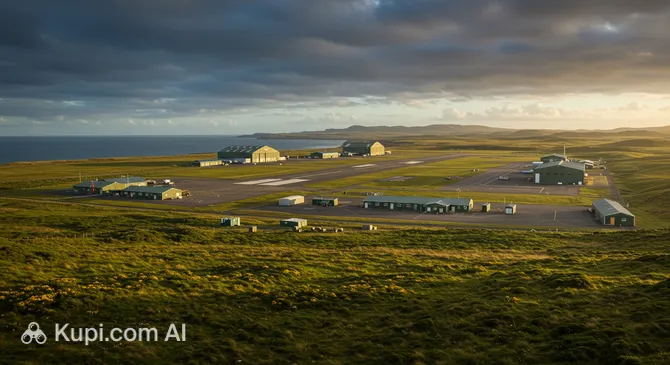
Mount Pleasant. Source: Kupi.Binoculars

Geographically, Mount Pleasant is situated roughly 30 miles southwest of the capital, Stanley. The area is characterized by the islands' typical rolling terrain and cool, maritime climate, where the wind often sweeps across the open plains. With a population of approximately 1,600 people, it functions as a self-contained community with modern amenities, distinct from the traditional camp settlements found elsewhere in the territory.

Although it is a relatively modern establishment compared to other settlements in the region, understanding its background provides insight into the islands' development. You can discover more about its establishment and significance by reading about the history of Mount Pleasant. Today, it stands not just as a transit point, but as a testament to the resilience and connectivity of the islanders.

For nature enthusiasts, the area surrounding Mount Pleasant offers immediate access to wildlife. One of the nearby highlights is Bertha's Beach, a stunning stretch of white sand that is designated as an Important Bird Area and is frequently home to colonies of Gentoo penguins. It is an excellent spot for a first encounter with the local fauna before heading further afield. Additionally, the scenic drive from Mount Pleasant to Stanley provides a beautiful introduction to the unique stone runs and vast horizons of East Falkland.

Whether you are just passing through on your way to the capital or stopping to admire the coastal wildlife nearby, Mount Pleasant marks the exciting beginning of an unforgettable adventure in this pristine corner of the globe.

Weather Overview

Mount Pleasant experiences a cool, maritime climate defined by moderate temperatures and consistent moisture throughout the year. The warmest period occurs in January and February, where the average temperature hovers around 11°C, with daytime highs occasionally reaching 14.5°C. Conversely, the winter months of June and July are much colder, with average temperatures dropping to approximately 2°C and minimums hovering just above or at the freezing point.

Precipitation in this area is characterized by its frequency rather than its volume. While the total monthly rainfall is quite low, typically recording between 1mm and 2mm, the number of wet days is substantial, ranging from 9 to 15 days each month. This suggests that while heavy downpours are rare, visitors should expect regular drizzle or light showers. To help you pack appropriate clothing for these conditions, we recommend checking the detailed weather in Mount Pleasant before your journey.

Interesting Facts

Beyond its functional role as a major airport complex, Mount Pleasant holds a few surprising secrets that capture the imagination of visitors. This settlement is not just a transit point; it is a unique architectural and social phenomenon in the Falkland Islands.

  • The "Death Star" Nickname: The main complex is affectionately known by locals and residents as the "Death Star" due to its immense size and confusing layout. It features a massive internal corridor system stretching nearly 800 meters (half a mile), which is rumored to be one of the longest continuous corridors in the world, connecting accommodation blocks, dining areas, and work zones.

  • A Town Under One Roof: Despite its remote location, Mount Pleasant functions as a fully self-contained town entirely indoors. It houses unexpected amenities such as the only bowling alley in the archipelago, a cinema, shops, and sports facilities, allowing the community to live comfortably and socialize without ever having to step out into the often brisk South Atlantic wind.

  • Runway Wildlife: The settlement presents a striking contrast between modern aviation and raw nature. It is located directly adjacent to a protected wetland, meaning it is one of the few places on Earth where you might spot Gentoo penguins waddling near the perimeter fence or crossing the roads leading to the terminal, offering an immediate welcome from the local wildlife.

How to Get There

Reaching this remote outpost is an integral part of the experience, with air travel being the primary means of access. As the location of the archipelago's main international gateway, arriving here is straightforward for those flying in. For a detailed breakdown of routes and logistics, you can read more about how to get to Mount Pleasant.

Your journey will most likely conclude at Mount Pleasant (MPN), the principal airport serving the Falkland Islands. Uniquely, the airport and the settlement are essentially one and the same, meaning you arrive directly at your destination. Since the distance to the central facilities is only about 1.1 km, the transfer is almost immediate, taking just a few minutes by taxi or shuttle bus. This airport connects the islands with the UK and South America, serving as the vital link for the community.

For clarity, here is a summary of the main airport:

Airport Name City Passenger Traffic Km from City
Mount Pleasant Mount Pleasant Small 1.1

Main Attractions

While Mount Pleasant is primarily known as the logistical hub of the region, it serves as an excellent starting point for exploring the immediate wilderness of the Falkland Islands. The area surrounding the settlement offers a perfect introduction to the archipelago's pristine environment, featuring accessible wildlife havens and unique geological formations that can be visited within a short drive.

Undoubtedly the premier natural attraction in the vicinity is Bertha’s Beach. Located just a few miles from the main complex, this spectacular stretch of white sand is designated as a Ramsar wetland site of international importance. It is famous for hosting a large and friendly colony of Gentoo penguins that reside here year-round. Visitors can enjoy a peaceful walk along the dunes while watching these charismatic birds waddle to and from the sea, often accompanied by the sight of wading birds along the shore.

To the south of the settlement lies the expansive Choiseul Sound, a picturesque inlet that offers rich opportunities for marine wildlife viewing. The sound is a favored habitat for Commerson’s dolphins, easily recognizable by their distinctive black and white markings and playful behavior. On calm days, it is often possible to spot them surfing in the waves or swimming close to the coast, making the shores of the sound a rewarding spot for nature enthusiasts and photographers.

A short drive along the highway connecting Mount Pleasant to the capital reveals the impressive Princes Street Stone Run. These vast "rivers of stone" are a geological marvel unique to this territory, formed during the last Ice Age. The grey quartzite boulders appear to flow down the hillsides like water, creating a surreal and rugged landscape that fascinated Charles Darwin during his visit in the 19th century. It is a striking example of the island's ancient and raw beauty.

Local Cuisine

The culinary landscape of Mount Pleasant is deeply rooted in British traditions, adapted to the unique resources of the South Atlantic. Given its nature as a self-contained community, the food scene here prioritizes comfort, heartiness, and sustenance against the cool, windy climate. While it does not offer the extensive variety found in larger cities, visitors can expect high-quality local ingredients prepared in a familiar, home-cooked style that provides a warm welcome to the islands.

Meat lovers should definitely take the opportunity to try the local Falklands lamb. Raised on the islands' vast, organic pastures, the meat is renowned globally for its tenderness and distinct flavor, often served as a traditional roast dinner with potatoes and vegetables. Seafood is another significant highlight, with the surrounding waters providing an abundance of fresh catches. Look for dishes featuring Patagonian squid (calamari), which is a major local export, or the rich, buttery Patagonian toothfish, often enjoyed simply battered or grilled to highlight its natural taste.

The drinking culture in Mount Pleasant mirrors that of a classic British town, serving as a social glue for the community. Tea is the undisputed beverage of choice, essential for warming up on a brisk day and often accompanied by homemade cakes or biscuits during the traditional mid-morning break known as "Smoko." For something stronger, the local social hubs serve a variety of British ales, lagers, and spirits, offering a relaxed environment to unwind.

Dining here is a unique experience due to the settlement's architectural layout. Most eateries and social venues are located within the main complex, creating a communal atmosphere where residents and travelers mix. You might find yourself grabbing a quick, hearty meal at a café or enjoying casual comfort food at the bowling alley. The focus is less on fine dining and more on providing warm, filling meals that fuel visitors for their adventures in the rugged Falklands wilderness.

Travel Tips

Visiting Mount Pleasant is a unique experience, as it functions primarily as a military base and international airport complex rather than a traditional tourist town. To help you navigate this distinct environment and the rugged conditions of the South Atlantic, we have compiled a list of essential practical tips for your journey.

  1. Clothing and Gear: The weather here is notoriously changeable and windy. Pack multiple layers, including a high-quality windproof and waterproof jacket, warm fleece, and thermal underwear. Sturdy, waterproof walking boots are essential if you plan to explore the nearby terrain. Don't forget a UK-style power adapter (Type G) for your electronics.

  2. Transportation: There is no public metro or tram system. The primary way to leave the airport complex is via shuttle buses or pre-arranged taxis that connect to the capital, Stanley. If you intend to explore East Falkland independently, renting a 4x4 vehicle is highly recommended, and these can often be collected upon arrival at the airport.

  3. Finances: The local currency is the Falkland Islands Pound (FKP), which is pegged 1:1 with the British Pound (GBP). UK banknotes and coins are widely accepted and circulate freely. While cards are accepted in the main complex and larger businesses, it is wise to carry cash for smaller purchases or when traveling to remote settlements.

  4. Health and Safety: Mount Pleasant is extremely safe regarding crime, but the environment poses natural risks. The sun can be surprisingly strong due to the thin ozone layer, so high-factor sunscreen and sunglasses are necessary even on cloudy days. Medical facilities are available on the base for emergencies, but the main civilian hospital is located in Stanley.

  5. Communication: English is the native language, so communication is effortless for English speakers. Mobile and internet coverage is provided by Sure; be aware that data roaming can be expensive and speeds may be slower than you are used to. You can purchase Wi-Fi cards or prepaid SIMs at the airport shop to stay connected.

  6. Local Etiquette: Islanders are known for their friendliness and resilience. It is polite to greet people you meet, even strangers. When encountering wildlife, such as the penguins at Bertha's Beach, always maintain a respectful distance (at least 6 meters) and never block their path to the ocean.

  7. What to Avoid: As Mount Pleasant is an active military installation, strict security rules apply. Do not take photographs of security fences, checkpoints, military personnel, or sensitive equipment. Stick to designated civilian areas and roads to avoid inadvertently entering restricted zones.

  8. Base Layout: Be prepared for the unique layout of the complex. The main facilities are connected by a massive internal corridor known as the "Death Star." It can be disorienting at first, so don't hesitate to ask locals for directions if you are looking for the shop, mess hall, or bowling alley.

By keeping these practical tips in mind, you will be well-prepared to handle the unique logistics of Mount Pleasant and the wild beauty of the Falkland Islands. A little preparation goes a long way in ensuring your trip starts smoothly in this fascinating corner of the world.

Entertainment & Nightlife

Entertainment and nightlife in Mount Pleasant are as unique as the settlement itself. Unlike typical tourist destinations with sprawling districts of clubs and bars, the "nightlife" here is concentrated almost entirely within the massive main complex. For visitors with access to the base, the social scene resembles a lively, self-contained village or a large university union, where the community gathers to unwind after a day of work or exploration in the South Atlantic winds.

There is no need to wander the streets looking for action; the "district" is effectively the famous 800-meter internal corridor. This central spine connects the accommodation blocks to the social hubs, meaning you can go from your room to a pub without ever stepping outside. The atmosphere is distinctly British, casual, and communal. You will find a mix of off-duty military personnel, contractors, and civilian residents enjoying a pint, sharing stories, or participating in organized social events.

The heartbeat of social life in Mount Pleasant is undoubtedly The Gull & Penguin. This large venue serves as the primary meeting place for all ranks and civilians. It functions as a classic pub, a concert venue, and a community hall all in one. On weekends, it often hosts live bands, DJ nights, or quiz evenings that draw a large crowd. It is the best place to soak up the local atmosphere and meet the people who call this remote outpost home.

For a more active evening, the MPC Bowling Alley is a popular choice. It is one of the few places in the Falklands where you can enjoy a game of ten-pin bowling. The venue typically has its own bar area, making it a relaxed spot for groups to socialize over drinks and friendly competition. Another key venue for evening entertainment is the Phoenix Cinema, which screens a mix of recent blockbusters and classic films, providing a comfortable escape for movie lovers.

Practical advice for enjoying a night out here revolves around the unique regulations of the complex. The dress code is generally casual—jeans and t-shirts are the norm—but military personnel may have specific standards to uphold. Most venues operate on standard pub hours, closing around 11:00 PM or midnight, though special events may run later. Prices for drinks and food are often subsidized or very reasonable compared to the UK, and transactions are made in Falkland Islands Pounds or British Pounds.

Regarding safety and transport, Mount Pleasant is arguably one of the safest places you could visit. Crime is virtually non-existent within the complex. Getting around at night is done entirely on foot through the well-lit internal corridors, so there is no need to worry about taxis or dark alleys. However, it is crucial to remember that you are on an active military base. Stick to the designated social areas and accommodation blocks; wandering into restricted operational zones is strictly prohibited and will result in security intervention.

While the focus is often on the evening social scene, the complex offers limited but functional daytime entertainment. The Phoenix Cinema occasionally has matinee showings, and the base features extensive sports facilities, including gyms and swimming pools, which are major hubs of activity during the day. For those looking for a different kind of "wild" life, a daytime walk to the perimeter to spot penguins offers a natural alternative to the indoor amenities.

Parks & Museums

As a purpose-built military and civilian complex, Mount Pleasant does not feature the manicured city parks or botanical gardens typical of traditional tourist towns. Instead, its "green space" is the vast, open wilderness of the Falkland Islands "Camp" that begins immediately outside the perimeter fence. The settlement serves less as a place for leisurely park strolls and more as a strategic gateway to the rugged outdoors and the region's significant historical sites.

For visitors interested in cultural heritage and museums, the primary destination is the capital, Stanley, located approximately 35 miles to the northeast. Here, you will find the Historic Dockyard Museum, the archipelago's premier cultural institution. This extensive facility offers a deep dive into maritime history, Antarctic exploration, and the social life of the islanders. It serves as the central repository for the territory's history and is easily accessible for anyone arriving at Mount Pleasant with a few hours to spare in the capital.

Closer to the complex, the settlement of Goose Green to the west offers a different kind of historical experience. While not a large museum hub, it features the small, community-run Goose Green Museum, which is often accessible by arrangement. The settlement itself functions as a living piece of history, providing context to the events of the 1982 conflict. Walking through the area offers a poignant insight into the past, serving as an open-air educational site distinct from the natural attractions nearby.

While there are no recreational parks within the Mount Pleasant complex itself due to security regulations, the surrounding landscape is dotted with significant memorials and monuments that invite reflection. A short drive from the base can lead you to sites such as the memorials at Fitzroy, which stand in quiet contrast to the windswept plains. These locations turn the open countryside into a space of remembrance, allowing travelers to connect with the human history of the islands while breathing in the fresh South Atlantic air.

Getting Around

The public transport system in Mount Pleasant is quite unlike that of a standard tourist destination. As the settlement functions primarily as a military base and international airport complex rather than a traditional city, there is no municipal network of metros, trams, trolleybuses, or scheduled city buses. For visitors, the concept of "public transport" here refers almost exclusively to the services connecting the airport to the capital, Stanley, and other parts of the islands.

The primary mode of transport for arriving travelers is the shuttle bus service. These buses are specifically timed to coincide with the arrival and departure of international flights. They provide a reliable link between the airport complex and Stanley, a journey of about 35 miles. This service is not a "hop-on, hop-off" city bus but a dedicated transfer option that ensures passengers can reach their accommodation or the capital efficiently after landing.

Regarding payment and tickets, the system is straightforward but requires advance planning. There are no electronic travel cards, mobile apps, or ticket machines at bus stops. Seats on the shuttle bus must typically be booked in advance through local travel agencies or the transport provider. Payment is generally accepted in cash, using either local currency or British Pounds, which are used interchangeably. It is highly advisable to have cash on hand, as credit card facilities may not always be available on board or for last-minute arrangements.

For those seeking alternatives to the shuttle bus, private taxis are available, but they operate differently than in major cities. You cannot simply hail a taxi on the street. All taxi services must be pre-booked, and given the distances involved, fares can be quite high compared to the bus. However, they offer the flexibility of traveling directly to your specific destination without waiting for other passengers to board.

Car rental is a very popular alternative and is often the preferred choice for visitors who want independence. Several rental agencies operate from the airport area, offering 4x4 vehicles which are essential for navigating the gravel roads and off-road tracks found throughout the region. While not "public transport," renting a vehicle is often the most practical solution for getting around, as it frees you from the rigid schedules of the shuttle services.

Within the Mount Pleasant complex itself, the "transport system" is entirely pedestrian. Due to the unique design of the main facility—often nicknamed the "Death Star"—most amenities, accommodation blocks, and social areas are connected by a massive internal corridor. Consequently, walking is the only way to navigate the interior of the settlement. There are no internal bus routes or buggies for general public use, making comfortable walking shoes a necessity even when you are indoors.

Accommodation

Accommodation options directly within Mount Pleasant are uniquely limited due to its primary function as an active military base and international airport complex. Unlike typical tourist destinations, there are no commercial hotels, hostels, or rental apartments available for the general public inside the security perimeter. The accommodation facilities located here are strictly reserved for military personnel, contractors, and sponsored visitors with specific clearance.

For the vast majority of leisure travelers, Mount Pleasant serves solely as a transit hub rather than a place to stay overnight. Upon arrival, tourists typically transfer immediately to Stanley, the capital of the Falkland Islands, which is located approximately 35 miles (56 km) to the northeast. Stanley offers the region's primary concentration of lodging, ranging from comfortable guesthouses and bed-and-breakfasts to well-appointed hotels.

Because you cannot simply walk out of the airport and find a hotel, it is absolutely essential to have your accommodation arranged well in advance of your flight. Immigration authorities may request proof of your booking and your onward transport plans upon arrival. The drive to Stanley takes about 45 minutes to an hour, so you should factor this transfer into your schedule when planning your first night's stay.

In terms of cost and style, the accommodation available in the nearby capital and surrounding "Camp" settlements generally falls into the mid-range to upper-mid-range category. Budget options like backpacker hostels are rare. Visitors can expect warm, personalized hospitality in smaller, family-run establishments or boutique hotels, where prices reflect the remote nature of the islands and the high standard of service provided.

Nearby Cities

For those looking to explore the surroundings, Mount Pleasant serves as an excellent base for day trips to several interesting nearby locations. While the settlement itself is a focal point for logistics, the roads radiating from it lead to some of the most significant cultural and historical sites on East Falkland. Whether you are interested in the bustling life of the capital or the quiet history of the "Camp," there are compelling destinations within easy reach.

Stanley, the capital of the Falkland Islands, is the primary destination for any visitor. Located just a short drive away, it offers a colorful contrast to the rugged plains with its bright roofs, English-style pubs, and the iconic Christ Church Cathedral with its whalebone arch. It is the cultural heart of the islands, home to the Historic Dockyard Museum, gift shops, and a variety of dining options, making it perfect for a full day of sightseeing and shopping.

To the west of Mount Pleasant lie the settlements of Darwin and Goose Green. These small communities are steeped in history, particularly relating to the 1982 conflict, and offer a poignant look into the past. Visitors can explore the local memorials and experience the tranquil pace of life in the Falklands countryside. Additionally, the nearby settlement of Fitzroy is worth a stop to visit its moving memorials and enjoy the scenic coastal views that define this part of the island.

City Population Distance (km)
Stanley 2213 44

These nearby destinations offer a glimpse into the diverse culture and landscapes of the region, allowing travelers to experience both the vibrant capital and the serene, historic settlements of the Falklands.

Shopping & Souvenirs

Shopping in Mount Pleasant is a unique and strictly functional experience, reflecting the settlement's primary role as a military base and international transit hub. Unlike a traditional tourist destination with browsing districts, the retail options here are designed to serve the practical needs of the resident community and travelers passing through the airport. Visitors should not expect fashion boutiques or extensive promenades, but rather a convenient selection of essential services and last-minute travel necessities.

There are no outdoor shopping streets in Mount Pleasant due to the harsh South Atlantic weather and the facility's design. Instead, the main "shopping district" is located entirely indoors within the central complex. The long internal corridor, often referred to by locals as the "Death Star," houses the few retail outlets available. This setup allows you to run errands or pick up supplies without ever having to brave the wind, creating a compact and weather-proof commercial zone.

In terms of shopping centers, the settlement does not have civilian malls. The closest equivalent is the large NAAFI (Navy, Army and Air Force Institutes) store located within the main complex. This functions as a department store and supermarket combined, stocking everything from groceries and British toiletries to electronics and outdoor gear. While it is primarily for personnel, it serves as the main retail anchor for the community, offering a taste of British high street products in the South Atlantic.

Traditional open-air markets or flea markets are not a feature of life in Mount Pleasant. The strict security and operational nature of the base mean that the colorful craft fairs and farmers' markets found elsewhere are absent here. For those interested in local artisan goods, homemade jams, or extensive craft markets, the capital city of Stanley is the place to visit, as it hosts regular events where local artists display their work.

Despite the limited options, you can still find excellent souvenirs to remember your trip, particularly at the airport terminal shop. This is the best place to pick up classic Falkland Islands memorabilia before your flight. Popular items include plush penguins, locally produced wool products, and artwork prints depicting the rugged landscapes. Philately enthusiasts should look out for Falkland Islands stamps, which are world-renowned for their beautiful designs and are highly collectible.

Store opening hours in the complex generally follow standard business times, typically from 9:00 AM to 5:00 PM, though the airport shop adjusts its schedule to accommodate flight arrivals and departures. Regarding payment, the local currency is the Falkland Islands Pound (FKP), which is pegged 1:1 to the British Pound (GBP). UK currency is accepted everywhere, and credit or debit cards are widely used within the main complex facilities. It is worth noting that while FKP notes are a great souvenir, they cannot be exchanged outside the islands, so be sure to spend them or swap them for GBP before you leave.

Tourists will be pleased to know that shopping in the Falklands is effectively tax-free in terms of Value Added Tax (VAT), as the islands do not levy this tax on goods. This means the price you see on the shelf is the final price you pay, making luxury items or electronics potentially cheaper than in the UK or Europe. However, there is no refund scheme for tourists since no tax is charged in the first place.

Reached the end of the page?

That means the route is fully explored