Support

Franceville

About

Franceville is a vibrant and significant urban center located in the southeastern part of Gabon. As the capital of the Haut-Ogooué Province and one of the largest cities in the country, it serves as a bustling hub of commerce and education. Situated on the banks of the Mpassa River, the city is characterized by a lush, hilly landscape that offers a scenic backdrop to its lively streets and local markets.

With a population of approximately 110,000 residents, Franceville offers a unique blend of modern development and traditional equatorial atmosphere. It is widely known as the terminus of the Trans-Gabon Railway, which connects the deep interior of the country to the coast, playing a vital role in the region's accessibility and economic life.
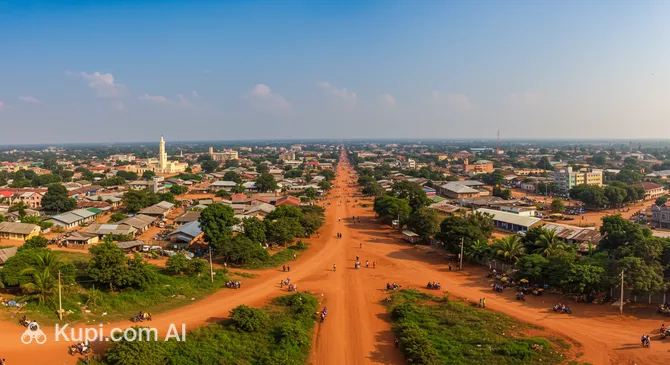
Franceville. Source: Kupi.Binoculars

The city was founded in 1880 by the explorer Pierre Savorgnan de Brazza. Originally named Masuku, the history of Franceville is deeply intertwined with the colonial era and the development of the region's resources. Today, visitors can still see remnants of the past, such as the historic St. Hilaire Church, which stands as a testament to the city's enduring heritage.

Nature lovers are particularly drawn to the area for its spectacular surroundings. A short distance from the city center, you can discover the magnificent Poubara Falls and the traditional vine bridge crossing the Ogooué River, offering an adventurous glimpse into the local environment. Whether you are arriving by train or exploring the savannas of the plateau, Franceville provides a warm welcome and an authentic Gabonese experience.

Weather Overview

Franceville enjoys a warm, tropical climate year-round, making it a lush and green destination. When planning your visit, it is helpful to understand the weather in Franceville, which is defined by consistent temperatures and varying rainfall patterns.

Daily temperatures typically hover between 21°C and 31°C, ensuring warm conditions for most activities regardless of the month. The city experiences a distinct dry season from June to August, with significantly fewer rainy days compared to the rest of the year. Conversely, months like October and April are much wetter, often featuring frequent rainfall that contributes to the region's vibrant vegetation.

Interesting Facts

Beyond the well-known railway connections and scenic waterfalls, Franceville holds a collection of fascinating secrets that define its unique character. This city is not just an administrative center but a place where history, science, and geology converge in unexpected ways.

  • A Haven for the Liberated: While the city was founded by the explorer Pierre Savorgnan de Brazza in 1880, its origin story is deeply rooted in humanitarian efforts. Brazza established the settlement specifically to house former slaves he had rescued from trade caravans, originally referring to it as "Francheville" (City of the Free) to symbolize their newfound liberty.

  • Science in the Jungle: Franceville is home to one of Africa's most prestigious scientific institutions, the CIRMF (Centre International de Recherches Médicales de Franceville). This high-tech facility is renowned globally for its advanced research in virology and primatology, serving as a critical monitoring center for infectious diseases in the heart of the equatorial forest.

  • The Manganese Engine: The city's economic vitality and its status as the terminus of the Trans-Gabon Railway are directly linked to the ground beneath it. The surrounding province is rich in manganese, hosting one of the largest reserves in the world, which drives the region's infrastructure and connects it to the global market.

  • A Landscape Apart: Unlike the dense, unbroken rainforest that covers much of the country, Franceville sits on the edge of the Batéké Plateaux. This unique geological formation creates a landscape of rolling savannas and grassy hills, offering a distinct visual contrast to the tropical vegetation found in other Gabonese cities.

How to Get There

Reaching this provincial capital is relatively straightforward thanks to its status as a major transport hub in southeastern Gabon. Whether you prefer a quick flight or a scenic train journey across the country, there are reliable options available. For a complete guide on planning your trip, you can read more about how to get to Franceville and the specific transport schedules.

For air travelers, the city is served by Franceville/Mvengue (MVB). This airport is located approximately 19 km from the city center. It handles a significant number of passengers annually, connecting the Haut-Ogooué region with Libreville and other domestic destinations. Upon arrival, a taxi or shuttle transfer to the downtown area typically takes about 50 minutes.

For clarity, here is a summary of the main airport:

Airport Name City Passenger Traffic Km from City
Franceville/Mvengue Franceville Medium 18.8

In addition to air travel, Franceville is famous for being the eastern terminus of the Trans-Gabon Railway. This train line connects the city directly to the port of Owendo, near the capital Libreville. The journey is a popular choice for visitors who want to experience the changing landscapes of the Gabonese interior, from dense rainforests to the savannas of the plateaus. The train ride is comfortable and reliable, though it is a long journey that usually takes roughly 12 to 15 hours.

Road access is also possible, linking Franceville to neighboring towns and provinces, though distances in Gabon can be vast. If you are driving from other parts of the country, ensure you have a vehicle suitable for varying road conditions.

Main Attractions

While Franceville is often recognized for its economic and scientific importance, it also serves as a gateway to some of Gabon's most captivating natural and historical sites. The city offers a mix of colonial heritage and breathtaking landscapes that provide travelers with a genuine taste of the Haut-Ogooué region.

One of the most famous sights located just a short drive from the city center is the Poubara Falls. These powerful waterfalls on the Ogooué River are a spectacular display of nature's force, surrounded by dense greenery. A visit here offers not only a chance to see the cascading water but also to enjoy the serene atmosphere of the surrounding forest, making it a perfect spot for photography and picnics.

Adjacent to the falls, adventurous visitors can experience the traditional Vine Bridge (Pont de Lianes). Suspended over the rushing river, this bridge is crafted entirely from natural woven vines using ancestral techniques passed down through generations. Crossing the swaying structure is a thrilling experience that connects tourists with the local engineering traditions and offers a unique perspective of the river below.

For those interested in history and architecture, the St. Hilaire Church stands as a significant landmark within the city. Built in 1899, it is one of the oldest religious buildings in the country and a poignant reminder of Franceville's colonial past. The church remains well-preserved, offering a quiet space for reflection and a glimpse into the early development of the town under Pierre Savorgnan de Brazza.

To experience the daily rhythm of local life, a trip to the Grand Marché (Central Market) is essential. This bustling hub is filled with colorful stalls selling everything from fresh tropical fruits and vegetables to vibrant fabrics and local crafts. It is the best place to interact with friendly residents, taste local snacks, and soak in the energetic atmosphere that defines this provincial capital.

Local Cuisine

The culinary scene in Franceville is a delightful reflection of the Haut-Ogooué region's rich natural resources, offering visitors an authentic taste of Gabon. The local diet relies heavily on fresh ingredients sourced from the surrounding forests and rivers, with cassava and plantains serving as the staple accompaniments to almost every meal. The food here is hearty, flavorful, and deeply rooted in tradition.

One dish you absolutely must try is Poulet Nyembwe. Considered the national dish, it consists of chicken slow-cooked in a rich, creamy sauce made from palm nut pulp, giving it a distinctive savory taste. Another local favorite is Feuilles de manioc, a thick stew made from crushed cassava leaves, often prepared with smoked fish, peanuts, or palm oil. Given the city's location near the rivers, fresh fish wrapped in banana leaves—a cooking style known as en paquet—is also a culinary highlight that preserves the delicate flavors and spices.

For a quick bite or a casual dinner, look for the local eateries known as maquis. These bustling, informal spots are where the heart of the city's food culture beats, serving generous portions of food in a lively atmosphere. In the evenings, the streets are often filled with the aroma of charcoal-grilled coupé-coupé (barbecued meat) and spicy brochettes, which are best enjoyed with a side of fried plantains or bâtons de manioc (fermented cassava sticks).

To wash down these savory meals, locals often turn to Régab, the country’s iconic lager which is ubiquitous in social gatherings. If you prefer non-alcoholic options, the region offers refreshing homemade drinks. Jus de bissap (hibiscus juice) and spicy ginger juice are widely available and perfect for cooling down in the tropical heat. For the adventurous, trying fresh palm wine, often tapped directly from trees in the surrounding area, offers a truly traditional experience.

Travel Tips

Visiting Franceville offers a unique glimpse into the lush landscapes and vibrant culture of southeastern Gabon. To help you navigate the city with ease and confidence, we have compiled a list of essential practical tips for your journey.

  1. Pack for the Tropics: Given the warm and humid climate, lightweight and breathable clothing made of cotton or linen is ideal. Since sudden showers can occur, especially during the wetter months, packing a compact umbrella or a light rain jacket is highly recommended. Comfortable walking shoes are a must, as the city is built on hilly terrain and you may want to explore nearby nature spots.

  2. Getting Around: The most convenient way to travel within the city is by taxi. You will find distinctively colored taxis roaming the streets; they operate as shared rides (cheaper) or private hires known as a "course." Always confirm the price with the driver before getting in, as meters are rarely used. Public buses are less common for tourist needs, and ride-hailing apps are not widely available.

  3. Cash is King: The local currency is the Central African CFA franc (XAF). While some upscale hotels may accept credit cards, cash is essential for daily transactions, restaurants, and markets. ATMs are available in the city center, but it is wise to carry enough cash in case of network outages or machine maintenance.

  4. Health Precautions: As in much of the region, malaria is a risk, so bring strong insect repellent and consider taking prophylaxis after consulting your doctor. Stick to drinking bottled water to avoid stomach issues, and ensure the seal is intact when purchasing. Pharmacies are available in the town center for basic medical supplies.

  5. Overcoming the Language Barrier: The primary language of communication is French, and English is not widely spoken outside of major business circles. Learning a few basic phrases like "Bonjour" (Hello), "Merci" (Thank you), and "Combien ça coûte?" (How much is this?) will be incredibly helpful. For internet access, purchasing a local SIM card from providers like Airtel or Moov is easy and affordable.

  6. Respect Local Etiquette: Gabonese culture places a high value on politeness. It is customary to greet people with a friendly "Bonjour" before asking a question or starting a conversation. When entering a shop or a taxi, acknowledging the person present is considered a basic sign of respect.

  7. Photography Rules: Be very cautious about what you photograph. Avoid taking pictures of government buildings, military personnel, police stations, or the airport, as this is strictly prohibited and can lead to legal trouble. Always ask for permission before taking photos of local residents.

  8. Train Travel Tip: If you plan to use the Trans-Gabon Railway to or from Libreville, buy your tickets well in advance. The train is a lifeline for the region and seats fill up quickly, especially during holidays or weekends.

By keeping these suggestions in mind, you will be well-prepared to immerse yourself in the local rhythm of the Haut-Ogooué region. Enjoy the warmth, the scenery, and the welcoming spirit that makes a trip to Franceville so memorable.

Entertainment & Nightlife

While Franceville is often appreciated for its tranquility and scenic surroundings, the city transforms as the sun sets, offering a lively and welcoming nightlife scene. The atmosphere here is less about high-paced clubbing and more about social conviviality, fueled by the city's large student population and local residents unwinding after work. The vibe is generally relaxed, filled with the sounds of Gabonese music, Soukous, and Afrobeat echoing from open-air venues.

The heart of the action is undoubtedly the Potos district. This bustling neighborhood serves as the commercial and social center of the city, where the streets remain active well into the night. Here, you will find a high concentration of maquis—informal, open-air restaurants and bars that are the cornerstone of Gabonese nightlife. These spots are perfect for mingling with locals, enjoying a cold Régab beer, and dancing to loud, rhythmic music in a casual setting. The dress code in Potos is informal, and the energy is infectious.

For those seeking a more polished or quieter evening, the city's major hotels offer excellent lounge bars. The Léconi Palace is a popular choice for expatriates and visitors looking for a sophisticated atmosphere to enjoy a cocktail with a view. Similarly, the bar at Hotel Masuku provides a comfortable setting for a relaxed drink and conversation. These venues typically have a smart-casual dress code and offer a distinct contrast to the energetic street vibes of the downtown maquis.

When planning a night out, it is best to head out around 9:00 PM when the city starts to wake up for the evening. Prices are generally affordable, especially in the maquis, while hotel bars will charge international rates. For transportation, it is highly recommended to use taxis rather than walking, especially late at night. Taxis are plentiful and inexpensive; you can easily hail one on the main street or ask your hotel reception to call a trusted driver for you.

Regarding safety, Franceville is considered one of the safer cities in Gabon, but standard precautions apply. Avoid walking alone in poorly lit areas or on the outskirts of the city at night. Sticking to the main avenues in Potos or the secure grounds of major hotels is the best way to ensure a trouble-free experience.

During the day, entertainment options are more low-key and culturally focused. While you won't find large amusement parks, visitors can explore the impressive Mausoleum of Omar Bongo, a significant architectural landmark dedicated to the former president. For a relaxing afternoon, a stroll along the banks of the Mpassa River or a visit to the local markets offers a pleasant way to soak in the daily rhythm of this unique provincial capital.

Parks & Museums

While Franceville is primarily known as an administrative and economic hub, it serves as the perfect base for exploring the rich cultural heritage and stunning natural landscapes of the Haut-Ogooué Province. The city itself is interspersed with green hills and offers access to some of the most unique geological formations and historical monuments in Gabon.

Although the city center is more urban, the surrounding region offers breathtaking Natural Areas that are easily accessible for day trips. The most iconic of these is the Cirque de Léconi (Red Canyon), located a drive away from the city. This geological marvel features towering cliffs of pink and orange sand that contrast beautifully with the surrounding green savannas. It is a must-visit for photographers and nature lovers seeking a landscape that looks almost Martian compared to the rest of the country's rainforests.

Another significant natural highlight is the unique ecosystem of the Batéké Plateaux. Unlike the dense jungle found elsewhere in the country, this area is characterized by rolling grassy plains and ancient dunes. It provides a serene environment for hiking and offers a chance to spot distinct wildlife. For those willing to travel a bit further, the Lékédi Park in nearby Bakoumba is a sanctuary for biodiversity, famous for its mandrill populations and eco-tourism initiatives that allow visitors to see local wildlife in a protected setting.

In terms of Culture and History, the city offers profound insights into the nation's past. A key site for history enthusiasts is the Memorial to Pierre Savorgnan de Brazza. As the founder of the city, his legacy is preserved through this site, which marks the historical significance of the "City of the Free." It offers a window into the colonial era and the origins of Franceville, functioning as an open-air lesson on the region's strategic importance in the 19th century.

Another prominent landmark is the Mausoleum of Omar Bongo Ondimba. Dedicated to the former president, who was a native of this region, the site is renowned for its impressive architecture and solemn grandeur. It serves as a significant place of remembrance, reflecting the political heritage of the province. The well-maintained grounds and the imposing structure make it a noteworthy stop for those interested in the modern history of the area.

For an Authentic Experience, try to arrange a visit to the Lékédi area during the dry season to see the famous "sand fish" (poisson de sable), a unique local species that lives in the sandy riverbeds. Additionally, simply walking through the Plateau district in the evening offers a peaceful atmosphere where the cool breeze from the hills complements the panoramic views of the city lights below.

Getting Around

Public transport in Franceville is quite different from what you might find in major European or North American capitals. The city does not have a metro, tram, or trolleybus system, and there is no scheduled municipal bus service for getting around the town center. Instead, the local transport network relies almost entirely on road vehicles, specifically taxis, which serve as the primary means of mobility for residents and visitors alike.

The most common way to navigate the city is by using the ubiquitous local taxis. These vehicles generally operate in two distinct modes. The most popular and economical option is the "shared taxi" system, where the driver picks up multiple passengers heading in the same general direction. Alternatively, you can request a "course," which effectively hires the taxi for a private ride to a specific destination without stops for other passengers. This option is faster and more comfortable but comes at a higher price.

Payment for transport is made exclusively in cash. There are no travel cards, digital passes, or mobile apps for ticketing in Franceville. Fares for shared rides are typically low and fixed for standard distances within the city, while the price for a private "course" or a trip to outlying areas must be negotiated with the driver before you enter the vehicle. It is essential to carry small denominations of the local currency, as drivers often have difficulty changing large bills.

For tourists wishing to explore the city at their own pace, walking is an option for short distances within the central districts, though the hilly terrain can make it physically demanding in the tropical heat. Car rentals are available but are somewhat limited compared to larger international hubs. It is often recommended to rent a car with a local driver, which solves navigation issues and avoids the challenges of driving on unfamiliar roads.

Taxis operate throughout the day and well into the evening, particularly around busy areas like the central market and the Potos district. However, availability decreases significantly late at night. If you plan to be out late, it is advisable to arrange a pickup with a trusted driver in advance or ask your hotel or restaurant to call a taxi for you. Always ensure the price is agreed upon clearly before starting your journey to avoid any misunderstandings upon arrival.

Accommodation

Finding the right place to stay in Franceville is relatively straightforward, as the city offers a concentrated selection of accommodation options. The range generally spans from modest, locally-run guesthouses (often called "auberges") to a few prominent hotels that cater to business travelers and government officials. While you will not find ultra-luxury international resort chains, the top-tier establishments provide comfortable amenities, air conditioning, and reliable service suitable for international visitors.

When choosing where to base yourself, the decision largely depends on your preference for convenience versus tranquility. The bustling Potos district is the heart of the city's daily life; staying near here puts you within walking distance of lively markets, shops, and local eateries. Conversely, the Plateau area and the surrounding hills are home to the larger, more upscale hotels. These locations offer spectacular panoramic views of the lush landscape and a quieter atmosphere, though you will likely need a taxi to reach the city center.

For travelers seeking the highest standard of comfort available in the region, a few well-known establishments stand out. The Hôtel Léconi Palace is perhaps the most iconic, easily recognizable by its distinct architecture and commanding position overlooking the city. It is a popular choice for its scenic vistas and comprehensive services. Another reputable option is the Hôtel Masuku, situated in a more secluded, verdant setting that allows guests to enjoy the natural beauty of the Haut-Ogooué region while remaining close to the city's infrastructure.

Booking accommodation in Franceville requires a bit of proactive planning. While the larger hotels may appear on international booking platforms, many smaller guesthouses do not have a strong online presence. It is often best to contact establishments directly by phone or arrange your stay through a local travel contact. Prices can be surprisingly high for the level of luxury provided, so budget accordingly. Additionally, it is wise to carry enough cash (CFA francs) to settle your bill, as card payment terminals can be unreliable in smaller lodgings.

Nearby Cities

For those looking to explore the surroundings, Franceville serves as an excellent base for day trips to several interesting nearby locations. While the Haut-Ogooué region is vast, there are specific towns and sites within reach that offer unique insights into the industrial and natural diversity of Gabon. One of the most accessible destinations is **Moanda**. Located less than an hour's drive away, it is known globally as one of the world's largest manganese mining centers. A visit here provides a fascinating contrast to the administrative feel of Franceville, showcasing the industrial engine that powers the provincial economy. The town is bustling and offers a glimpse into the daily lives of the mining community. For nature lovers, a trip to the town of **Léconi** is highly recommended, even though it lies a bit further afield. It serves as the gateway to the stunning Batéké Plateaux and the famous Red Canyons, offering landscapes that are strikingly different from the dense rainforests found elsewhere. Another worthwhile stop is **Bakoumba**, often referred to as the "City of Birds," which is home to the Lékédi Park, a sanctuary dedicated to biodiversity and the protection of primates like mandrills.
City Population Distance (km)
Moanda 39298 43
Lambarene 38775 388
Ndjole 35000 354
Tchibanga 24000 324
Mouila 22469 285
These nearby destinations offer a glimpse into the diverse culture and landscapes of the region, ranging from industrial hubs to serene natural wonders.

Shopping & Souvenirs

Shopping in Franceville offers a genuine immersion into the local culture of the Haut-Ogooué province. While the city is not a destination for high-end luxury fashion or sprawling retail complexes, it provides a vibrant atmosphere where visitors can find essential goods, fresh local produce, and unique artisanal crafts. The experience is less about browsing international brands and more about engaging with friendly local vendors and discovering the textures and flavors of the region.

The commercial heartbeat of the city is undoubtedly the Potos district. This lively neighborhood serves as the main hub for daily trade and activity. Walking along its streets, you will find a dense collection of small boutiques, electronics shops, and general stores. It is the perfect place to soak in the energetic vibe of the city, with music often playing from storefronts and a constant flow of pedestrians looking for clothing, shoes, and household items.

For travelers seeking modern conveniences and imported products, the city has a few supermarkets, such as CKdo (Cecado). These establishments offer a more familiar, air-conditioned shopping environment where you can purchase toiletries, bottled water, European-style snacks, and beverages. They are reliable stops for stocking up on supplies for day trips or hotel stays, offering fixed prices and a standard range of goods.

To experience the authentic rhythm of daily life, a visit to the Grand Marché (Central Market) is essential. This bustling marketplace is a sensory delight, filled with stalls piled high with tropical fruits, vegetables, and spices. Beyond food, it is the best spot to browse for colorful textiles. The vibrant wax print fabrics, known as pagnes, are a staple of Gabon's fashion, and you can buy them here by the yard to take home or have tailored into custom clothing.

When it comes to souvenirs, Franceville offers access to some of the country's finest traditional crafts. Look for carvings made from Mbigou stone (pierre de Mbigou), a soft, greyish soapstone that is sculpted into intricate busts and statuettes. You can also find beautifully woven raffia baskets, traditional masks, and locally made jewelry. These items are often sold by artisans in the market or small roadside stalls, making for meaningful and culturally rich gifts.

Most shops typically open around 8:00 AM and close by 6:30 PM, with many smaller businesses taking a lunch break between 12:30 PM and 3:00 PM. The markets start earlier, often at sunrise, and wind down in the late afternoon. Cash is king in Franceville; while supermarkets may accept credit cards, the vast majority of market vendors and small shops deal exclusively in the Central African CFA franc (XAF). It is highly recommended to carry small denominations to make transactions easier.

Visitors should be aware that there is no tax-free shopping or VAT refund scheme available for tourists in the city. The price you see is generally the final price in supermarkets, though bargaining is a common and expected practice when purchasing handicrafts or items in the open-air markets.

Nearby cities

Reached the end of the page?

That means the route is fully explored