Support

Brazzaville

About

Welcome to Brazzaville, the vibrant political and administrative capital of the Republic of the Congo. Situated on the northern banks of the majestic Congo River, this city offers a unique blend of colonial history, traditional culture, and modern African energy. Unlike many bustling metropolises, Brazzaville is often celebrated for its relatively relaxed atmosphere and green spaces, making it a welcoming entry point for travelers exploring the region.

Geographically, the city holds a distinct position directly across the river from Kinshasa, making the two the closest national capitals in the world. With a population of approximately 1.8 million inhabitants, Brazzaville is the largest city in the country and serves as a major financial and administrative hub. The climate here is tropical, characterized by a wet and dry season that shapes the lush vegetation surrounding the urban area.

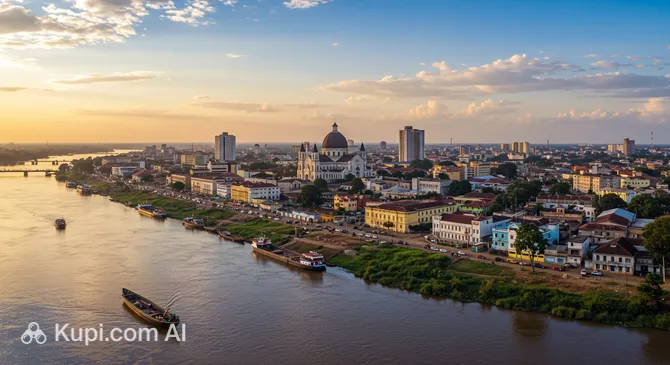
Brazzaville. Source: Kupi.Binoculars

To truly understand the spirit of this place, one must explore the history of Brazzaville. Founded by the explorer Pierre Savorgnan de Brazza, the city has evolved from a small river settlement into a significant cultural center. Visitors can pay their respects at the Pierre Savorgnan de Brazza Memorial, a striking monument dedicated to the city's founder, or admire the incredible architecture of the Basilique Sainte-Anne, known for its green tiled roof and local artistic influences.

Art lovers and culture seekers will find plenty to admire, particularly at the famous Poto-Poto Painting School, which showcases a distinct style of African art. For a scenic experience, a stroll along the Corniche offers breathtaking views of the Congo River and the skyline of Kinshasa on the opposite bank. Whether you are here for business or leisure, Brazzaville invites you to discover its warm hospitality and rich heritage.

Weather Overview

Brazzaville experiences a consistent tropical climate, making it a warm destination throughout the year. For a more in-depth look at seasonal variations to help plan your trip, you can consult the detailed guide to the weather in Brazzaville. Generally, the city avoids temperature extremes, offering a stable environment for exploration regardless of the month.

Visitors can expect average temperatures to hover comfortably between 26°C and 28°C, with daytime highs peaking around 32°C in February and March. Nights remain mild, with minimum temperatures rarely dropping below 22°C. Precipitation patterns vary, with October being the wettest month featuring up to 28 wet days, while July offers a drier period with only about 9 days of rainfall.

Interesting Facts

Beyond the main attractions, Brazzaville holds many fascinating secrets that reveal its unique place in the history of the Congo and the continent. Digging a bit deeper uncovers a city defined by elegant traditions, surprising historical roles, and distinct local customs.

  • The Capital of Free France: It is a little-known historical fact that during World War II, Brazzaville served as the symbolic capital of Free France. While Paris was under occupation, this city became a strategic heart of the resistance movement in Africa and hosted the pivotal Brazzaville Conference in 1944, which influenced the future of French colonial relationships.

  • Home of the Sapeurs: The city is a famous hub for the cultural phenomenon known as La Sape (Society of Ambiance-Makers and Elegant People). You may frequently spot locals, known as Sapeurs, dressed in impeccably tailored, brightly colored designer suits. This vibrant subculture treats fashion as a form of high art and personal dignity, turning everyday streets into impromptu runways.

  • Distinctive Green Taxis: Unlike the yellow cabs found in many other major cities, the official taxis here are painted a distinctive green and white. This specific color scheme makes them instantly recognizable to visitors and adds a splash of color to the city's traffic.

  • The End of Navigation: Although the city sits on the massive Congo River, it marks the geographic point where the river becomes unnavigable towards the ocean. Just downstream lie the Livingstone Falls, a series of powerful rapids and cataracts that block access to the Atlantic, which is the primary reason the railway to the coast was originally constructed.

How to Get There

Reaching the Congolese capital is the first step of your adventure, with options ranging from modern international flights to scenic overland journeys. As the country's primary gateway, the city is well-connected to the region and beyond. For detailed planning, including specific routes and tips, you can check all ways to reach the city.

The most convenient entry point for international visitors is Maya-Maya Airport (BZV). Located just a short drive from the downtown area, this modern airport welcomes regular flights from major hubs such as Paris, Addis Ababa, and Casablanca. Upon arrival, travelers will find authorized taxis and shuttle services available to transport them comfortably to the city center.

For those already within the country or arriving from the coast, the Congo-Ocean Railway offers a memorable connection between the port city of Pointe-Noire and Brazzaville. Known locally as the CFCO, this train line provides a unique perspective of the Congolese landscape, traversing the lush Mayombe forest. Additionally, if you are crossing from Kinshasa, frequent passenger ferries and speedboats operate across the Congo River, linking the two closest capitals in the world in a matter of minutes.

Main Attractions

Brazzaville offers a fascinating mix of architectural marvels, historical depth, and natural beauty. While the city has a relaxed pace compared to its neighbor across the river, it boasts several landmarks that define its unique character and provide insight into its cultural heritage. Exploring these sites allows visitors to connect with the artistic soul and the colonial past of the Republic of the Congo.

One of the most striking architectural gems in Central Africa is the Basilique Sainte-Anne. Consecrated in 1949, this monument is celebrated for its incredible fusion of European construction techniques and local African motifs. The roof is covered in emerald-green tiles that evoke the scales of a serpent, while the structure itself was designed to resemble a spear. For tourists, it is not just a place of worship but a visual masterpiece that changes colors beautifully under the tropical sun.

Dominating the city skyline is the Nabemba Tower, the tallest building in the country. Standing at over 100 meters, this concave cylindrical skyscraper is a symbol of modern Brazzaville. While it primarily houses government offices and is not fully open for public tours, its unique shape makes it a perfect subject for photography, especially when viewed from the Corniche. It serves as a distinct orientation point visible from many parts of the city.

For a deep dive into the nation's history, the Pierre Savorgnan de Brazza Memorial is an essential stop. This grand mausoleum is the resting place of the Italian-French explorer who founded the city. The complex includes a museum that details the colonial era and the life of de Brazza. It is interesting for travelers who wish to understand the origins of the city and the complex history of the region in a solemn and educational setting.

Nature lovers should head to the outskirts of the city to witness Les Rapides (The Rapids) of the Congo River. Located at the Djoué district, this is where the mighty river accelerates into the unnavigable cataracts known as Livingstone Falls. It is a mesmerizing spot to watch the raw power of the water, and there are several local bars and restaurants nearby where you can enjoy a drink with a spectacular view of the rushing currents.

Finally, to experience the artistic heartbeat of the city, a visit to the Poto-Poto Painting School is highly recommended. Founded in 1951, this institution created a specific style of African painting characterized by slender figures and vibrant colors. It is a working studio where tourists can meet local artists, watch them create, and purchase original artworks directly from the source, making for a meaningful and culturally rich souvenir.

Local Cuisine

The culinary scene in Brazzaville is a delightful reflection of its cultural heritage, blending robust Central African flavors with a touch of French colonial influence. Food here is hearty, generally organic, and centered around fresh ingredients sourced from the river and the surrounding forests. For tourists, dining in the city is an opportunity to explore unique textures and tastes that are difficult to find elsewhere.

At the heart of the local cuisine is the national dish known as Saka-Saka (sometimes called Pondu). This rich stew is made from crushed cassava leaves, palm oil, and spices, often cooked with fish or meat. It is a must-try for anyone visiting the city. Another signature delicacy is Poulet à la Moambe (Moambe Chicken), where chicken is slow-cooked in a thick, savory sauce made from palm nut pulp. For seafood lovers, Maboké offers a flavorful experience; it consists of freshwater fish marinated in spices and steamed inside Marantaceae leaves, preserving all the juices and aromas.

These main courses are typically accompanied by starchy staples that help soak up the delicious sauces. Fufu, a dough-like side dish made from cassava or maize flour, is ubiquitous. You will also frequently encounter Kwanga (cassava bread), which is fermented cassava wrapped in banana leaves. It has a distinct, slightly sour taste and a dense texture that pairs perfectly with the spicy and oily nature of local stews.

When it comes to beverages, the locals are quite proud of their domestic beer. Ngok is the most iconic brand in the Republic of the Congo, easily recognized by the crocodile on its label. It is a crisp lager that serves as a refreshing antidote to the tropical heat. For a more traditional experience, you might try palm wine, a sweet and cloudy alcoholic drink tapped directly from palm trees, though it is best consumed fresh in the villages or specific local spots.

The dining culture in Brazzaville ranges from upscale French-style bistros in the city center to vibrant, informal eateries known as malewas. These small, often open-air street restaurants are where the true pulse of the city beats, offering generous portions of local food at very affordable prices. Whether you choose a riverside restaurant overlooking the Congo River or a bustling street stall, the atmosphere is generally relaxed and welcoming, inviting you to take your time and enjoy the meal.

Travel Tips

Visiting Brazzaville is a rewarding experience, offering a peaceful yet vibrant atmosphere that sets it apart from many other African capitals. To make your journey as smooth and enjoyable as possible, here are some practical tips to help you navigate the city with confidence and respect for local customs.

  1. Clothing and Gear: Light, breathable fabrics like cotton or linen are essential for the warm, humid climate. Since rain can be sudden and heavy, especially between October and May, packing a sturdy umbrella or a light raincoat is wise. While the dress code is generally casual, it is best to dress modestly; avoid wearing military-style camouflage clothing, as it is strictly prohibited for civilians in the Republic of the Congo.

  2. Transportation: The most convenient way to get around is by taking the distinctive green and white taxis. They are plentiful and generally safe, but they do not use meters, so you must negotiate the fare before getting in to avoid overpaying. Shared minibuses are an option for the adventurous, but they can be crowded and confusing for first-time visitors.

  3. Finances: The local currency is the Central African CFA franc (XAF). While major hotels and some upscale restaurants in the city center accept credit cards, cash is king in Brazzaville for almost all daily transactions, including taxis and markets. ATMs are available, particularly those of international banks, but it is reliable to carry some Euros or US dollars to exchange at official bureaus just in case.

  4. Health and Safety: Brazzaville is considered one of the safer cities in the region, but standard precautions apply; avoid walking alone in poorly lit areas at night. Malaria is a risk, so bringing strong insect repellent and sleeping under a mosquito net is crucial. Stick to bottled water for drinking and brushing your teeth, and locate a reputable pharmacy in the city center (Centre Ville) upon arrival for any minor medical needs.

  5. Communication: French is the official language and is used for all business and administration; English is not widely spoken outside of international hotels. Learning a few basic phrases in French or the local languages, Lingala and Kituba, will go a long way in breaking the ice. Buying a local SIM card from providers like MTN or Airtel is easy and recommended for reliable internet access.

  6. Local Etiquette: Congolese society places a high value on politeness and respect. Always greet people with a handshake and a friendly "Bonjour" before asking a question or starting a transaction. It is customary to show respect to elders and those in authority. Public displays of anger or impatience are frowned upon and will likely be counterproductive.

  7. What to Avoid: Be extremely cautious about photography. Never take photos of government buildings, military personnel, police officers, or critical infrastructure like bridges and airports, as this can lead to serious legal trouble or confiscation of your equipment. Always ask for explicit permission before photographing locals.

  8. Additional Tip: For a relaxing end to your day, head to the Corniche promenade in the late afternoon. It is a popular spot where locals gather, and you can enjoy a safe, scenic walk with a stunning view of the sunset over the river and the skyline of Kinshasa across the water.

By keeping these practical points in mind, you will be well-prepared to embrace the rhythm of life in Brazzaville. Enjoy the warmth of the people, the rich culture, and the unique charm of this riverside capital without the stress of the unexpected.

Entertainment & Nightlife

As the sun sets over the Congo River, Brazzaville transforms from a laid-back administrative center into a vibrant hub of music and celebration. The city is widely regarded as one of the capitals of Congolese Rumba and Soukous, and music is the lifeblood of its evening entertainment. Unlike the chaotic energy of some neighboring metropolises, the nightlife here is generally welcoming, safe, and characterized by a joyful, rhythmic atmosphere that invites visitors to dance the night away.

The epicenter of local nightlife is undoubtedly the Poto-Poto district. This historic neighborhood is famous for its high concentration of bars, clubs, and open-air terraces known as "ngandas." Here, the streets are alive with the sounds of local bands and DJs spinning the latest tracks. For a more traditional vibe, the Bacongo district offers a deep dive into the roots of Congolese culture, often frequented by the stylish Sapeurs who turn their evening outings into fashion statements. Meanwhile, Centre Ville provides a more upscale experience with hotel bars and lounge clubs suitable for a quiet cocktail or a business evening.

For those looking to experience the city's specific venues, Mami Wata is a must-visit location. Situated right on the banks of the river, it offers a stunning view of Kinshasa's lights and is perfect for a relaxed dinner that turns into drinks and dancing. If you are in the mood for a more energetic clubbing experience, Ram Dam is a popular spot known for its lively crowd and mix of international and local hits. Another favorite among locals and expats alike is No Stress, a bar that lives up to its name with a chilled atmosphere and great service.

Practicality is key to enjoying your night out. Most clubs and bars start to fill up around 10:00 PM or 11:00 PM and stay open until the early hours of the morning. The dress code varies; while local bars are casual, nightclubs in the city center often expect a smart-casual look—no shorts or flip-flops. Prices are generally affordable, with local beers being very cheap, though imported spirits and cocktails in upscale venues will cost more.

Safety in Brazzaville is relatively good for a capital city, but it is important to remain vigilant. The safest and most convenient way to get around at night is by using the official green and white taxis. Avoid walking long distances in the dark, even in the city center. Taxis are plentiful outside major venues, but always negotiate the price before getting in, as night fares are slightly higher than daytime rates.

While the nights are for dancing, daytime entertainment in Brazzaville offers a different kind of charm. Cultural enthusiasts can visit the Institut Français, which frequently hosts theater performances, concerts, and art exhibitions. For a more relaxed afternoon, the city's markets offer a sensory adventure, or you can simply enjoy a leisurely boat ride on the river. Although large-scale amusement parks are scarce, the city's green spaces and cultural centers provide ample opportunity for recreation before the sun goes down.

Parks & Museums

Brazzaville is often affectionately called "Brazza la Verte" (Brazza the Green) due to its abundance of trees, gardens, and preserved natural areas. Unlike many rapidly urbanizing capitals, the city has managed to retain a refreshing connection to nature, offering visitors several serene escapes right in the heart of the metropolis. Alongside these green spaces, a handful of museums and galleries provide a window into the rich cultural tapestry and complex history of the Congo.

For a true immersion into nature without leaving the city limits, the Patte d'Oie Forest Reserve is the premier destination. This expansive protected area serves as the "lungs" of Brazzaville, featuring dense equatorial vegetation, towering eucalyptus trees, and walking paths. It is a popular spot for joggers and nature enthusiasts seeking shelter from the tropical sun. Walking through this reserve offers a quiet contrast to the urban bustle, allowing you to appreciate the native flora that thrives in the Congo Basin.

Another significant outdoor area is the Corniche, particularly the landscaped gardens along the riverbanks. While it serves as a promenade, the manicured lawns and open spaces here function as a linear park where families gather for picnics and leisure. The cool breeze from the Congo River and the unobstructed views of the rapids make it an ideal setting for a relaxing afternoon stroll, blending natural beauty with social life.

When it comes to history and culture, the National Museum of Congo is a key institution for understanding the country's heritage. Although modest in size, it houses a fascinating collection of traditional artifacts, including intricate masks, statues, and historical currency used by various ethnic groups. A visit here provides essential context about the ancestral traditions and the pre-colonial history of the region, making it a valuable stop for history buffs.

While often viewed primarily as a monument, the Pierre Savorgnan de Brazza Memorial also functions as an important museum. Inside the complex, visitors can explore exhibits detailing the life of the explorer and the colonial era's founding events. The site includes a crypt and impressive bas-reliefs that narrate the history of the city's establishment, offering a solemn and educational experience regarding the diplomatic interactions between European explorers and local chiefs.

For art lovers, the gallery space at the Poto-Poto Painting School is effectively a living museum of contemporary Congolese art. Beyond just seeing the artists at work, the exhibition rooms display a rotating collection of masterpieces that define the "Poto-Poto school" style. It is one of the best places to see how traditional African themes are reinterpreted through modern artistic expression, and the vibrant colors of the canvases reflect the energetic spirit of the city.

For an authentic and lesser-known experience, look for the smaller Marcel Gotène Gallery or other private art spaces that occasionally open in the city center. These intimate venues often showcase surrealist and abstract works by local masters that you won't find in standard guidebooks, offering a deeper dive into the intellectual and artistic currents of modern Congolese society.

Getting Around

Navigating the public transport system in Brazzaville is an experience defined by informality and road-based travel. Unlike many major global capitals, the city does not have a metro, tram, or trolleybus network. Instead, the transportation infrastructure relies heavily on a mix of privately operated taxis and minibuses. For tourists, understanding the unwritten rules of these services is key to getting around efficiently and safely.

The most popular and convenient option for visitors is the taxi system. These vehicles are easily identifiable by their distinctive green and white color scheme. They operate on two different models: la course and la place. If you request la course, you are hiring the taxi for a private trip directly to your destination, similar to a standard taxi service elsewhere. This is the recommended method for tourists as it is safer and faster. Alternatively, la place means you are paying for a single seat in a shared taxi that will stop to pick up and drop off other passengers along a general route. While cheaper, this can be confusing if you are unfamiliar with the city's layout.

For a more local and budget-friendly experience, you can use the minibuses, often referred to as "coasters" or "100-100." These serve as the city's main mass transit system, connecting the suburbs with the city center (Centre Ville). They follow fixed routes but do not have official stops or published timetables; you simply flag one down from the side of the road. These buses are frequently crowded and can be quite chaotic, making them less suitable for travelers carrying luggage, but they offer an authentic glimpse into daily life in the city.

The payment system is exclusively cash-based. There are no travel cards, electronic passes, or ticketing apps for public transport here. You must pay the driver or the conductor (known as the "receveur" on buses) directly in local currency. It is essential to carry small bills and coins, as drivers often struggle to make change for large denominations. Prices for a minibus ride are very low and generally fixed, whereas taxi fares—especially for private trips—are not metered. Consequently, you must negotiate and agree on a price upfront before entering the vehicle to prevent disputes upon arrival.

Ride-hailing apps are not widely established in the city, so do not rely on services like Uber. If you require a vehicle for an extended period or wish to visit multiple locations in comfort, the best alternative is to rent a car with a private driver. Most major hotels and rental agencies offer this service, providing you with a reliable vehicle and a local expert who knows the roads and traffic patterns, which can be unpredictable.

Public transport generally operates from early morning until late evening, though minibuses become scarce after dark. Taxis run 24 hours a day, but night fares are typically higher than daytime rates. As a practical tip, always have the name of a well-known landmark near your destination written down or ready to say in French, as street addresses can sometimes be obscure to drivers. If you are staying out late, it is advisable to arrange a pickup with a trusted taxi driver or through your hotel rather than hailing a random vehicle on the street.

Accommodation

Where to Stay:

Accommodation in Brazzaville caters primarily to business travelers, diplomats, and conference attendees, resulting in a landscape dominated by mid-range to upscale establishments. While the city may not feature the vast network of backpacker hostels found in other major tourist hubs, it offers a solid selection of reliable hotels, serviced apartments, and guesthouses. Visitors can generally choose between modern high-rise hotels with international standards and amenities, or smaller, locally-run lodgings that offer a more intimate and authentic experience of Congolese hospitality.

For the most convenient and comfortable stay, Centre Ville (City Center) is the preferred location for the majority of international visitors. Staying in this area places you in close proximity to major administrative buildings, embassies, and the scenic Corniche. This district hosts most of the city's luxury hotels, many of which boast swimming pools, secure grounds, and stunning views of the Congo River and the Kinshasa skyline. It is the safest and most accessible part of town for those unfamiliar with the region.

Travelers seeking a more vibrant, local atmosphere might consider looking near the districts of Poto-Poto or Bacongo. These areas are the cultural heartbeats of the city, known for their lively markets and nightlife. Accommodation here tends to be smaller, such as guesthouses or "appart-hotels," and is often more affordable than the riverside resorts. However, amenities in these neighborhoods may be more basic, and the environment is significantly busier and noisier than the tranquil downtown area.

Booking Tip: It is highly advisable to book your accommodation in advance, especially if you plan to stay at one of the major international hotels. Brazzaville frequently hosts regional summits and government events that can cause top-tier rooms to sell out quickly. While large hotels accept online reservations via major platforms, smaller local establishments may require direct contact via phone or email to confirm a booking.

Regarding costs, visitors should be prepared for a price range that can be higher than expected for the region. Luxury and high-end hotels often charge rates comparable to Europe or North America, reflecting the cost of providing reliable utilities and security. Mid-range options generally offer a good balance of comfort and value, while budget accommodation is available but varies in quality; budget travelers should check reviews carefully regarding the reliability of air conditioning and water supply before committing.

Nearby Cities

For those looking to explore the surroundings, Brazzaville serves as an excellent base for day trips to several interesting nearby locations:

Just a short drive from the capital lies the historic town of Linzolo, located approximately 30 kilometers away. It is home to the first Catholic mission established in the Congo, founded in 1883. Visitors can explore the charming colonial-era church, built from local stone and offering a peaceful atmosphere that contrasts with the bustling city. The site provides a fascinating insight into the early religious history of the region and offers scenic views of the surrounding hills.

For a deeper dive into traditional culture, a trip to Mbé, situated about 150 kilometers north of Brazzaville, is highly recommended. This town is the historic capital of the Téké Kingdom and the seat of the Makoko (King). It is a place of great cultural significance where travelers can learn about the pre-colonial history of the Congo, customary court traditions, and the spiritual heritage of the Téké people. The journey there also takes you through the distinctive landscapes of the Batéké Plateaux.

Another accessible option is Kinkala, the capital of the Pool Department, located roughly 75 kilometers west along the National Route 1. The drive itself is enjoyable, passing through lush, rolling countryside and fruit markets where you can taste fresh local produce. Kinkala offers a quieter pace of life and serves as a gateway to exploring the natural beauty of the surrounding area, making it a pleasant destination for a relaxed day out.

City Population Distance (km)
Kindamba 61304 415
Impfondo 40654 322
Betou 31439 471
Mossendjo 30936 459
Ouesso 28179 205
These nearby destinations offer a glimpse into the diverse culture and landscapes of the region.

Shopping & Souvenirs

Shopping in Brazzaville offers a distinct experience that contrasts sharply with the polished, mega-mall culture of many international capitals. Here, commerce is driven by vibrant, open-air markets, small boutiques, and a growing number of modern supermarkets. The city is not necessarily a destination for high-end luxury fashion brands, but it is an excellent place to find authentic African craftsmanship, colorful textiles, and unique local products. For tourists, the joy of shopping lies in exploring the bustling stalls and interacting with friendly local merchants.

The main shopping activity is concentrated in two distinct areas: Centre Ville and Poto-Poto. In the city center (Centre Ville), you will find paved streets lined with travel agencies, banks, and a selection of boutiques selling imported clothing, electronics, and books. This area is quieter and more organized. In contrast, the Poto-Poto district offers a more energetic atmosphere, with streets dedicated to fabric sellers and small shops that spill out onto the sidewalks, creating a colorful and lively environment perfect for window shopping.

While Brazzaville does not yet host massive shopping malls comparable to those in Dubai or Johannesburg, the retail landscape is modernizing. The most prominent modern shopping venues are the large supermarkets such as Casino and Park 'n' Shop. These complexes often function as small malls, housing not only a grocery section with imported international goods but also adjacent stores selling electronics, cosmetics, and homeware. They offer a comfortable, air-conditioned break from the heat and are the best places to find familiar Western products.

To truly experience the local culture, you must visit the city's markets. The Marché Total in the Bacongo district is the largest and most famous market in the city. It is a sprawling labyrinth of stalls selling everything from fresh produce and spices to caterpillars and household goods. It can be chaotic but is incredibly photogenic and vibrant. For those interested in textiles, the Marché Poto-Poto is the place to go. It is renowned for its endless selection of "pagnes" (wax prints), where you can buy high-quality fabrics in dazzling patterns to take home or have tailored into custom clothing nearby.

When it comes to souvenirs, the city offers high-quality artisanal goods. The Marché Artisanal (Craft Market), located near the city center, is specifically geared towards visitors. Here, you can find beautifully carved wooden masks, statues, malachite jewelry, and wickerwork. A unique souvenir from Brazzaville is a painting from the Poto-Poto Painting School; these distinct canvases, characterized by slender figures and bright colors, are a piece of local art history. Another popular item is the locally produced fabric, which makes for a lightweight and practical gift.

Store hours in the city generally run from 8:00 AM or 9:00 AM until 6:00 PM, Monday through Saturday. Sunday is a quiet day, with most shops and smaller businesses closed, although major supermarkets may remain open for limited hours. While supermarkets and upscale hotels accept credit cards, cash is the primary method of payment everywhere else. This is especially true in markets and for street vendors, where small denominations of the Central African CFA franc (XAF) are essential.

Tourists should be aware that a tax refund (Tax-Free) system is not currently available or widely implemented for visitors in the Republic of the Congo. The price you see or negotiate is the final price. Speaking of negotiation, bargaining is expected and part of the social interaction in traditional markets and artisan stalls. However, prices in supermarkets, restaurants, and modern boutiques are fixed.
Nearby cities

Reached the end of the page?

That means the route is fully explored