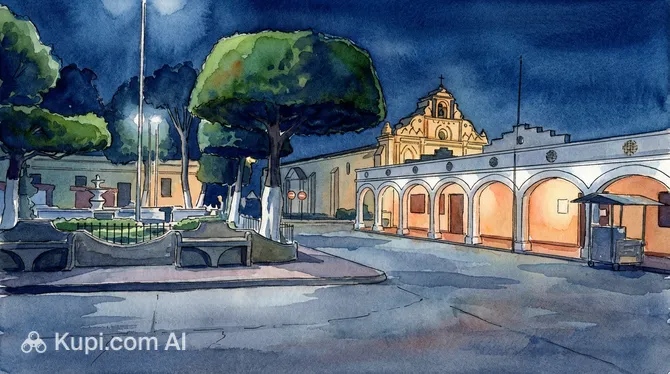
Malacatancito is a charming and peaceful municipality located in the western highlands of Guatemala, in the department of Huehuetenango. Unlike many neighboring settlements, this town stands out for its authentic and relaxed atmosphere, where traditions are harmoniously interwoven with picturesque mountain landscapes. With a population of approximately 22,859 people, the town offers travelers a rare opportunity to witness the daily life of the Guatemalan hinterland without the usual hustle and bustle.
Malacatancito. Illustration.
Source: Kupi.com AI
The city's geographical position in the highland zone defines its unique character. Surrounded by majestic mountains, Malacatancito is famous for its breathtaking views and pristine mountain air. The rich history of the region dates back to the days of the Maya civilization, and although the population today is predominantly Spanish-speaking, the cultural heritage of their ancestors is still felt in local customs and crafts.
One of the city's main features is traditional weaving. Local artisans create unique textiles from cotton and wool, adapted to the cool mountain climate. Additionally, the region is known for producing high-quality coffee, with plantations gracing the surrounding slopes. Malacatancito is an ideal destination for those seeking solitude in nature and wishing to experience the real, non-touristic Guatemala.
Weather Overview
The climate in Malacatancito is typical of the Guatemalan highlands and is characterized by moderate daytime temperatures and a refreshing chill at night. The average annual temperature here hovers around 15–18°C, making the region a place of "eternal spring," but with clearly defined seasonal characteristics.
The dry season lasts from November to April: during this time, the weather is sunny and clear, ideal for hiking, although nights can be quite cold (down to 9°C). The rainy season arrives in May and lasts until October. During these months, precipitation becomes abundant, especially in September when it reaches its peak, bringing freshness and painting the mountain slopes in bright green colors. Expect a warm summer with occasional showers and sunny, dry winters.
When planning a visit, keep in mind that the weather in Malacatancito can change rapidly due to the mountain terrain. Even on the sunniest day, clouds can suddenly envelop the peaks, bringing a brief cold spell. The local residents' traditional use of woolen products is the best indicator that warm clothing is never redundant in this region.
Average monthly temperature
Average monthly precipitation
Interesting Facts
Malacatancito is one of the few municipalities in the department of Huehuetenango where the percentage of the indigenous Maya population has historically been lower than its neighbors, creating a unique cultural environment.
In the past, this region was known for its rich gold deposits; although mining has ceased today, legends of gold mines still live on in local folklore.
Traditional Maya weaving in this area is unique because artisans use both cotton and wool, a necessity driven by the need for protection against cold mountain nights.
The town is located at a significant altitude, and its surroundings are considered some of the best in the region for growing elite varieties of highland coffee.
Despite its small size, the municipality plays an important role in navigating the highlands, as it sits at the junction of several important regional routes.
How to Get There
A journey to Malacatancito typically begins from the regional administrative center—the city of Huehuetenango. The accessibility of the municipality largely depends on weather conditions and the mountainous terrain, so it is wise to plan your route in advance, considering the ways to get there in this part of the country.
Guatemala's main air gateway is in the capital, from where Malacatancito can be reached by intercity buses in about 6–8 hours. The road passes through scenic mountain passes, offering passengers spectacular views but requiring patience due to the winding serpentines. The nearest regional airfield is located in Huehuetenango, though regular flights there are not always available.
Railway service is currently non-existent in this part of Guatemala, so the primary burden falls on road transport. Local buses and taxis run regularly from Huehuetenango to Malacatancito. It is helpful to have precise coordinates for navigation, as road signs in the highlands can be infrequent.
Station
Passenger traffic
Distance
Estación de Tapachula
3
91 km
Pakal Ná-Palenque Station
3
259 km
Main Attractions
The main charm of Malacatancito lies in its natural surroundings. The town serves as an excellent base for eco-tourism and hiking enthusiasts. Numerous trails winding through pine forests and coffee plantations offer tourists the chance to enjoy panoramic views of the Huehuetenango valleys and breathe in the fresh mountain air.
While the municipality itself does not have many architectural monuments, several of the region's most important sites are located in the immediate vicinity. Just a few kilometers away are the Zaculeu ruins—the ancient capital of the Mam Maya kingdom. The restored pyramids and plazas of this archaeological complex allow visitors to touch the pre-Columbian history of the region and are a must-see.
Another nearby natural treasure is the source of the San Juan River. This picturesque spot, where crystal-clear water emerges at the foot of the mountains, creates perfect conditions for relaxation and picnics in the heart of nature. A visit to Malacatancito allows you to combine the study of ancient ruins with the serene contemplation of Guatemala's natural landscapes.
Local Cuisine
The culinary traditions of Malacatancito are closely linked to Guatemala's rich agricultural heritage. The diet here is based on corn, beans, and a variety of vegetables grown in fertile mountain soils. Every morning, the air is filled with the aroma of freshly baked corn tortillas, which are served with almost every dish.
Be sure to try the local version of pupusas—thick corn tortillas stuffed with cheese, beans, or meat—as well as hearty chili-infused soups that are perfect for warming up on cool mountain evenings. The city's gastronomic scene is mainly represented by small family restaurants ("comedores"), where food is prepared according to traditional recipes passed down through generations.
The region's star beverage is undoubtedly coffee. Malacatancito is located in a high-grade bean production zone, so a cup of freshly brewed local coffee here boasts exceptional flavor and aroma. Also popular are corn-based hot drinks ("atole") and freshly squeezed tropical fruit juices. Street food at the local market is a great way to experience the region's authentic flavors in a very informal setting.
Travel Tips
Malacatancito is a welcoming corner of Guatemala, and to ensure your trip here is as comfortable as possible, it is worth considering a few practical tips from experienced travelers.
Clothing and Gear: Due to the high altitude, the weather is changeable. Be sure to bring warm clothes for the evenings and comfortable shoes with good grip for walking on mountain trails. Don't forget sunscreen—the sun in the mountains is very strong even in cool weather.
Transport: The primary way to get around is local buses ("camionetas"). For travel within the city, use tuk-tuks. If you plan to rent a car, choose 4WD models as mountain roads can be challenging.
Finances: Bank cards are hardly ever accepted in Malacatancito. Always carry a sufficient supply of cash in Quetzales. The nearest ATMs are in Huehuetenango, so withdraw money in advance.
Health and Safety: Tap water is not drinkable—use only bottled water. Be cautious on winding roads and try not to plan trips during dark hours.
Communication: The main language is Spanish. English is very limited, so learn basic phrases or use an offline translator. It is better to buy a local SIM card in Huehuetenango.
Local Etiquette: Residents are polite and conservative. Always say hello when entering a cafe or shop. When visiting religious sites, choose modest clothing.
What to Avoid: Do not take photos of local residents (especially children and people in national dress) without their explicit permission—this can be seen as disrespectful.
Additional Advice: Visit the town during the dry season (from November to April). This guarantees the best views and more predictable road conditions.
Malacatancito will reveal its true beauty to you if you show patience and respect for its slow pace of life. We wish you an unforgettable journey into the heart of the Guatemalan highlands!
Entertainment & Nightlife
Life in Malacatancito flows slowly, and there is virtually no traditional noisy entertainment or vibrant nightlife here. The main leisure activities for locals and visitors alike center around the central square and socializing in cozy family cafes. This is a place for those who appreciate silence, reading books outdoors, and waking up early for mountain walks.
In the evenings, the town is immersed in tranquility. There are no large nightclubs or bars with loud music, creating ideal conditions for relaxation. Safety in the municipality is generally good, and evening walks along the central lit streets are quite comfortable. For those still seeking more active evening entertainment, it is recommended to head to the neighboring city of Huehuetenango, where the choice of venues is significantly wider.
Daytime entertainment in Malacatancito is primarily related to active outdoor recreation. Tourists can go on hiking or horseback riding trips through the surrounding area, visit local farms, or observe the process of creating famous Guatemalan textiles. The lack of a mass entertainment industry is more than compensated for by the hospitality of the local residents and the pristine beauty of the highlands.
Parks & Museums
Although there are no large state museums in Malacatancito, the settlement itself and its surroundings can be compared to an open-air museum. The main asset here is nature: the surrounding mountains and valleys serve as natural parks, where every slope reveals a new page in the history of this unique landscape's formation.
For those interested in culture and daily life, private weaving workshops will be a true discovery. Here you can see the process of textile creation, which has not changed for centuries, and learn about the meaning of various Maya ornaments. This living heritage replaces classical galleries, offering a deeper immersion into the region's ethnography.
If you are looking for traditional museum exhibits, it is worth heading to nearby Zaculeu. There, in addition to the archaeological zone, there is a small museum that houses artifacts found during the excavation of the ancient capital: Maya ceramics, jewelry, and household items that provide a clear picture of the grandeur of this civilization.
Getting Around
The public transport system in Malacatancito is typical for rural Guatemala and focuses on practicality. The main means of travel between towns are the famous camionetas (chicken buses)—brightly painted buses that connect the municipality with Huehuetenango and other settlements in the department. They run quite frequently, especially in the first half of the day, but do not have a strict schedule, so tourists should arrive at the stop early.
For getting around the municipality itself and for short-distance trips, locals often use mototaxis (tuk-tuks). This is a fast and inexpensive way to reach your destination within the settlement. Regular taxis are also popular and can be hired for more comfortable rides along mountain serpentines or for private excursions to natural attractions.
Fares are paid in cash directly to the driver or conductor. Transport prices are very affordable, but foreign tourists are recommended to clarify the cost of the trip in advance. It is important to remember that traffic in mountainous areas can be slowed down by fog or rain, so always allow extra time for the journey, especially if you need to make a connection in a major city.
Accommodation
Accommodation options in Malacatancito itself are quite limited, as it is a small and not very tourist-oriented settlement. The main housing stock consists of modest family pensions and guest houses, where travelers can expect home comfort and the genuine hospitality of the local residents.
For those who prefer a wider choice of mid-range hotels or luxury options, the best solution is to stay in neighboring Huehuetenango. There are many hotels with modern amenities, restaurants, and parking lots there. The distance between the cities is small, making it easy to take day trips to Malacatancito and return to more comfortable conditions in the evening.
When planning a trip during peak season (during the dry winter from November to April), it is recommended to book accommodation in advance. The cost of living in the region is quite affordable, and payment in small guest houses is most often made in cash in the local currency. When choosing a place to stay in the mountains, be sure to check for heating or warm blankets, as nights in the highlands can be very chilly.
Nearby Cities
Due to its convenient location in the highlands, Malacatancito serves as an excellent starting point for exploring the colorful towns and natural sites of the Huehuetenango department. The surrounding region is rich in interesting places that can be visited as part of a day trip.
Just 9 kilometers away is Huehuetenango—a bustling administrative center where you can find large markets, modern shops, and historical buildings. Another interesting destination is the town of Chiantla, famous for its church with a silver altar and traditional leather workshops. It is also worth visiting the settlement of Sipacapa, which allows for a deeper immersion into the atmosphere of the Guatemalan province.
City
Population
Distance
Huehuetenango
136 639
9 km
Chiantla
93 780
13 km
Sipacapa
27 270
15 km
Santa Barbara
44 809
16 km
San Bartolo
12 459
16 km
Exploring the surroundings of Malacatancito will give you a wealth of impressions: from the majestic ruins of ancient civilizations to cozy mountain villages, each of which carefully preserves its unique traditions. Traveling between these towns on local buses is an unforgettable adventure in itself.
Shopping & Souvenirs
Shopping in Malacatancito is primarily about discovering local crafts and agricultural products. You won't find huge shopping malls with global brands here, but you will be able to purchase truly unique items created by the hands of local artisans.
The main treasure for tourists is traditional textiles. Woven items made of cotton and wool—such as scarves, wraps, and bags—are distinguished by their high durability and original patterns. Each item is unique and carries a piece of the artisan's soul. These souvenirs can be purchased directly in the workshops or at the small local market, which becomes especially lively on market days.
In addition to textiles, Malacatancito is a great place to buy local highland coffee. Beans grown on the surrounding plantations make an excellent gift for coffee connoisseurs. Shops usually operate from early morning until sunset, and payment is accepted exclusively in the local currency—Quetzales. For more large-scale purchases and visits to major shopping areas, residents and visitors usually head to Huehuetenango.