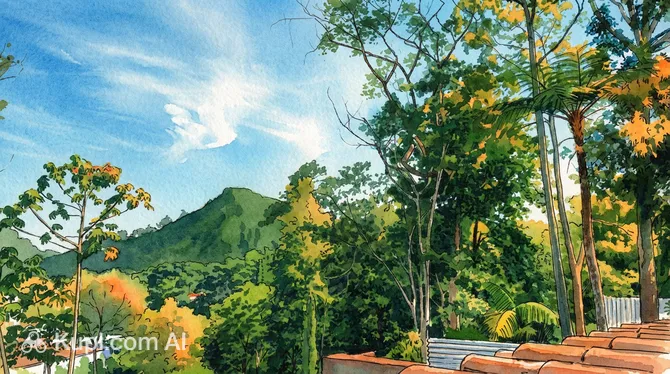
San Pedro Carchá, often simply called Carchá by locals, is a colorful corner in the department of Alta Verapaz, located in the heart of Guatemala. The city is enveloped in an atmosphere of authentic provincial life, where the traditions of the Q'eqchi' people are carefully preserved and interwoven with everyday life. Situated at an altitude of about 1,282 meters above sea level in the Sierra de Chamá mountains, Carchá offers travelers fresh mountain air and picturesque landscapes.
San Pedro Carcha. Illustration.
Source: Kupi.com AI
The municipality is a significant agricultural center for the region, with a population of over 255,000 people. Life here flows at a leisurely pace: the city's economy relies on the cultivation of coffee, corn, and beans, as well as traditional crafts. The city's rich historical heritage dates back to the pre-Hispanic period, making it an important cultural hub for studying the Maya civilization and its modern descendants.
For tourists, San Pedro Carchá is primarily attractive for its authenticity. There are no noisy tourist crowds here; instead, you can see real markets, ancient colonial architecture, and immerse yourself in the daily lives of local residents. It is an ideal place for those seeking peace in the Guatemalan hinterland and wanting to feel the rhythm of life in true Central America.
Weather Overview
The climate in San Pedro Carchá is classified as warm and temperate, which is characteristic of the highland regions of Guatemala. The temperature regime here remains fairly stable throughout the year, ranging between 12°C and 28°C. This makes the city comfortable to visit in almost any season, though you should consider the significant difference between sunny days and cool nights.
An important feature of the local climate is the clear division into dry and rainy seasons. From May to October, cloudy weather prevails with frequent precipitation, peaking in June and September. During this time, humidity rises significantly, and the mountains are often enveloped in picturesque fog. To better prepare for your trip, we recommend checking the current city weather in advance.
The periods from April to June and from September to November are considered the most favorable for tourists due to mild temperatures. Winter in Carchá is mild: although nights can be quite fresh (around 14°C–15°C), the daytime sun quickly warms the air to a comfortable 20°C–23°C. Constant natural ventilation due to the mountain location ensures high air quality, making walks around the city particularly pleasant.
Average monthly temperature
Average monthly precipitation
Interesting Facts
The city was founded by Dominican monks Fray Luis de Cáncer and Fray Pedro de Angulo in 1544 with the aim of peacefully spreading Christianity in the region.
The name "Carchá" comes from the Q'eqchi' Maya language and poetically translates as "ashen fish" (from the words kar — fish and cha — ash).
The region is mentioned in the sacred Maya book "Popol Vuh" as an important settlement with a ball court that existed long before the arrival of Europeans.
In 1543, the settlement already appeared in official documents of the Spanish King Charles V as one of the first villages in the province of Verapaz.
Since the 1970s, the city became part of an important economic project — the "Northern Transversal Strip", aimed at the agricultural development of the country.
How to Get There
San Pedro Carchá is located in a mountainous region, and the primary way to get here is by land transport. Most travelers start their journey from the capital, Guatemala City. The distance between the cities by highway is about 155 kilometers, but due to the complex mountain terrain, the trip can take from 4 to 6 hours. Regular buses depart from the capital's central terminals, offering both budget options and more comfortable services.
For those who value independence, renting a car is an excellent option. This will allow you not only to reach the city comfortably but also to freely explore the picturesque surroundings of the Alta Verapaz department. Keep in mind that roads in this part of the country are often winding, and traffic jams are possible on climbs during the rainy season. Up-to-date information on routes can be found in the section describing ways to get to the city.
San Pedro Carchá does not have its own airport, so air travelers will need to take international flights to the capital and then transfer to ground transport.
There is currently no rail service in this region of Guatemala, so buses and private cars remain the only reliable alternatives for traveling to Carchá from other cities, such as Cobán or Lanquín.
Station
Passenger traffic
Distance
Estación de Tapachula
3
220 km
1
246 km
Pakal Ná-Palenque Station
3
290 km
Main Attractions
In San Pedro Carchá, there are no classic world-class tourist sites, but the city charms with its historical depth and cultural identity. One of the main attractions is the old church, founded in 1544. This historical landmark was built by Dominican monks and still serves as the center of the city's spiritual life, recalling the early days of the region's colonization.
The heart of social and commercial life is Centro Gran Carchá. This is a modern space where locals gather and serves as a convenient landmark for walks. Near it, you can find traditional markets, which are vibrant attractions in their own right: here you can witness the skill of local weavers and potters and purchase unique handmade items from the Q'eqchi' people.
The city's surroundings offer magnificent opportunities for landscape photography and countryside walks. The picturesque mountains and forested hills of the Sierra de Chamá provide a beautiful backdrop for exploring the nature of Alta Verapaz. Although the infrastructure here is mainly oriented towards locals, the sincere hospitality and the opportunity to see traditional festivals make a visit to San Pedro Carchá an unforgettable experience.
Local Cuisine
The gastronomy of San Pedro Carchá is a true feast for lovers of traditional Maya cuisine. The basis of the local diet consists of corn, beans, and chili, which are transformed into hearty and aromatic dishes. You should definitely try the local version of tamales — corn dough cakes with various fillings wrapped in banana leaves, as well as pepián — a thick and spicy meat sauce considered one of the culinary symbols of Guatemala.
The city is famous for its coffee, which is grown on the surrounding mountain plantations. Freshly roasted beans have a unique taste with a light acidity characteristic of the Alta Verapaz region. Among non-alcoholic drinks, atole is popular — a traditional hot corn-based beverage that warms you up perfectly on cool mountain evenings. Local markets offer an abundance of fresh tropical fruits and artisanal cheeses produced by farmers in the vicinity.
The food culture in the city is quite simple: most residents prefer to eat at home or in small comedores (family-run eateries). Street food is also widespread, especially near the central square and markets, where you can buy freshly made tortillas straight from the fire. There are no world-famous gourmet restaurants here, but every dish is prepared with soul using the freshest local ingredients.
Travel Tips
San Pedro Carchá is a place for those who seek sincerity and are ready to immerse themselves in real Guatemalan culture. To ensure your trip goes smoothly and leaves only pleasant impressions, check out our tips.
Clothing and Essentials: In the mountains of Alta Verapaz, the weather is changeable. Bring a light jacket or sweater for cool evenings and definitely a reliable raincoat if you're traveling between May and October. Comfortable shoes with good grip are a must for walking in the hilly terrain.
Transport: To move around the city, use tuk-tuks — it's fast and cheap. For trips to other cities, it's better to choose morning bus runs when the roads are less crowded.
Finance: Be sure to carry cash Quetzals (GTQ). Cards are only accepted in Centro Gran Carchá, and ATMs in the province may sometimes not work with foreign cards.
Health and Safety: The city is generally peaceful, but follow standard precautions: don't display expensive jewelry and gadgets. Avoid walking in remote rural areas after dark due to the lack of street lighting.
Communication: The main language is Spanish, but many residents speak Q'eqchi'. English is very limited, so learn some basic Spanish phrases or use an offline translator.
Local Etiquette: Residents of Carchá value politeness. Always say hello when entering a shop or comedor. Ask for permission before taking photos of local residents, especially those in traditional dress.
What to Avoid: Do not criticize local customs and religious rites. It's also best to avoid discussions on political topics — instead, focus on the beauty of nature and culture.
Additional Tip: Visit the city on a market day — it's the best way to see the full variety of goods and feel the true spirit of Guatemala.
May your journey to San Pedro Carchá be a discovery of the wonderful world of Maya traditions and give you many bright memories of the hospitable Guatemalan land!
Entertainment & Nightlife
Nightlife in San Pedro Carchá is quiet and steady, which is typical for traditional provincial cities in Guatemala. You won't find noisy nightclubs or bars with loud music until dawn here. Evening pastimes for locals are most often limited to cozy gatherings in family establishments — comedores — or walks in the central part of the city, near Centro Gran Carchá.
For those looking for more active entertainment, we recommend heading to neighboring Cobán, located just a few kilometers away. The choice of restaurants and bars is significantly wider there. In Carchá itself, the main focus is on daytime entertainment and cultural events. Special attention should be paid to local festivals, when the city streets fill with traditional music and dances of the Q'eqchi' people, turning an ordinary evening into a vibrant celebration.
During the day, entertainment involves exploring the natural beauty of the surroundings and strolling through local markets. Safety in the city is at an acceptable level; however, for nighttime travel outside the center, it is better to use the services of taxis or motor rickshaws, as lighting in remote areas may be insufficient.
Parks & Museums
In San Pedro Carchá, you won't find large state museums or huge landscaped parks typical of metropolitan areas. The role of the main cultural and public space here is played by Centro Gran Carchá — a modern plaza that has become a center of attraction for citizens. It is a clean and organized place where you can relax after a walk and observe the rhythm of urban life.
Museum exhibitions here are replaced by life itself: the traditions and history of the Q'eqchi' people come alive in local craft workshops and markets. Instead of looking at artifacts behind glass, tourists can see the process of creating traditional textiles or pottery with their own eyes. The city's cultural heritage is closely linked to its churches and historical buildings, which are monuments of the past in themselves.
The natural areas around the city are its main "parks." Forested mountains and agricultural lands create a natural green zone accessible to everyone. Although there are few organized walking routes, the surrounding hills provide excellent opportunities for light trekking and birdwatching in their natural habitat.
Getting Around
The transport system of San Pedro Carchá reflects its status as an important regional hub. The main type of public transport is minibuses, affectionately called "chiquitas" by locals, and full-sized buses. They connect the city with neighboring settlements and the capital. Within the city itself, due to its compact size, many prefer to get around on foot or in colorful motor rickshaws (tuk-tuks), which will quickly take you to any point in the center for a small fee.
Payment for local transport is made in cash directly to the driver or conductor. There are no integrated travel passes or payment apps here, so tourists should always carry small bills and coins of the Guatemalan Quetzal. Fares within the city are minimal, and the cost of intercity trips depends on the distance and the class of the bus.
For travelers planning to explore remote corners of the municipality, we recommend renting a car, preferably one with high ground clearance. Roads in mountainous areas can be difficult, especially during the rainy season when humidity increases and washouts are possible on rural routes. Bicycle rental is practically non-existent in the city due to steep climbs, so taxis and motor rickshaws remain the best alternative to walking.
Accommodation
Accommodation options in San Pedro Carchá are primarily aimed at those who value simplicity and authenticity. You won't find luxury hotel chains or five-star resorts here. Instead, the city offers cozy guesthouses and small private inns where you can get to know the local way of life and enjoy sincere hospitality.
Most places to stay are located in the central part of the city, which is convenient for access to local markets and transport hubs. Prices for accommodation here remain very affordable, making San Pedro Carchá an excellent choice for budget travelers. For those planning to stay in the region for a long time, for example, for agricultural research or work, apartments in the private sector are available.
If you prefer a higher level of service and a wider choice of hotels, you should consider accommodation options in neighboring Cobán, which is just a 15-20 minute drive away. Nevertheless, booking accommodation directly in Carchá will allow you to immerse yourself deeper into the atmosphere of this unique region. During local festivals, it is recommended to book rooms in advance, as availability may be limited.
Nearby Cities
San Pedro Carchá is an excellent starting point for exploring the culture and nature of the Alta Verapaz department. Just a few kilometers away is Cobán — the region's largest city, known for its coffee heritage, majestic cathedral, and vibrant markets. A trip there takes no more than 15-20 minutes, making it an ideal destination for a short walk or shopping.
Just 6 kilometers from the city is the charming San Juan Chamelco. This town is famous for its old colonial architecture and deep cultural traditions of the Q'eqchi' people. Also of interest is Santa Cruz Verapaz, where you can enjoy the silence and admire the picturesque mountain views. These trips will allow you to see the diversity of the Guatemalan heartland without spending much time on the road.
Exploring the surroundings of Carchá gives a unique opportunity to see Guatemalan life without embellishment. We strongly recommend taking the time to visit neighboring municipalities to fully feel the hospitality and richness of the traditions of this amazing mountain region.
Shopping & Souvenirs
Shopping in San Pedro Carchá is primarily an acquaintance with local crafts and agriculture. The city's main commercial hub is Centro Gran Carchá, where the main stores with everyday goods are concentrated. However, for true local color, head to the traditional markets where life bustles from early morning.
The city is famous for its textile products. Local Q'eqchi' craftswomen create amazing handmade fabrics decorated with traditional patterns. You should also pay attention to ceramic products and woven baskets. As a practical souvenir from Carchá, be sure to bring back local coffee — high-altitude varieties from Alta Verapaz are valued for their rich taste and aroma.
Shops and stalls usually operate from early morning until evening, closing for a siesta in the middle of the day. In most small shops and markets, only cash (Guatemalan Quetzals) is accepted, so you should take care of currency exchange in advance. In large retail outlets like Centro Gran Carchá, card payments are possible, but cash remains the most reliable method of payment in this region.