Support

Georgetown

About

Georgetown, often affectionately known as the "Garden City of the Caribbean," is the vibrant capital and largest city of Guyana. Located at the mouth of the Demerara River along the Atlantic coast, this city serves as the country's administrative and financial hub. With a population of approximately 200,500, it offers a bustling yet approachable atmosphere where South American energy meets Caribbean charm.

Georgetown. Source: Kupi.Binoculars
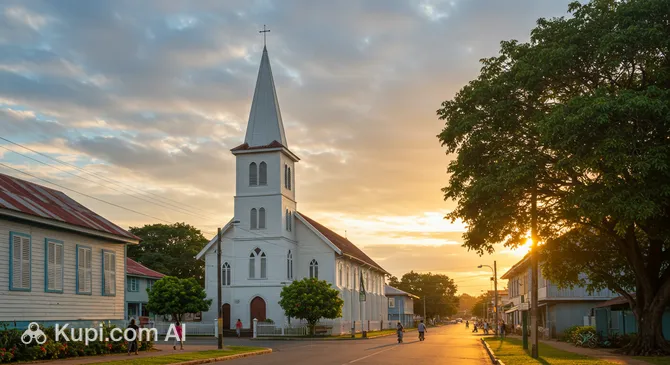
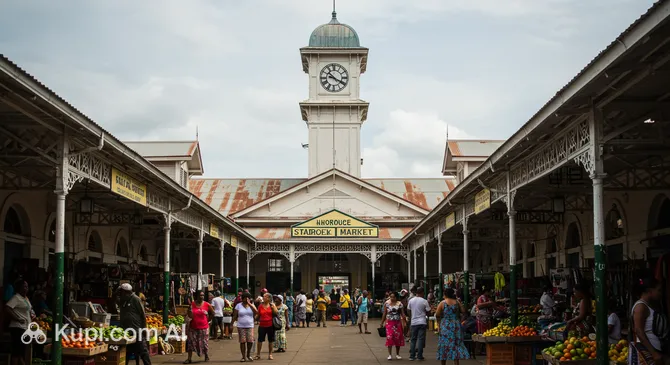
The city is celebrated for its distinctive 19th-century colonial architecture and wide, tree-lined avenues. One of the most striking features is the abundance of wooden heritage buildings, including the magnificent **St. George's Cathedral**, which stands as one of the tallest wooden churches in the world. Another must-visit landmark is the iconic **Stabroek Market**, easily recognizable by its prominent clock tower, where travelers can immerse themselves in the local trade and culture. To truly appreciate the unique character of the city, exploring the history of Georgetown is essential, as it reveals the fascinating Dutch and British influences that have shaped its streets and canals over the centuries. Whether you are walking along the famous seawall at sunset or relaxing in the Promenade Gardens, Georgetown provides a warm and memorable introduction to the region's rich heritage.

Weather Overview

Georgetown features a consistently warm tropical climate, inviting visitors with pleasant temperatures year-round. Average temperatures remain stable, typically ranging from 25.7°C in January to a peak of around 27.9°C in September. Nights are generally comfortable, with minimum temperatures rarely dropping below 24°C, ensuring a warm atmosphere even after sunset.

Precipitation is a key factor to consider, as the city experiences a high number of rainy days regardless of the season. The months of May through July are notably damp, with records indicating rain on up to 30 days per month, while the period around September offers slightly fewer wet days. To help plan your daily activities, it is useful to consult the detailed guide on the weather in Georgetown. Overall, expect warm conditions with frequent showers, so packing lightweight, water-resistant clothing is highly recommended.

Interesting Facts

Beyond the well-trodden paths, Georgetown holds many fascinating secrets that offer a deeper glimpse into its heritage and daily life. From engineering marvels to unexpected wildlife encounters, the city is full of surprises for the curious traveler.
Stabroek Market. Source: Kupi.Binoculars
  • A City Below the Sea: A significant portion of Georgetown lies below the high-tide level of the Atlantic Ocean. The city is protected by a massive seawall, commenced in the 19th century, which serves as both a defense and a popular recreational area where you can find the historic Seawall Bandstand.

  • Urban Manatees: It is quite rare to find large marine mammals living in a capital city, yet Georgetown is home to a population of West Indian Manatees. These gentle creatures inhabit the tranquil ponds of the Georgetown Botanical Gardens and the National Park, where they often surface to be fed grass by visitors.

  • An Iron Giant: The bustling Stabroek Market is not only a commercial hub but also an architectural curiosity. Its immense cast-iron structure and iconic clock tower were designed and prefabricated in Europe before being shipped to Guyana and assembled in 1881.

  • Dutch Origins: Although English is the official language, the city's layout is distinctly Dutch. Originally named Stabroek during the Dutch colonial period, the city retains a grid pattern with wide, tree-lined avenues and an extensive network of drainage canals that are essential for keeping the land dry.

How to Get There

Reaching the capital of Guyana is relatively straightforward, with air travel being the primary method for international visitors. Most travelers arrive via the country's main international gateway, though there is also a smaller airport closer to the city center for regional connections. For a complete overview of transportation options, including details on road and river access, you can read more about how to get to Georgetown.

The most significant entry point is Cheddi Jagan International Airport (GEO), located approximately 35 km south of the capital. It serves as the major hub for international flights from North America, Europe, and the Caribbean. Due to the distance, the journey to the city center typically takes about 1 hour and 15 minutes by taxi or shuttle bus, depending on traffic conditions. This airport handles the vast majority of passenger traffic, making it the busiest and most important transport facility in the region.

For those arriving from neighboring countries or on domestic flights, Ogle Airport (OGL), also known as Eugene F. Correia International Airport, is a convenient alternative. It is situated just 6 km from downtown Georgetown, offering a much quicker commute of around 30 minutes. While it handles a smaller volume of passengers compared to the main international airport, its proximity to the city makes it a popular choice for regional travel within the Caribbean and South America.

For clarity, here is a summary of the main airports serving the city:

Airport Name City Passenger Traffic Km from City
Cheddi Jagan International Airport Georgetown Large 35.2
Ogle Airport Georgetown Medium 5.5

Since there are no passenger railway services connecting Georgetown to other parts of the country, alternative means of entry are limited to road and water transport. Travelers coming from neighboring Suriname often use the ferry service across the Corentyne River followed by a bus ride, while those arriving from Brazil typically travel by road or air. Minibuses and taxis are the standard modes of ground transportation for getting around the region once you have arrived.

Main Attractions

Georgetown offers a compelling mix of colonial history and tropical nature, making it a fascinating destination for exploration. One of the most recognizable symbols of the city is the historic Stabroek Market. Dominated by its famous cast-iron clock tower, this bustling hub is often referred to as a "bizarre bazaar" due to the incredible variety of goods available. Tourists are drawn here not just for shopping, but to experience the vibrant pulse of local life, where vendors sell everything from fresh produce to jewelry in a structure that dates back to the late 19th century.

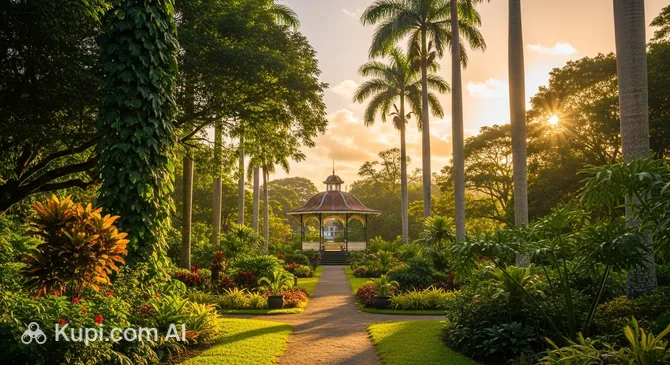
For nature lovers, a visit to the Georgetown Botanical Gardens is an absolute must. Established in the 1880s, this sprawling green oasis features a collection of tropical flora, including the impressive Victoria Amazonica water lilies. The gardens are particularly famous for their resident West Indian Manatees, which inhabit the ponds and often surface to greet visitors, offering a unique wildlife encounter right in the city.

Georgetown Botanical Gardens. Source: Kupi.Binoculars

Located near the city center, the National Park serves as the primary recreational space for locals and tourists alike. Originally occupied by the Demerara Golf Club, it has been transformed into a vast parkland perfect for jogging, picnicking, and sports. It provides a peaceful escape from the urban hustle and is a great spot to observe local bird species or simply enjoy a relaxing afternoon walk under the shade of mature trees.

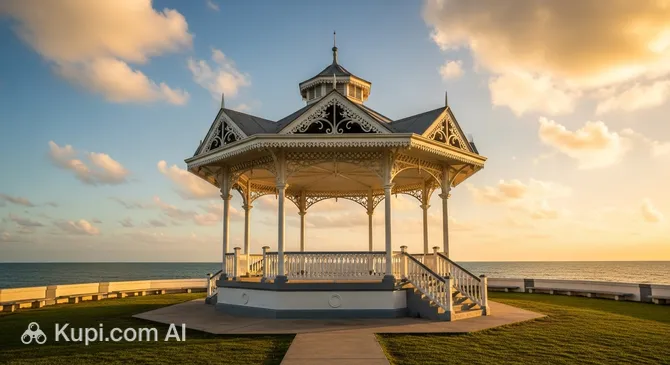
To experience the city's social scene, head to the Seawall Bandstand. This historical landmark is situated along the extensive seawall that protects Georgetown from the Atlantic Ocean. It is a favorite gathering spot, especially in the late afternoon and evening, where visitors can enjoy cooling ocean breezes, watch stunning sunsets, and mingle with locals who come here to unwind and socialize.

Local Cuisine

The culinary landscape of Georgetown is a delicious reflection of Guyana's multicultural heritage, offering a vibrant fusion of East Indian, African, Indigenous, Chinese, and European influences. This diversity creates a unique flavor profile where spicy curries sit comfortably alongside hearty stews and fresh tropical ingredients. For any visitor, exploring the local food scene is as essential as visiting the city's historic landmarks.

One of the most iconic dishes to try is Pepperpot, a rich and savory stew made with meat, cinnamon, hot peppers, and cassareep—a thick black liquid extracted from cassava. It is traditionally served with dense homemade bread, particularly on Christmas morning, but can be found year-round. Another staple is Cook-up Rice, a flavorful one-pot meal combining rice, beans (or peas), coconut milk, and various meats. The East Indian influence is also profound, making Curry and Roti a ubiquitous and beloved meal, with options ranging from chicken and duck to goat.

Georgetown is also famous for its distinct beverages. The country produces the world-renowned El Dorado Rum, which is a source of national pride and a must-try for spirit enthusiasts. For non-alcoholic refreshment, locals often enjoy Mauby, a fermented drink made from the bark of the Colubrina tree, known for its unique bitter-sweet taste. Fresh fruit juices, such as cherry, soursop, and sugar cane juice, are also widely available and perfect for cooling down in the tropical heat.

Fireside Grill & Chill. Source: Kupi.Binoculars

The dining culture in the city ranges from casual street food stands to sit-down restaurants. In the evenings, the area around the Seawall Bandstand becomes a hub of activity, where vendors sell popular snacks like Egg Balls (boiled eggs wrapped in seasoned cassava and fried) and Pine Tarts. For those looking to see where the fresh ingredients come from, a trip to Stabroek Market offers a chaotic but colorful look at the local produce, spices, and meats that drive the city's kitchens.

If you prefer a more relaxed dining atmosphere to sample grilled specialties and local favorites, establishments like Fireside Grill & Chill provide a welcoming environment for tourists. Whether you are grabbing a quick bite from a roadside vendor or enjoying a full meal in a restaurant, the flavors of Georgetown are sure to leave a lasting impression.

Travel Tips

Welcome to Georgetown, where the warmth of the Caribbean meets the adventurous spirit of South America. To ensure your visit to this vibrant capital is as enjoyable and hassle-free as possible, we have compiled a list of essential practical tips to help you navigate the city like a pro.

  1. Clothing and Gear: Given the tropical climate, lightweight and breathable fabrics like cotton or linen are your best friends here. Since Georgetown experiences frequent showers, always carry a compact umbrella or a light raincoat. Comfortable walking shoes are a must for exploring the streets and markets. If you plan to visit religious sites, dress modestly by covering your shoulders and knees. Also, pack a universal travel adapter, as outlets can vary between Types A, B, D, and G.

  2. Transportation: For most tourists, official taxis are the safest and most convenient way to get around. It is best to use a dispatch service or hotel taxi rather than hailing one on the street, and always agree on the fare before starting your journey. Minibuses are the primary form of public transport; while they are inexpensive and offer a local experience, they can be crowded and drive very fast. Ride-hailing apps are available but less ubiquitous than in larger global cities.

  3. Finances: The local currency is the Guyanese Dollar (GYD). While US dollars are sometimes accepted at larger establishments, it is highly recommended to carry local cash for small purchases, taxi fares, and shopping at places like Stabroek Market. Credit cards (mostly Visa and Mastercard) are accepted at major hotels and restaurants, but cash is king elsewhere. ATMs are widely available in the city center. Tipping around 10% is customary in restaurants if a service charge hasn't been added.

  4. Health and Safety: Georgetown is generally safe during the day in main areas, but you should exercise caution. Avoid walking alone at night, even for short distances, and keep valuables and expensive jewelry out of sight to avoid attracting attention. Drink bottled water rather than tap water. Pharmacies are common in the city center, but carry plenty of insect repellent to protect against mosquitoes, especially during the rainy season.

  5. Communication: The official language is English, making communication easy for most travelers, though locals often speak a rapid Creolese dialect that might take a moment to tune into. Wi-Fi is standard in hotels and many cafes. For mobile data, you can easily purchase a prepaid SIM card from local providers like GTT or Digicel with your passport.

  6. Local Etiquette: Guyanese people are known for their hospitality and friendliness. It is polite to greet people with a "Good morning," "Good afternoon," or "Good evening" when entering a shop, taxi, or joining a group. Politeness goes a long way here. The pace of life is relaxed, so be patient with service—it's all part of the Caribbean charm.

  7. What to Avoid: Do not take photographs of locals or their property without asking for permission first, as this can be considered rude. Additionally, avoid the seawall area late at night unless there is a specific public event or crowd, as it can be isolated.

  8. Sunday Shutdowns: Be aware that Georgetown can be very quiet on Sundays. Most shops, markets, and businesses close early or do not open at all. It is the perfect day to plan a nature excursion outside the city or relax at your hotel, rather than planning a heavy shopping trip.

By keeping these practical tips in mind, you will be well-prepared to embrace the unique rhythm of Georgetown. Stay safe, stay curious, and enjoy the rich culture and history this fascinating city has to offer!

Entertainment & Nightlife

Georgetown transforms as the sun sets, shifting from a busy administrative hub to a lively center of Caribbean nightlife. The local concept of "liming"—hanging out with friends, sharing drinks, and enjoying music—is the heartbeat of the city's evening culture. The atmosphere is generally relaxed and unpretentious, with a mix of open-air bars, energetic nightclubs, and late-night eateries welcoming both locals and visitors.

The epicenter of nightlife in the capital is undoubtedly Sheriff Street. Often referred to as the city's entertainment strip, this road is lined with neon-lit bars, clubs, and restaurants that stay open well into the early morning hours. Here, you can experience the true energy of Guyana, with music ranging from Soca and Reggae to international hits blasting from sound systems. It is the perfect place to bar-hop, grab a late-night snack, and mingle with the friendly local crowd.

For a more breezy and scenic social experience, the area around the Seawall Bandstand is the place to be, particularly on Sunday evenings. This tradition, known as the "Sunday Night Lime," sees families, couples, and groups of friends gathering along the Atlantic coast to enjoy the cool ocean air. Vendors set up stalls selling beverages and snacks, and the atmosphere feels like a massive, open-air community party.

Seawall Bandstand. Source: Kupi.Binoculars

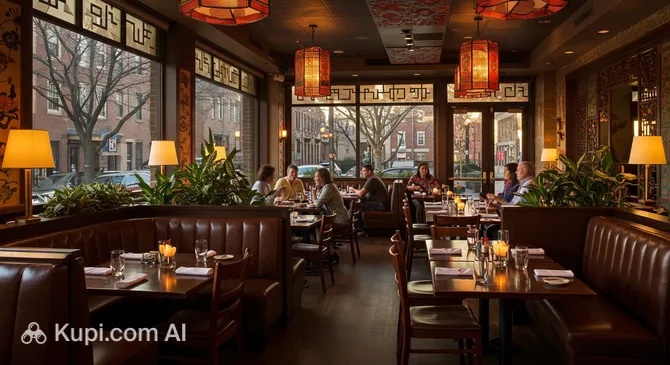
If you are looking to start your evening with a nice meal before heading out, the city offers diverse dining options that transition well into night. P.F. Chang's is a popular choice for those seeking a modern dining atmosphere with consistent quality. For a more local vibe where you can enjoy grilled meats and cold drinks in a rustic setting, Fireside Grill & Chill is a favorite spot to unwind. Alternatively, if your idea of evening entertainment involves pure relaxation, you might consider a visit to the American Style Massage Spa to rejuvenate after a day of sightseeing.

P.F. Chang's. Source: Kupi.Binoculars

Practical Tips for Nightlife: The dress code in Georgetown is largely casual, though some upscale clubs on Sheriff Street might require smart-casual attire (no flip-flops or sleeveless shirts for men). The best time to experience the nightlife is on Friday and Saturday nights, while Sundays are strictly for the Seawall. Prices are generally affordable compared to North American or European standards, with beers and spirits being quite reasonably priced at local bars.

Safety and Transport: When enjoying a night out, safety should be a priority. It is strongly advised not to walk around the city at night, even for short distances between venues. Instead, rely on official yellow taxis. You can easily call for a dispatcher or ask the venue security to hail one for you. Stick to well-lit, populated areas like Sheriff Street and avoid venturing into quiet side streets after dark.

While the city is famous for its nights, daytime entertainment also offers plenty of variety. Culture enthusiasts can explore the National Museum or the Walter Roth Museum of Anthropology to learn about the country's indigenous history. For families, a trip to the cinema in one of the modern shopping malls or a visit to the local amusement parks provides fun alternatives to the bar scene.

Parks & Museums

Georgetown is a city that seamlessly blends its colonial past with vibrant natural beauty, offering visitors a wealth of green spaces and cultural institutions to explore. The capital's layout, designed by the Dutch and expanded by the British, incorporates wide avenues and dedicated recreational areas that serve as the city's lungs. Beyond the foliage, a collection of fascinating museums provides deep insight into the diverse ethnic tapestry and history that shape modern Guyana.

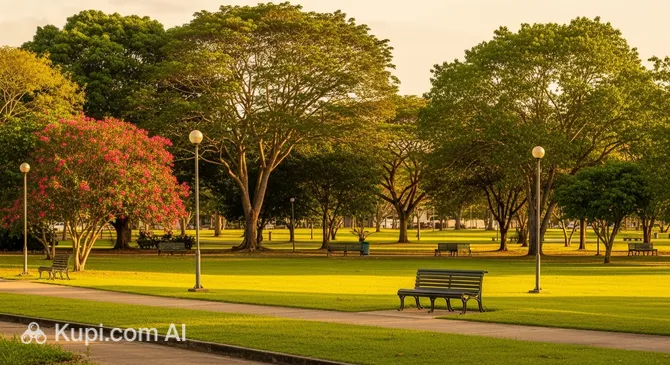
For those seeking fresh air and tranquility, the National Park is the premier destination for outdoor activity in the city. Spanning a vast area near the Atlantic coast, this park is a hub for fitness enthusiasts and families alike. It features well-maintained jogging tracks, sports fields, and open grassy areas perfect for picnics. It is also one of the best places to see the famous West Indian Manatees in their natural habitat within the park's canals.

National Park. Source: Kupi.Binoculars

Another horticultural gem is the Georgetown Botanical Gardens. This extensive Victorian-era garden is home to a spectacular variety of tropical flora, including the national flower, the Victoria Amazonica water lily. Within the grounds, you will also find the "Seven Ponds" monument, the resting place of Guyana’s past heroes. For a more manicured and intimate experience, the Promenade Gardens in the city center offers beautifully landscaped flower beds and a peaceful atmosphere, often serving as a backdrop for wedding photography.

To understand the rich cultural heritage of the region, a visit to the Guyana National Museum is essential. Located on North Road, it is the oldest museum in the English-speaking Caribbean. The exhibits cover a broad range of topics, from local flora and fauna to colonial history. A highlight for many tourists is the reconstruction of a giant sloth, a prehistoric creature that once roamed these lands, alongside artifacts that detail the country's social evolution.

Just a short distance away, the Walter Roth Museum of Anthropology offers a specialized look at the indigenous peoples of Guyana. Housed in a stunning wooden heritage building, this museum is unique in the Caribbean for its focus on Amerindian culture. Its collection includes intricate beadwork, pottery, and tools that tell the story of the country's first inhabitants (the Amerindians), making it a fascinating stop for history buffs.

Georgetown's architecture itself acts as an open-air museum. The city is renowned for its wooden structures, most notably St. George's Cathedral, which is one of the tallest freestanding wooden buildings in the world. Another architectural marvel is the Parliament Building, an imposing 19th-century neoclassical structure. Near the ocean, the historic Seawall Bandstand stands as a reminder of the city's long-standing relationship with the sea and remains a cultural landmark today.

For an authentic insider experience, try visiting the Castellani House, which houses the National Gallery of Art. It is often less crowded than other sites and provides a quiet space to appreciate Guyanese visual arts in a beautiful historic setting. Additionally, keep an eye out for temporary exhibitions at the National Library, which often showcase local literary and artistic talent.

Getting Around

Public transport in Georgetown is a vibrant and essential part of daily life, though it differs significantly from the structured systems found in many European or North American cities. There is no metro, tram, or large municipal bus network in the capital. Instead, the city relies almost exclusively on a vast network of privately owned minibuses and an abundance of taxis. For a visitor, navigating this system can be an adventure in itself, offering a genuine glimpse into the local culture and rhythm.

The minibus system is the backbone of public transportation. These vans operate on designated routes, which are identified by numbers displayed on the front and rear of the vehicle (for example, Route 40 or 44). They are incredibly affordable and frequent, making them the most popular choice for locals. However, they can be crowded, drive at high speeds, and often play loud music. The main hub for these buses is the area surrounding the historic Stabroek Market, where different "bus parks" serve various routes leading out of the city and into the suburbs.

When it comes to payment, cash is the only accepted method. There are no travel cards, apps, or electronic passes. You simply pay the conductor or driver, usually upon exiting the vehicle. Fares are fixed based on the route and distance, but they are very low compared to international standards. It is highly recommended to carry small bills and coins, as drivers may not always have change for large denominations. Prices are generally stable, but it is always a good idea to confirm the fare with a fellow passenger or the conductor before boarding.

For tourists seeking comfort and convenience, taxis are the best alternative. Official taxis are easily engaging, typically painted yellow, and can be found throughout the city. Unlike the minibuses, taxis do not have meters, so it is crucial to negotiate and agree on the fare before getting into the car. Most hotels and restaurants can call a reputable dispatch service for you, which is often safer and more reliable than hailing a car on the street, especially at night.

A unique feature of Georgetown's transport landscape is the river taxi service. Small speedboats ferry passengers across the Demerara River, connecting the capital to Vreed-en-Hoop on the west bank. These boats depart from the stelling (wharf) behind Stabroek Market. The ride is fast, breezy, and offers a unique perspective of the city from the water. Passengers are required to wear life jackets, and the service operates efficiently throughout the day.

Practical advice for travelers includes being mindful of operating hours. While taxis run 24/7, minibus services become less frequent late at night. For safety reasons, it is advisable for tourists to use private taxis after dark rather than walking or taking minibuses. During the day, walking is a viable option for short distances within the city center, but be prepared for the tropical heat and keep hydrated. Always keep your belongings secure, particularly in crowded bus parks.

Accommodation

Georgetown offers a diverse array of accommodation options suited to various travel styles and budgets. Visitors can choose from large, international-standard hotels that provide full amenities, to charming colonial-style guesthouses that offer a more intimate and authentic experience. The city has seen a growth in modern infrastructure, but many travelers still prefer the historic wooden inns that capture the unique architectural heritage of the region.

When selecting a place to stay, location is a key factor. The neighborhoods of Kingston and Main Street are particularly popular among tourists and business travelers. These areas are considered the heart of the city, offering easy access to major diplomatic missions, business centers, and cultural sites. Staying here places you within walking distance of the breeze-filled Atlantic coast and attractions like the Seawall Bandstand, making it convenient for both work and leisure.

For those seeking a quieter atmosphere, the residential districts such as Queenstown and Kitty offer excellent alternatives. These areas are characterized by their tree-lined streets and distinctive architecture. Here, you are more likely to find mid-range boutique hotels and bed-and-breakfasts. These smaller establishments often provide personalized service and a cozy environment, perfect for travelers looking to immerse themselves in the local pace of life away from the bustle of the commercial center.

Regarding costs, the price range in Georgetown varies significantly. High-end hotels catering to international business travelers can be relatively expensive, comparable to prices in North America or Europe. However, there is a good selection of mid-range and budget-friendly options, particularly in the form of guesthouses. It is advisable to book your accommodation in advance, especially if you plan to visit during major national holidays or cricket tournaments, when the city fills up quickly.

Booking methods are straightforward, with most major hotels and established guesthouses listed on popular online travel platforms. However, some smaller, family-run establishments may still rely on direct bookings via phone or email. While credit cards are widely accepted at larger hotels, it is always a good idea to confirm payment methods beforehand if you are staying at a smaller venue.

Nearby Cities

For those looking to explore the surroundings, Georgetown serves as an excellent base for day trips to several interesting nearby locations. While the capital offers plenty of excitement, venturing just a few hours away reveals the diverse landscapes and distinct rhythms of life in other parts of Guyana.

One of the most popular destinations for a day trip is Linden, the second-largest town in the country. Located approximately 89 kilometers south of the capital, it is historically significant as the heart of Guyana's bauxite mining industry. Visitors are often drawn to the area to see the stunning "Blue Lakes," which are serene bodies of water formed in disused mine pits that reflect the sky with a brilliant turquoise hue. Linden also serves as the gateway to the hilly sand and clay region, offering a landscape that contrasts sharply with the coastal plains.

Another fascinating town to visit is New Amsterdam, situated near the mouth of the Berbice River. Reaching this town involves crossing the Berbice River Bridge, which is an experience in itself. New Amsterdam retains a quiet, colonial charm with some older architecture and a relaxed atmosphere compared to Georgetown. It acts as the commercial hub for the East Berbice-Corentyne region and offers a glimpse into the agricultural life that sustains much of the country.

For those interested in river adventures, Bartica is a must-see. Known as the "Gateway to the Interior," it sits at the confluence of the Essequibo, Mazaruni, and Cuyuni rivers. Although the journey involves both road and river travel (usually via Parika), it is a hub for gold and diamond miners and a jumping-off point for visiting nearby waterfalls and nature resorts. The town has a frontier feel and provides access to some of the most beautiful river scenery in the region.

City Population Distance (km)
New Amsterdam 46,874 94
Linden 29,298 89
Anna Regina 12,448 63
Mahdia 12,000 231
Bartica 8,532 68

These nearby destinations offer a glimpse into the diverse culture and landscapes of the region, making them well worth the travel time for visitors wanting to see more of what Guyana has to offer.

Shopping & Souvenirs

Shopping in Georgetown offers a vibrant mix of traditional Caribbean commerce and modern retail experiences. The city is not a massive shopping metropolis, but it provides a colorful and authentic atmosphere where visitors can find everything from daily necessities to unique local handicrafts. The shopping scene is characterized by bustling street vendors, historic markets, and a growing number of air-conditioned malls, making it an adventure for those who enjoy browsing through diverse goods.

The heart of the city's commercial activity is centered around Regent Street. This busy thoroughfare is lined with countless stores selling clothing, electronics, shoes, and fabrics. It is often crowded and noisy, pulsing with the energy of local shoppers. Parallel to it runs Robb Street, another key area where you can find a variety of smaller shops and general merchandise. Walking these streets gives you a true feel for the daily rhythm of the capital.

For those seeking a more modern and comfortable shopping environment, Georgetown has several noteworthy malls. City Mall, located on Camp Street, is one of the most central options, featuring multiple floors of fashion boutiques, electronics stores, and a cinema. Further out from the center is the Giftland Mall, which is the largest shopping and entertainment complex in the country. It offers a wide range of international brands, a large food court, and extensive entertainment facilities, making it a popular destination for families.

No shopping trip to Georgetown is complete without visiting its famous markets. The most iconic is Stabroek Market, a sprawling hub where you can buy almost anything. Known as the "bizarre bazaar," its stalls are packed with jewelry, books, electronics, and fresh produce. It is a chaotic but fascinating place to hunt for bargains. Another important spot is Bourda Market, which is slightly more relaxed and is the go-to place for fresh tropical fruits, vegetables, and local medicinal herbs.

When it comes to souvenirs, Guyana has several distinct specialties. The country is renowned for its high-quality gold jewelry, and you can find many skilled goldsmiths within the markets and dedicated jewelry shops. Demerara Gold is a popular purchase due to its purity and craftsmanship. Additionally, locally made Amerindian crafts such as woven hammocks, basketry, and wood carvings make for meaningful gifts. Don't forget to pick up a bottle of the world-famous El Dorado Rum, which is widely available in supermarkets and duty-free shops.

Most shops in Georgetown are open from approximately 8:30 AM to 5:00 PM, Monday through Friday, and usually close around 1:00 PM on Saturdays. Sunday is generally a quiet day with most stores closed, except for some malls and supermarkets. Cash is king in Georgetown, especially in markets and smaller stores, so it is essential to carry Guyanese Dollars (GYD). While major hotels, malls, and upscale restaurants accept credit cards, smaller vendors will expect cash payment.
Nearby cities

Reached the end of the page?

That means the route is fully explored