Support

New Amsterdam

About

New Amsterdam, situated on the eastern bank of the Berbice River, is one of the most significant towns in Guyana. Known locally as "N/A," this bustling regional hub serves as the capital of the East Berbice-Corentyne region and acts as a vital commercial center for the eastern part of the country. With a population of over 46,000 residents, it offers a vibrant mix of cultures and a welcoming atmosphere that distinguishes it from the busier capital city.

The town is steeped in heritage, having been founded by the Dutch in the 18th century. Exploring the history of New Amsterdam reveals its past importance as a seat of government and a major port. Today, traces of this colonial legacy can still be seen in the layout of the streets and the architecture of older buildings, providing a fascinating backdrop for a walking tour.

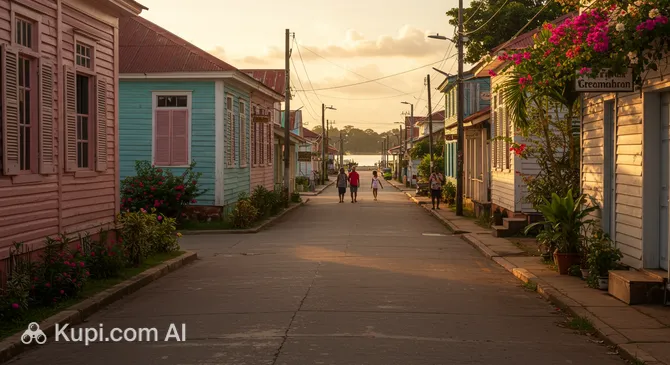
New Amsterdam. Source: Kupi.Binoculars

Visitors to New Amsterdam will find several landmarks worth visiting. The New Amsterdam Town Hall is perhaps the most iconic structure, featuring a distinctive tower that dominates the local skyline. Another architectural gem is the All Saints Presbyterian Church, known for its beautiful design and historical significance. For those interested in local commerce and daily life, the town's market is a lively spot to observe the hustle and bustle of the region.

Whether you are passing through on your way to the Corentyne coast or planning a dedicated visit, New Amsterdam provides a genuine glimpse into Guyanese life. Its friendly community and historical charm make it a worthwhile destination for any traveler exploring the diverse regions of the country.

Weather Overview

Travelers to New Amsterdam can expect a warm and consistent tropical climate year-round. The temperatures are stable, typically hovering between daily highs of 28°C and 31°C, while nights remain comfortable with lows averaging around 24°C. September is generally the warmest month, reaching averages of 28.2°C, making it a hot time of the year.

Rainfall patterns vary across the seasons, though showers are a frequent feature of the region. The weather in New Amsterdam sees its wettest period from May to July, with precipitation peaking at 15mm in May and rain occurring on up to 30 days a month. In contrast, March and September are typically drier, with only about 4mm of rainfall, although visitors should still be prepared for occasional showers given the generally high number of wet days throughout the year.

Interesting Facts

Beyond its bustling market and administrative role, New Amsterdam guards a treasure trove of colonial history and unique social experiments that shaped the region. This town, often overshadowed by the capital, offers a fascinating glimpse into the Dutch and British influences that defined the country's past.

  • The Winkel Village Legacy: One of the town's most unique historical features is the "Winkel" ward. Established in the early 19th century, this area was home to a special department of skilled artisan slaves known as "Winkel workmen." Remarkably, these craftsmen were granted their freedom in 1831—three years before the general Emancipation Act—and were allowed to retain ownership of their homes and land, creating a distinct community of independent artisans.

  • A Church of Equality: The historic Mission Chapel holds a powerful place in social history. Founded by Reverend John Wray, it is celebrated as the first church in the colony to dismantle racial segregation within its walls. In a bold move for the era, the chapel removed separate seating arrangements, allowing enslaved people to sit in the same pews as the white population, symbolizing a radical step toward equality.

  • The Missing Tower: The New Amsterdam Town Hall is a classic example of Tudor-style timber architecture, but it once boasted a feature that is now the stuff of local legend. For over a century, the building was crowned with a majestic 75-foot tower featuring a "widow's walk"—a railed rooftop platform designed for viewing ships on the river. Although the tower was dismantled in 2012 for safety reasons, the building remains a beloved architectural landmark.

  • Dutch Architectural Roots: As one of the oldest towns in the region, New Amsterdam was originally located upriver near Fort Nassau before being moved to its current site near the confluence of the Canje and Berbice rivers. Its initial design followed a meticulous Dutch grid layout, and traces of this colonial engineering are still visible in the town's drainage canals and street patterns today.

How to Get There

Reaching New Amsterdam typically involves traveling by road from one of the major entry points in Guyana, as the town itself does not have an international airport. Most visitors arrive in the capital, Georgetown, and then proceed east along the coast. For a complete guide on travel options and routes, you can read more about how to get to New Amsterdam.

The primary gateway for international travelers is Cheddi Jagan International Airport (IATA: GEO), located in the city of Georgetown (specifically in Timehri). This is the country's largest hub, handling the majority of long-haul flights. The airport is situated approximately 87 km from New Amsterdam. The journey by taxi or private transfer typically takes around 2 hours and 30 minutes, depending on traffic and the wait time at the Berbice River Bridge.

Another option for regional flights is Ogle Airport (IATA: OGL), also known as Eugene F. Correia International Airport, located closer to the center of Georgetown. It is about 90.5 km away from New Amsterdam. While it handles significantly less passenger traffic than Cheddi Jagan, it is a key hub for flights from the Caribbean and domestic charters. The drive from here to New Amsterdam is similar in duration, taking roughly 2 hours and 35 minutes.

For clarity, here is a summary of the main airports:

Airport Name City Passenger Traffic Km from City
Cheddi Jagan International Airport Georgetown High 86.7
Zanderij International Airport Paramaribo Medium 272.0
Ogle Airport Georgetown Low 90.5

There is no railway service connecting New Amsterdam to the rest of the country. Public transport relies heavily on the road network. Visitors usually travel via minibuses (Route #50) or hire private taxis from Georgetown. The trip is scenic and involves crossing the famous Berbice River Bridge, which links the region to the capital. It is advisable to check the bridge's opening schedule or potential traffic delays when planning your arrival.

Main Attractions

While New Amsterdam is primarily a commercial and administrative hub, it possesses a quiet charm defined by its colonial architecture and lively community spaces. Visitors to the town can explore a few key landmarks that offer insight into the history and daily life of the East Berbice-Corentyne region.

New Amsterdam Market

The beating heart of the town is undoubtedly the main market. This bustling hub is where the local culture is most vibrant, with vendors offering a colorful array of fresh produce, spices, and fresh fish caught in the nearby river and ocean. It is an excellent place for tourists to sample exotic tropical fruits, try local snacks, and engage with the friendly residents who gather here daily to shop and socialize.

New Amsterdam Town Hall

Dominating the town's architectural landscape, the Town Hall is a protected heritage site that reflects the colonial era's craftsmanship. Although its famous tower was dismantled for safety, the main structure remains a stunning example of Tudor-style timber architecture. Its intricate wooden detailing and imposing facade make it a favorite subject for photography and a significant symbol of the town's civic history.

All Saints Presbyterian Church

Another architectural gem is the All Saints Presbyterian Church, often referred to as the Scots Church. Established in the early 19th century, this building stands as a testament to the religious diversity and history of the area. Visitors can admire its well-preserved exterior and the peaceful ambiance of its grounds, which offer a quiet contrast to the busy streets nearby.

The Esplanade

For those seeking a moment of relaxation, the Esplanade serves as the town's main recreational park and botanical garden. It is a popular spot for community events and evening strolls. The open green space provides a pleasant environment for a picnic or simply to enjoy the fresh air, reflecting the town's laid-back atmosphere.

Local Cuisine

The culinary landscape of New Amsterdam is a flavorful reflection of Guyana's diverse cultural heritage, blending Indian, African, Indigenous, and European influences into every bite. As an agricultural hub in the East Berbice-Corentyne region, the town is known for its access to fresh produce and locally caught fish, ensuring that meals are not only hearty but also prepared with fresh, high-quality ingredients.

For a true taste of the region, visitors must try the iconic Seven Curry. Deeply rooted in the Indo-Guyanese tradition, this vegetarian feast consists of seven different types of curries—such as pumpkin, spinach (bhaji), and channa (chickpeas)—typically served with rice inside a giant water lily leaf at festivals, though it can also be found in local eateries. Another staple is Cook-up Rice, a savory one-pot dish cooked with coconut milk, peas, and various meats, often enjoyed as a weekend comfort food.

Street food culture is vibrant in New Amsterdam, perfect for travelers on the go. "Snackettes" (small roadside stands) are the best places to find Egg Balls—boiled eggs wrapped in seasoned cassava dough and fried—and Pholourie, spiced dough balls served with a tangy tamarind or mango chutney. For those with a sweet tooth, local bakeries offer treats like Pine Tarts (pineapple-filled pastries) and Salara, a red-swirled coconut roll often called "Red Cake."

No gastronomic tour is complete without sampling the local beverages. To cool down in the tropical heat, locals often reach for a glass of ice-cold Mauby, a refreshing drink made from tree bark with a unique herbal aftertaste, or fresh sugar cane juice. On the spirited side, Guyana is world-famous for its rum production, and enjoying a glass of premium El Dorado Rum or a cold local lager is a common way to unwind after a day of exploring.

Dining in New Amsterdam is generally a casual and welcoming affair. While there are several sit-down restaurants serving Chinese and Creole cuisine, the most authentic experiences are often found at the bustling New Amsterdam Market. Here, you can observe the daily trade of spices and vegetables and grab an inexpensive, authentic meal right from the source, surrounded by the lively chatter of the community.

Travel Tips

Visiting New Amsterdam offers a unique opportunity to experience the authentic rhythm of life in the East Berbice-Corentyne region, but like any travel destination, a little preparation goes a long way. These practical tips are designed to help you navigate the town's tropical climate, local customs, and logistics with ease, ensuring your stay is as enjoyable as it is memorable.

  1. Clothing and Gear: Given the tropical climate, lightweight and breathable fabrics like cotton and linen are your best friends here. Pack loose-fitting clothes to stay cool, but always carry a compact umbrella or a light rain poncho, as sudden showers can occur year-round. Comfortable walking shoes are essential for exploring the town center. If you plan to visit religious sites like the All Saints Presbyterian Church, remember to dress modestly, covering your shoulders and knees.

  2. Transportation: The most convenient way for tourists to get around New Amsterdam is by hiring a private taxi. They are readily available and safer than walking at night. Always agree on the fare before starting your journey, as taxis typically do not use meters. Minibuses are the primary form of public transport; while cheap and culturally immersive, they can be crowded and drive quite fast. Car rental is generally not necessary for exploring the town itself.

  3. Finances: The local currency is the Guyanese Dollar (GYD). While US dollars are sometimes accepted at larger establishments, carrying local cash is essential for small shops, taxi drivers, and vendors at the New Amsterdam Market. ATMs are available in the town center (look for Scotiabank or Republic Bank), but it is wise to withdraw cash during the day. Credit cards are not widely accepted outside of major hotels. Tipping around 10% is appreciated for good service.

  4. Health and Safety: Insect repellent is a must-have item to protect against mosquitoes, especially during the early morning and evening. Stick to drinking bottled water rather than tap water to avoid stomach issues. In terms of safety, New Amsterdam is generally welcoming, but you should exercise standard precautions: avoid walking in unlit or isolated areas after dark and keep your valuables secure. Pharmacies are available in town for basic needs, and the New Amsterdam Hospital handles medical emergencies.

  5. Communication: English is the official language of Guyana, so you will have no trouble communicating. However, locals often speak Creolese, a rapid, English-based creole that can be tricky for untrained ears to catch initially; don't hesitate to ask someone to repeat themselves politely. Wi-Fi is standard in hotels and some cafes. For mobile data, you can easily purchase a prepaid SIM card from local providers like Digicel or GTT with your passport.

  6. Local Etiquette: Guyanese society places a high value on politeness. It is customary to greet people with a "Good morning," "Good afternoon," or "Good night" when entering a shop, boarding a taxi, or starting a conversation. Skipping this greeting can be seen as rude. The pace of life here is relaxed, so patience is key—service might be slower than what you are used to, but it is usually delivered with a smile.

  7. What to Avoid: Avoid taking photographs of locals, especially in the market, without asking for their permission first, as some may find it intrusive. Additionally, avoid flaunting expensive jewelry, cameras, or large amounts of cash in public spaces to avoid drawing unnecessary attention to yourself.

  8. Bridge Schedules: If you are planning day trips across the river, be aware of the Berbice River Bridge retraction schedule. The bridge retracts to allow large vessels to pass, which can stop vehicular traffic for over an hour. Checking the daily schedule at your hotel or online can save you from getting stuck in a long queue.

By keeping these practicalities in mind, you will be well-equipped to relax and soak up the historic charm and friendly atmosphere of New Amsterdam. Embrace the slower pace, chat with the locals, and enjoy the distinct character of this riverside town without the stress of the unexpected.

Entertainment & Nightlife

Nightlife in New Amsterdam offers a spirited and authentic slice of Guyanese culture, distinct from the larger scene in the capital. While it may not have the sprawling variety of Georgetown, the town comes alive after dark with a unique energy centered around "liming"—the Caribbean art of hanging out, sharing drinks, and enjoying good company. The atmosphere here is generally laid-back yet vibrant, with music playing a central role in setting the mood for the evening.

The primary hub for entertainment is Main Street. This central artery is where you will find the highest concentration of activity, from pulsating nightclubs to casual roadside bars. On weekends, the energy here intensifies as locals spill out of venues to socialize. Another area to explore is Alexander Street, which offers a few popular spots for a more relaxed drink. The crowd is typically a friendly mix of residents and visitors, and the dress code is generally casual, though some of the indoor clubs appreciate a smart-casual effort.

For those looking for a modern clubbing experience, Club Privilege is a standout venue. Located within the Leisure Inn Hotel on Main Street, this spot is often considered the premier nightlife destination in the town. It features a contemporary design, air-conditioning, and a fully stocked bar, making it the place to be for dancing to the latest Soca, Reggae, and international hits late into the night.

If you prefer a lively bar atmosphere without the full nightclub intensity, Epics Bar/Club is another excellent choice on Main Street. It strikes a balance between a lounge and a party spot, known for its energetic vibe and good service. For a more low-key evening, J&S Bar on Alexander Street offers a welcoming environment where you can enjoy a cold beer or a glass of rum while chatting with locals, often accompanied by background music that isn't too overpowering.

Practical advice is key to enjoying your night out. Most venues operate on a cash-only basis, so ensure you withdraw sufficient funds during the day, as ATMs may not be accessible or safe to use late at night. Prices are generally affordable compared to the capital, with local beers and spirits offering great value. The best time to experience the nightlife is on Friday and Saturday nights when the town is most active.

Safety should be a priority when exploring after dark. While New Amsterdam is welcoming, it is advisable to avoid walking long distances at night, especially in poorly lit areas away from the main strip. The safest way to get around is by private taxi. You can easily hail one on Main Street or, better yet, ask your hotel or the venue to call a trusted driver for you. Avoid carrying large amounts of cash or flashing expensive gadgets.

Before the sun goes down, the town offers modest but charming daytime entertainment options. You can catch a glimpse of local history at the Mission Chapel or take a relaxing late-afternoon stroll along the Esplanade to watch the sunset over the Berbice River. For nature enthusiasts, a boat trip on the nearby Canje River offers a chance to spot Guyana's national bird, the Hoatzin, before returning to town for the evening festivities.
Parks & Museums

New Amsterdam offers a refreshing balance between its colonial heritage and vibrant outdoor spaces. While the town may not be famous for sprawling national museums, its streets serve as a living gallery of Dutch and British architecture, and its recently revitalized green spaces provide peaceful retreats for both locals and visitors.

The Esplanade

Often referred to as the Botanical Gardens of the town, the Esplanade is the most historic and beloved green space in New Amsterdam. Located near the river, it is famous for its iconic "Kissing Bridges" and a colonial-era bandstand that whispers of the town's past. The park is a favorite spot for evening strolls, offering a cool breeze from the Berbice River and a quiet atmosphere perfect for relaxation or a casual picnic under the shade of ancient trees.

New Amsterdam Recreational Park

For a more modern outdoor experience, the recently commissioned New Amsterdam Recreational Park along Backdam Road is a fantastic addition to the town’s landscape. Designed as a family-oriented space, it features well-paved walkways ideal for jogging or leisurely walks, as well as safe play areas for children. It represents the newer, developing side of the town and is a great place to observe the daily life of the local community in a safe and clean environment.

Mission Chapel

While New Amsterdam does not have a large traditional museum, the Mission Chapel stands as a monumental guardian of the region's history. designated a National Heritage Site, this church is architecturally stunning and historically significant as a symbol of the fight for equality; it was one of the first places of worship to abolish racial segregation in seating. A visit here offers a profound insight into the social history of Berbice without the need for glass display cases.

New Amsterdam Town Hall

Another architectural masterpiece that functions as a cultural landmark is the Town Hall. Although its towering widow's walk was dismantled for safety, the building remains a prime example of Tudor-style timber architecture in the tropics. Admirers of history can view the intricate craftsmanship of the facade, which tells the story of the town's colonial administration and development over the centuries.

For an authentic local experience, head to the Esplanade just before sunset. The lighting through the old trees is magical, and it is the best time to see the famous "Kissing Bridges" in their most romantic setting, a hidden gem often missed by travelers passing through quickly.

Getting Around

Public transport in New Amsterdam is straightforward and relies entirely on road networks, as there are no railways, subways, or trams in the city. The system is informal compared to large international metropolises, consisting primarily of privately operated minibuses and taxis. For most visitors, this means a shift from scheduled timetables to a "fill-and-go" culture where vehicles depart once they have enough passengers.

Minibuses are the most common form of shared transport for traveling into and out of the town, connecting it to the capital and the Corentyne coast. These vans are easily identifiable by their route numbers displayed on the windshield. While they are an inexpensive way to travel, they can be crowded and often play loud music. Within the town limits, however, the area is compact enough that minibuses are less frequently used for short hops compared to other options.

Taxis serve as the primary alternative and are often the most practical choice for tourists moving within the city. Unlike in many other cities, taxis here function in two ways: "special hire" (private ride) and "short drop" (shared taxi). A "short drop" is a common and very affordable way to get around, where the driver picks up multiple passengers going in the same direction. These cars are typically marked with license plates starting with the letter 'H'.

Payment for all forms of public transport is exclusively in cash. There are no travel cards, digital passes, or mobile ticketing apps available. You will need to pay the driver or the conductor directly using the local currency. It is highly advisable to carry small bills and coins, as drivers often have limited change for large denominations. Fares are generally fixed for specific zones or distances, but they are not always displayed, so asking the price before boarding is a good habit.

For tourists, the best advice is to use taxis for local sightseeing, especially if you are unfamiliar with the area. You can find taxis parked at designated stands near the market and the ferry stelling, or simply flag one down on Main Street. Public transport operates frequently during daylight hours, starting early in the morning, but availability drops significantly after dark. If you plan to be out late, ensure you have the number of a reliable taxi service, as flagging a vehicle at night can be difficult and less safe.

A unique aspect of transport in this region is the connection across the Berbice River. While not a metro, the Berbice River Bridge is a critical piece of infrastructure that dictates the flow of traffic entering and leaving the town. Additionally, for a more scenic and traditional route, passenger speedboats still operate across the river between New Amsterdam and Rosignol. These boats offer a quick and breezy alternative to the bridge for pedestrians, providing a distinct travel experience that connects the town to the western bank.

Accommodation

Accommodation in New Amsterdam is defined by its practical and welcoming nature, reflecting the town's status as a regional commercial hub rather than a mass tourism destination. Visitors will not find sprawling luxury resorts or international hotel chains here. Instead, the hospitality scene is dominated by independently owned hotels, guesthouses, and inns that offer a comfortable base for exploring the East Berbice-Corentyne region.

The majority of lodging options are concentrated along or near Main Street, placing guests right in the center of the town’s activity. These establishments cater largely to business travelers and locals, meaning that functionality often takes precedence over opulence. However, the standard of service is generally warm and friendly, characteristic of the hospitality found throughout Guyana.

Travelers can expect most reputable hotels to provide essential modern amenities. Air conditioning is a standard feature in mid-range and upper-tier rooms—a necessity in the tropical climate. Private bathrooms, cable television, and Wi-Fi are commonly available, though connection speeds can vary. Some of the town's more prominent hotels, such as the Church View International Hotel or the Leisure Inn, go a step further by offering on-site restaurants, bars, and occasionally swimming pools, which provide a relaxing escape after a day of sightseeing.

For those traveling on a tighter budget, smaller guesthouses offer a more intimate experience. These family-run establishments are often simpler but provide a clean and safe environment. They are an excellent way to experience local life up close, though amenities may be more basic compared to the larger hotels.

When planning your stay, it is advisable to book in advance, especially if your visit coincides with local holidays or town events. While a few properties are listed on major international booking platforms, many establishments in New Amsterdam still operate primarily through direct phone reservations or their own websites. Payment methods vary; while the top hotels accept credit cards, smaller venues often prefer cash in Guyanese Dollars, so it is wise to carry sufficient local currency.

Nearby Cities

For those looking to explore the surroundings, New Amsterdam serves as an excellent base for day trips to several interesting nearby locations:

Georgetown

Located approximately 94 km away, the capital city of Guyana is the most popular destination for a day trip. Visitors can explore the famous St. George's Cathedral, one of the tallest wooden buildings in the world, and experience the vibrant atmosphere of the historic Stabroek Market. Georgetown offers a rich mix of colonial architecture, museums, and botanical gardens that provide a deeper understanding of the country's heritage.

Linden

Situated about 92 km from New Amsterdam, Linden is known as the mining town of Guyana, famous for its bauxite industry. For nature lovers, the highlight of a trip here is the stunning Blue Lakes, formed in abandoned mine pits, which offer crystal-clear waters perfect for a refreshing swim or a scenic picnic. It serves as a gateway to the interior and offers a distinct landscape compared to the coastal plains.

City Population Distance (km)
Georgetown 200,500 94
Linden 29,298 92
Anna Regina 12,448 156
Mahdia 12,000 219
Bartica 8,532 124

These nearby destinations offer a glimpse into the diverse culture and landscapes of the region, ranging from urban historical sites to unique natural formations.

Shopping & Souvenirs

Shopping in New Amsterdam offers a genuine slice of Guyanese life, far removed from the polished glitz of international mega-malls. Instead of luxury boutiques, visitors will find a vibrant commercial scene driven by practical needs and local culture. The experience is centered around bustling street-side vendors, family-run general stores, and lively markets where the community gathers. For tourists, it is an excellent opportunity to purchase authentic local goods at reasonable prices while soaking up the town's friendly atmosphere.

The primary hub for commerce is Main Street. As the town's central artery, it is lined with a variety of businesses ranging from pharmacies and hardware stores to clothing outlets and supermarkets. It is the busiest part of town and the best place to find daily essentials. Running parallel to this is Pitt Street, another key shopping district. This area is particularly known for its high concentration of smaller shops and vendors selling textiles, footwear, and household items, often at bargain prices. Walking down these streets provides a colorful and energetic experience of the town's commercial heartbeat.

While New Amsterdam does not feature sprawling shopping malls found in larger capital cities, it does have prominent department stores that serve a similar function. A. Ally & Sons is a well-known establishment in the region, offering a multi-level shopping experience where you can find everything from electronics and home appliances to groceries and general merchandise. These larger stores provide a more modern, air-conditioned environment for shoppers looking for a wide range of products under one roof.

The undisputed center of the local trade is the New Amsterdam Market. Situated prominently in the town, this market is a sensory delight and a must-visit for any traveler. Underneath its roof and spilling out onto the surrounding pavement, vendors sell mounds of fresh tropical fruits, vegetables, and spices. It is also the best place to see the region's agricultural bounty, including fresh fish caught in the nearby rivers. For a tourist, this is the ideal spot to engage with locals and try seasonal snacks.

When it comes to souvenirs, New Amsterdam offers several distinctively Guyanese options. The country is famous for its high-quality gold, and visitors can find reputable jewelry shops in the town center crafting unique pieces from Guyanese gold. Another popular take-home item is El Dorado Rum, produced in Guyana and world-renowned for its quality; it can be purchased at most supermarkets. For a smaller memento, look for packets of local spices or bottles of cassareep (a cassava-based sauce) at the market to recreate Guyanese dishes at home.

Business hours in New Amsterdam are generally traditional. Most shops open around 8:00 AM and close by 4:00 PM or 5:00 PM on weekdays. On Saturdays, the town is bustling in the morning, but many businesses close early in the afternoon, and Sundays are typically very quiet with most non-essential shops closed. Cash is king here. While larger supermarkets and hotels may accept credit cards, the vast majority of smaller shops, market vendors, and taxi drivers deal exclusively in Guyanese Dollars (GYD). It is highly recommended to carry sufficient cash in smaller denominations for easier transactions.

Reached the end of the page?

That means the route is fully explored