Support

Hospet

About

Hospet (officially known as Hosapete) is an energetic industrial hub in the state of Karnataka, located in southern India. The city stretches along the picturesque banks of the Tungabhadra River and today serves as the administrative center of the Vijayanagara district. With a population of over 200,000 people, it rightfully holds the status of the region's "steel capital," but for most travelers, Hospet is primarily the welcoming gateway to the legendary ruins of Hampi.
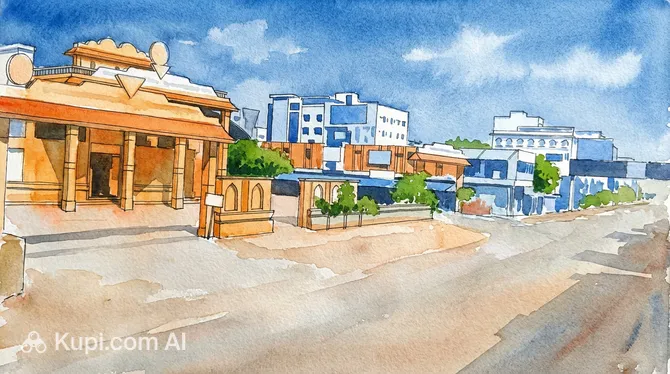
Hospet. Illustration.
Source: Kupi.com AI

The rich history of Hospet began in 1520, when the great ruler of the Vijayanagara Empire, Krishnadevaraya, founded the city in honor of his mother, Nagalambika. The settlement was originally named Nagalapura, but over time it became known as "Hosa Pete," which translates to "New City." Fragments of fortified walls and majestic temples survive from that era, serving as reminders of former imperial greatness.

Today, the city's atmosphere offers a fascinating contrast between dynamic industry and the tranquility of ancient traditions. Here, you can see modern steel plants and bustling bazaars neighboring the quiet river waters and the majestic Tungabhadra Dam. Hospet is ideal as a base for those wishing to explore UNESCO World Heritage sites while maintaining access to urban infrastructure.

We recommend staying in this city not just for transit, but to feel the authentic rhythm of life in Karnataka. Visiting local markets and walking along the riverbank will help you see the real India — industrious, noisy, and incredibly colorful.

Weather Overview

Hospet is characterized by a typical tropical Karnataka climate, with three distinct seasons. Summer, lasting from March to June, can be truly exhausting: the thermometer often rises to +38°C... +40°C. During this period, the air becomes dry and dusty, so it's better to plan walks in open spaces for the early morning.

From June to September, the city is under the sway of the monsoons. Expect warm months with heavy tropical downpours that bring long-awaited coolness but can make moving around difficult due to the humidity. The most comfortable time to visit is during the winter period, from October to February, when daytime temperatures stay in a pleasant range of +25°C... +30°C, and nights become refreshingly cool. Before your trip, we recommend checking the current weather in Hospet.

It is worth considering that the city's industrial status and heavy traffic can affect air quality, especially in the dry season. However, the proximity of the Tungabhadra River and reservoir slightly softens the heat, creating a more pleasant microclimate on the embankments. November and December are considered ideal times for sightseeing, when the sky remains clear and the sun is not too scorching.

Average monthly temperature

Average monthly precipitation

Interesting Facts

  • Monument City: Hospet was established in 1520 by Emperor Krishnadevaraya specifically in honor of his mother Nagalambika, and the area was originally named Nagalapura.

  • Gateway to the Empire: In ancient times, all travelers arriving in the capital of Vijayanagara from India's west coast, including traders from Goa, passed through Hospet.

  • Engineering Marvel: The Tungabhadra Dam, located near the city, is one of the region's most important hydraulic structures, and a rare Japanese garden is laid out at its base.

  • High-Altitude Status: The city is located at a moderate elevation (about 2,134 meters above sea level according to some data), which sometimes provides a slightly milder climate compared to lowland areas.

  • Strategic Hub: Thanks to its location, Hospet serves as an ideal base not only for Hampi but also for exploring other historical centers such as Badami, Aihole, and Pattadakal.

How to Get There

Hospet is a vital transport hub in Karnataka, providing convenient access to the historical heritage of Hampi. Thanks to a developed network of roads and railways, getting here from India's major metropolises is easy. You can find more detailed information about routes in the section on how to get to Hospet.

Air travel is handled through nearby regional airports. The closest airport to the city is in Bellary (Vidyanagar, IATA: VDY), located about 70 km away. Another popular option is the airport in Hubli (IATA: HBX), 160 km away, which receives regular flights from Bangalore and Mumbai. From the airports, the most convenient way to reach central Hospet is by pre-booked taxi or intercity bus.

AirportPassenger trafficDistance
Jindal Vijaynagar43 14027 km
Hubli Airport346 405141 km
Shivamogga Airport161 000178 km
Kurnool39 746198 km
Belgaum Airport360 000201 km

Railway transport is one of the most comfortable and budget-friendly ways to travel. Hospet Junction station accepts trains from Bangalore, Hyderabad, and Goa. An express trip from Bangalore takes between 6 and 10 hours, with overnight trains being particularly popular with tourists as they save travel time.

If you prefer buses, Hospet is connected by regular service to Bangalore (about 333 km), Goa, and other cities. State and private buses run frequently, but be aware of possible traffic jams on the approach to the city due to heavy truck traffic. From Hospet station itself, Hampi can be reached by local bus or auto-rickshaw in just 20–30 minutes.

Main Attractions

Although Hospet is most often perceived as a transit point on the way to the ruins of Hampi, the city itself and its immediate surroundings hide several architectural treasures of the Vijayanagara era. One of the most significant attractions is the Anantashayana Temple, dedicated to Lord Vishnu. This massive structure with unique architecture impresses with its scale and the craftsmanship of ancient builders.

For those interested in religious heritage, the Shaneshwara and Panchamukhi Hanuman temples are must-visits. The latter is especially revered by locals and attracts pilgrims with its special energy. No less interesting is the Krishna Temple, built by the great ruler in memory of his son. These shrines allow you to touch the spiritual life of the region without traveling far from the city center.

The Tungabhadra Dam is considered the natural gem of Hospet. At its foot lies the charming Japanese Garden, a favorite spot for walks and picnics. It offers magnificent panoramic views of the reservoir and surrounding hills, creating a peaceful atmosphere in contrast to the city's hustle and bustle. If you want to learn more about the city itself, take a look at the page dedicated to Hospet.

Don't forget to visit the local Archaeological Museum. Despite its modest size, it houses a valuable collection of artifacts found during excavations in the vicinity. It is a wonderful place to organize your knowledge before a trip to Hampi, seeing statues and everyday objects from the times of the great empire.

Local Cuisine

The cuisine of Hospet is a vibrant expression of South Indian culinary traditions with noticeable influences from the Karnataka and Andhra Pradesh regions. The local diet is based on rice, legumes, and a variety of spices. Mornings here typically start with traditional idli (steamed rice cakes) or crispy dosa, served with fragrant sambar and coconut chutney.

One of the city's main gastronomic features is the use of sorghum and millet. Be sure to try jolada roti — unleavened sorghum flour flatbreads that pair perfectly with spicy vegetable curries or boni dal (thick lentil soup). Due to the proximity of the Tungabhadra River, local restaurants also serve fresh fish dishes known for their special piquancy.

If you want to try authentic food in comfortable conditions, stop by Kailash Parbat, where popular Indian snacks and main courses are masterfully prepared. Another worthy place is Hotel Abhiruchi Restaurant, known for its hospitality and classic menu that will appeal to both vegetarians and meat lovers.

The dining culture in the city is democratic: small street stalls selling vada pav and puri are as popular as family restaurants offering unlimited thali — a set of several dishes served on a single tray. End your meal with a cup of traditional South Indian filter coffee or fragrant masala chai, prepared here with special care.

Travel Tips

Planning a trip to Hospet requires attention to detail to make your journey as comfortable and safe as possible. We have gathered some practical tips to help you better navigate this bustling hub in Karnataka.

  1. Clothing and Dress Code: Choose light clothing made of natural fabrics, as the region can be very hot. For visiting temples, modest outfits covering shoulders and knees are required. Don't forget comfortable shoes for walking on stony paths and sunglasses.
  2. Getting Around Town: Auto-rickshaws are the most convenient way to travel. Always negotiate before boarding or ask the driver to turn on the meter (which rarely happens). For trips to Hampi, it's better to rent a scooter or bicycle.
  3. Finances: The main currency is the Indian Rupee (INR). Cards are accepted in major hotels and shopping centers, but cash is needed in markets and for rickshaws. ATMs are available in the center, but it's better to have a supply of small bills.
  4. Health: Drink only bottled water and avoid ice in street drinks. Use sunscreen and repellents. Pharmacies can be found on the main streets near the station.
  5. Connectivity: You can buy a local SIM card in specialized shops (passport and photo required). Wi-Fi is usually available in hotels and large cafes, but its quality can be unstable.
  6. Local Etiquette: The traditional greeting is "Namaste" with palms joined. Try to use your right hand for eating and passing items, as the left is considered unclean.
  7. What to Avoid: Avoid walking alone in industrial outskirts or unlit riverbanks late at night. Also, avoid traveling during the height of the monsoon (July-August) when flooding is possible.
  8. Seasonality: The best time to visit is from October to March, when the air temperature is most comfortable for outdoor sightseeing.

Following these simple rules will make your visit to Hospet pleasant and allow you to focus on the amazing discoveries that await you in this historic region.

Entertainment & Nightlife

Entertainment in Hospet is generally quiet and family-oriented, as the city lives at the pace of an industrial and pilgrimage center. There are no loud nightclubs in the Western sense, and evening activity is concentrated around lively bazaars and central squares. Locals enjoy spending time walking by the Tungabhadra River or visiting cinemas showing the latest Indian films.

For those looking for a place to spend the evening in a cozy setting, restaurants and bars at major hotels are a good choice. For example, you can visit the Vijayanagara Kings Court, which offers a decent selection of drinks and dishes in a comfortable atmosphere. Also popular is the Hotel Swagath Bar, a common meeting place for travelers wishing to exchange impressions after a busy day.

Daytime entertainment includes visiting parks and markets. The Tungabhadra Dam, with its illumination and gardens, becomes the main attraction in the evening. For more active recreation, tourists choose excursions to nearby hills, which offer breathtaking sunset views. If you crave a more vibrant nightlife, consider a trip to larger centers like Hubli or Bellary.

In terms of safety, Hospet is quite friendly, though it is better to use taxis or auto-rickshaws late at night, which can be easily called through the hotel reception. Prices in establishments remain moderate, and the dress code in most places is casual, although a neat appearance is welcomed in hotel restaurants.

Parks & Museums

The park infrastructure of Hospet is inextricably linked with its main water artery and hydraulic structures. The most famous place for relaxation is the Japanese Garden, located at the foot of the Tungabhadra Dam. It is a neat green area with manicured lawns, decorative bridges, and flower beds. The garden is especially popular in the evening when the dam's decorative lighting is switched on, creating a magical atmosphere for walks.

Even though the city is a major industrial center, the banks of the Tungabhadra River serve as a natural recreational zone. Here you can find quiet corners for nature watching, although there aren't many full-fledged city parks in the center. Locals often head to the hills surrounding the city, which offer excellent opportunities for light trekking and panoramic photography of the surroundings.

A cultural itinerary must include a visit to the Archaeological Museum. Its halls contain unique exhibits telling the story of the rise and fall of the Vijayanagara Empire. Here you can see intricate stone carvings, ancient coins, weapons, and statues of deities moved from Hampi for their preservation. The museum provides a deeper understanding of the region's historical context before visiting the ruins themselves.

For those seeking more cultural experiences, the city offers tours of historical temples like Anantashayana, which are open-air museums in their own right. Although Hospet is not rich in art galleries, its streets, filled with traditional crafts and ancient architecture, compensate with their living history.

Getting Around

The transport system in Hospet is typical of a dynamically developing Indian city. The main means of transport for tourists and locals are auto-rickshaws. They are maneuverable, affordable, and can be found literally on every corner. A rickshaw ride is the fastest way to get from the station to your hotel or nearby attractions, but it's best to agree on the fare in advance as meters are rarely used.

City buses connect central Hospet with the outskirts and neighboring Hampi. This is the most budget-friendly way to get around, but be prepared for buses to be very crowded during peak hours. For longer distances, such as to the Tungabhadra Dam, you can use private taxi services, which are easily booked through hotel receptions or specialized apps.

Given the compactness of the central part (the city area is about 55 km²), many distances can be covered on foot or by bicycle if the weather permits. However, it is important to remember the specifics of local traffic: in the morning (07:00–10:00) and evening (17:00–20:00) hours, traffic jams often occur on main roads due to the abundance of freight transport serving the metallurgical plants.

For those planning active trips around the area, the best solution would be to rent a scooter or bicycle at one of the rental points catering to tourists. This will give you full freedom of movement and allow you to explore the riverbanks and remote temples at your own pace, without depending on public transport schedules.

Accommodation

The hotel infrastructure in Hospet is primarily geared towards travelers on their way to the ancient temples of Hampi. Here you will find a wide range of accommodation, from budget guesthouses to quality middle-class hotels. Most hotels are concentrated in the railway station area and along the main road leading to the river, making them extremely convenient for transit stays.

For those who value comfort and service, 2* and 3* hotels such as Malligi or Clarks Inn operate in the city. Such establishments often have their own restaurants and sometimes swimming pools, which are a real lifesaver after a hot day at the ruins. For example, you can consider accommodation options near the Vijayanagara Kings Court or choose hotels where the Hotel Swagath Bar is located to have access to evening entertainment right on-site.

For budget travelers, Hospet offers many hostels and "lodges," where prices start from 1,000–2,000 rupees per night. This is a practical option for those who plan to spend the whole day on excursions and are just looking for a place to sleep. If you plan a longer stay, it's worth looking into renting apartments in residential quarters closer to the river — it's quieter and greener there.

Accommodation prices in Hospet remain very affordable compared to resort areas, but during the peak tourist season (from November to February), rooms in the best hotels fill up quickly. We strongly recommend booking accommodation in advance through popular online services to ensure a comfortable stay at a good price.

Nearby Cities

Thanks to its location, Hospet serves as an ideal starting point for exploring northern Karnataka. Just 13 kilometers away lie the famous ruins of Hampi — the capital of the great Vijayanagara Empire and a UNESCO World Heritage site. However, besides this tourist magnet, there are other notable places in the vicinity worth a day trip.

Just a few minutes' drive away is the cozy town of Mariyammanahalli, and a bit further is Lakshmipura. These small settlements allow you to see the everyday life of rural India. If you are interested in larger centers, look at Gangavathi, which is famous for its picturesque surroundings and rice fields. All these points are easily reached by local buses or by hiring an auto-rickshaw for the day.

CityPopulationDistance
Mariyammanahalli16 09713 km
Lakshmipet14 33219 km
Basapatna9 80822 km
Gangawati105 52923 km
Sandur27 61426 km

For longer excursions, travelers often choose the city of Bellary with its impressive rock fort or Chitradurga. The region around Hospet is rich in historical fortresses, ancient temples, and natural beauty, so we recommend not limiting yourself to Hampi and taking the time to explore neighboring towns.

Shopping & Souvenirs

Shopping in Hospet is primarily about immersing yourself in the flavor of local markets and bazaars, which bubble with life from early morning until late evening. The city is not famous for huge malls but offers an excellent selection of goods characteristic of Karnataka state. The main shopping zones are concentrated near the railway station and on the streets leading to the city center, where you can find everything from everyday clothes to exotic spices.

If you prefer a more modern shopping format with fixed prices and air conditioning, you should visit the Trends shopping center. It offers a good selection of modern clothing from Indian and international brands. This is a great place to update your wardrobe or buy quality textiles in a comfortable setting.

However, for authentic souvenirs, it is better to head to the open-air markets. People often bring home handicrafts from Hospet: wooden figurines, metalwork, and, of course, the famous silk. Miniature copies of Hampi monuments carved from stone are in particular demand. Don't forget to visit the stalls with spices and local tea — their aroma will be the best reminder of your trip.

Most shops are open from 10:00 to 21:00, and bargaining is expected at the markets — it's part of the local culture. Large retail outlets and hotels accept bank cards, but for purchases at bazaars and paying for auto-rickshaw services, you should always have cash rupees with you.

Reached the end of the page?

That means the route is fully explored