Support

Jeypore

About

Welcome to Jeypore, a historic city located in the Koraput district of the state of Odisha. Often referred to as the "City of Victory," it serves as a significant commercial and cultural hub in the region. Nestled amidst the lush green hills of the Eastern Ghats, Jeypore is a perfect destination for travelers seeking a blend of royal heritage and natural beauty in India.

The city enjoys a moderate climate and is surrounded by dense forests and scenic valleys, making it a refreshing getaway. Exploring the history of Jeypore offers a fascinating glimpse into its past as the capital of the Jeypore Kingdom, ruled by the Suryavanshi dynasty. This royal legacy has left an indelible mark on the city's architecture and traditions.

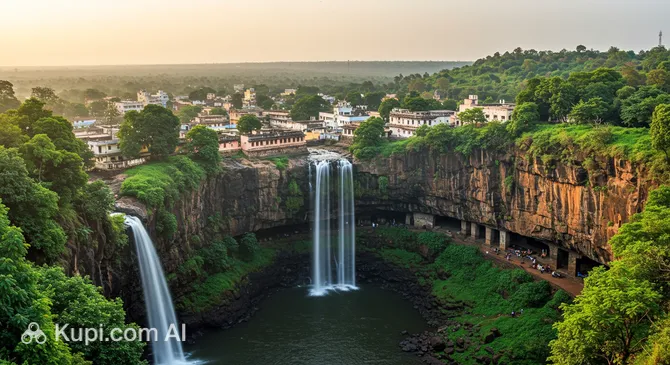
Jeypore. Source: Kupi.Binoculars

One of the main attractions is the majestic Jeypore Palace, also known as the Raj Mahal, which stands as a testament to the architectural grandeur of a bygone era. Visitors also love spending time at the Jagannath Sagar, a large man-made lake that provides a serene setting for boating and evening walks. Additionally, the city serves as a gateway to nearby natural wonders, such as the breathtaking Bagara Waterfall and the scenic Kolab Dam.

With its welcoming atmosphere and rich cultural tapestry, Jeypore invites you to explore its hidden treasures. Whether you are interested in ancient architecture or eager to experience the stunning landscapes of Odisha, this charming city promises a memorable journey.

Weather Overview

Jeypore experiences a tropical climate with distinct seasonal changes, offering different atmospheres depending on when you visit. The winter season, spanning from November to February, is generally the most pleasant time for tourists, characterized by cool and dry days. For a comprehensive guide to what you can expect during your stay, visit the weather in Jeypore page.

The summer months, particularly April and May, can be quite warm, with average temperatures peaking around 29°C and maximums reaching up to 34.4°C. The monsoon arrives in June, bringing frequent wet days that persist through September; July is notably rainy with precipitation occurring on up to 30 days of the month. Expect warm summers with high temperatures and cool, dry winters, while the monsoon season is marked by consistent daily rainfall.

Interesting Facts

Beyond the scenic landscapes and royal architecture, Jeypore holds several fascinating details that add depth to its character. Uncover the lesser-known aspects of this historic city with these intriguing facts.

  • A Strategic Capital: Jeypore was not always the seat of power; the capital was shifted here from Nandapur in the 17th century by Maharaja Vira Vikrama Dev, largely due to the natural fortifications provided by the encircling hills.

  • Ancient Water Management: The beloved Jagannath Sagar is actually a historic man-made lake, engineered centuries ago by the rulers to ensure a consistent water supply for the city's inhabitants.

  • Roof of the State: This city serves as the nearest urban gateway to Deomali, which stands as the highest mountain peak in the entire state of Odisha and is a significant geographical landmark in India.

  • The Growing Lingam: Local folklore surrounding the nearby Gupteswar Cave suggests that the massive limestone stalagmite inside, worshipped as Lord Shiva, miraculously increases in size by a small fraction every year.

How to Get There

Reaching Jeypore is a journey that takes you through the scenic landscapes of Odisha. While the city is tucked away in the Eastern Ghats, it remains accessible via major transport hubs in the region. For a detailed guide on planning your trip, you can read more about how to get to Jeypore using various modes of transport.

For air travelers, Visakhapatnam Airport (VTZ) in Visakhapatnam serves as the nearest major airport and the primary gateway. Located approximately 144 km from Jeypore, it offers good connectivity to major cities across the country. From the airport, a taxi or bus ride typically takes around 4 hours, offering beautiful views of the Araku Valley and the surrounding hills along the way.

Travelers may also consider Rajahmundry Airport (RJA), situated about 209 km away, which provides an alternative route into the region. For those arriving from central India or looking for other connections, Swami Vivekananda Airport (RPR) in Raipur is another significant hub, though it is located at a distance of about 271 km. The drive from Raipur involves a longer journey of approximately 7 hours but connects travelers to a wide network of flights.

For clarity, here is a summary of the main airports:

Airport Name City Passenger Traffic Km from City
Visakhapatnam Airport Visakhapatnam Medium 143.6
Swami Vivekananda Airport Raipur Medium 271.4
Rajahmundry Airport Rajahmundry Small 209.2

Main Attractions

Attractions:

Discovering the sights of Jeypore offers a journey through the region's royal history and its stunning natural landscapes. A tour of the city often begins at the Jeypore Palace, locally known as the Raj Mahal. Although time has left its mark on this historic structure, the main gate and the Durbar Hall still exude the grandeur of the Suryavanshi dynasty. It remains a focal point for culture and history enthusiasts visiting this part of India.

Nature lovers should not miss the Kolab Dam and Botanical Garden, located a short distance from the city. The reservoir, formed by the Kolab River, is surrounded by picturesque hills, creating a serene atmosphere. The adjoining botanical garden is a popular spot for picnics and leisurely walks, offering a lush green escape where visitors can enjoy the fresh air and scenic views of the water.

For a blend of adventure and spirituality, a visit to the Gupteswar Cave is highly recommended. Hidden within a dense forest, this limestone cave is dedicated to Lord Shiva and attracts pilgrims from far and wide. The journey to the cave involves a scenic drive through the woods, and the site itself provides panoramic views of the surrounding valley, making it a rewarding experience for trekkers and nature admirers.

The area is also known for its refreshing water bodies. Bagara Waterfall is a favorite destination for day trips, where visitors can watch three distinct streams cascade down the rocks. Within the city limits, Jagannath Sagar offers a more relaxed setting. This large man-made lake is perfect for boating or enjoying a quiet sunset, serving as a peaceful retreat after a day of sightseeing.

Local Cuisine

The local cuisine of Jeypore offers a delightful exploration of authentic Odia flavors infused with the unique tribal traditions of the Koraput district. Rice is the staple grain here, serving as the foundation for most meals. A quintessential dish to try is Pakhala, consisting of fermented rice soaked in water and curd, typically served with fried vegetables, fish, or badi (sun-dried lentil dumplings). This dish is cherished for its cooling effects, making it perfect for the region's warm climate.

Vegetarians will appreciate the wholesome taste of Dalma, a nutritious stew made from lentils cooked with a variety of vegetables like pumpkin, plantain, and papaya, all seasoned with roasted spices and ghee. Due to the city's proximity to dense forests, local ingredients play a starring role. You might encounter unique dishes featuring bamboo shoots, locally known as Kardi, which are often cooked into savory curries with a distinct mustard paste flavor.

When it comes to beverages, the region is gaining international recognition for Koraput Coffee. Grown in the nearby hills by local tribal communities, this organic coffee offers a rich and distinct aroma that is a must-try for caffeine enthusiasts. On the more traditional side, Mandia Pej is a soup-like drink made from ragi (finger millet). It is a staple energy booster for the locals and is highly valued for its nutritional benefits. In tribal areas, traditional alcoholic beverages like Salap (palm wine) and Mahua are also culturally significant, though they are mostly consumed in village settings.

The food culture in Jeypore is unpretentious and vibrant. Visitors usually eat at casual "hotels" (local restaurants) that serve hearty thalis on banana leaves, or at bustling street food stalls. In the evenings, the streets come alive with vendors selling Gupchup (crispy water balls similar to Panipuri) and Aloo Dum Dahi Bara, a spicy and tangy snack that is a favorite among residents. For dessert, do not miss Chhena Poda, a caramelized baked cheese delicacy that is considered the sweet signature of this part of India.

Travel Tips

Traveling to Jeypore offers a unique glimpse into the tribal heartland and natural beauty of Odisha, but navigating this historic city requires a bit of local know-how. To ensure your journey through the "City of Victory" is as smooth and enjoyable as possible, here are some essential practical tips to keep in mind.

  1. Clothing and Gear: Since the climate is tropical, lightweight and breathable cotton clothing is best for most of the year. However, if you visit during winter (November to February), pack a light jacket or sweater as evenings in the Eastern Ghats can get quite cool. Comfortable, sturdy walking shoes are a must for trekking to caves or waterfalls. When visiting temples like the Jagannath Sagar area, dress modestly with shoulders and knees covered.

  2. Transportation: There is no metro or extensive bus network within the city itself. The most convenient way to get around Jeypore is by auto-rickshaw. Be sure to negotiate the fare before starting your journey, as meters are rarely used. For visiting surrounding attractions like Gupteswar or Deomali, renting a private taxi or car for the day is highly recommended and offers the most flexibility.

  3. Finances: The local currency is the Indian Rupee (INR). While hotels and some larger restaurants may accept credit cards, cash is king in Jeypore, especially at local markets and small eateries. ATMs are available within the city, but it is wise to carry sufficient cash when heading out to remote tourist spots or tribal villages where digital payments are non-existent.

  4. Health and Safety: Jeypore is generally safe for tourists, but standard precautions apply. Since the region is surrounded by forests, carrying mosquito repellent is essential to prevent insect bites. Stick to bottled or filtered water and avoid tap water. Pharmacies are available in the town center, and the District Headquarters Hospital provides medical assistance if needed.

  5. Communication: The primary language spoken is Odia. Hindi is widely understood and spoken by many locals, while English is generally understood at hotels and banks but may be less useful in local markets or with auto drivers. Learning a few basic Odia phrases like Namaskar (Hello) or Dhanyabad (Thank you) will go a long way in building rapport.

  6. Local Etiquette: The culture in Jeypore is traditional and hospitable. Always remove your shoes before entering a private home or a temple. When interacting with locals, a polite "Namaste" with folded hands is the standard greeting. Use your right hand for eating or passing money, as the left hand is considered unclean for these activities.

  7. What to Avoid: Strictly avoid taking photographs of people, especially women from tribal communities, without asking for explicit permission first. This is a sensitive issue in the Koraput district, and snapping photos without consent is considered disrespectful and intrusive. Also, avoid roaming alone in isolated forest areas after dark.

  8. Weekly Markets: A unique feature of this region is the weekly tribal markets, known as Haats. If your schedule permits, ask your hotel or a local guide about the market days (often on Thursdays or Fridays in nearby areas). These bustling markets offer a rare opportunity to see local produce and traditional crafts, but remember to be respectful and observant.

By keeping these practical tips in mind, you will be well-prepared to embrace the authentic charm and warmth of Jeypore. Whether you are exploring ancient palaces or enjoying the serenity of the hills, a little preparation ensures a memorable and hassle-free adventure.

Entertainment & Nightlife

Entertainment in Jeypore is largely defined by a relaxed and laid-back atmosphere, distinct from the high-energy nightlife found in India's metropolitan hubs. As the sun sets over the Eastern Ghats, the city transitions into a quiet evening mode where social life revolves around family dinners, movie screenings, and cozy gatherings in hotel lounges. The nightlife here is conservative but welcoming, offering a chance to unwind after a day of exploration.

The primary hub for evening activity is Surya Mahal Road and the surrounding Main Road area. This district is the commercial heart of the city, bustling with activity until late evening. Here, you will find locals enjoying street food, shopping, or heading to the cinema. While you won't find sprawling nightclubs or dance floors, several hotels host well-stocked bars that serve as the city's main social venues for travelers seeking a drink and conversation.

For those looking to enjoy a classic pub atmosphere, Jannat Bar at Hotel Hello Jeypore is a popular choice. It offers a sophisticated setting with a range of cocktails and spirits, often accompanied by live sports screenings, making it a favorite spot for both locals and visitors. Another notable venue is Madhumati Bar, known for its decent selection of beverages and food, providing a comfortable space to relax. If you prefer entertainment on the big screen, SR Novo Cinema located in the SR Central Mall is the place to catch the latest Bollywood and regional blockbusters in a modern multiplex setting.

Practicality is key when planning your night out in Jeypore. Most venues, including bars and restaurants, typically close by 10:30 PM, so it is best to start your evening early. The dress code is generally casual, though "smart casual" is appreciated in hotel bars. For transportation, auto-rickshaws are the most common way to get around, but they become scarce late at night; it is advisable to arrange a ride in advance or ask your hotel to book a taxi for your return.

Safety in Jeypore is generally good, and the main streets remain safe for walking during the early evening hours. However, as the town quiets down significantly after 10:00 PM, it is recommended to stick to well-lit main roads and avoid isolated areas. During the day, entertainment options extend to shopping at the SR Central Mall or visiting local parks, but the evenings are best spent enjoying the warm hospitality and culinary delights of the local venues.

Parks & Museums

Jeypore offers a refreshing blend of lush greenery and deep-rooted heritage, serving as a gateway to the natural wonders of the Eastern Ghats. While the city is more famous for its royal history and surrounding landscapes than for modern recreational parks, it provides serene spots where nature and culture intersect. Visitors can enjoy well-maintained gardens near major water bodies and explore architectural landmarks that stand as silent custodians of the region's past.

One of the most scenic green spaces in the area is the Kolab Botanical Garden, located just a short drive from the city center near the majestic Kolab Dam. This beautifully landscaped garden is a favorite among locals and tourists alike for its vibrant flower beds, manicured lawns, and towering trees. It serves as an idyllic picnic spot where you can relax while enjoying panoramic views of the glittering reservoir and the surrounding hills. The tranquil atmosphere makes it a perfect escape for nature lovers seeking a quiet afternoon amidst flora and fauna.

For those who prefer a natural retreat within the city limits, the surroundings of Jagannath Sagar offer a peaceful respite. While primarily a large man-made lake, the embankments and adjacent green areas function as a promenade for evening leisure. It is a great place to watch the sunset, observe local birdlife, and enjoy the cool breeze coming off the water. The area is currently being developed to further enhance its appeal as a recreational hub for walkers and families.

When it comes to museums, the cultural heart of the region beats strongest at the Tribal Museum in nearby Koraput, which is an essential stop for anyone visiting Jeypore. Although located about 20 kilometers away, it is the premier institution for understanding the rich indigenous heritage of the district. The museum houses an impressive collection of tribal artifacts, including traditional jewelry, hunting tools, musical instruments, and clothing representing the diverse communities of the region, such as the Bondas, Gadabas, and Parajas.

Within Jeypore itself, the Jeypore Palace (Raj Mahal) stands as a monumental open-air gallery of history. While not a conventional museum with curated exhibits, this architectural marvel offers a raw and immersive look into the grandeur of the Suryavanshi dynasty. Visitors can admire the intricate designs of the main gate and the imposing structure of the Durbar Hall. Walking through its grounds provides a tangible connection to the royal legacy that shaped the city, acting as a living testament to its "City of Victory" moniker.

For a truly authentic cultural experience, try to visit during a weekly Haat (market day). These bustling gatherings act as living museums where you can witness the vibrant traditions of the local tribal communities firsthand. From unique local produce to handmade crafts, the markets offer a sensory immersion into the daily life of the Koraput district that no static exhibit can match.

Getting Around

The public transport system in Jeypore is quite different from what you might find in major metropolitan areas. As a relatively compact city in the Koraput district, it does not have a metro system, trams, or a comprehensive city bus network. Instead, the local transportation relies heavily on informal paratransit modes that are well-suited to the town's size and the layout of its streets. For most tourists, getting around is a straightforward affair, though it requires a bit of adaptation to local customs.

The most popular and convenient way to navigate the city is by auto-rickshaw. These three-wheeled vehicles are ubiquitous and can be found at designated stands near the bus station, railway station, and major markets. They are ideal for medium distances and can navigate the sometimes narrow and busy streets with ease. For shorter distances within the city center, cycle rickshaws are a common and eco-friendly alternative. They offer a slower pace, allowing you to soak in the local atmosphere, and are particularly useful for short hops between shops or landmarks.

When it comes to payment, cash is the absolute standard for all local transport in Jeypore. There are no travel cards, digital passes, or ticketing apps for auto-rickshaws or cycle rickshaws. You will need to pay the driver directly in Indian Rupees (INR). It is highly recommended to carry small denominations (₹10, ₹20, ₹50 notes), as drivers often struggle to provide change for larger bills. Fares are generally very affordable, but they are rarely metered.

A crucial piece of advice for tourists is to negotiate the fare before starting your journey. Since meters are almost never used, you should agree on a price with the driver upfront to avoid misunderstandings later. If you are unsure of the standard rate, ask a local shopkeeper or your hotel reception for an estimate before hailing a ride. Transport services typically operate from early morning until around 9:00 PM or 10:00 PM. Finding a rickshaw late at night can be difficult, so plan your evening returns accordingly.

While there is a bus station in Jeypore, the buses—operated by both the state government (OSRTC) and private companies—are primarily designed for inter-town and inter-district travel rather than intra-city commuting. They are excellent for budget-friendly trips to nearby attractions like Koraput, Gupteswar, or Visakhapatnam, but they are not practical for sightseeing within Jeypore itself. Tickets for these buses are purchased from the conductor on board or at the bus stand counters.

For those seeking more comfort or planning to visit attractions located outside the city limits, renting a private taxi is the best alternative. Unlike in big cities, app-based ride-sharing services like Uber or Ola may not be available or reliable here. Instead, you can book a taxi through your hotel or a local travel agency for a half-day or full-day package. This is particularly recommended if you plan to explore the surrounding hills and waterfalls, offering you the flexibility to travel at your own pace.

Accommodation

Accommodation in Jeypore is primarily designed to cater to practical travelers, offering a range of budget-friendly lodges and comfortable mid-range hotels. Unlike major metropolitan cities or dedicated tourist resorts, Jeypore does not typically feature ultra-luxury hotel chains or sprawling 5-star properties. Instead, visitors will find a selection of locally run establishments that provide warm hospitality and essential amenities suitable for families, business travelers, and backpackers exploring the Koraput district.

The most convenient area for tourists to stay is along the Main Road (often referred to as Surya Mahal Road) and the vicinity of the Jeypore Bus Stand. Staying in this central zone places you within walking distance of local markets, restaurants, and transport links, making it easy to arrange day trips to nearby attractions like Gupteswar or the Kolab Dam. This area is the commercial heartbeat of the city, ensuring that shops and pharmacies are always accessible.

For those seeking a bit more comfort, the city offers a few mid-range hotels that feature air-conditioned rooms, in-house restaurants, and reliable Wi-Fi. These establishments often serve as the social hubs of the town, hosting travelers and local events alike. Budget travelers can choose from numerous lodges and guest houses that offer basic, clean rooms at very affordable rates. While amenities in budget options may be simple, they are generally sufficient for a good night's rest after a day of trekking or sightseeing.

Booking Tip: While Jeypore is not always crowded, it is advisable to book your accommodation in advance if you plan to visit during the peak winter months (November to February) or during major festivals like Dussehra, when the city sees an influx of visitors. Regarding prices, accommodation here is generally very reasonable compared to larger Indian cities. While major hotels are listed on popular online booking platforms, many smaller budget lodges still operate primarily via direct phone bookings or walk-ins.

Nearby Cities

Jeypore is strategically positioned in the Koraput district, making it an excellent starting point for exploring the wider region of southern Odisha and the border areas of Andhra Pradesh. The surrounding towns and cities offer a diverse mix of experiences, from scenic hill stations and industrial townships to historical forts and vibrant tribal markets. Whether you are planning a short day trip or moving on to your next destination, these nearby locations provide a deeper insight into the local culture and geography.

The closest major town is Sonabeda, located just a short drive away. Nestled in the hills, it is famous for housing the Hindustan Aeronautics Limited (HAL) engine division and offers a pleasant, cool climate year-round. A bit further lies Nowrangapur (Nabarangpur), known for its deity Maa Bhandargharani and its significant production of maize. For those willing to travel a bit longer, Rayagada is a cultural treasure trove, renowned for its tribal heritage, the Majhighariani Temple, and its scenic backdrop of meadows and waterfalls.

Crossing the state border into Andhra Pradesh, travelers can visit Bobbili, a town steeped in history. It is celebrated for the Bobbili Fort and its unique tradition of manufacturing the "Bobbili Veena," a classical musical instrument. Another nearby destination in the region is Gangammapeta, which serves as a connecting point in the neighboring district. Exploring these towns allows visitors to witness the seamless blend of Odia and Telugu cultures that characterizes this border region.

Here is a list of nearby cities and their distances from Jeypore to help you plan your itinerary:

City Distance (km) Population
Sonabeda 31 58,647
Nowrangapur 41 69,307
Bobbili 89 56,819
Rayagada 95 71,308
Gangammapeta 105 75,017

Shopping & Souvenirs

Shopping in Jeypore is a delightful experience that focuses less on high-end luxury brands and more on authentic local craftsmanship and regional specialties. The city serves as a commercial hub for the Koraput district, offering visitors a chance to purchase unique items that reflect the rich tribal heritage and agricultural abundance of this part of India. From bustling street markets to modern retail spaces, the shopping scene here is vibrant and unpretentious.

The primary destination for shoppers is the Main Road area, particularly along Surya Mahal Road. This stretch acts as the city's commercial spine, lined with a variety of shops selling everything from clothing and jewelry to electronics and daily essentials. Walking down this busy street gives you a feel for the local pace of life, and it is the best place to find traditional textiles and garments.

For those looking for a more modern shopping environment, SR Central Mall is the go-to spot. As one of the prominent shopping complexes in the city, it houses a selection of branded stores, a food court, and a cinema. It provides a comfortable, air-conditioned setting where you can shop for contemporary fashion and lifestyle products, offering a contrast to the traditional street-side stalls.

The soul of the region's commerce, however, lies in its markets. The Daily Market is a sensory overload of fresh vegetables, aromatic spices, and local forest produce. While not a tourist market in the conventional sense, it is fascinating to explore. Additionally, the weekly tribal markets, or Haats, held in the outskirts and nearby villages, are essential for anyone interested in indigenous culture. Here, you can find handmade goods, pottery, and organic produce sold directly by local tribal communities.

When it comes to souvenirs, Jeypore offers several distinctive treasures. The most famous is the Kotpad Handloom fabric, renowned for its organic dyes derived from the Aal tree and unique tribal motifs. These cotton sarees and shawls are a GI-tagged heritage product of the region. Another must-buy is Koraput Coffee, an organic coffee grown in the local hills that has gained popularity for its rich flavor. You might also look for Dhokra metal crafts (bell metal) and locally harvested cashew nuts, which are of excellent quality.

Most shops in the city operate from around 10:00 AM to 9:00 PM, though some smaller stalls may close for a short afternoon break. Sunday is the standard weekly holiday, but many retail outlets remain open or operate with reduced hours. While the mall and larger showrooms accept credit and debit cards, cash is essential for shopping in local markets, small boutiques, and for purchasing handicrafts from artisans.

Regarding tax refunds, tourists should be aware that India does not typically offer a VAT or GST refund scheme for international visitors at standard retail outlets. The price you see usually includes all applicable taxes, so it is best not to expect a refund at the airport for goods purchased in local shops.
Reached the end of the page?

That means the route is fully explored